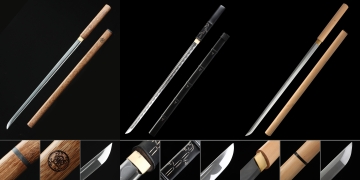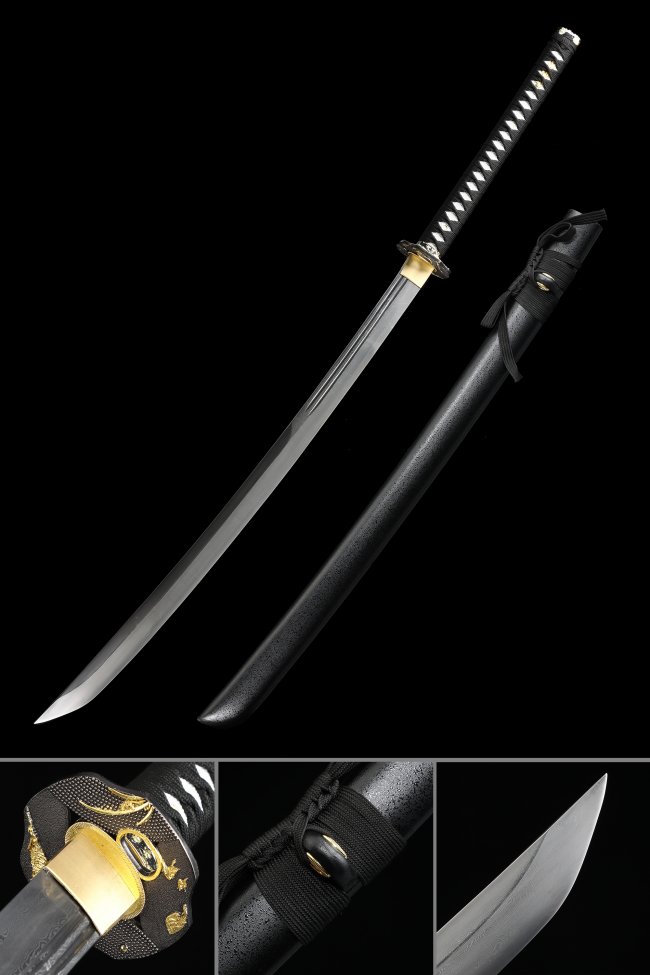
Damascus Naginata

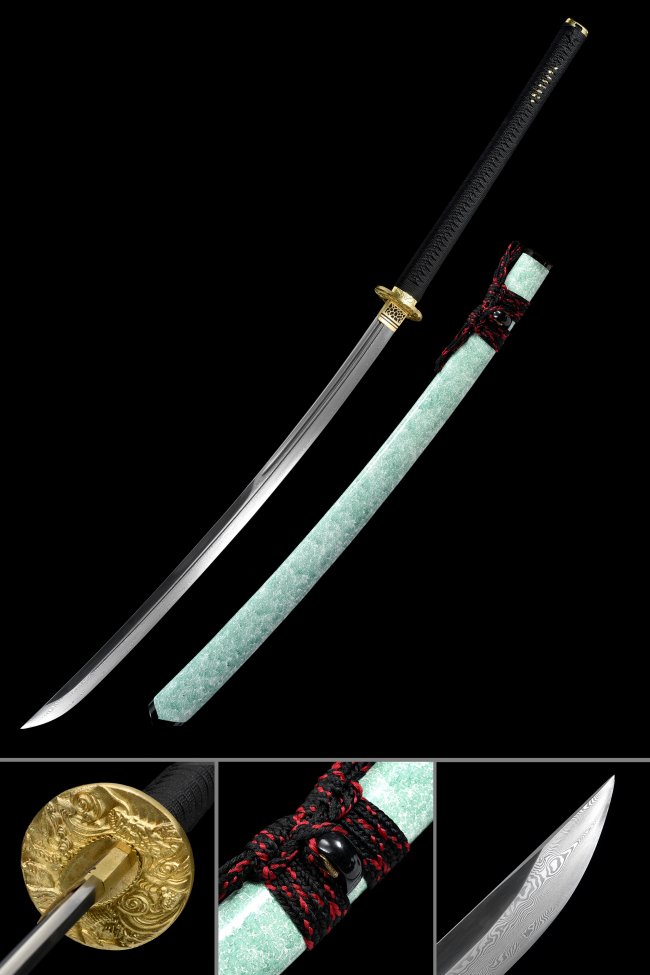
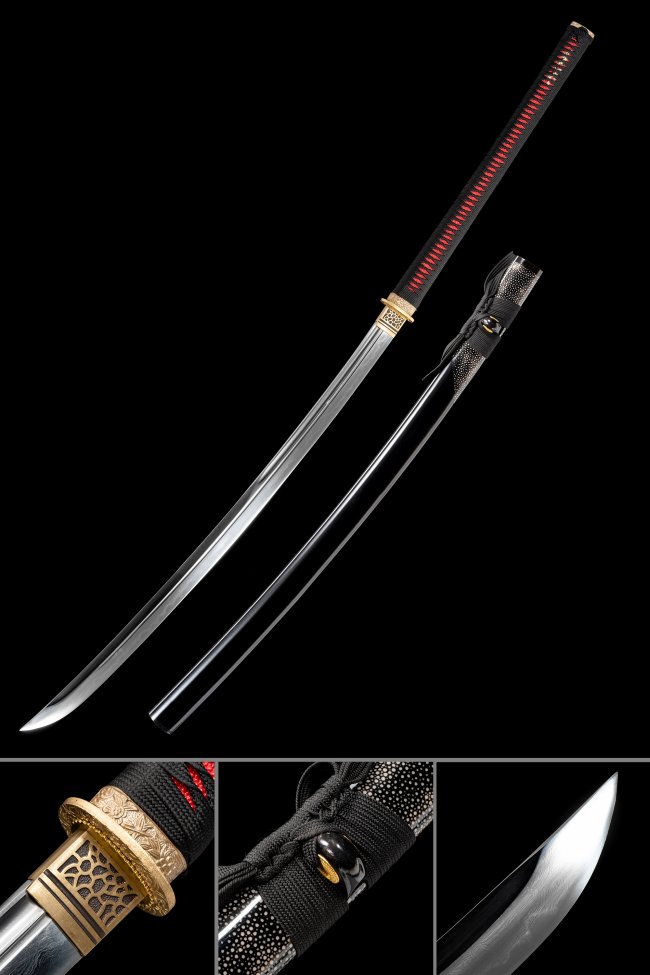
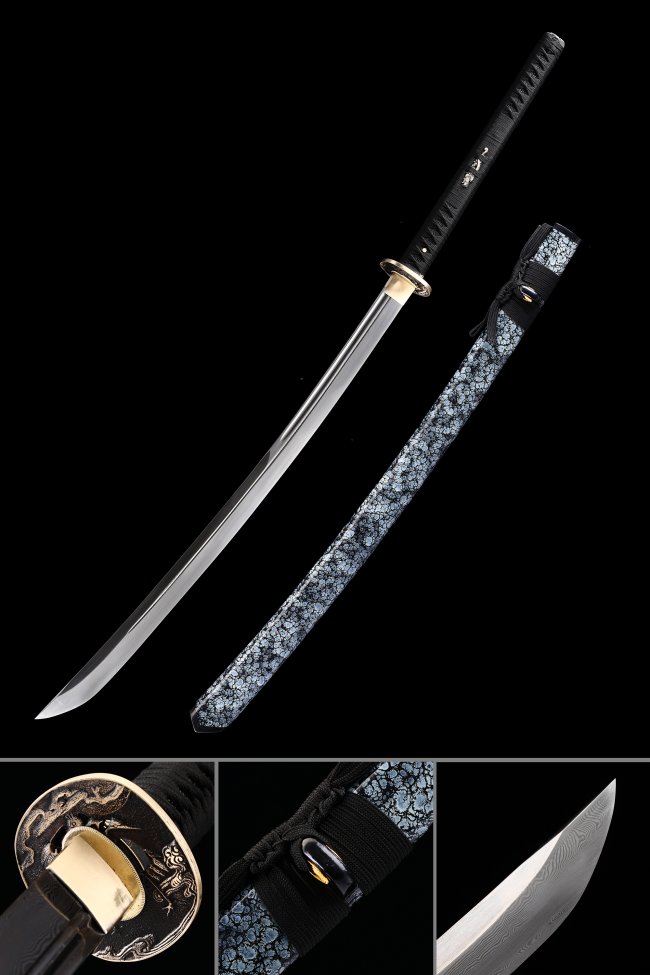
Damascus Naginata blades unite centuries of Japanese polearm tradition with the layered artistry of pattern-welded steel. Each piece in this collection is hand-forged to develop the signature flowing grain that makes every blade visually one of a kind, finished with period-authentic fittings and lacquered sayas worthy of serious display. Full-tang construction and clay-tempered options reflect the same standards prized by dedicated collectors worldwide. Enjoy free shipping on your order, backed by our hassle-free return policy.

Showing 4 Products

Related Collections

Damascus Tanto46 items


55 Reviews

Damascus Odachi13 items


21 Reviews

Damascus Wakizashi25 items


88 Reviews

Damascus Ninjato19 items


19 Reviews

Frequently Asked Questions

What makes Damascus steel different from standard carbon steel?
Damascus — or pattern-welded — steel is produced by forge-welding multiple layers of high-carbon and lower-carbon steel billets together, then repeatedly folding and drawing out the combined billet. When the finished blade is etched in acid, the different carbon contents respond at different rates, revealing the flowing grain pattern the style is known for. Standard mono-steel blades are ground from a single homogenous billet and carry no such surface patterning. The visual effect on a Damascus Naginata is particularly dramatic because the long, curved blade gives the layered pattern considerable surface area to develop across, making the grain flow visible from across a room.
What is a real hamon, and how do I identify one?
A hamon is the temper line produced when differential clay tempering is applied before quenching. Clay is coated thickly along the spine and thinly near the edge, so the edge cools rapidly and hardens while the spine remains relatively tough. The boundary between these two zones — the hamon — appears as a misty, undulating line running along the lower portion of the blade. On a genuine clay-tempered blade, the hamon has organic irregularities, subtle activity within the line itself, and a milky or frosted appearance under raking light. Simulated hamons produced by mechanical polishing or acid etching tend to look uniform and sharp-edged by comparison. Several Damascus Naginata pieces in this collection specify both clay tempering and a real hamon, and those are the details to prioritize if authenticity of process matters to your collection criteria.
How does a Damascus Naginata differ from a standard naginata?
The naginata form — a curved single-edged blade mounted on a long wooden shaft — is the same regardless of steel type. The distinction lies in the blade material and finish. A standard naginata may use 1045 or 1060 mono-steel, offering a clean, uniform surface. A Damascus Naginata uses pattern-welded steel, adding a layered grain aesthetic that makes the blade visually unique. Some Damascus variants in this collection also incorporate clay tempering and a visible hamon, features that bridge the visual traditions of tamahagane-era Japanese craft with the layered-steel aesthetic. For collectors, the Damascus version typically represents a higher level of surface artistry and individualization.
How should I care for a Damascus Naginata on long-term display?
The etched surface of a pattern-welded blade requires light, consistent maintenance to stay at its best. Every two to three months, apply a thin coat of choji oil — traditional clove-infused mineral oil widely available from Japanese sword care suppliers — using a soft cloth or uchiko ball, then wipe to a near-dry film. This prevents oxidation without leaving a sticky residue that attracts dust. Store or display the piece away from direct sunlight, which can fade handle wrapping and lacquer over time, and keep ambient humidity below 60% to protect the saya. Avoid touching the blade surface with bare hands; skin oils accelerate surface oxidation, particularly on etched Damascus where the acid-treated surface is more porous than a polished mono-steel blade.
Is a Damascus Naginata a good choice as a collector's gift?
For a recipient who appreciates Japanese history, traditional craft, or layered-steel artistry, a Damascus Naginata is a distinctive and memorable gift precisely because it occupies a category most collectors do not already own. Katana and tanto are far more commonly collected; the naginata's polearm format and historical association with refined Japanese culture give it a different narrative weight. The variety of saya finishes available — granite, black lacquer, green lacquer — allows for some personalization in presentation. Pairing a naginata with a complementary piece such as a Damascus Steel Tanto creates a thematically cohesive gift set that demonstrates genuine knowledge of the recipient's interests.

Customer Reviews

Michael E Glass Indiana, United States

The swords arrived 7-8 days after they were shipped. I had received an email confirming the order when I placed it, however I did not receive an email when it shipped, so I didn't know to look for them. They may have been outside a day before I noticed the boxes. With that said the boxes arrived in good shape with no obvious shipping damage. I'm not the biggest fan of the all styrofoam containers, due to it being a little messy when opening the packaging, but I can't deny it did an excellent job in protecting the swords as they arrived in perfect condition. I haven't had a chance to cut any water bottles yet, but all of the swords seem reasonably sharp. Everything seems well built with no obvious defects that I can tell at this time.

Fuuun Kairyuu Damascus Naginata - Pattern Steel, Green Saya, Copper Tsuba, Full Tang Fuuun Kairyuu Damascus Naginata - Pattern Steel, Green Saya, Copper Tsuba, Full Tang