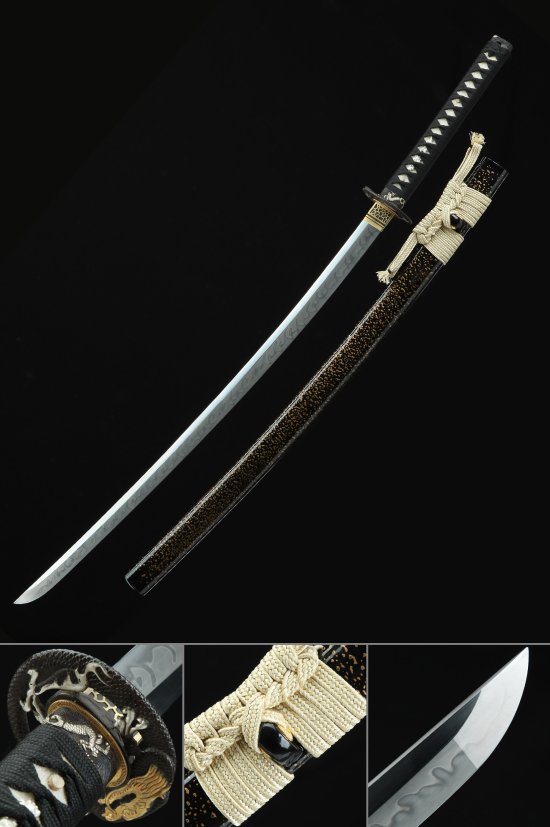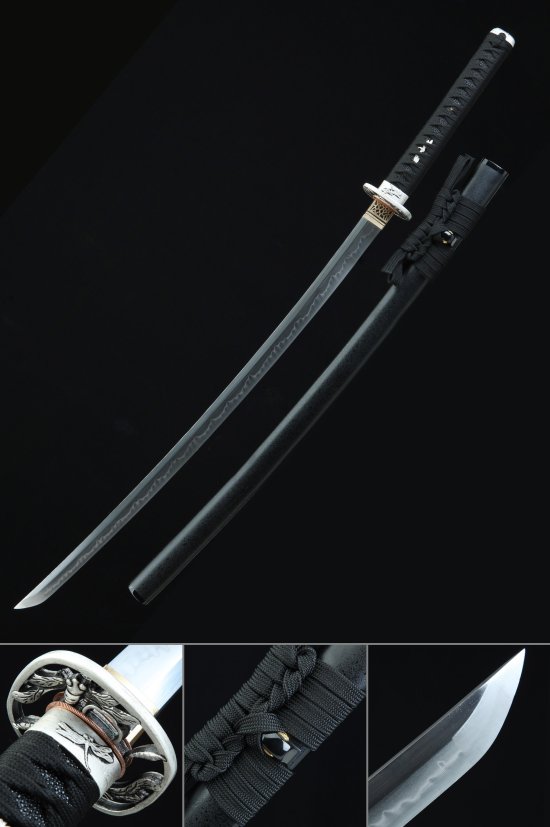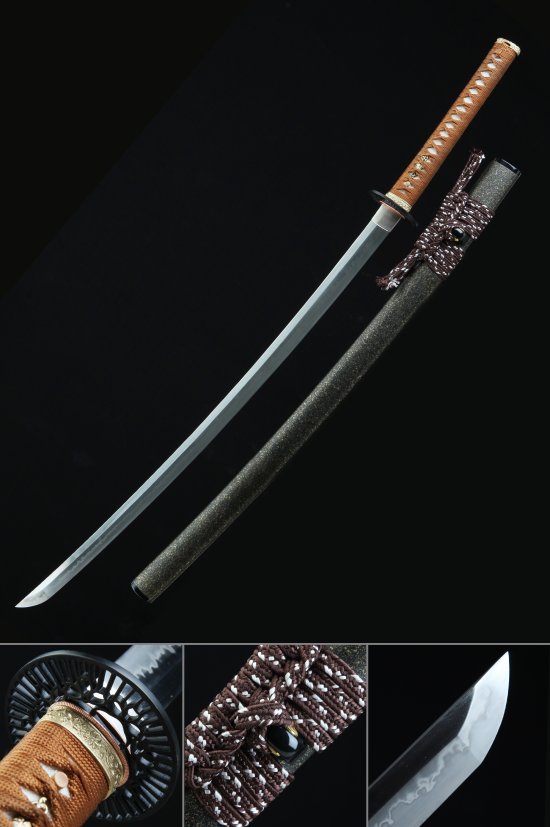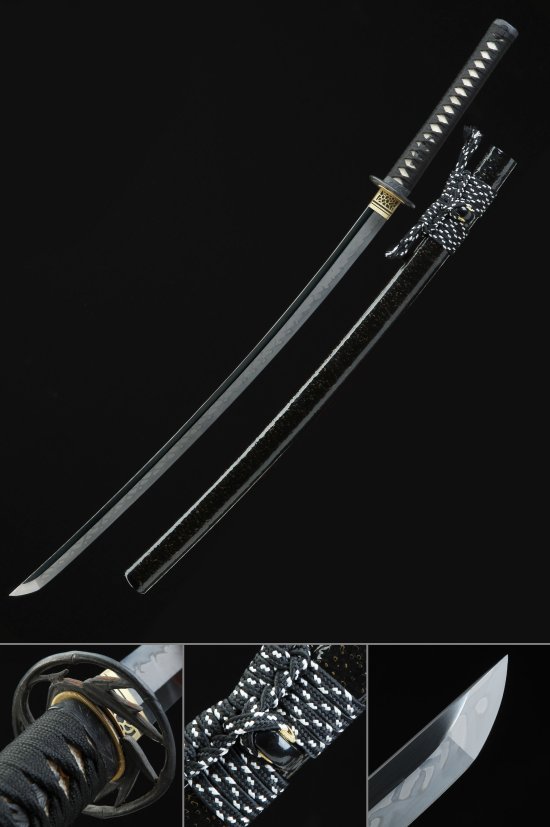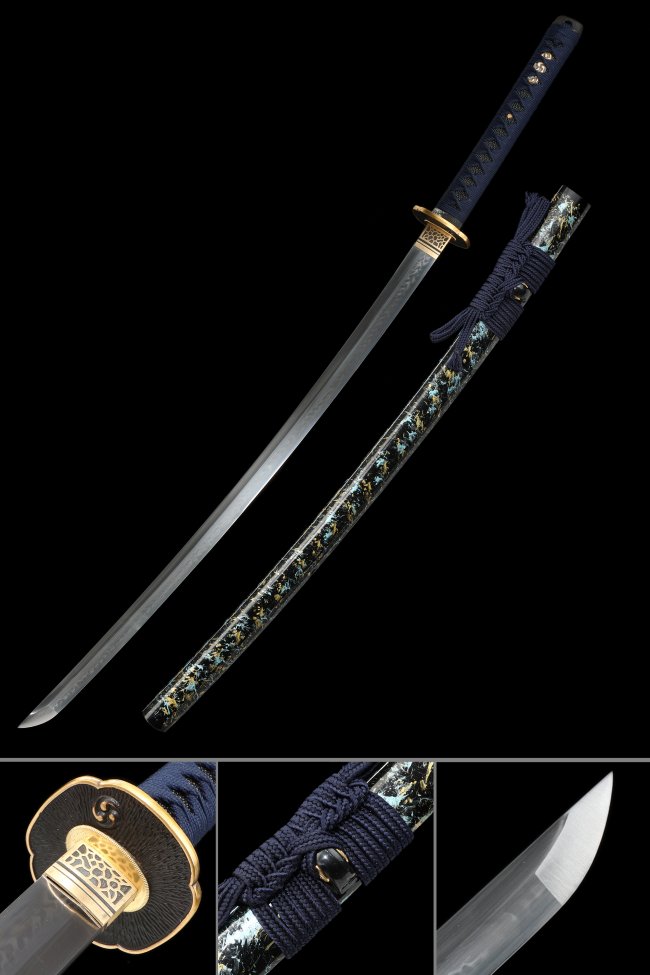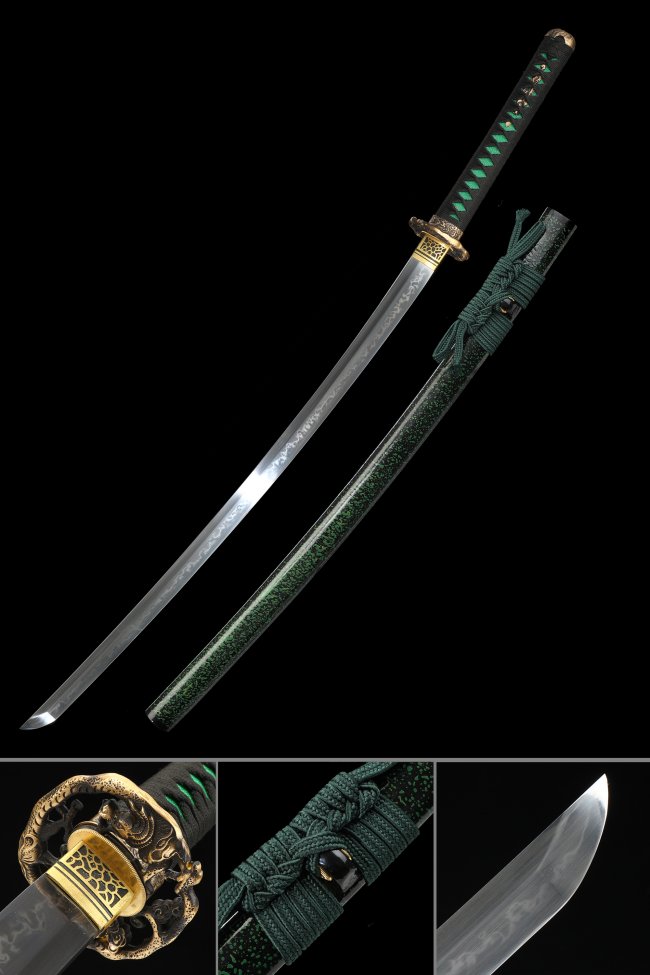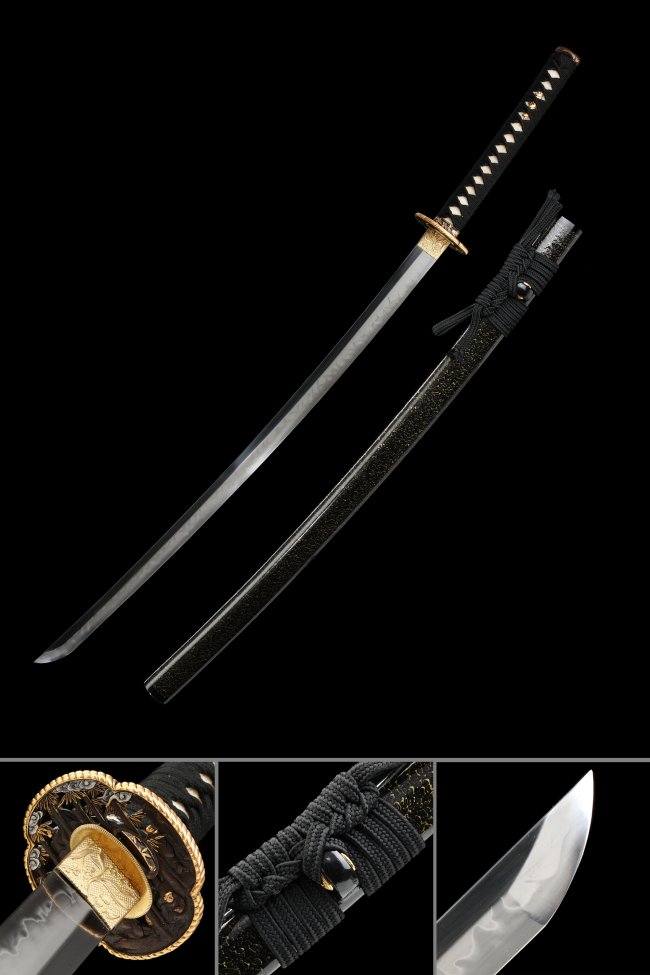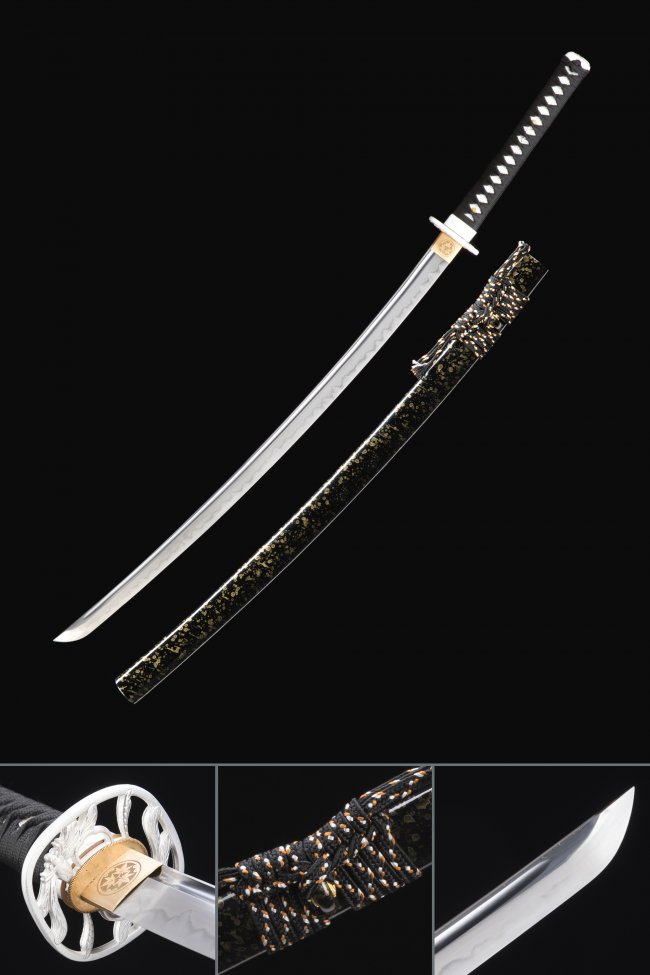
T10 Carbon Steel Katana

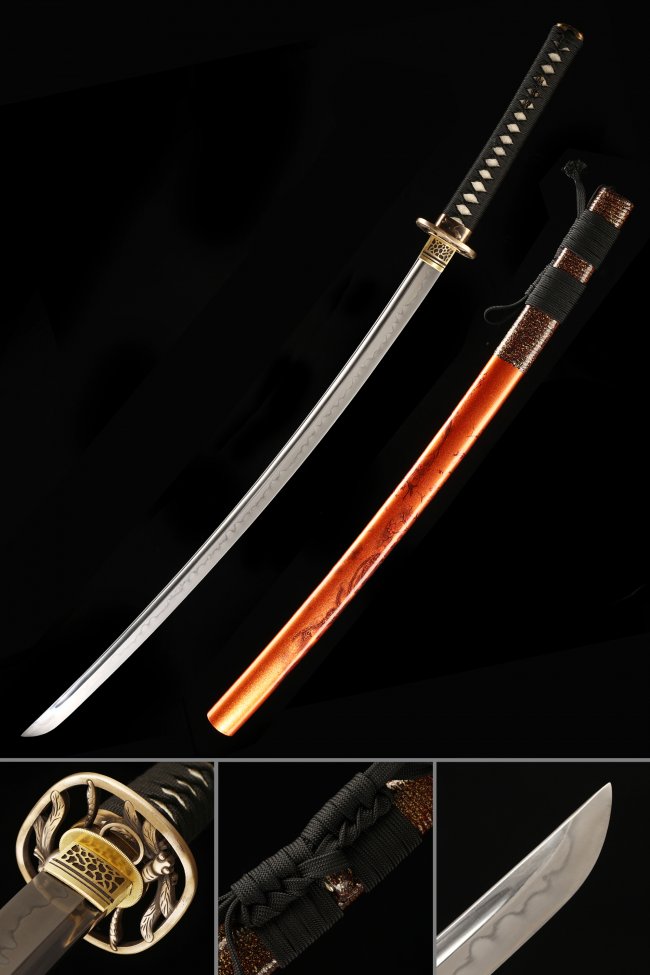
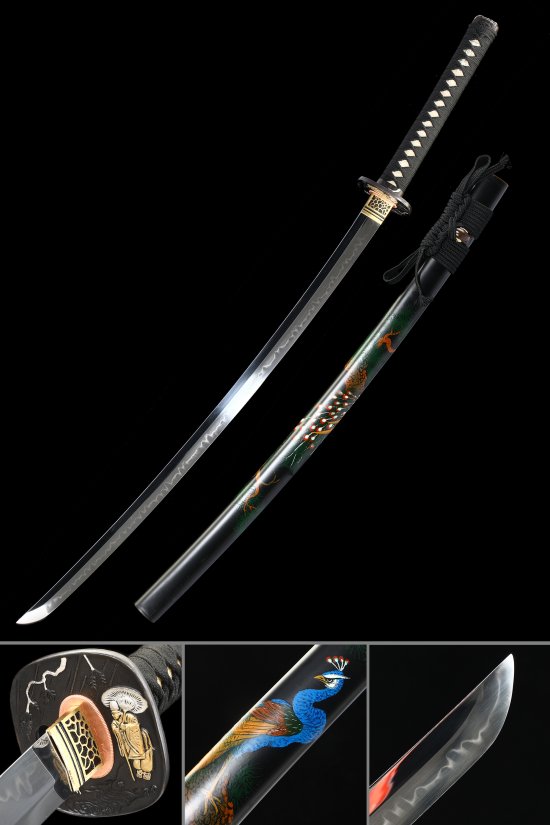
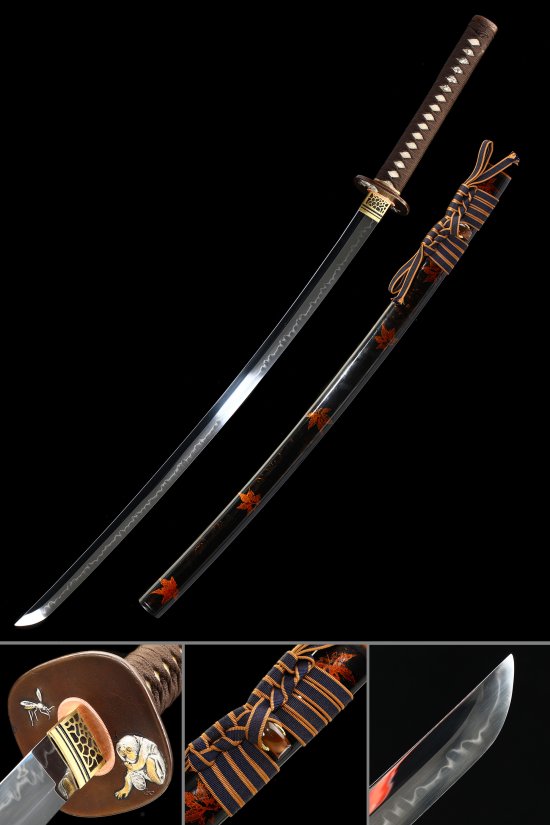
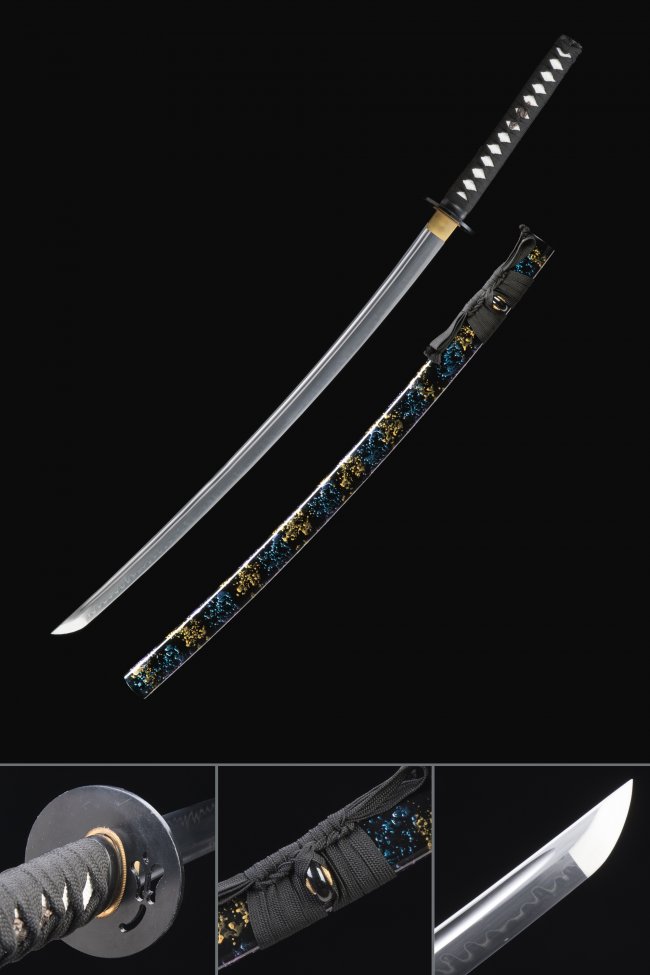
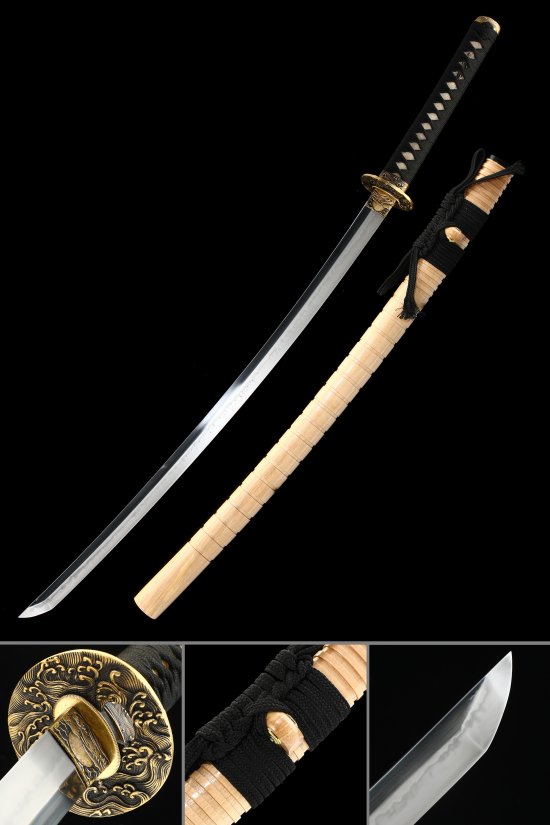
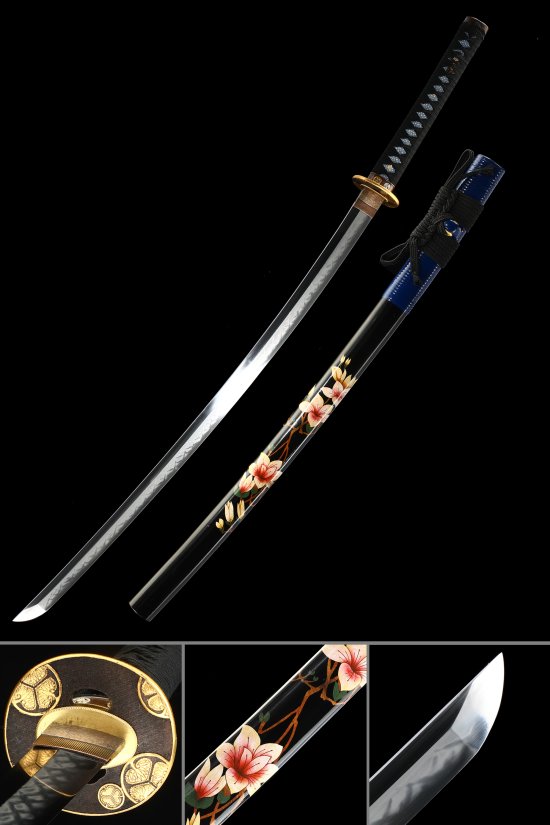
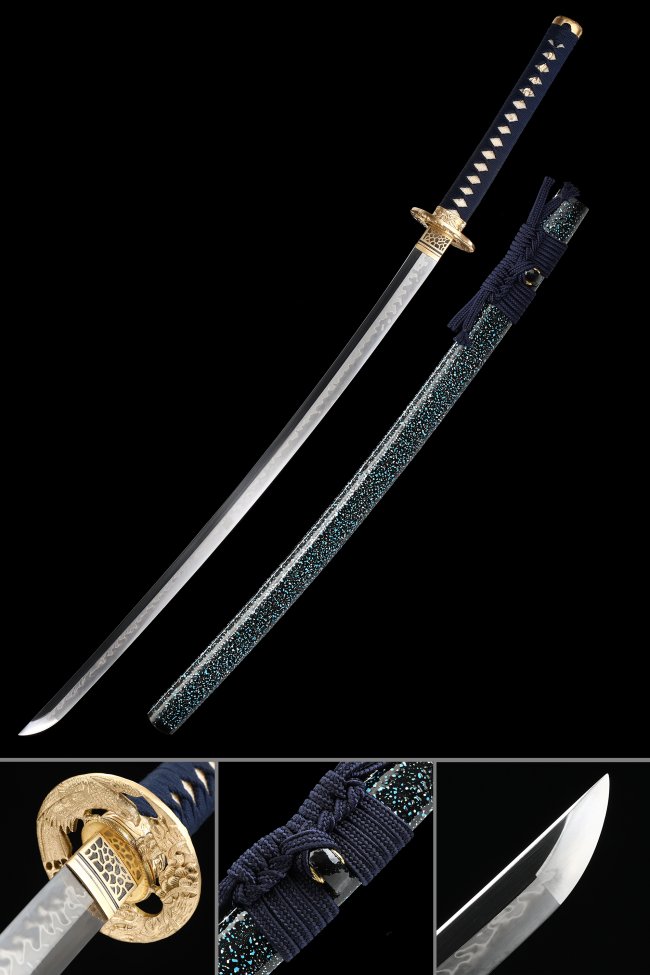
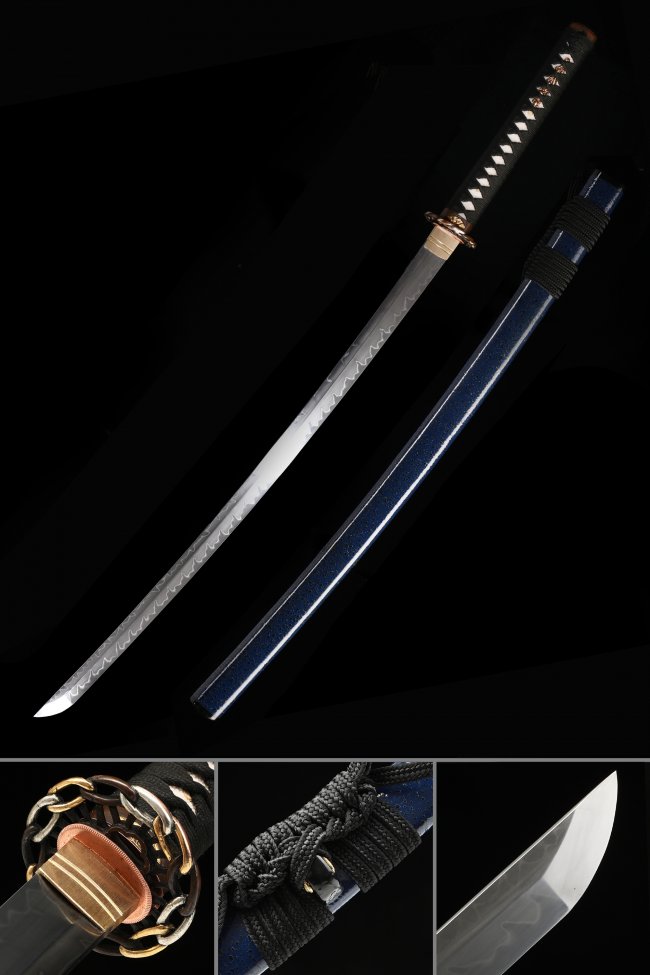
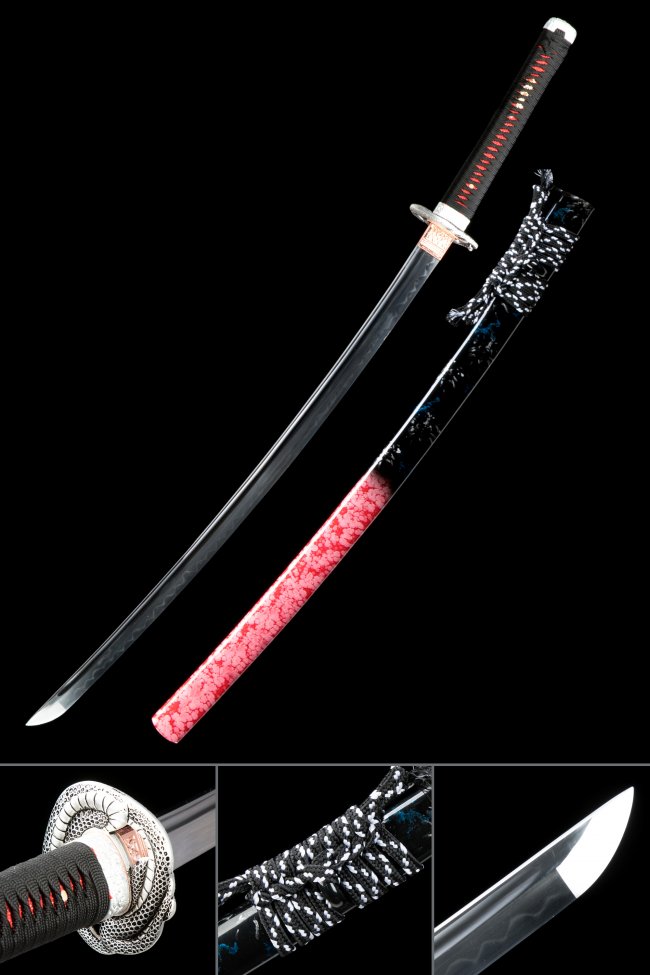
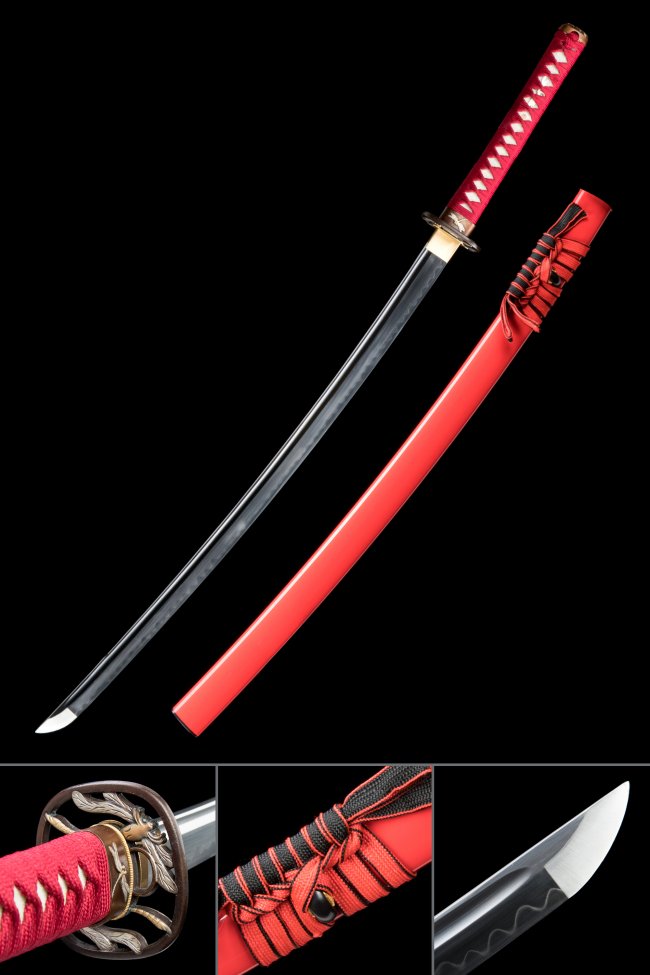
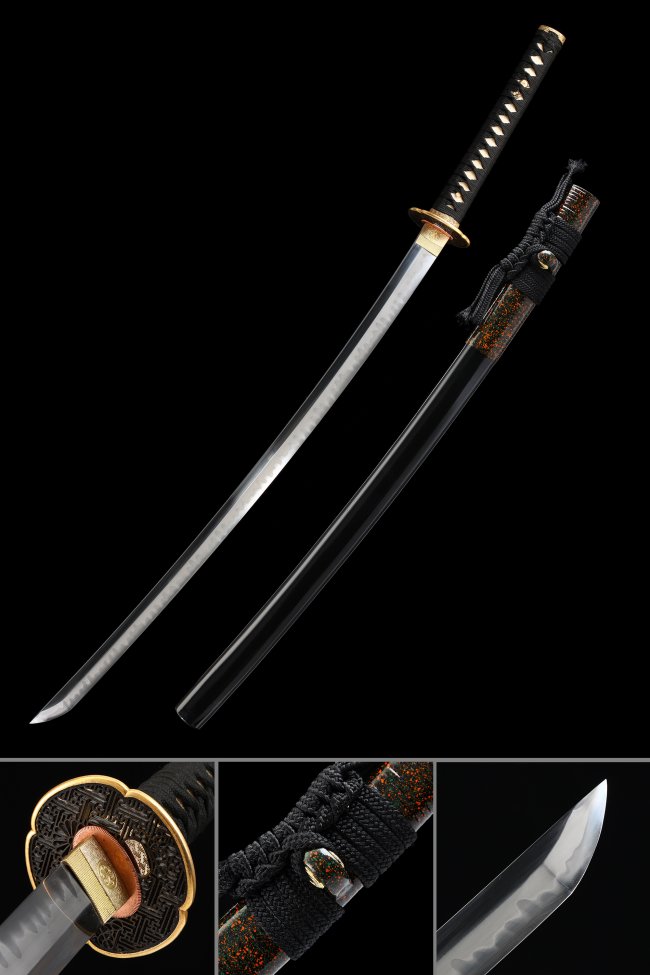
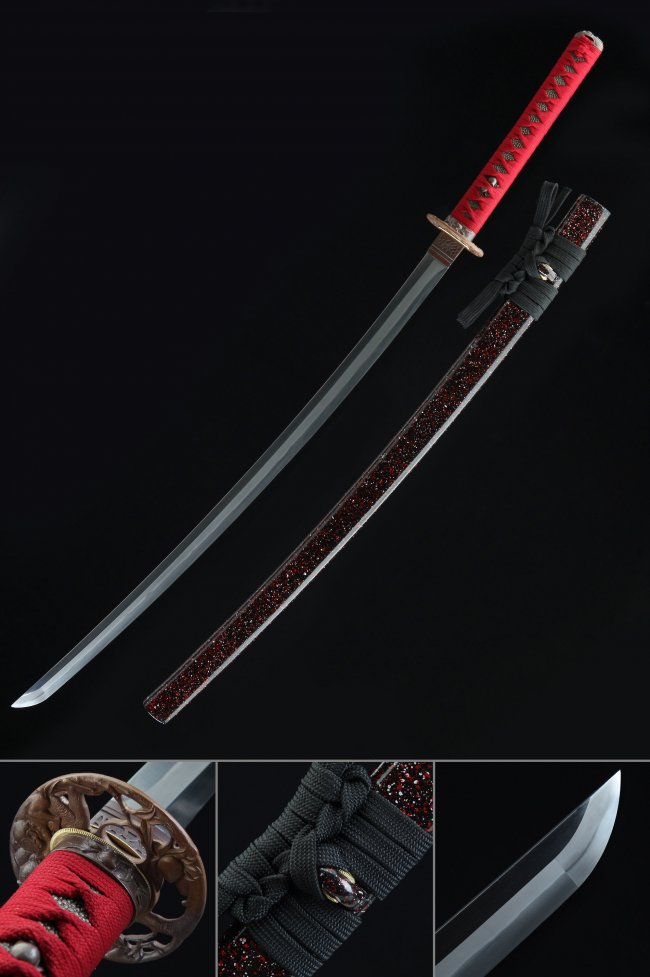
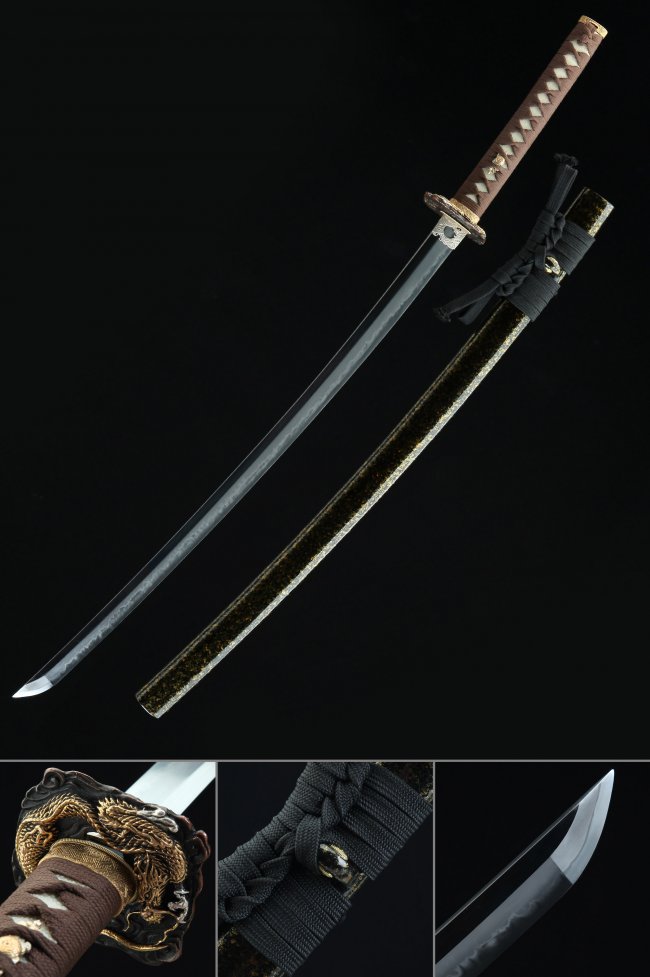
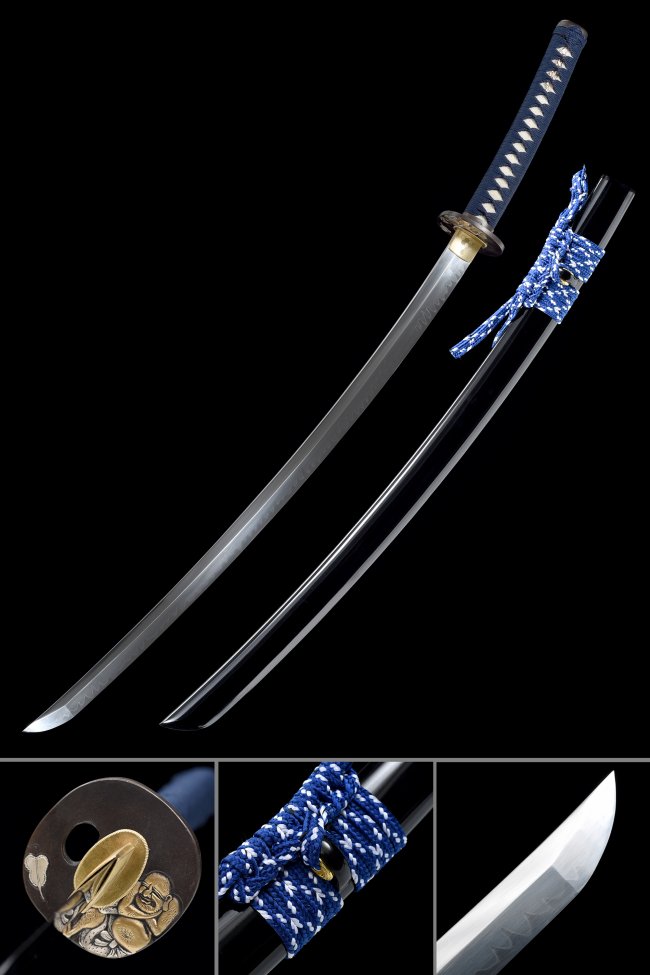
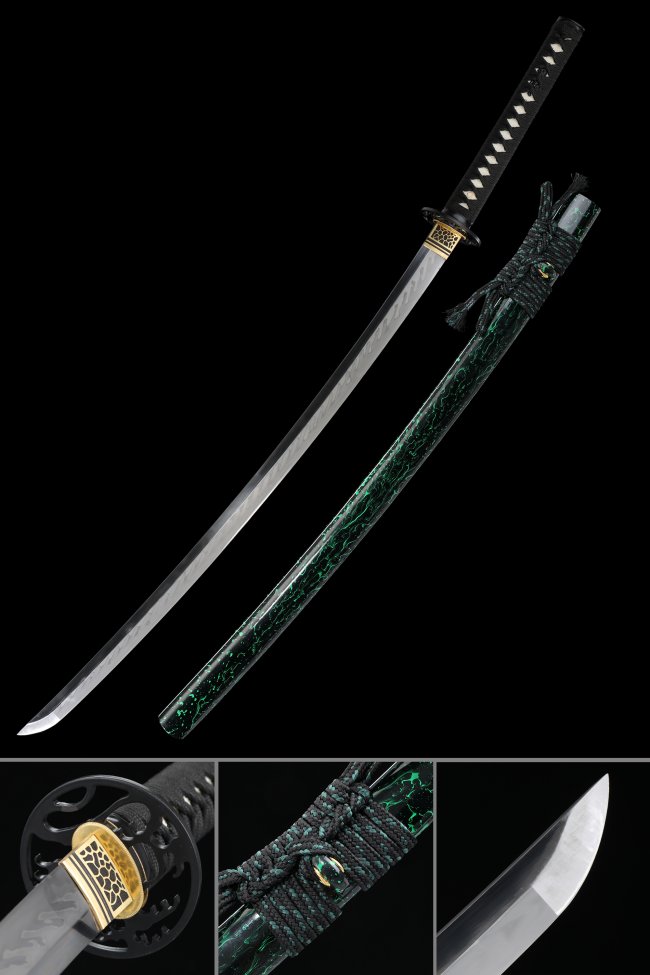
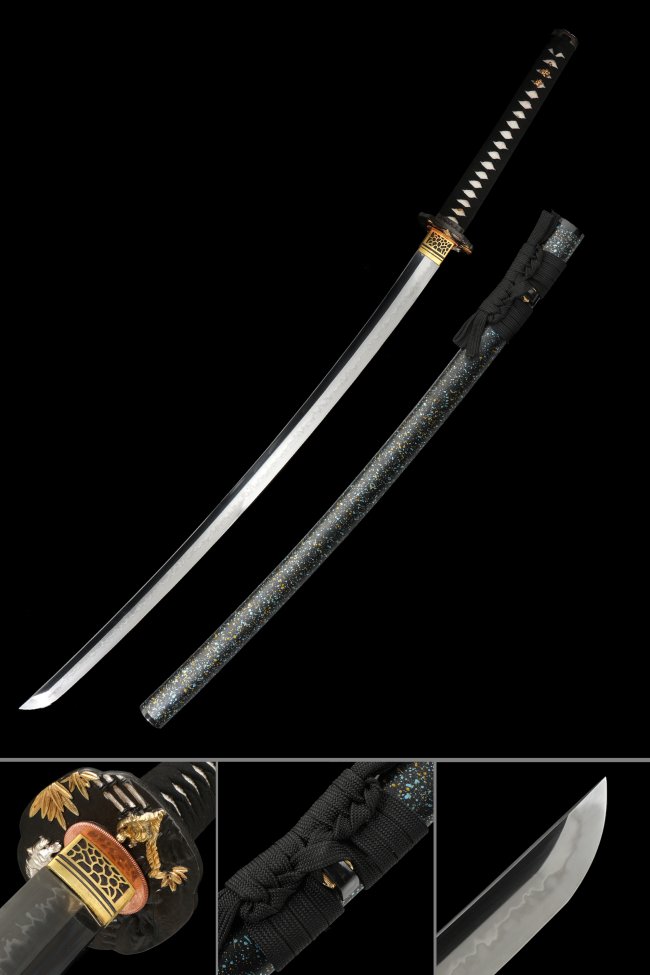
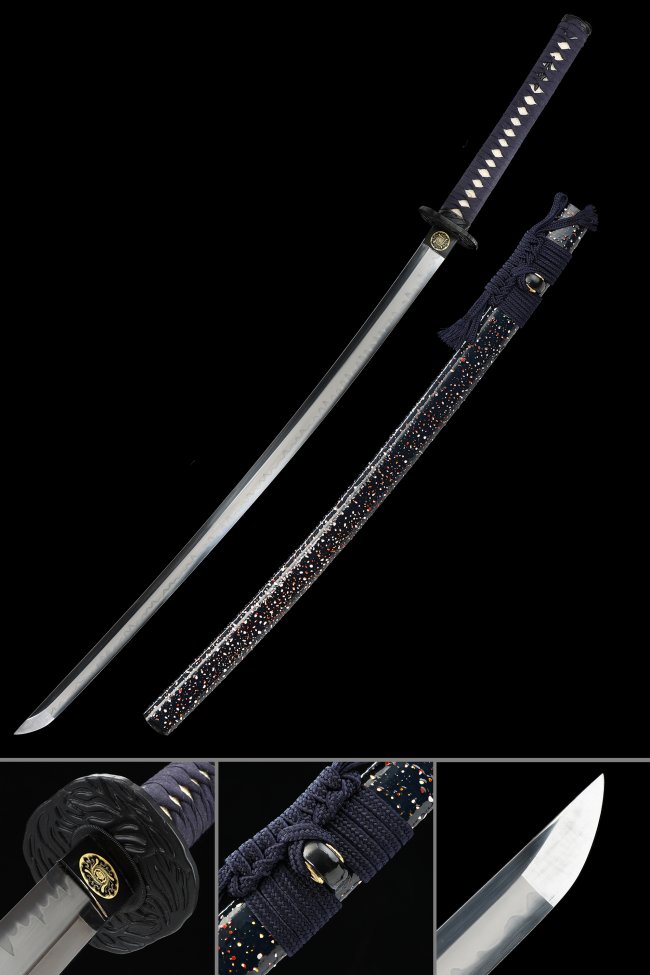
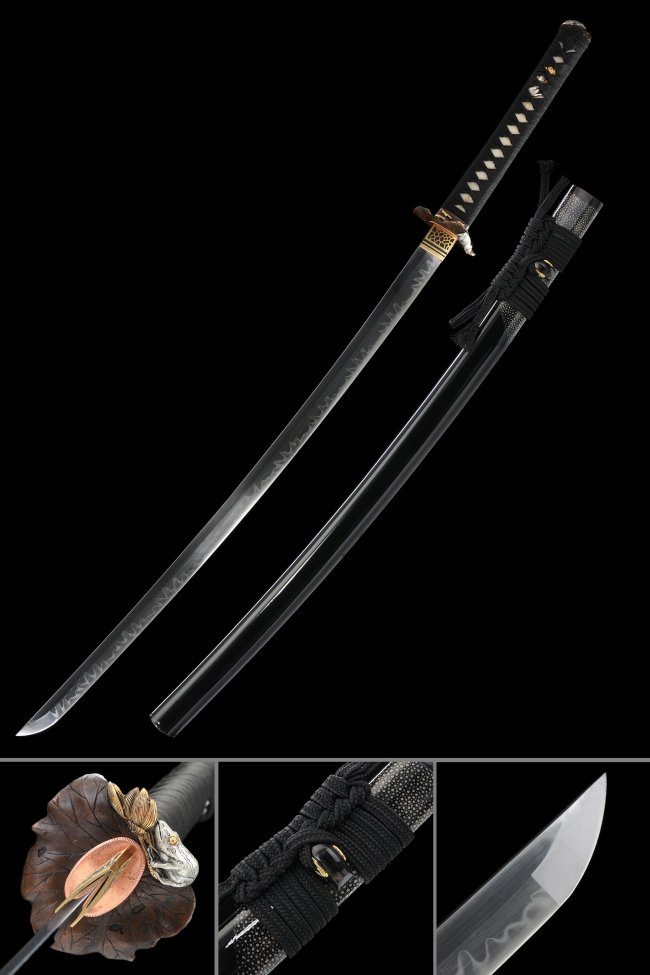
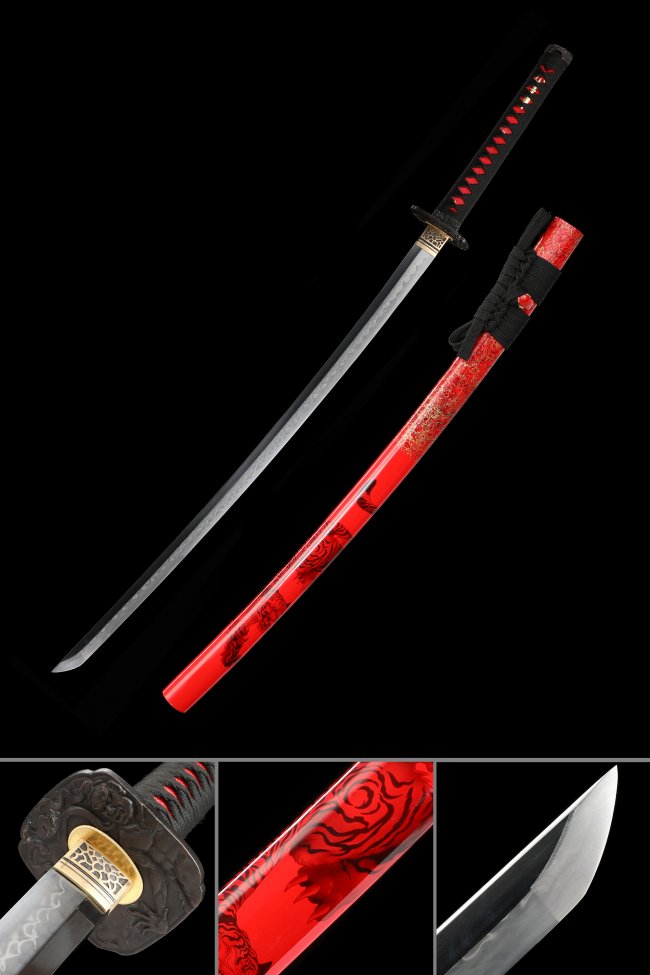
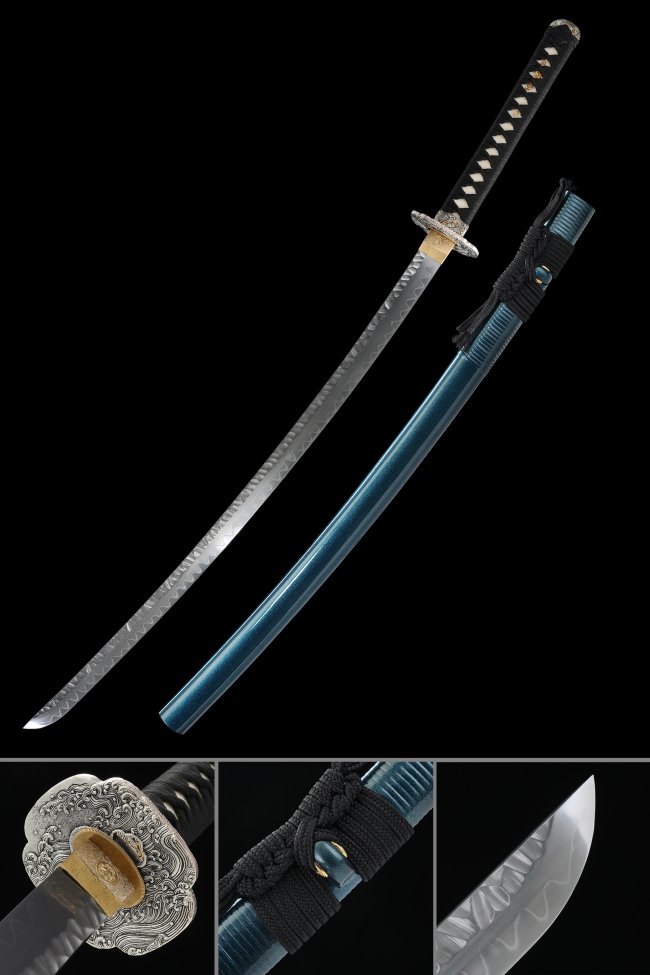
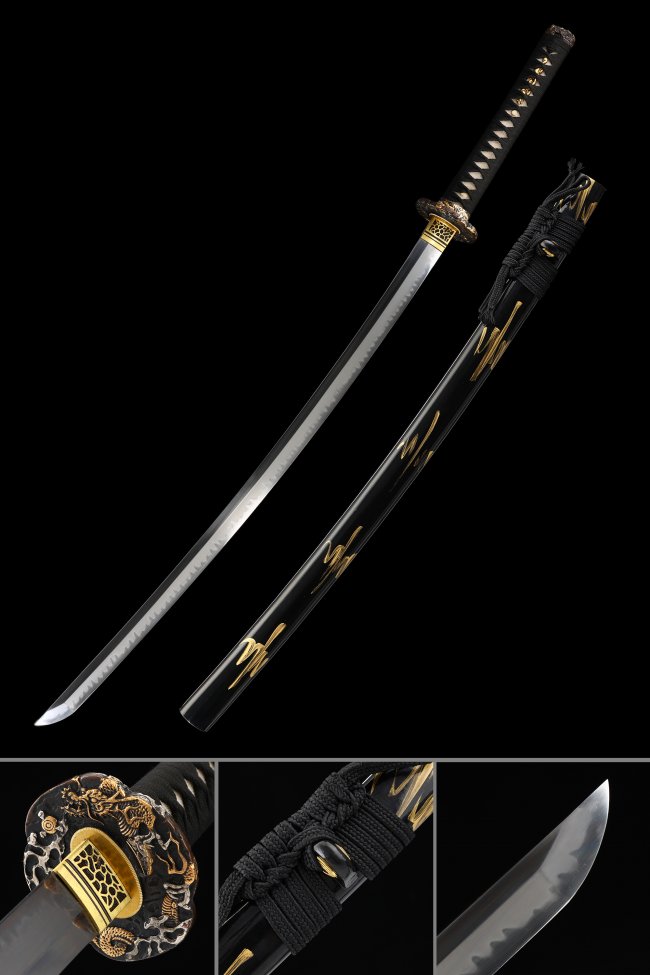
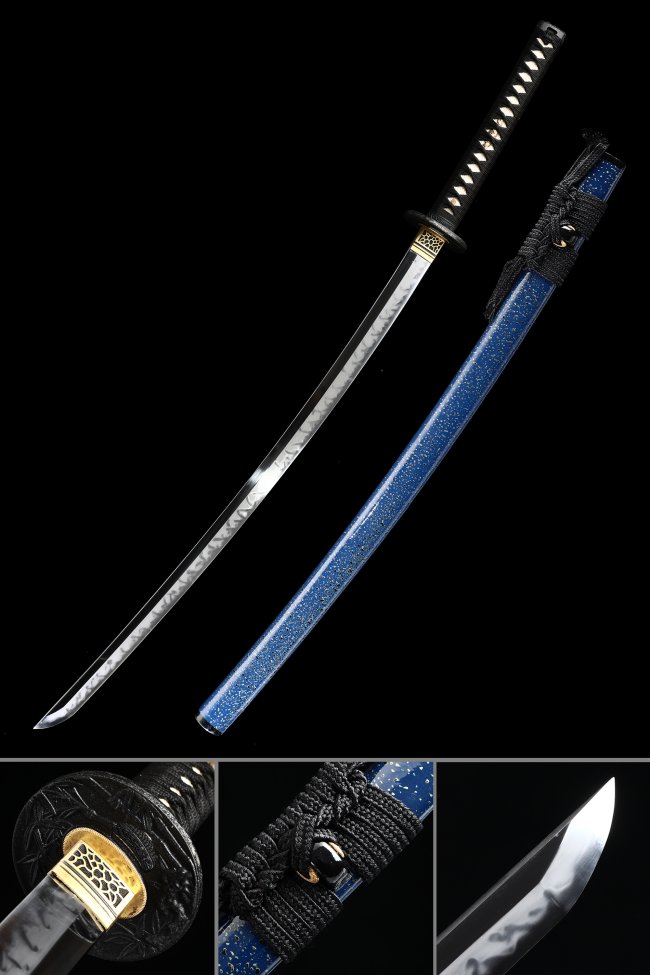
Browse our collection of T10 carbon steel katana swords - hand-forged Japanese katana built from premium T10 carbon steel with clay-tempered differential heat treatment, delivering visible hamon temper lines and exceptional blade character across natural wood, black, blue, and multi-color scabbard configurations. T10 katana represent the quality standard that serious Japanese sword collectors seek. Free US shipping and hassle-free returns included.

Showing 30 Products

Related Collections
1060 Carbon Steel Katana77 items


643 Reviews

1065 Carbon Steel Katana31 items


192 Reviews

High Carbon Steel Ninjato15 items


42 Reviews

1095 Carbon Steel Ninjato16 items


48 Reviews

Frequently Asked Questions

What makes T10 carbon steel the preferred grade for Japanese katana collecting?
T10 carbon steel is preferred for Japanese katana collecting for three qualities that distinguish it from other high-carbon steel grades. First, its grain structure: T10 is a tool steel grade with a fine, consistent grain that responds to heat treatment with exceptional precision. This fine grain allows the clay-tempered quenching process to create a sharply defined boundary between the hardened edge zone and the tough spine zone, producing a clearly visible and well-defined hamon. Second, its clay-tempering compatibility: not all high-carbon steels respond equally well to the clay-tempered differential heat treatment that produces a hamon. T10's specific composition allows the clay to create a steep enough hardness differential that the resulting temper line is visible to the naked eye under directed lighting. Third, its balance of hardness and toughness: T10's carbon content and grain structure allow the edge zone to achieve high hardness while the clay-tempered spine retains enough toughness for structural integrity. The combination of these properties makes T10 the grade most consistently associated with quality hamon production in the Japanese sword collecting market.
What is a hamon and how does it appear on a T10 katana?
A hamon is the visual temper line produced on a Japanese sword blade by the clay-tempered differential heat treatment process. During heat treatment, a clay mixture is applied to the blade's spine and sides, leaving the edge area exposed or lightly coated. When the blade is heated and quenched, the clay-covered areas cool more slowly, resulting in a tougher, lower-hardness steel structure in the spine. The edge area, cooling rapidly without clay insulation, develops a much harder steel structure called martensite. The boundary between these two microstructures is the hamon - visible on the polished blade surface as an undulating, misty line whose character varies depending on the specific clay application pattern, steel grade, and the smith's technique. On a T10 katana, the hamon appears as a distinct wave-patterned line running along the edge from blade base to tip, with activity and complexity within the temper zone that rewards close inspection. The hamon may show nie (visible martensite particles), nioi (finer martensite in the boundary zone), and ashi (lines running from the hamon into the edge zone), all of which are criteria that collectors use to evaluate blade quality.
What scabbard configurations are available in the T10 carbon steel katana collection?
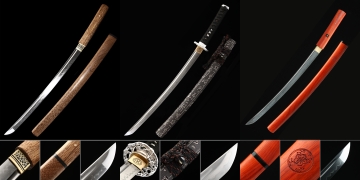
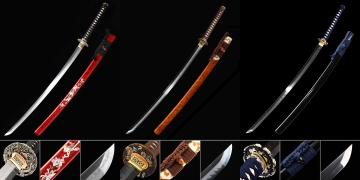
T10 carbon steel katana in this collection are available in a wide range of scabbard configurations that pair the premium T10 blade with different color and style aesthetic treatments. Natural wood shirasaya configurations present the T10 blade in a plain wooden housing without conventional fittings - this is the most aesthetically pure configuration for a hamon-bearing T10 blade, reducing the visual presentation to the blade's steel qualities alone. Black lacquer scabbard configurations are the most traditionally appropriate pairing for a serious T10 katana, providing the austere dark housing that allows the drawn blade's hamon to create maximum visual contrast. Blue scabbard T10 katana combine premium blade quality with vivid cool color. Red scabbard versions pair the hamon blade with warm bold color. Mixed configurations with black-and-red or black-and-natural combinations complete the range. Regardless of scabbard color, the T10 blade's hamon is present and visible on every piece in the collection when the blade is drawn from any housing color.
How do I see the hamon on my T10 katana clearly?
Seeing the hamon on a T10 katana clearly requires directed lighting that can differentiate the subtle surface contrast of the temper line from the overall blade surface. The hamon is not deeply colored or dramatically obvious - it appears as a misty, undulating line whose contrast with the surrounding blade surface is enhanced by angled lighting. The most effective approach is to draw the blade from the scabbard and hold it under a single directed light source - a desk lamp, spotlight, or strong flashlight positioned at an angle to the blade surface rather than directly above it. Rotate the blade slowly in the light, and as the angle changes, the hamon will appear and disappear in different areas as the light plays across the surface. The edge zone below the hamon may appear lighter in tone than the spine area above it - this is the visual result of the different steel structures created by differential heat treatment. For the best view, reduce ambient room light and use a single directed warm-white or cool-white light source at an angle of roughly 30-45 degrees to the blade's flat surface. Once you locate the hamon's line, you can examine its activity and complexity at close range.

Customer Reviews