Black T10 Carbon Steel Tanto
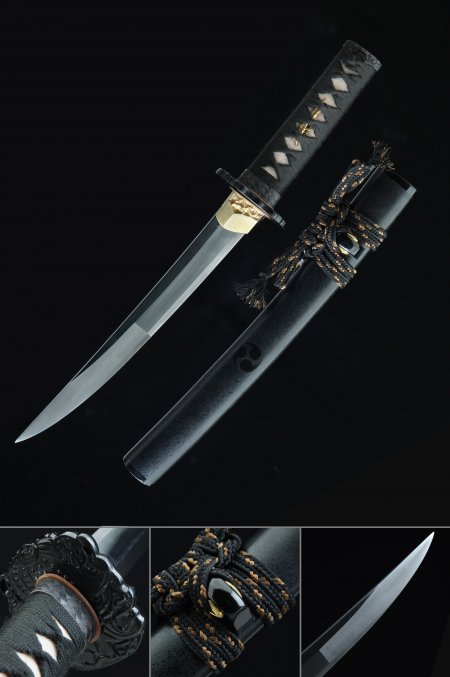
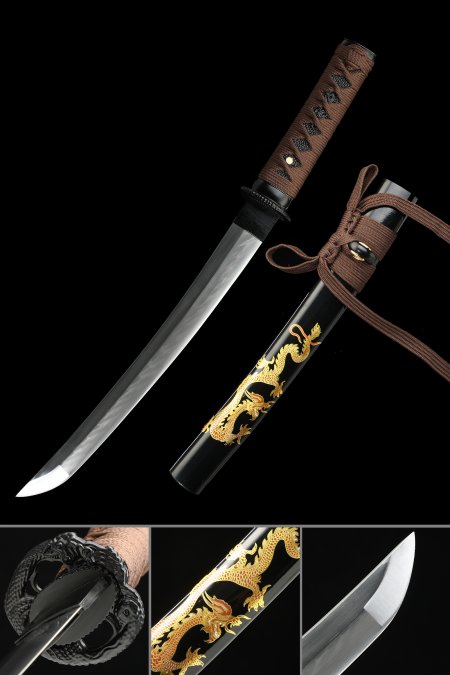
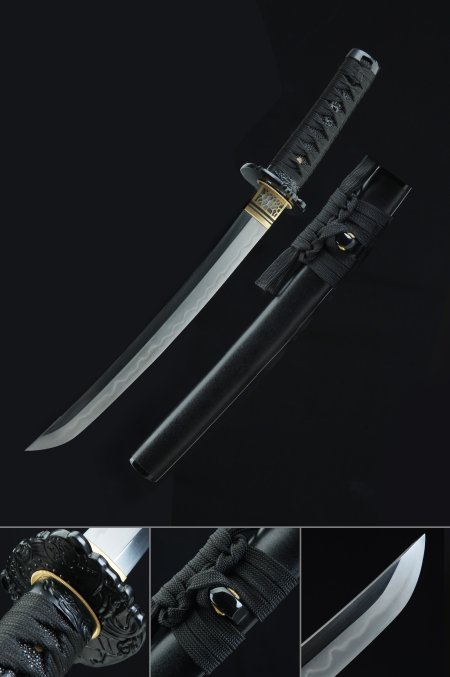
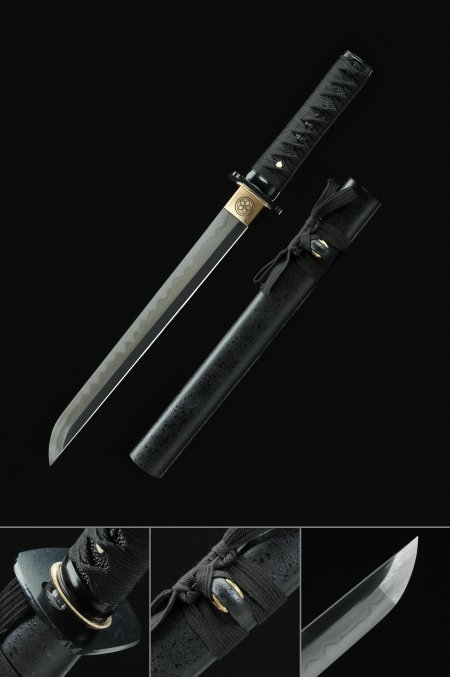
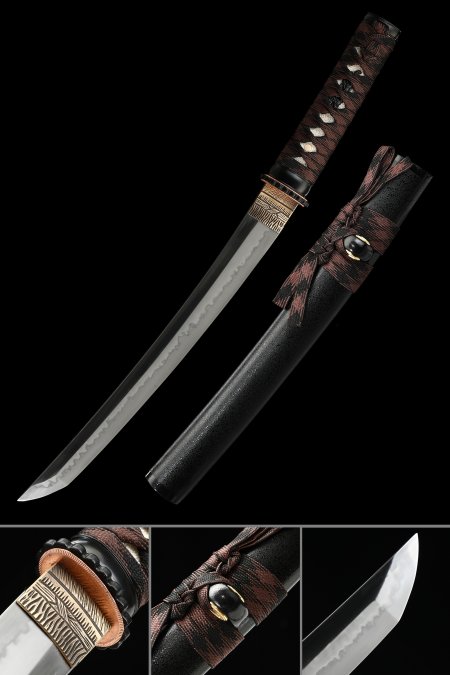
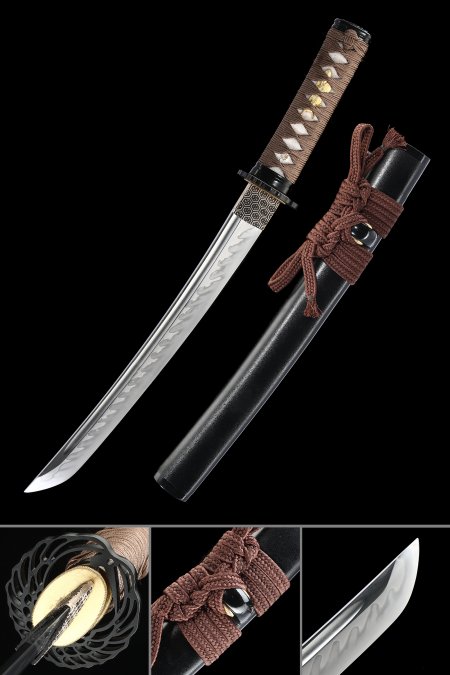
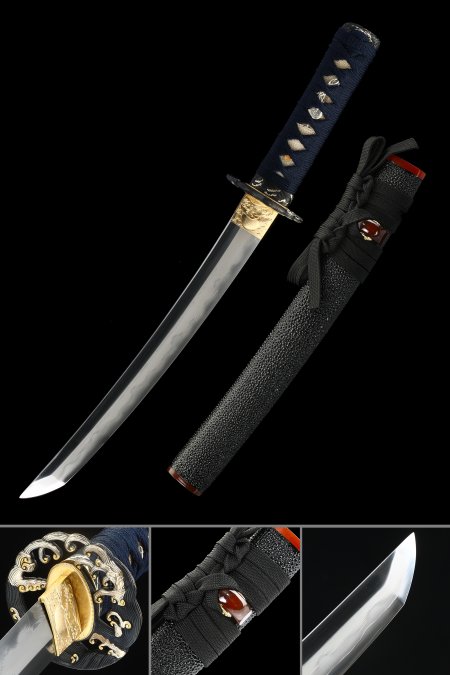
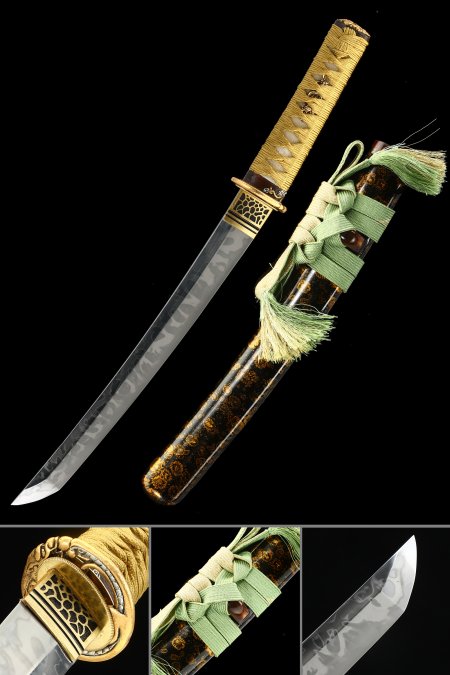
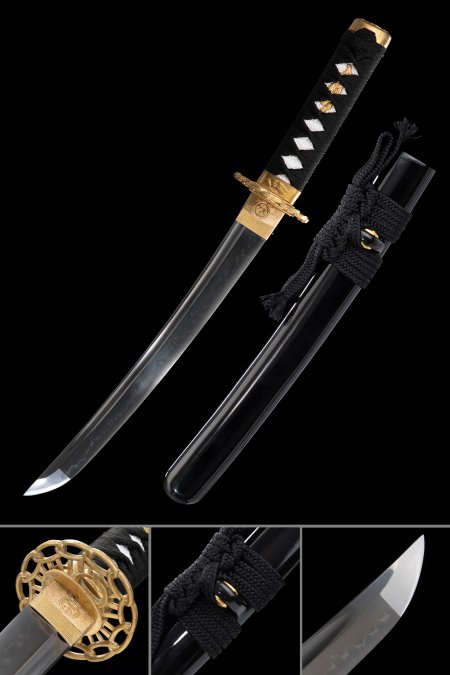
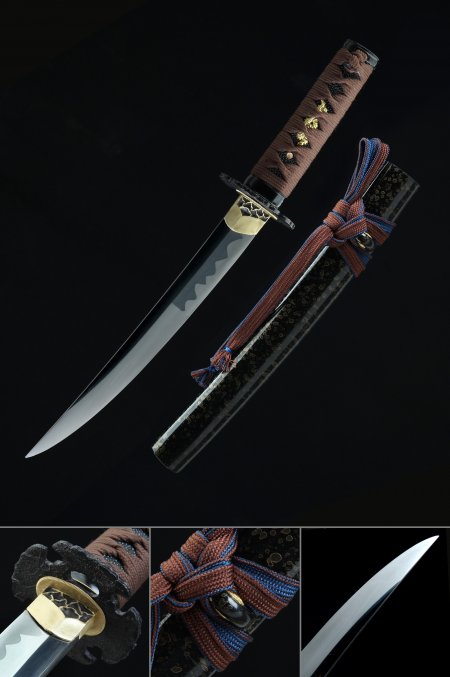
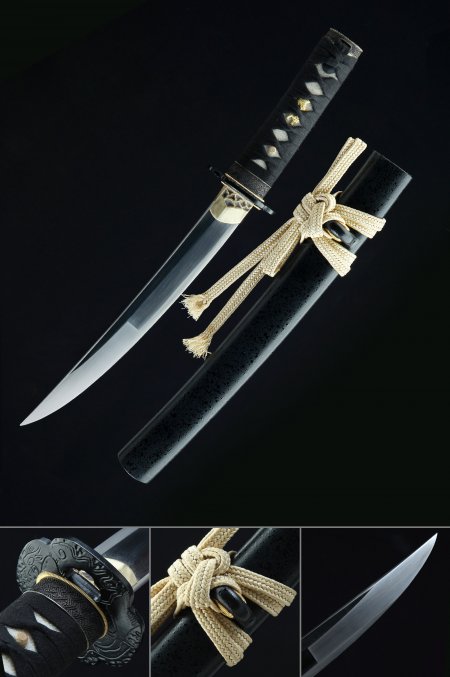
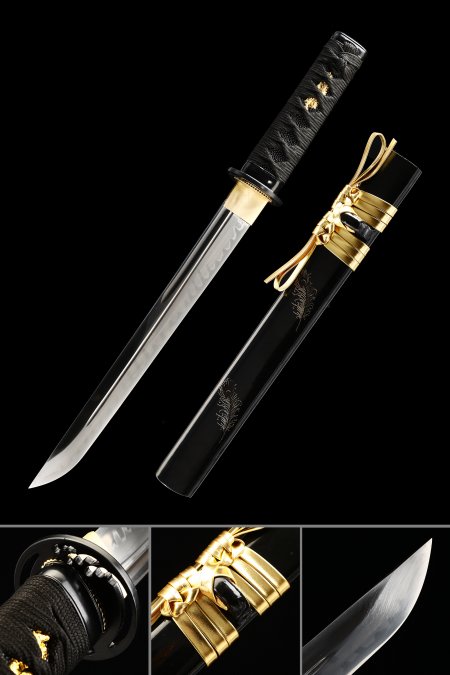
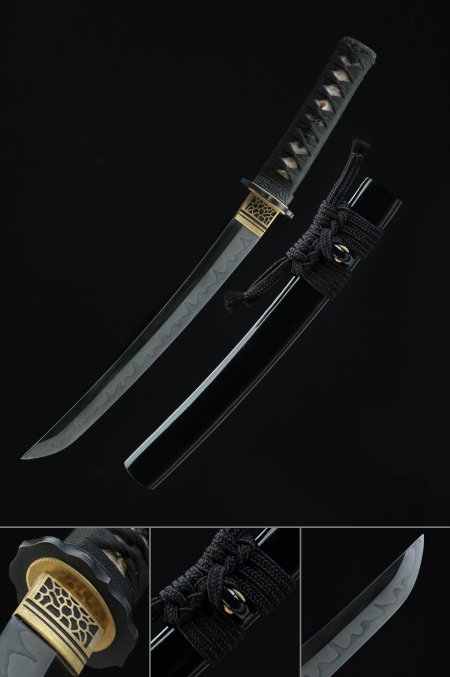
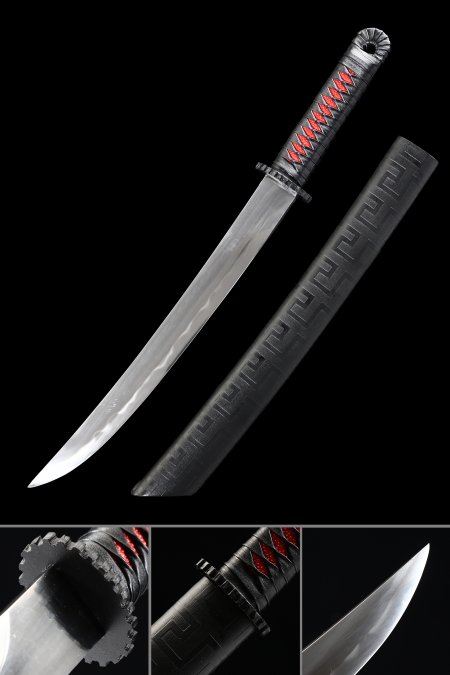
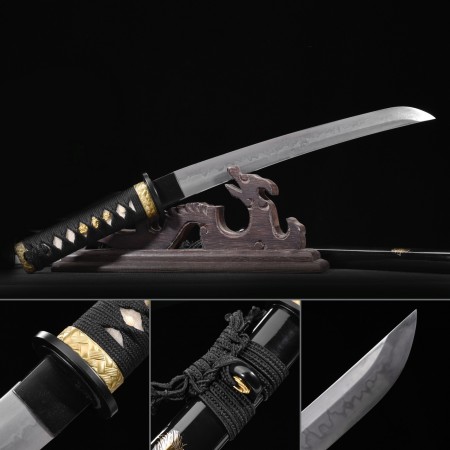
Crafted from high-carbon T10 steel and finished with a striking black aesthetic, each tanto in this collection represents a dedicated pursuit of traditional Japanese sword craft. Clay-tempered blades reveal authentic hamon activity along the edge, while lacquered saya, ornate tsuba, and hand-wrapped ito complete every piece with purposeful artistry. These collectibles are built full-tang with genuine construction integrity - not decorative props. Free standard shipping is included on all orders, and hassle-free returns ensure a confident purchase.
Related Collections
Blue T10 Carbon Steel Katana21 items

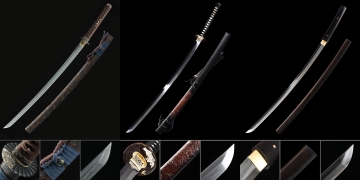
Brown T10 Carbon Steel Katana25 items
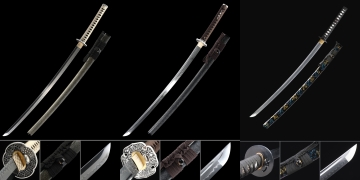
Marble T10 Carbon Steel Katana25 items
Frequently Asked Questions
What makes T10 steel a preferred choice for tanto blades?
What is a hamidashi tanto, and how does it differ from a standard tanto?
How should I store and maintain a clay-tempered T10 tanto?
Are the tsuba and fittings on these tantos removable or replaceable?
How does the black finish aesthetic compare to natural-finish tanto collections?
Customer Reviews
It is amazing and thats coming from a blacksmith it is a great blade i do plan on buying 2 more in the future i am very pleased
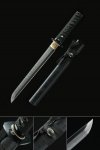 |
T10 Carbon Steel Hamidashi Tanto with Real Hamon in Black Piano Lacquer Saya - Gold Habaki Accent |
The Tanto is BEEFY. Like a Crow Bar with a sharp edge. Nicely made T10, clay tempered, glossy black sheath. VERY nice.r
r
The Damascus was BEAUTIFUL with an AMAZING Folded Pattern on the blade. SHARP and ready. I like it so much I bought another as a gift for a friend.r
r
VERY happy!!!!!!!
|
T10 Carbon Steel Hamidashi Tanto with Real Hamon in Black Piano Lacquer Saya - Gold Habaki Accent |
Great authentic product! Second time buying from TrueKatana.
|
T10 Carbon Steel Hamidashi Tanto with Real Hamon in Black Piano Lacquer Saya - Gold Habaki Accent |
Very good, although I wish it would have come with a Japanese cloth scabbard for katana.r
Not a problem as I found one, Thanks so much!
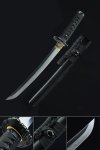 |
T10 Carbon Steel Tanto with Hamon Line in Black Finish - Full Tang Short Tanto with Samurai Tsuba |
Nice peace of art!r
We only missed some mailing and shipping info.r
From the moment we ordered we only got a mail that is was ordered.......r
r
One day it was delivered......we could not Track our order and for spending that kind of money it would be nice to be informed about the status of our order a bit more!
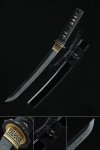 |
T10 Steel Clay-Tempered Tanto with Real Hamon in Black Piano Lacquer Saya - Folded Japanese Short Sword |
Beautiful blade. I’m very happy with my purchase. My only minor inconveniences are that the very tip of the blade is ever so slightly bent, and the sheath has very small damage (most likely from shipping). Other than those two things, everything about the piece is well made and aesthetically pleasing to look at and hold.
|
T10 Carbon Steel Hamidashi Tanto with Real Hamon in Black Piano Lacquer Saya - Gold Habaki Accent |
Great Sword,Great Quality,Fast Shipping, Highly Recommend..
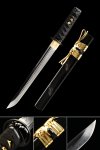 |
T10 Carbon Steel Hamidashi Tanto with Real Hamon - Black Piano Lacquer Saya and Gold-Tone Fittings |
The blade is VERY good and well finished. The fittings leave a lot to be desired. Overall a good value for the money and I would recommend this to someone looking for an inexpensive tanto.
|
T10 Carbon Steel Tanto with Hamon Line in Black Finish - Full Tang Short Tanto with Samurai Tsuba |