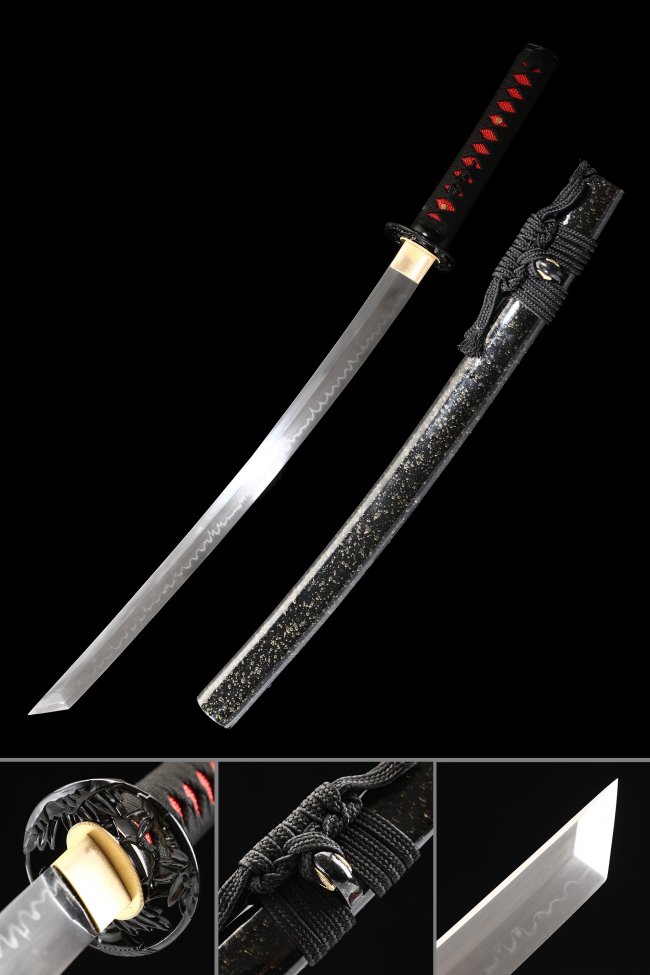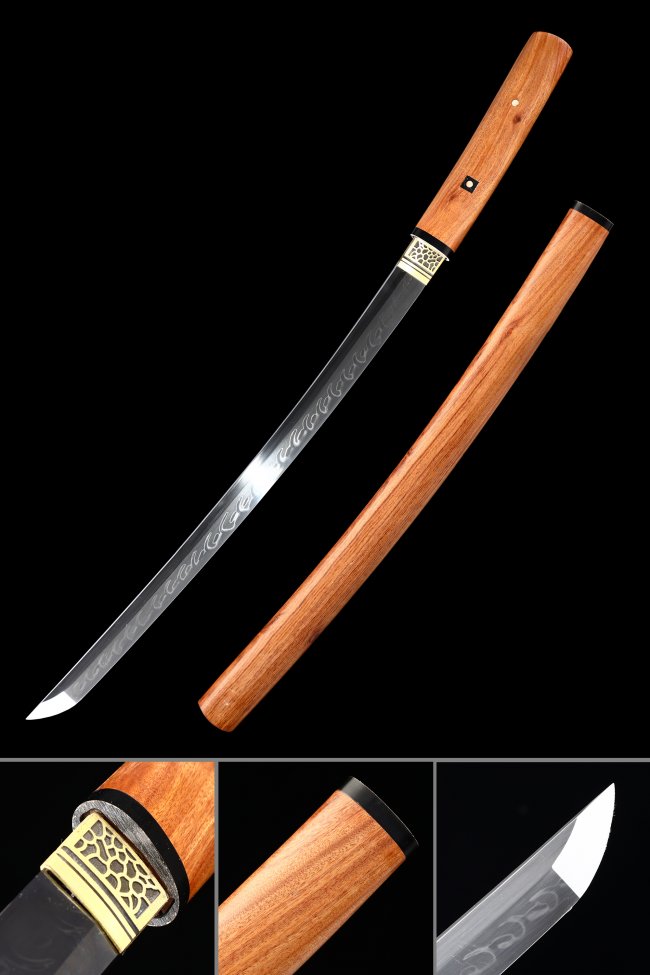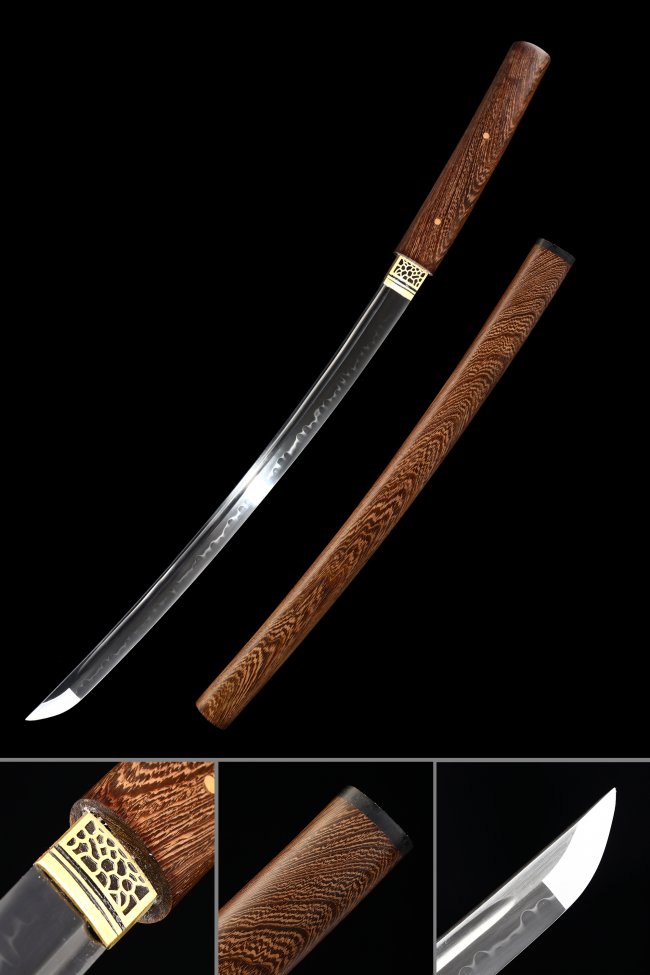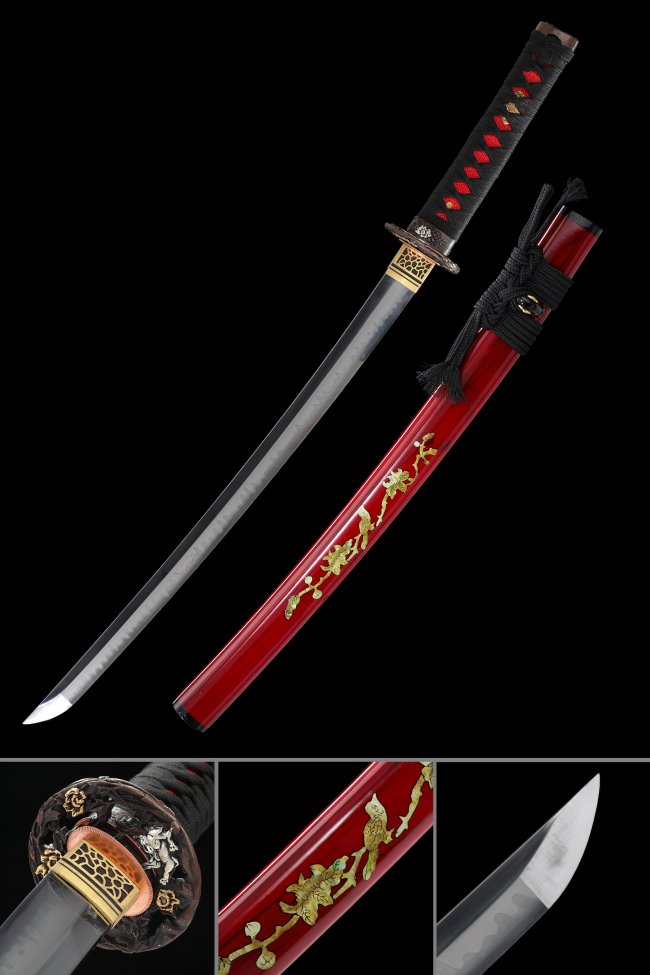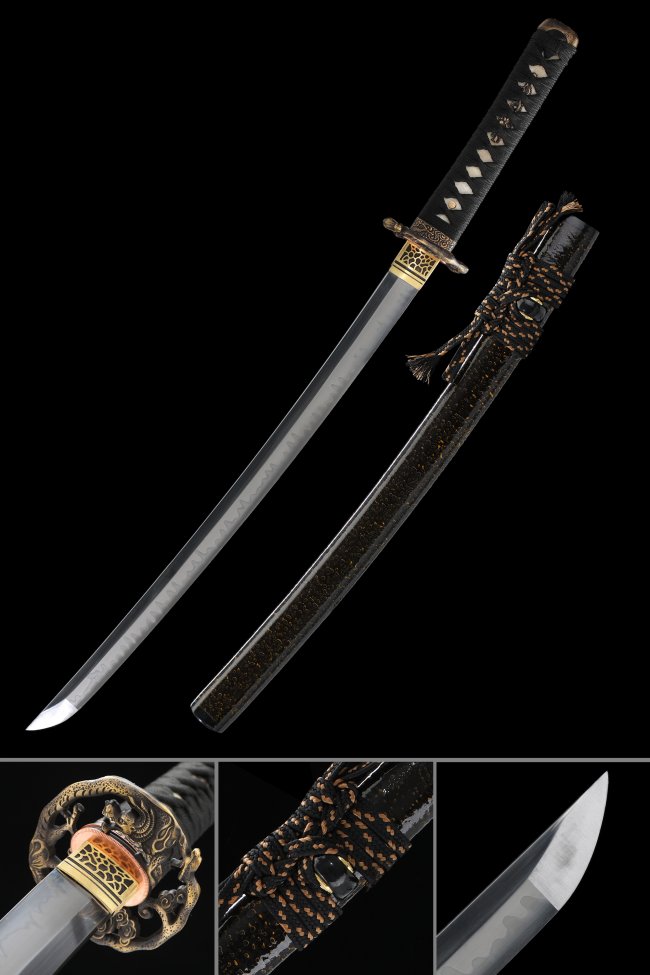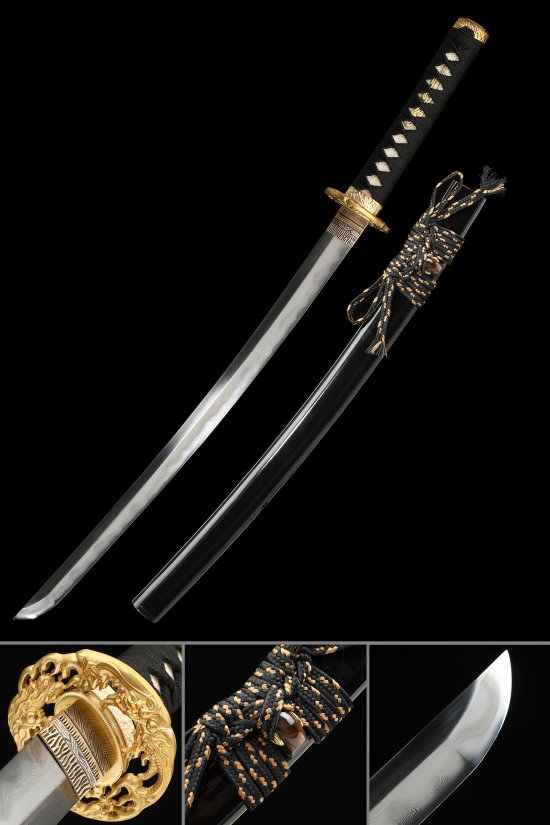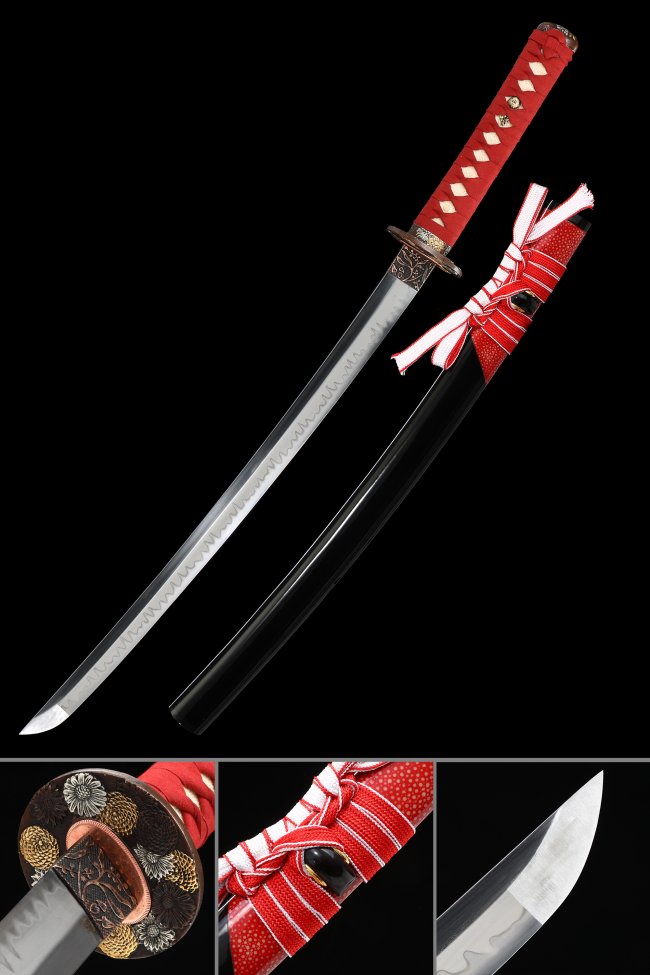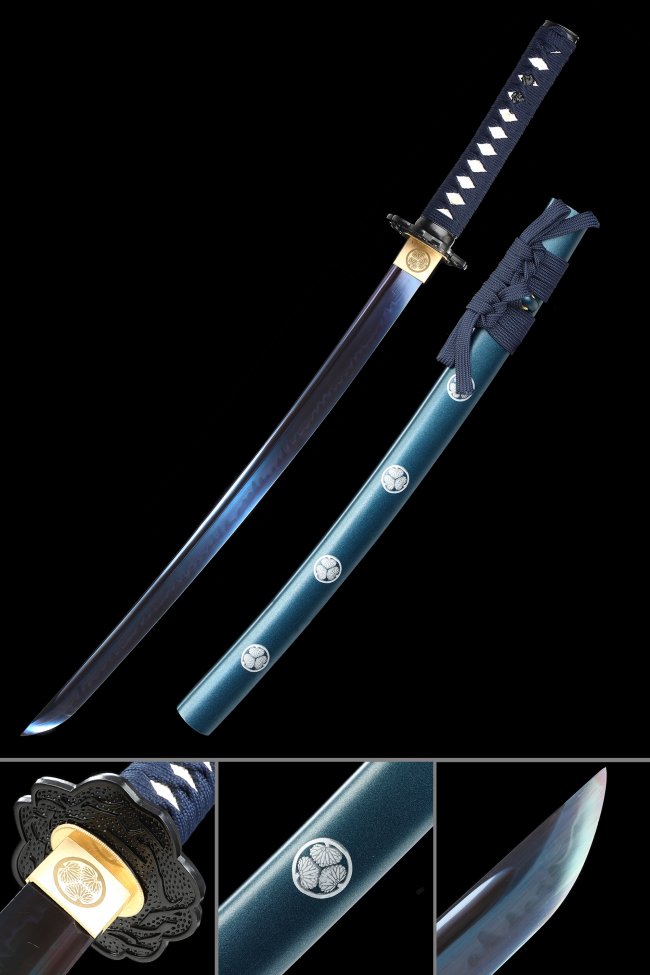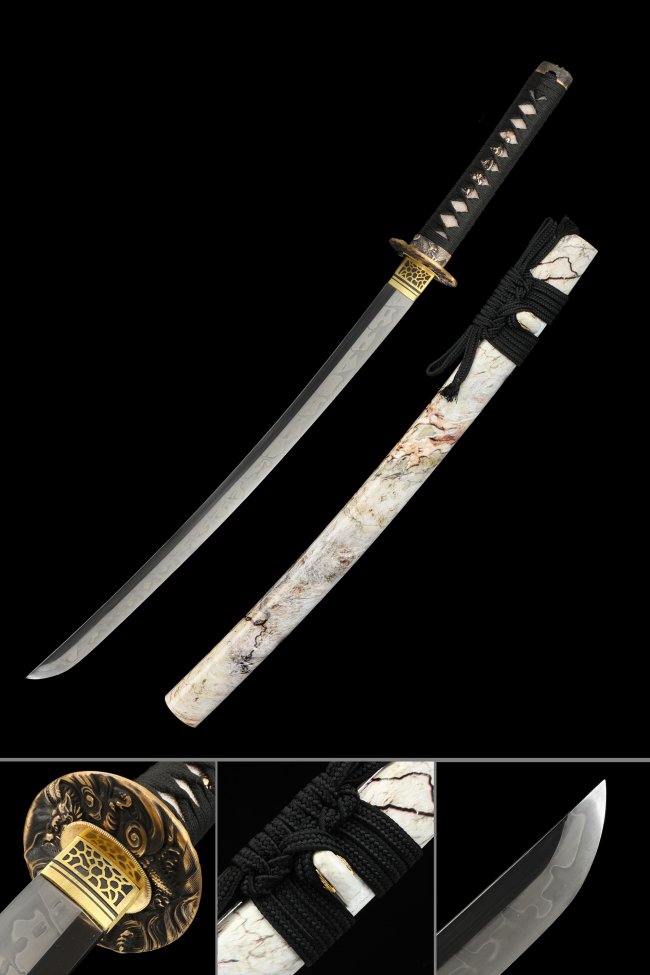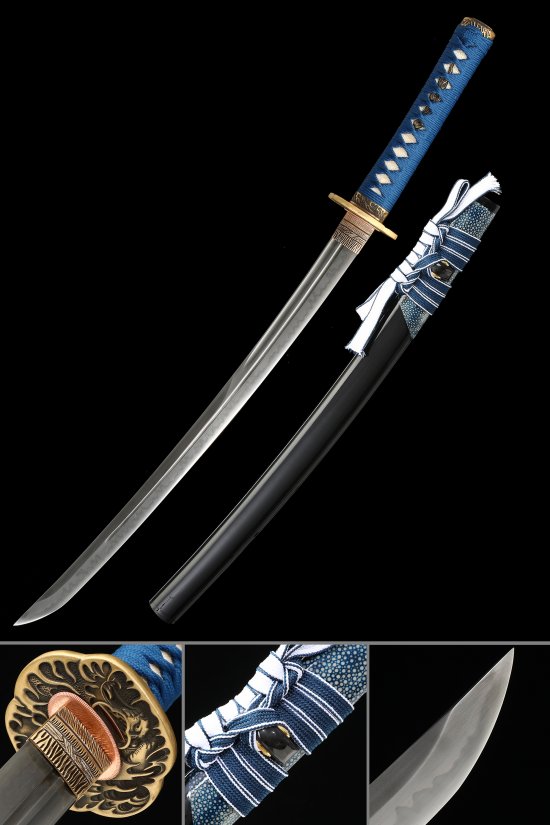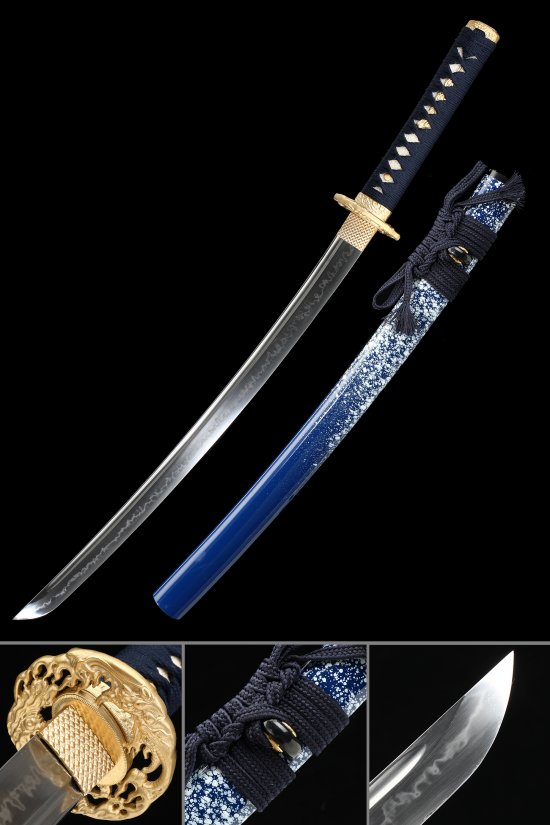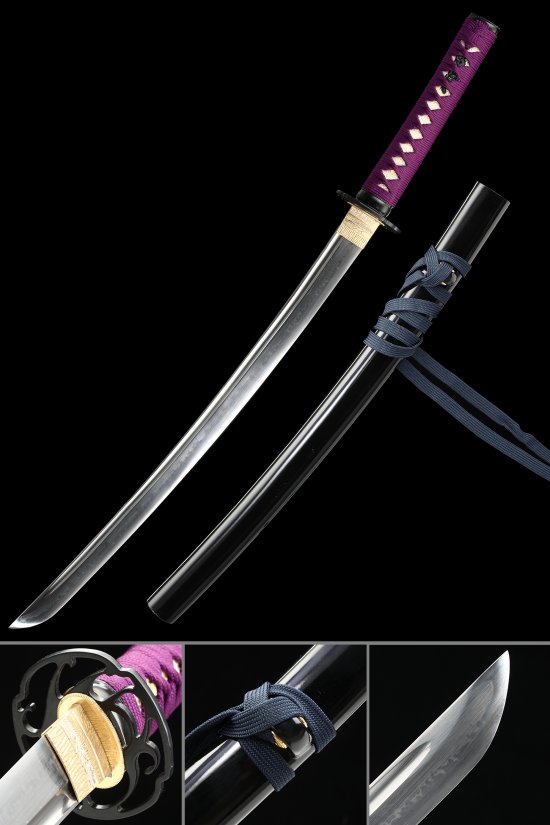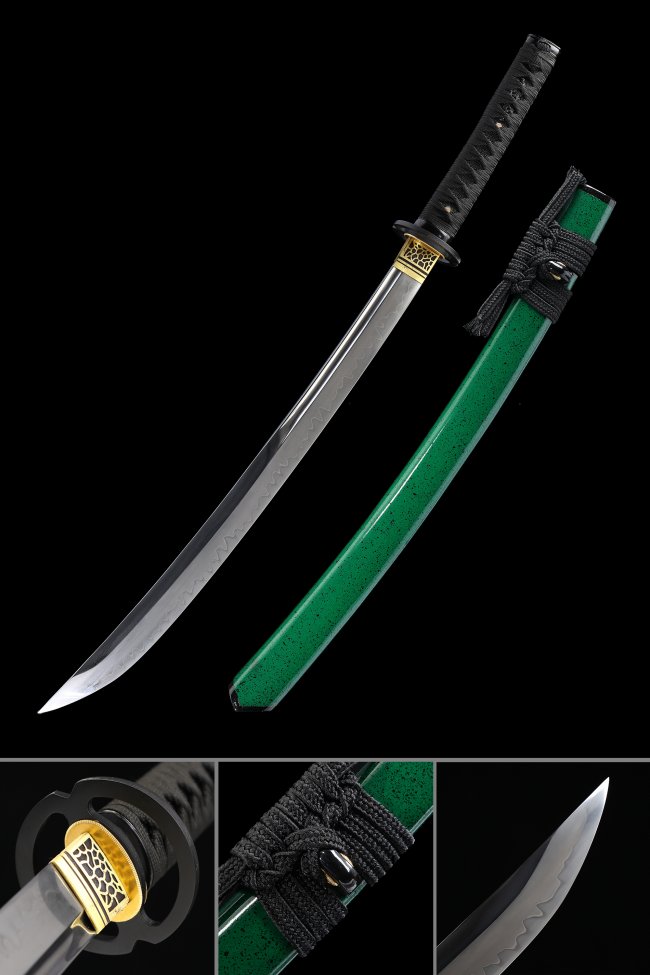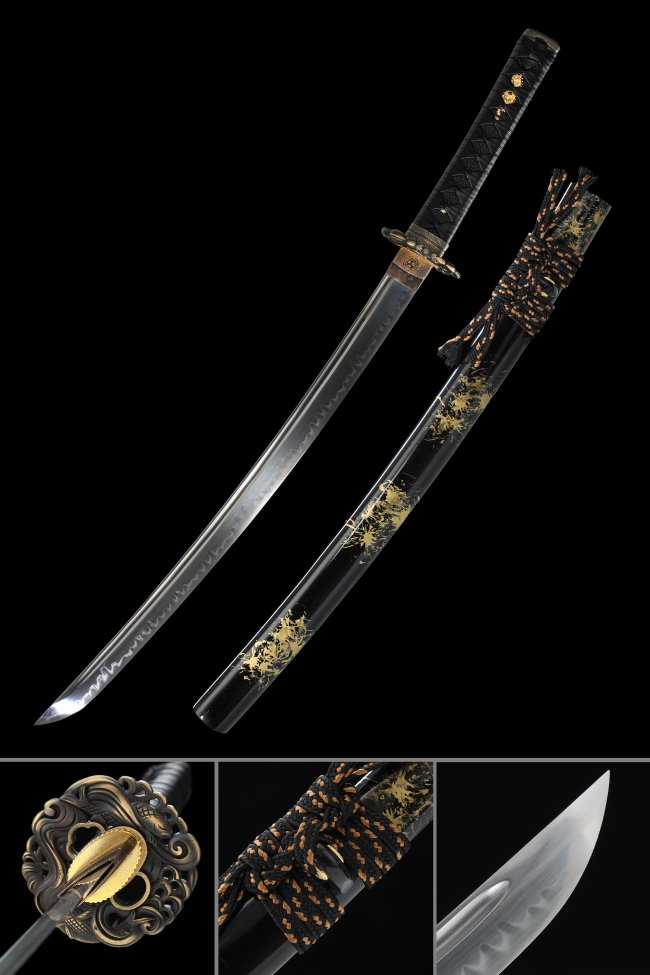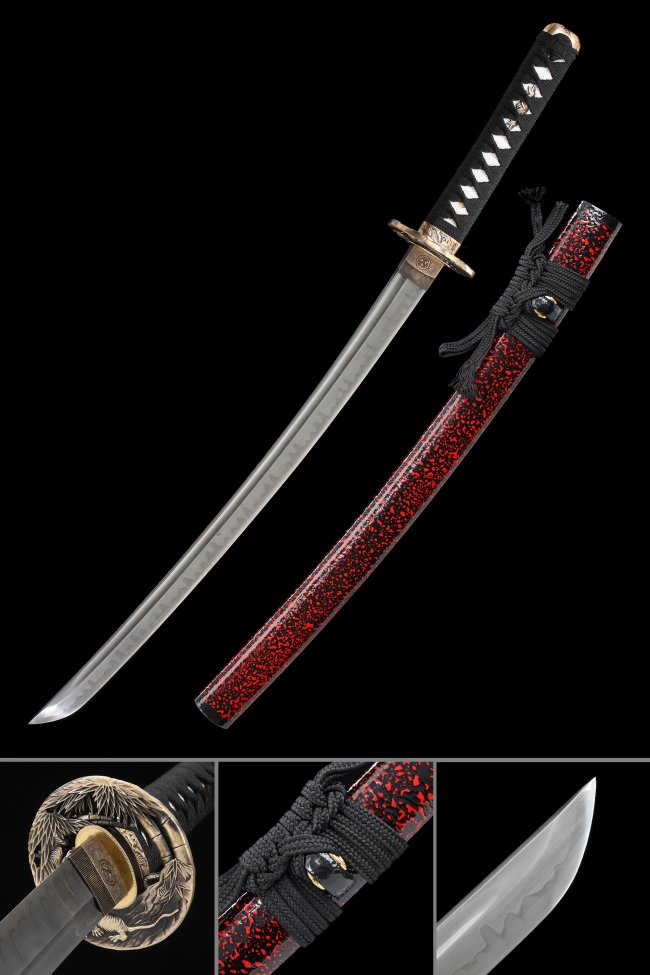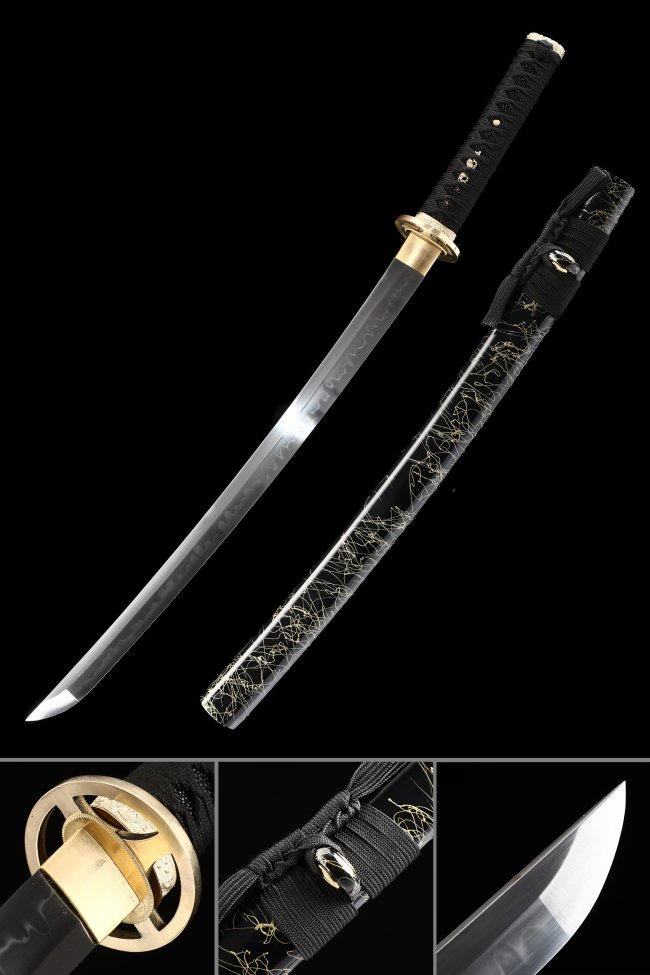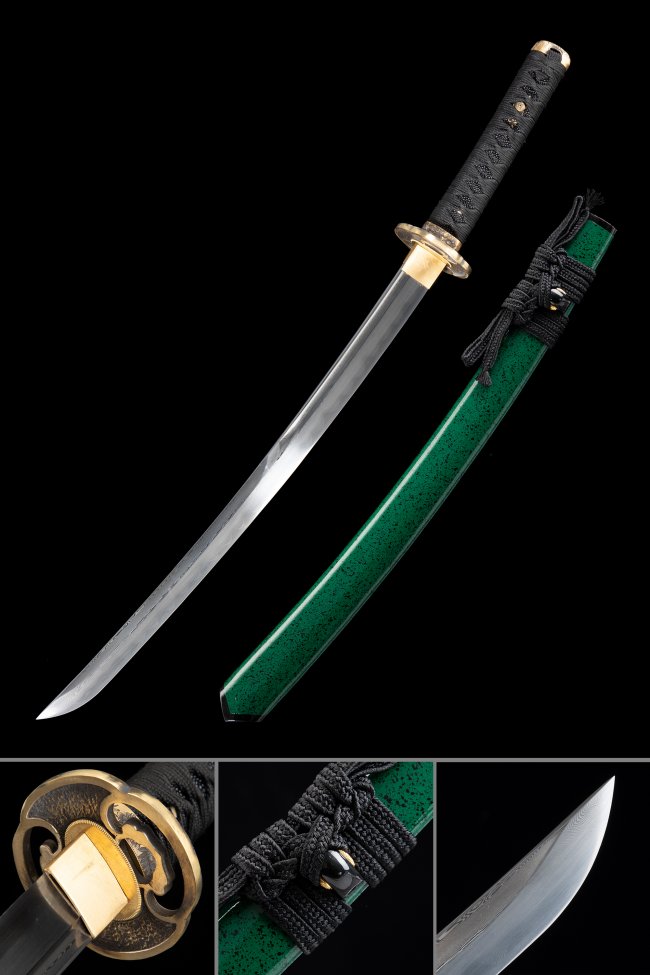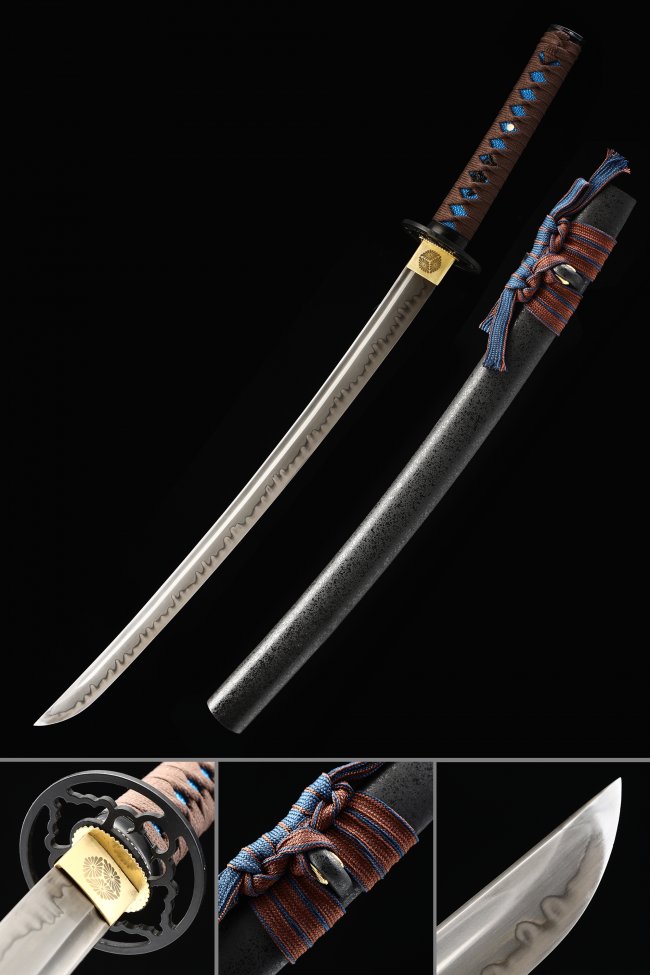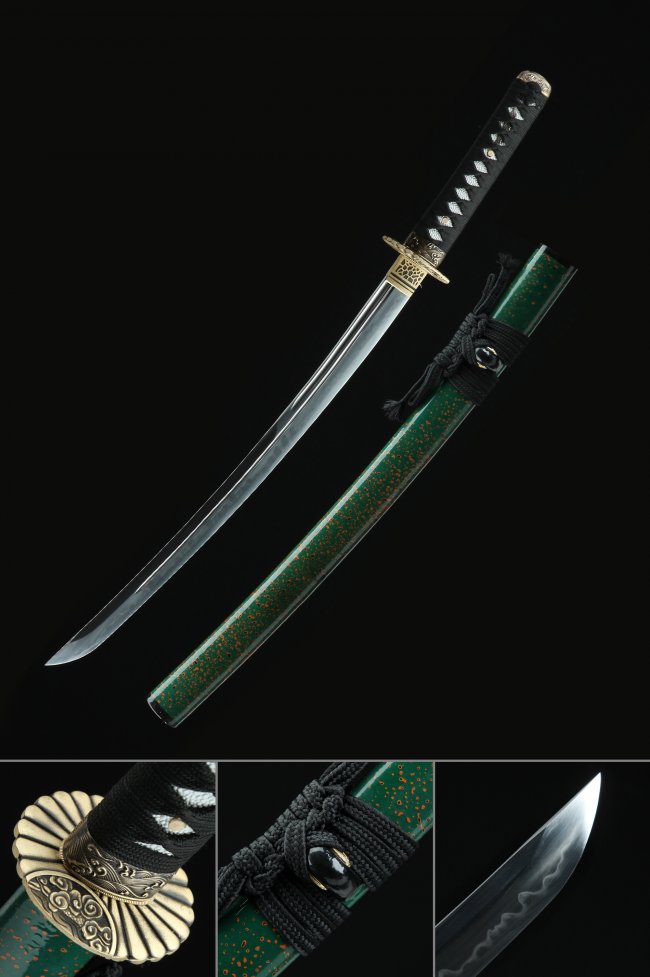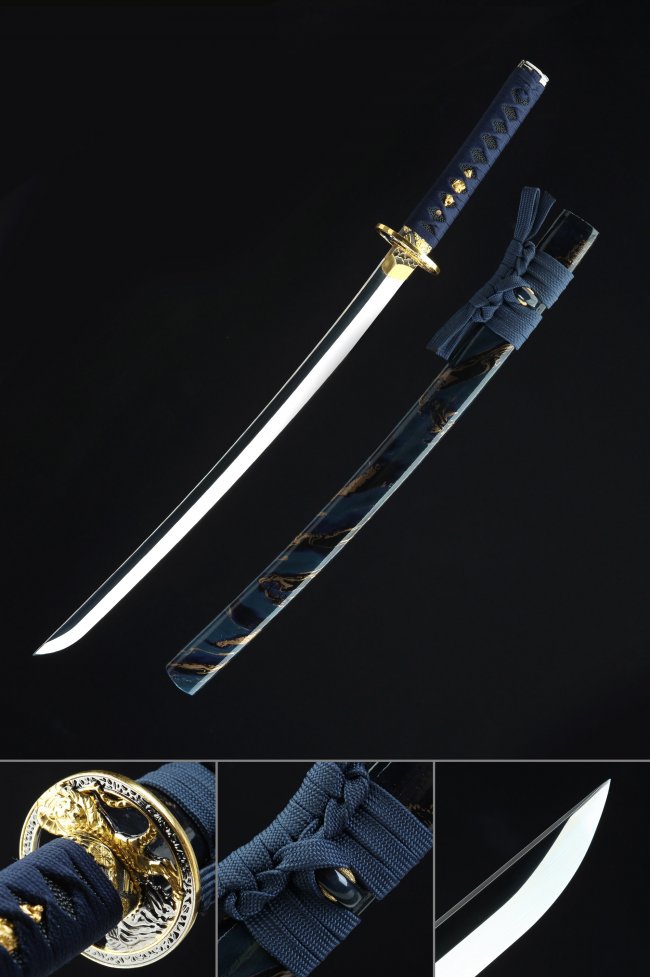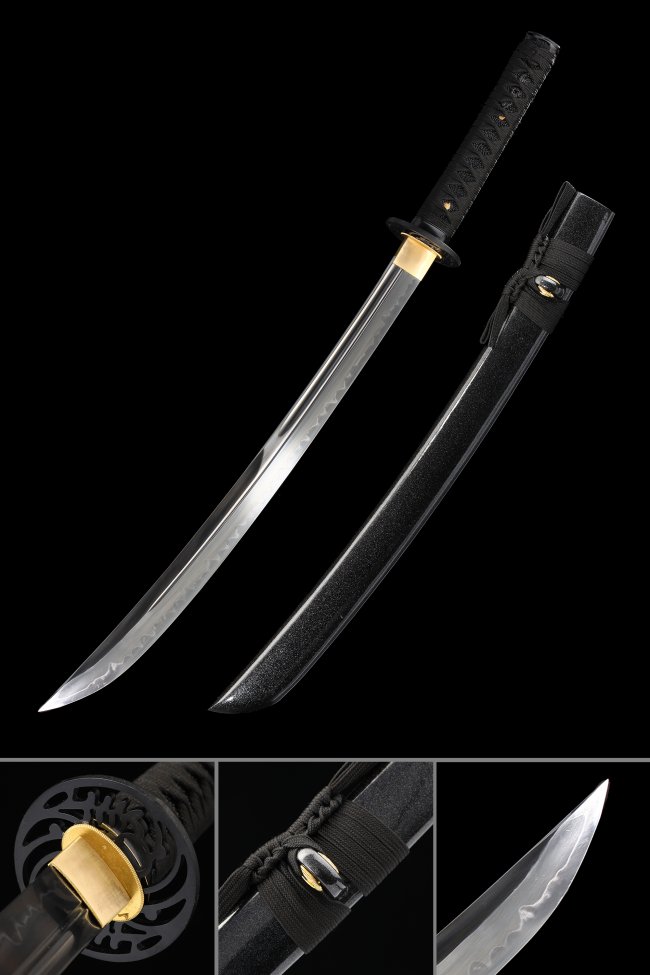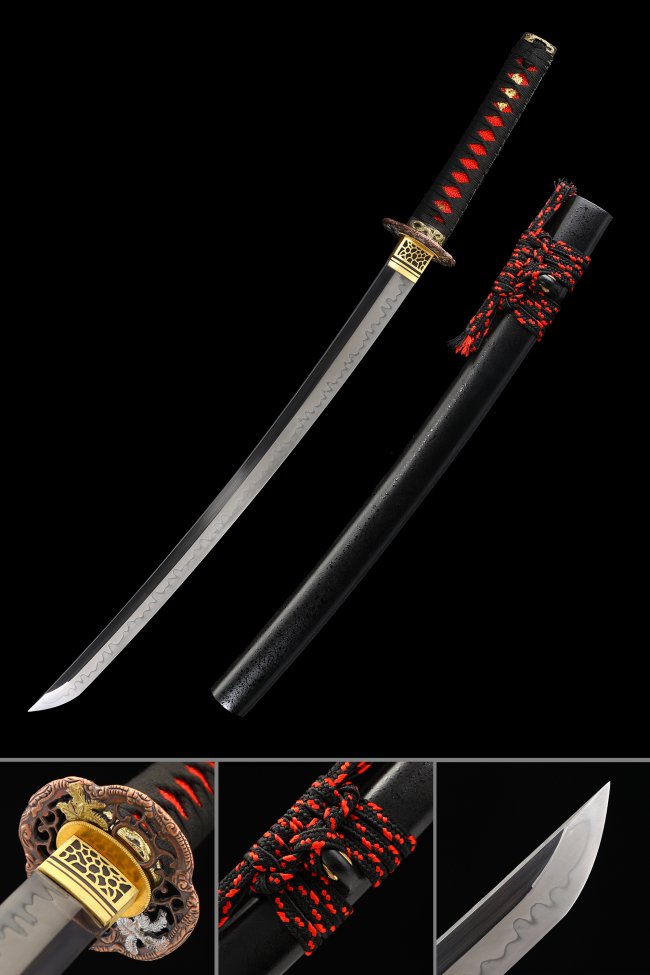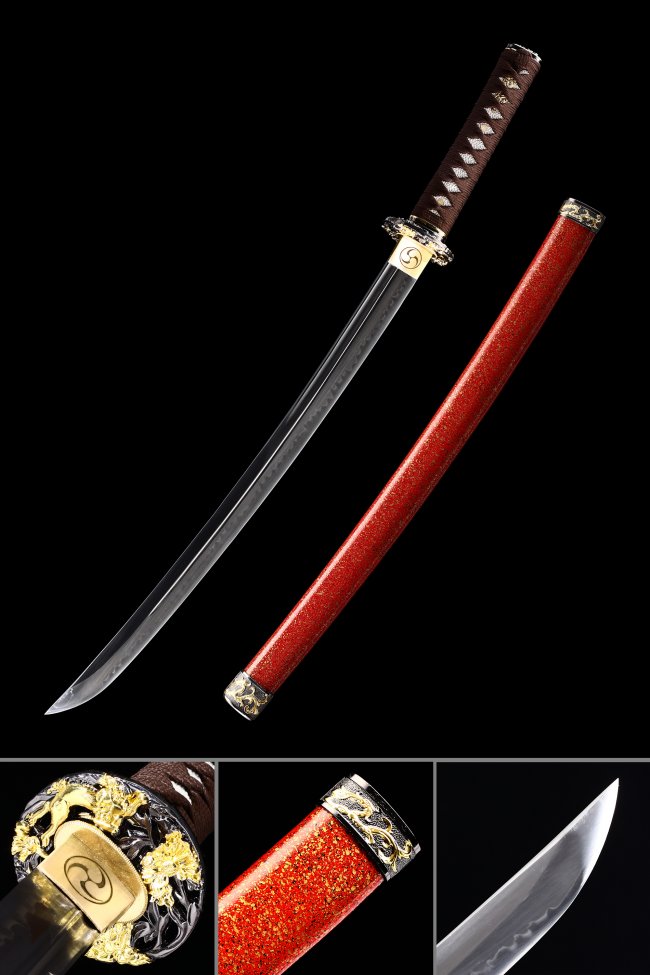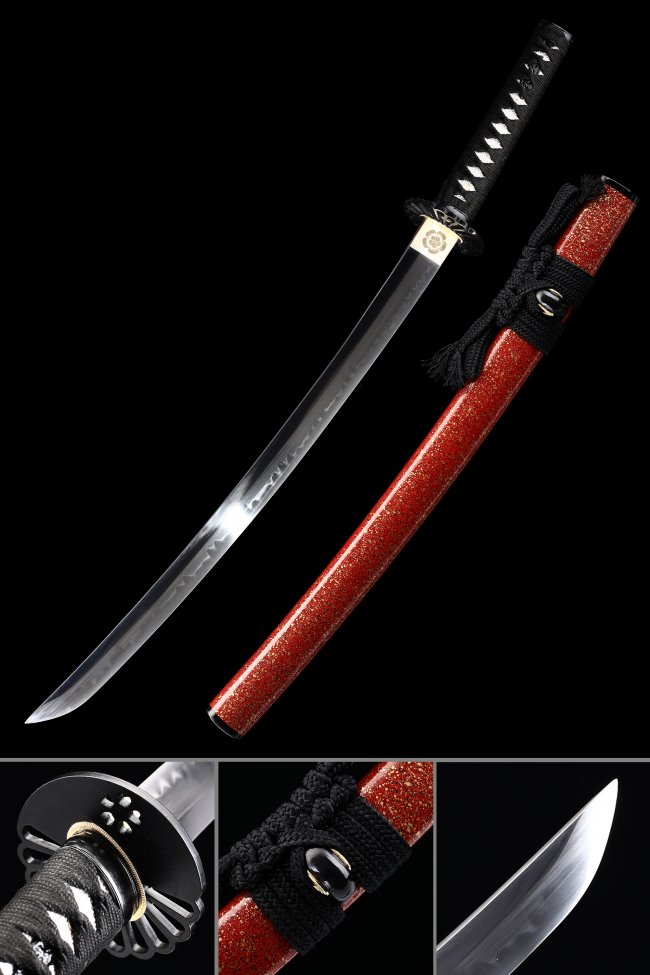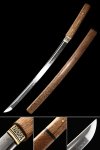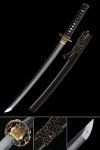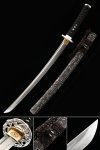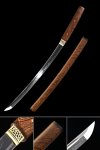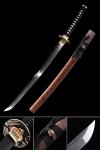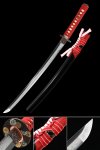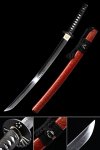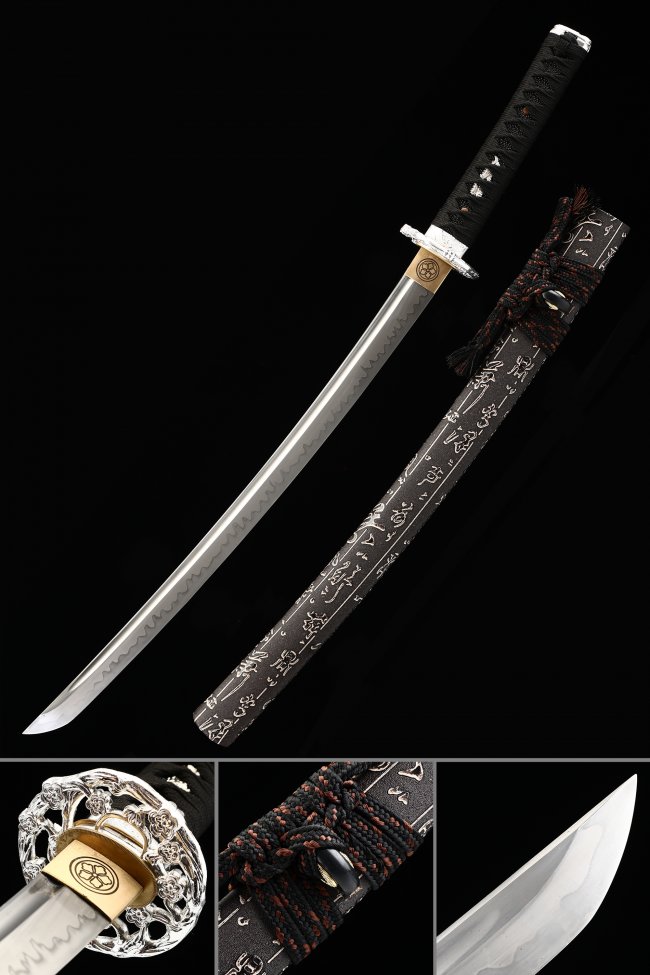
T10 Wakizashi
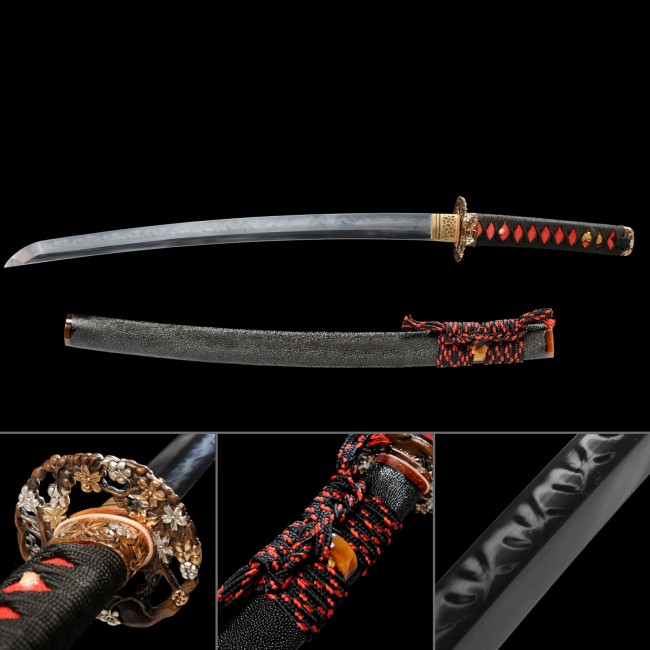
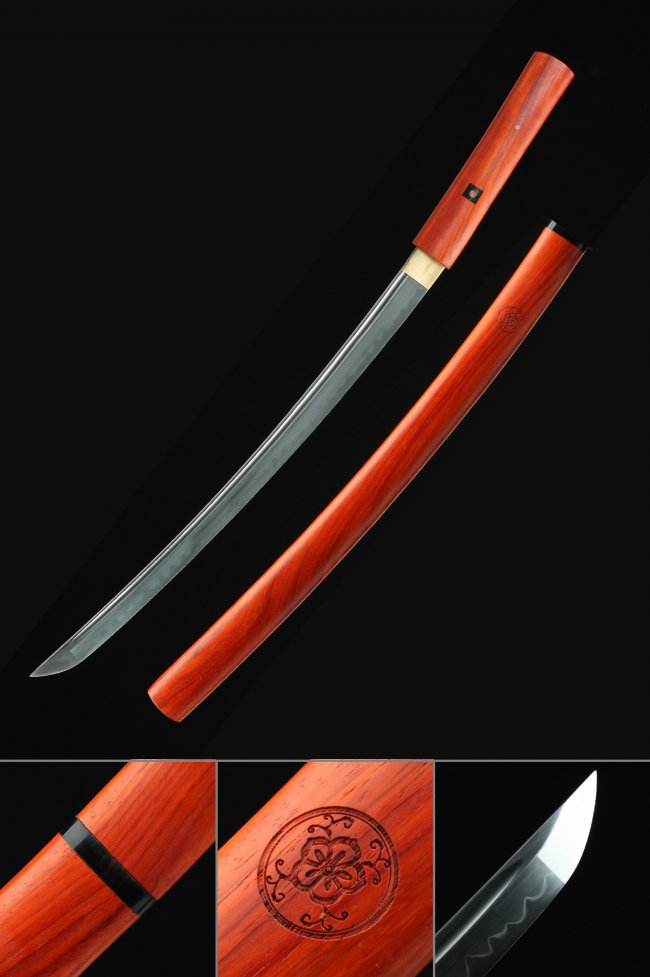
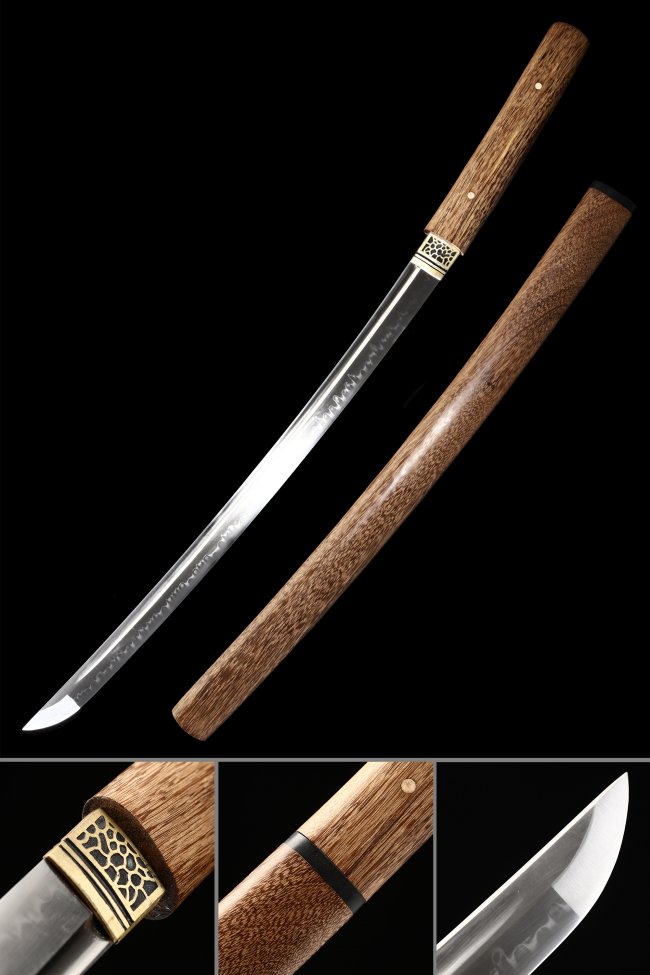
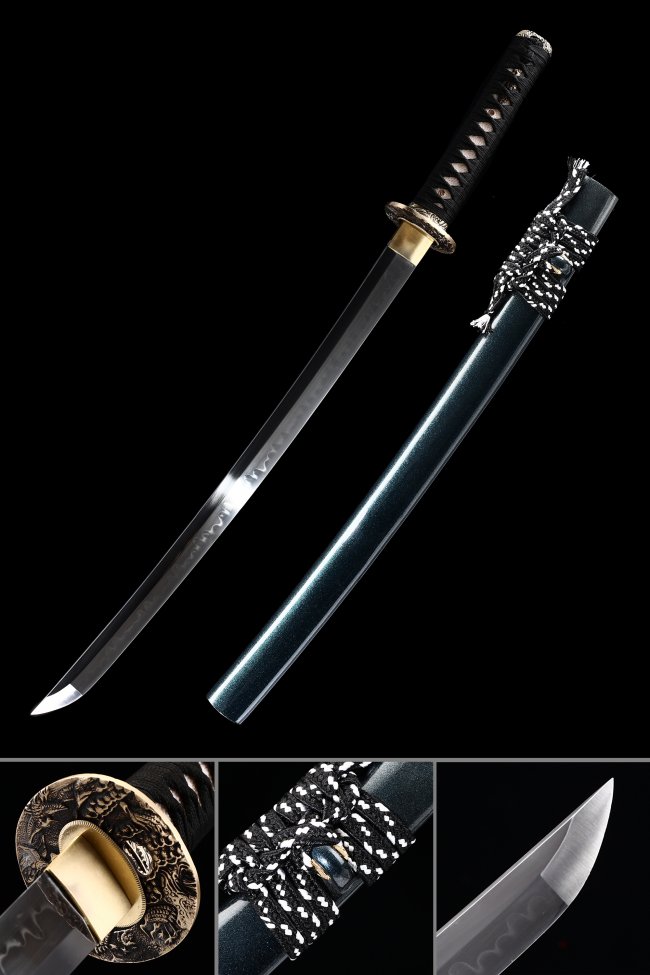
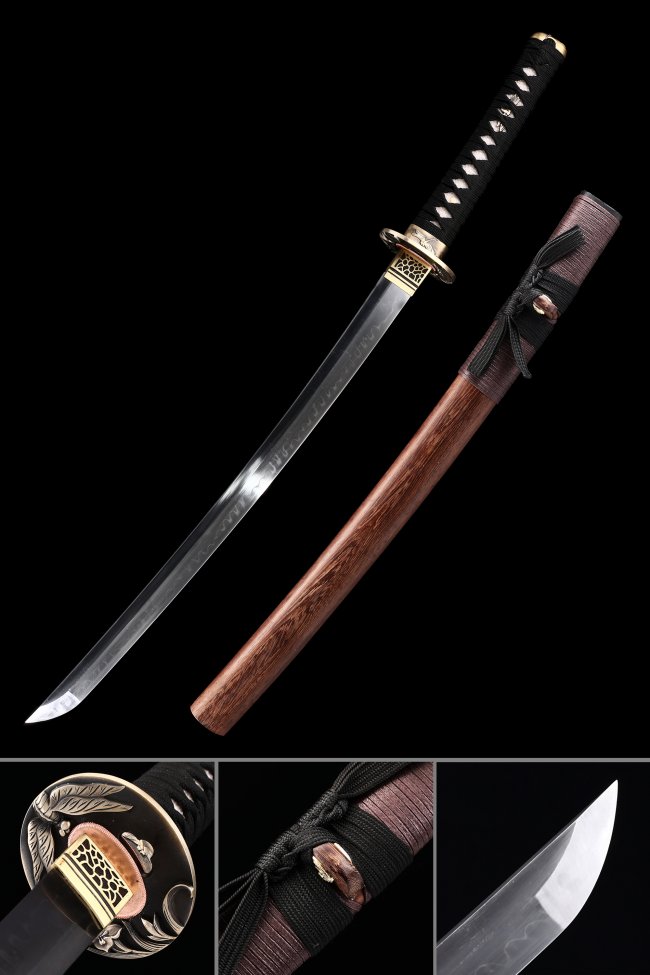
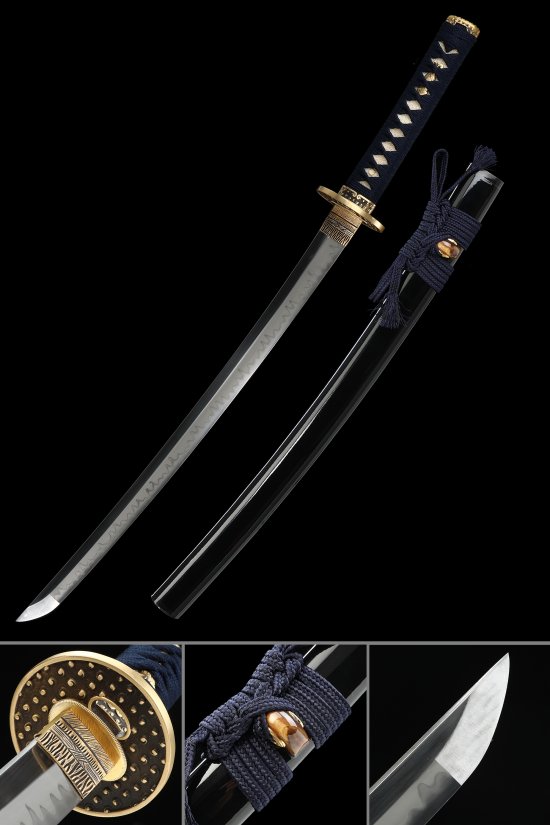
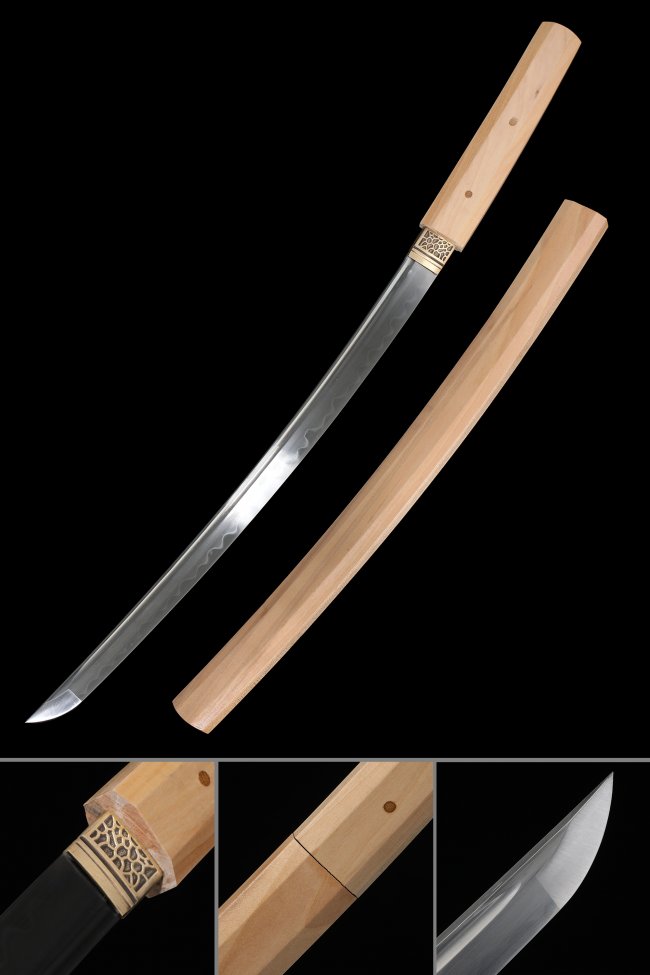
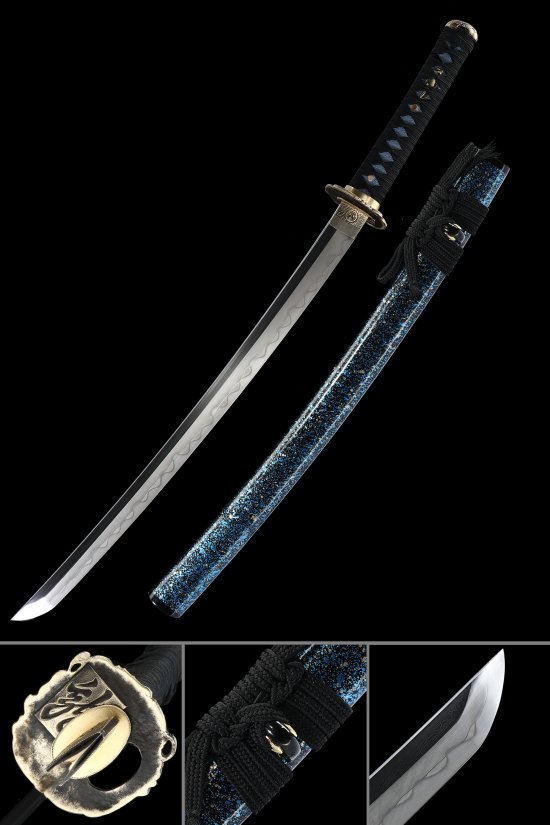
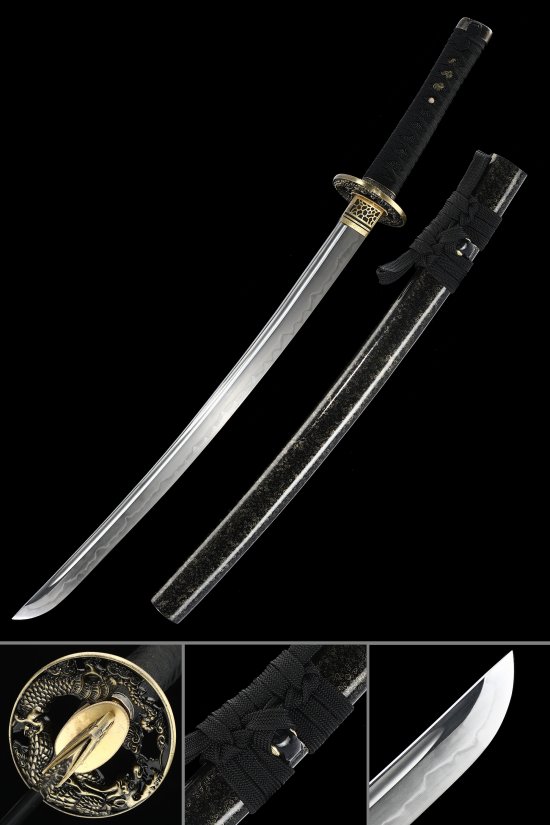
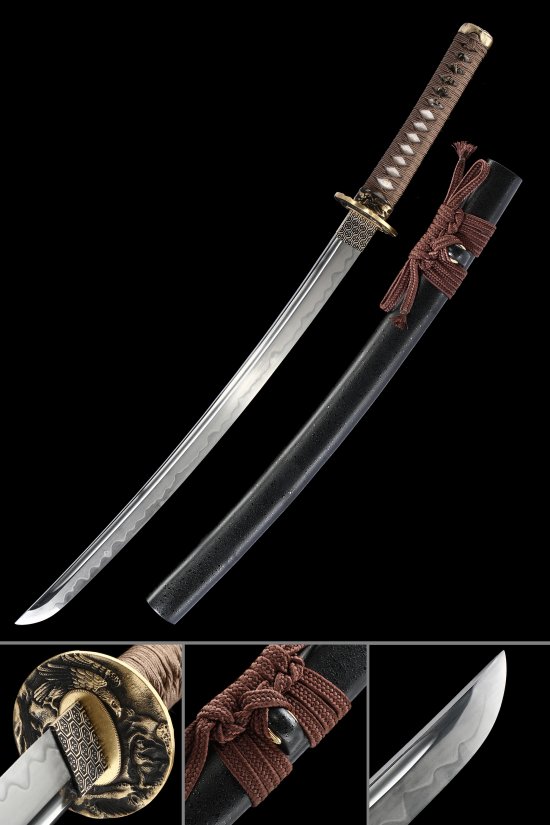
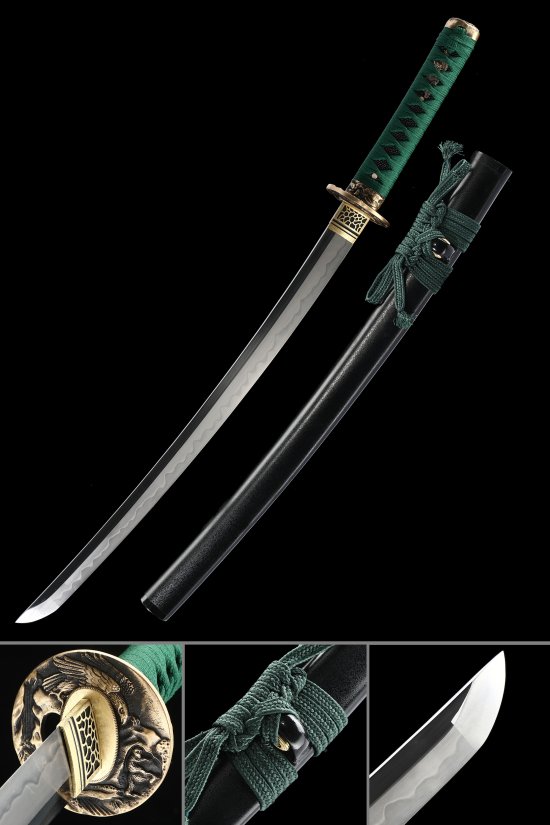
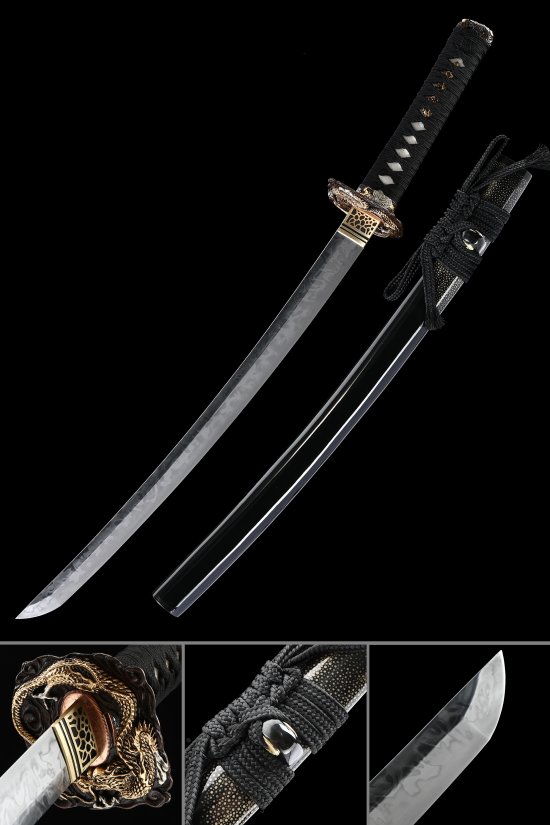
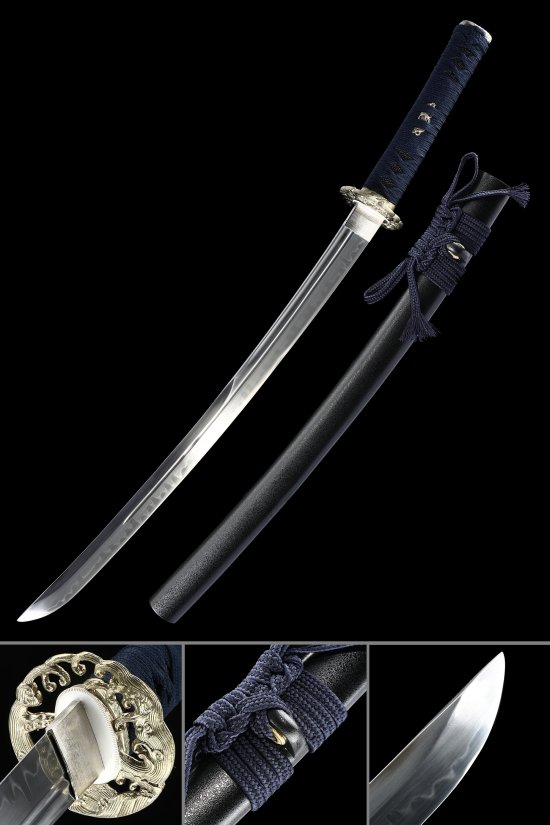
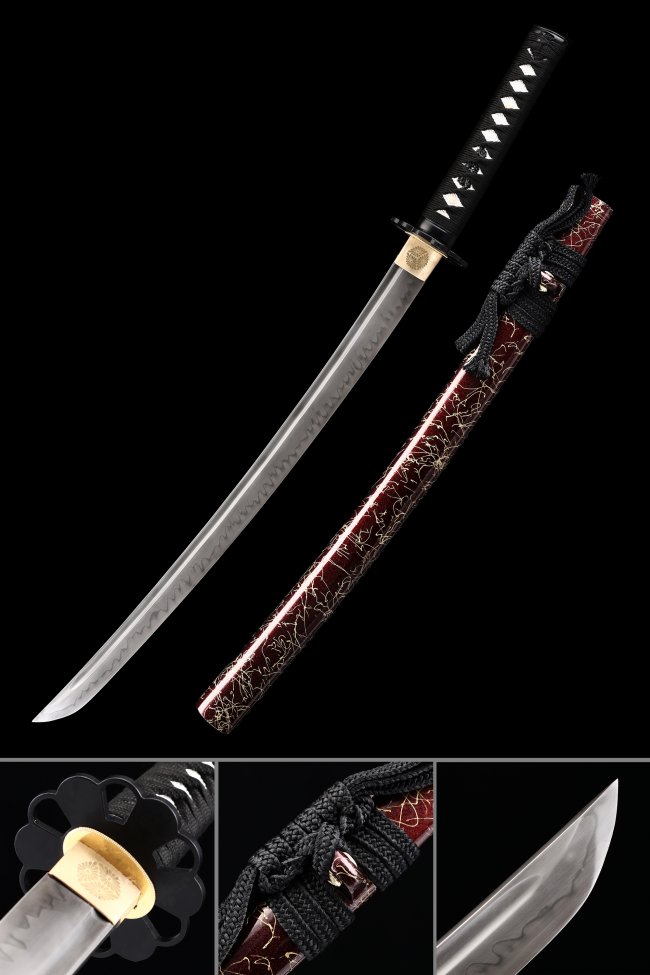
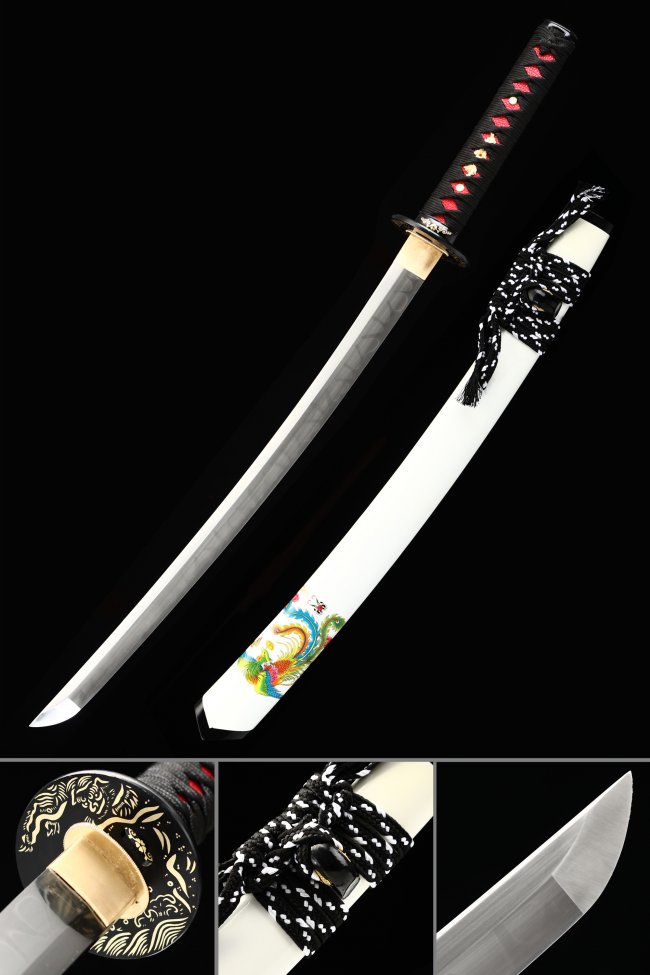
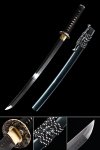
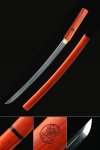
T10 wakizashi swords in this collection are handcrafted Japanese companion swords forged from T10 high-carbon steel with clay tempering, available in shirasaya and full-fitted mountings across a range of handle and scabbard colors. The visible hamon and high-carbon edge quality of T10 make this the premium steel choice for a serious wakizashi. Free shipping and a 30-day return policy are included.

Showing 40 Products

Related Collections

T10 Carbon Steel Tanto52 items


209 Reviews

T10 Ninjato19 items


81 Reviews

T10 Tachi Sword9 items


10 Reviews

T10 Steel Naginata4 items


8 Reviews

Frequently Asked Questions

What makes T10 steel the premium choice for a wakizashi?
T10 steel is considered a premium choice for wakizashi production for the same reasons it is valued in katana production, with the added consideration that the wakizashi format - shorter and lighter than a katana - makes the blade's surface character the primary focus of the display. T10's high carbon content of approximately 1.0 percent allows it to achieve exceptional edge hardness through clay tempering, harder than the 1045 or 1060 carbon steels used in more basic sword production. The clay tempering process creates the hamon - the visible boundary between the hardened edge and the tougher spine - which on T10 steel is particularly well-defined and shows nie and nioi activity that is highly prized in Japanese sword appreciation. For a wakizashi displayed alongside a T10 katana, the matching steel type and clay tempering process produce a daisho where both swords show equivalent surface quality and comparable hamon character, which creates a more coherent matched display than pairing swords of different steel types.
How is a T10 wakizashi correctly displayed in a daisho arrangement?
In a daisho display, the T10 wakizashi occupies the lower tier of a two-tier stand with the katana above it. Both swords should be placed with the cutting edge facing upward and the handle pointing to the right from the viewer's perspective - this is the standard Japanese display orientation derived from traditional household display conventions. The wakizashi is typically the shorter of the two swords, with an overall length of 60 to 75 centimeters in saya compared to the katana's 95 to 115 centimeters, and the size difference is part of what the daisho display communicates. The tsuba of both swords should be roughly centered on their respective tiers when viewed from the front, creating a balanced position for each sword on the stand. For a shirasaya wakizashi paired with a shirasaya katana, the plain wood of both mountings against a black lacquer stand creates a strong material contrast. For fitted mountings in matching colors, the coordinated presentation reads as a deliberately matched set.
What is the difference between a shirasaya and a fitted T10 wakizashi mounting?
A shirasaya T10 wakizashi and a fitted T10 wakizashi use the same blade - the same T10 clay-tempered steel, the same hamon, the same full-tang construction - in two completely different mountings. The shirasaya is a plain white wood scabbard and handle with no additional fittings beyond the habaki, presenting the blade without any decorative elements. The fitted mounting includes a lacquered scabbard, a wrapped handle over ray skin, a tsuba guard, and other traditional fittings that provide the full visual language of the Japanese sword tradition. The difference in display character is significant: the shirasaya version presents the blade as purely as possible, letting the hamon and steel surface be the entire visual content, while the fitted version presents the complete traditional package. Collectors who already appreciate T10 blade quality and want to show the hamon clearly often prefer shirasaya; collectors who want the full visual experience of a traditional Japanese sword in all its component richness prefer fitted mounting.
Can a T10 wakizashi be paired with a non-T10 katana in a daisho display?
Yes. A T10 wakizashi can be paired with a katana of any steel type in a daisho display, and the choice of whether to match steel types or mix them depends on what you want the display to communicate. A matched daisho with both katana and wakizashi in T10 clay-tempered steel creates a visually consistent pair where both swords show equivalent surface quality and comparable hamon character. This is the most formally coherent daisho arrangement. Mixing a T10 wakizashi with a Damascus katana, for example, creates a display where each sword is visually distinctive - the T10's refined hamon alongside the Damascus katana's folded grain pattern - which is a legitimate collecting choice but does not read as a matched set. For collectors who prioritize individual blade quality over matched presentation, mixing steel types is entirely valid. For collectors who want the display to read as a composed pair, matching steel type and mounting style creates the most unified result.

Customer Reviews

Cart 0 Items

Your cart is empty