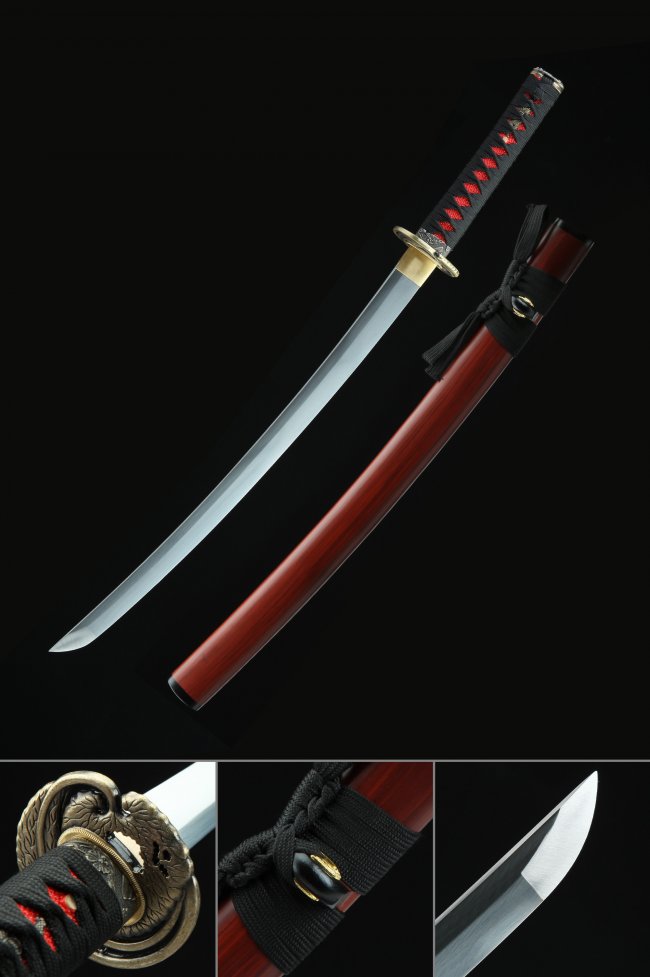
Clay Tempered Wakizashi
Clay tempering on a wakizashi is the same traditional process used on full-length katanas — spine coated in clay before quenching, which creates the differential hardness that produces a genuine hamon rather than an etched line. Applying that process to a shorter blade doesn't simplify it; if anything, getting the clay application and quench right on a wakizashi takes the same level of attention. Every clay tempered wakizashi in this collection goes through that process properly. The hamon is real, visible, and consistent. Whether you're adding a clay-tempered piece to a daisho set or want the process on a shorter blade — take a look at what we have below.
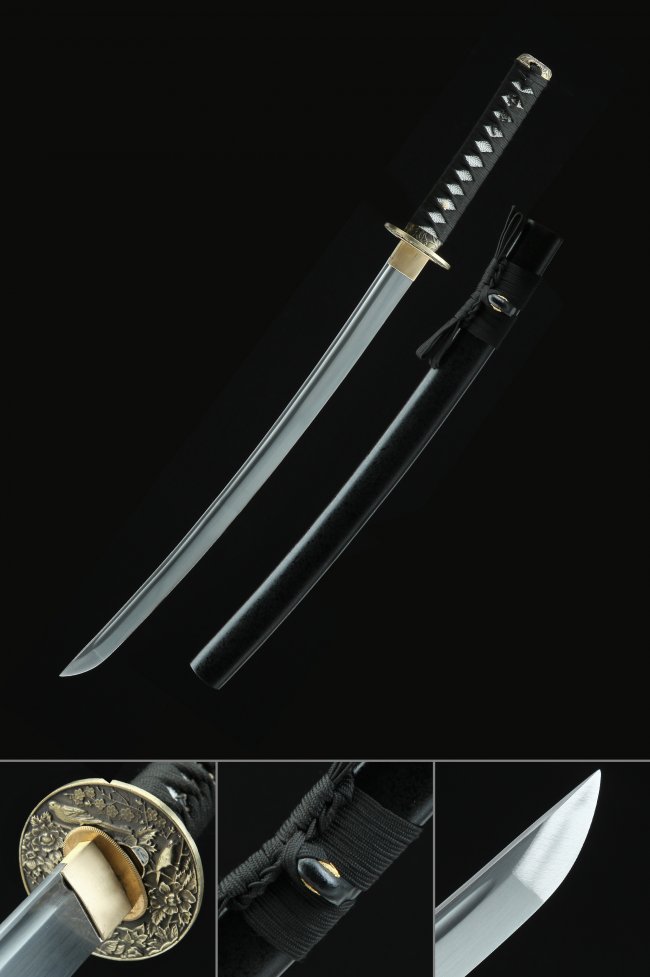
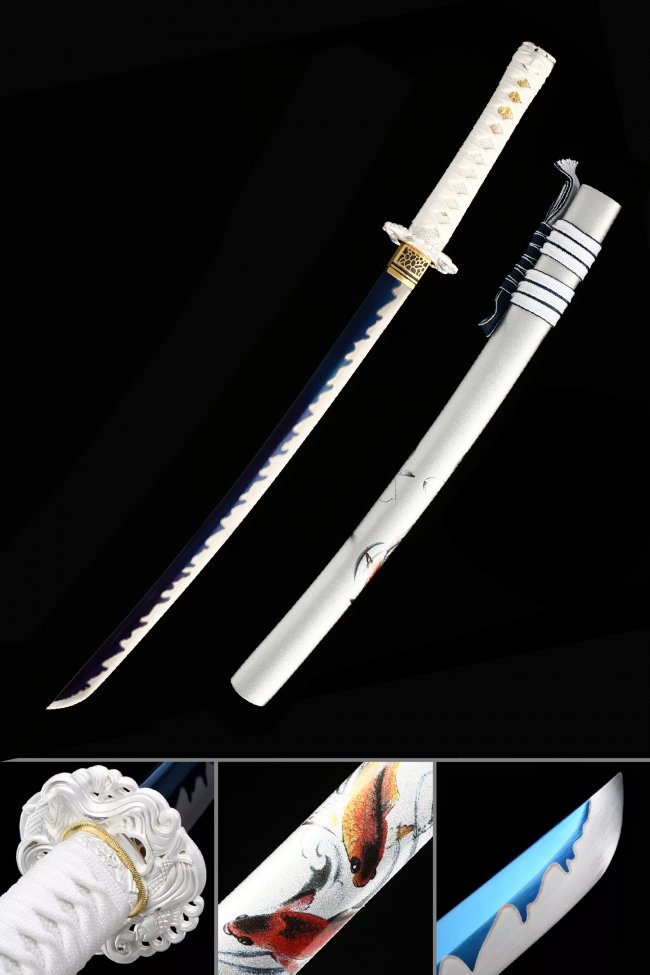
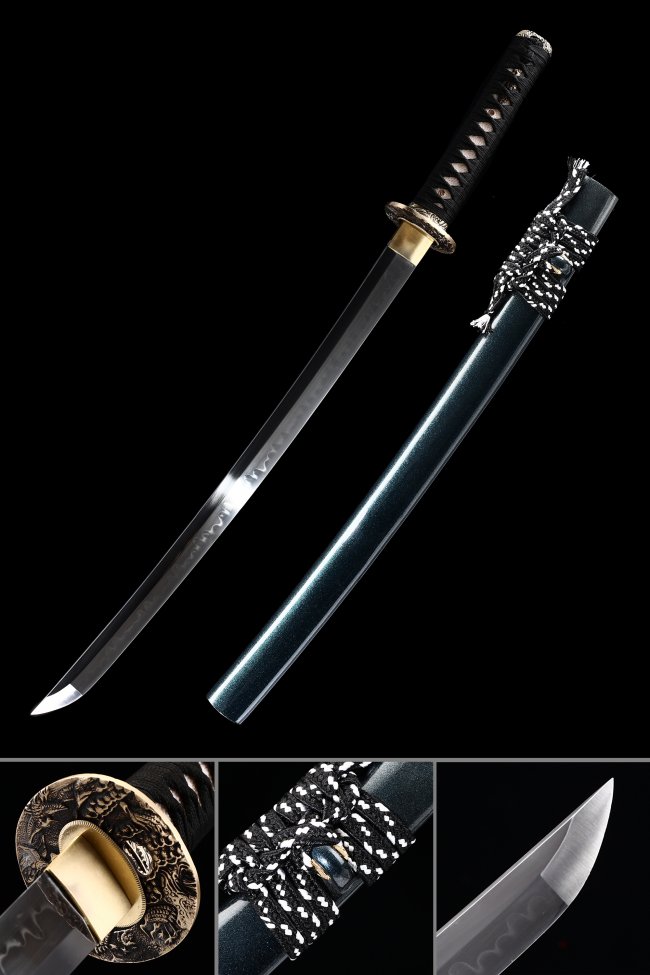
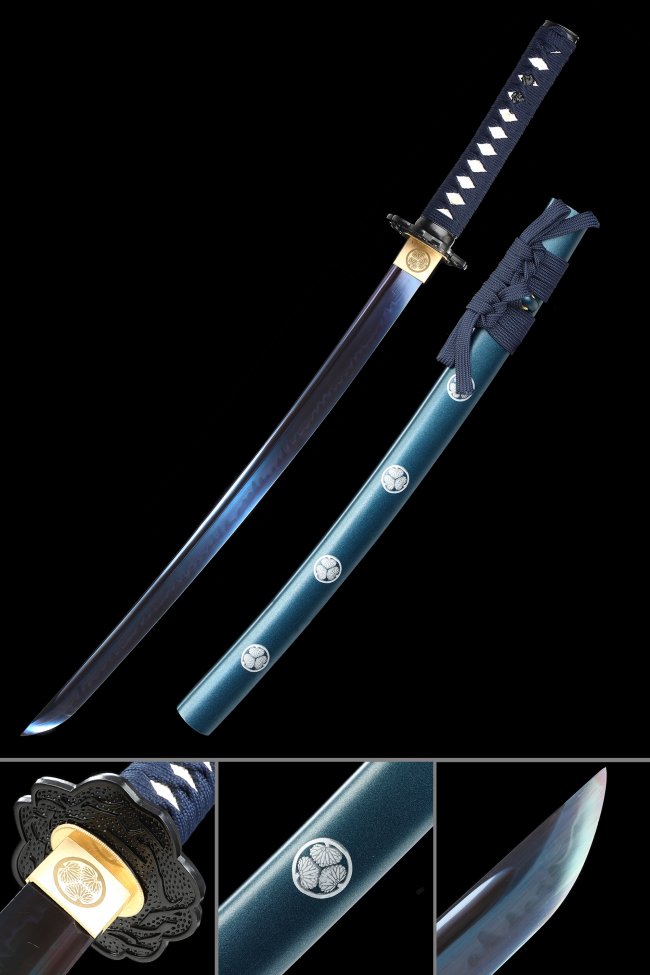
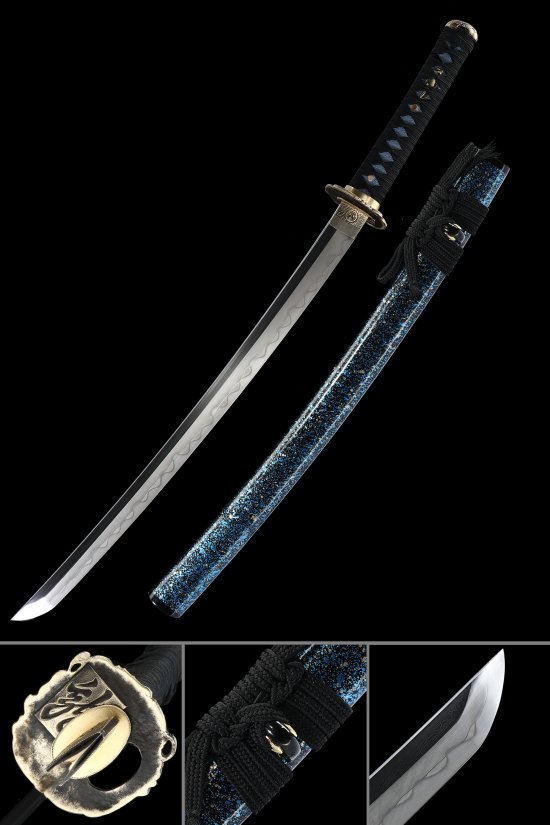
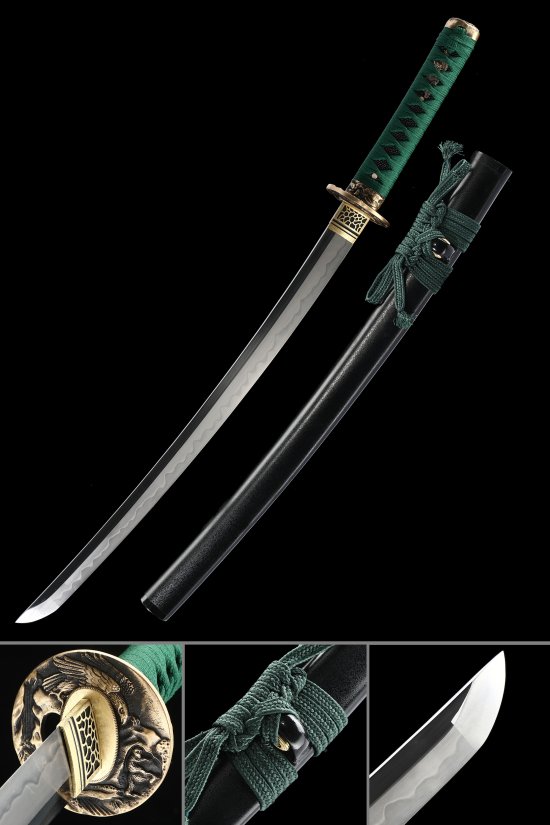
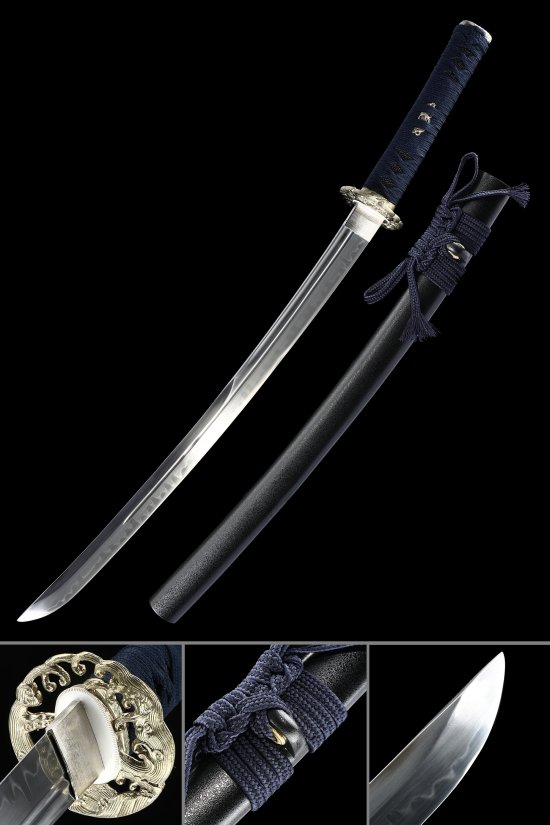
T10 Clay Tempered Wakizashi With Teal Lacquer Saya - Dragon Copper Tsuba, Black Ito
7 Reviews
ON SALE 15% OFF
$239.00
$279.00
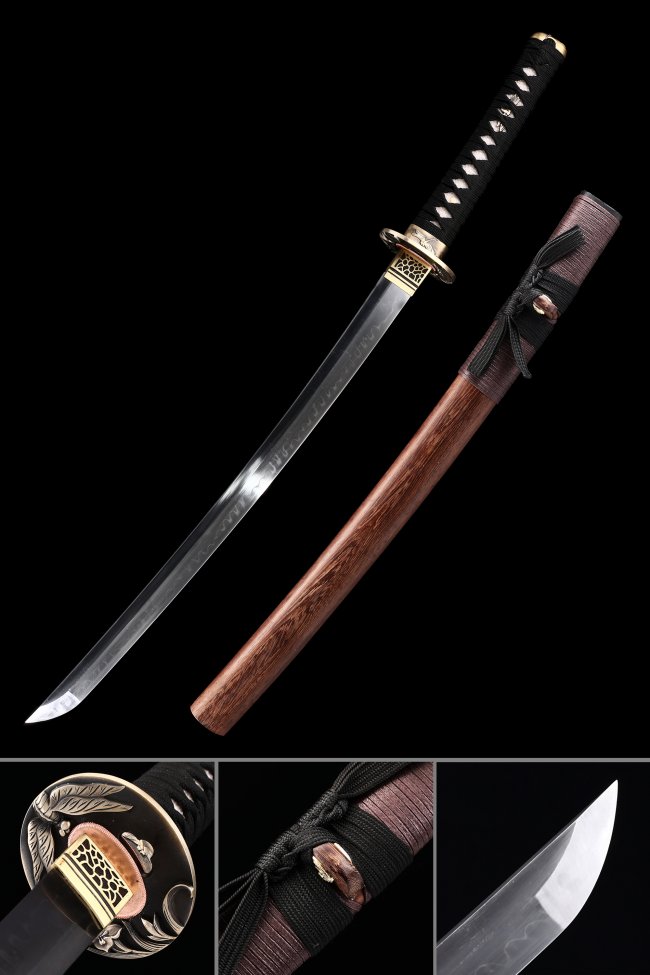
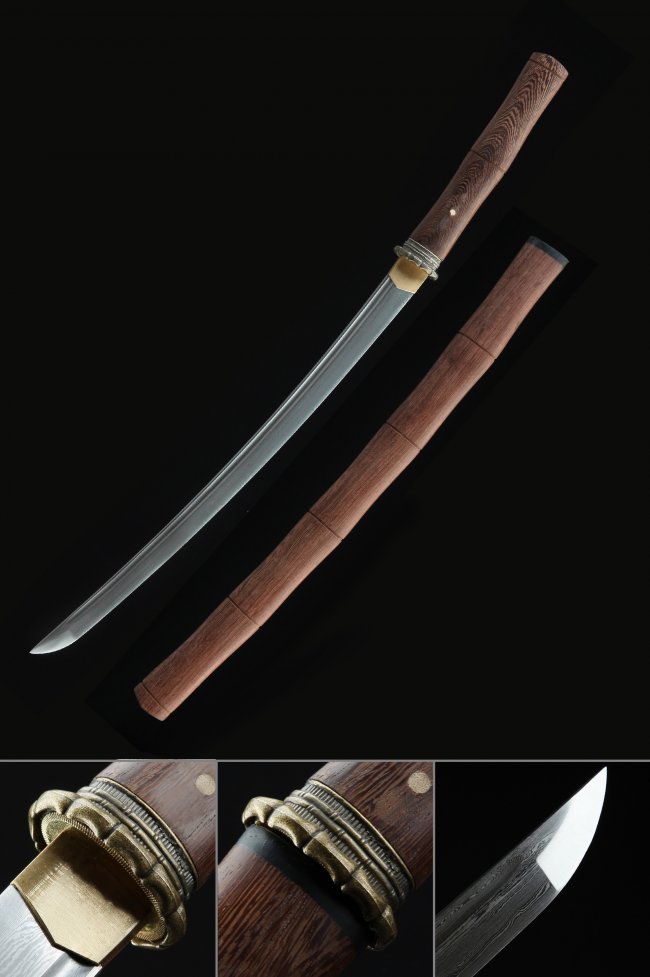
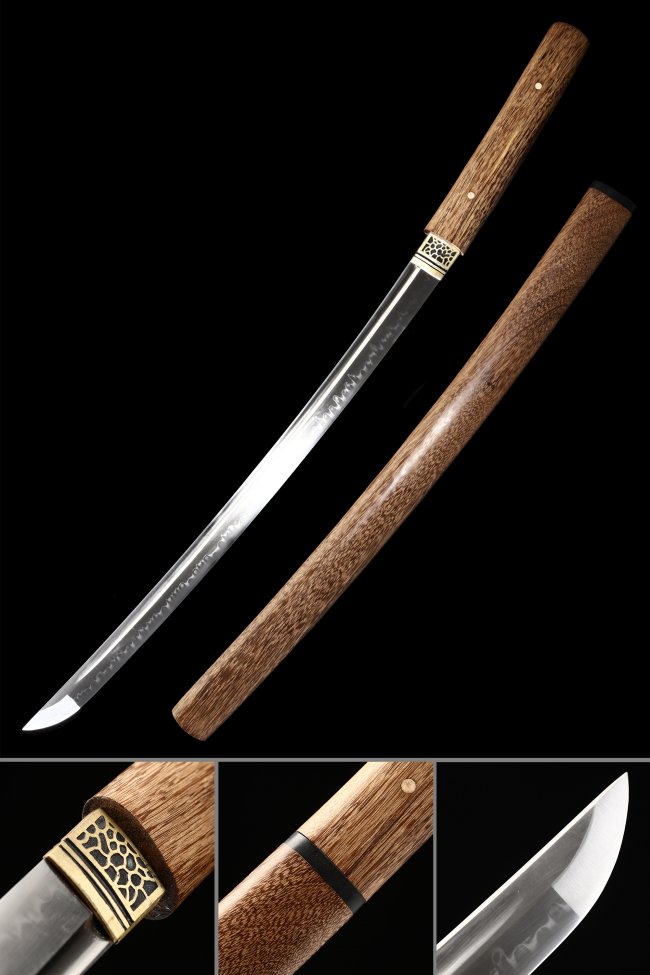
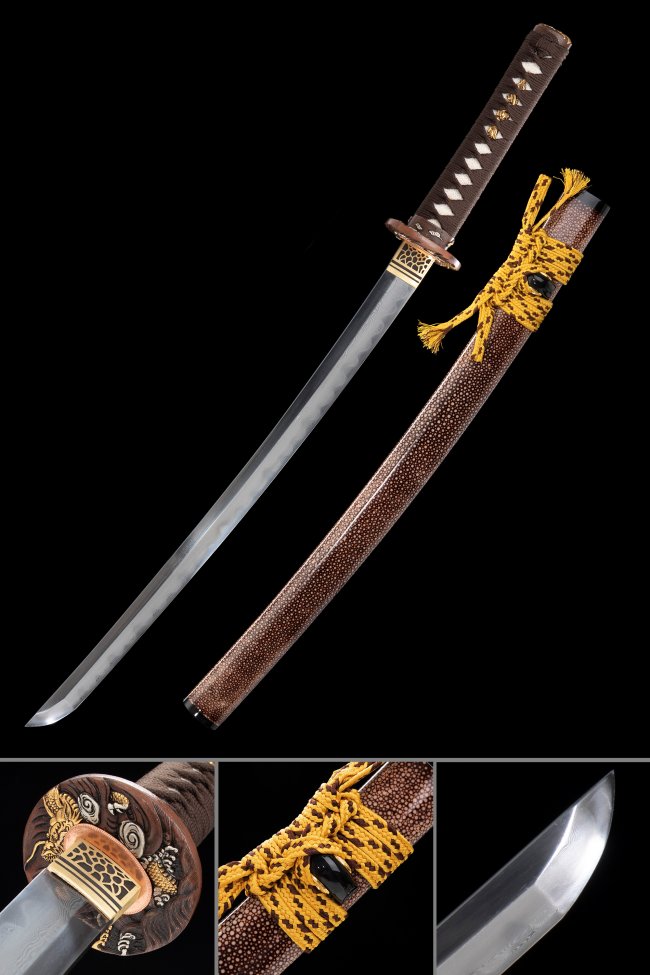
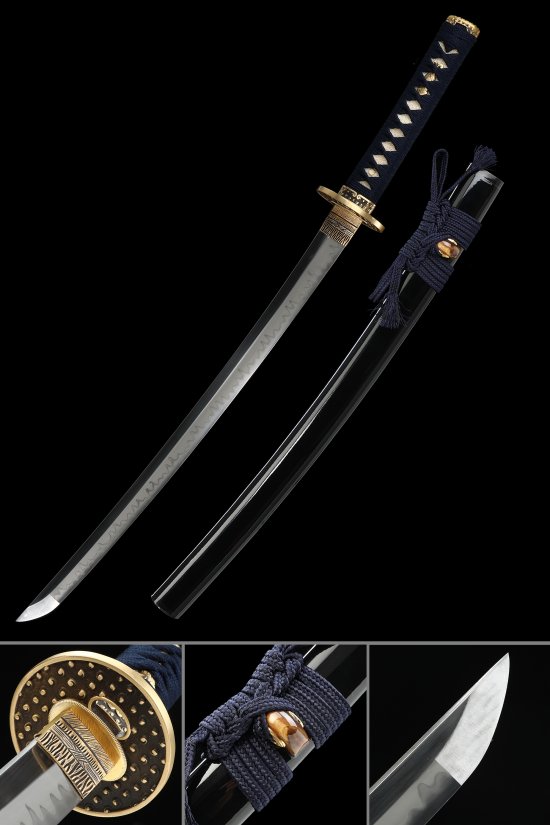
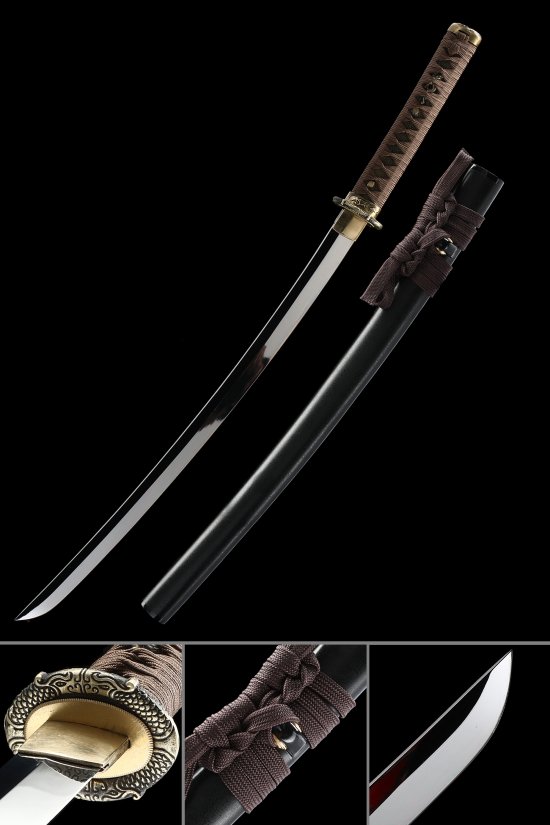
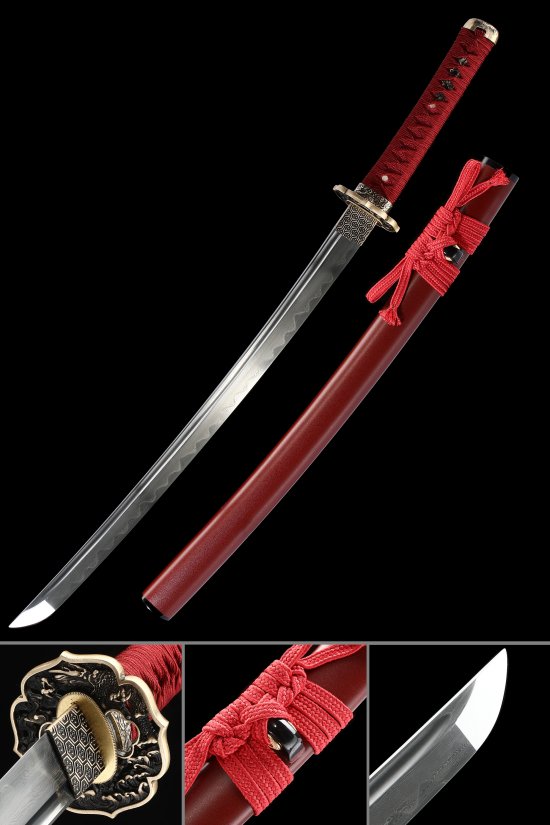
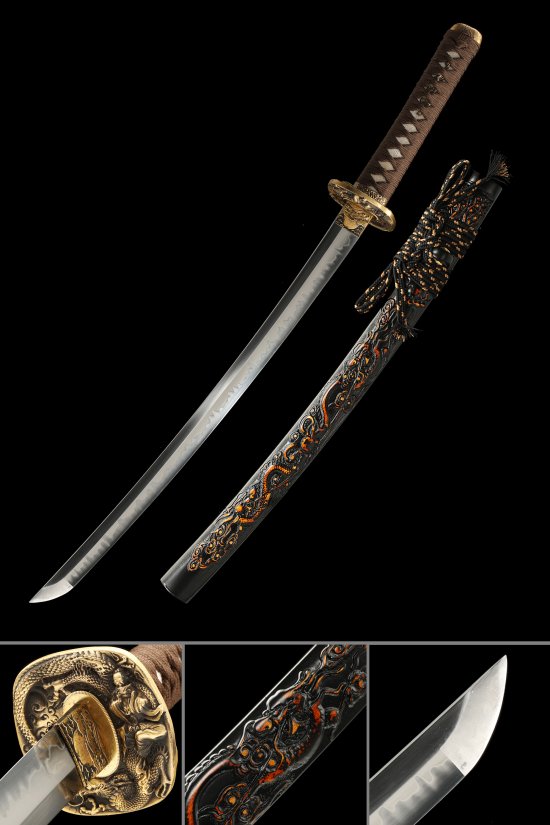
T10 Folded Clay Tempered Wakizashi Sword With Real Hamon In Brown Rosewood Saya And Copper Tsuba
25 Reviews
ON SALE 20% OFF
$219.00
$279.00
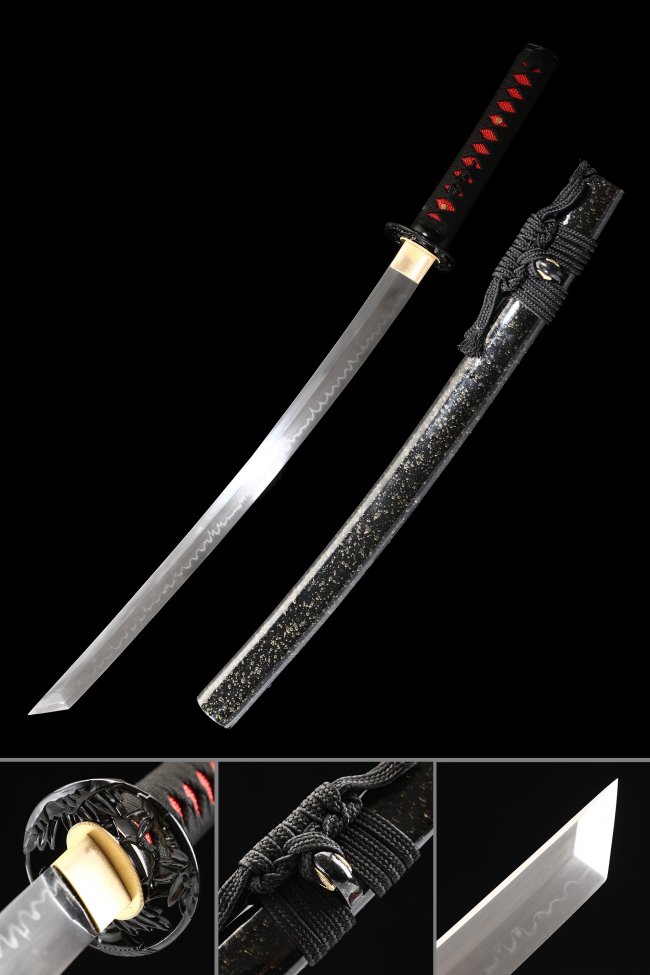
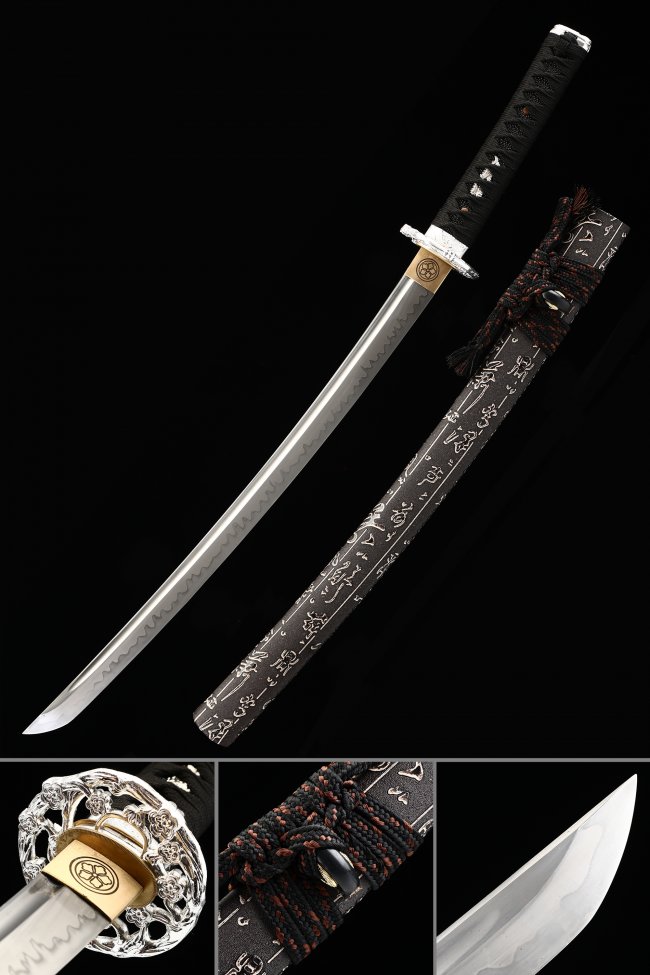
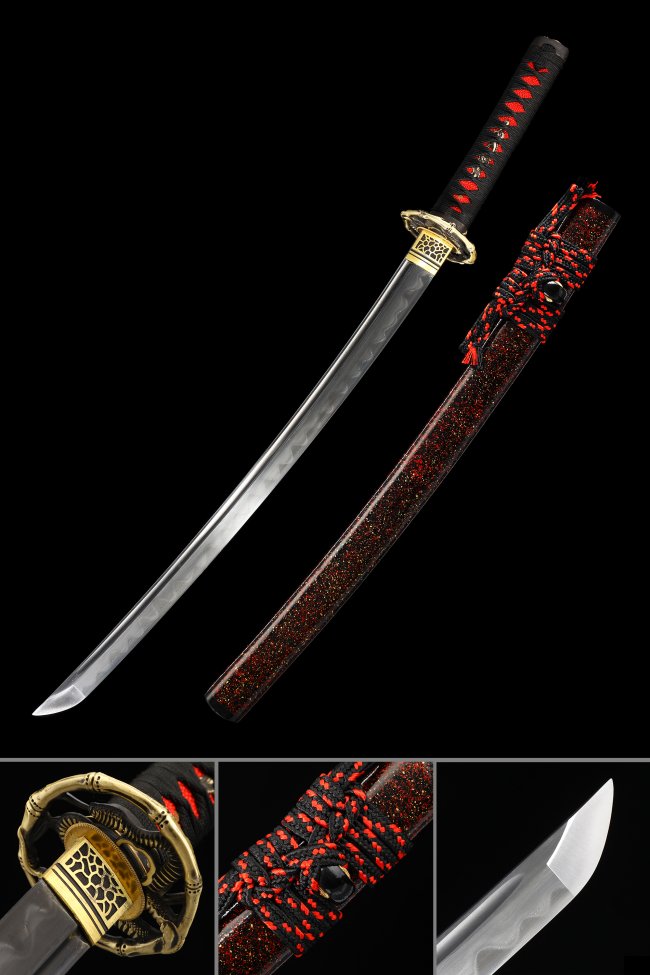
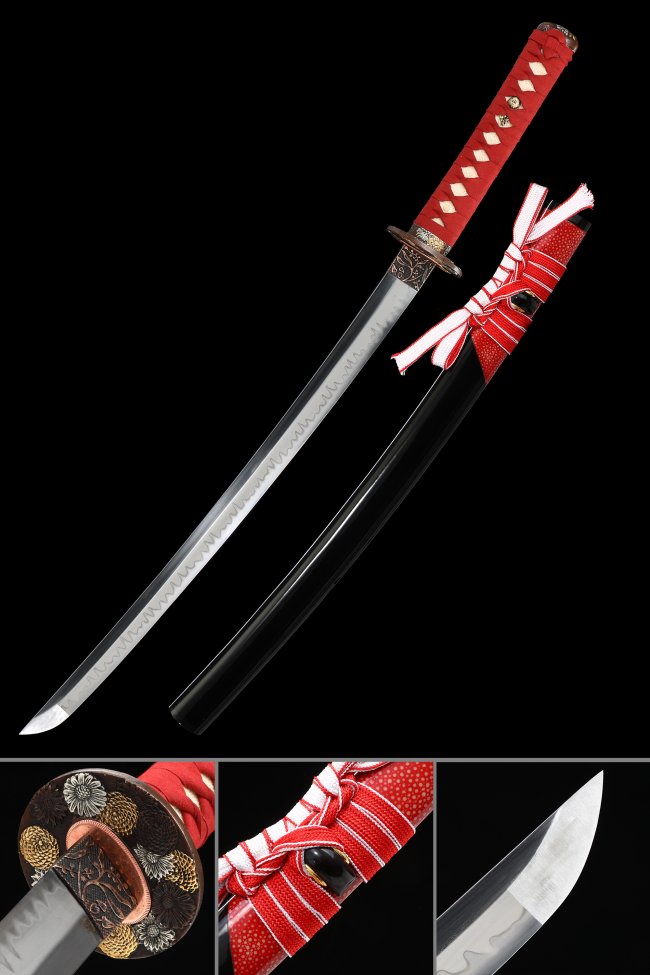
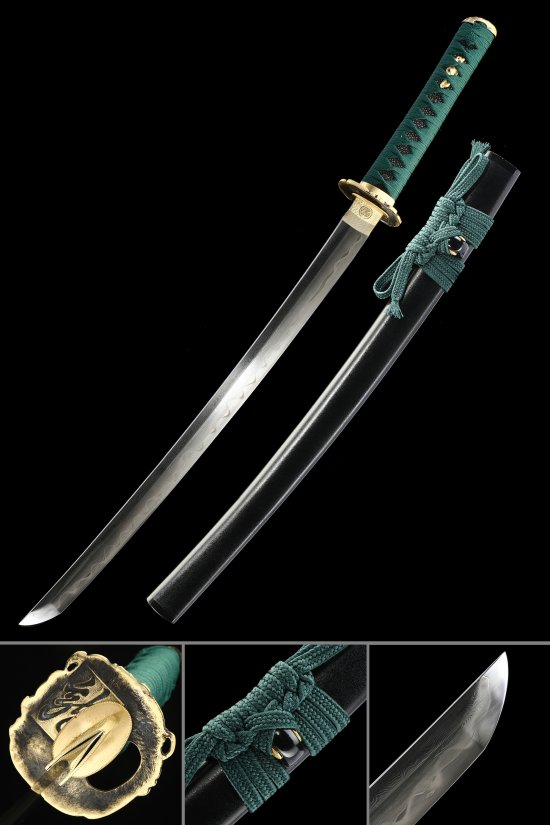
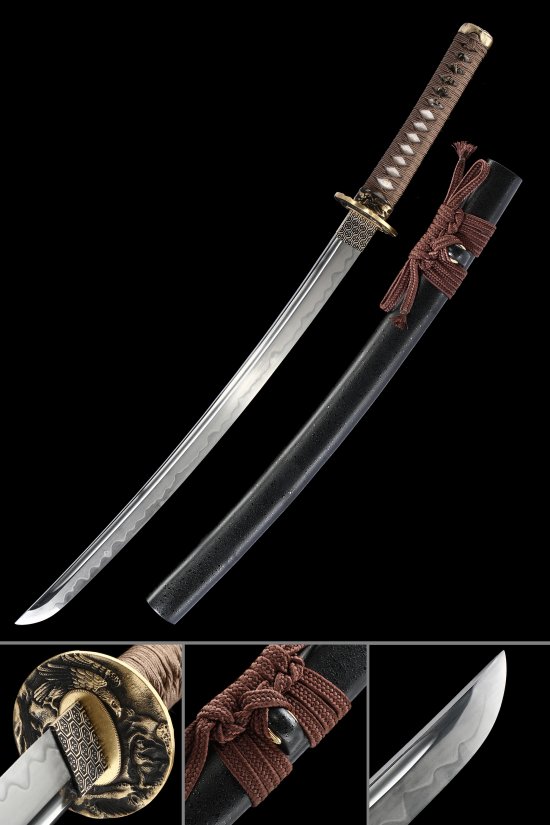
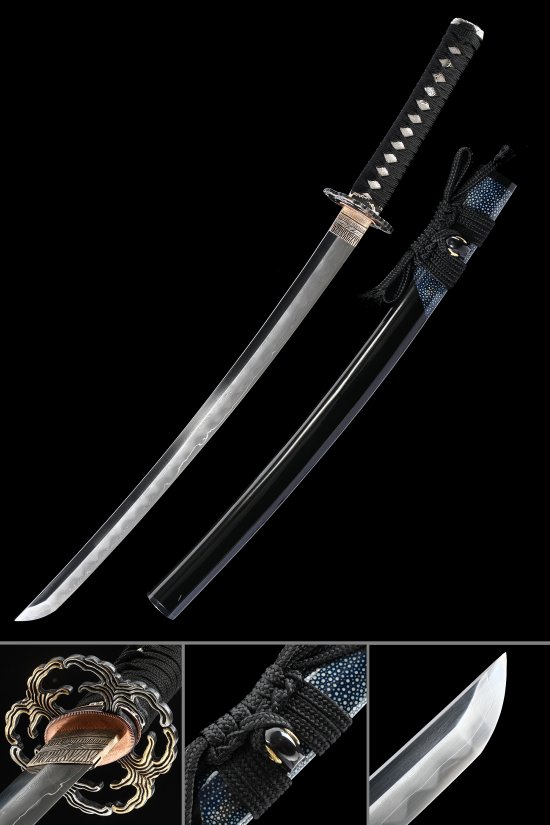
T10 Folded Clay Tempered Wakizashi Sword With Real Hamon In Black Gold-flecked Saya And Red Samegawa
15 Reviews
ON SALE 15% OFF
$209.00
$249.00
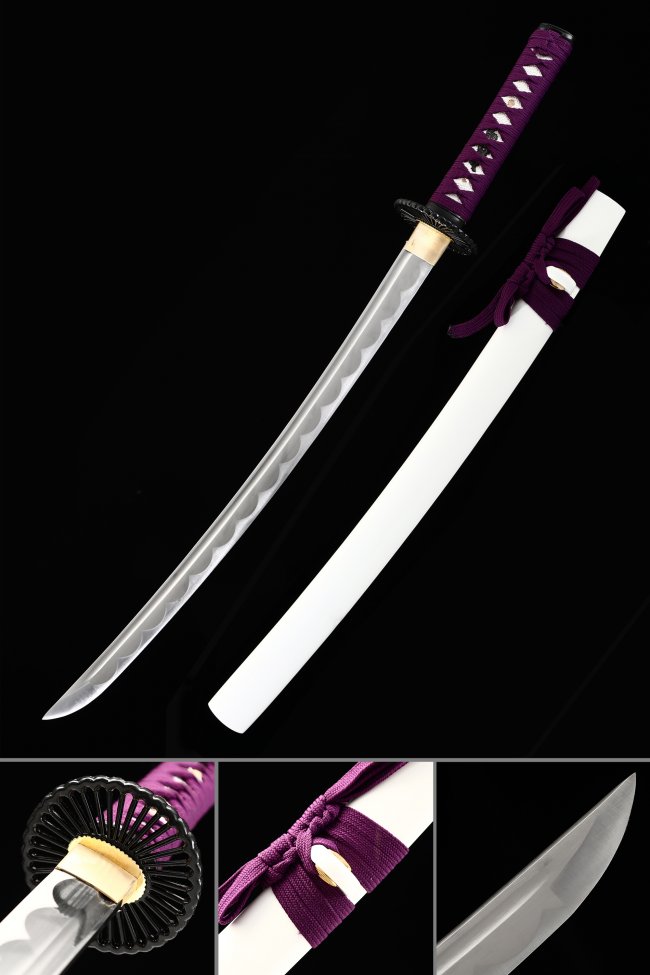
1045 Carbon Steel Wakizashi Sword Full Tang With Purple Tsuka Wrap And White Piano Lacquer Saya
18 Reviews
ON SALE 15% OFF
$139.00
$159.00
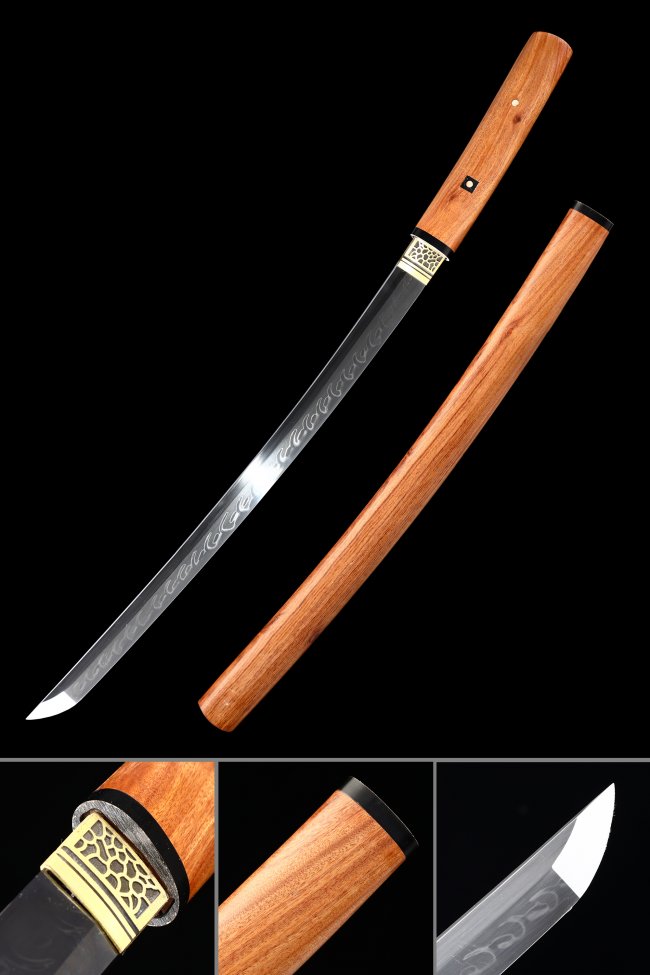
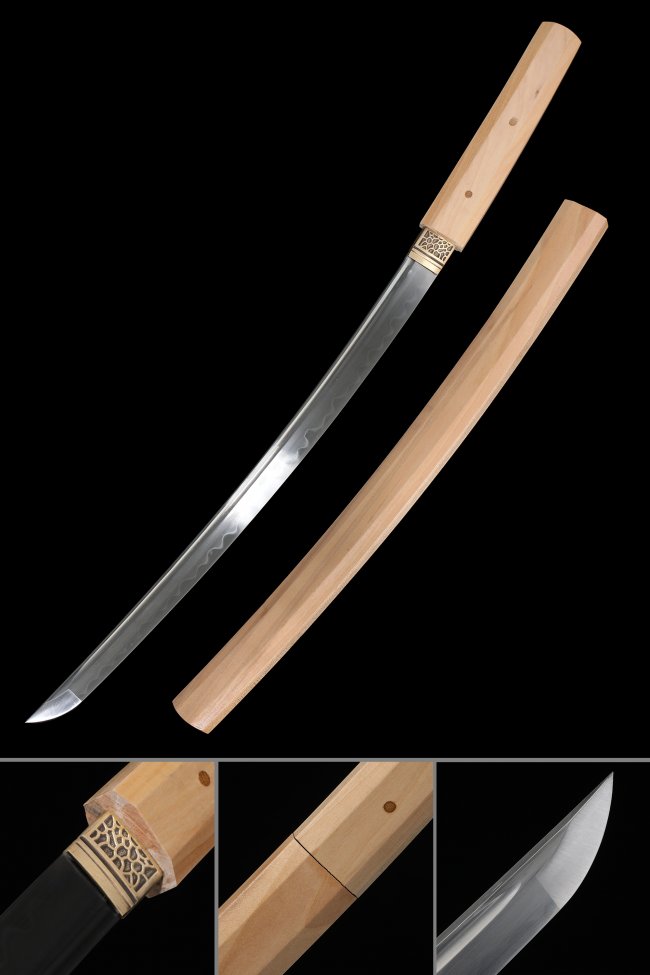
T10 Steel Shirasaya Wakizashi In Natural Hardwood With Wave-engraved Blade And Real Hamon
8 Reviews
ON SALE 15% OFF
$319.00
$379.00
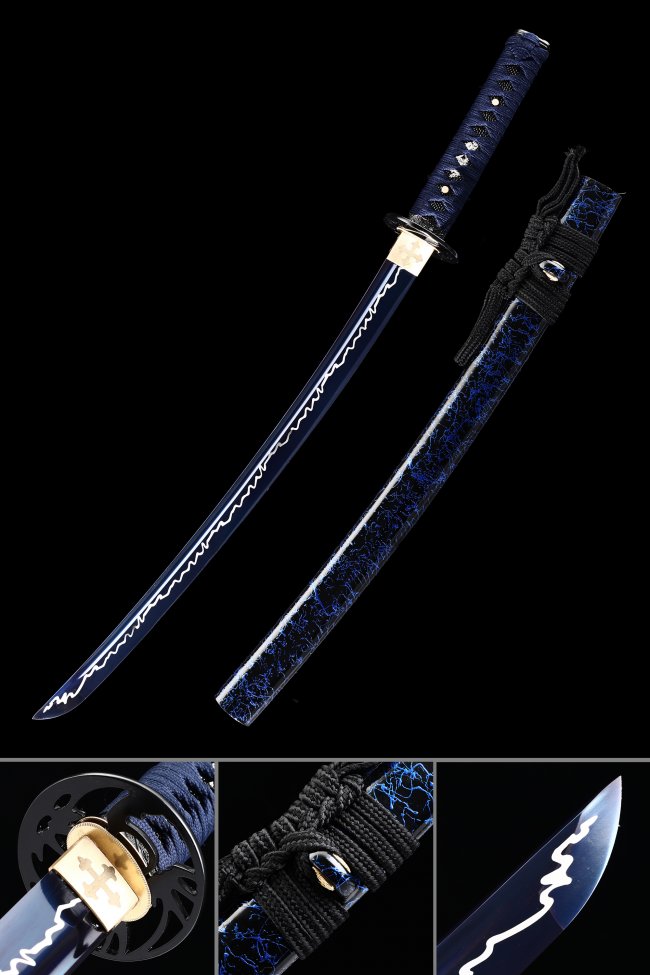
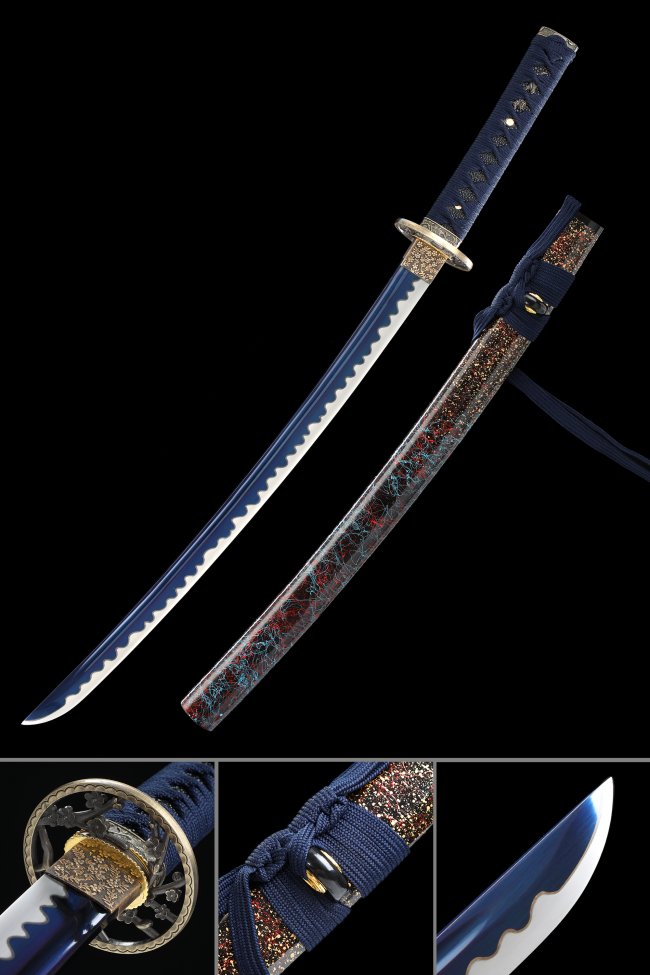
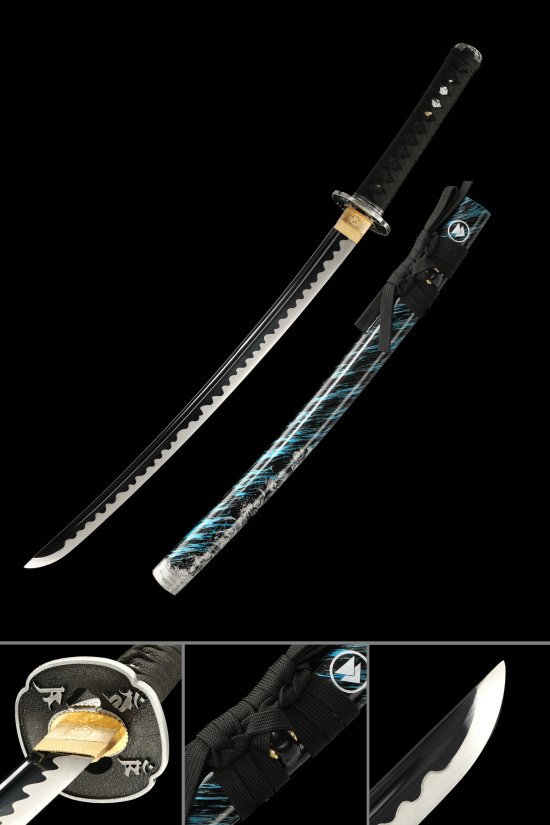
Blue Blade Wakizashi Sword In High Manganese Steel With Lightning Hamon And Black-blue Lacquered Saya
8 Reviews
ON SALE 15% OFF
$179.00
$209.00
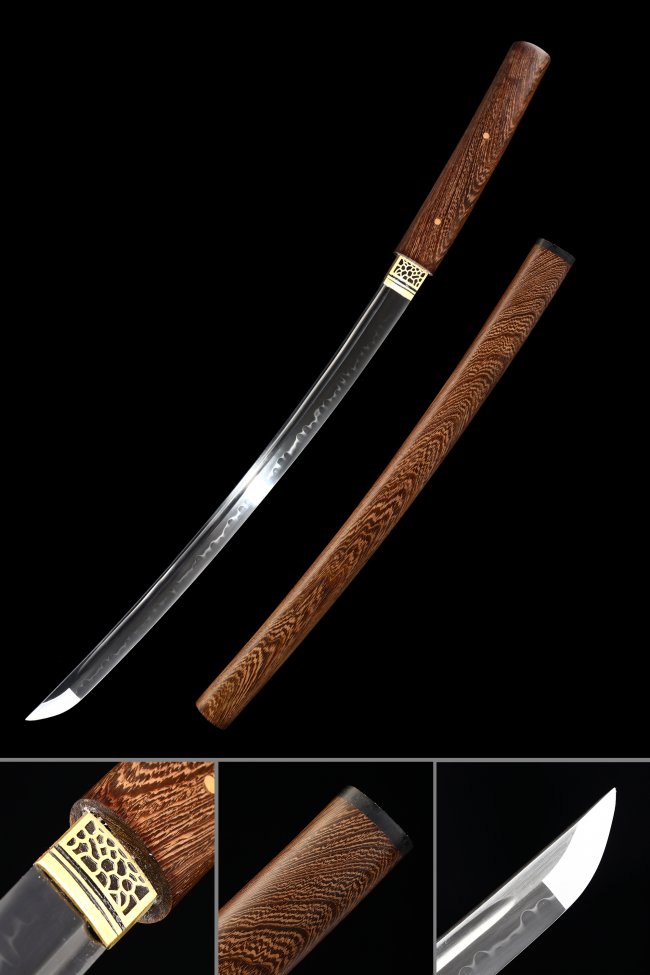
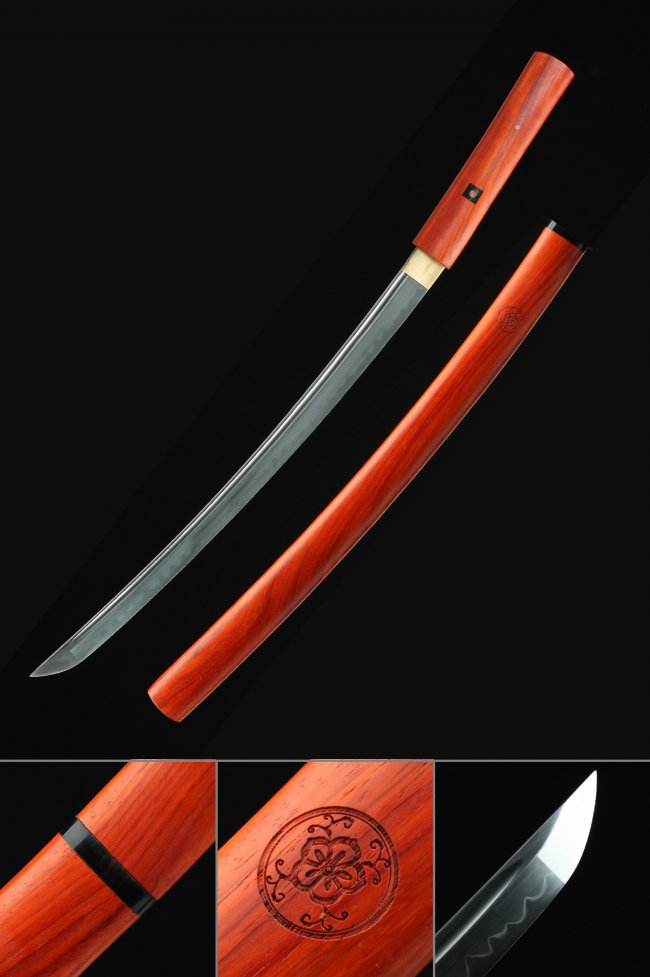
T10 Folded Clay Tempered Shirasaya Wakizashi With Wenge Wood Saya And Gold Openwork Habaki
9 Reviews
ON SALE 20% OFF
$179.00
$229.00
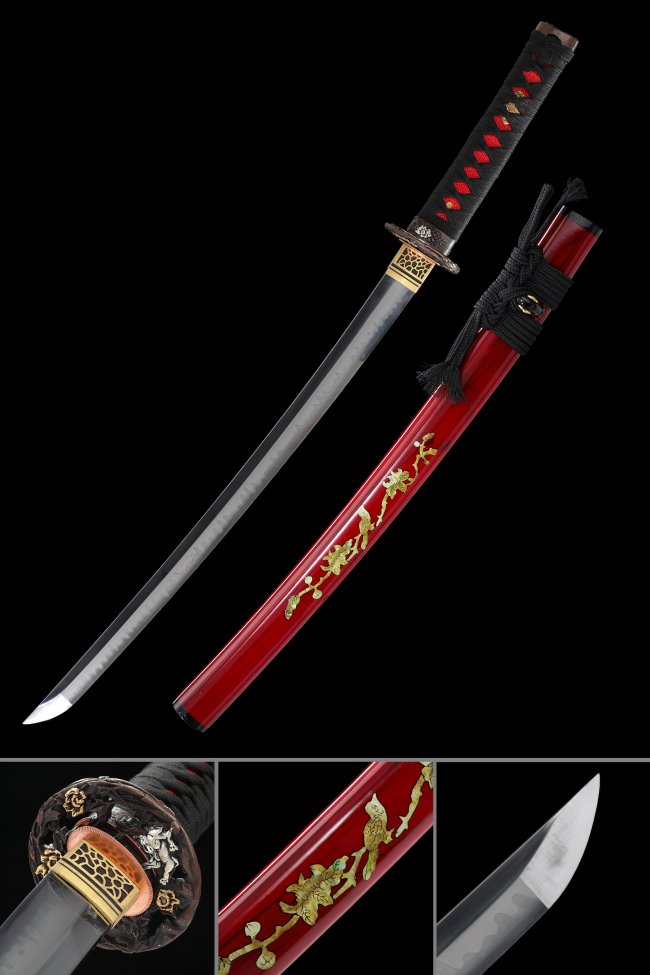
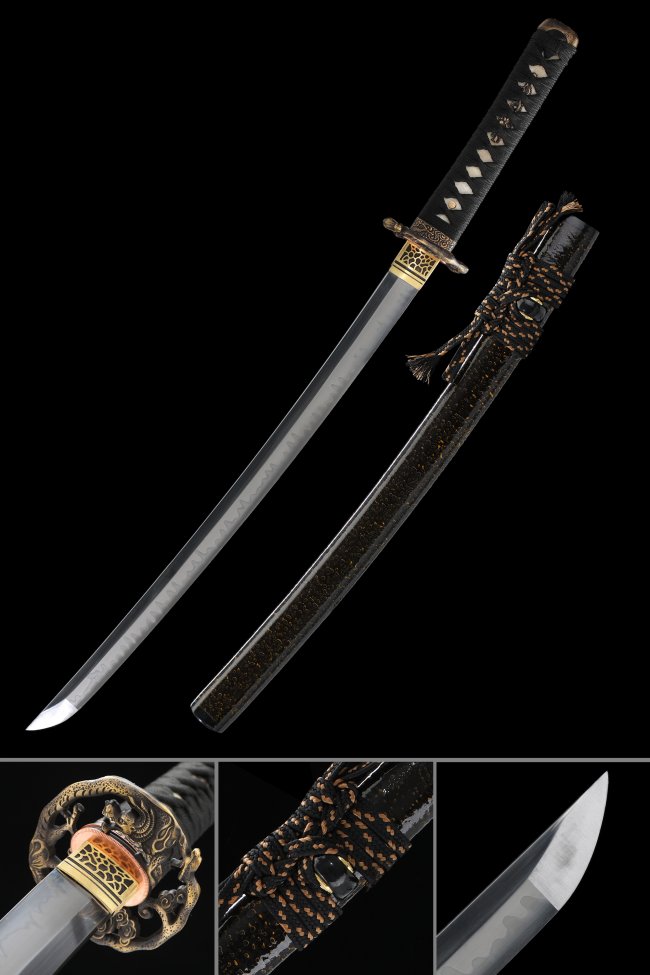
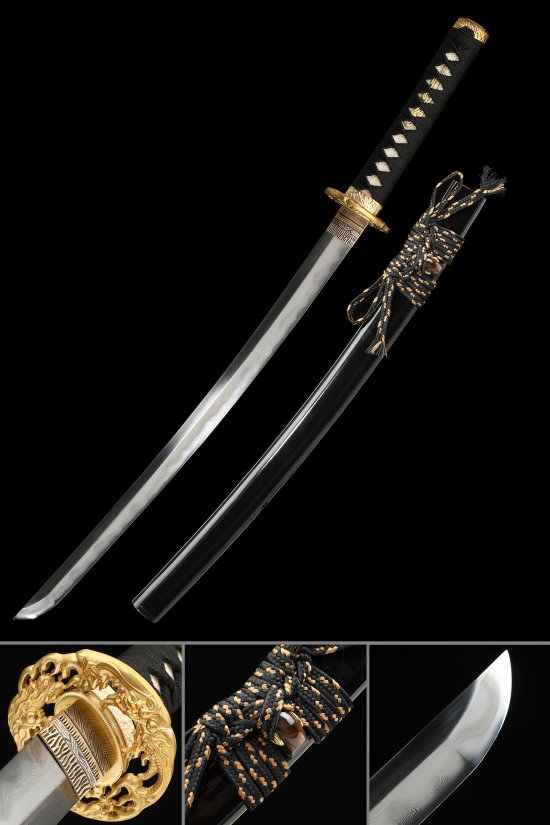
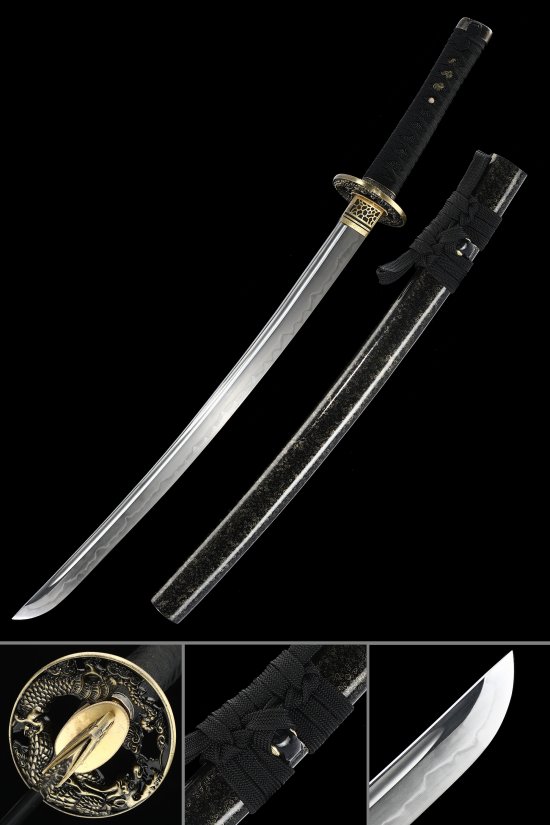
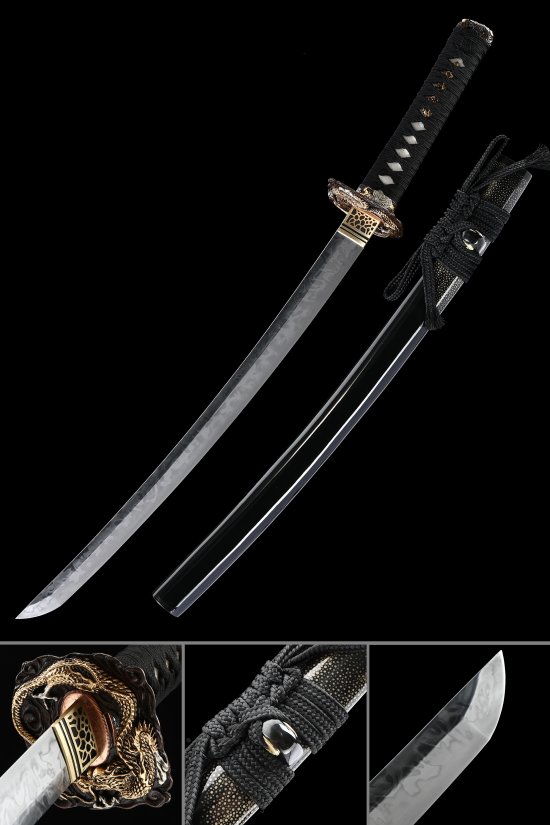
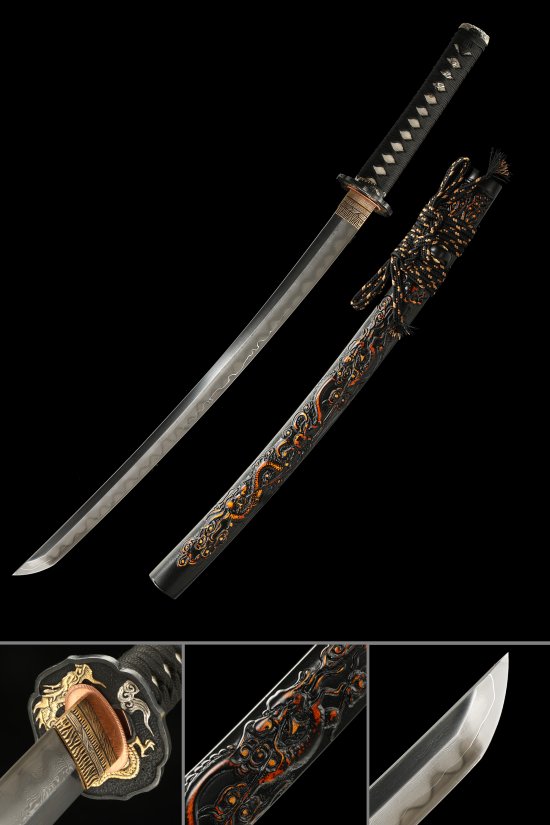
Dragon Tsuba T10 Carbon Steel Wakizashi, Real Hamon, Handmade & Black Dragon Saya
3 Reviews
ON SALE 15% OFF
$369.00
$429.00
Loading more products...
Related Collections
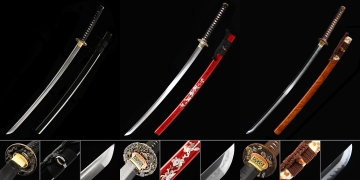
Dragon Katana 123 items
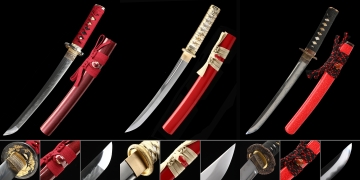
Red Tanto 16 items
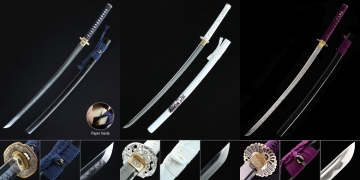
Clay Tempered Katana 120 items
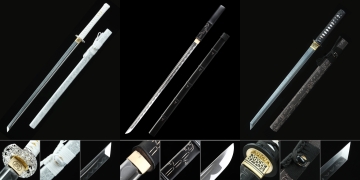
Clay Tempered Ninjato 90 items
Customer Reviews
The sword is gorgeous and the craftsmanship is outstanding!
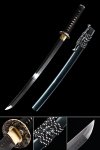 T10 Clay Tempered Wakizashi with Teal Lacquer Saya - Dragon Copper Tsuba, Black Ito
Verified Purchase
T10 Clay Tempered Wakizashi with Teal Lacquer Saya - Dragon Copper Tsuba, Black Ito
Verified Purchase
Very nice for practicing! It is well made, shipped fast and perfectly packaged. Communication was good as well!
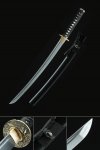 Manganese Steel Wakizashi Sword With Black Piano Lacquer Saya And Floral Bird Tsuba
Verified Purchase
Manganese Steel Wakizashi Sword With Black Piano Lacquer Saya And Floral Bird Tsuba
Verified Purchase
Phenomenal shirasaya. It is way above my expectations. Great Quality and appearance. Very fast shipping and great customer support from TrueKatana.
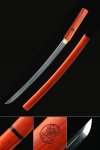 T10 Steel Clay Tempered Shirasaya Wakizashi with Real Hamon in Rosewood Saya - Red Hardwood Handle
Verified Purchase
T10 Steel Clay Tempered Shirasaya Wakizashi with Real Hamon in Rosewood Saya - Red Hardwood Handle
Verified Purchase
Super fast shipping. Wonderful customer service! I made a mistake and misread the length and weight of sword. I’ll def double check the product description to double check. They were very understanding and accommodating. Will def be place another order soon. Great overall experience.
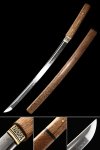 Shirasaya Wakizashi Sword in T10 Carbon Steel with Natural Wenge Wood Saya and Bronze Habaki
Verified Purchase
Shirasaya Wakizashi Sword in T10 Carbon Steel with Natural Wenge Wood Saya and Bronze Habaki
Verified Purchase
Excellent Shirasaya Wakizashi with cool accents!… Now we need a matching Katana… same color and fittings… Katana length blade with an extra long Tsuka Handle… maybe three Bamboo Sections long?… Matching Daisho Set!… Shipping and price were good… Thank you!
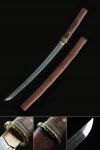 Ornate Scroll Tsuba Damascus Steel Wakizashi, Clay Tempered, Real Hamon & Folded Steel
Verified Purchase
Ornate Scroll Tsuba Damascus Steel Wakizashi, Clay Tempered, Real Hamon & Folded Steel
Verified Purchase
Absolutely phenomenal, this wakizashi is without a doubt everything that was pictured and described.
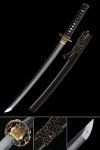 Dragon Tsuba T10 Carbon Steel Wakizashi, Real Hamon, Handmade & Black Dragon Saya
Verified Purchase
Dragon Tsuba T10 Carbon Steel Wakizashi, Real Hamon, Handmade & Black Dragon Saya
Verified Purchase
The quality is great and the hamons are visible. Exactly what I was looking for as a decorative product.
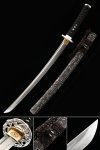 Chrysanthemum Tsuba T10 Carbon Steel Wakizashi, Clay Tempered, Real Hamon & Hand Forged
Verified Purchase
Chrysanthemum Tsuba T10 Carbon Steel Wakizashi, Clay Tempered, Real Hamon & Hand Forged
Verified Purchase
The oder came in good time r
The craftsmanship n quality is better then i expected i know every sword is unique using the traditional Japanese method was definitely done rite both blades The blood groove and Damascus Steel provides me with near perfect feel n weight for my unorthodox Tenshin Ryu Ninja Samurai free style I choose the dual Wakizashi because you can strike faster then with 2 standard Katana's i love the older bronze look but had planned fully to Silver Customized with a special Piant to compliment the Crimson Red Thank You Sincerely Gabriel.r
P.S in the near Future I will most likely contact you guys to build my Oni Katana r
(Note the Oni Katana is a Actually 60" Nodachi but is still called the Oni Katana i will send you fully detailed black white Pencil/ Ink Drawing & a Finished full color illustration with all the specs n desired materials when the time comes...
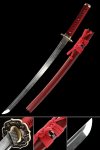 Damascus Steel Wakizashi with Wave-Engraved Blade in Dark Red Hardwood Lacquer Saya
Verified Purchase
Damascus Steel Wakizashi with Wave-Engraved Blade in Dark Red Hardwood Lacquer Saya
Verified Purchase
Beautiful sword and fast transparent delivery. The customer service exceeded the expectations.
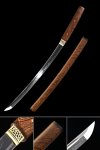 T10 Folded Clay Tempered Shirasaya Wakizashi with Wenge Wood Saya and Gold Openwork Habaki
Verified Purchase
T10 Folded Clay Tempered Shirasaya Wakizashi with Wenge Wood Saya and Gold Openwork Habaki
Verified Purchase
Nicely packaged. Beautiful workmanship. A great value at 220.
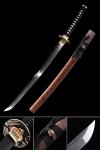 T10 Folded Clay Tempered Wakizashi Sword with Real Hamon in Brown Rosewood Saya and Copper Tsuba
Verified Purchase
T10 Folded Clay Tempered Wakizashi Sword with Real Hamon in Brown Rosewood Saya and Copper Tsuba
Verified Purchase
The quality was good. It exceeds my expectation. Even the product came from China. The delivery was fast and the packaging was excellent.
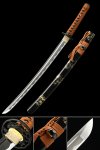 1060 Carbon Steel Wakizashi with Black Lacquer Saya - Orange Ito, Chrysanthemum Tsuba, Gold Vine
Verified Purchase
1060 Carbon Steel Wakizashi with Black Lacquer Saya - Orange Ito, Chrysanthemum Tsuba, Gold Vine
Verified Purchase
I Love it definitely will order from here again great place for swords
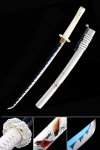 Manganese Steel Wakizashi with Blue Flame Blade and Koi Fish Painted Silver Saya - White Ito Wrap
Verified Purchase
Manganese Steel Wakizashi with Blue Flame Blade and Koi Fish Painted Silver Saya - White Ito Wrap
Verified Purchase
Super cool sword. Feels relatively sturdy. The fittings were a little messy, I had to file off some excess material but the blade is beautiful. I would say it's a pretty sword with good display value and it makes for some fun if you did want to cut softer objects with it. Although they have a long list of don't do's that's come with the blade. All in all I think the sword is well worth the price. The team is friendly and responds quickly. The shipping was quick as well.
Ornate Scroll Tsuba Damascus Steel Wakizashi, Clay Tempered, Real Hamon & Folded Steel
Verified Purchase
absolutely beautiful a true work of art completed by a true craftsman
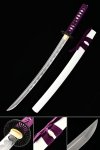 1045 Carbon Steel Wakizashi Sword Full Tang with Purple Tsuka Wrap and White Piano Lacquer Saya
Verified Purchase
1045 Carbon Steel Wakizashi Sword Full Tang with Purple Tsuka Wrap and White Piano Lacquer Saya
Verified Purchase
So far the wrapping is holding, and the blade and saya quality is nice. Feels really balanced in one hand; good for Niten Ichi Ryu
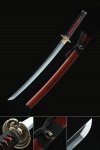 Manganese Steel Wakizashi with Dark Red Piano Lacquer Saya and Flower Alloy Tsuba in Black-Red Ito
Verified Purchase
Manganese Steel Wakizashi with Dark Red Piano Lacquer Saya and Flower Alloy Tsuba in Black-Red Ito
Verified Purchase
Loading more reviews...