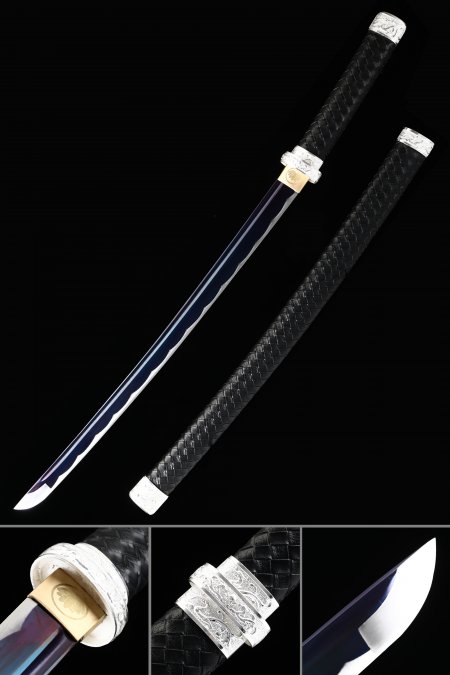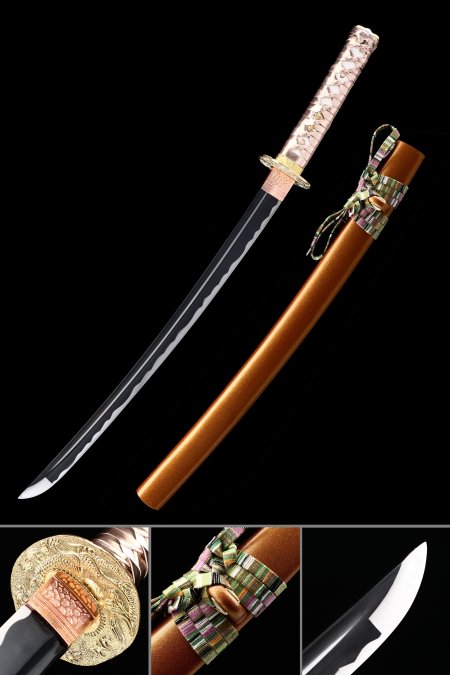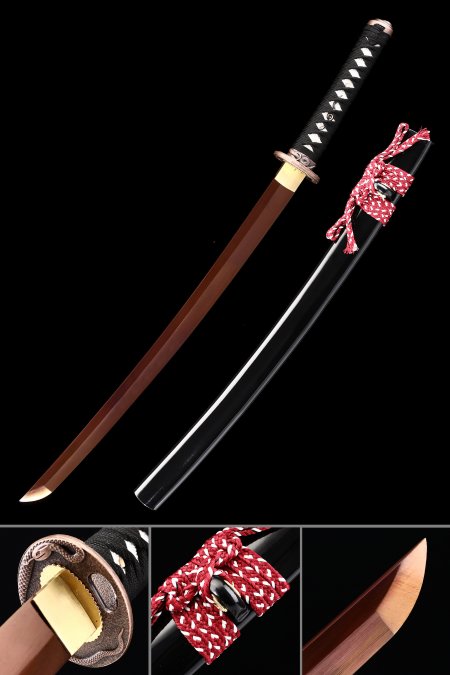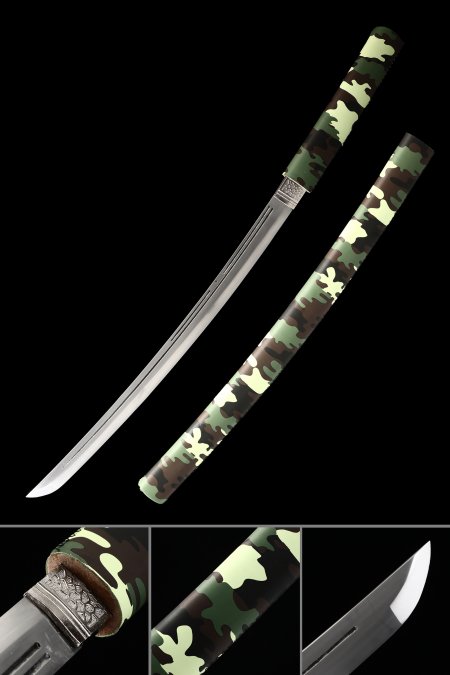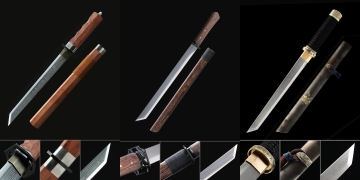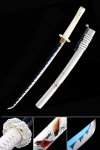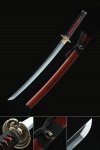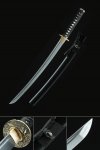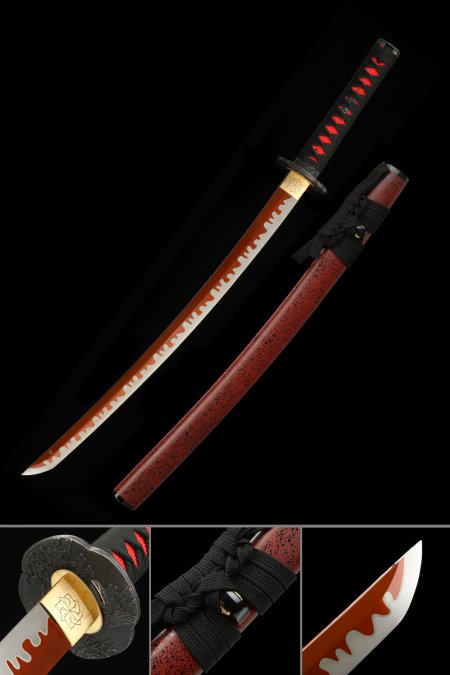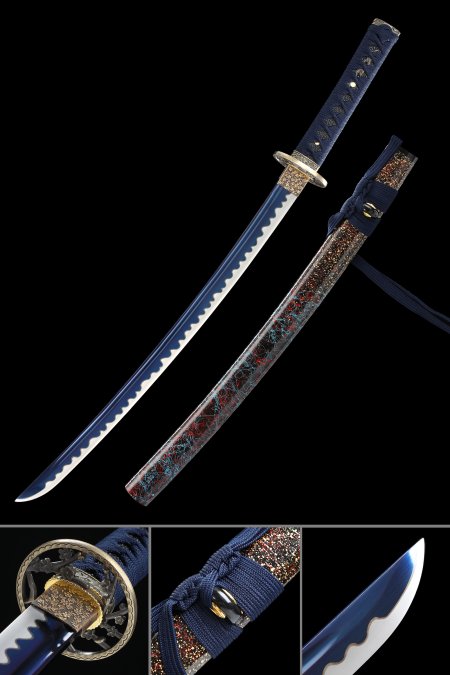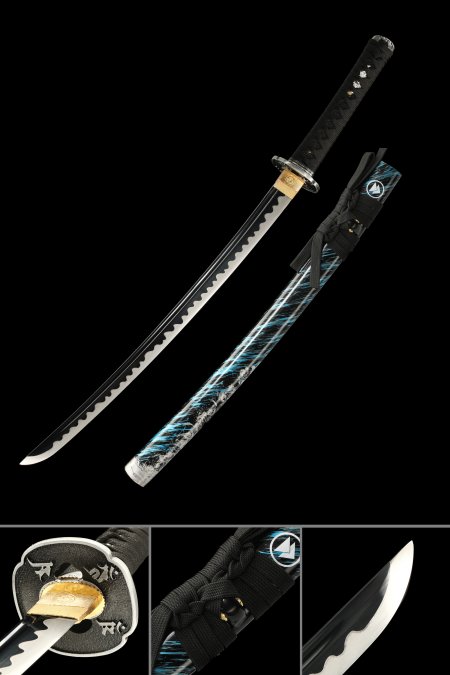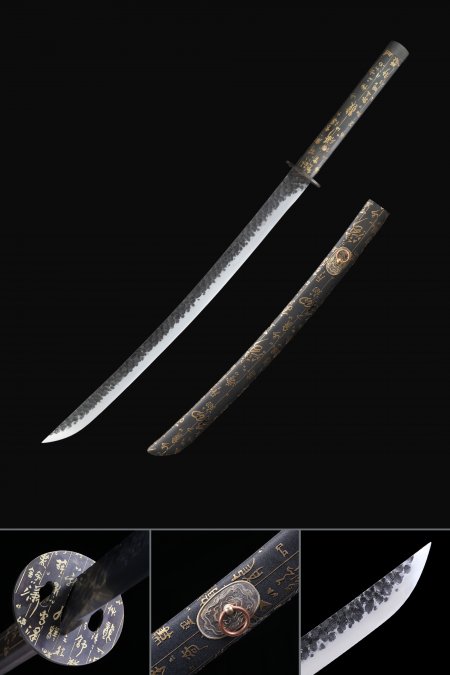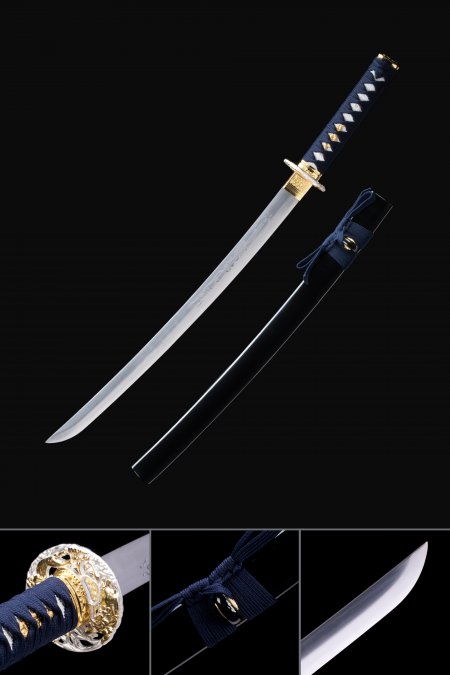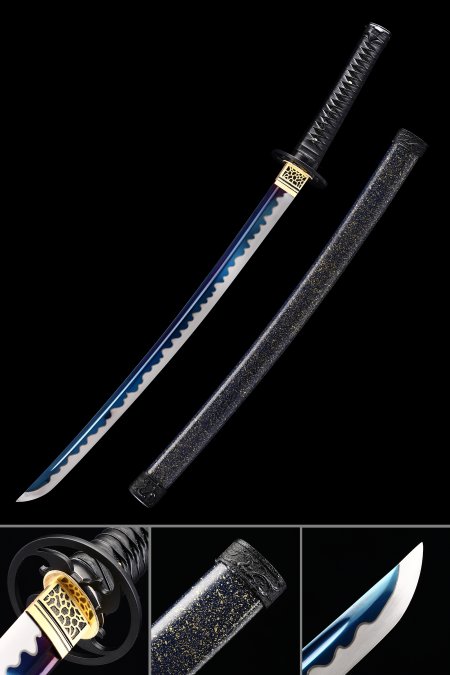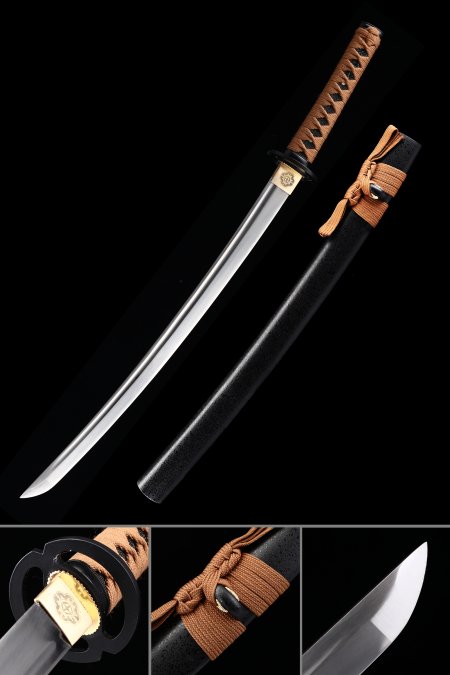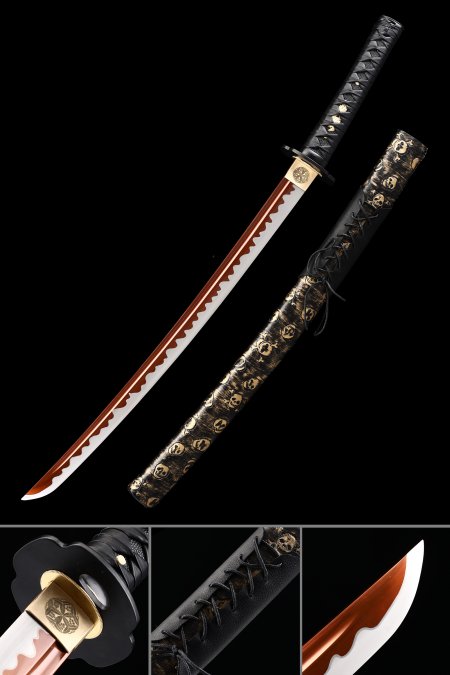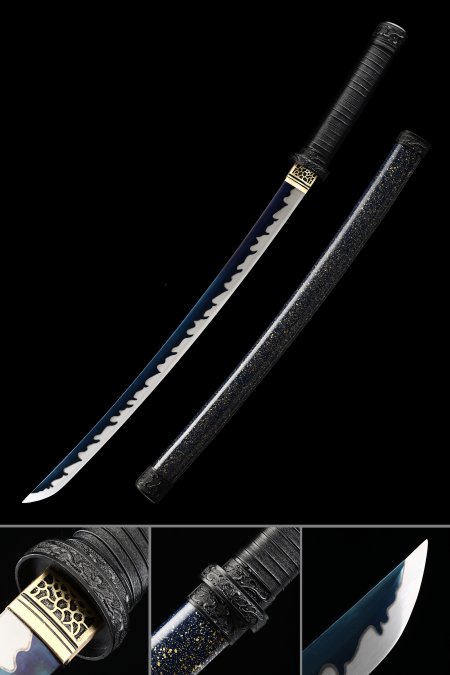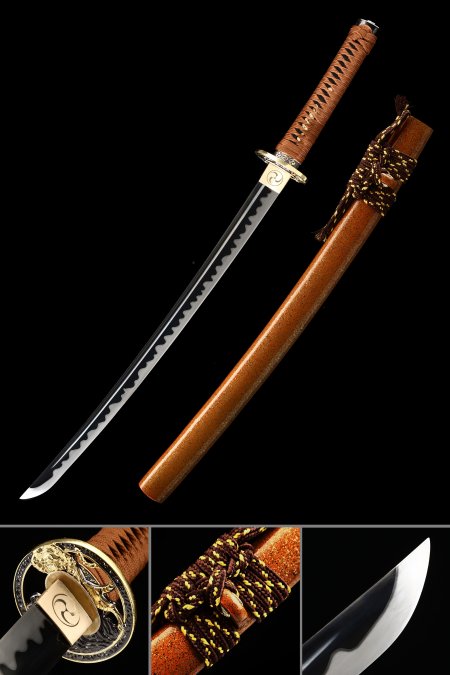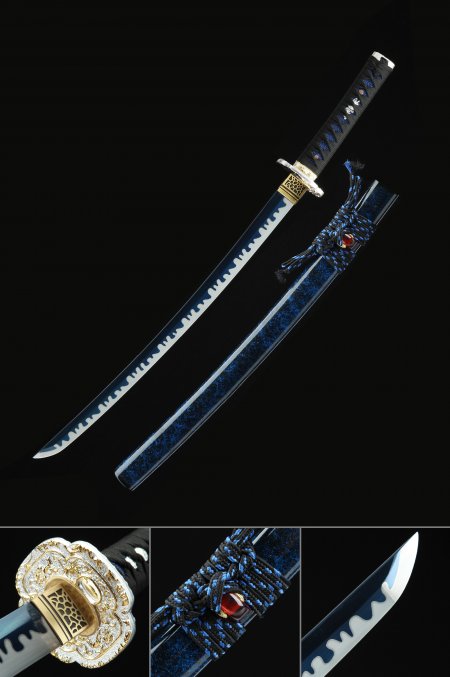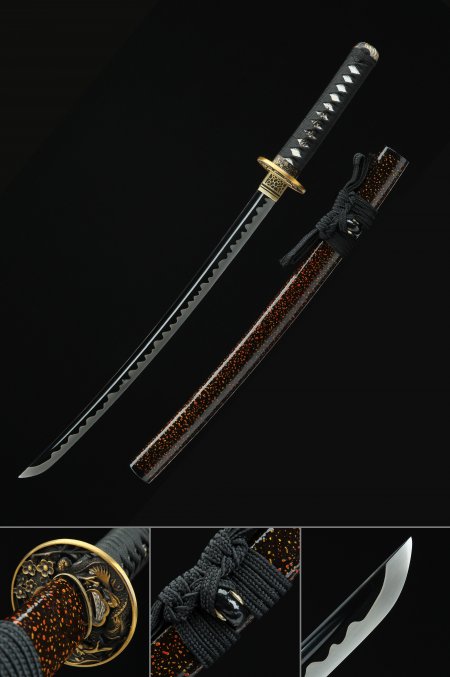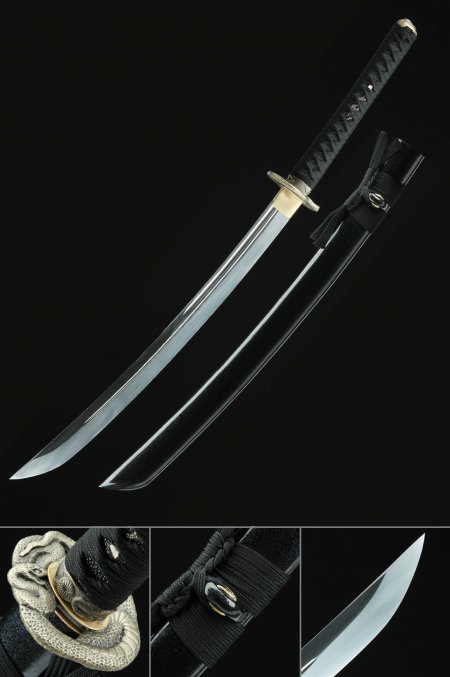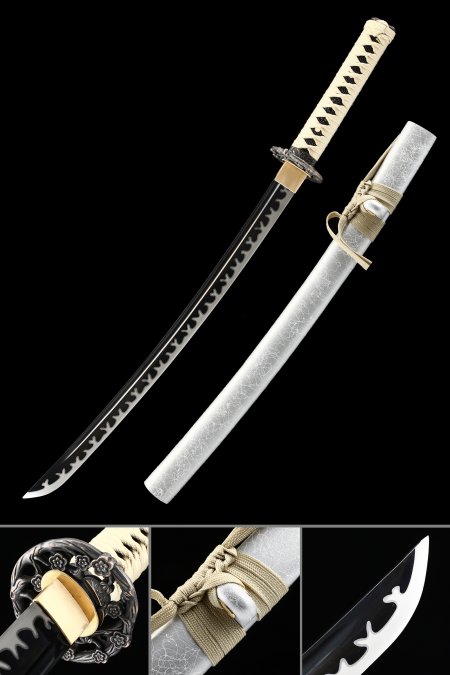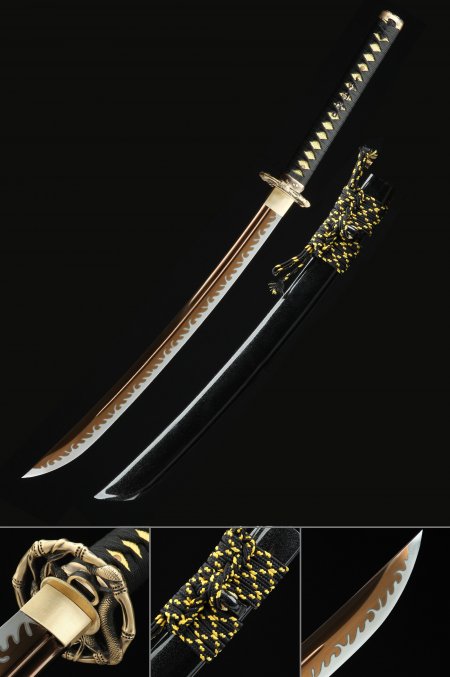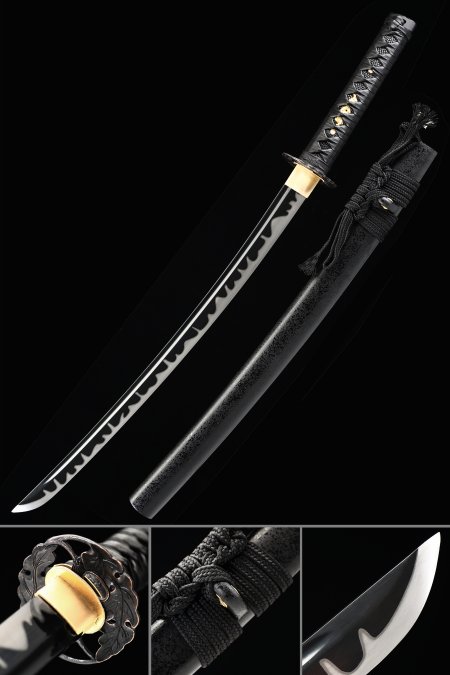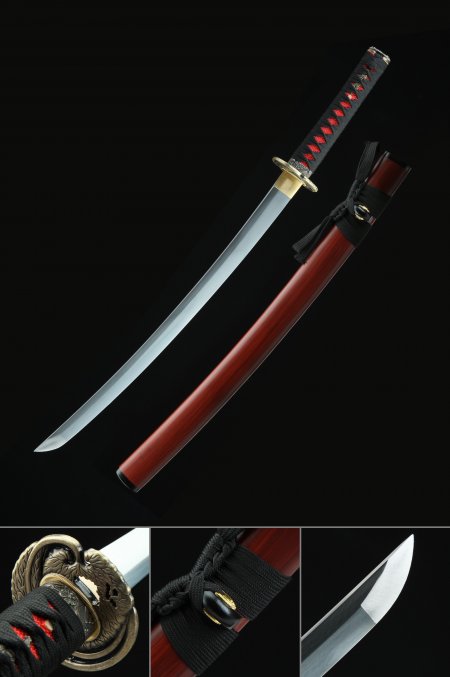
High Manganese Steel Wakizashi

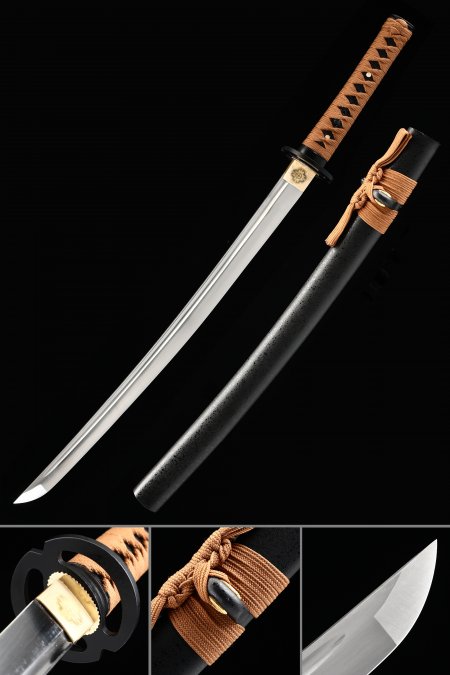
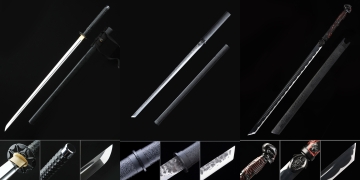
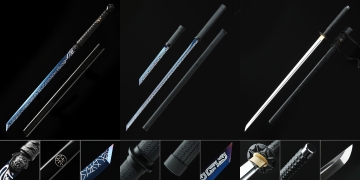
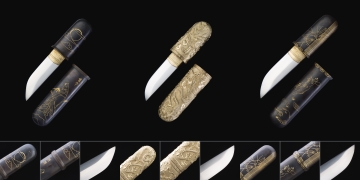
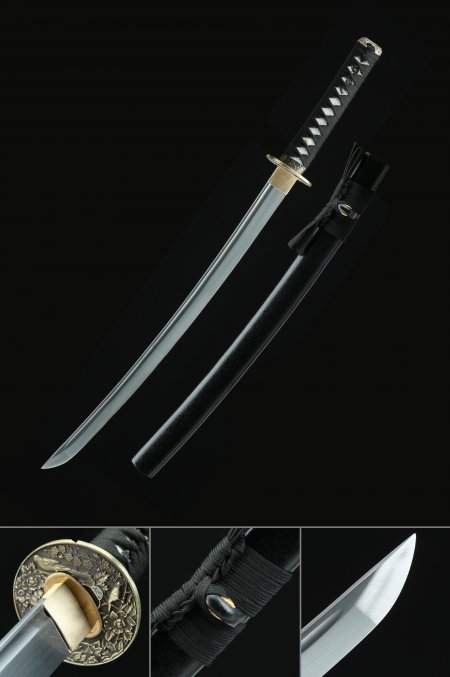
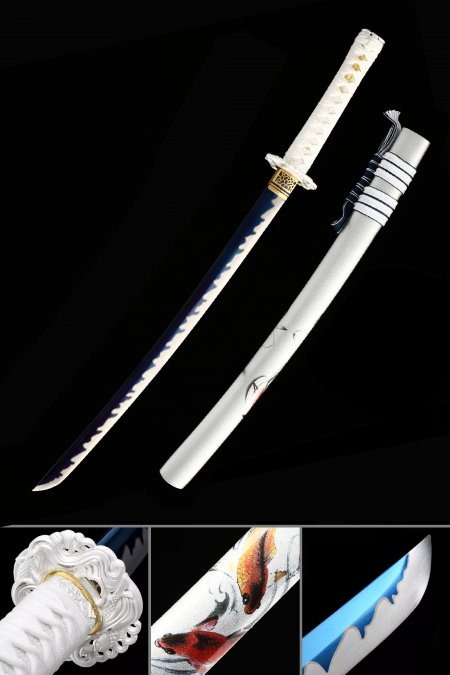
High manganese steel brings a distinct character to the wakizashi form - resilient, finely finished, and built to impress on any display stand or collection shelf. Each piece in this selection is crafted with attention to blade geometry, koshirae detail, and overall balance that seasoned collectors immediately recognize. From lacquered saya in deep piano finishes to hand-fitted tsuba in copper, gold, and alloy, every component reflects a commitment to traditional Japanese aesthetics. Enjoy free shipping on your order, backed by our straightforward return policy.
Showing 28 Products

Related Collections

Practice Katana7 items


82 Reviews

Red Wakizashi7 items


64 Reviews

Nidai Kitetsu Sword1 items


11 Reviews

Frequently Asked Questions

What makes high manganese steel a good choice for a wakizashi?
High manganese steel — commonly an alloy with 11 to 14 percent manganese content — is valued in collectible blades for its strong work-hardening properties and surface resilience. Unlike plain carbon steel, which can show fine scratches and surface wear relatively quickly under normal handling, manganese steel tends to maintain its polished or satin finish longer. For a display-focused collector, this means the blade holds its visual presence between cleanings without requiring constant attention. It also machines and grinds consistently during production, which allows craftsmen to achieve clean geometry along the blade edge and a defined shinogi ridge — details that matter when a piece is displayed at close range.
How does a manganese steel wakizashi differ from a 1095 carbon steel one?
The core difference lies in alloy composition and the resulting surface character. A 1095 high-carbon steel wakizashi can be clay-tempered during heat treatment, producing an authentic hamon — the visible temper line along the blade — that many purists consider the hallmark of traditional Japanese craftsmanship. Manganese steel, by contrast, does not respond to clay tempering in the same way, but it compensates with greater surface uniformity and a bright, consistent finish that photographs and displays exceptionally well. Neither is strictly superior; they serve different collector priorities. Those drawn to historical accuracy and visible metallurgical character often prefer 1095 or T10, while collectors focused on visual impact, finish consistency, and long-term surface durability tend to favor high manganese options.
What should I look for in the koshirae when buying a display wakizashi?
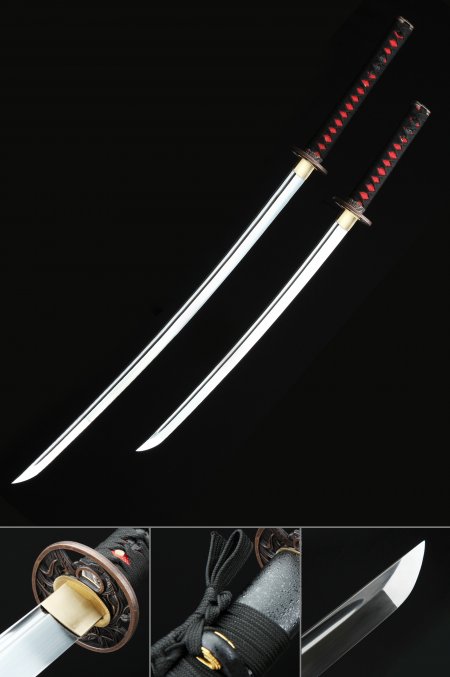
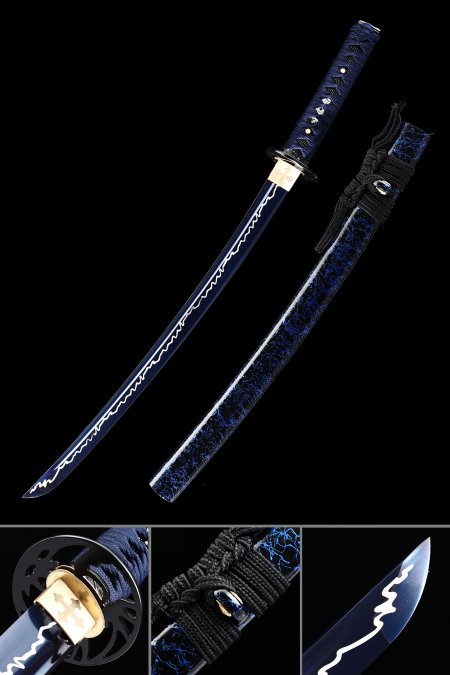
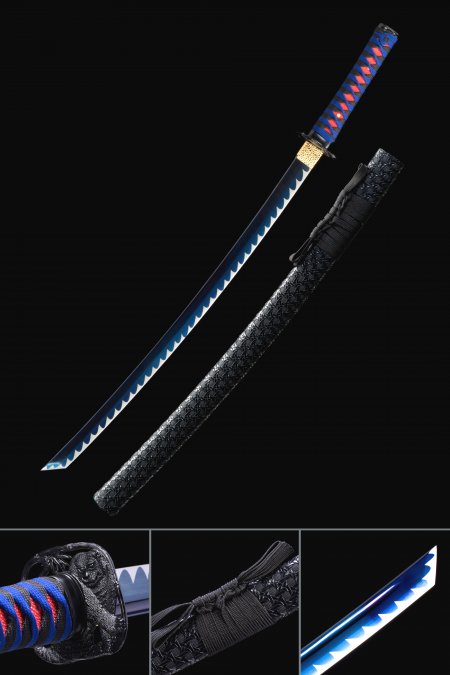
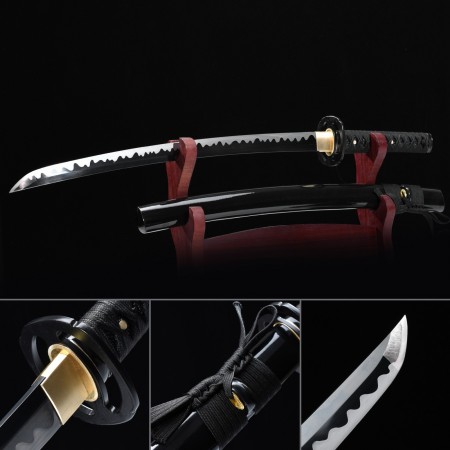
Koshirae — the collective term for all fittings on a mounted Japanese blade — is where most of the visual storytelling happens on a display piece. Key elements to evaluate include the tsuba (guard) material and motif, the saya (scabbard) lacquer finish and its durability, the ito (handle wrap) quality and pattern consistency, and whether the habaki (blade collar) fits snugly without play. In this collection, tsuba materials range from cast alloy to copper, with motifs including chrysanthemum, phoenix, dragon, and snake designs — each pairing differently with saya colors like piano black, dark red, and deep blue. A tightly fitted koshirae with matching aesthetic elements across all components indicates production quality worth displaying.
How should I store a lacquered saya wakizashi long-term?
Piano lacquer and traditional urushi-style saya finishes are sensitive to humidity fluctuations and prolonged UV exposure. For long-term storage or display, keep the piece in an environment with relative humidity between 40 and 60 percent — either a climate-controlled room or a display case with a silica gel packet to buffer moisture swings. Avoid displaying near windows with direct sunlight, which can cause lacquer to dull or micro-crack over time. The blade inside the saya should be lightly oiled before storage to prevent surface oxidation, and the saya interior should be kept clean and dry. Periodically removing the blade to inspect both the blade surface and saya interior is good practice, as trapped moisture is the most common cause of preventable damage on display-quality pieces.
Is a daisho set worth buying over individual pieces for a collection?
For collectors interested in the cultural context of Japanese swords, a matched daisho set — katana and wakizashi sharing coordinated fittings — offers something individual pieces cannot: the complete paired aesthetic that defined samurai formal presentation. When tsuba motifs, ito colors, and saya finishes are matched at the production level, the visual coherence of the display is immediately apparent. Sourcing individual pieces and achieving the same coordination afterward is possible but significantly more difficult, since minor differences in alloy shade, lacquer batch, or fitting proportions are hard to avoid. A purpose-built daisho set eliminates that guesswork and makes a stronger visual statement on a dual sword stand, which is why they are particularly popular as centerpiece displays.

Customer Reviews