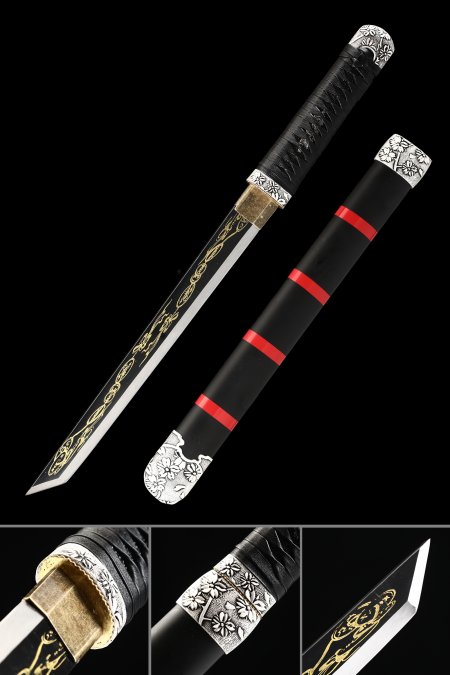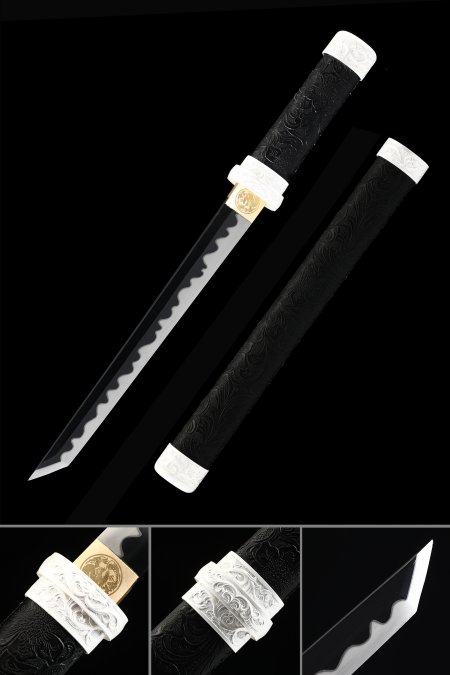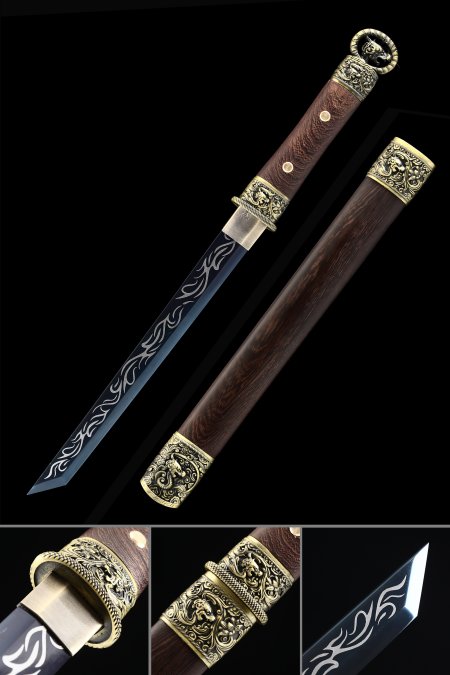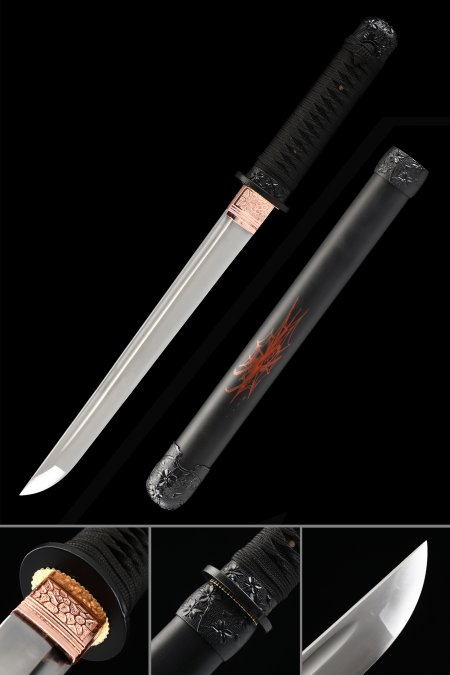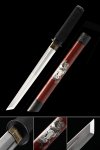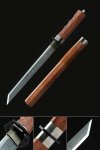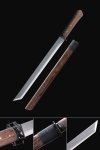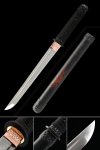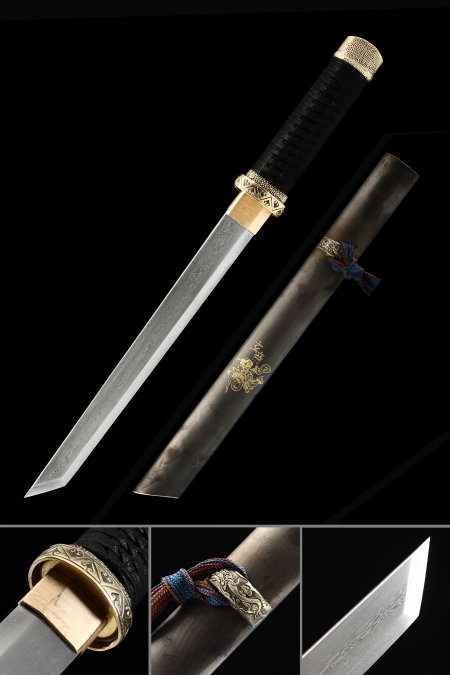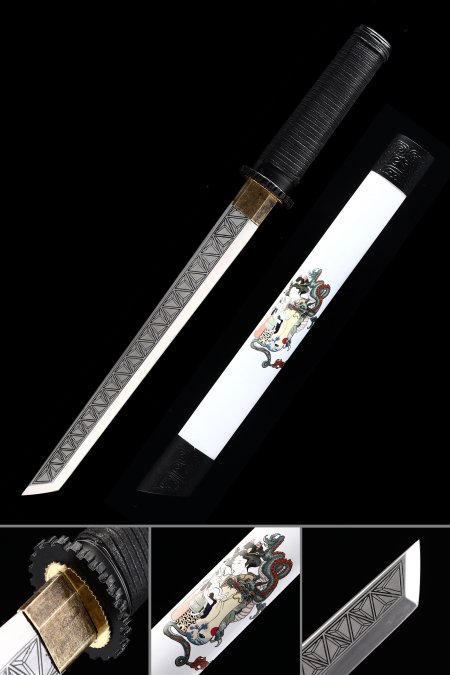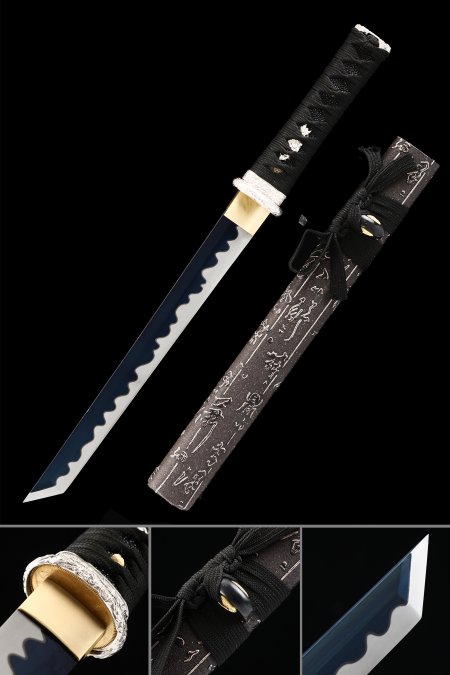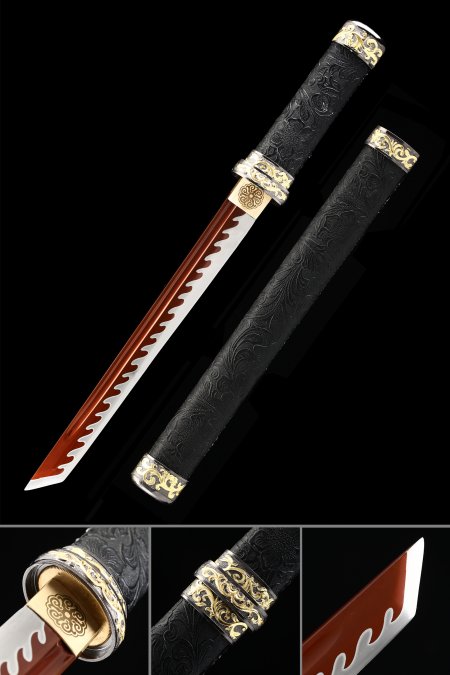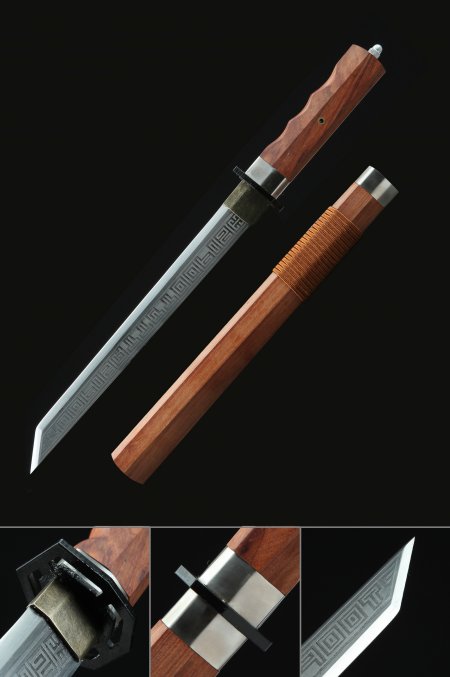
Manganese Steel Hamidashi

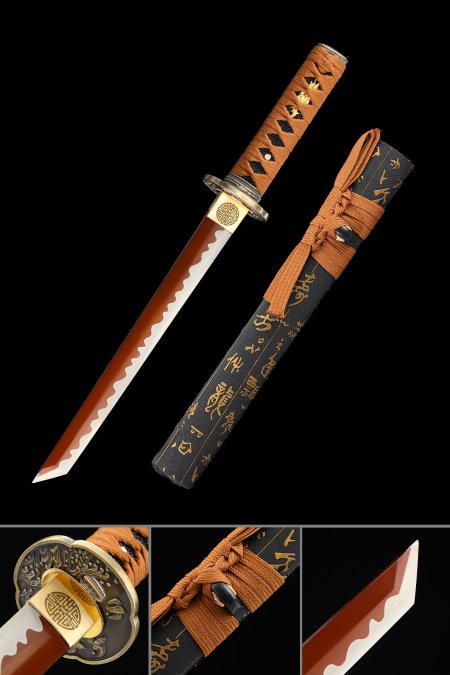
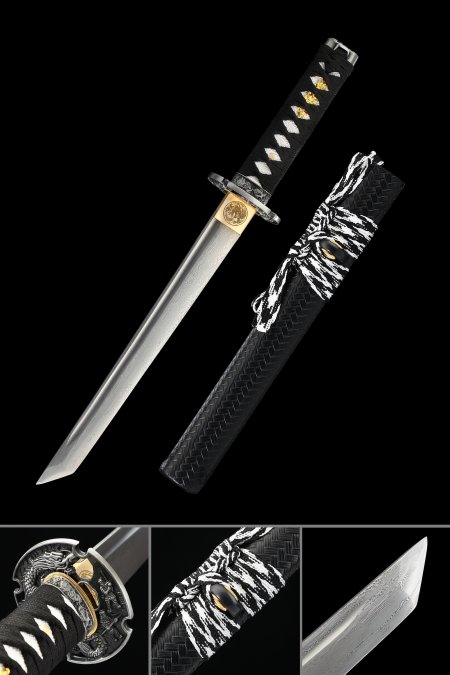
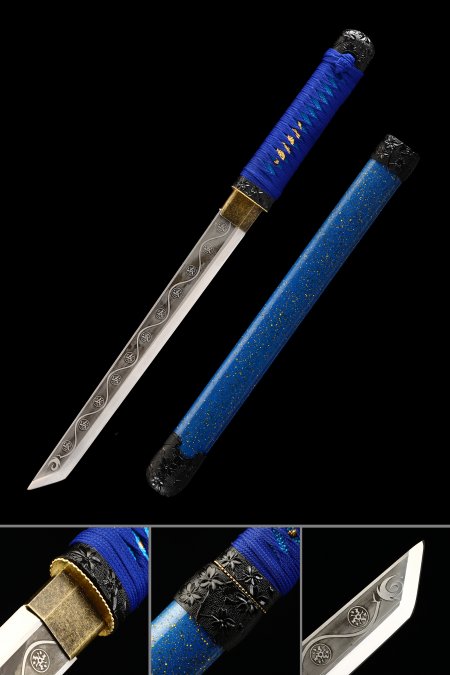
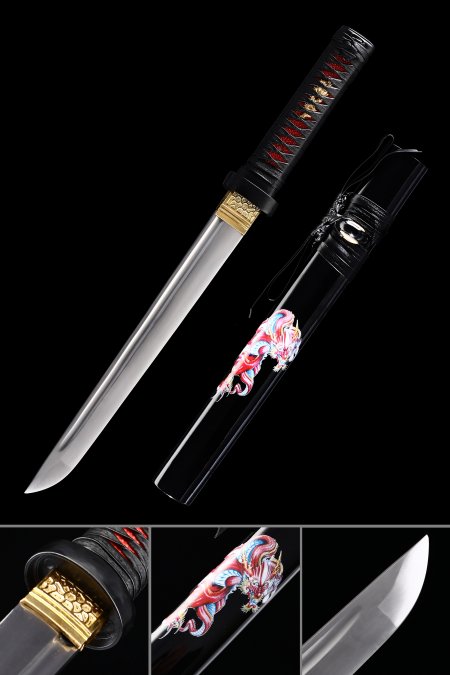
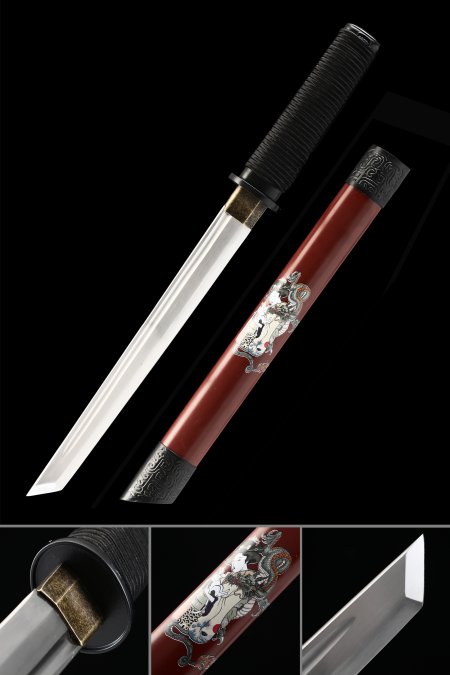
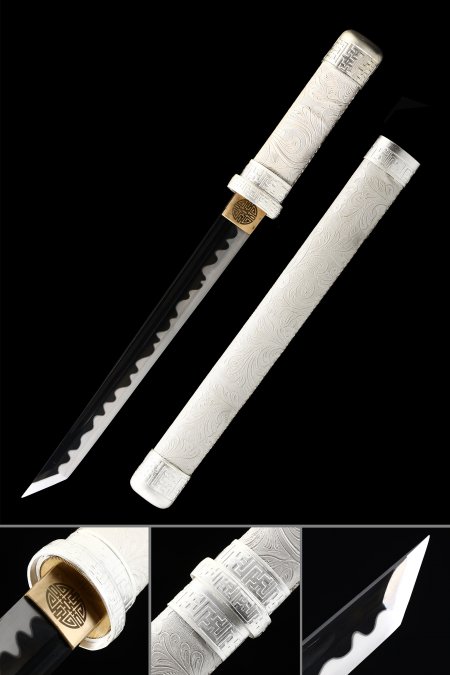
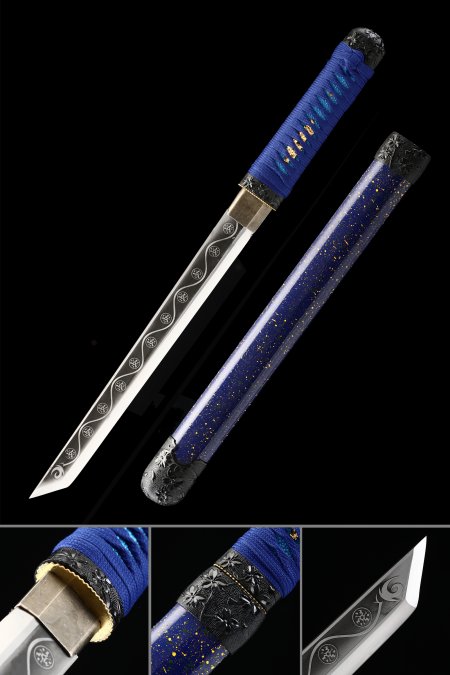
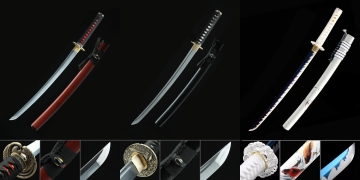
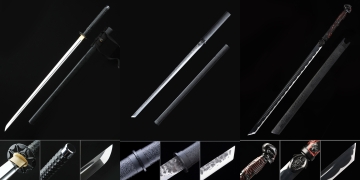
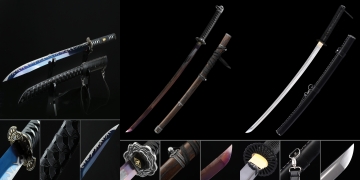
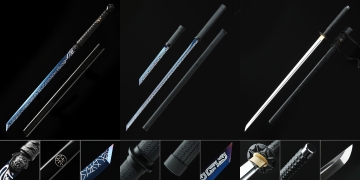
Manganese steel hamidashi tanto occupy a rare intersection of bold aesthetic expression and honest craftsmanship. Each piece in this collection features a hand-forged high-manganese steel blade - prized for its spring-like resilience and dramatic finish options - paired with fittings that range from kanji-engraved saya to sculpted dragon tsuba. Designed as display-grade collectibles that honor traditional tanto proportions, these pieces make an equally compelling gift for the discerning enthusiast. Every order ships free with hassle-free returns, so collecting with confidence has never been easier.
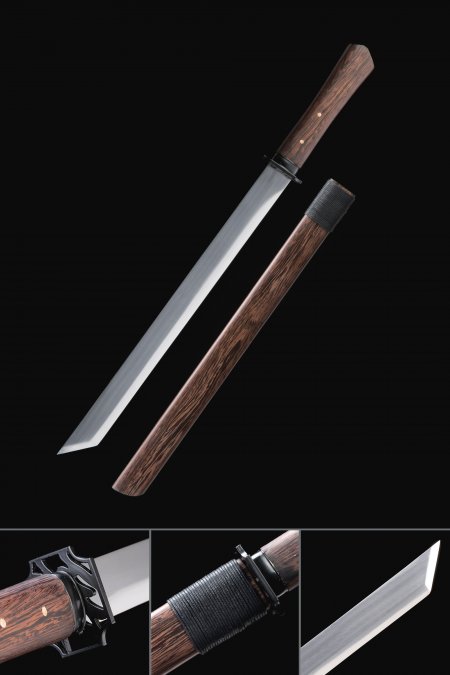
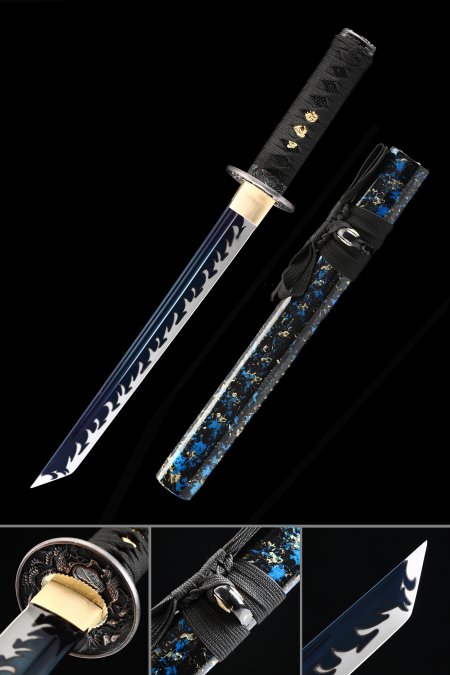
Showing 19 Products

Related Collections

Manganese Steel Ninjato101 items


295 Reviews

Frequently Asked Questions

What makes a tanto a hamidashi style?
The term hamidashi refers specifically to the tsuba configuration rather than the blade geometry. On a standard tanto, the guard projects visibly beyond the width of the handle. On a hamidashi, the tsuba is trimmed so closely that it barely extends past the koiguchi - the mouth of the saya - creating an almost seamless transition from handle to scabbard. This subtle guard style was historically associated with formal indoor wear in feudal Japan, where a large projecting tsuba was considered unnecessary or even impolite in close social settings. For collectors, the hamidashi form offers a visually sleeker profile that photographs exceptionally well in flat-lay or shadow-box displays.
How does manganese steel differ from T10 or 1095?
Manganese steel (commonly 65Mn) is alloyed with manganese at roughly 0.6-1.2%, which increases its elasticity and resistance to deformation under flexing stress. T10 tool steel carries a higher carbon content and a small tungsten addition, making it harder and more suited to clay-tempering processes that produce a visible hamon. 1095 sits between the two in terms of alloy complexity. For a display collectible, manganese steel's key advantage is its tolerance for surface treatments - deep blue oxidation, colored lacquer, and etched pattern work all adhere well and hold up over time. It is also somewhat more forgiving in handling than a high-hardness T10 blade, which can develop micro-chips if knocked against a hard surface during rotation or cleaning.
What is the best way to maintain a blue or colored blade finish?
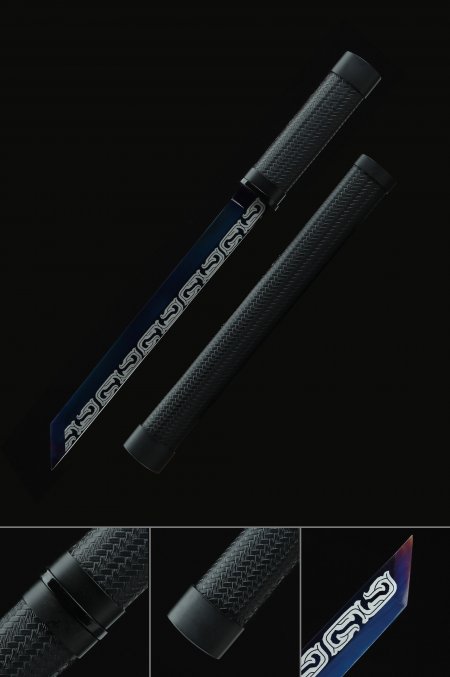
Colored blade finishes on manganese steel are typically achieved through controlled oxidation, lacquer application, or chemical etching sealed with a clear coat. The most important maintenance step is keeping the blade dry and away from fingerprint oils, which contain chlorides that can slowly break down a sealed finish. After any handling, wipe the blade with a soft, lint-free cloth - a traditional nuguigami works well - and apply a very thin film of choji oil or a neutral mineral oil. Do not use silicone-based sprays, as they can cloud lacquered or chemically treated surfaces. Stored in its saya, a treated blade is protected from dust and ambient humidity, but in high-humidity environments, adding a small silica gel packet inside a display case adds meaningful protection.
Are these tanto suitable as gifts for someone new to collecting?
A manganese steel hamidashi tanto is an excellent entry point for a new collector precisely because it offers visual impact without the steep learning curve of higher-maintenance carbon steel pieces. The fittings - carved tsuba, wrapped ito handles, and lacquered saya - give a new collector multiple aesthetic details to appreciate and discuss, which deepens engagement with the hobby early on. Pieces with dragon motifs, kanji engraving, or skull artwork tend to resonate strongly with collectors who come from anime, gaming, or general Japanese cultural interests, while the more subdued rosewood and geometric-hamon pieces appeal to those drawn to historical accuracy. If you want to build a gift set, pairing a hamidashi tanto with a complementary item from the Sake Set collection creates a thoughtful, thematically unified presentation.
How should I display multiple tanto in a wall or tabletop case?
For a grouping of three or more tanto, visual rhythm matters more than strict matching. Alternate saya colors - pairing a black lacquer piece next to a white or rosewood saya - so each blade reads as an individual object rather than a repeating unit. Tsuba shape is a useful secondary organizing principle: round tsuba in the center flanked by irregular or sculpted forms creates a natural focal point. Horizontally mounted tanto on a tiered wall rack should face edge-down in the traditional Japanese orientation for a blade at rest. If using a tabletop stand, tilting each blade at a slightly different angle prevents the display from reading as a flat lineup. Keeping blades in their saya during display also protects the finish from UV exposure and airborne particulates over time.

Customer Reviews

Russell Noyes Alabama, United States

I love almost everything thing about this tanto blade. While I could nitpick over insignificant details, my only real complaint is that the blade could be sharper, but bare in mind, I've been a professional cook for nearly 30 years and I'm comparing the sharpness to culinary standards even though I have no intention of using it for cooking.
Blue Manganese Steel Hamidashi Tanto with Etched Pattern and Black Carbon Fiber Weave Saya Blue Manganese Steel Hamidashi Tanto with Etched Pattern and Black Carbon Fiber Weave Saya
Matthew Andrews Utah, United States

Product showed up yesterday to my partners place. They said that it was good quality the pictures all looked great! Great customer service as well, there was a small issue with the address and costumer service helped me get it sorted out in a timely manner. All in all a good experience.

Hamidashi Tanto Manganese Steel With Engraved Geometric Hamon In Rosewood Saya Hamidashi Tanto Manganese Steel With Engraved Geometric Hamon In Rosewood Saya