FAST SHIP
20 Reviews
ON SALE 15% OFF
$169.00$199.00

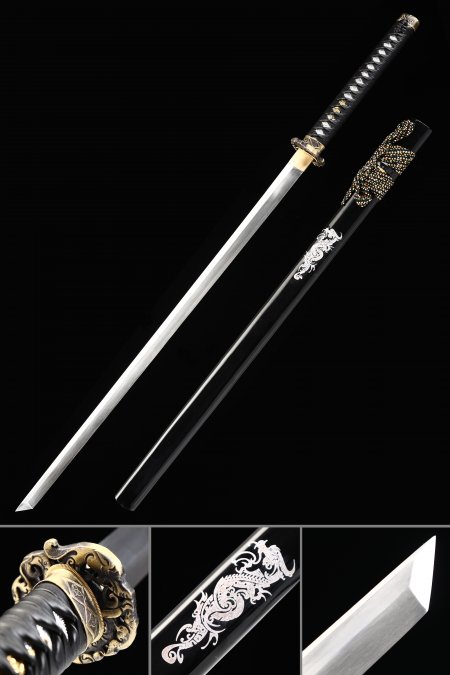
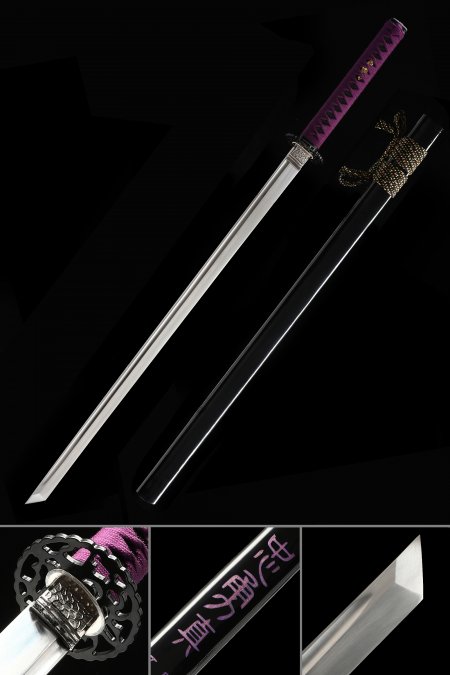
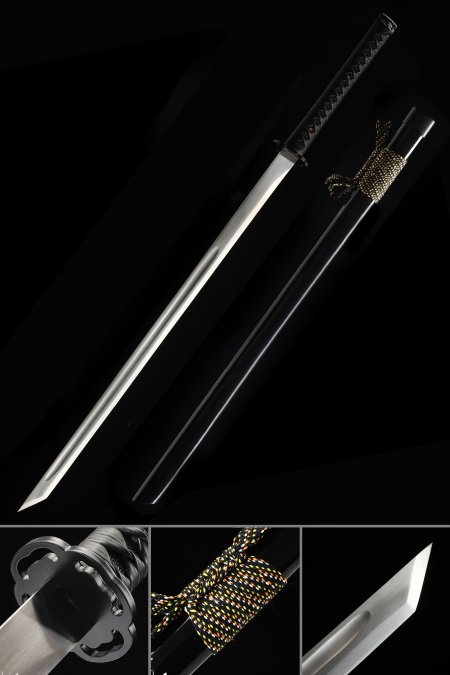
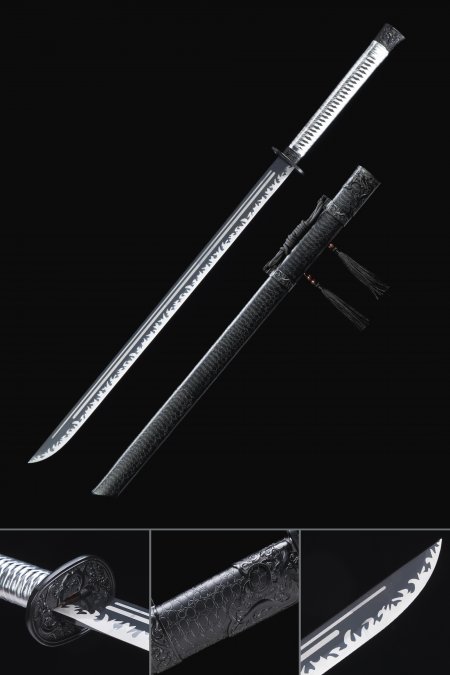
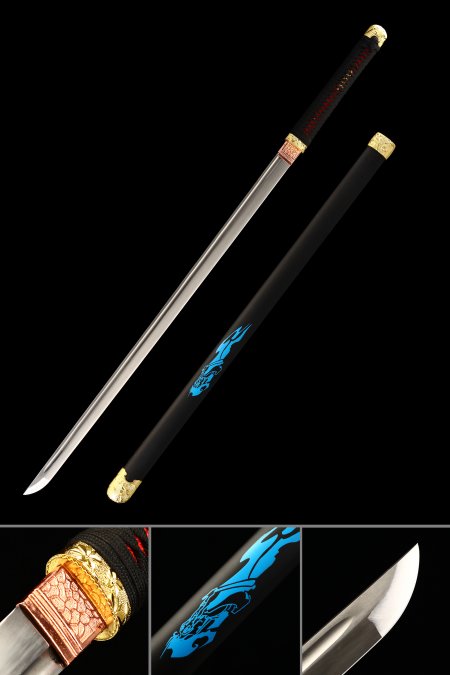
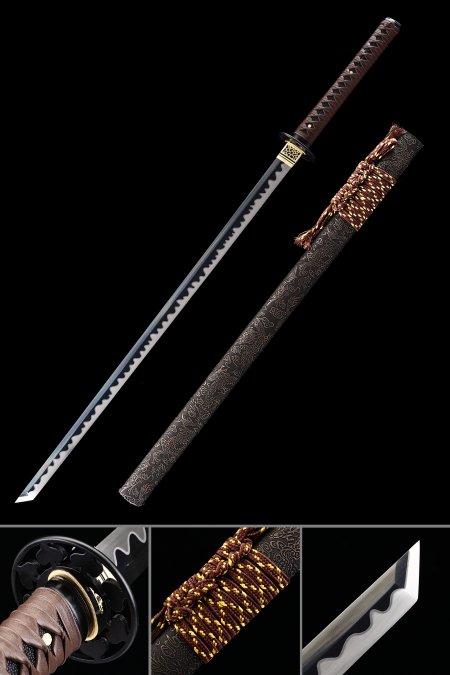
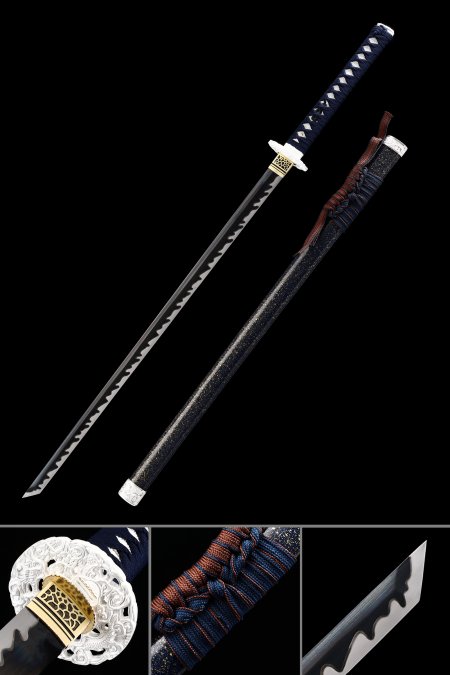
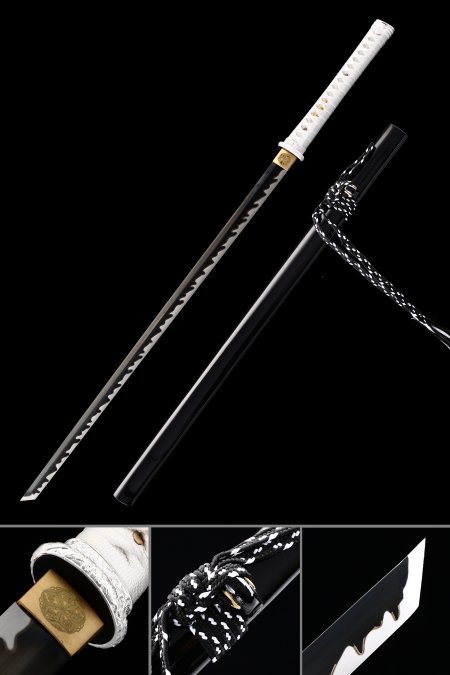
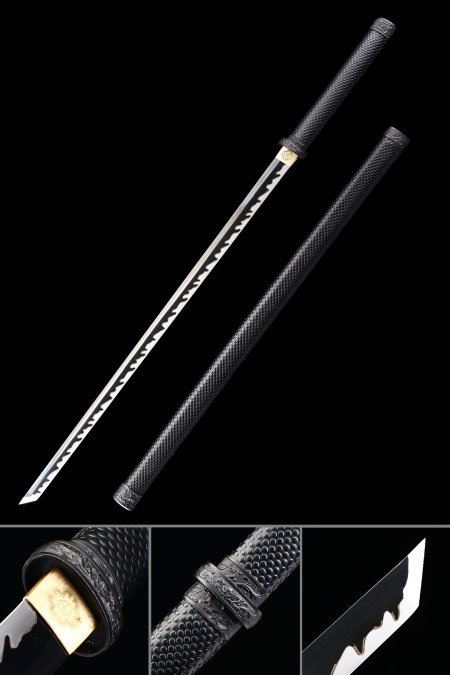
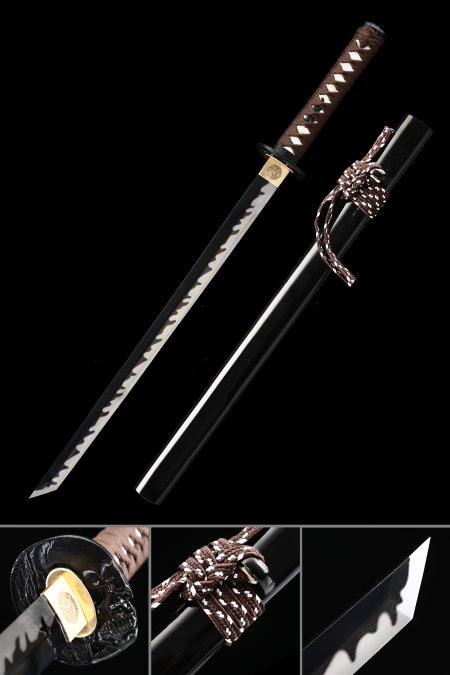
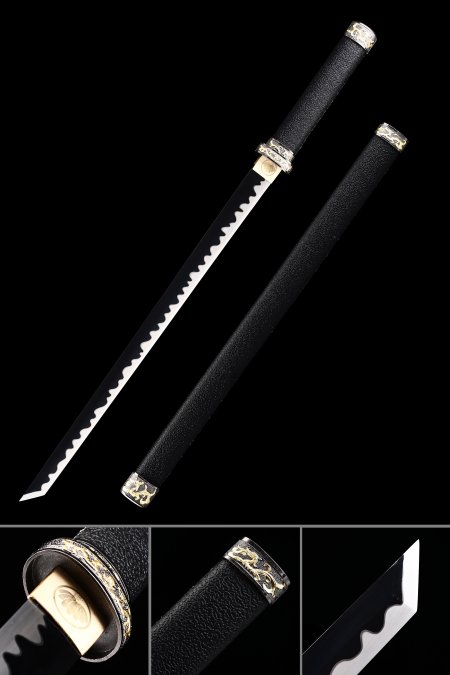
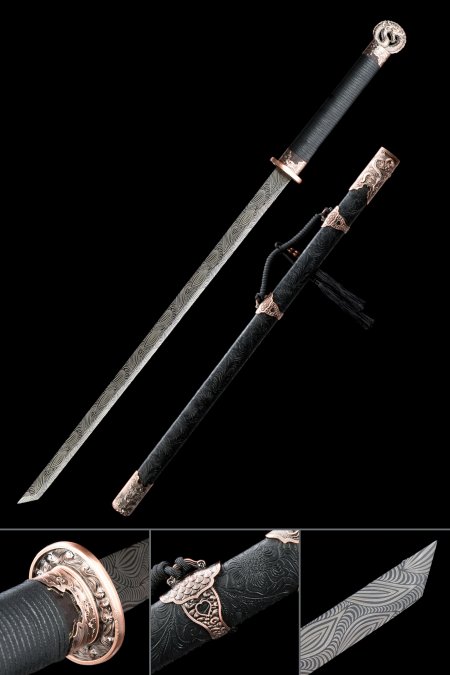
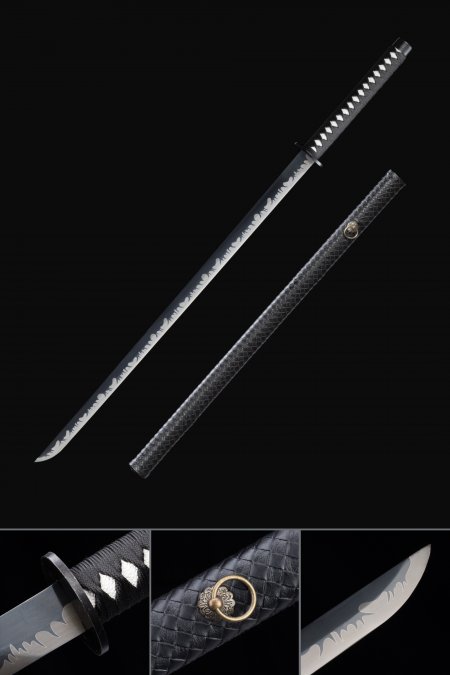
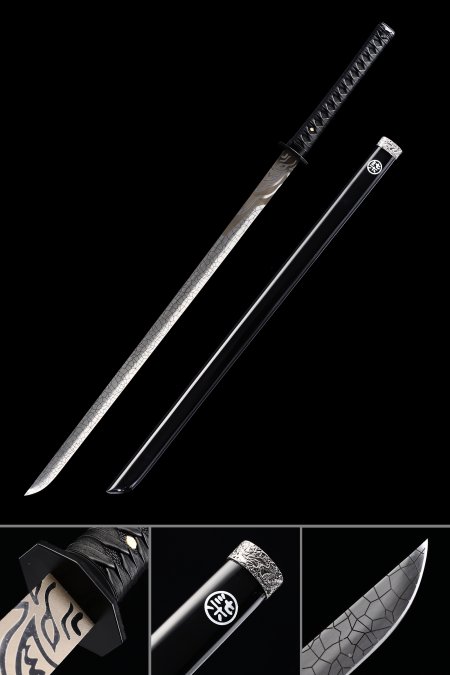
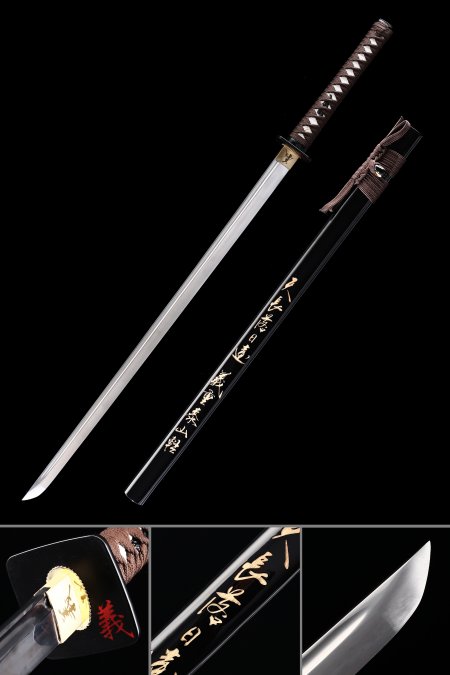
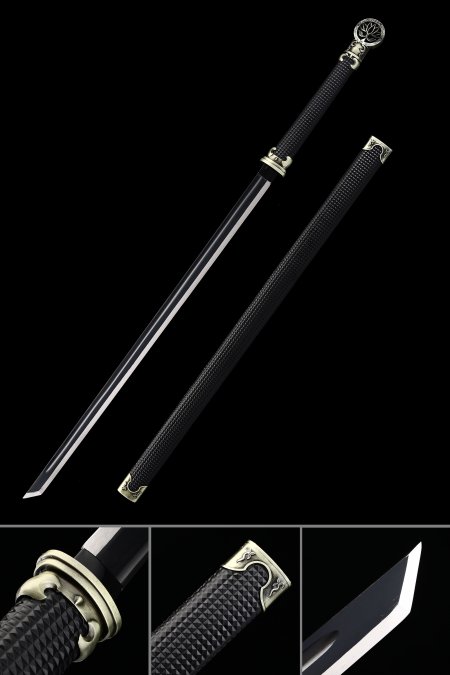
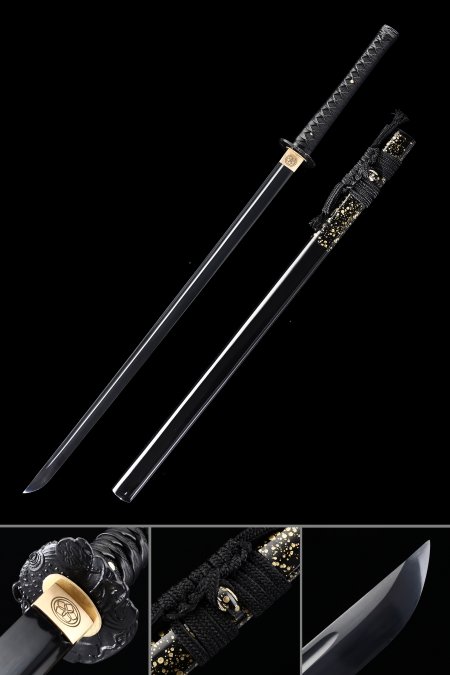
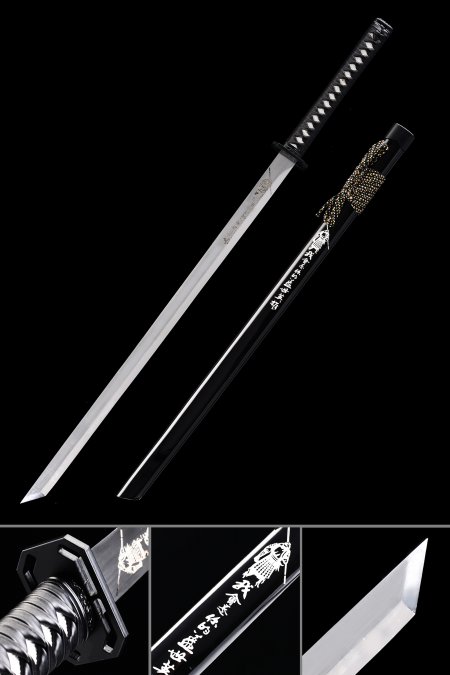
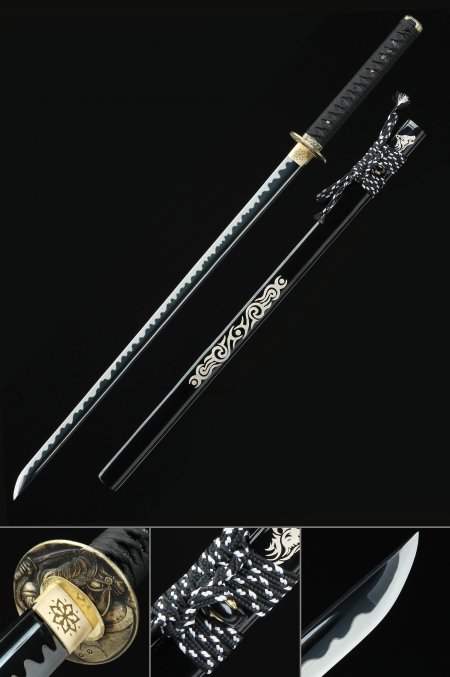
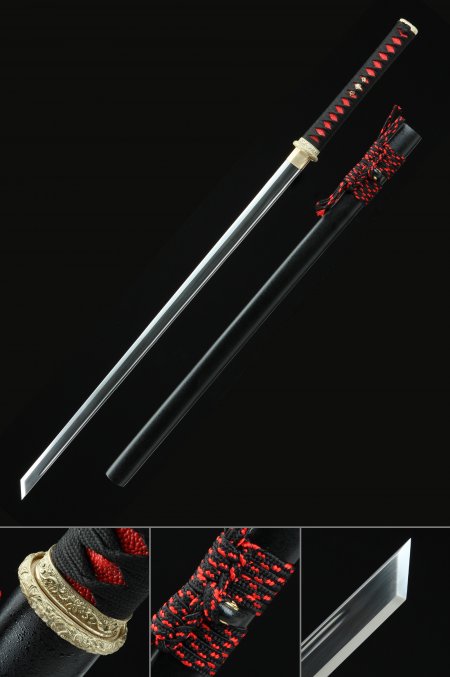
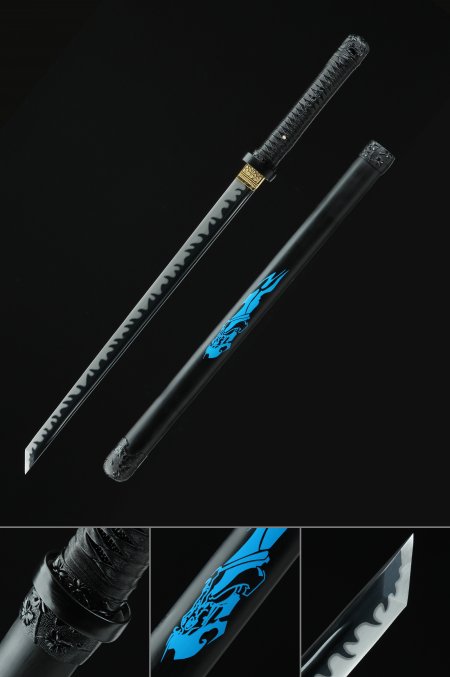
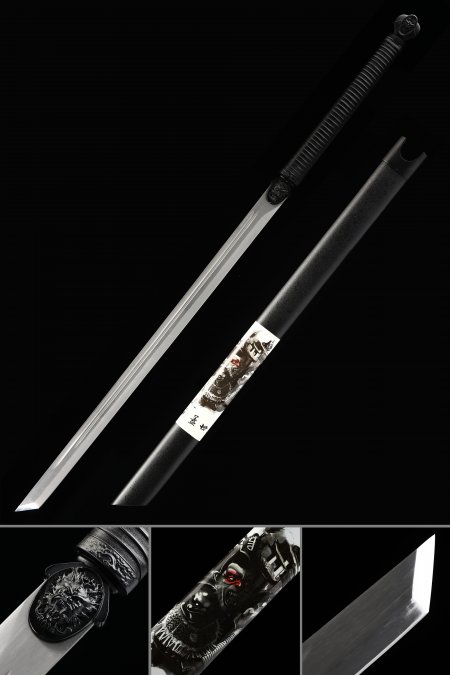
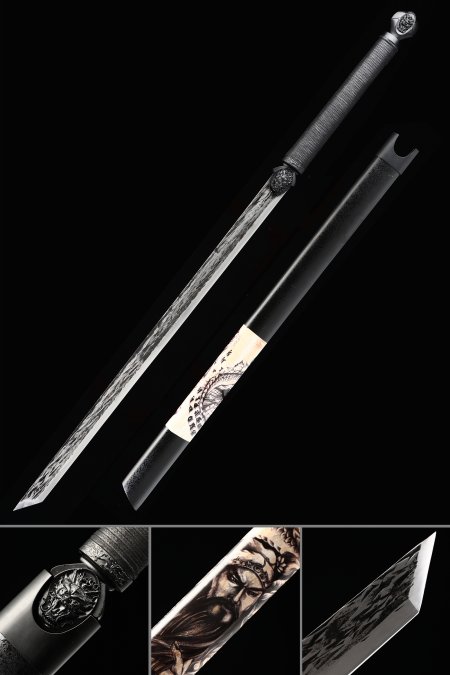
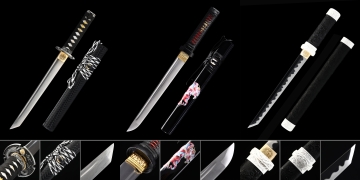
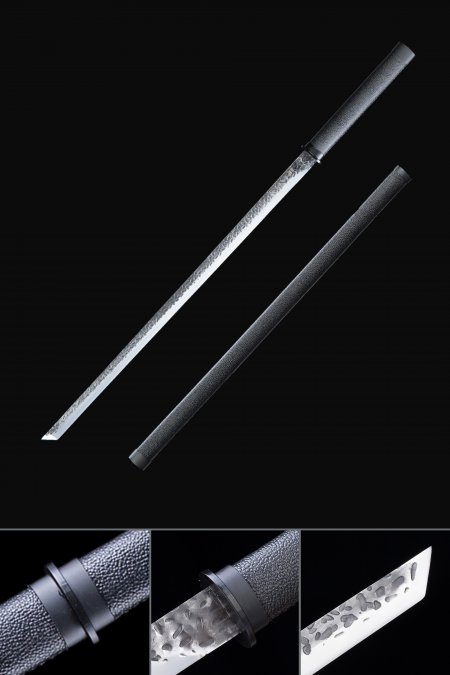
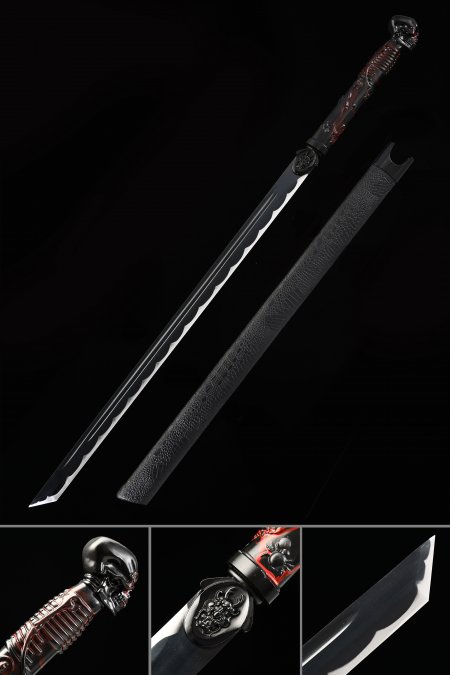
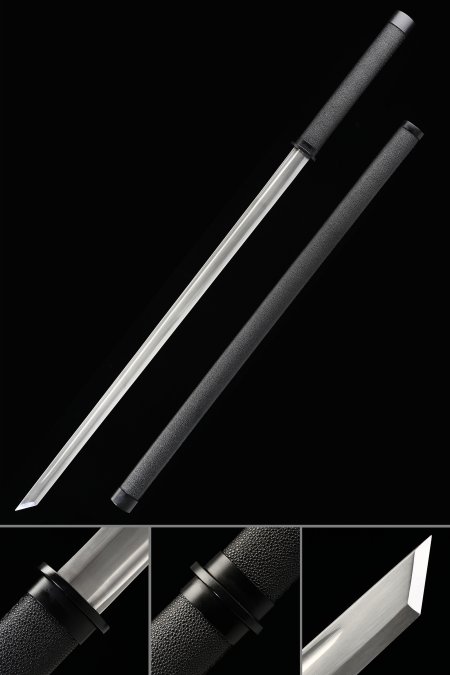
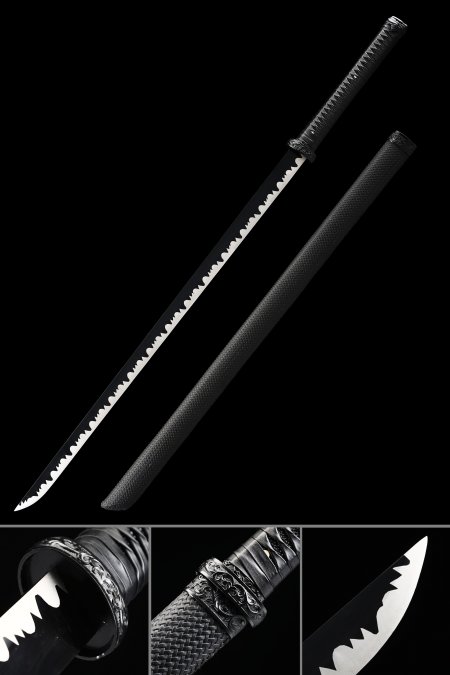
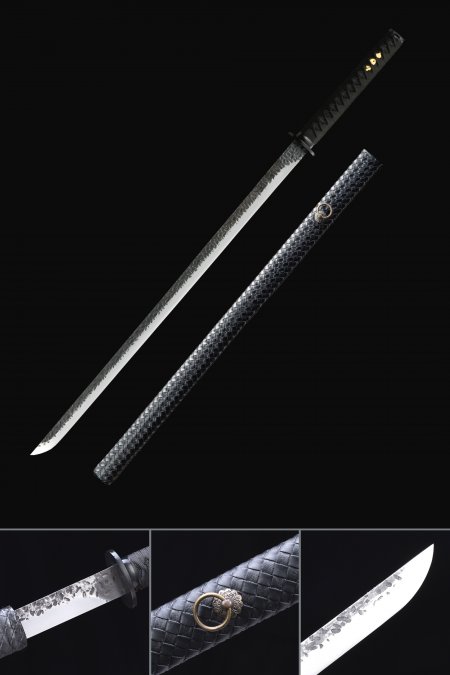
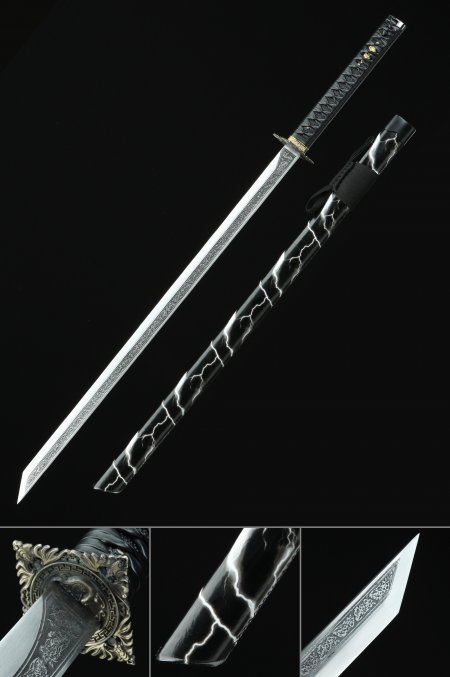
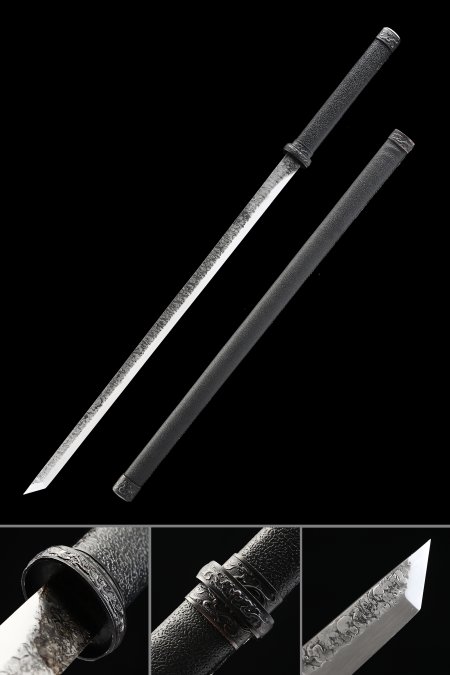
Few blade forms carry the mystique of the ninjato - and these Black Manganese Steel Ninjato pieces bring that legacy to life through meticulous hand-forged craftsmanship. Each sword features a full-tang straight blade, hand-fitted fittings, and a matte or lacquered saya that showcases authentic finishing traditions. Detailed engravings, bronze lotus mounts, dragon motifs, and hammered blade textures make every piece a distinct collector's centerpiece. Enjoy free standard shipping on your order, backed by our hassle-free return policy.
The quality is superb. I love the sharpness of the blade and it matches the other 2 blade that are almost identical to one another. By far one of the best purchases i made thus far when it comes to collecting blades.
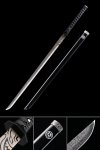 |
Kokushibo Ninjato in Manganese Steel with Crackle Hamon, Black Lacquer Saya & Dragon Kojiri |
2nd year I purchased my so one of the swords. He absolutely loves them. Becoming a Christmas tradition. Ordering easy, quality product, and quick delivery.
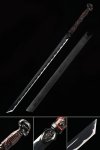 |
T10 Steel Clay-Tempered Ninjato with Skull Pommel in Black PU Leather Saya - Straight Ninja Sword |
The sword is beautiful a bit heavy for single hand use i don't know yet how durable in real fight shortly will figure out.r
Was a very quick international delivery akso i surprised how cheap. Here in norway a quality sword start from 1000 $ for 170$ from usa i very happy with the company.
|
T10 Steel Clay-Tempered Ninjato with Skull Pommel in Black PU Leather Saya - Straight Ninja Sword |
This was for my grandson, it arrived on time and he absolutely loves it!!
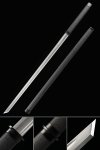 |
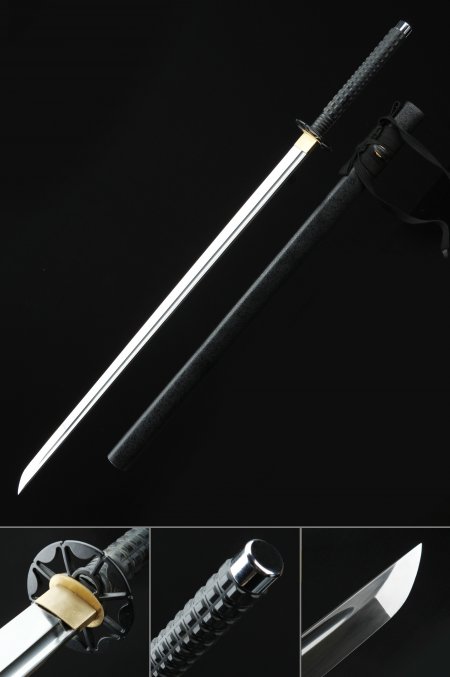
1045 Steel Ninjato Sword with Black Leather-Wrapped Saya in Full Tang Straight Blade Design |
I always love everything I get on this site!!! This is another purchase for my husband's birthday... he's going to flip!!
|
T10 Steel Clay-Tempered Ninjato with Skull Pommel in Black PU Leather Saya - Straight Ninja Sword |
Love this sword, heavery then my other sword and the detail to the leather case 💋
|
T10 Steel Clay-Tempered Ninjato with Skull Pommel in Black PU Leather Saya - Straight Ninja Sword |
It arrived quickly. Delivered with care.r
r
This would be my sixth.r
r
This one, like Rengoku's Flame Nichirin, arrived scalpel sharp.r
Be very careful. r
High quality. Excellent site.r
r
Helpful online assistance, should you ever need it.
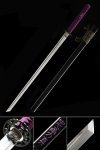 |
Manganese Steel Straight Sword with Purple Ito, Black Lacquer Saya - Law Replica |
I'm manly giving 4 stars on this Katana for one reson!! The blade unlike last two has a very slight curve, in about 3" for same distance from tip it curves in only about 1/16th possably 3/64th out on only 3 " so not anything major! A love my other perchased of the cane Katana which os very nice. I did make it look like a real walking cane as per last review! r
But this one, I also don't like the rubber clad Tsaba, so covered that and the shiny Kashira to bright / shiny and flashy of me. So that is covers to.also Tsuba has weak spots because of thinness to outside edge too.r
Not sure if Blade very slight curve is because this blade is a second or not.r
It has done me no good trying to contact seller 6 plus times, as I have never received a response! Even for a simple question. Decent buy for the money though!!r
As stated in other reviews ( you get what you pay for) mist of the time..r
Good price/ functional sword..
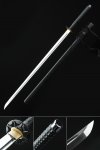 |
Chokuto Ninjato Sword in Manganese Steel with Black Alloy Tsuba and Matte Hardwood Saya - Full Tang Straight Blade |