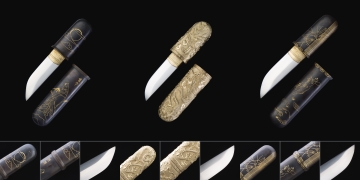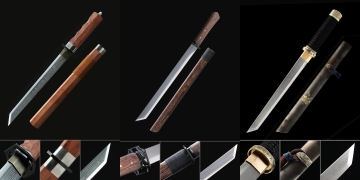
Leather Manganese Steel Ninjato

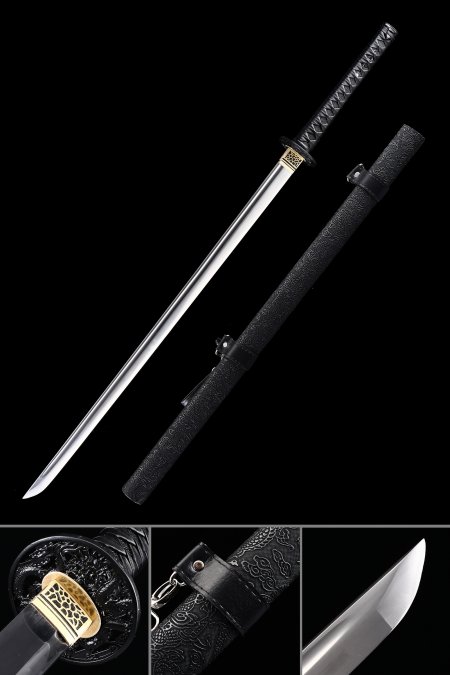
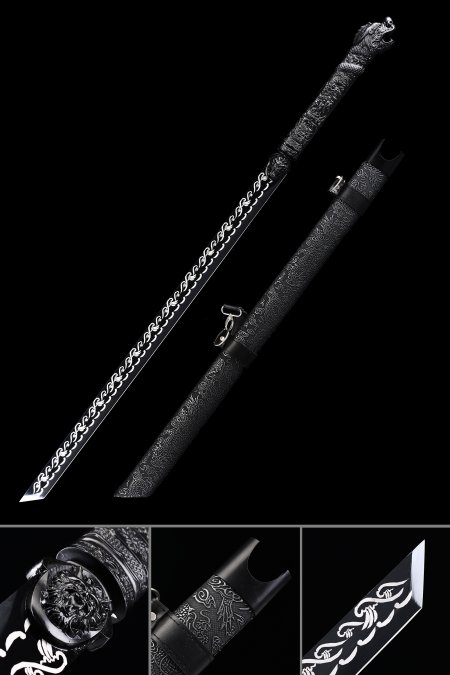
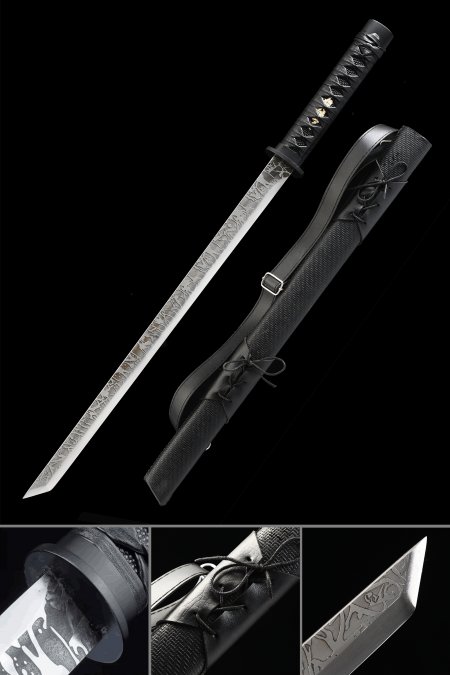
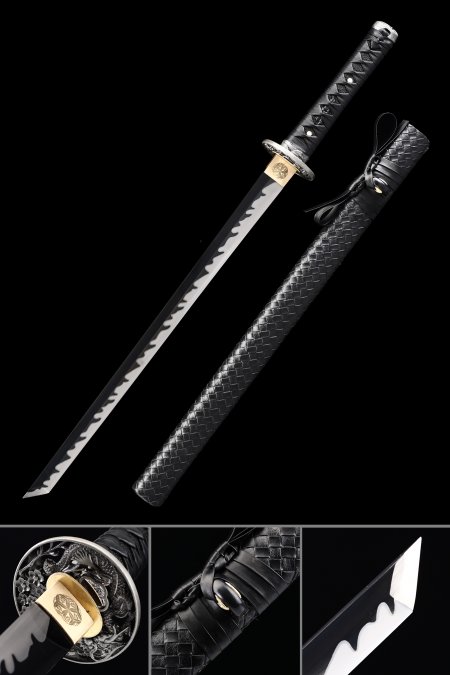
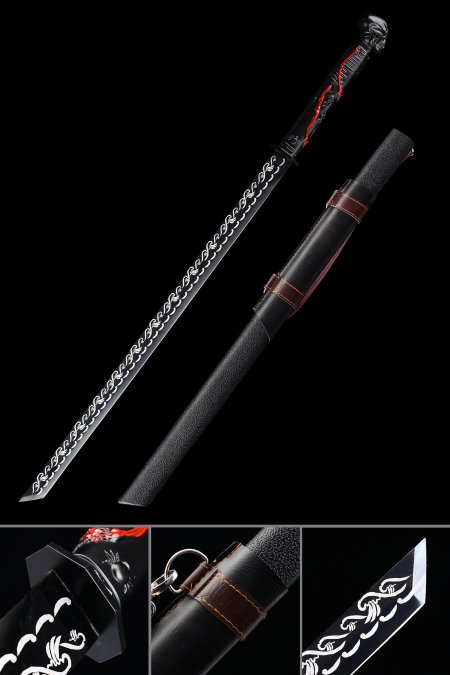
Crafted for the discerning collector, each Leather Manganese Steel Ninjato in this collection pairs the resilient flex of manganese steel with richly textured leather-wrapped sayas, engraved blades, and hand-fitted tsubas that range from skull motifs to roaring dragon reliefs. These are full-tang, hand-forged display pieces built with the material integrity that serious collectors demand — not shelf ornaments, but conversation-worthy centerpieces. Every order ships free, and we stand behind each piece with a hassle-free return policy.
Showing 5 Products

Related Collections

High Manganese Steel Tanto49 items


97 Reviews

Manganese Steel Aikuchi4 items


7 Reviews

Manganese Steel Hamidashi21 items


32 Reviews

Frequently Asked Questions

What makes manganese steel a good choice for ninjato collectibles?
Manganese steel is alloyed primarily for toughness and impact resistance rather than extreme hardness, which makes it particularly well-suited for collectible ninjato that will be handled, displayed, and occasionally tested. Unlike some high-carbon steels that can develop micro-chips along engraved surfaces when flexed or handled, manganese steel absorbs stress more gradually across its grain structure. For collectors, this translates to a blade that maintains its engraved detail and surface finish over years of display without the surface fragility sometimes associated with harder steels. It also develops a natural patina with age that many collectors find adds character rather than detracting from appearance — especially on wave-engraved or hamon-detailed blades where subtle tonal variation enhances the visual depth of the surface work.
How does a ninjato differ from a katana in terms of collector appeal?
The katana's curved, single-edge blade is the iconic centerpiece of Japanese sword collecting, but the ninjato offers a distinctly different visual and historical narrative. Where a katana tsuba tends toward circular, finely pierced ironwork, ninjato fittings — lion reliefs, skull castings, dragon profiles — lean into a bolder, more dramatic aesthetic language. The ninjato's straighter blade geometry also means that engraved surface details like wave patterns and hamon lines read differently: rather than following a dramatic curve, they run along a more architectural, linear profile that creates a stark, graphic presentation in display. For collectors building a diverse Japanese sword display, a ninjato serves as a strong visual counterpoint to katana and tanto pieces, broadening the narrative range of the collection.
How should I care for the leather saya on these ninjato pieces?
Leather sayas require separate maintenance from the blade itself and are often neglected by new collectors. For the embossed and dragon-relief sayas in this collection, use a non-silicone leather conditioner — silicone-based products can soften the adhesive layers beneath embossed surfaces and cause relief detail to flatten over time. Apply conditioner lightly with a soft cloth every three to four months, or more frequently in dry climates. Avoid direct sunlight on the saya during display, as UV exposure fades dyed leather surfaces and can cause uneven discoloration around raised relief areas. When storing long-term, keep the piece horizontally on a padded sword rack rather than vertically, which prevents the saya from warping at the mouth fitting under its own weight.
Are these ninjato suitable as display gifts for sword enthusiasts?
A Leather Manganese Steel Ninjato makes a particularly well-considered gift for a collector who already owns katana pieces and wants to expand into a different format. The full-tang construction and fitted tsubas signal genuine craft quality that experienced collectors will immediately recognize and appreciate — details that distinguish a thoughtful gift from a decorative shelf piece. The dramatic pairing of engraved blades with textured leather sayas also means these display well without additional mounting hardware, which matters when giving a gift to someone whose display space you may not know well. For first-time recipients entering Japanese sword collecting, a ninjato's distinct silhouette and bold hardware choices tend to generate strong personal attachment, making it a more memorable entry point than a standard katana replica.
What's the difference between the T10 clay-tempered variant and the manganese steel ninjato pieces?
T10 tool steel and manganese steel represent two different collector propositions within this lineup. T10 is a high-carbon steel that, when clay-tempered, produces a genuine hamon — the wavy transition line between hardened edge and softer spine — through differential heat treatment. This is the same fundamental process used in traditional Japanese sword production, and the resulting hamon is a naturally occurring feature of the metallurgy rather than an engraved or acid-etched simulation. Manganese steel pieces in this collection may feature wave-engraved or etched surface patterns that evoke a hamon visually, but they originate differently. For collectors who prioritize metallurgical authenticity and the visual unpredictability of a natural hamon, the T10 clay-tempered variant is the more technically significant piece. For collectors drawn to surface engraving, embossed leather sayas, and bold tsuba artistry as the primary display focus, the manganese steel variants offer more visual variety across the lineup.

Customer Reviews

Cart 0 Items

Your cart is empty