
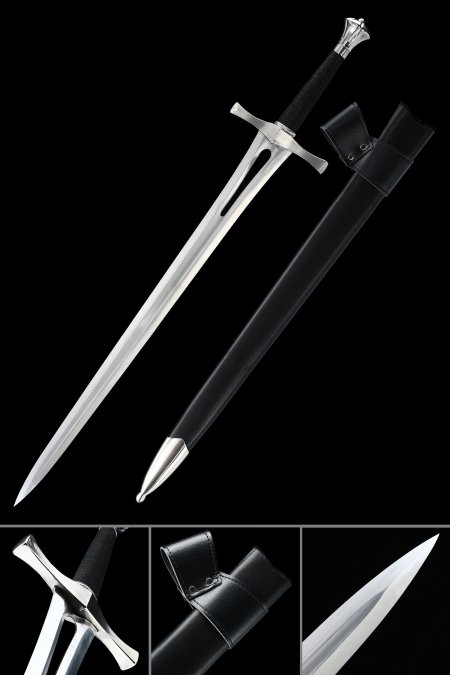
Manganese Steel Knight Swords
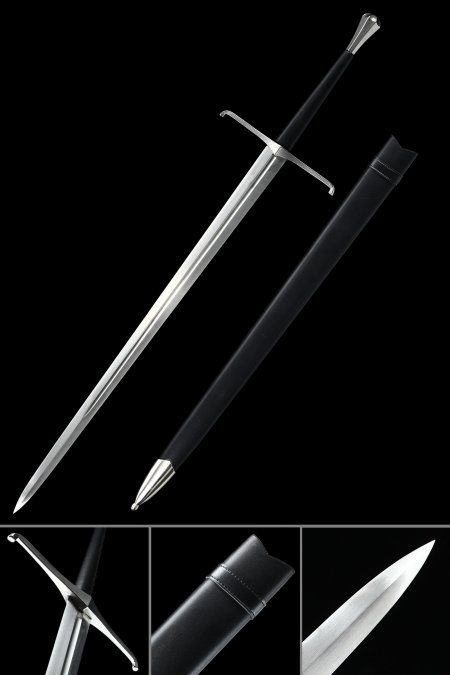
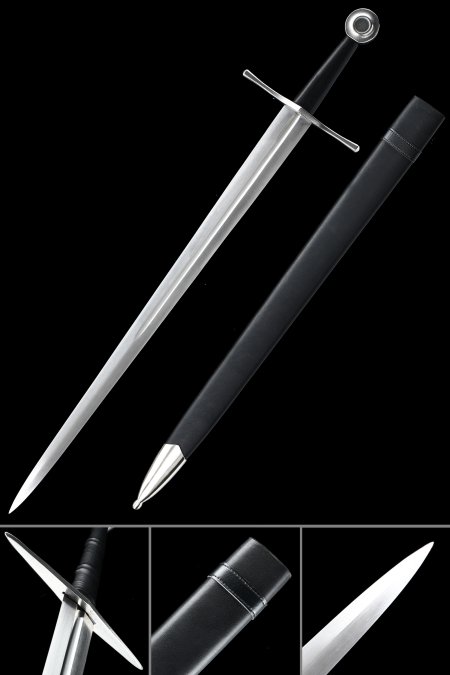
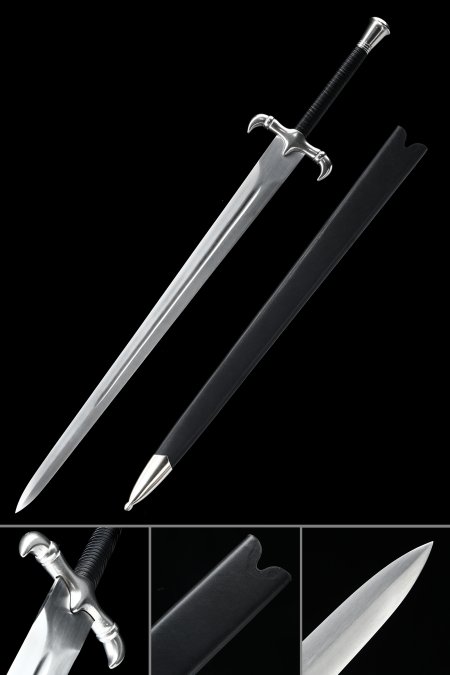
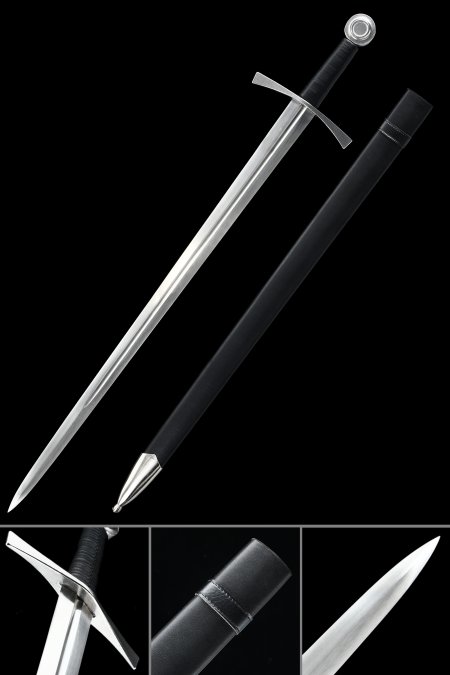
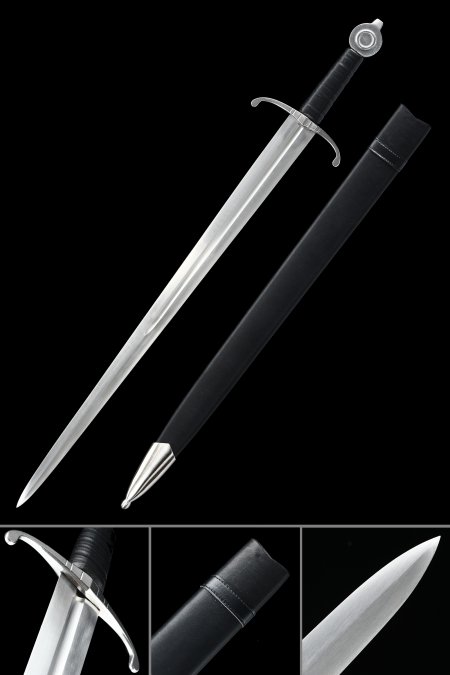
Forged from high-carbon manganese steel, these handcrafted medieval knight swords deliver the heft, flex, and historical silhouette that serious collectors demand. Each piece features a full-tang construction beneath period-accurate crossguards and grip wrappings, built to display with confidence. Enjoy free shipping on every order, backed by our hassle-free return policy.
Related Collections
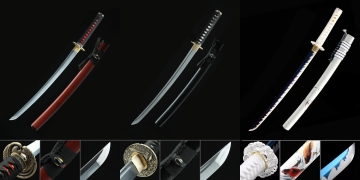
High Manganese Steel Wakizashi28 items
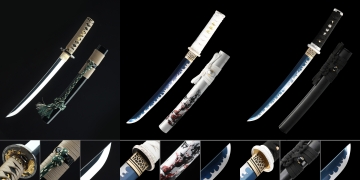
High Manganese Steel Tanto49 items
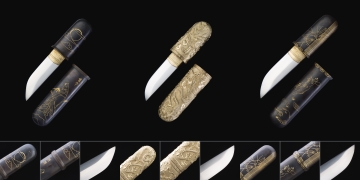
Manganese Steel Aikuchi4 items
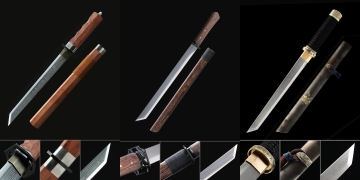
Manganese Steel Hamidashi21 items
Frequently Asked Questions
What makes manganese steel different from regular high-carbon steel?
Manganese steel is a high-carbon alloy with a significantly elevated manganese content, typically ranging from 11% to 14% by weight. The key distinction is work-hardening: when the surface is subjected to repeated stress or impact, the crystalline structure of the alloy becomes denser and harder at the point of contact, while the core of the blade retains its toughness and flex. Standard high-carbon steel does not exhibit this self-hardening behavior to the same degree. For collectors, this means a manganese steel blade holds its edge geometry and surface polish through years of handling and repositioning, making it a particularly practical choice for display pieces that will be regularly taken down, examined, and returned to their mounts. The alloy also produces a noticeably deeper, slightly warmer luster compared to plain carbon steel, which is an aesthetic advantage in gallery-style display settings.
What is the difference between a bastard sword and a longsword?
The bastard sword, historically known as a hand-and-a-half sword, was engineered to serve dual grip configurations. The hilt is long enough to accommodate both hands but short enough that a single-hand grip remains practical, giving the user flexibility depending on context. Blade length typically falls between 33 and 40 inches. The longsword, by contrast, was designed from the outset as a dedicated two-handed instrument, with blade lengths commonly ranging from 35 to 47 inches and a hilt sized specifically for a full two-hand grip with no ambiguity. From a collector’s perspective, the bastard sword presents a more compact and versatile display profile, fitting naturally on a mantelpiece or shorter wall bracket, while the longsword demands a larger dedicated display space and reads as a more imposing centerpiece. Both forms are well-represented in 14th- and 15th-century manuscript illustrations and surviving museum examples.
Why does full-tang construction matter for a collectible sword?
Full-tang construction means the steel billet of the blade extends in one continuous piece through the entire length of the grip, terminating at or through the pommel. This is the construction standard found in both historical originals and high-quality modern replicas. The alternative, a partial or rat-tail tang, involves a much narrower steel rod inserted into the hilt, which creates a mechanical weak point at the junction between blade and handle. For a collectible piece, full-tang construction ensures the sword holds its correct historical balance point, typically located a few inches forward of the crossguard, and it guarantees that the pommel, grip, and blade remain securely unified through decades of display and handling. It is also the clearest quality indicator when comparing replicas at different price points: a full-tang sword requires significantly more steel, more precise forging, and more skilled assembly than a partial-tang alternative.
How should I care for a manganese steel sword kept on wall display?
The primary maintenance task is preventing surface oxidation, which progresses faster than most collectors expect in homes with central heating or air conditioning, both of which cycle humidity rapidly. Every three to four months, wipe the entire blade surface with a clean cotton cloth and apply a thin, even coat of camellia oil or a dedicated blade preservation oil. Hang the sword horizontally on padded wall brackets rather than vertically with the tip down, which can allow moisture to migrate toward the hilt hardware over time. Do not store the blade inside a leather scabbard for months at a stretch, as untreated leather retains humidity and can initiate pitting even on alloy steels. If you notice the faintest rust bloom beginning to form, address it immediately with a fine polishing cloth and re-oil. Consistent light maintenance is far easier than attempting to restore a blade that has been neglected for years.
Are these swords suitable as gifts for history or medieval enthusiast collectors?
A hand-forged manganese steel knight sword is one of the more considered and memorable gifts available in the historical collectible category. The pieces in this collection are substantial enough in scale and detail to make an immediate impression when unwrapped, yet refined enough in their crossguard geometry and grip finishing to reward a knowledgeable recipient who will examine them closely. For gifting purposes, the bastard sword format tends to be the more versatile choice because its proportions work in a wider range of living spaces. If the recipient already owns display pieces, a longsword makes a strong statement as a centerpiece item. Both formats ship with appropriate packaging to protect the blade and fittings in transit. Pairing a sword with a dedicated wall mount bracket creates a ready-to-display gift combination that collectors at any level of experience will genuinely appreciate.
Customer Reviews
Christian V Gomez
Texas, United States
Fit and finish looks great. Delivery was quick and easy. Description was pretty accurate but for those who need to know, this is an arming sword (short blade, single handed) but it looks exactly as advertised. Highly recommend this site
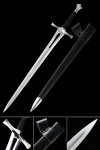 |
Handmade Medieval Longsword Full Tang |



