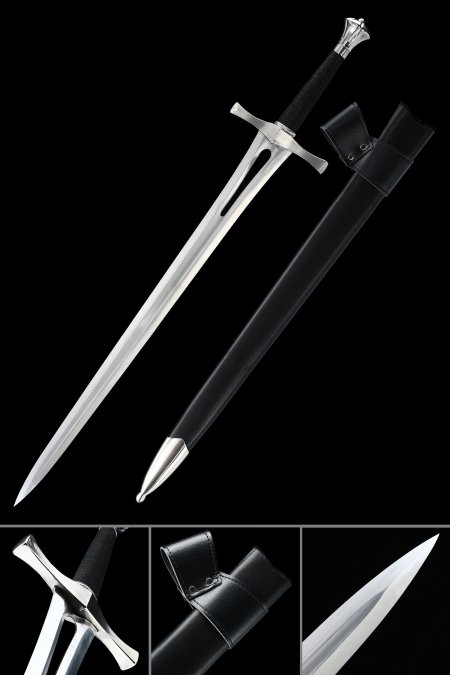
Black Manganese Steel Knight Swords
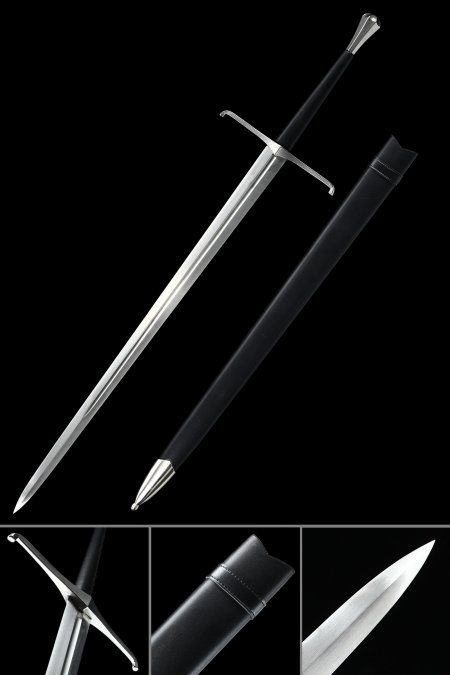
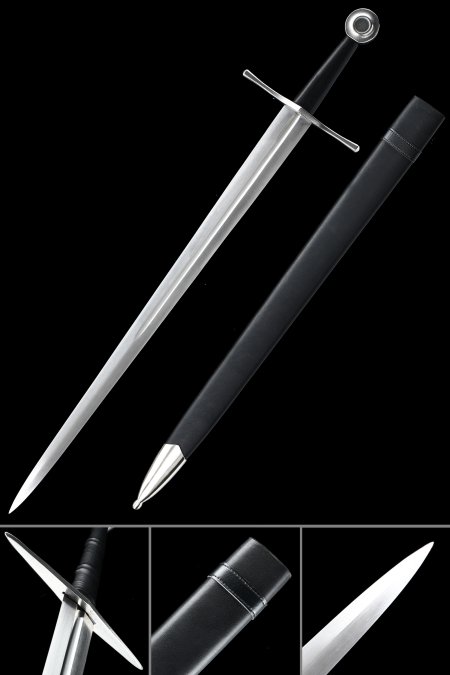
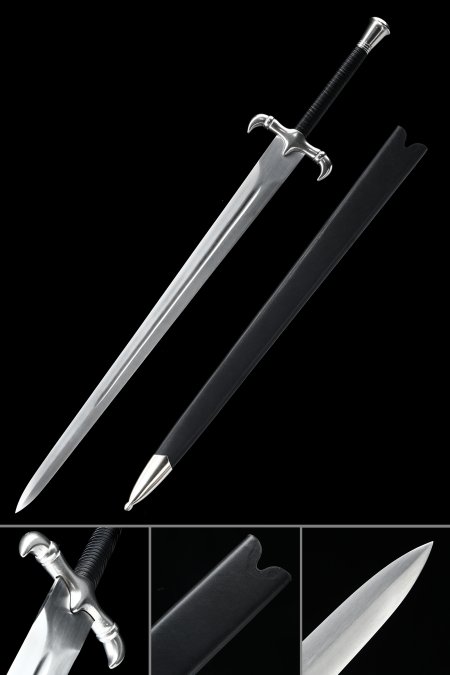
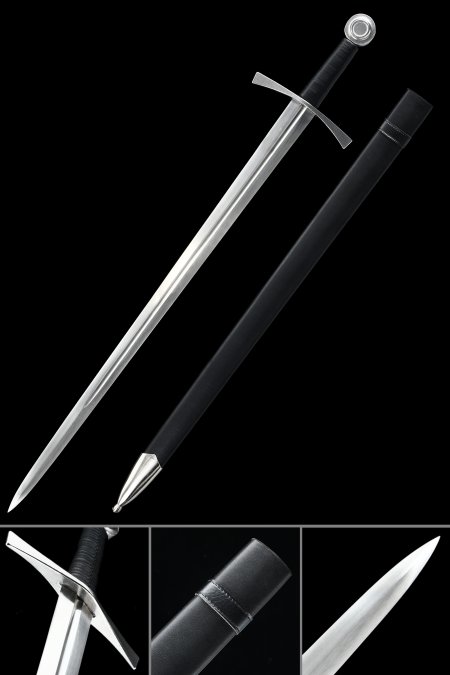
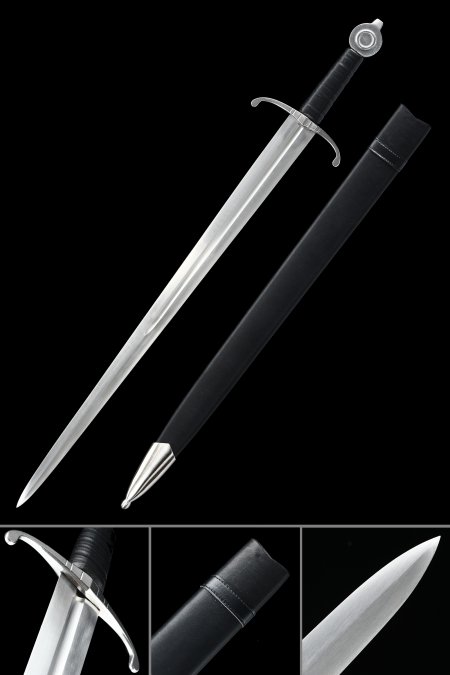
Explore our Black Manganese Steel Knight Swords - a curated selection of handcrafted medieval longswords and bastard swords finished in striking blackened steel. Each piece is built on a full-tang manganese steel blade, offering the structural integrity and authentic silhouette that serious collectors demand. Free standard shipping on all orders, with hassle-free returns.
Related Collections
White Manganese Steel Katana14 items
Blue Manganese Steel Ninjato10 items
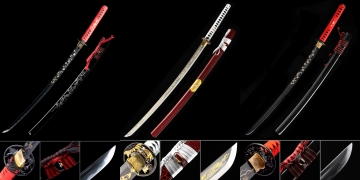
Darkred Manganese Steel Katana12 items
Frequently Asked Questions
What makes manganese steel a good choice for collectible swords?
Manganese steel is alloyed with roughly 11-14% manganese, which gives it a notably higher toughness rating compared to standard low-carbon decorative steel. For a display collector, this translates to a blade that resists micro-deformation and edge chipping during handling and repositioning. It also responds well to heat treatment, allowing craftsmen to achieve consistent hardness throughout the blade rather than just at the surface. The result is a collectible that maintains its original geometry and profile over years of display - something that matters greatly when a sword is meant to be a long-term centerpiece of a medieval arms collection.
What is the difference between a bastard sword and a longsword?
The terms are related but historically distinct. A longsword is typically designed for a two-handed grip, with a handle long enough to accommodate both hands comfortably and a blade ranging from roughly 35 to 45 inches. A bastard sword - sometimes called a hand-and-a-half sword - occupies the space between a single-handed arming sword and a true longsword. Its handle is long enough for a second hand to assist but short enough for one-handed use when needed. In collector terms, the bastard sword tends to have a slightly shorter overall length and a grip geometry that reflects this dual-purpose design. Both forms originate from European traditions spanning the 13th to 16th centuries and are among the most recognizable silhouettes in medieval arms collecting.
Does the black finish on these swords require special maintenance?
The blackened surface is an oxide-based protective treatment rather than paint or powder coat, so it behaves more like treated steel than a surface layer you can chip away. Routine care is simple: wipe the blade with a dry microfiber cloth after any handling to remove fingerprint oils, which are the most common cause of spotting on dark finishes. Every three to six months, apply a very thin coat of camellia oil or a dedicated blade preservative oil using a soft cloth, then wipe off any excess. Avoid abrasive cloths or steel wool, which can scuff the blackened surface. In humid climates, increase oiling frequency slightly. With this minimal routine, the finish remains consistent and the underlying manganese steel stays well protected.
Are these swords full-tang, and why does that matter for collectors?
Yes - every sword in this collection uses full-tang construction, meaning the steel of the blade extends as a single continuous piece through the entire handle, all the way to the pommel. This is the construction standard that distinguishes serious collectible swords from lower-quality decorative pieces built with partial or rat-tail tangs, where the steel narrows dramatically inside the handle. For a collector, full-tang construction matters for two reasons: it reflects authentic historical manufacturing practice, and it ensures the sword maintains structural integrity during handling, repositioning on a mount, or photographing for a collection catalog. It is simply the correct way to build a sword intended to be taken seriously as a collectible artifact.
How should I display a black manganese steel sword at home?
Horizontal wall mounts or angled display stands both work well for swords of this size and weight. For wall display, use a mount rated for the sword's full weight and position it away from windows - prolonged direct sunlight can gradually affect both the blackened steel finish and any leather or cord grip wrapping. A shadow box with a fabric backing creates strong visual contrast with the black blade and protects the piece from airborne dust. If displaying multiple swords as a grouped collection, alternating the orientation of bastard and longsword forms creates visual interest while accurately representing the variety within medieval European blade design. Horizontal storage on a padded rack is preferred for long-term storage when pieces are not on active display.
Customer Reviews
Christian V Gomez
Texas, United States
Fit and finish looks great. Delivery was quick and easy. Description was pretty accurate but for those who need to know, this is an arming sword (short blade, single handed) but it looks exactly as advertised. Highly recommend this site
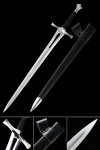 |
Handmade Medieval Longsword Full Tang |