Free Shipping
149.00 USD
ON SALE! 20% OFF
Was: 189.00 USD

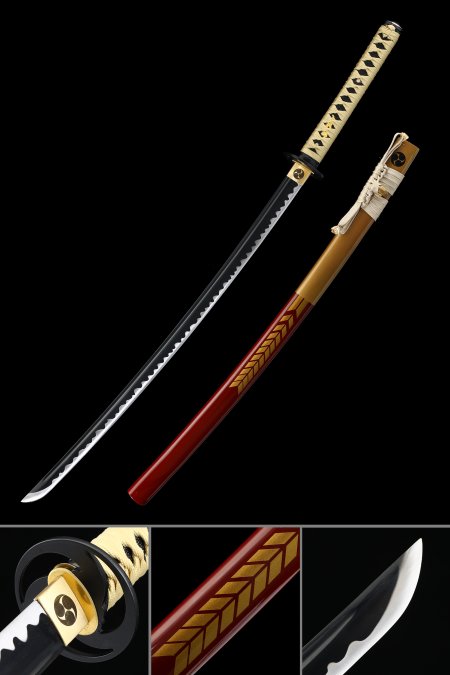
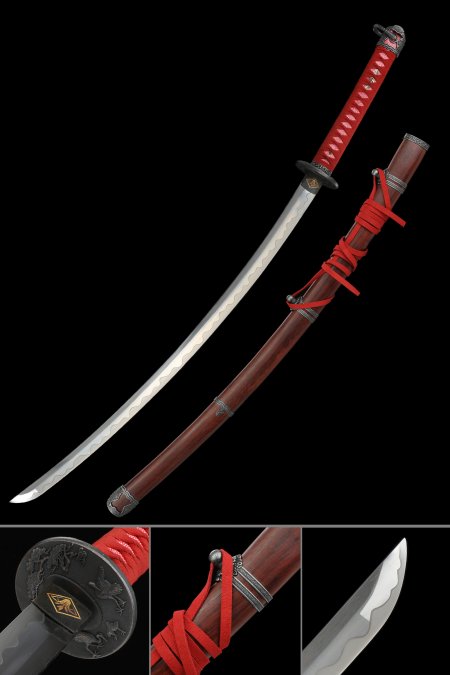
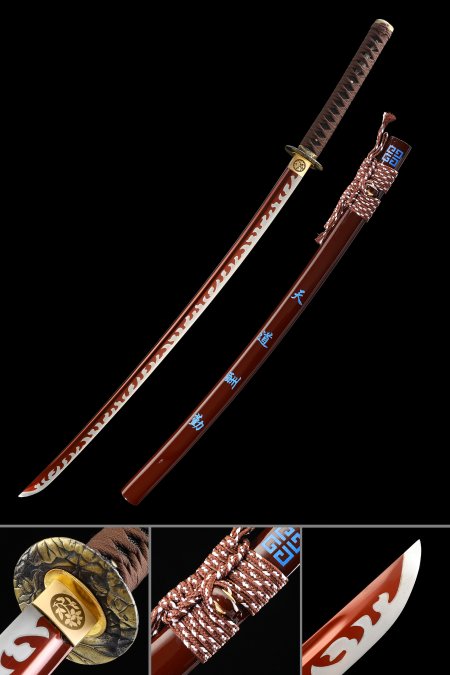
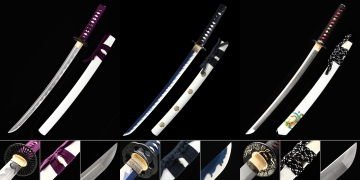
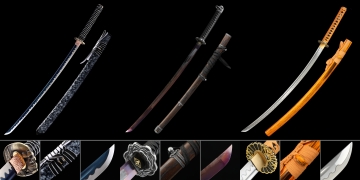
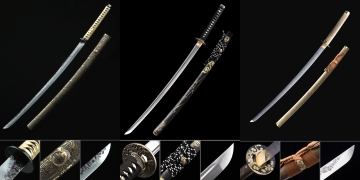
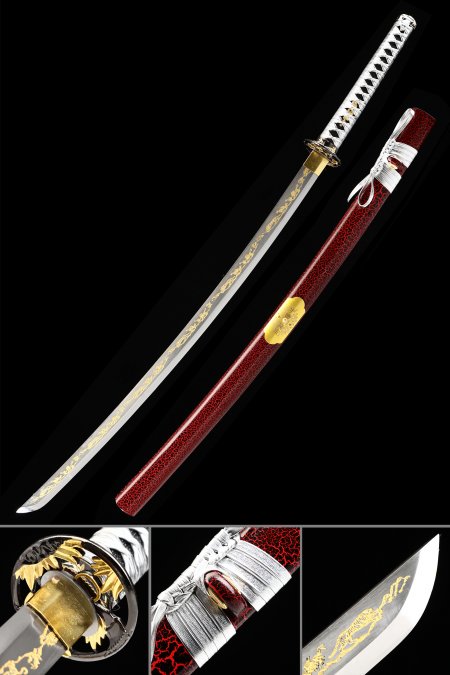
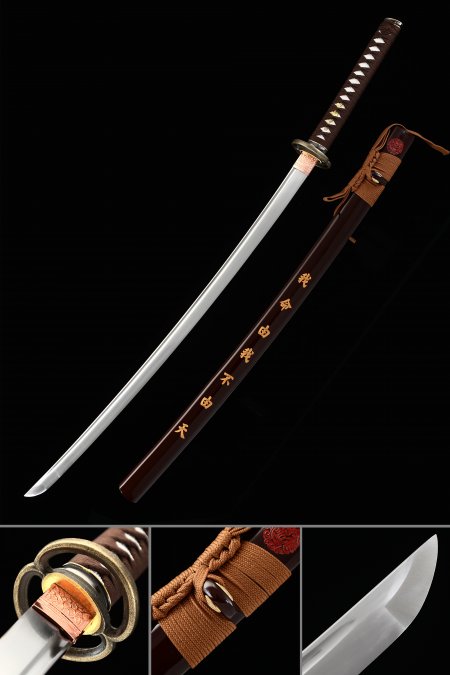
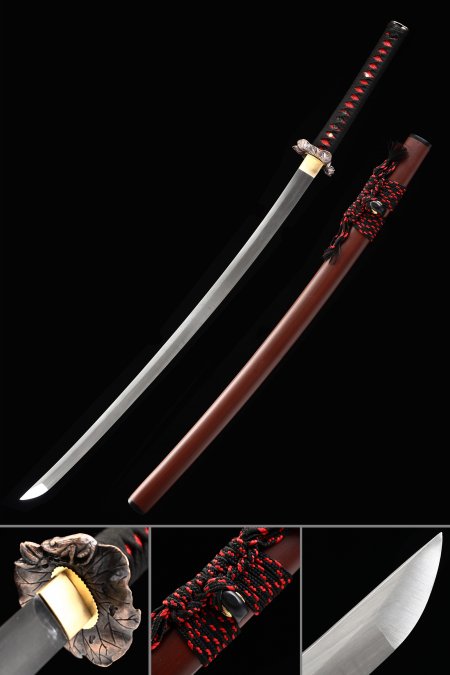
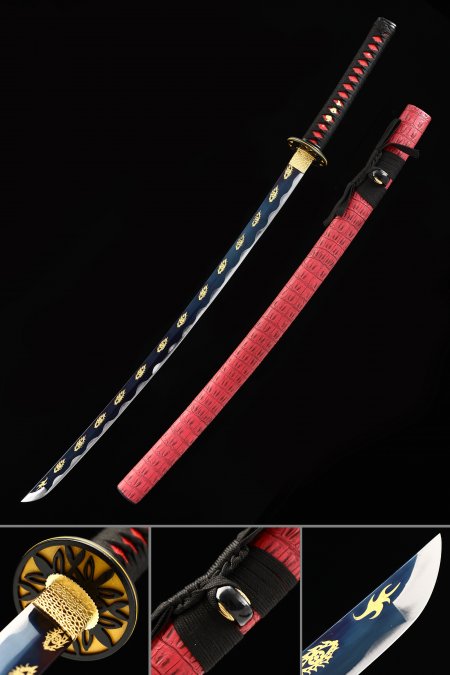
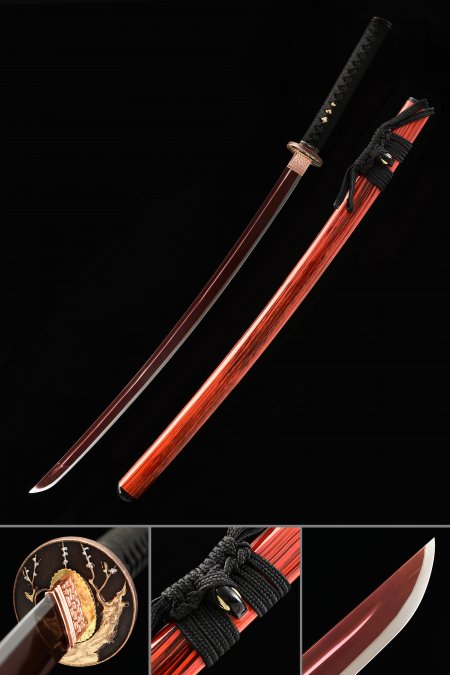
Few katana collections command attention quite like one finished in deep crimson and darkred tones - a palette that bridges traditional Japanese aesthetics with bold, dramatic presentation. Every sword in this collection is hand-forged from high manganese steel, delivering a full-tang construction with genuine functional integrity and refined decorative detail. From flame-engraved blades and chrysanthemum tsuba to dragon-embossed saya and lacquered hardwood scabbards, each piece is crafted for the discerning collector who values both artistry and authenticity. Enjoy free shipping on your order, plus hassle-free returns for complete peace of mind.
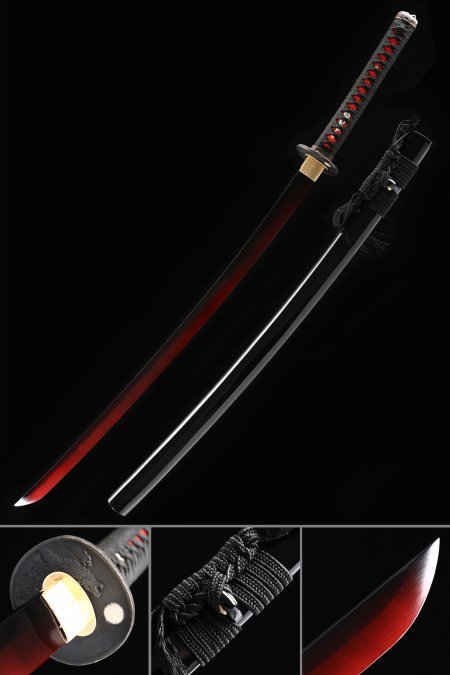
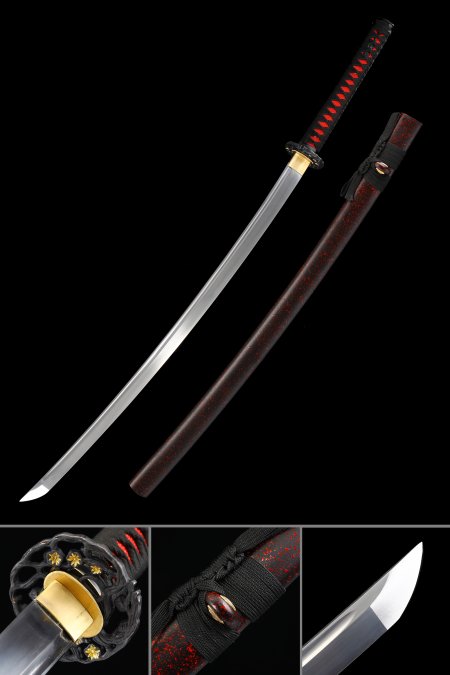
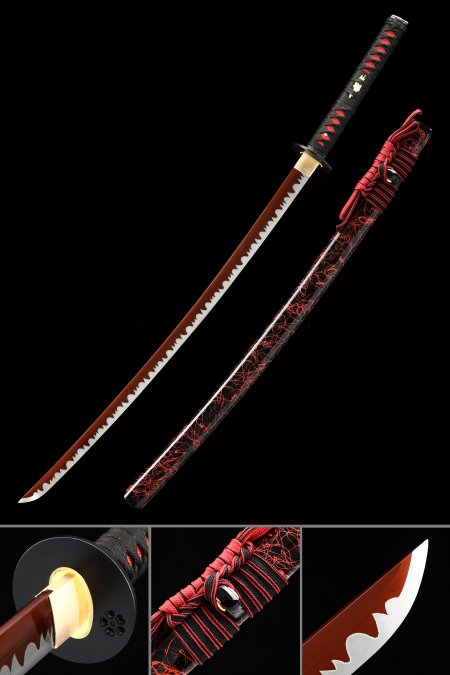
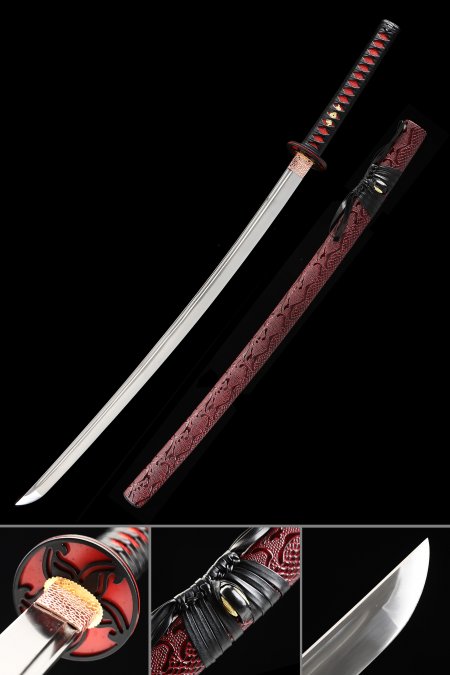
The swordsmith who made this katana deserves a raise 10/10 ..Stays sturdy and cuts clean through bamboo mats. Just learning with the mat cutting but real good for improving focus, kinesthetic-intelligence, clearing your mind—good therapy 💯 . This sword, the manganese steel, holds up well after heavy use.
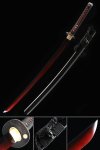 |
Crimson Red Blade Katana - Folded Damascus Steel Full Tang Sword with Black Cord Tsuka and Bamboo Tsuba |
The katana came in sooner than expected. It was completely wrapped up and definitely worth it.
|
Crimson Red Blade Katana - Folded Damascus Steel Full Tang Sword with Black Cord Tsuka and Bamboo Tsuba |
The tip of the paint or whatever wasn’t the color like the rest of the blade it was silver and a piece of the chasing already chipped off
|
Crimson Red Blade Katana - Folded Damascus Steel Full Tang Sword with Black Cord Tsuka and Bamboo Tsuba |
Studied martial arts for56 years and I am very pleased with my order. Thank you.
|
Crimson Red Blade Katana - Folded Damascus Steel Full Tang Sword with Black Cord Tsuka and Bamboo Tsuba |
It is AWESOME! Everything was perfect, arrived within a few days of me ordering it and great quality. I’m super happy with my purchase and will be buying more from here in the future:)
|
Crimson Red Blade Katana - Folded Damascus Steel Full Tang Sword with Black Cord Tsuka and Bamboo Tsuba |
Beautiful Sword looks like the picture and true to its word First Katana ever bought and definitely wont be the last i DONT regret anything i cant keep my hands off it
|
Crimson Red Blade Katana - Folded Damascus Steel Full Tang Sword with Black Cord Tsuka and Bamboo Tsuba |
It’s a beautiful work of art. I am very happy with my purchase. My only complaint is that it fits so tightly in the scabbard It is difficult to unsheathe.
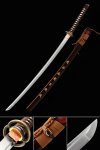 |
Spring Steel Katana with Dark Red Lacquered Saya and Gold Kanji Engraving in Brown Cord Wrap |
Best sword I have ever seen compared to other companies 10\10. Would buy another one.
|
Crimson Red Blade Katana - Folded Damascus Steel Full Tang Sword with Black Cord Tsuka and Bamboo Tsuba |