FAST SHIP
15 Reviews
ON SALE 15% OFF
$179.00$209.00

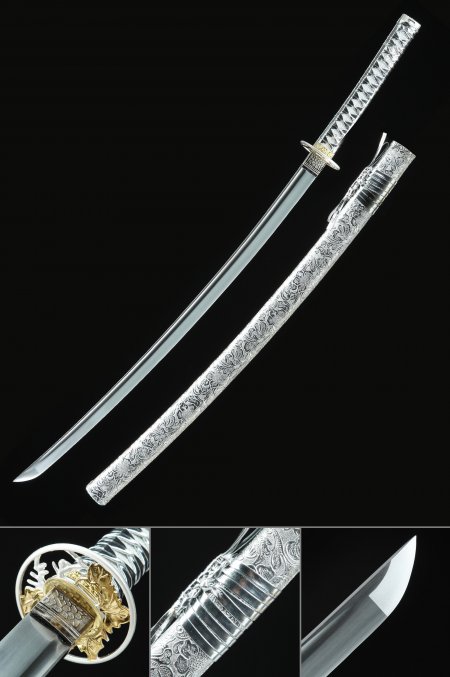
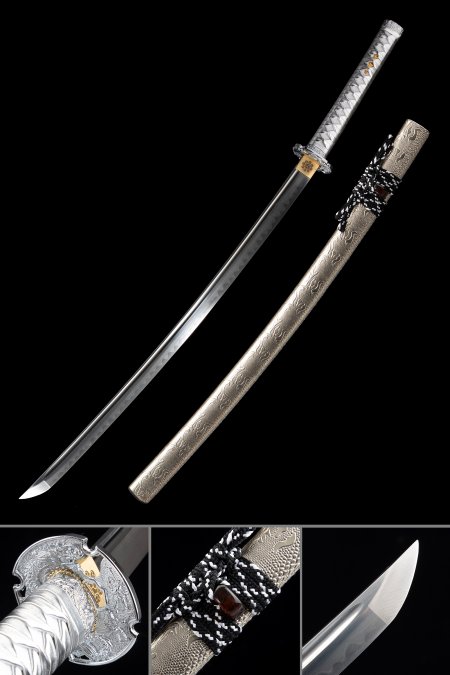
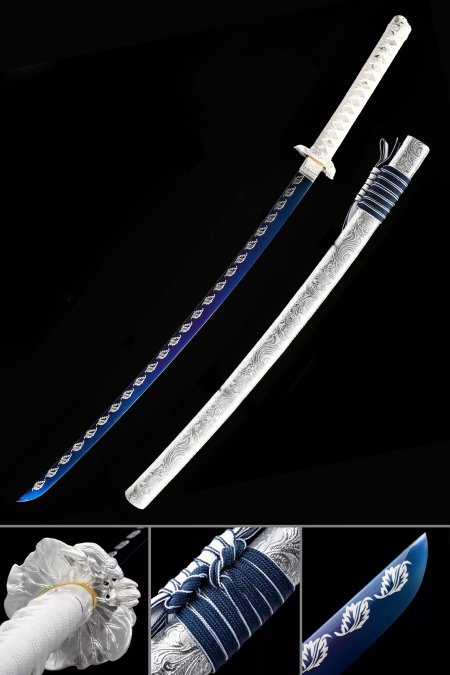
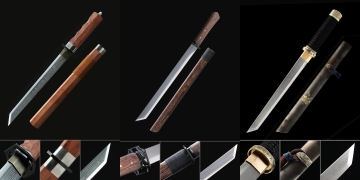
Silver Manganese Steel Katana brings together the durability of high manganese steel with the refined elegance of silver-toned fittings, creating a display piece that genuinely impresses on the wall or in a collector's cabinet. Each sword in this collection is hand-forged with a full-tang construction, fitted with carefully matched koshirae - from engraved sayas to ornate tsuba - making every piece as visually striking as it is well-crafted. Enjoy free standard shipping on your order, and shop with confidence knowing returns are always covered.
Very fast shipping and quality was really really amazing for the price am very happy with this and will most likely continue shopping here in the future!
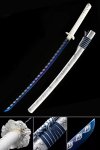 |
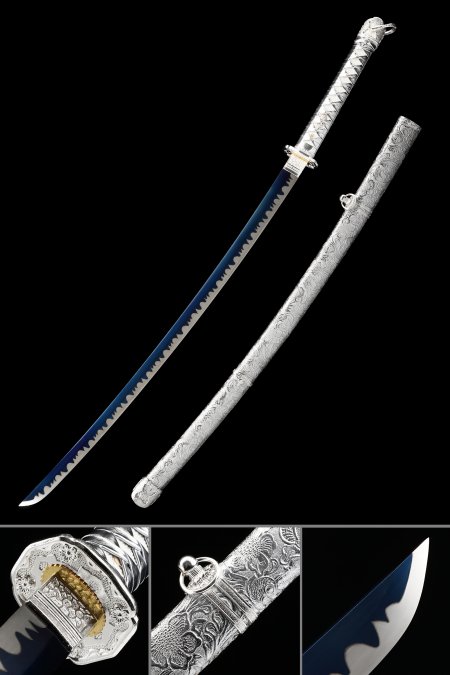
Manganese Steel Blue Printed Katana with Silver PU Leather Saya and Lotus Alloy Tsuba - Full Tang Samurai Sword |
OMG!!! I received my order on time for the holidays and it looks even better in person. The details were beautiful. My daughter was so excited about her katana, I ordered her another
|
Manganese Steel Blue Printed Katana with Silver PU Leather Saya and Lotus Alloy Tsuba - Full Tang Samurai Sword |
Very sharp. Only bought it for display till the zombie apocalypse
|
Manganese Steel Blue Printed Katana with Silver PU Leather Saya and Lotus Alloy Tsuba - Full Tang Samurai Sword |
Well I can say that the sword is a work of art with out a doubt I can also say that it is made of cheaper parts besides the metal that I ordered. The craftsmanship is not to bad but not incredible. It is good for its price range. But I can't see myself using it to learn any new skills.
On a different note there was a bit of shipping damage SO PLEASE be
warned!
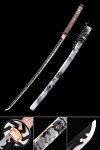 |
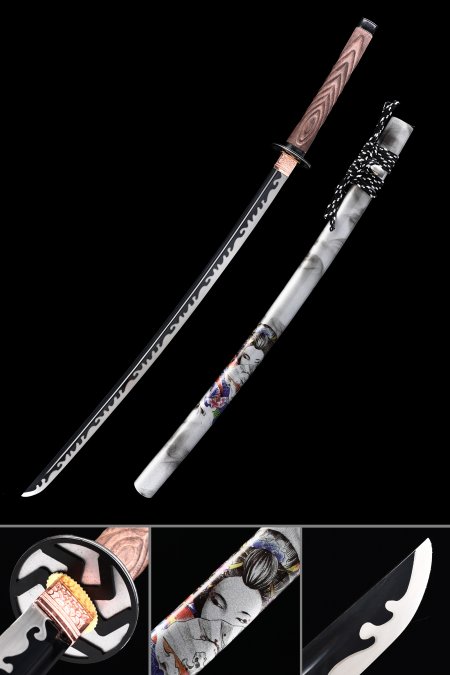
Black Manganese Steel Katana with Geisha-Painted White Saya and Wave Tsuba - Brown Wood Handle |
Yess!!! My husband loved his new sword. As long as he happy I’m happy. It looked just like the picture, and the sword is perfect.
|
Manganese Steel Blue Printed Katana with Silver PU Leather Saya and Lotus Alloy Tsuba - Full Tang Samurai Sword |
My second purchase arrived ahead of schedule.
Delivered to my door(apartment building).
Professionally packaged with care.
Beautiful craftsmanship and quality.
The pictures on the website do as much justice as can be had with a picture.
Indicating professional level photography.
You will not be displeased with your purchase!
|
Manganese Steel Blue Printed Katana with Silver PU Leather Saya and Lotus Alloy Tsuba - Full Tang Samurai Sword |
Sword was a gift for my girlfriend and she loved it. I ordered on the day before Christmas and it got here before new years! Awesome, will definitely buy more from here.
|
Manganese Steel Blue Printed Katana with Silver PU Leather Saya and Lotus Alloy Tsuba - Full Tang Samurai Sword |
This was a Christmas gift for my son. And he absolutely loved it, the craftsmanship is excellent. The blade is super sharp, the blue is so beautiful. Will be ordering another for his birthday. Thank you truekatana
|
Manganese Steel Blue Printed Katana with Silver PU Leather Saya and Lotus Alloy Tsuba - Full Tang Samurai Sword |