Free Shipping
159.00 USD
ON SALE! 20% OFF
Was: 199.00 USD

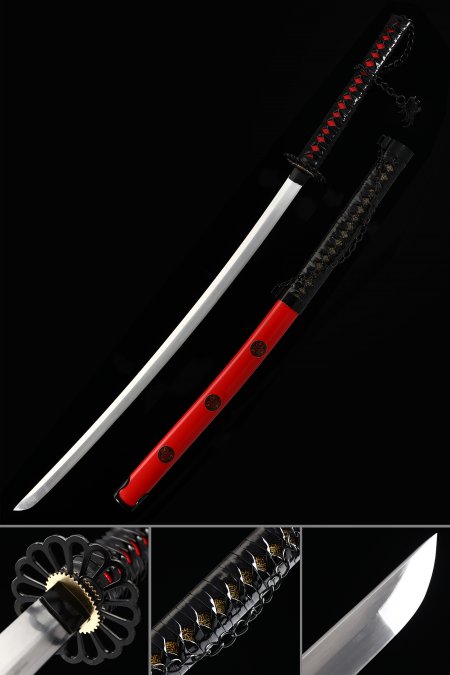
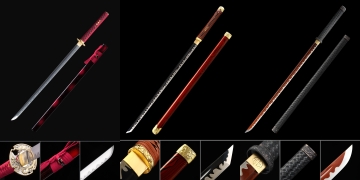
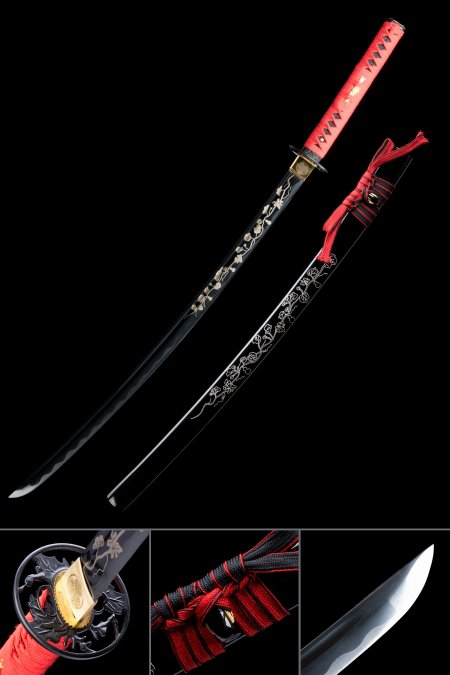
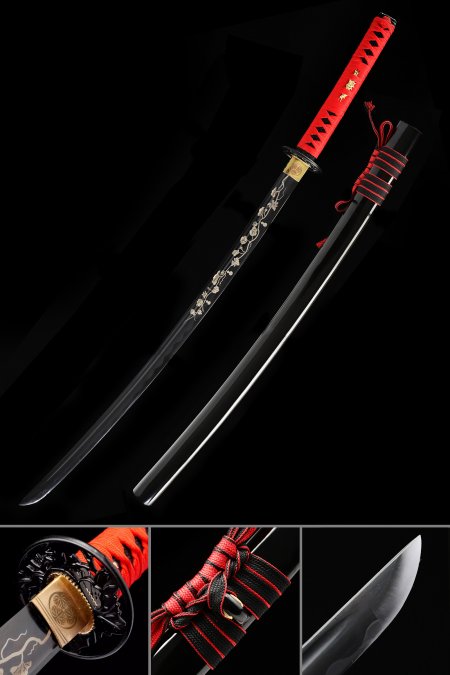
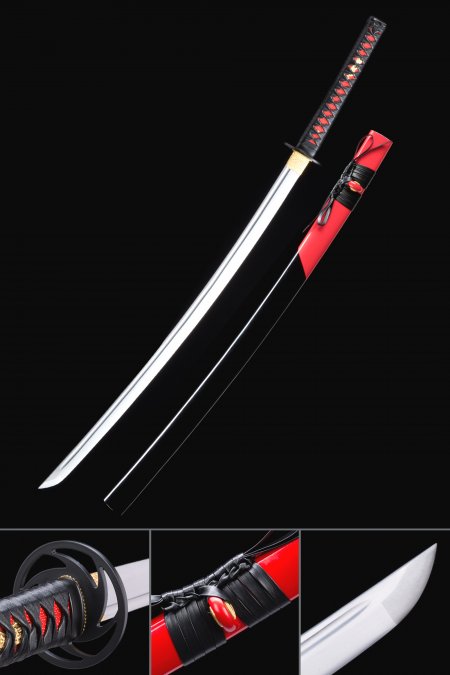
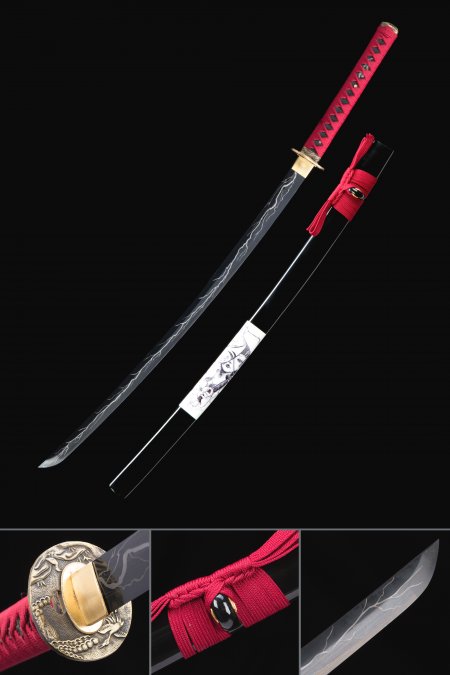
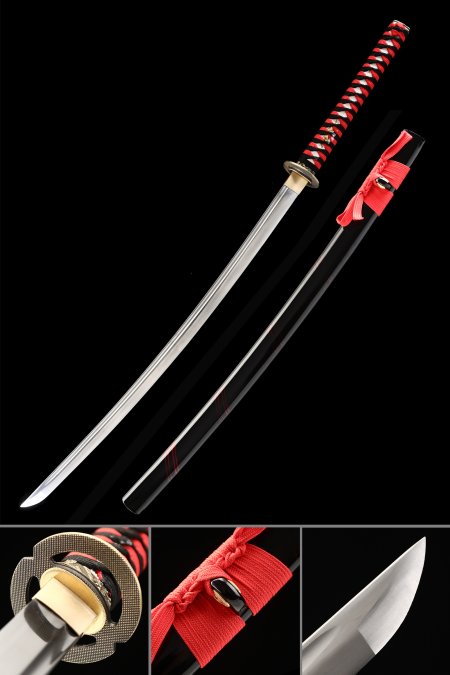
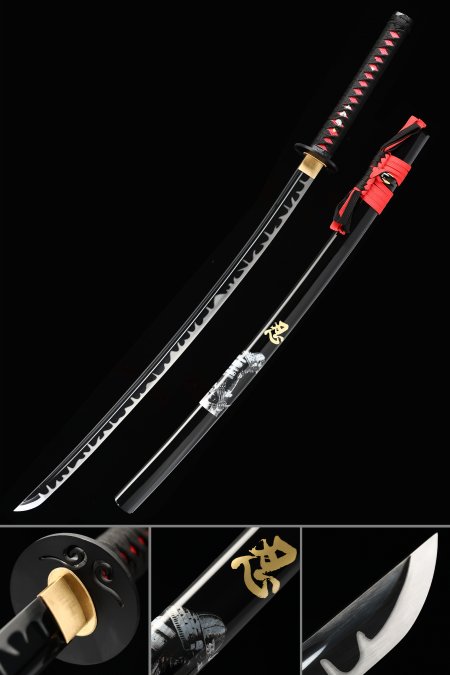
Bold in color and refined in craft, our Red-Black Manganese Steel Katana collection brings together hand-forged blades dressed in striking red-and-black koshirae — from lacquered hardwood saya to intricately wrapped tsuka in contrasting ito. Each piece is built on a full-tang foundation using high-carbon manganese steel, delivering the heft and balance collectors and display enthusiasts genuinely appreciate. Enjoy free shipping on your order, backed by our hassle-free return policy.
Shipping was fast and packaging was great! Arrived much sooner than expected. Now my husband will get his anniversary gift on time.
 |
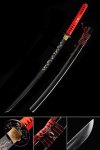
Black Blade Katana in Manganese Steel with Kanji Engraved Saya and Red-Black Tsuka Wrap |
Got it for my boyfriend and I’s anniversary, he loved it ❤️ amazing quality, looked exactly like the pictures !
 |
T10 Clay-Tempered Katana Sword with Red Ito Wrap in Black Piano Lacquer Saya - Full Tang Collectible |
Love the katana you can tell it’s legit so happy with this new piece.
|
T10 Clay-Tempered Katana Sword with Red Ito Wrap in Black Piano Lacquer Saya - Full Tang Collectible |
The only reason I have rated the sword as a four is because the scabbard was damaged during shipping. The rest of the sword is a beautiful piece of workmanship. We will be ordering more Katanas through Truekatana in the future. Hopefully they will arrive undamaged next time.
|
T10 Clay-Tempered Katana Sword with Red Ito Wrap in Black Piano Lacquer Saya - Full Tang Collectible |
First class product and service. I am delighted with the katana.I do not know how it escaped Spanish Customs .I am considering another purchase. Thank you all , Best regards Roger.
|
T10 Clay-Tempered Katana Sword with Red Ito Wrap in Black Piano Lacquer Saya - Full Tang Collectible |
A month delivery and the katana is great!
Shipping company UPS was the only bad part but Katana well made and looks cool!
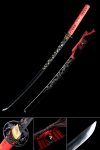 |
Manganese Steel Katana Sword with Red Ito Handle and Floral Engraved Black Saya - Collectible Samurai Sword |
Came in solid condition and just like it was online. Really satisfied with this cool piece of weaponry!
|
T10 Clay-Tempered Katana Sword with Red Ito Wrap in Black Piano Lacquer Saya - Full Tang Collectible |
shipping only took about a week! very efficient. i got this as a gift for my boyfriend and he loves it so much, he even poops with it next to him. the quality is great. very sturdy sword, and it comes sharpened. 10/10. now i just have to buy more.
|
T10 Clay-Tempered Katana Sword with Red Ito Wrap in Black Piano Lacquer Saya - Full Tang Collectible |