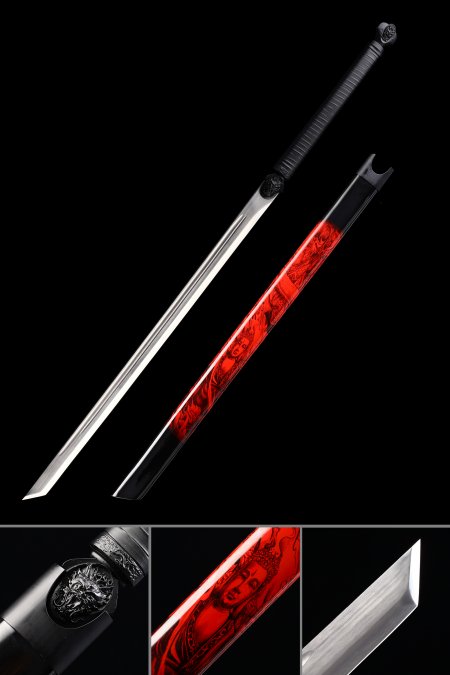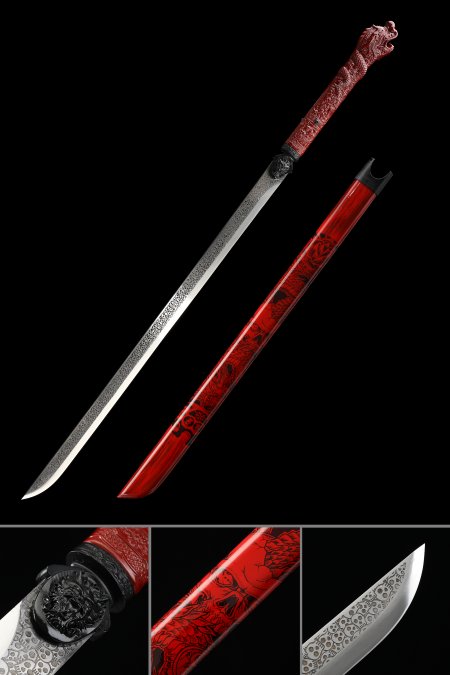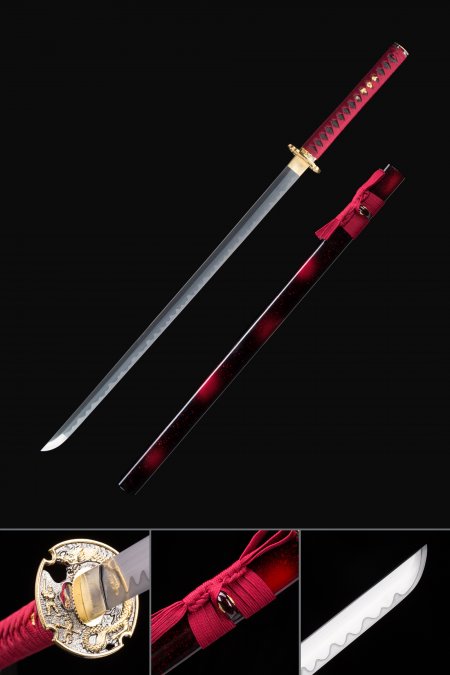
Red Manganese Steel Ninjato

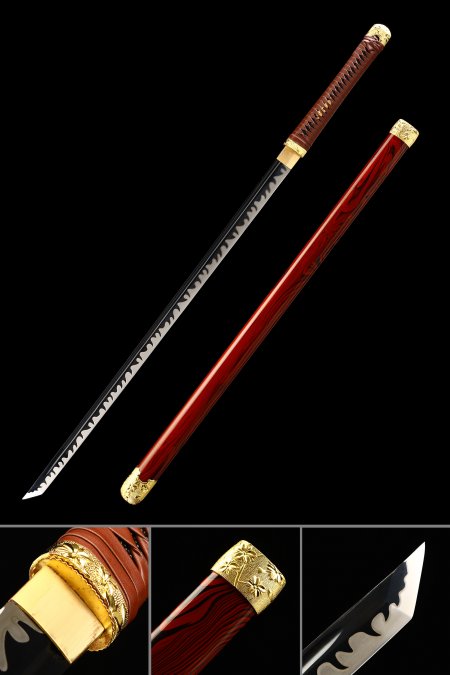
Red Manganese Steel Ninjato pieces in this collection are hand-forged from high manganese steel and finished with a striking crimson-toned blade — a hallmark of artisan heat treatment and surface craft. Each sword ships complete with coordinating koshirae, from lacquered saya to wrapped tsuka, making them compelling display centerpieces or thoughtful gifts for discerning collectors. Every order includes free shipping and is backed by our hassle-free return policy.
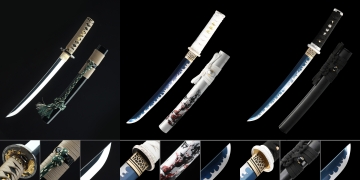
Showing 4 Products

Related Collections

Frequently Asked Questions

What makes manganese steel a good choice for a display ninjato?
Manganese steel contains a higher proportion of manganese than conventional carbon steel, which increases surface hardness and makes the alloy notably resistant to scratching and surface wear. For a collectible or display piece, this translates to a blade that retains its polished finish over years of shelf life without requiring constant re-polishing. Unlike very high-carbon monosteel blades that can be brittle when handled, manganese steel maintains enough core toughness to withstand occasional handling during repositioning or cleaning. It also responds well to surface treatments, which is why the red finish on these ninjato appears so consistent and gallery-ready — the treated surface bonds durably to the steel rather than flaking or fading the way a paint coating would.
Is the red color on the blade a coating or part of the steel itself?
The red surface is achieved through a controlled heat and chemical surface treatment process applied directly to the manganese steel — it is not a spray paint or lacquer coating applied over the metal. The treatment causes a deliberate, uniform oxidation layer to form on the blade surface, creating the crimson tone while simultaneously sealing the steel against further uncontrolled oxidation. This is an important distinction for collectors: a treated surface like this one is integrated into the steel's outermost layer, meaning it will not chip or peel under normal display conditions. Standard maintenance — a light wipe with a silicone cloth or a thin application of camellia oil every few months — is sufficient to preserve the finish and prevent any humidity-driven surface changes.
How does a ninjato differ from a katana as a display piece?
The most immediately visible difference is blade geometry. A katana features a pronounced curve (sori) along its length, while a ninjato is typically straight or carries only a very slight curvature. This gives mounted ninjato a more architectural, geometric look on a display stand — cleaner horizontal lines that suit modern interiors as readily as traditional sword rooms. The ninjato also tends to have a square or slightly rectangular tsuba rather than the rounded guard common on katana, adding to its angular visual character. For collectors who already own a curved katana and want contrast within the same display, a straight-profiled ninjato in a matching color family — such as the red manganese variants here — creates an appealing visual dialogue between the two forms.
What should I do to maintain a red manganese ninjato in long-term storage?
Long-term storage requires attention to three factors: moisture, physical contact, and airflow. High humidity is the primary threat to any steel blade, including surface-treated manganese steel. Store the ninjato in its saya with the habaki (blade collar) seated properly — the saya's interior lacquer provides a modest barrier against humidity transfer. In climates with seasonal humidity spikes, place a few silica gel packets near the stored sword and refresh them every six months. Avoid storing the blade inside a sealed fabric bag or soft case for extended periods, as these can trap moisture against the surface. Apply a very light coat of camellia or mineral oil to the blade before long-term storage, wiping away any excess so no pooling occurs near the habaki. Inspect the blade and fittings once or twice a year, and re-oil if the surface appears dry.
Can a red ninjato and a red katana be displayed together effectively?
Yes — pairing a ninjato with a katana from the same color treatment family is one of the more visually cohesive approaches to a Japanese sword display. The straight profile of the ninjato and the curved profile of the katana create geometric contrast while the shared crimson blade tone unifies them. When mounting both on a horizontal two-tier sword stand, conventionally the longer or more formal piece occupies the upper tier. For collectors who want a complete coordinated set, the Red Blade Manganese Steel Japanese Samurai Swords collection includes full-length katana in the same red manganese aesthetic, making it easy to source both pieces with consistent finish quality and matching koshirae styling.

Customer Reviews

Mark Bell California, United States

Arrived right on time.r
Blade, saya, hilt. All up to True Katana's standards.r
Of course I've already dinged the saya, because I can't have nice things. r
r
I believe this is my seventh purchase....r
r
No, I'm not addicted at all!r
Of course I am sane and rational. r
r
Seriously though. r
This blades name is Ryuketsu.
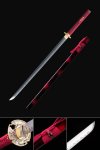
High Manganese Steel Katana with Dragon Tsuba - Red Cord Handle & Dark Red Lacquer Saya High Manganese Steel Katana with Dragon Tsuba - Red Cord Handle & Dark Red Lacquer Saya
Brian A Scott Sr Maryland, United States

I do not do this, as I try not to influence folks on how or what they should spend their money on, this is totally up to them. I must say that the products that I have purchased from this retailer, have been top notch, high quality, products. Shipping has been very good as well.

Always do your research first before shopping online of course, yet, I myself do not have any issues with this organizations practices and products.

Manganese Steel Ninjato with Red-Black Monkey King Lacquer Saya - Black Koshirae Manganese Steel Ninjato with Red-Black Monkey King Lacquer Saya - Black Koshirae