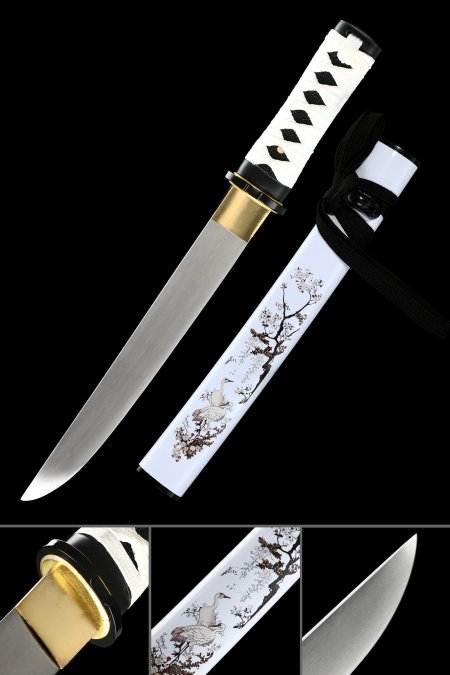

White Manganese Steel Tanto

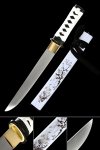
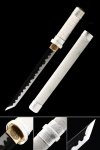
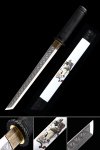
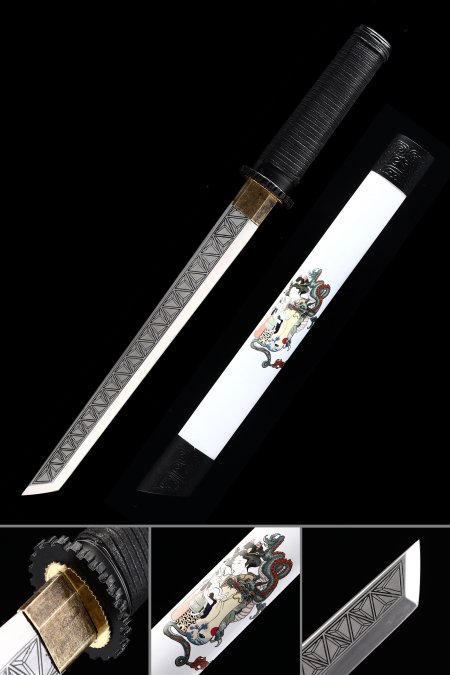
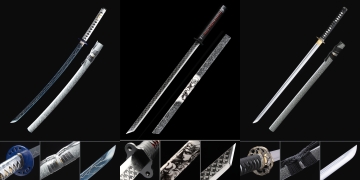
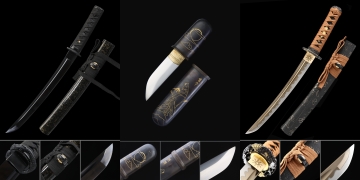
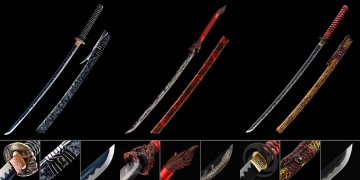
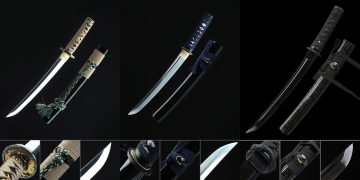
White Manganese Steel Tanto blends striking visual contrast with serious metallurgical craftsmanship - a combination that makes each piece genuinely compelling on a display stand or in a curated collection. The high-manganese steel delivers exceptional hardness and a distinctive bright finish, while hand-wrapped cord handles, lacquered hardwood saya, and hand-painted or engraved motifs reflect the kind of artisan attention rarely found at this price point. Every tanto in this collection is full-tang and individually handcrafted. Enjoy free shipping on your order, backed by our hassle-free return policy.
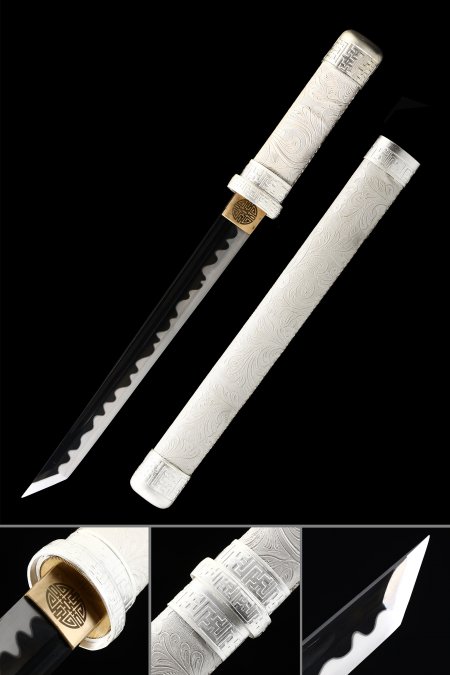
Showing 3 Products

Frequently Asked Questions

What makes manganese steel a good choice for tanto blades?
Manganese steel contains a significantly higher manganese content than standard carbon steel, which contributes to increased surface hardness and improved resistance to surface wear over time. For collectible tanto, this translates to a blade that holds its polished, bright appearance longer than lower-alloy alternatives - an important factor when a piece is displayed rather than stored away. The steel also responds well to grinding and polishing processes, allowing craftsmen to achieve the clean, luminous finish that makes white manganese steel tanto so visually striking. It is worth noting that manganese steel is distinct from high-carbon tamahagane used in traditional Japanese smithing; it represents a modern alloy approach that prioritizes surface quality and visual appeal for the collector market.
How does a Hamidashi tanto differ from a standard tanto?
A Hamidashi tanto features a very small tsuba - a guard so minimal it is almost flush with the handle - compared to the more prominent circular or shaped tsuba found on a standard tanto. Historically, this design was favored for its compactness and elegance, often carried tucked into a kimono rather than worn at the belt. In a display context, the Hamidashi profile reads as sleeker and more understated, allowing decorative elements like blade engravings or saya artwork to dominate the visual composition. If you prefer a tanto where the blade geometry and saya design take center stage over the tsuba hardware, a Hamidashi configuration is the natural choice.
How should I store and maintain a white lacquered saya?
White lacquered saya require a bit more care than natural wood finishes because the lacquer surface can show fingerprints, minor abrasions, and moisture damage more visibly. Store the tanto horizontally on a padded display stand or inside a silk-lined presentation box, avoiding direct sunlight which can cause lacquer to yellow or crack over time. Wipe the saya surface only with a clean, dry microfiber cloth - avoid any chemical cleaners or polishing compounds that can dull or streak the lacquer. For the blade itself, apply a light coat of camellia or mineral oil every few months using a soft cloth to prevent oxidation, being careful not to let excess oil contact the lacquered saya surface. Keep the display area away from high-humidity environments, as moisture cycling can cause the lacquer to lift at the edges.
Are white tanto a good collectible gift choice?
White Manganese Steel Tanto make an excellent collectible gift precisely because they occupy an uncommon middle ground: visually sophisticated enough to impress someone with no knowledge of Japanese blade culture, yet constructed with enough authentic detail - full-tang build, hand-wrapped cord handle, lacquered hardwood saya - to satisfy a knowledgeable collector. The white colorway is particularly well-suited for gifting because it reads as elegant and intentional rather than aggressive. Pieces featuring hand-painted motifs like cranes and plum blossoms carry additional cultural resonance, as both images carry traditional Japanese symbolism around longevity and resilience. For collectors who already own katana, a tanto makes a natural companion piece that completes a display without duplicating what they already have.
How do white blade tanto compare to blue blade versions?
The distinction is primarily one of finish process and aesthetic character. White manganese steel tanto achieve their bright, clean appearance through standard grinding and polishing that brings out the natural steel tone. Blue blade tanto, by contrast, undergo an additional surface treatment - typically a controlled oxidation or chemical bluing process - that deposits a thin layer giving the blade its blue-grey or deep indigo appearance. Blue finishes tend to read as more dramatic and contemporary in a display setting, while white finishes appear more traditionally aligned with classical Japanese blade aesthetics. Neither finish is inherently superior for display; the choice comes down to the visual context of your collection and personal preference. Our Blue Blade Manganese Steel Tanto collection is worth exploring if you want to compare both directions side by side.

Customer Reviews