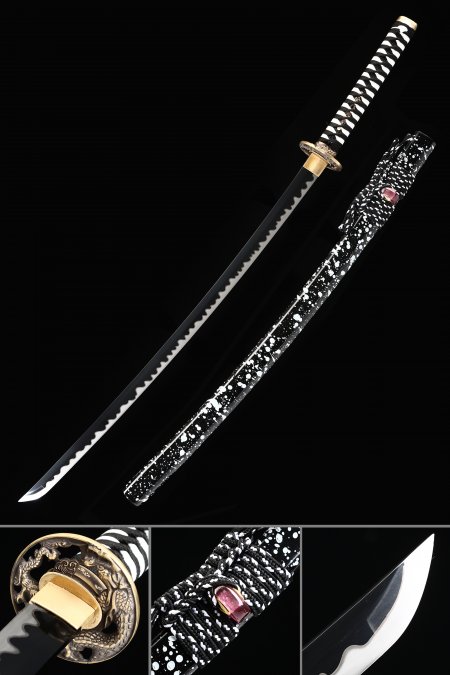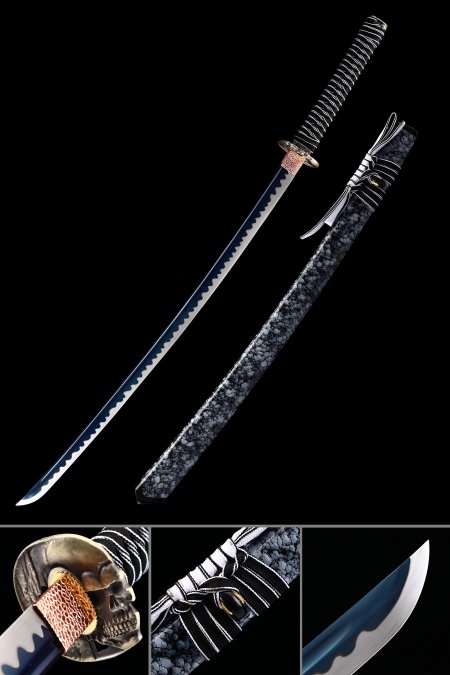
Marble Manganese Steel Katana

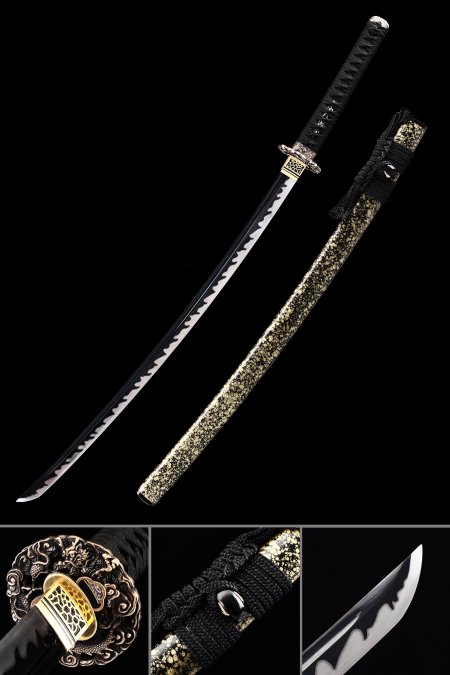
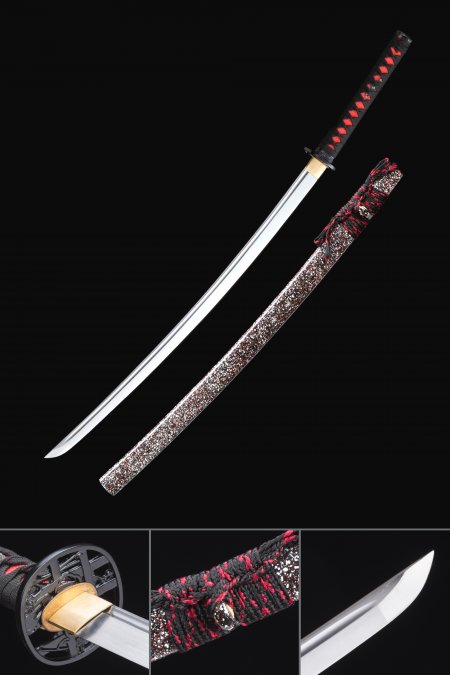
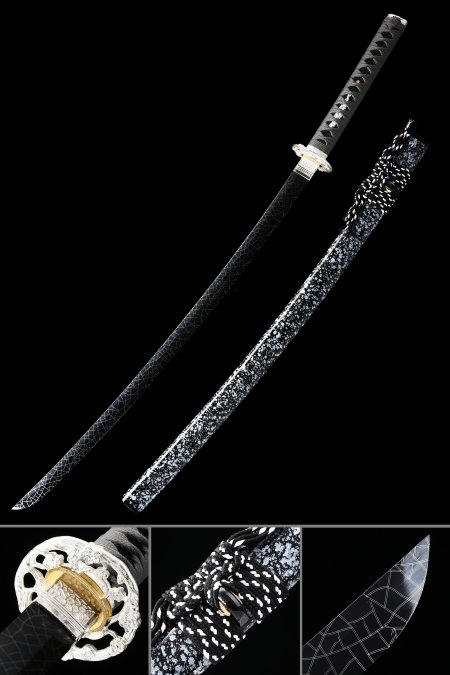
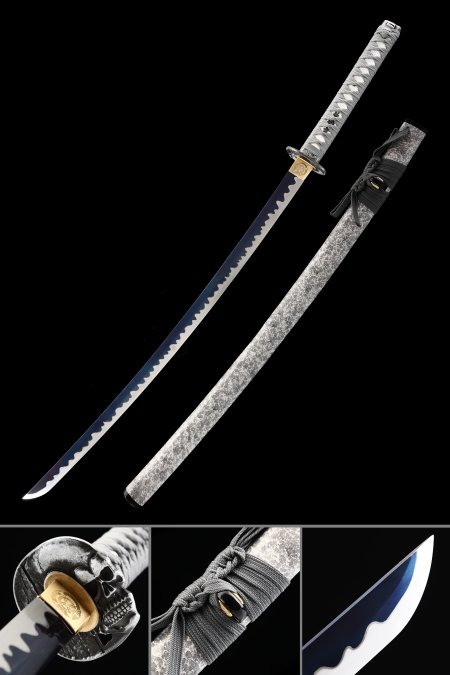
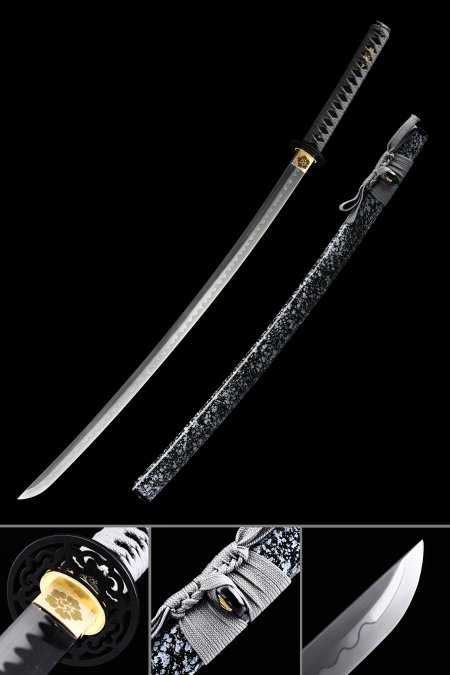
Marble Manganese Steel Katana brings together the ancient artistry of Japanese swordsmithing and the striking visual drama of stone-patterned saya. Each piece in this collection is full-tang, hand-forged from high manganese steel, and finished with meticulous attention to fittings — from dragon bronze tsuba to skull copper guards. Whether displayed as a centerpiece or added to a curated collection, every sword is crafted to impress the most discerning eye. Enjoy free shipping on your order and hassle-free returns.
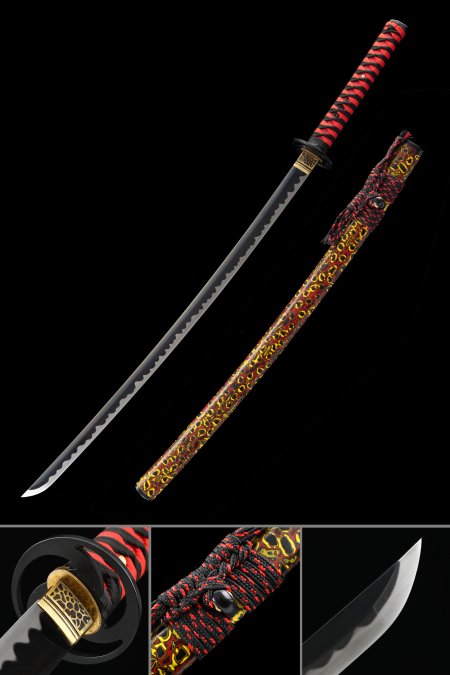
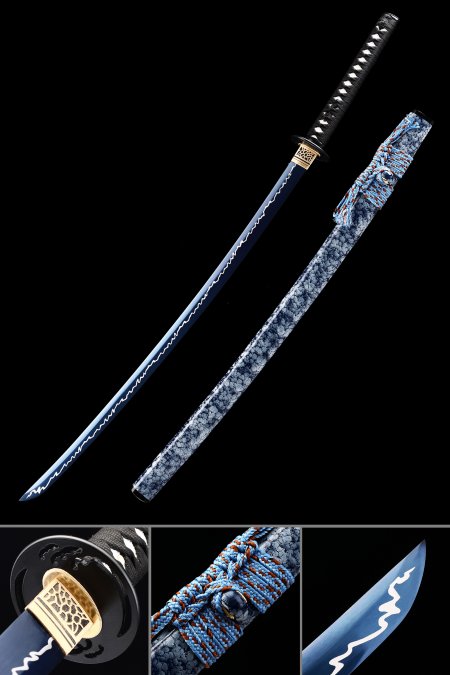
Showing 9 Products

Related Collections

Manganese Steel Ninjato101 items


295 Reviews

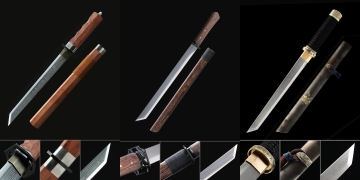
Manganese Steel Aikuchi4 items


7 Reviews

Manganese Steel Hamidashi21 items


32 Reviews

Frequently Asked Questions

What makes manganese steel a good choice for a collectible katana?
High manganese steel is valued in collectible swordsmithing for its favorable balance between surface hardness and structural flexibility. Unlike simpler carbon steels, manganese steel's alloy composition allows it to be polished to a deep, consistent sheen while maintaining enough toughness to hold its geometry over time without warping. For display collectors, this means a blade that stays visually impressive for years. For those who also appreciate functional authenticity, select pieces in this collection undergo clay tempering — a traditional Japanese technique that produces a genuine hamon along the edge, the same temper-line aesthetic found on historically significant blades. This dual character, decorative and technically sound, is why manganese steel has become a standard in quality collectible katana production.
How is the marble pattern on the saya actually created?
The marble-pattern finish on these saya is achieved through a multi-stage lacquerwork process rather than the use of actual stone. Craftsmen apply successive layers of lacquer in contrasting tones — typically black, white, grey, or silver — then manipulate the wet surface to create flowing veins and depth that closely mimic natural marble grain. Once cured, the surface is polished to a hard, smooth finish that protects the underlying saya material while giving it the visual weight of stone. Because each application is done by hand, no two saya are perfectly identical, which is part of what makes marble-finish pieces particularly appealing to collectors who value uniqueness in their display pieces.
How should I store a marble saya katana to preserve its finish?
Lacquered saya are more sensitive to environmental conditions than plain wood finishes, so storage environment matters. Keep your katana horizontally on a dedicated sword stand, edge facing upward in the traditional Japanese manner, and away from direct sunlight — UV exposure will gradually dull lacquer sheen and can cause micro-cracking over time. Maintain relative humidity between 40% and 60%; environments that are too dry cause lacquer to shrink and chip, while excess moisture can soften the bond between layers. Wipe the saya occasionally with a soft, dry cloth to remove dust. For the blade itself, apply a light coat of choji oil or mineral oil every few months using a clean patch cloth, then buff gently to prevent surface oxidation.
Can these katana be paired with a wakizashi for a daisho display?
Yes, and the pairing works particularly well when both pieces share a consistent blade treatment and saya aesthetic. A daisho — the paired long and short sword traditionally associated with samurai status — is one of the most recognized display formats in Japanese sword collecting. Several pieces in this collection use the same manganese steel construction and marble saya finishing found in the Blue Manganese Steel Wakizashi lineup, making it straightforward to assemble a visually cohesive matched set. When selecting pieces for a daisho display, collectors typically prioritize matching tsuba style, handle wrap color, and saya finish over strict size proportions. A dragon bronze tsuba katana paired with a dragon-themed wakizashi, for example, creates a thematically unified presentation even if the saya colors vary slightly.
What distinguishes these from the Leather Manganese Steel Katana collection?
The core blade material and full-tang construction are shared between both collections — the meaningful difference lies in the handle wrap and saya aesthetic. Leather-wrapped handles offer a firmer, more textured grip surface with a distinct tactile and visual character that reads as understated and utilitarian. The marble saya katana in this collection, by contrast, pair tsuka wraps in silk or synthetic ito with saya finished in stone-pattern lacquer, creating a presentation that is more ornamental and visually dramatic. Collectors who favor a sleek, monochrome display aesthetic tend to gravitate toward leather-handled pieces, while those building display arrangements around visual contrast and decorative lacquerwork typically prefer the marble saya lineup. Neither is superior — they serve different collecting sensibilities.

Customer Reviews

Bradley Blunt California, United States

Good evening, r
r
Upon receiving my new katana sword, I was absolutely thrilled at how beautiful it is and it appears to be very well made. It is lightweight and easy to handle! I can’t wait to practice wielding it so that I may become adept and proficient at its use! Thank you very kindly again! I’d also like to add that I will be sharing my appreciation of your craftsmanship with my friends and family, so they are aware of your quality product as well! r
r
Sincerely, Bradley Darin Bluntr
(Prospective Samurai)
Spring Steel Blue Blade Katana with Skull Copper Tsuba in Marble Stone Saya - Collectible Samurai Sword Spring Steel Blue Blade Katana with Skull Copper Tsuba in Marble Stone Saya - Collectible Samurai Sword