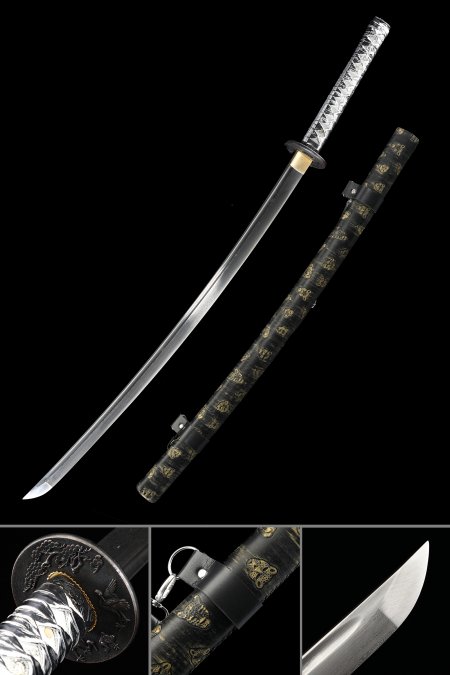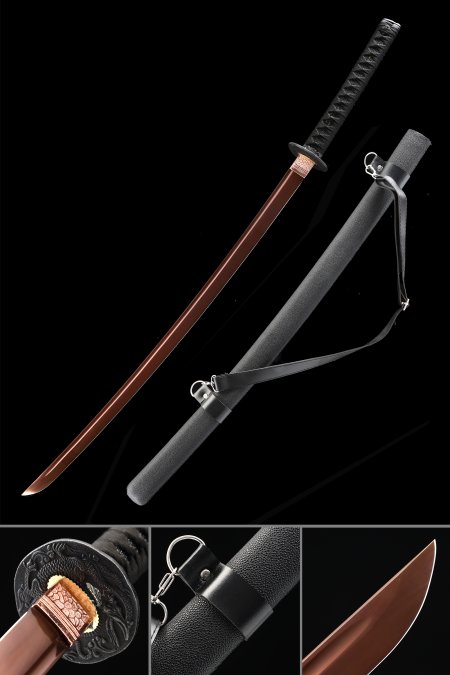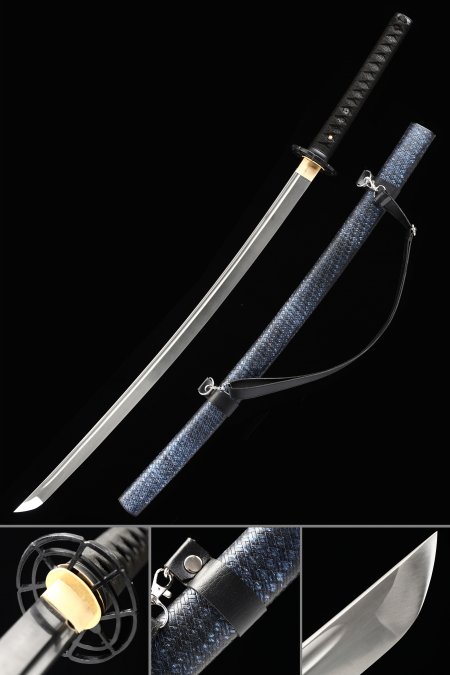
Leather Manganese Steel Katana

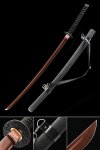
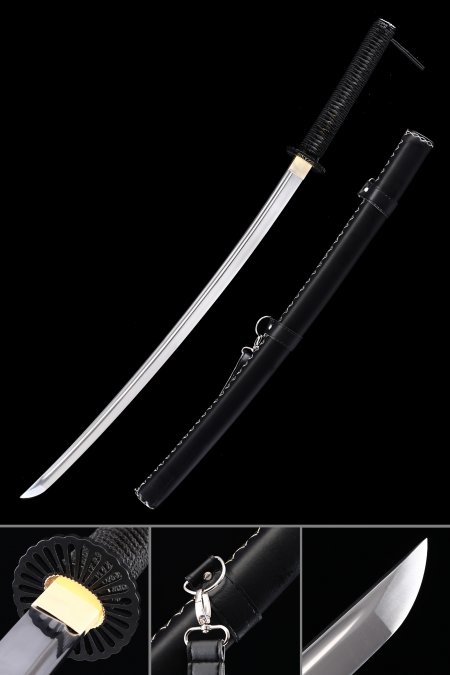
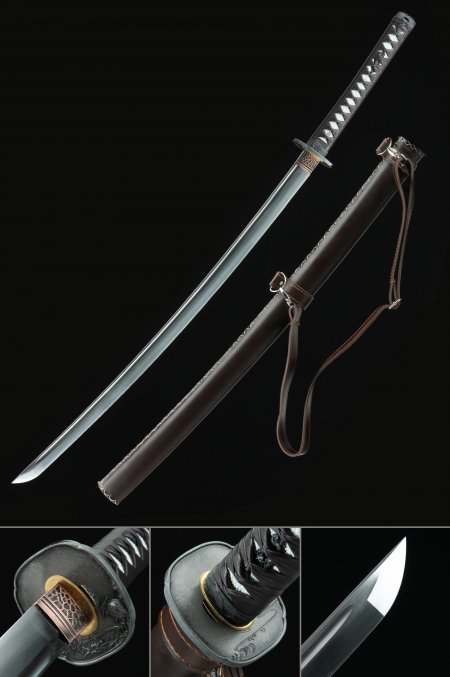
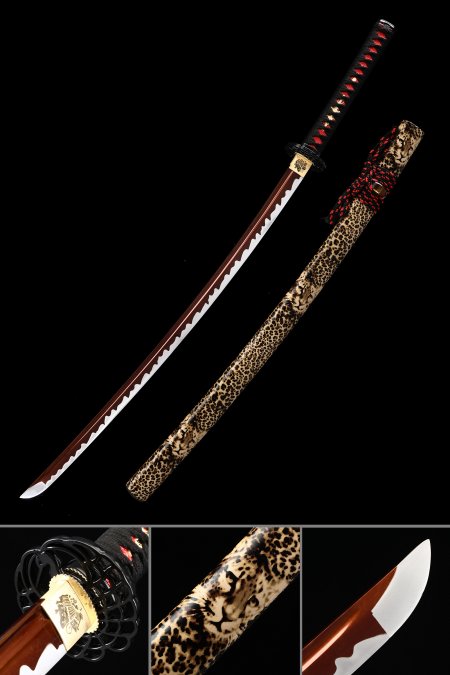
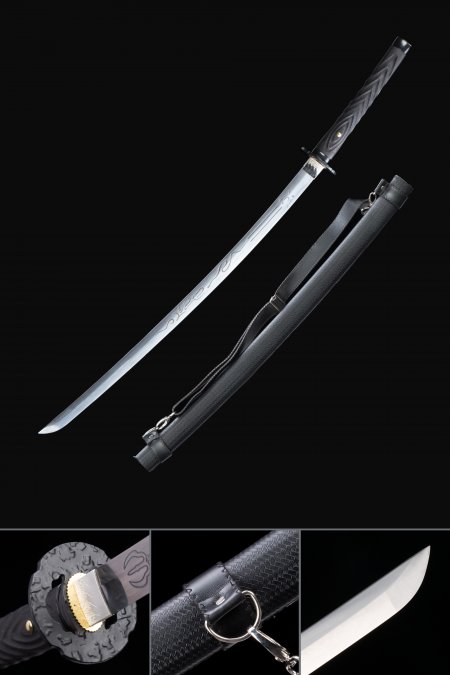
Leather Manganese Steel Katanas bring together two enduring traditions - the resilient flexibility of manganese spring steel and the refined elegance of hand-wrapped leather saya. Each blade in this collection is full-tang, hand-forged, and fitted with meticulously crafted koshirae including iron tsuba, genuine rayskin, and cord-wrapped tsuka. Whether displayed on a stand or added to a serious collection, these katanas reward close inspection at every detail. Enjoy free standard shipping on your order, plus hassle-free returns for complete peace of mind.
Showing 8 Products

Related Collections

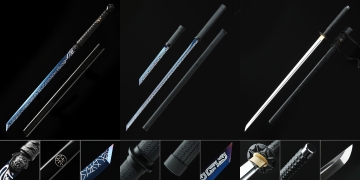
Manganese Steel Ninjato101 items


295 Reviews

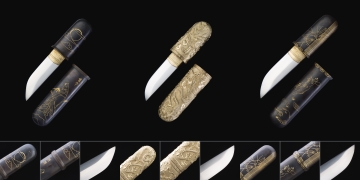
Manganese Steel Aikuchi4 items


7 Reviews

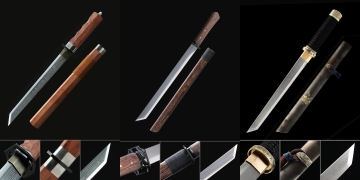
Manganese Steel Hamidashi21 items


32 Reviews

Frequently Asked Questions

What makes manganese steel a good choice for collectible katanas?
Manganese spring steel contains a higher manganese content than standard carbon steel, which gives the alloy a notable degree of springback flexibility. Rather than snapping under lateral stress, the blade flexes and returns - a characteristic that collectors who also appreciate functional quality tend to value. For display purposes, this translates into a blade that holds its geometry over time without becoming structurally compromised by temperature shifts or accidental impact. It also takes a well-defined edge geometry during grinding, allowing craftsmen to produce a clean kissaki and a consistent shinogi line that looks sharp and intentional under gallery lighting.
How does a leather saya differ from a lacquered wooden saya?
Traditional Japanese lacquered wood saya - typically made from magnolia - is prized for its lightweight construction and tight blade fit. Leather saya, by contrast, wraps or molds cured hide around a wooden or resin core, resulting in a scabbard that is more resistant to surface scratching and carries a distinctly different visual texture. Leather ages in a way lacquer does not, developing a natural patina that deepens with handling and time. For collectors who prefer a Western-influenced or hybrid aesthetic, leather saya offer a compelling alternative that still respects the proportions and function of traditional Japanese sword furniture. The strap fittings found on several pieces in this collection also add a practical display-carrying element that lacquered saya typically lack.
How should I maintain the leather saya on my katana?
Leather requires periodic conditioning to stay supple and prevent cracking, especially in environments with low humidity or seasonal temperature changes. Apply a dedicated leather conditioner - avoid products containing silicone or petroleum distillates - two to three times per year using a soft cloth, working it in gently and allowing it to absorb before buffing. Keep the saya away from prolonged direct sunlight, which fades and dries the material over time. For the blade itself, wipe with a clean microfiber cloth after handling to remove fingerprint oils, then apply a thin coat of choji oil every few months to prevent oxidation. Store horizontally or on a proper katana stand with the edge facing upward, in a stable, low-humidity space.
Can these katanas be displayed as part of a daisho set?
Yes - building a daisho display around pieces from this collection is very achievable. A daisho traditionally pairs a katana with a wakizashi in matching or complementary koshirae. The Black Manganese Steel Wakizashi collection shares the same forging tradition and offers several fittings - including iron tsuba and cord-wrapped handles - that coordinate visually with the katanas here. For a three-piece display, adding a tanto from the White Manganese Steel Tanto collection rounds out the set. When selecting pieces for a unified display, prioritize consistent tsuba material (iron throughout), matching cord color, and compatible saya finish to create a visually coherent grouping rather than an assortment of unrelated blades.
What do the different tsuba designs represent on these katanas?
The tsuba - the handguard positioned between blade and handle - serves both a protective and a decorative function in traditional Japanese sword design, and its motifs carry cultural meaning. Chrysanthemum designs are associated with the imperial family and themes of longevity and refinement. Dragon motifs represent strength, wisdom, and transformation in East Asian symbolism, making them a popular choice for display pieces intended to convey presence and authority. Snake or serpentine tsuba carry associations with adaptability and guardianship in Japanese folklore. Selecting a tsuba motif is one of the more personal decisions a collector makes, since it sets the thematic tone for the entire piece and influences how the sword reads on a display stand or in a collection context.

Customer Reviews

Ross Nichols Oregon, United States

Couldn't find anything wrong with this looker other than a slight pop or tink when I aggressively swing it coming from the suba, wich isn't a problem because this is for showing not cutting(wich it would without any doubt). Its beautiful artistic harmon is excellent and the leather handle is flawless and very grippy really like the leather and the fishscale Saya is flawless and awesome and the fit is flush and tight enough to hold upside-down , worth every penny.

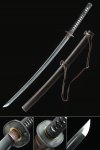
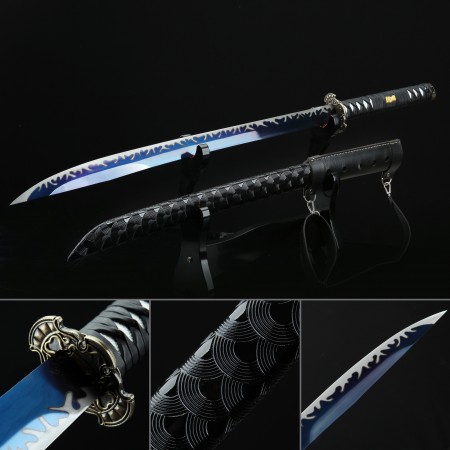
Clay-Tempered T10 Steel Katana with Blue Hamon Finish in Black PU Leather Saya - Full Tang Collectible Clay-Tempered T10 Steel Katana with Blue Hamon Finish in Black PU Leather Saya - Full Tang Collectible