Black Damascus Steel Tanto
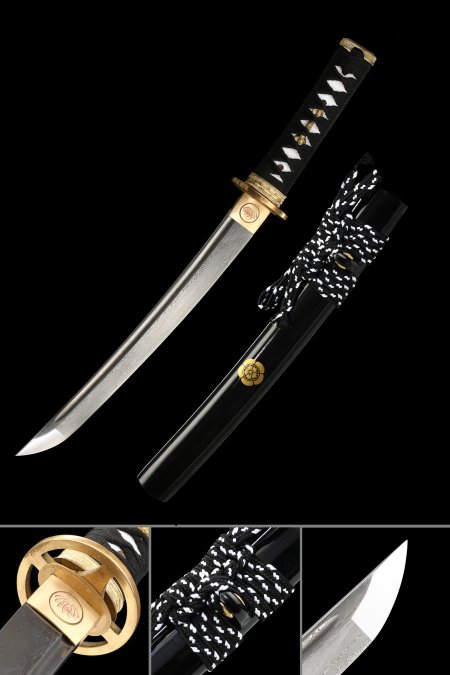
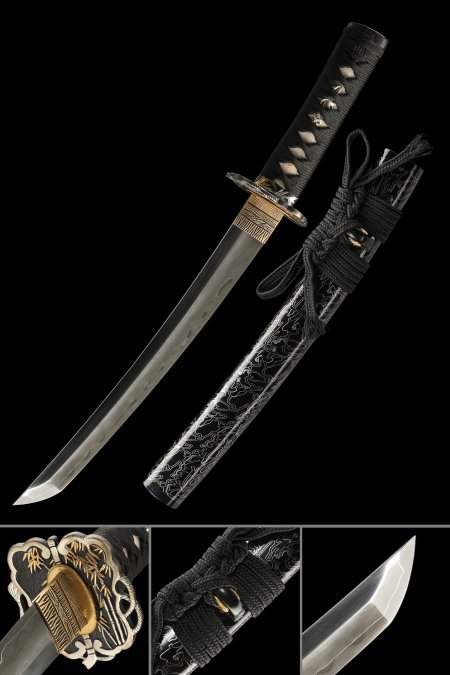
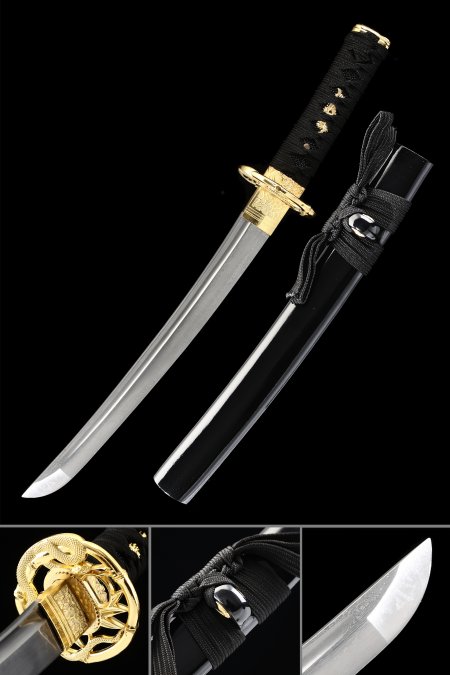
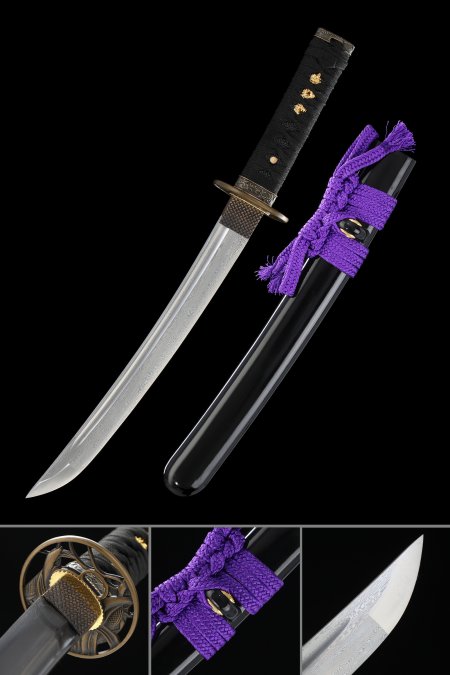
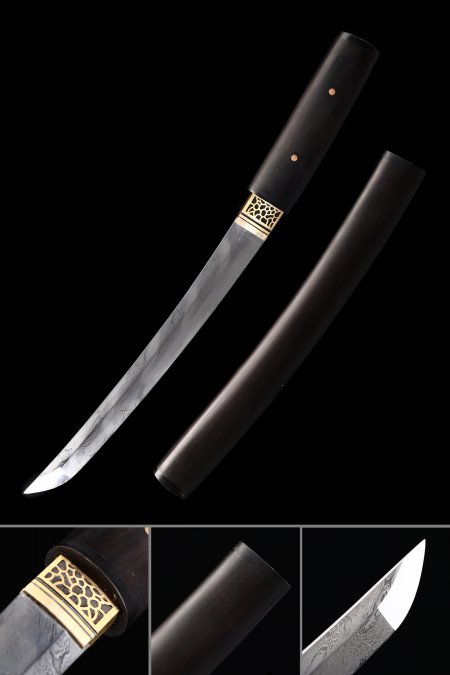
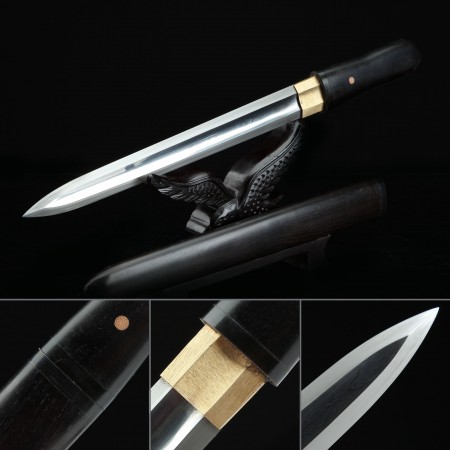
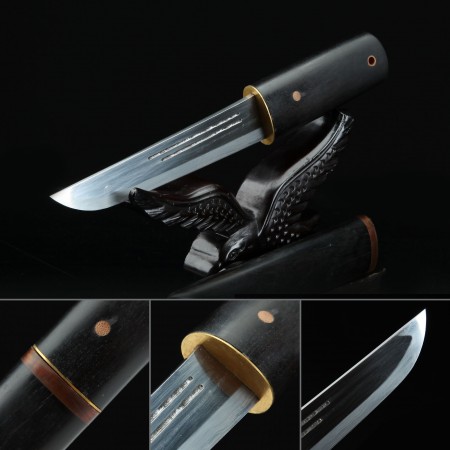
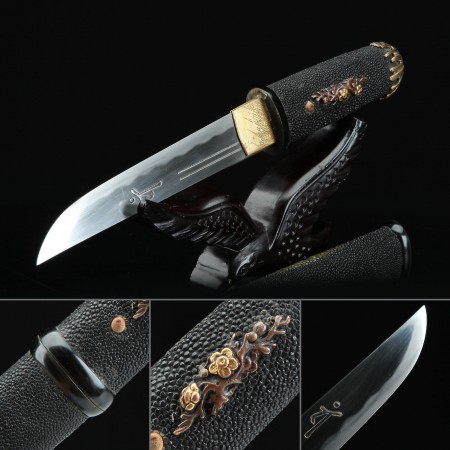
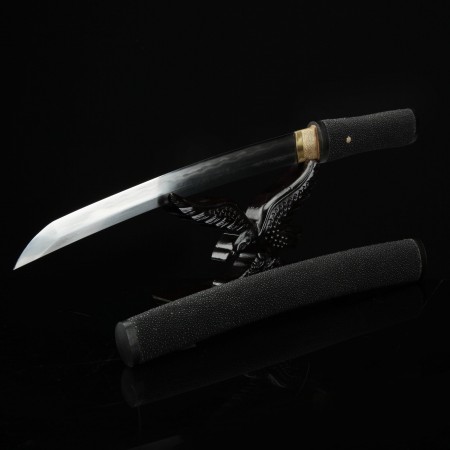
Black Damascus Steel Tanto brings together centuries of Japanese blade tradition and the unmistakable visual depth of layered Damascus patterning - finished in a dark, striking aesthetic that collectors immediately recognize. Each piece in this collection is hand-forged with full-tang construction, dressed in genuine rayskin, lacquered hardwood, or sandalwood saya, and fitted with carefully chosen tsuba and habaki hardware. Every tanto here is a displayable work of craft, not a factory impression. Free standard shipping is included on all orders, with hassle-free returns so you can collect with complete confidence.
Related Collections
Frequently Asked Questions
What makes Damascus steel visually different from standard high-carbon steel?
What is the difference between Aikuchi and Shirasaya tanto mountings?
Is real rayskin (samegawa) meaningfully different from synthetic wrapping on a tanto?
How should I store and maintain a black Damascus tanto on long-term display?
Does tanto blade length affect its value or appeal as a collectible display piece?
Customer Reviews
Love it. It’s a beautiful work of art proud to have it. Great for my collection.
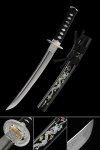 |
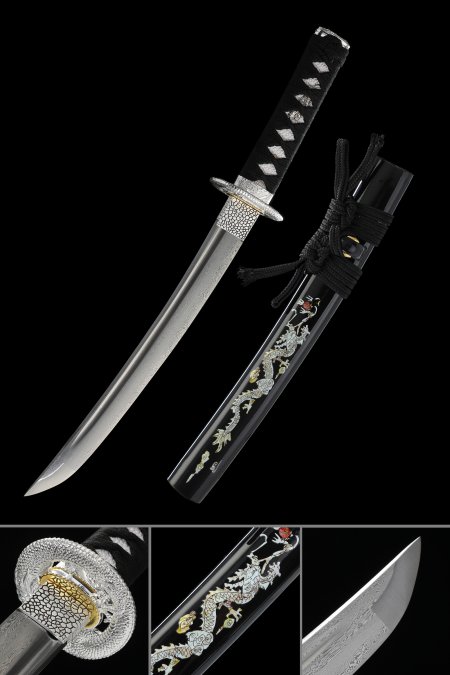
Damascus Steel Tanto with Dragon Hand-Painted Black Saya - Silver Alloy Tsuba, Black Cord |
Купила на подарок для мужа ,поэтому сказать его реакцию пока не могу,все еще впереди. Но могу сказать ,что выглядит в точности,как на фото,для ценителей прекрасного -самое то.Надеюсь,что и качество себя оправдает.Благодарю за быструю доставку и хорошую упаковку
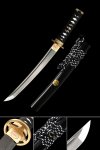 |
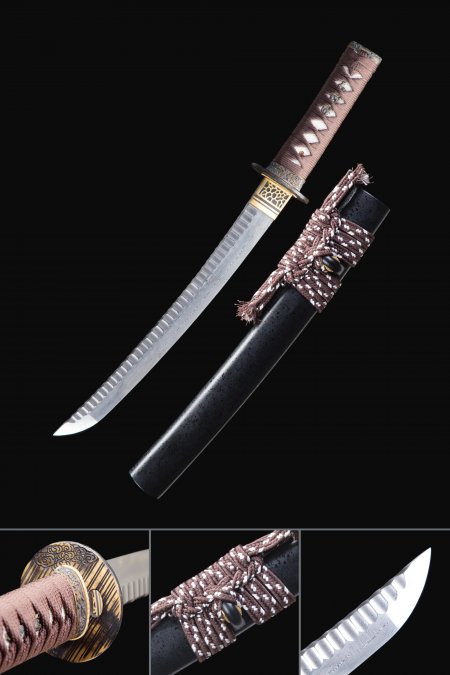
Damascus Steel Tanto with Black-White Cord Handle in Gold Alloy Tsuba - Full Tang Japanese Short Tanto |
Extremely happy with my first purchase from TrueKatana!!! Absolutely beautiful. Came as pictured. Wish it was a bit sharper but great quality steelwork.
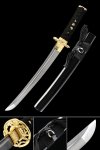 |
T10 Steel Tanto with Gold Dragon Tsuba - Black Saya & Cord Handle, 21-Inch Collectible |
Bonjour , mon couteau TANTO est de très belle finition , et je suis très satisfait de sa qualité , ainsi que pour mes quatre précédant katana que je vous ai acheté .
Le problème que je rencontre , est le manque de sérieux des transporteurs , j'ai deux katanas que je vous ai acheté qui on disparu de façon définitive à l'arrivée en Belgique après des semaines de tracasseries administratives ,et je n'ai pas eu de remplacement ?
Et aussi la grande différance des délais de livraisons d'une commande à l'autre .
En tous , je vous ai acheté sept katana pour ma collection .
Je félicite les forgerons pour la qualité de leurs travail .
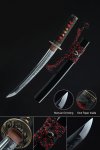 |
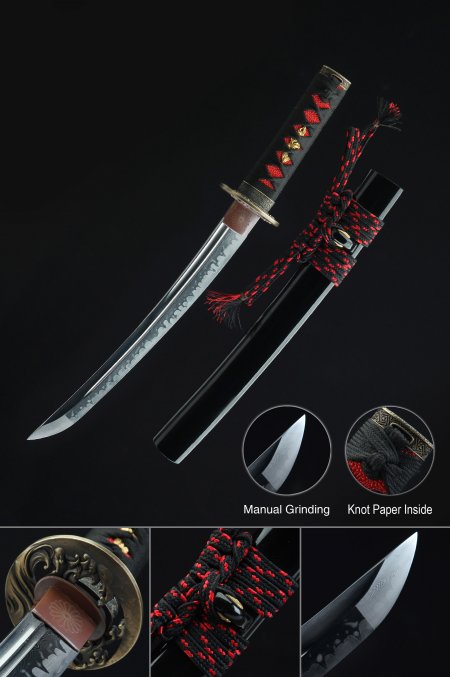
Clay Tempered T10 Damascus Steel Japanese Tanto with Hamon Line in Black and Red Ito Wrap |
The package arrived in good shape and a few days earlier than expected.
The Shirasaya Tanto TK-JZ-KT-L190016 shortsword appears to be well made and of good quality. I will put a final edge on the blade and polish up the brass fittings to bring it to it ‘s full potential . I am very satisfied.
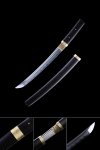 |
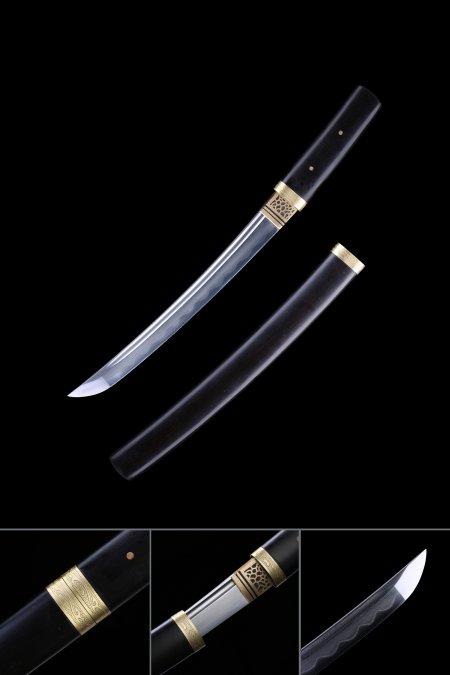
Damascus Steel Shirasaya Tanto with Clay-Tempered Hamon in Black Sandalwood Saya with Copper Fittings |
Love the quality and the craftsmanship on it. My problem is that the blade doesn't stick well on to the saya and the tsuba is bent by a little bit. Other than that, looks great.
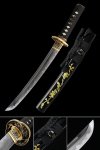 |
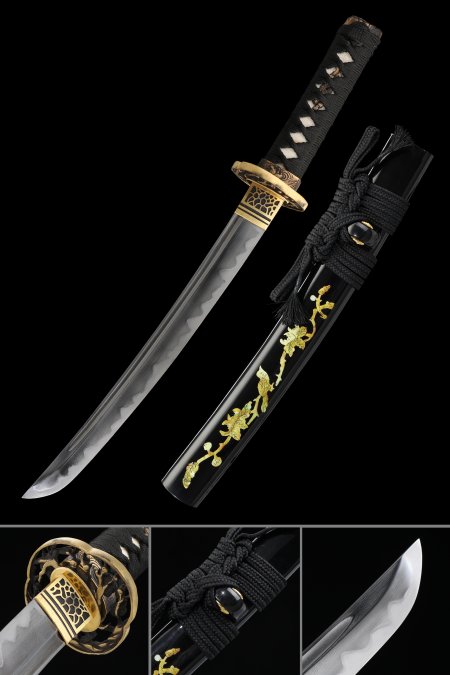
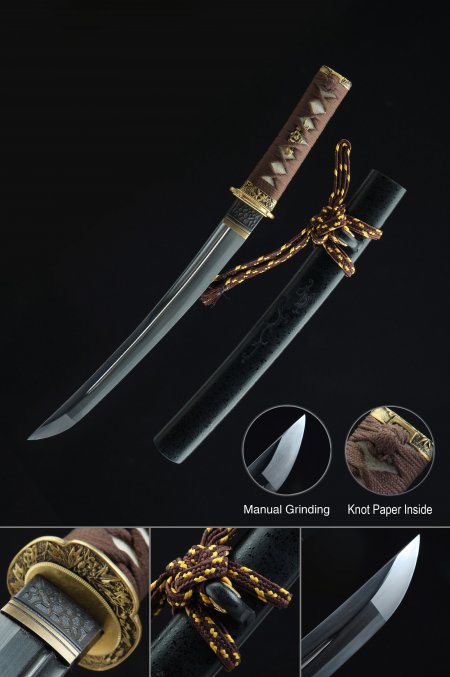
Damascus Steel Tanto with Gold Dragon Tsuba in Black Lacquer Saya - Flower Hand-Painted Koshirae |
I live in Australia and I received the item quite quickly (fantastic). The item itself was of very high quality, and came as described. Highly recommended.
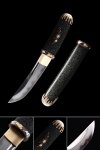 |
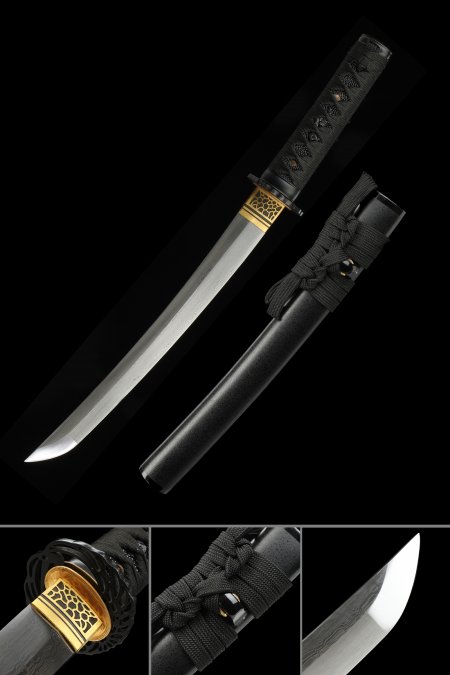
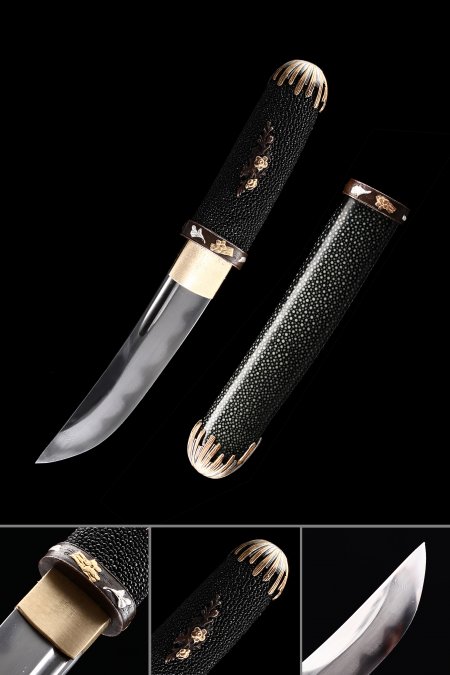
Damascus Steel Tanto Aikuchi with Real Rayskin Saya - Black Samegawa, Gold Fittings |
The blade is expertly crafted. The piece presents as truly understated elegance. I will be shopping here again.
|
Damascus Steel Shirasaya Tanto with Clay-Tempered Hamon in Black Sandalwood Saya with Copper Fittings |