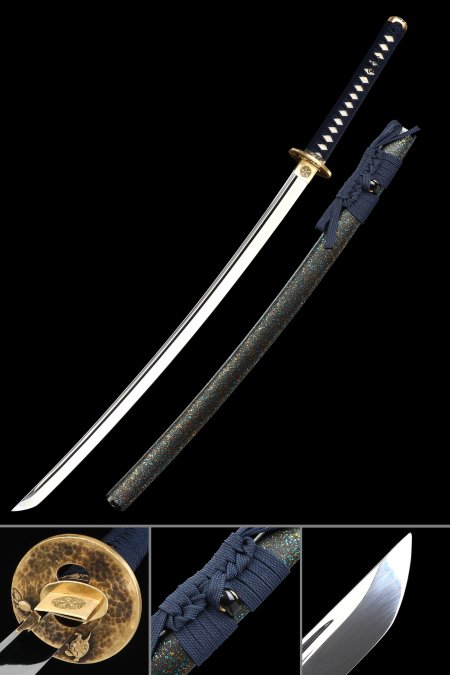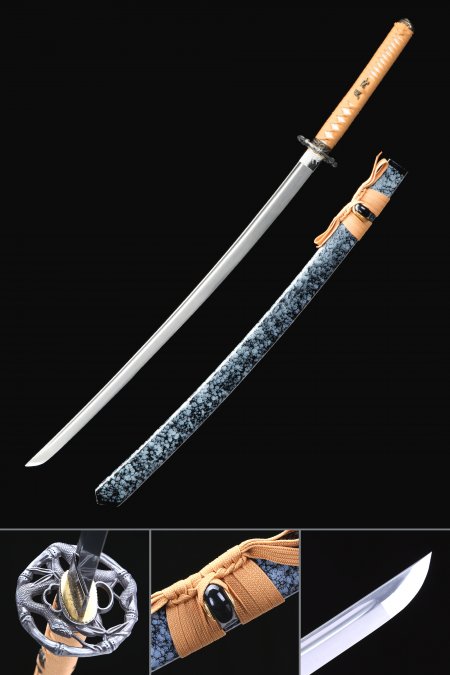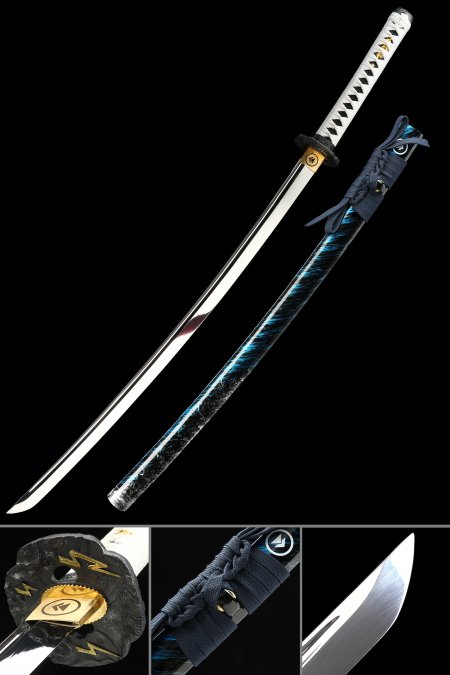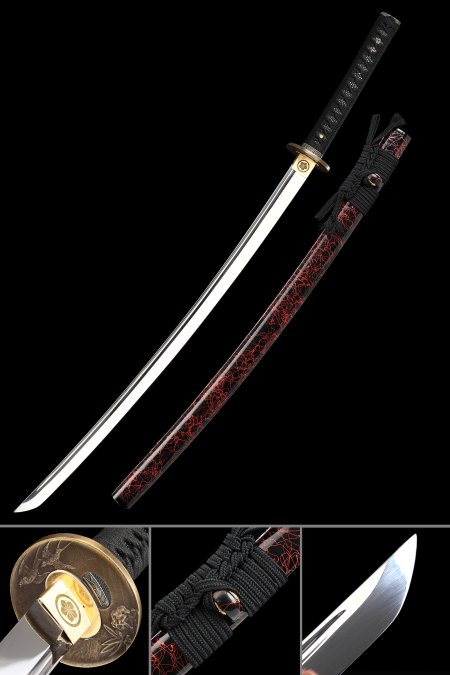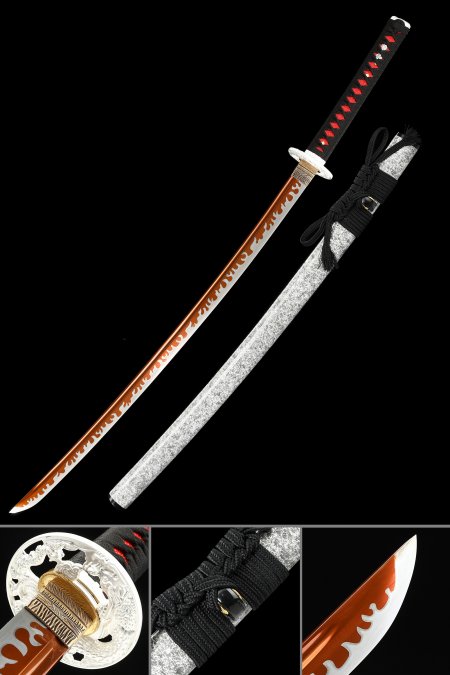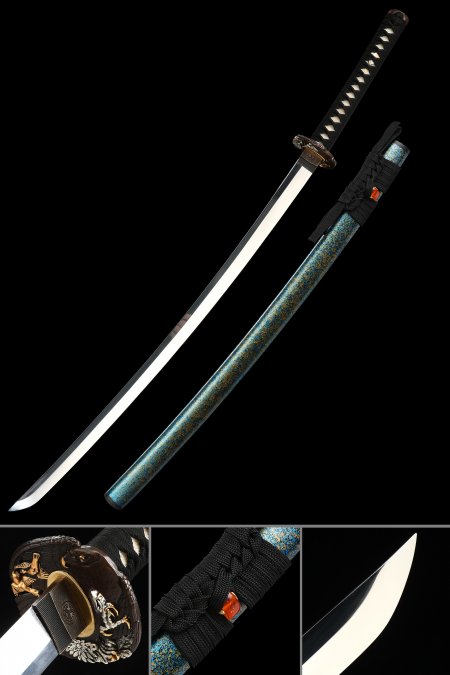
Marble 1095 Carbon Steel Katana

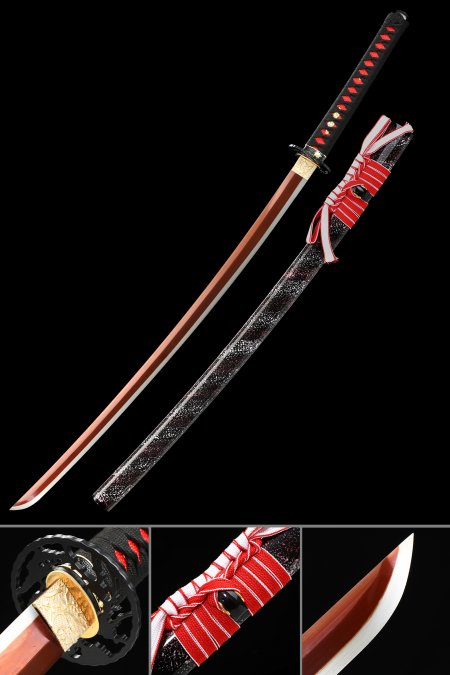
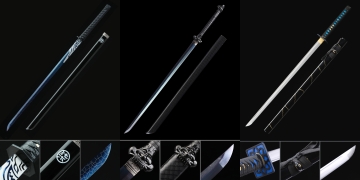
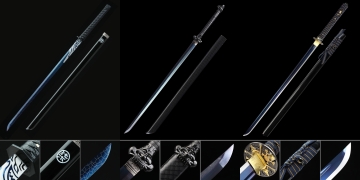
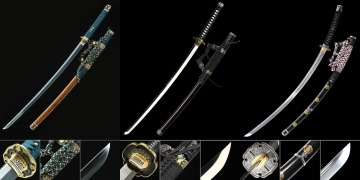
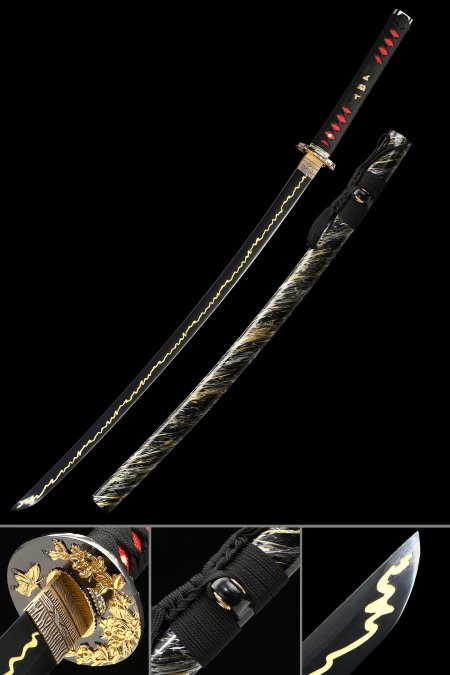
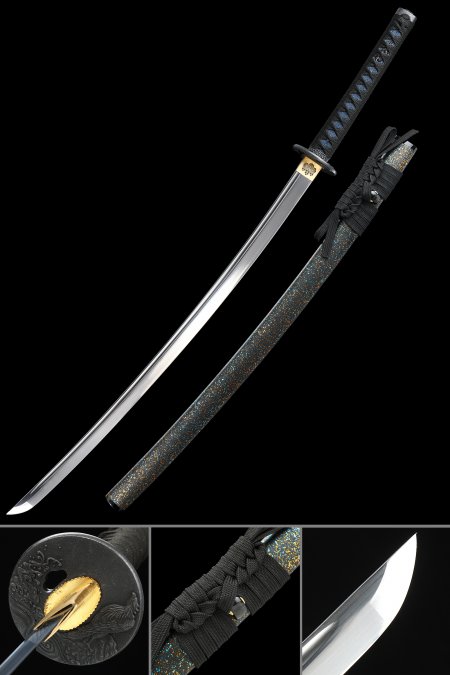
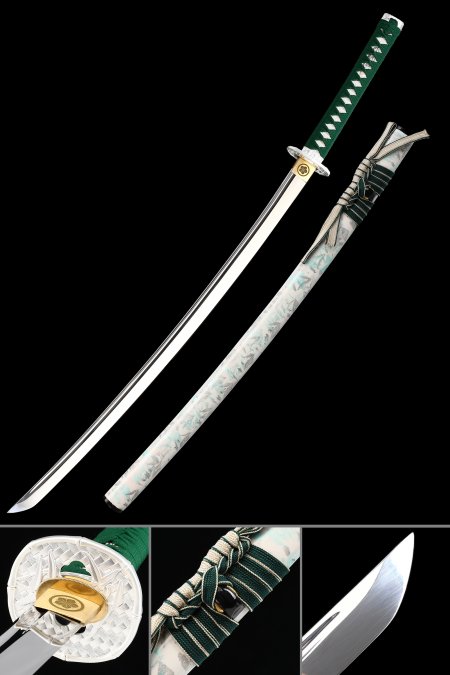
Marble 1095 Carbon Steel Katanas bring together the structural integrity of high-carbon steel and the visual drama of marbled lacquer sayas, ornate tsuba, and hand-wrapped ito - each piece crafted as a gallery-worthy collectible that commands attention on any display. Every sword in this collection is hand-forged from 1095 high-carbon steel, featuring full-tang construction and clay-tempered blades finished with genuine hamon for the discerning collector who values authenticity as much as aesthetics. Enjoy free shipping on your order, backed by our hassle-free return policy.
Showing 10 Products

Related Collections

Frequently Asked Questions

What makes 1095 carbon steel distinct for katana collecting?
1095 carbon steel is a plain high-carbon alloy with approximately 0.95% carbon content, which places it in a range historically associated with Japanese sword construction. Its primary collectible advantage is the hamon - the visible temper line produced through clay-tempering, where the blade spine is coated in clay before quenching, causing the edge to harden rapidly while the spine remains relatively soft. This differential hardness creates a bright, crystalline boundary that is unique to each blade and cannot be replicated by machine or etching. Unlike stainless steel, 1095 also develops a natural patina over time, which many collectors regard as a marker of authenticity. It responds to polishing, oil treatment, and environmental exposure in ways that make each blade a living object rather than a static display piece.
How are the marble-finish sayas on these katanas made?
The marbled saya finish is achieved through a layered lacquer process applied over a hardwood saya core - typically magnolia or a comparable close-grained wood chosen for its dimensional stability. Multiple coats of lacquer are applied in sequence, with color pigments introduced and manipulated between layers to create the veining, flecking, or gradient effects that simulate marble, granite, or galaxy-stone patterns. Some finishes incorporate metallic powders or contrasting pigment pours during wet stages to produce depth and movement within the surface. The final coats are sealed and lightly polished, creating a smooth, durable finish that protects the wood beneath. This technique draws from traditional Japanese lacquerware (urushi-nuri) methods adapted for contemporary decorative sword furniture, giving each saya a handcrafted surface that varies slightly between pieces.
How does 1095 steel compare to T10 for display katanas?
Both 1095 and T10 are high-carbon blade steels capable of producing a genuine clay-tempered hamon, but their grain structures differ in one key way: T10 contains a small percentage of tungsten (approximately 0.25%), which refines the carbide grain and produces a finer, more densely textured hamon with tighter nie (crystalline particles) visible under magnification. 1095, without tungsten, tends to produce a broader, more flowing hamon with visible nioi clouds - a slightly different aesthetic quality that many collectors find equally appealing. For display purposes, the choice often comes down to visual preference and the surrounding collection context. T10 blades also tend to hold a finer polish edge, while 1095 develops its patina more readily, offering a different kind of character as a long-term collectible.
What's the right way to store and maintain these katanas?
For collectors displaying these katanas, horizontal storage on a dedicated katana stand is the traditional approach, with the edge (ha) facing upward in the saya - this orientation honors classical sword etiquette and reduces habaki stress over extended periods. The blade should be lightly coated with choji oil (a light mineral oil traditionally mixed with clove oil) every three to four months using a soft nuguigami cloth, wiping from the habaki toward the tip in a single direction. Avoid fingerprints on the bare blade, as skin oils accelerate oxidation on 1095 carbon steel. Store in a low-humidity environment away from direct sunlight, which can degrade lacquer finishes and ito wrapping over time. Inspect the mekugi pin annually to confirm it remains secure in the mekugi-ana, and re-tap lightly if any looseness develops between the tsuka and nakago.
Are these katanas suitable as display gifts for collectors?
Marble 1095 katanas make particularly strong collector gifts because each piece offers multiple layers of interest: the metallurgical authenticity of a clay-tempered 1095 hamon, the decorative craftsmanship of a marbled lacquer saya, and the thematic coherence of matched tsuba motifs - cranes, dragons, phoenixes, chrysanthemums - that carry cultural resonance within Japanese sword tradition. The full koshirae presentation (blade, saya, tsuka, tsuba, habaki, and fittings assembled as a complete set) means the piece arrives display-ready without requiring additional accessories. For collectors who already own Japanese blades in more traditional finishes, a marble-saya katana offers meaningful contrast as a statement piece. Pairing suggestions include complementing a marble katana with a more classically finished piece from our 1045 Carbon Steel Shirasaya collection for a display that spans both decorative and minimalist aesthetic traditions.

Customer Reviews