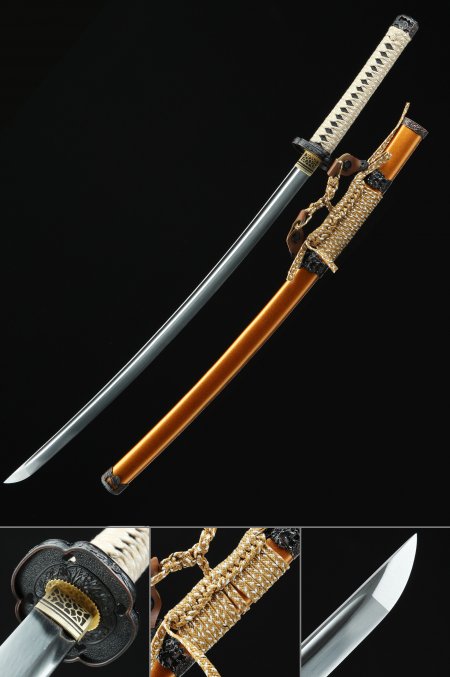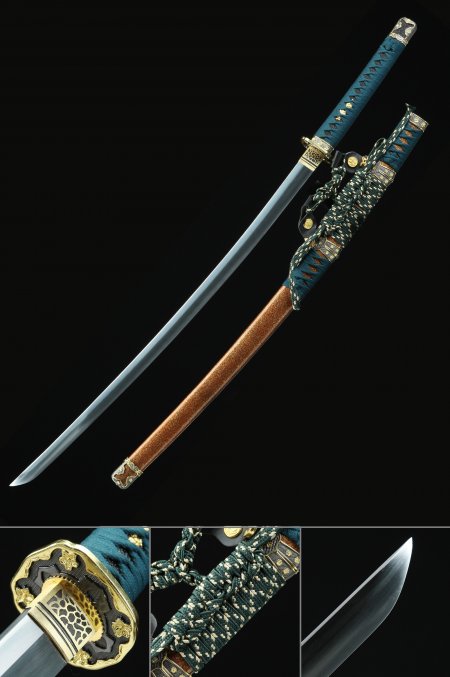
1095 Carbon Steel Tachi Swords

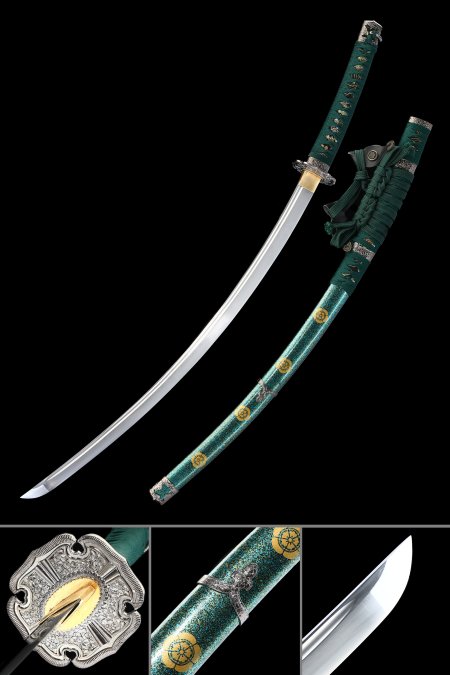
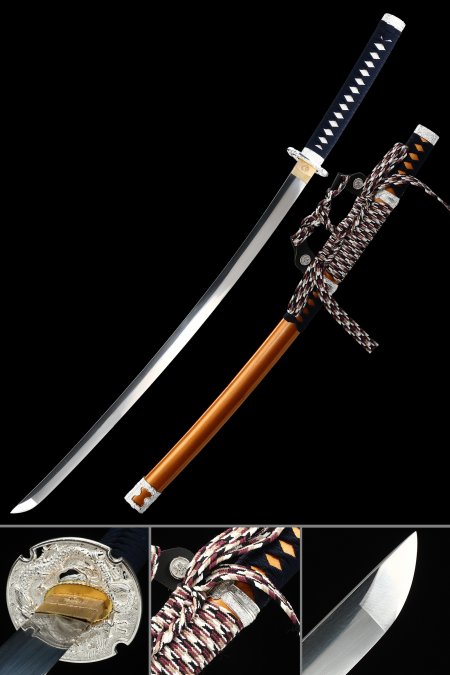
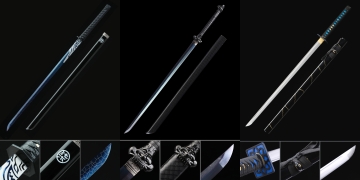
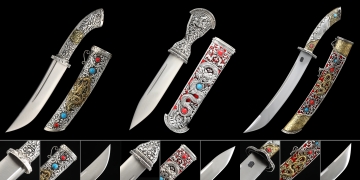
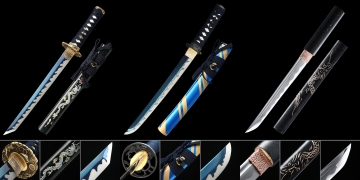
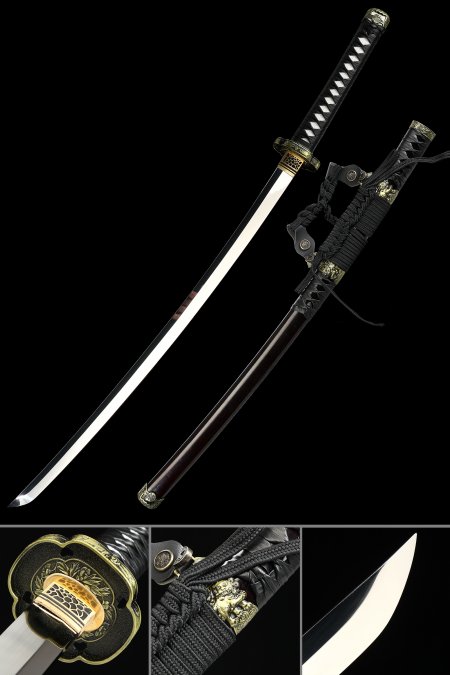
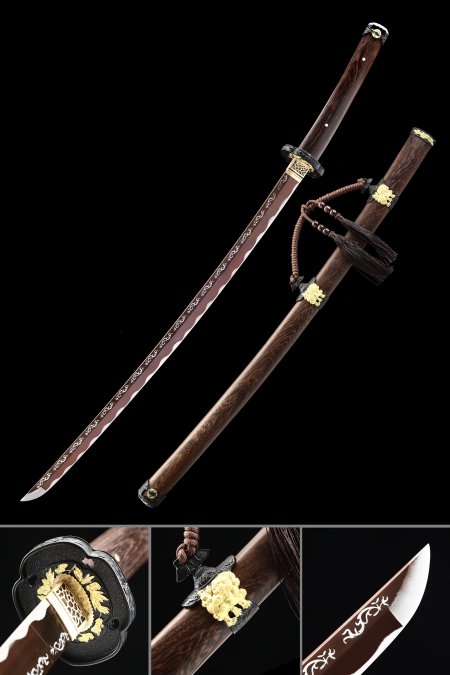
Few historical sword forms command the reverence of the tachi - a long, deeply curved blade worn edge-down, purpose-built for mounted samurai and later elevated into a pinnacle of Japanese smithing artistry. Our 1095 carbon steel tachi swords honor that legacy through hand-forged construction, full-tang architecture, and meticulously fitted components ranging from chrysanthemum tsuba to lacquered hardwood saya in striking colors. Each piece is crafted for discerning collectors who value authenticity in both steel and aesthetics. Enjoy free shipping on your order, backed by our hassle-free return policy.
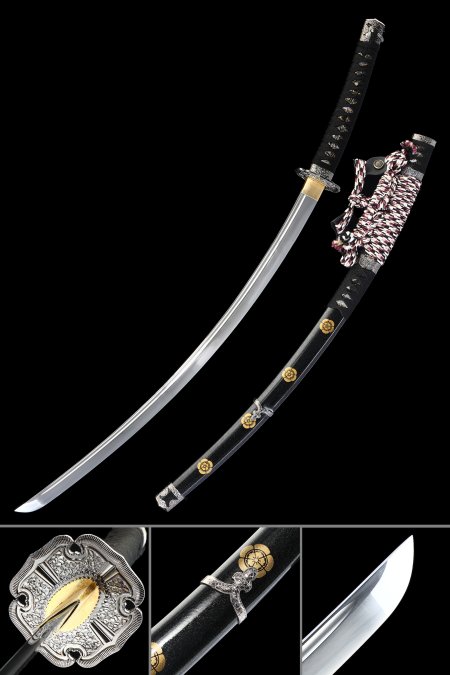
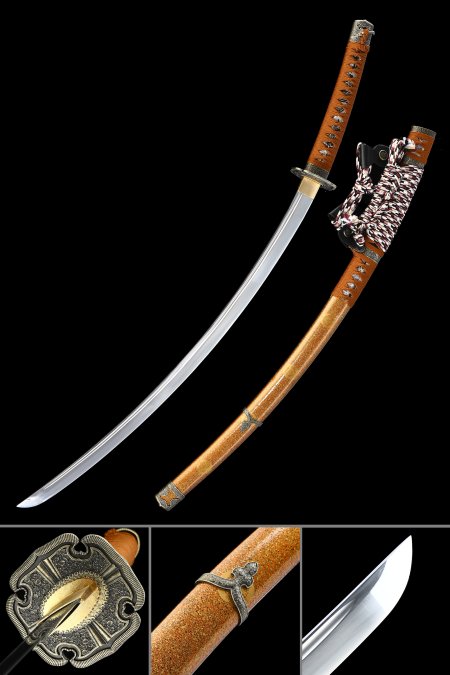
Showing 9 Products

Related Collections

Frequently Asked Questions

What makes 1095 carbon steel a preferred choice for tachi swords?
1095 carbon steel contains roughly 0.95% carbon, placing it in the high-carbon range that traditional Japanese smiths favored for its balance of hardness and workability. When properly heat-treated, it achieves an edge that holds definition well under repeated use, making it suitable for test cutting as well as long-term display. Compared to stainless steel, 1095 develops a more authentic hamon when clay tempered - the temper line visible along the blade that results from differential hardening between the edge and spine. This hamon is not merely decorative; it reflects genuine metallurgical work done during the forging process, which is why knowledgeable collectors specifically seek it out as a marker of quality craftsmanship.
How does a tachi differ from a katana in design and display?
The tachi is generally longer than a katana and features a more pronounced curvature along its entire length, rather than the curvature concentrated closer to the tip that defines many katana profiles. The most immediately visible difference in display is orientation: a tachi is traditionally hung edge-down on a sword rack, while a katana is displayed edge-up. This distinction traces directly to their historical use - the tachi was designed to be drawn by a mounted warrior in a downward arc, while the katana's edge-up carry allowed faster drawing on foot. For collectors, this means a tachi display communicates a different historical chapter of samurai culture and often commands a more prominent visual presence due to its greater blade length.
What is clay tempering, and which tachi pieces in this collection feature it?
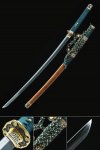
Clay tempering is a heat-treatment technique in which a mixture of clay is applied along the spine and flat of the blade before the quench, leaving only the edge area exposed. During the rapid quench in water or oil, the uncoated edge cools faster and achieves greater hardness, while the clay-insulated spine cools more slowly, remaining tougher and more flexible. The result is a blade with a visible hamon - the wavy or straight line separating the harder edge from the softer body - which is one of the most prized visual features in Japanese sword collecting. The clay tempered 1095 carbon steel tachi with teal ito wrap in this collection explicitly undergoes this process, producing a blade with both authentic structural character and strong display appeal.
How should I maintain a carbon steel tachi as a display piece?
High-carbon steel like 1095 will oxidize if left exposed to moisture without protection, so routine maintenance is essential even for pieces kept purely on display. Every two to three months, apply a thin coat of choji oil - a traditional blend of clove oil and mineral oil - or a plain food-grade mineral oil across the entire blade surface using a soft cloth. Before re-oiling, wipe away the previous coat with a clean patch to prevent buildup. Store the tachi horizontally on a dedicated sword stand or in its saya in a climate-controlled space away from direct sunlight, which can dull lacquer finishes on the saya over time. Avoid storing blades in leather-lined enclosures long-term, as leather can trap moisture against the steel surface.
Is the 3-piece odachi set a good choice for starting a collection?
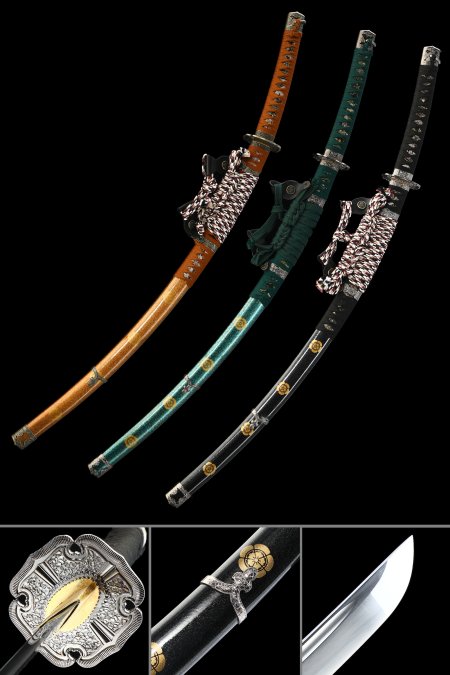
The 3-piece 1095 carbon steel odachi set - with coordinating saya lacquered in orange, teal, and black - offers a compelling entry point for collectors who want immediate visual impact and thematic cohesion. Displaying three swords of the same form but in distinct color treatments illustrates how Japanese sword aesthetics treat the saya as an expressive element in its own right, not just a protective sheath. It also gives a new collector a foundation to build around: adding pieces with contrasting tsuba designs or blade finishes creates depth and dialogue within the display. For collectors interested in exploring the broader tachi and long-sword category further, the Horse Theme Saya Tachi Swords collection offers thematically distinct saya artwork that pairs naturally alongside lacquered pieces.

Customer Reviews

Cart 0 Items

Your cart is empty