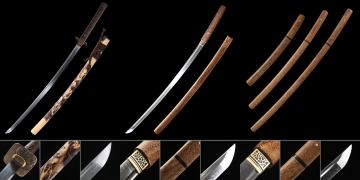
T10 Carbon Steel Tachi Swords

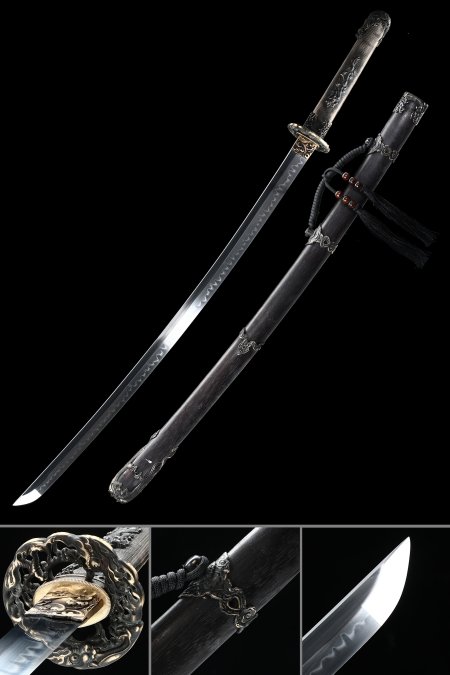
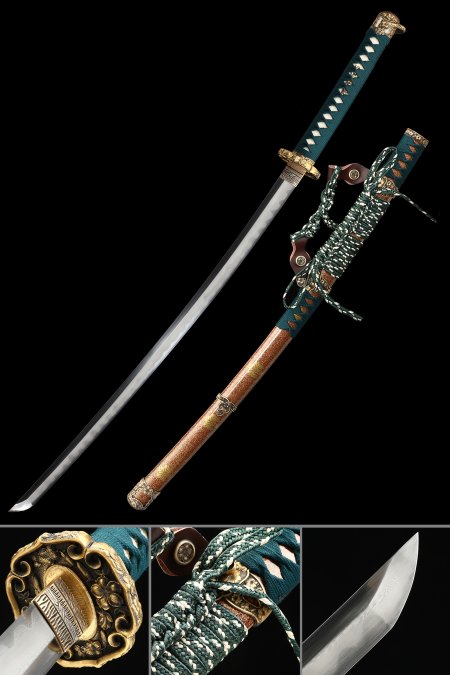
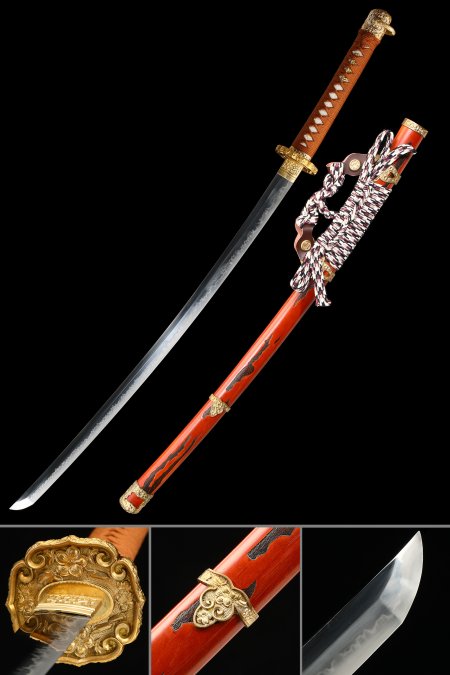
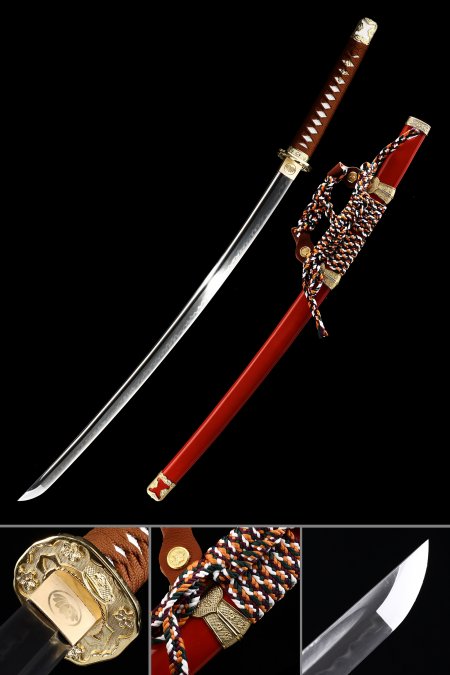
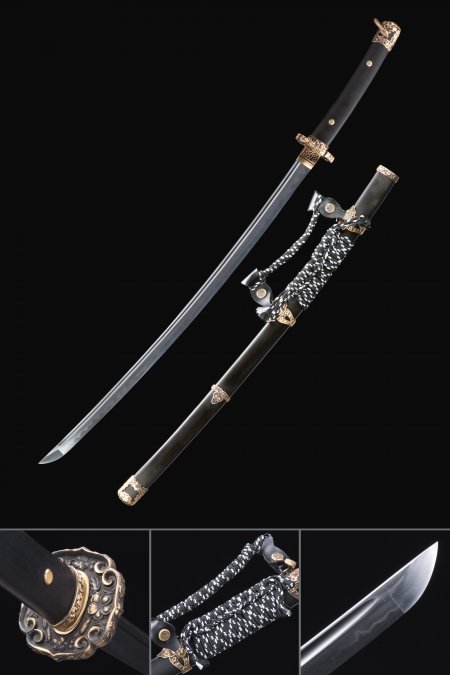
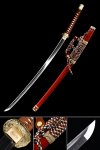
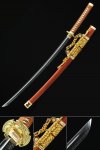
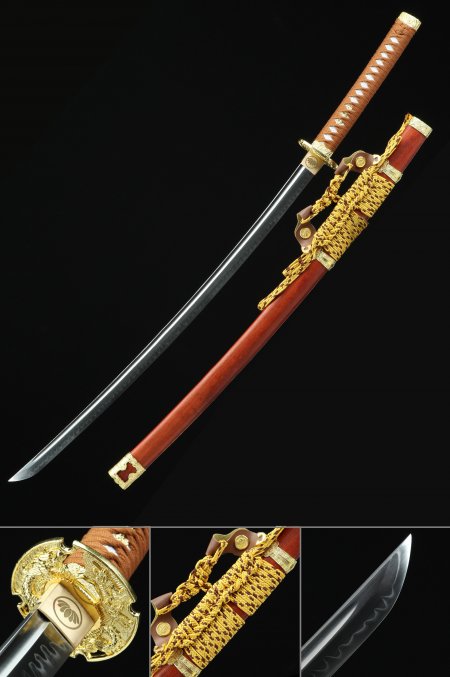
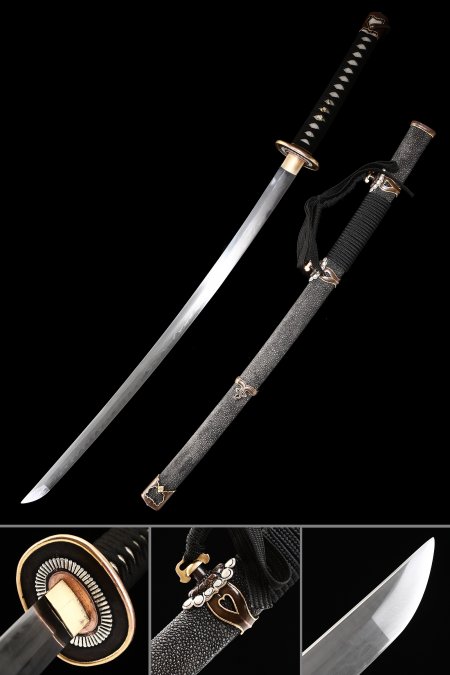
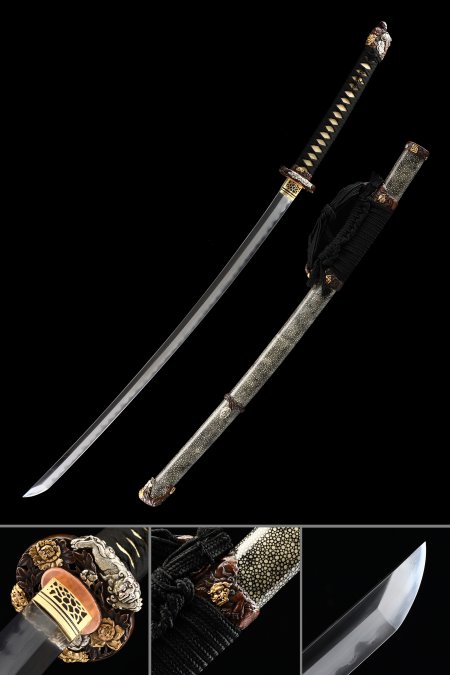
T10 carbon steel tachi swords represent one of the most refined expressions of classical Japanese sword-making tradition — long, gracefully curved blades forged from high-carbon tool steel and clay-tempered to reveal a genuine hamon along the edge. Each piece in this collection is hand-forged by skilled smiths and fitted with authentic koshirae, from lacquered hardwood saya to ornate copper or gold tsuba. Whether you are adding to a dedicated display or seeking a distinguished gift for a fellow enthusiast, these tachi offer lasting craftsmanship worth owning. Enjoy free shipping on your order, backed by our hassle-free return policy.
Showing 9 Products

Related Collections

Frequently Asked Questions

What makes T10 steel a preferred choice for tachi blades?
T10 is a high-carbon tool steel containing roughly 1.0% carbon along with trace amounts of tungsten, which refines the grain structure during heat treatment. This combination allows a skilled smith to clay-temper the blade — coating the spine before quenching so the edge hardens into martensite while the back stays tough. The outcome is a genuine hamon that forms through actual metallurgical change, not surface etching. For collectors, this matters because a real hamon displays subtle activity — nie, nioi, and transition zones — that an etched line simply cannot replicate. T10 also polishes to a bright, reflective finish that highlights the blade geometry and the hamon simultaneously, making it particularly well-suited to display-oriented tachi where visual impact is paramount.
How does a tachi differ from a katana in form and display?
The tachi typically features a deeper curvature and a longer blade than a standard katana, and it was historically worn suspended edge-down from the belt rather than thrust edge-up through the obi. This edge-down orientation required the curvature to arc differently to keep the blade functional for a mounted fighter. From a collector's perspective, the tachi's greater curve gives it a more dramatic profile on a wall mount or sword stand, and the suspension-style koshirae — with its distinctive sageo cord placement — adds historical authenticity to the overall presentation. When displaying a tachi correctly, the edge should face downward, reflecting its traditional carry orientation and signaling to informed viewers that the piece is mounted with historical accuracy in mind.
Can a T10 tachi and wakizashi be displayed as a matched set?
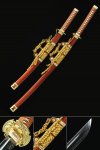
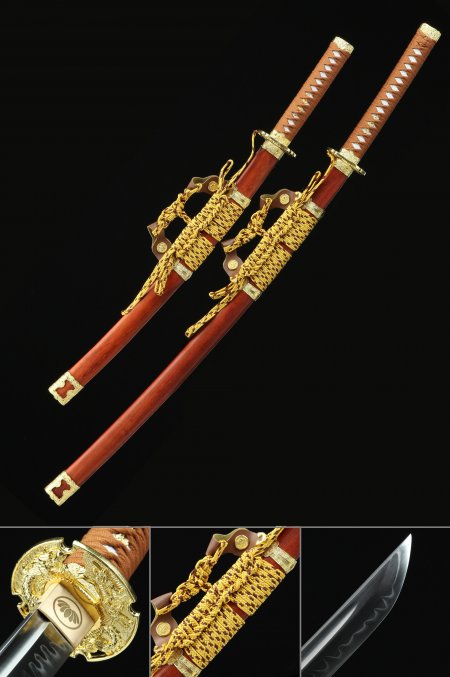
Yes, and a daisho pairing — combining a tachi or katana-length blade with a wakizashi — is one of the most visually coherent ways to display Japanese swords as a collection. When both blades share the same T10 steel foundation, clay-temper process, and coordinated koshirae (matching tsuba motifs, saya lacquer color, and ito wrap), the set reads as a unified composition rather than two unrelated pieces. Several pieces in this collection are offered as pre-matched daisho sets with harmonized fittings in dark red saya, gold tsuba, and brown ito — removing the guesswork of sourcing compatible individual swords. A horizontal two-tier sword stand allows both blades to be displayed simultaneously while keeping them safely separated.
How should I oil and maintain a T10 carbon steel tachi?
T10's higher carbon content makes it more susceptible to surface oxidation than stainless steel, so routine maintenance is straightforward but essential. Every two to three months — or more frequently in coastal or high-humidity environments — lightly apply choji oil or a food-grade mineral oil to the entire blade surface using a soft, lint-free cloth. Use a second clean cloth to remove any excess, leaving only a thin protective film. Before oiling, remove any previous oil layer with a few sheets of nuguigami (Japanese tissue paper) or plain tissue to prevent old oil from trapping dust and moisture. Store the sword horizontally on a dedicated stand in a stable, climate-controlled room. Avoid sealed display cases without silica gel desiccant, as trapped humidity accelerates rust formation on unprotected high-carbon steel.
Is a T10 tachi with an odachi-length blade suitable as a display gift?
An odachi or nodachi variant — blades exceeding 35 to 40 inches in cutting edge — makes a genuinely impressive display gift precisely because of its dramatic scale and visual presence. The extended length requires a larger wall mount or floor stand, which itself becomes part of the display composition. For gift-giving, look for pieces where the koshirae details — tsuba design, saya lacquer, and ito color — work together as a cohesive aesthetic statement rather than mismatched components. A red lacquer saya with a gold chrysanthemum tsuba, for example, creates a formal, celebratory palette well-suited to marking a significant occasion. Including a quality sword stand with the gift ensures the recipient can display it properly from the first day, which adds practical value alongside the aesthetic impact.

Customer Reviews

Cart 0 Items

Your cart is empty