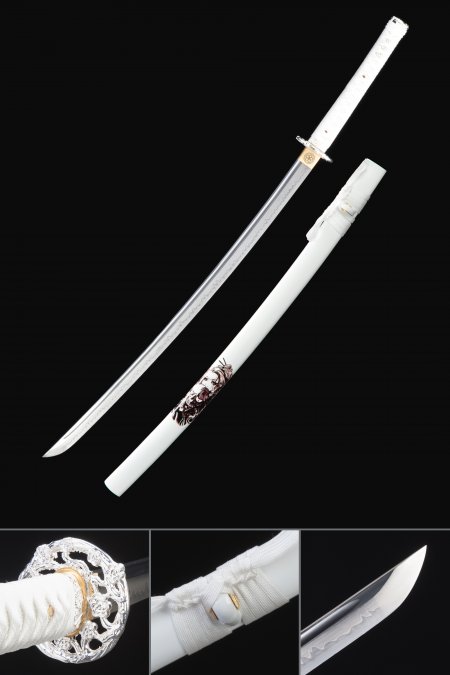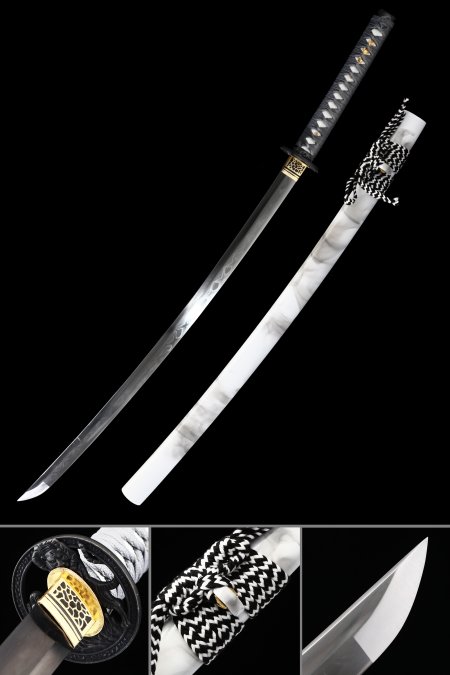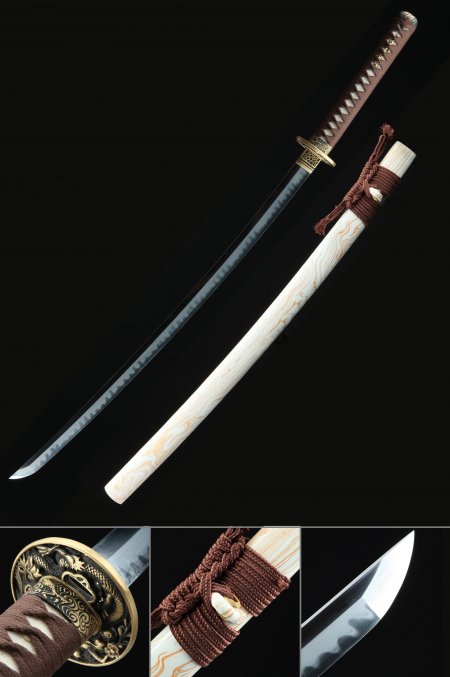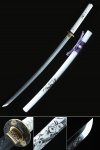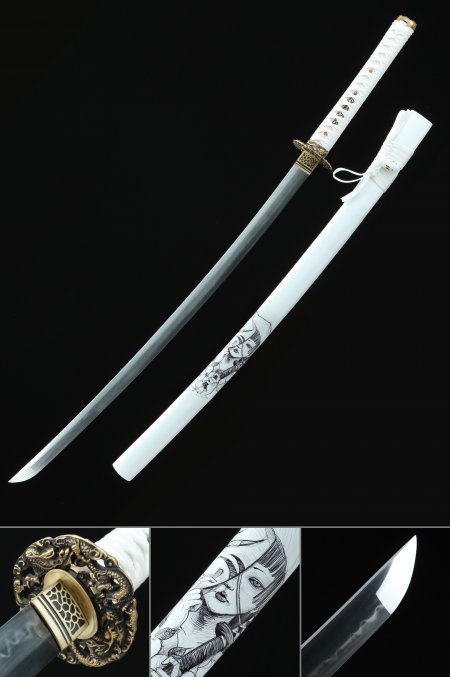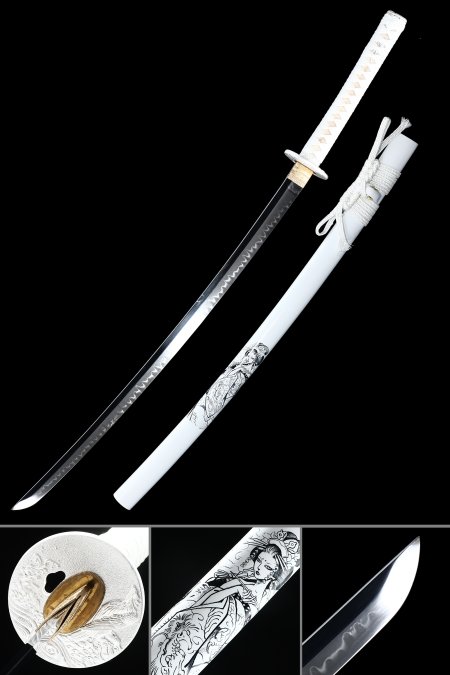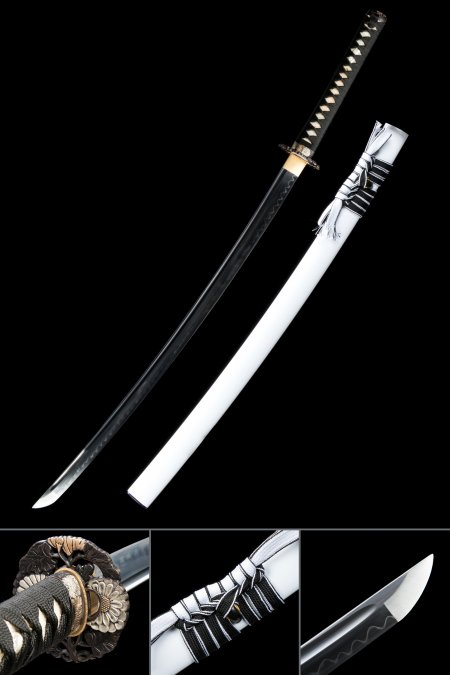
White T10 Carbon Steel Katana

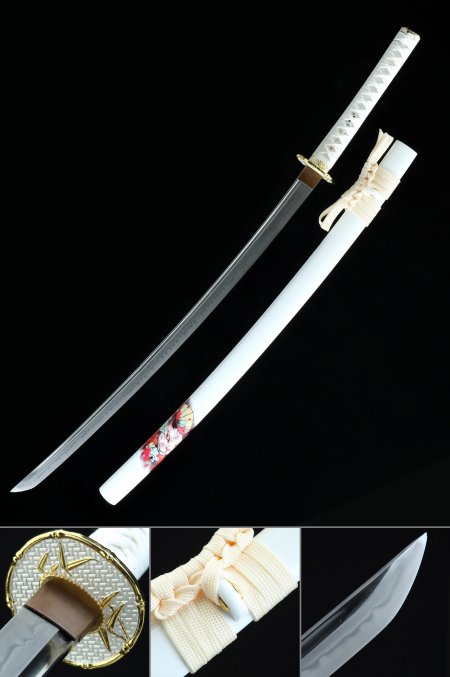
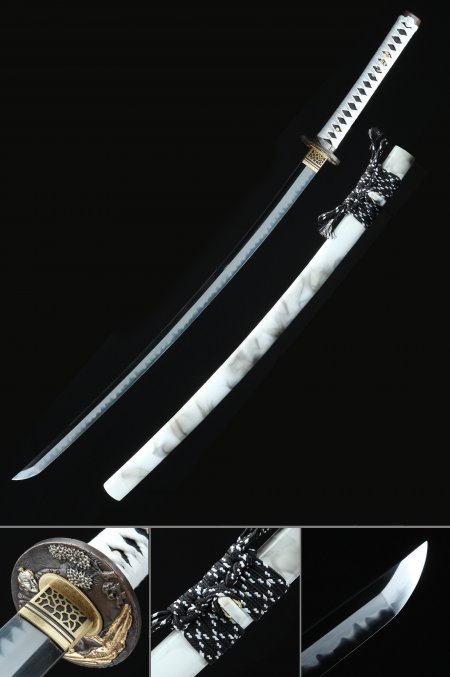
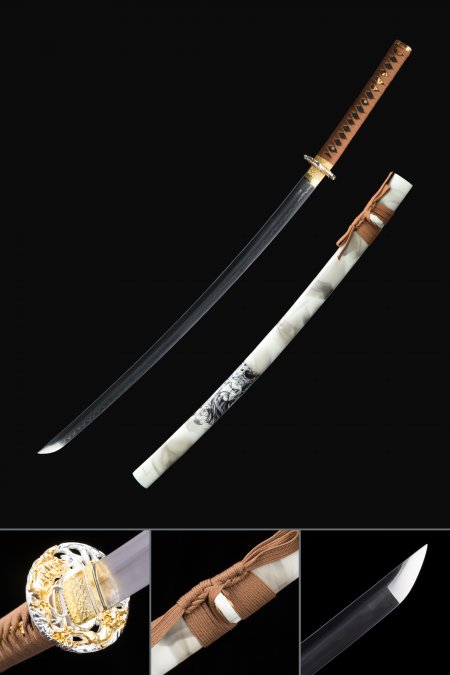
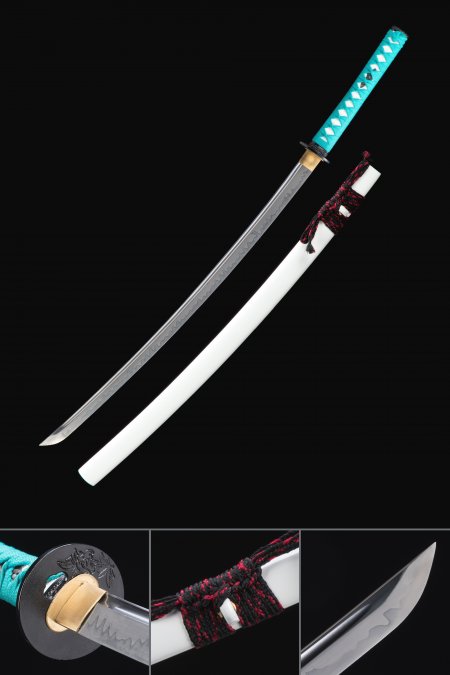
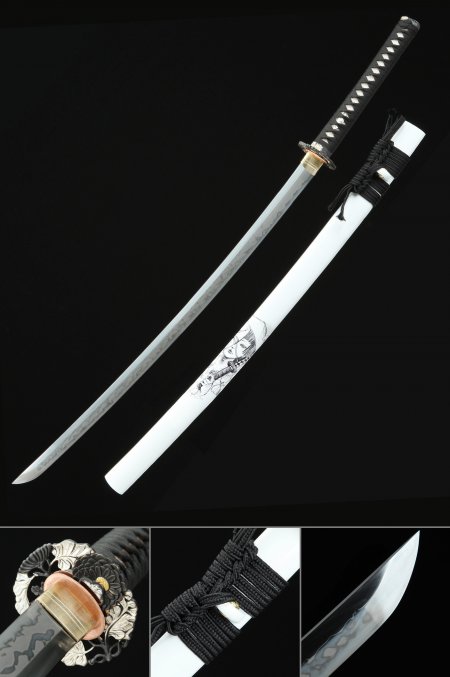
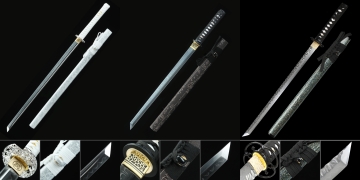
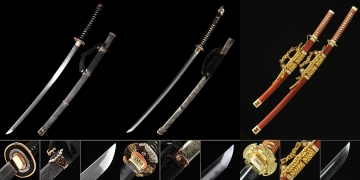
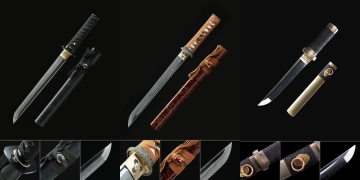
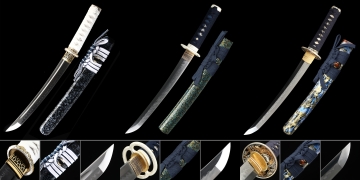
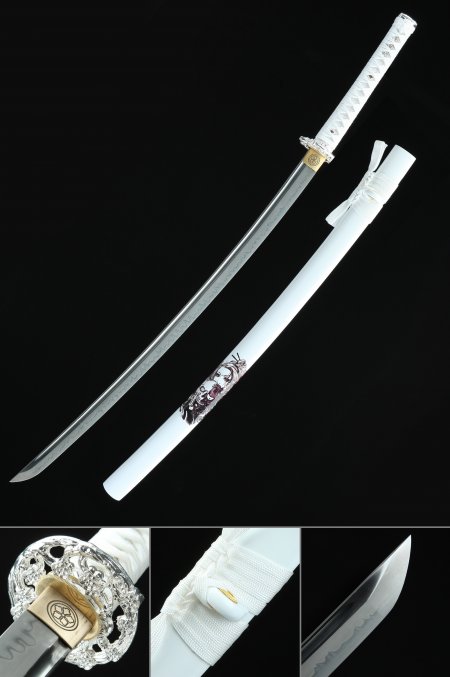
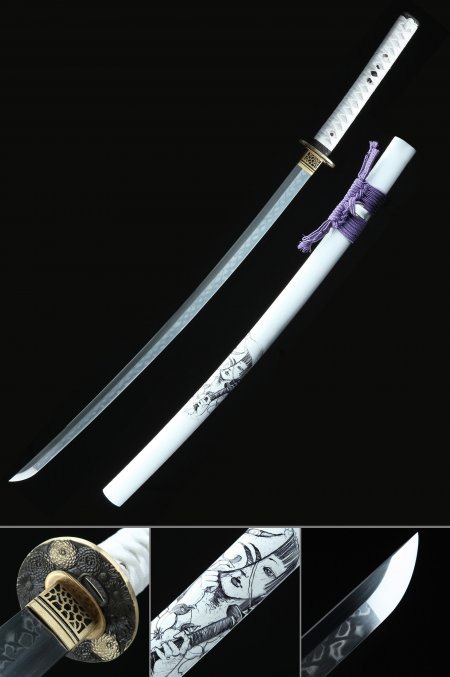
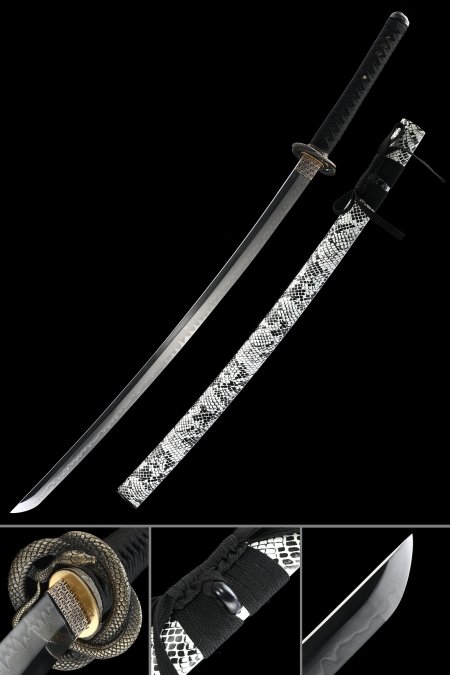
White T10 Carbon Steel Katana collection brings together hand-forged blades clay tempered to authentic hamon lines, each paired with elegant white saya craftsmanship that ranges from plain hardwood to hand-painted lacquer art. Every sword in this collection is full-tang construction, differentially heat-treated, and finished with carefully selected fittings — from chrysanthemum tsuba to dragon copper accents — making each piece a standout addition to any serious collection. Enjoy free shipping on your order, backed by our hassle-free return policy.
Showing 14 Products

Related Collections

Frequently Asked Questions

What makes T10 steel different from 1060 or 1095 carbon steel?
T10 is a tool-grade high-carbon steel with approximately 0.95–1.05% carbon content and a small addition of tungsten — typically around 0.1–0.2%. That tungsten refines the crystalline grain structure and improves wear resistance, giving the finished blade a noticeably denser feel and better edge retention compared to plain 1060 or 1095 steel. T10 also responds exceptionally well to clay tempering: the differential quench creates a sharply defined hamon with high visual contrast, which is why collectors who prioritize blade aesthetics often prefer T10 over simpler high-carbon alternatives. The trade-off is that T10 requires slightly more attentive maintenance against surface oxidation, making proper oiling and storage more important than it would be for stainless display pieces.
How is a real hamon formed on a clay tempered katana?
A genuine hamon is the visible boundary line created by differential hardening during the quenching process. The swordsmith applies a layer of refractory clay paste thickly along the blade's spine and thinner — or not at all — near the edge. When the heated blade is plunged into water or oil, the exposed edge cools rapidly and hardens into a martensitic structure, while the clay-insulated spine cools slowly and retains a tougher, more flexible pearlitic structure. The transition zone between these two structures becomes the hamon: a misty, undulating line of crystalline activity visible along the lower half of the blade. On T10 steel, this transition is particularly pronounced, often showing detailed activity patterns such as nie (coarse bright particles) and nioi (fine mist) that serious collectors examine under magnification. A printed or acid-etched hamon, by contrast, is purely cosmetic and has no structural basis.
What should I know about caring for a white lacquer saya?
White lacquer saya are finished with multiple coats of urushi-style lacquer or synthetic lacquer, which creates a smooth, sealed surface that is moderately resistant to humidity but still requires care. Avoid resting the saya in direct sunlight for extended periods, as UV exposure can yellow or micro-crack lacquer finishes over time. When storing, keep the sword horizontally in a display rack or sword bag rather than upright, which reduces pressure on the koiguchi fitting. Wipe the saya surface occasionally with a soft, dry cloth — never use solvents or abrasive polishes, as these strip the lacquer sheen. If the saya develops surface scratches, a light application of furniture wax (non-silicone) can restore gloss temporarily. The blade itself should be cleaned and re-oiled with choji oil every few months, particularly in humid climates, to prevent rust forming on the T10 carbon steel surface.
Are these katana suitable as display gifts for non-collectors?
White T10 katana make particularly compelling gifts precisely because the white saya aesthetic reads as striking and culturally resonant even to someone unfamiliar with blade collecting. The visual contrast between a gleaming white lacquer or hardwood scabbard and a dark, clay-tempered blade with a visible hamon creates instant visual impact in any display setting — on a sword stand, mounted on a wall rack, or presented in a wooden gift box. For gifting purposes, pieces with hand-painted saya art or themed tsuba designs (such as the chrysanthemum or dragon motifs available in this collection) tend to be the most memorable, as they communicate craftsmanship and intention beyond a plain finish. Full-tang construction and genuine hamon also give knowledgeable recipients something to appreciate technically, making these pieces satisfying at multiple levels of collector experience.
How does the folded steel variant compare to standard T10 in this collection?
The folded clay tempered T10 option in this collection undergoes an additional step during forging where the steel billet is repeatedly folded — typically 8 to 13 times — before being shaped into a blade profile. This process consolidates the steel's grain structure, removes inclusions, and creates the layered pattern (jihada) visible on the blade surface under raking light. Structurally, folded T10 and standard T10 share the same base alloy and clay tempering process, so hamon characteristics remain comparable. The difference collectors value is aesthetic: the folded surface shows a subtle woodgrain or flowing water texture that is unique to each blade and impossible to replicate mechanically. It represents additional hand labor time and is typically reflected in the piece's tier within the collection. For display purposes, folded T10 offers a richer visual narrative on the blade surface itself.

Customer Reviews