FAST SHIP
Free Shipping
149.00 USD
ON SALE! 15% OFF
Was: 179.00 USD

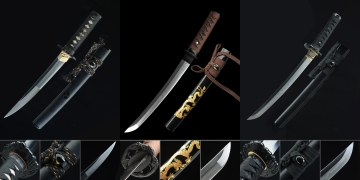
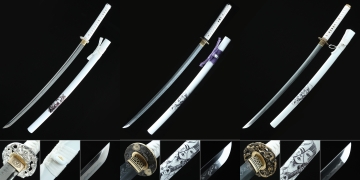
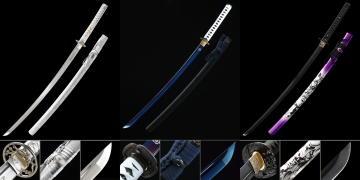
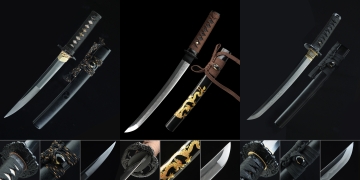
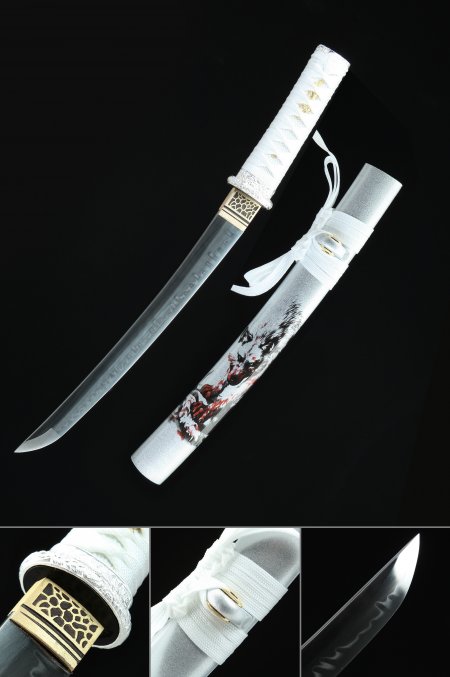
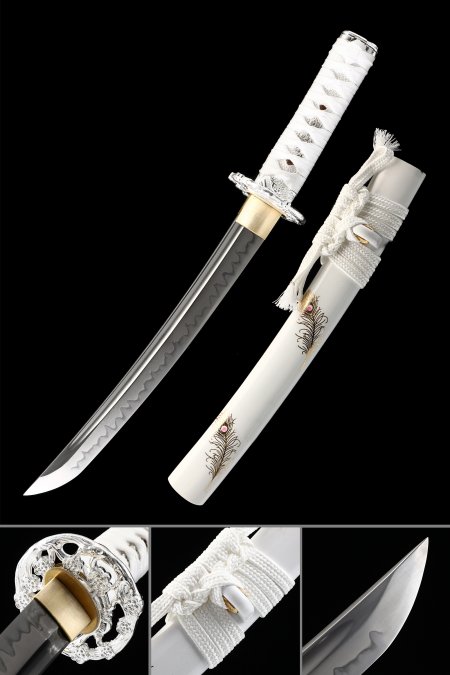
The White T10 Carbon Steel Tanto collection brings together hand-forged blades crafted from high-carbon T10 tool steel, each exhibiting a genuine clay-tempered hamon along the edge - a hallmark of traditional Japanese blade-making tradition. Distinct lacquered saya in crisp white finish, paired with artisan-painted motifs such as peacock feathers and wolves, elevate these pieces into display-worthy works of art. Every tanto in this collection is full-tang construction with carefully fitted fittings, making each one a meaningful addition to any serious collector's display. Enjoy free shipping on your order and hassle-free returns.
Was able to find a white scabbard wolf themed Tanto sword. Very pleased with my purchase.
 |
T10 Carbon Steel Tanto Sword with Real Hamon in White Saya - Hand-Painted Wolf Scabbard Collectible |
Exactly how it looks in photos. Fast shipping. Great overall value. Got it for my wife and she is very happy.
|
T10 Carbon Steel Tanto Sword with Real Hamon in White Saya - Hand-Painted Wolf Scabbard Collectible |
Tanto looked great, no visible flaws. Cuts regular paper well, has trouble cutting thin magazine pages.
|
T10 Carbon Steel Tanto Sword with Real Hamon in White Saya - Hand-Painted Wolf Scabbard Collectible |
I was mistaken with this order. I thought I had ordered the Kodachi and I plan on dual wielding both this Taranto and the Kodachi as a shinigami wearing an oni mask. Thank you very much it is great it holds the essence of a GREAT soul in it. 𖤐
|
T10 Carbon Steel Tanto Sword with Real Hamon in White Saya - Hand-Painted Wolf Scabbard Collectible |
Amazing tanto!!! The look is great, the balance is incredible! The edge is perfect!!! 10 out of 10!!! This is now my go company for hand forged weapons!
|
T10 Carbon Steel Tanto Sword with Real Hamon in White Saya - Hand-Painted Wolf Scabbard Collectible |
I absolutely love my new tanto!!! It's beautiful and well made and I can't stop staring at the real hamon!!! Definitely buying another, not the same one but another tanto with the real hamon!!!! It's wonderfully sharp, though it's only for display but it is razor sharp and battle ready!!!!
|
T10 Carbon Steel Tanto Sword with Real Hamon in White Saya - Hand-Painted Wolf Scabbard Collectible |
Just got this sward looks great on time beautifully made will order more, thanks
|
T10 Carbon Steel Tanto Sword with Real Hamon in White Saya - Hand-Painted Wolf Scabbard Collectible |
The sword has a silver scabbard and hand guard. That's not what I ordered, I wanted the white one. Also the last 3 inches of the blade at the hilt was dull. Beyond that the blade is fairly sharp. For what I paid I guess this is what I get. Retuning it won't work as I'm disabled. Just know that I'll be going elsewhere to make future purchases. Thanks.
|
T10 Carbon Steel Tanto Sword with Real Hamon in White Saya - Hand-Painted Wolf Scabbard Collectible |