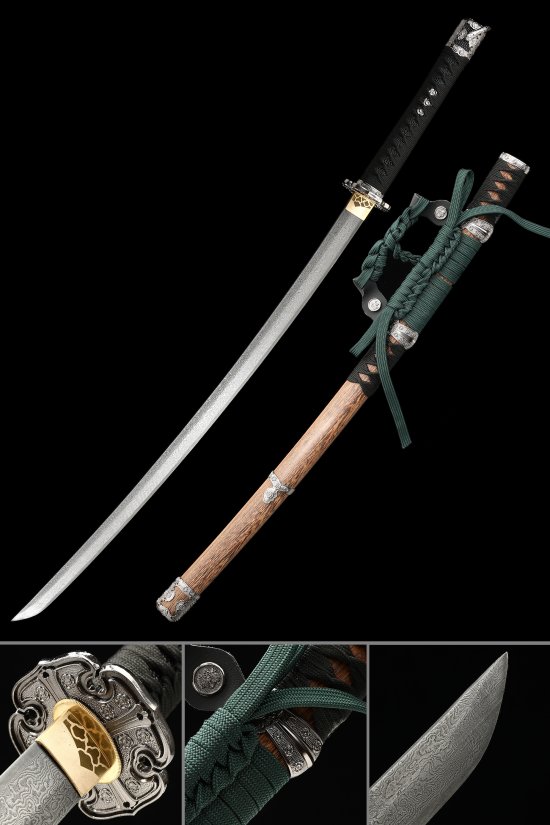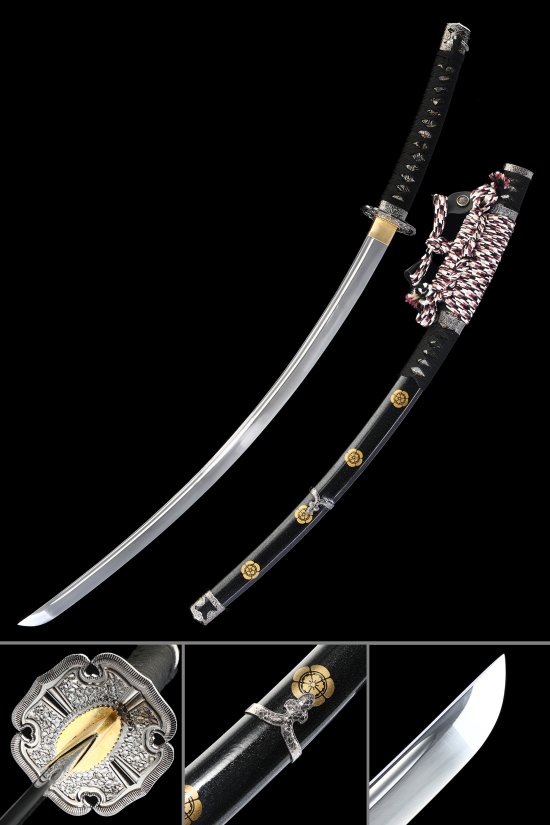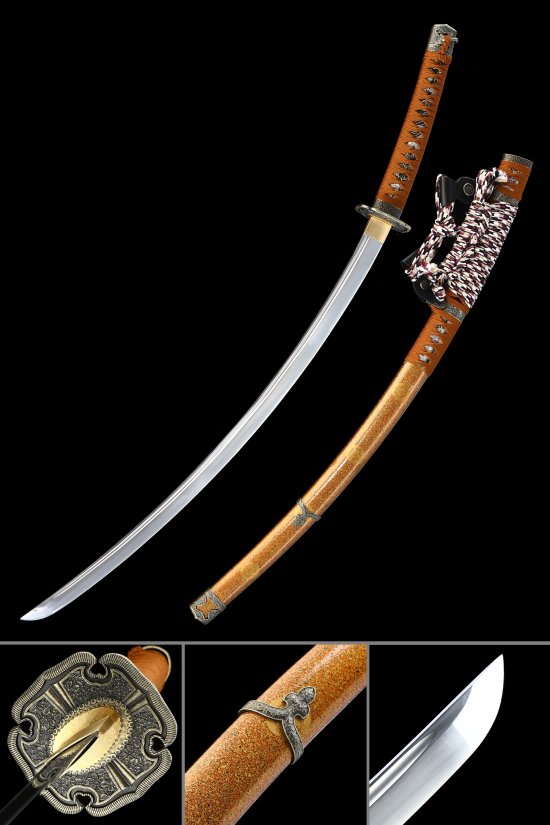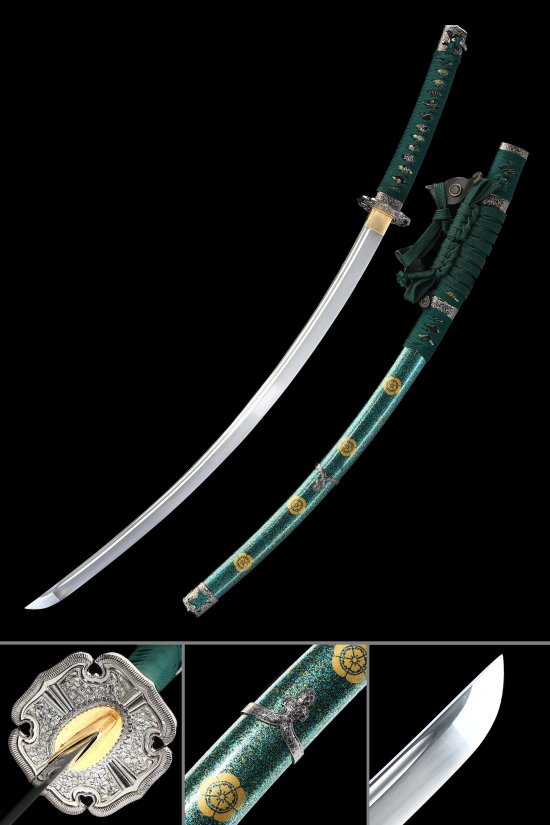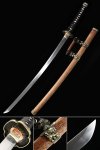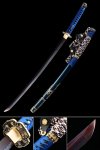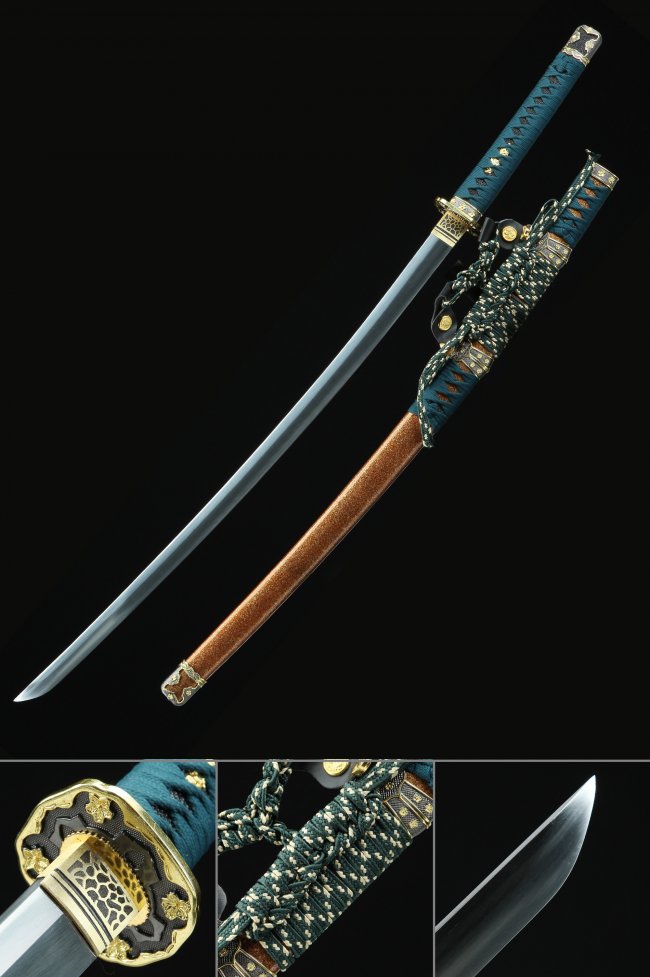
Nodachi

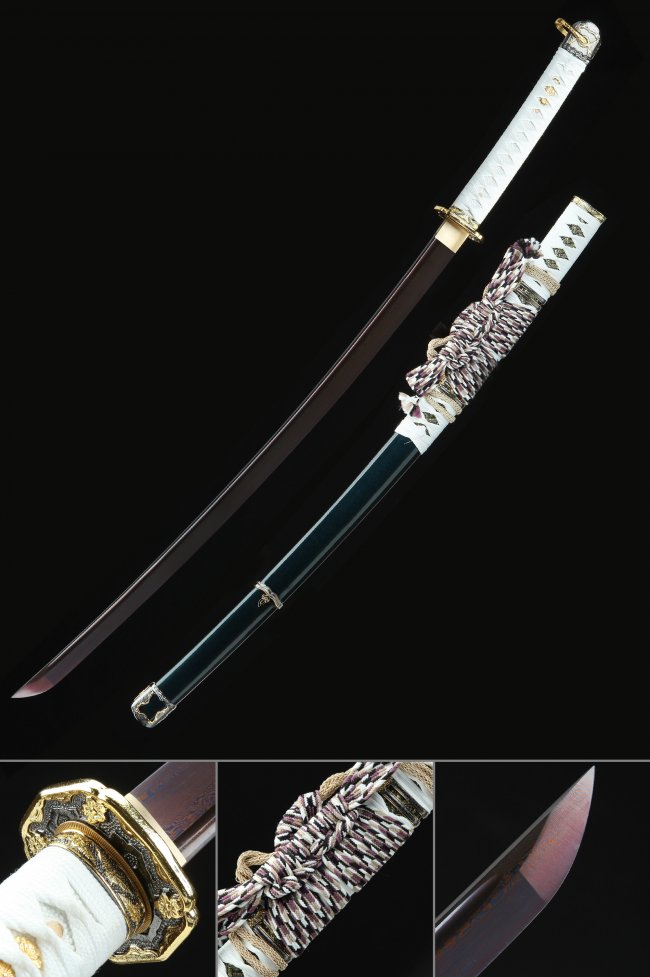
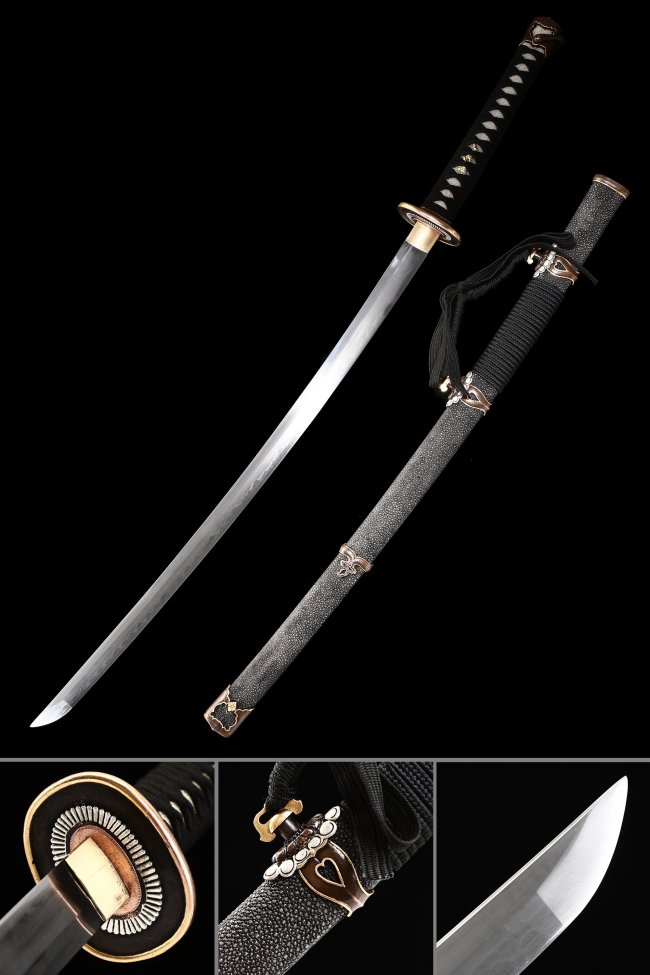
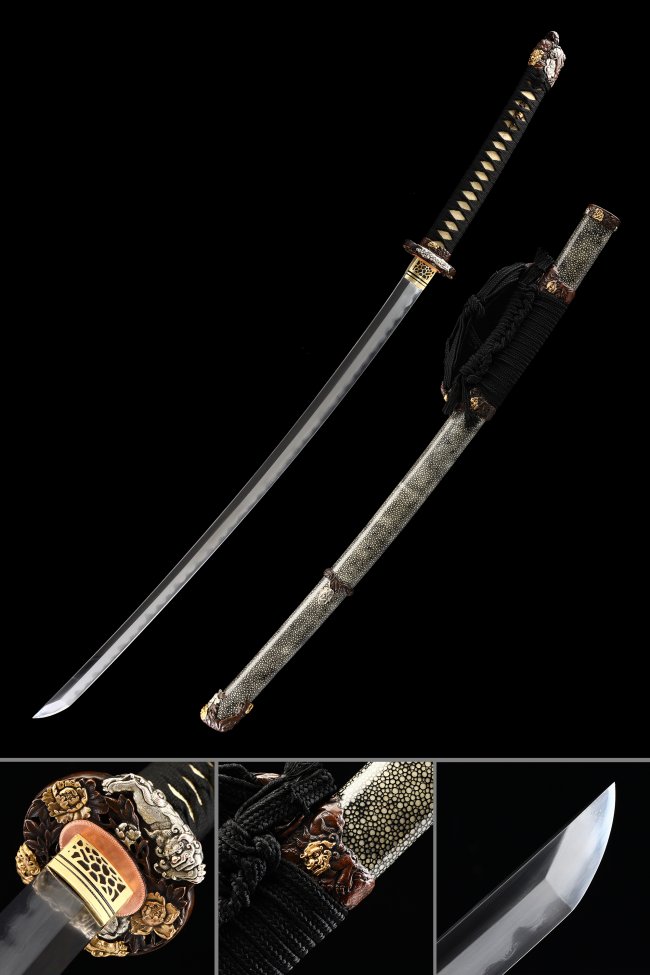
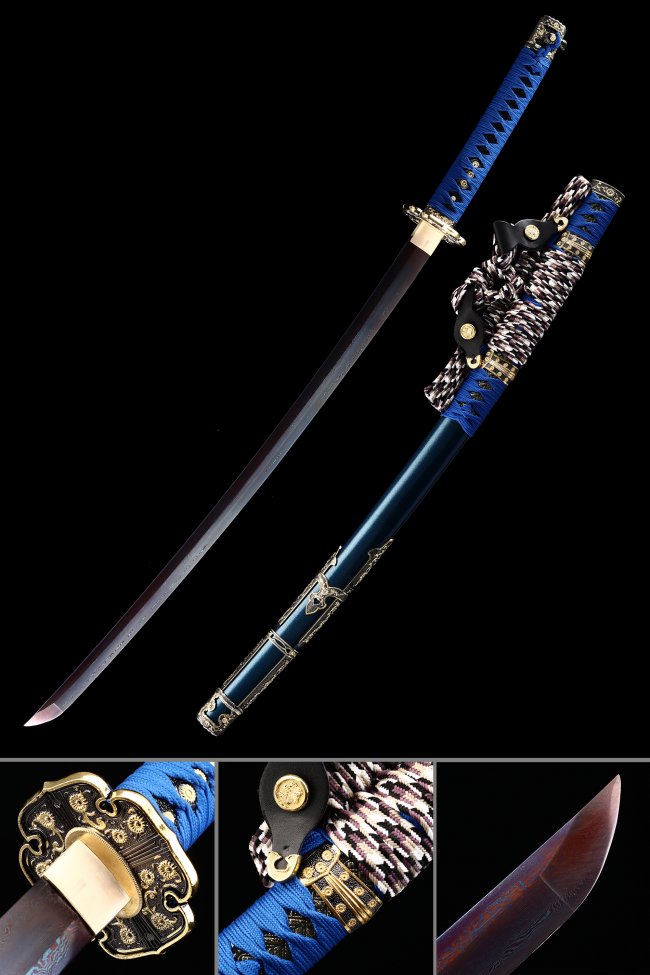
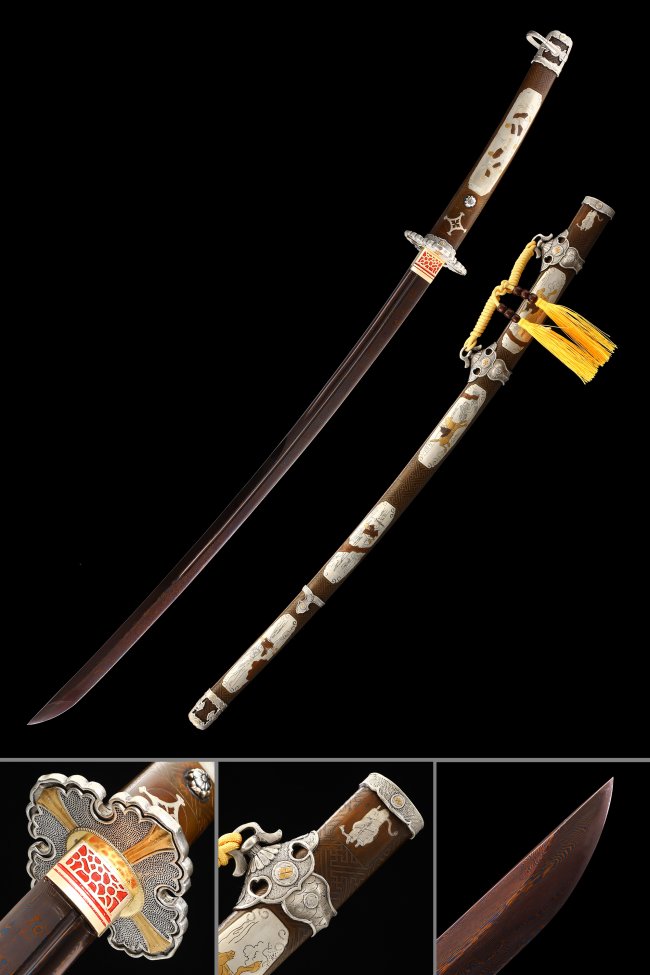
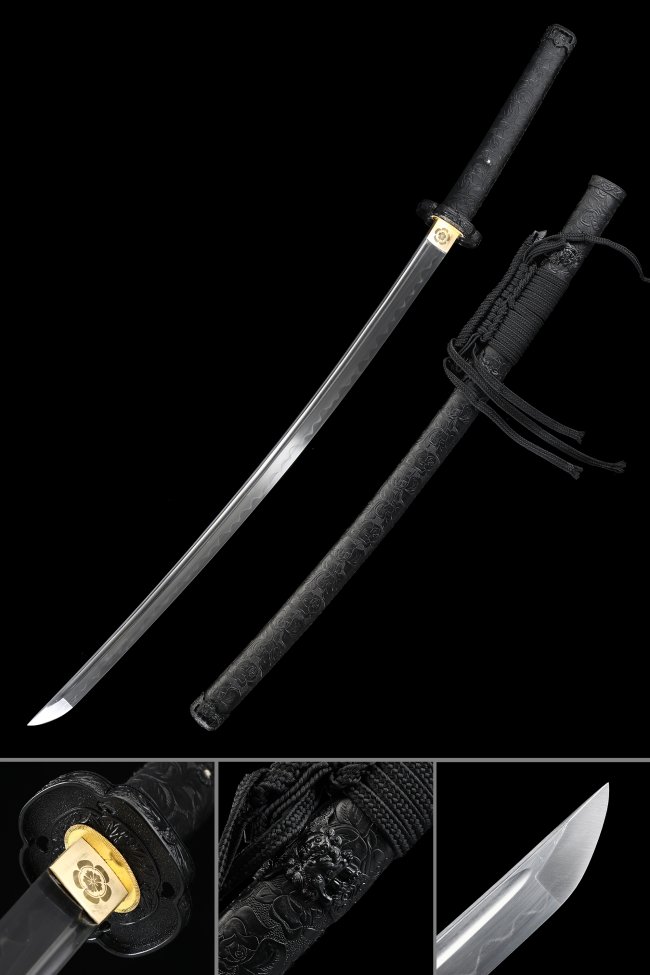
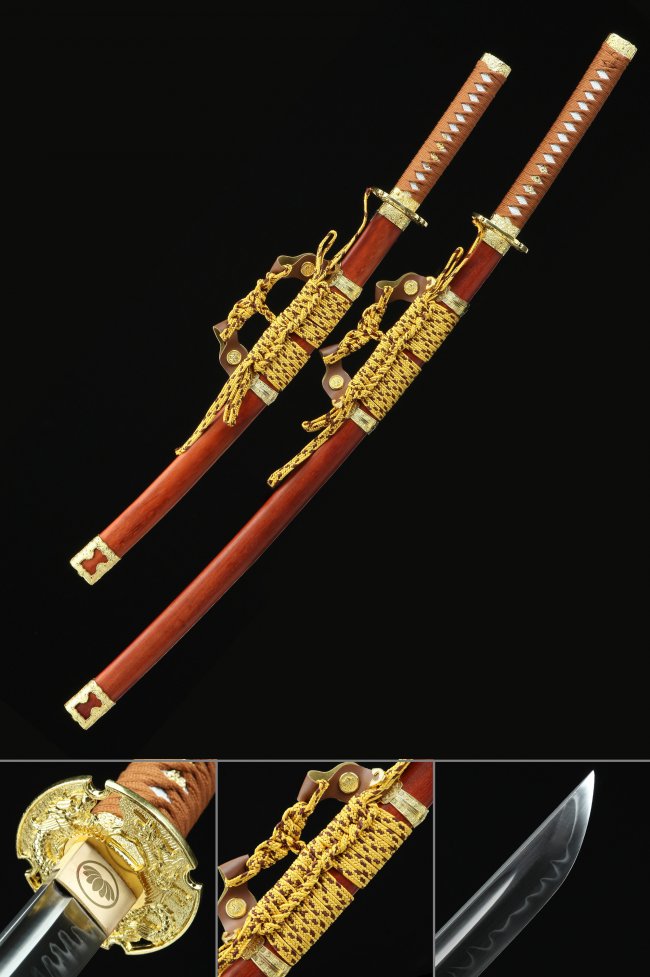
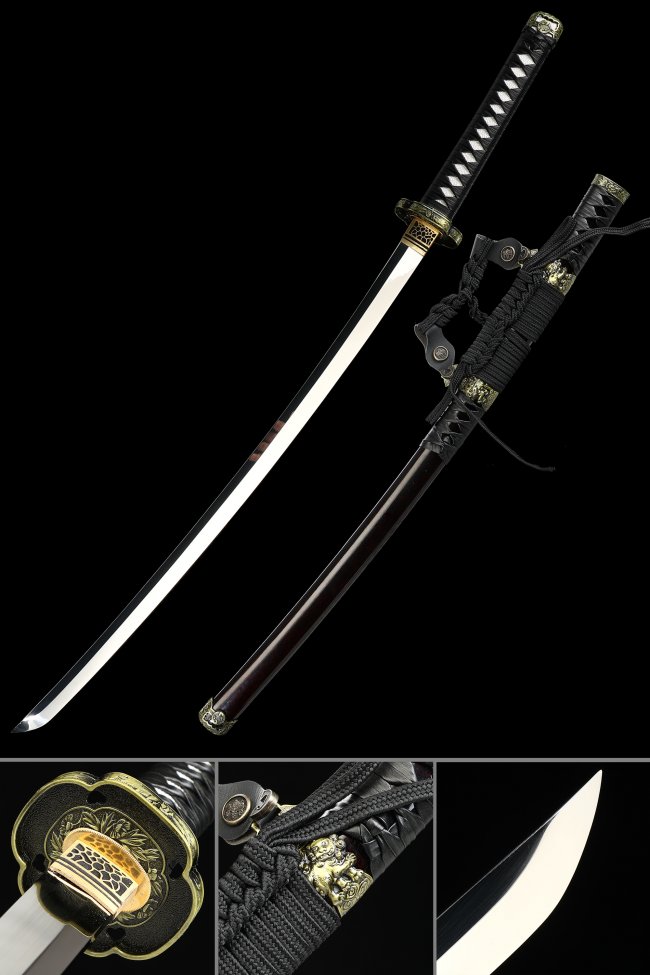
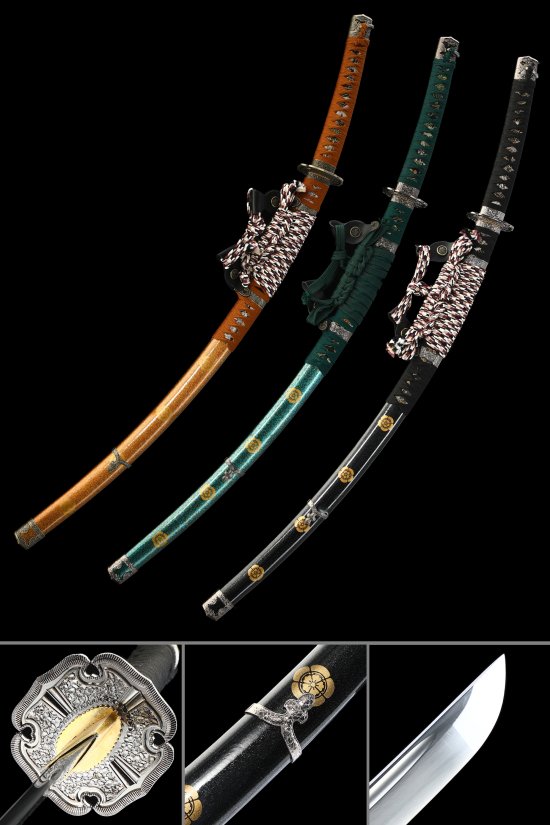
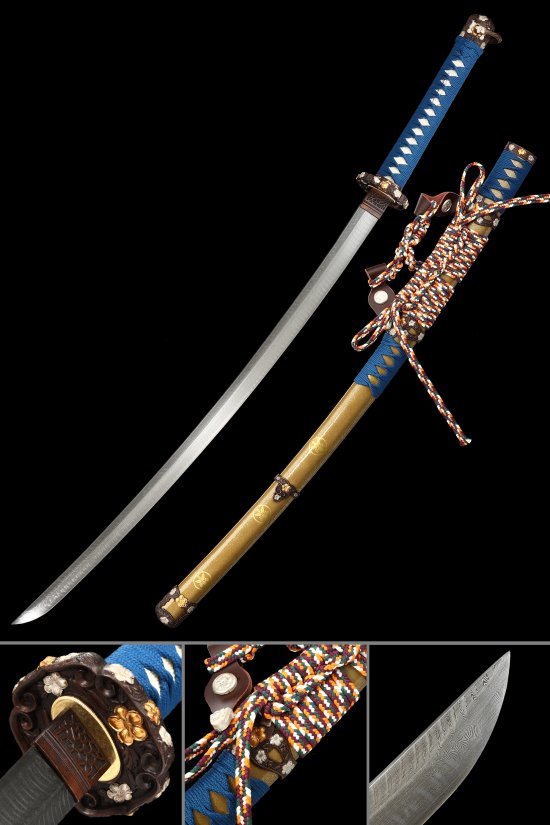
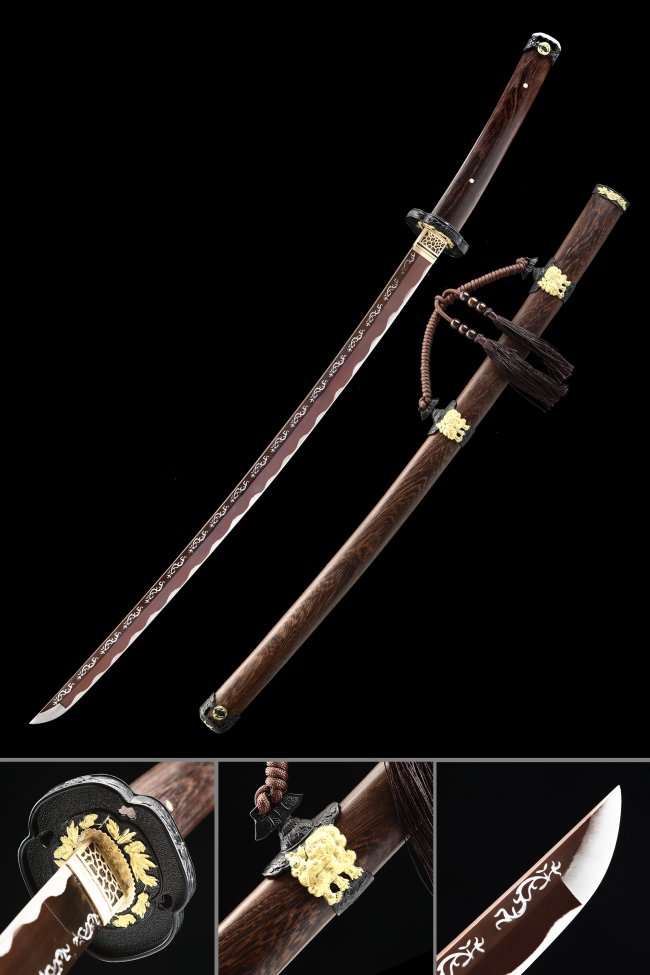
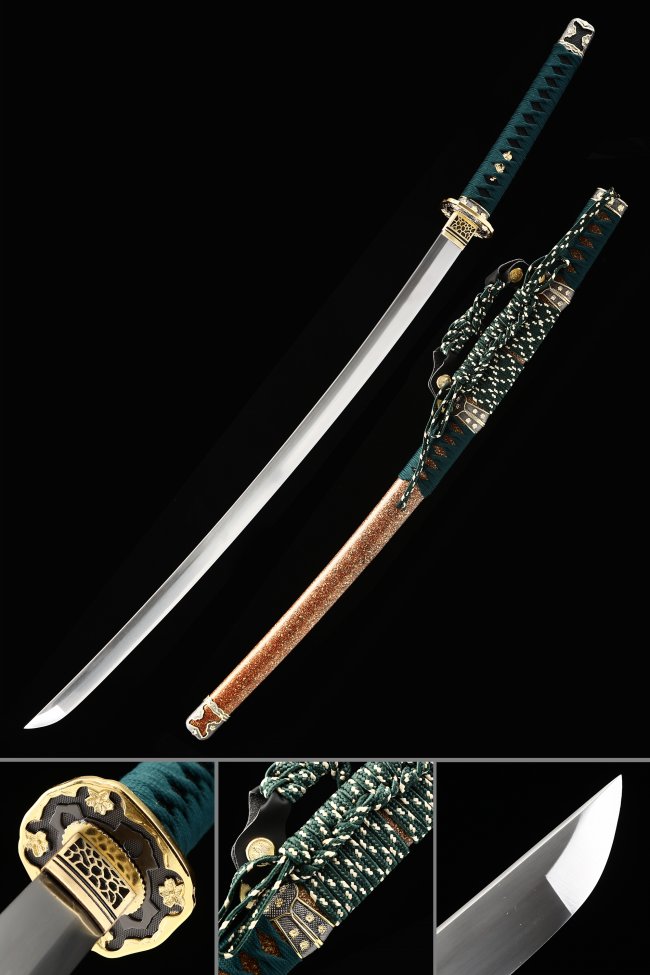
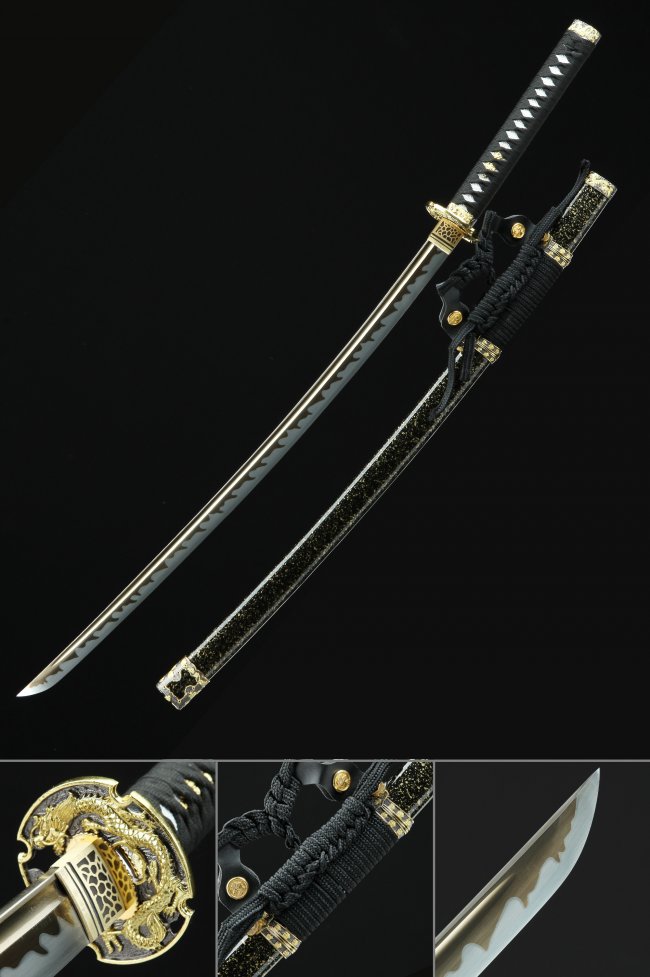
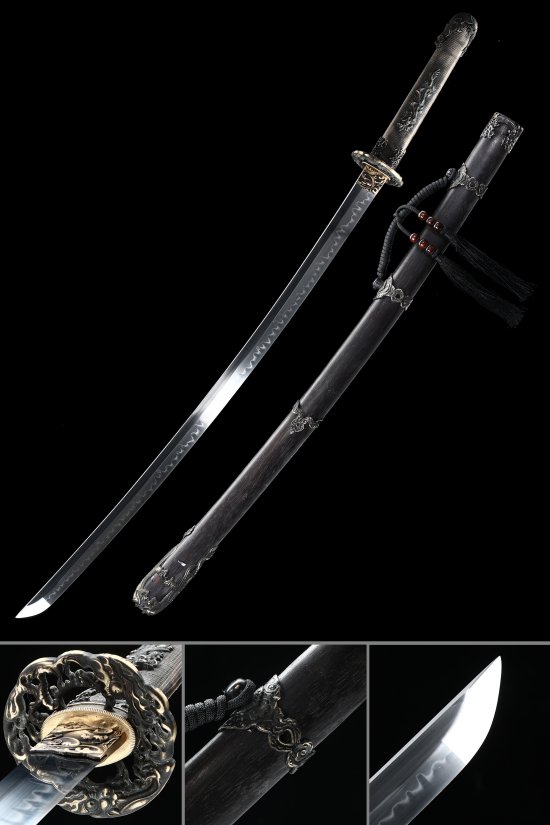
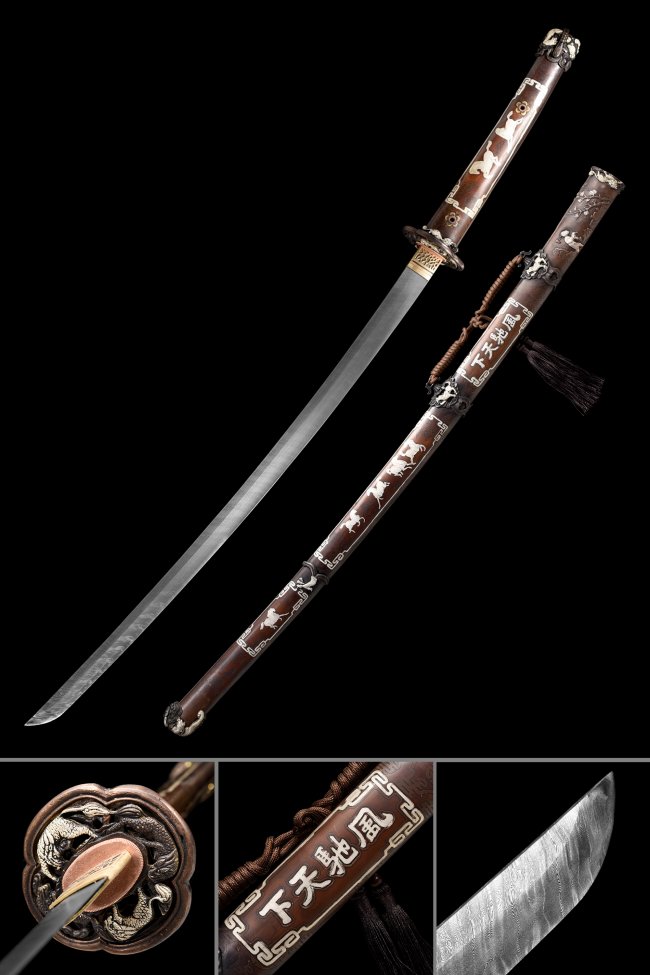
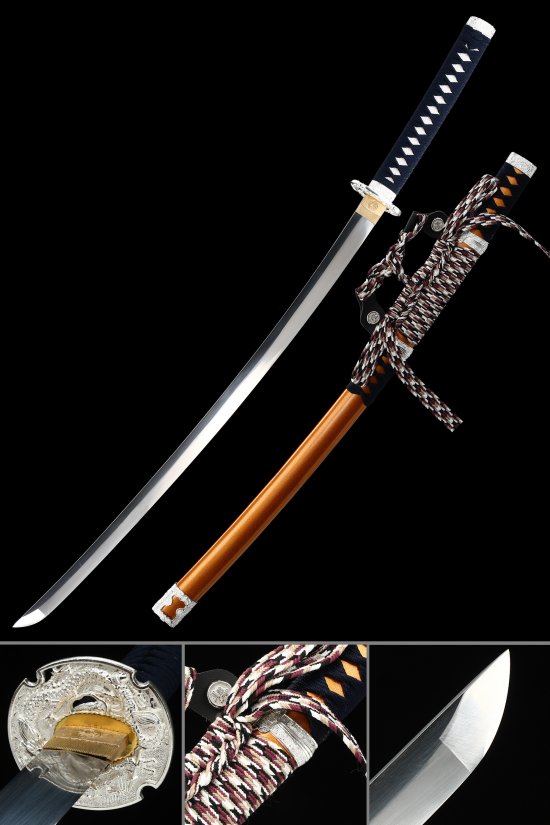
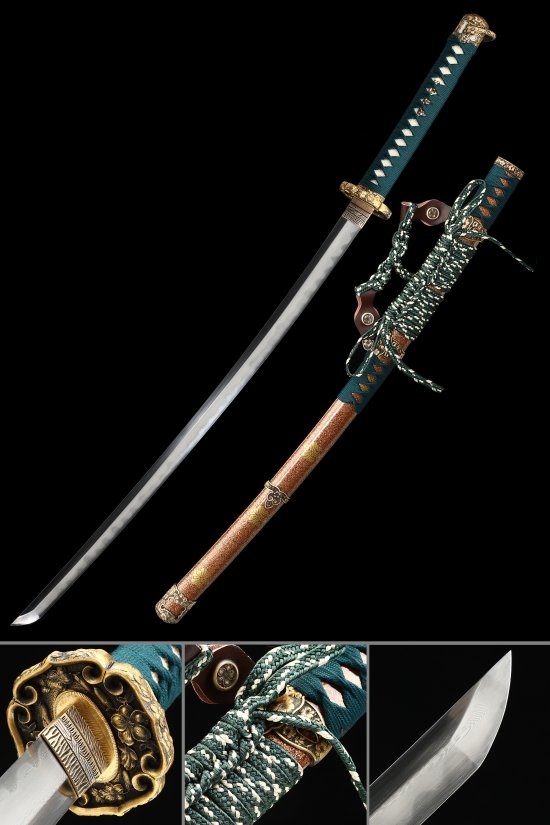
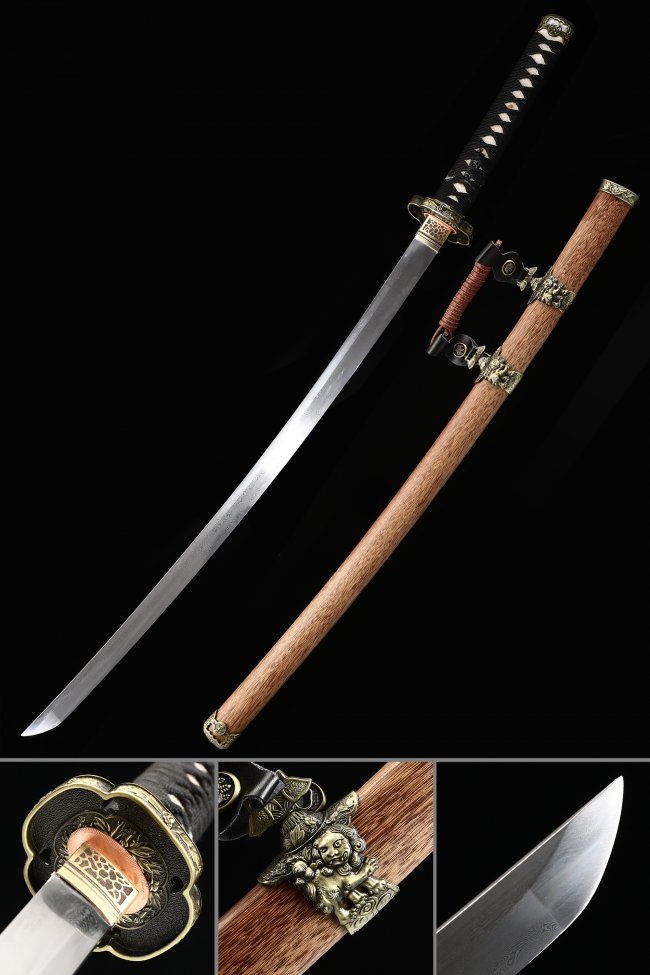
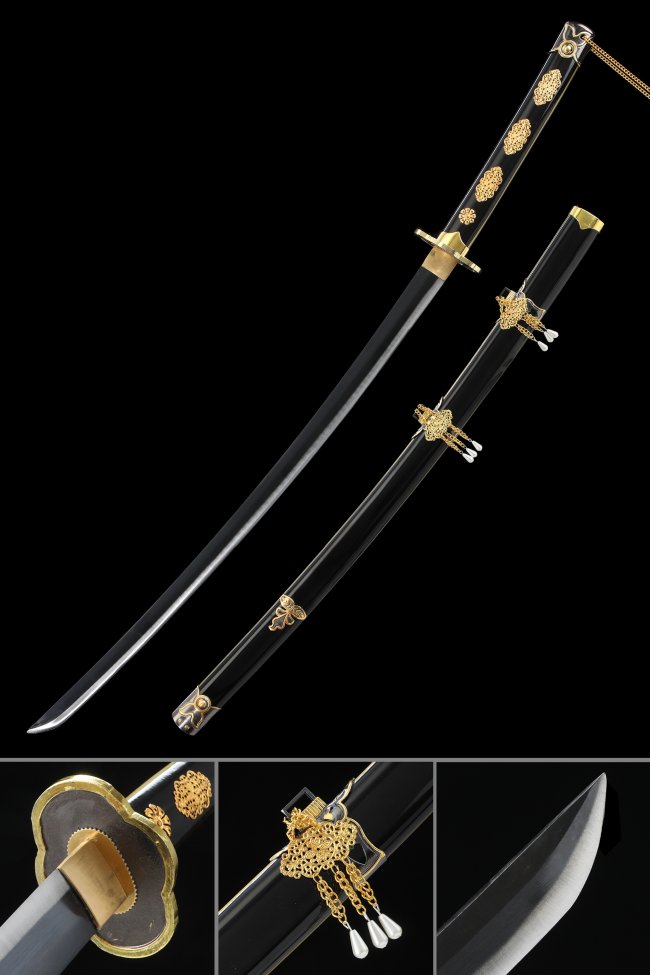
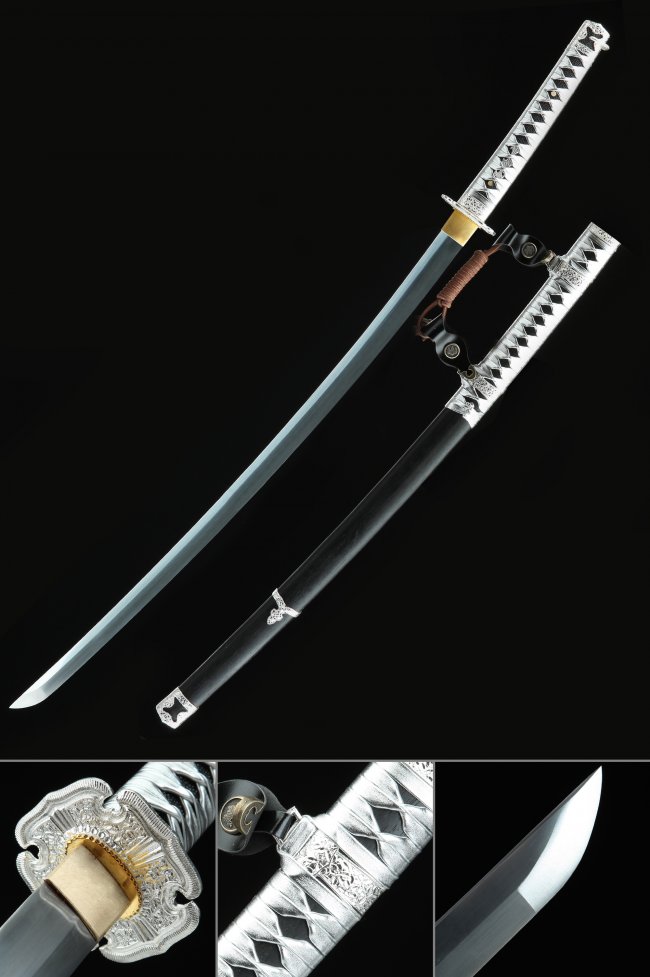
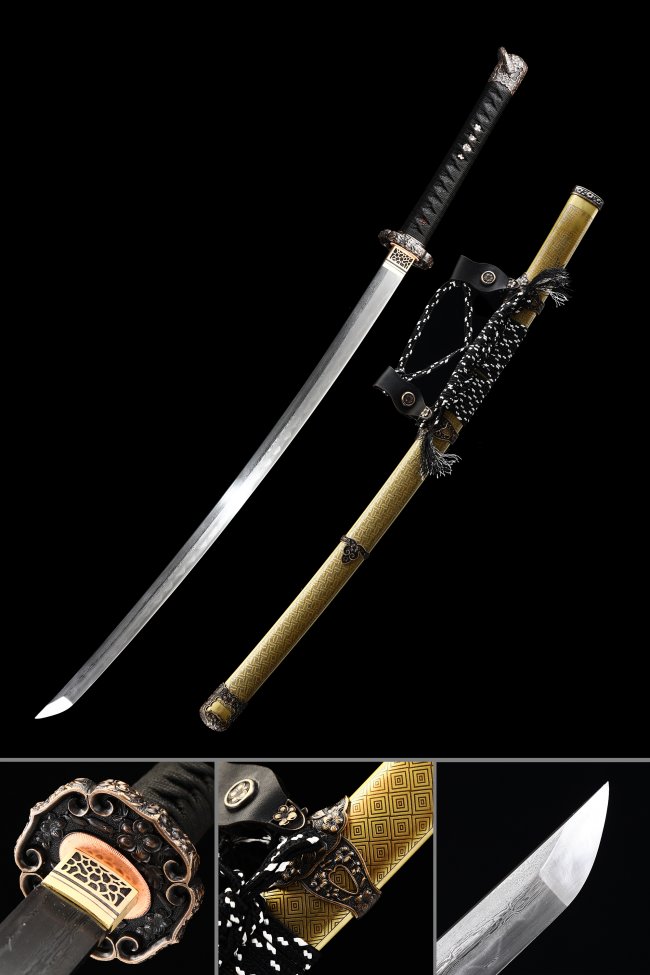
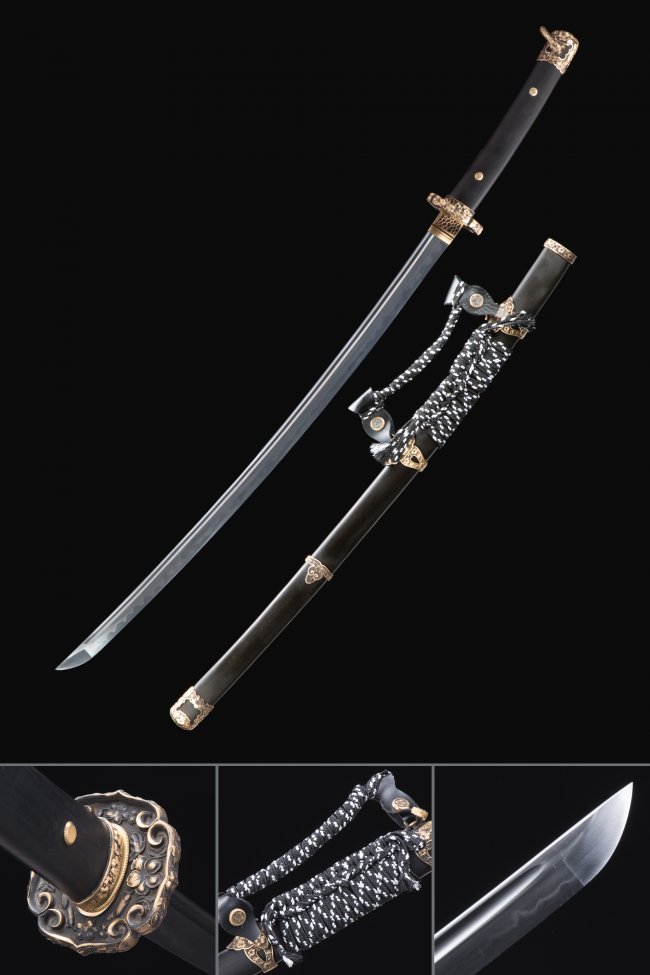
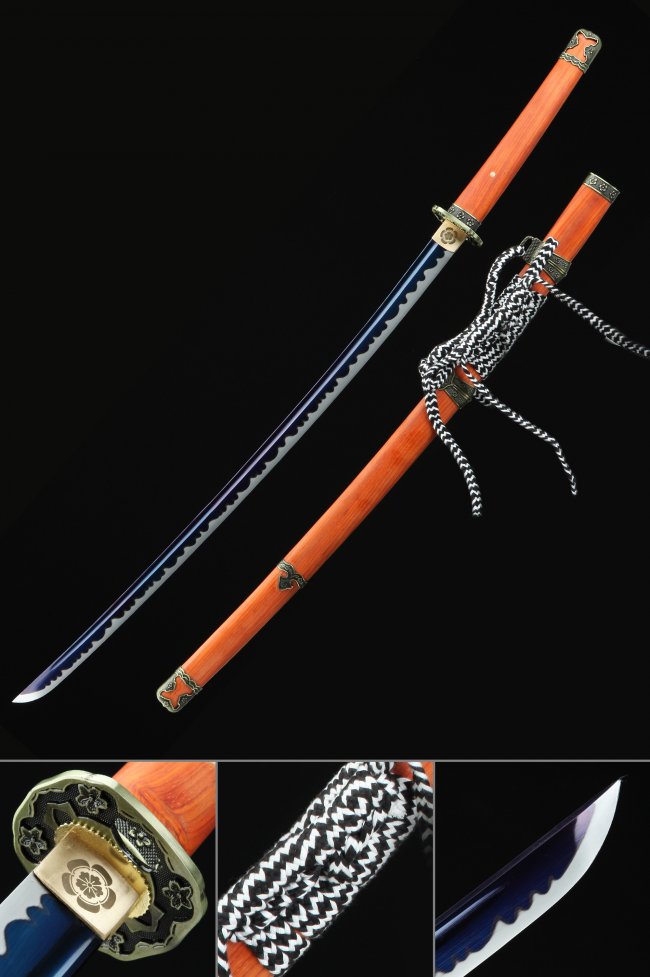
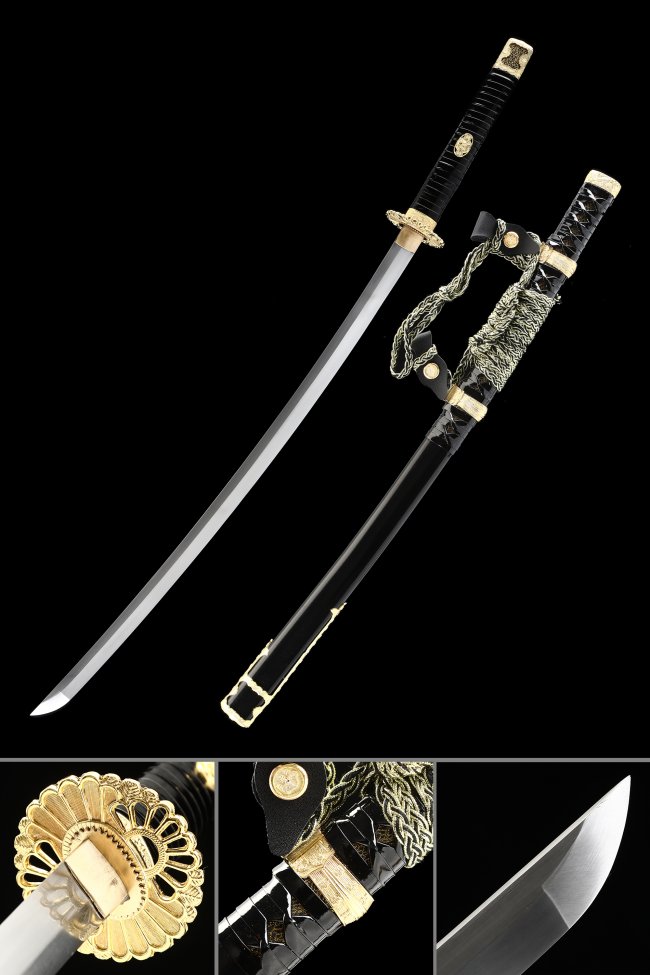
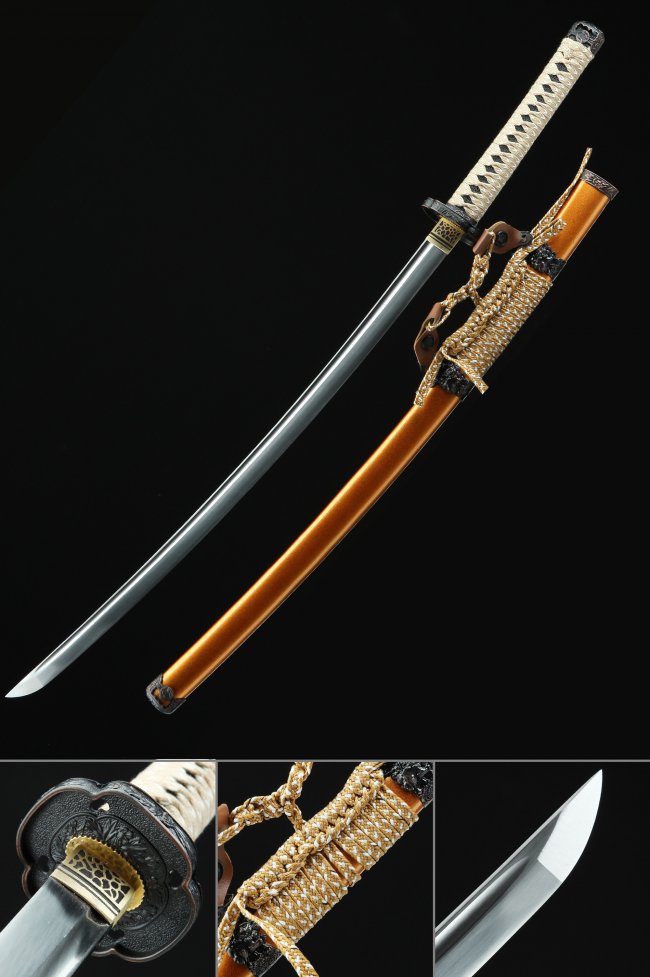
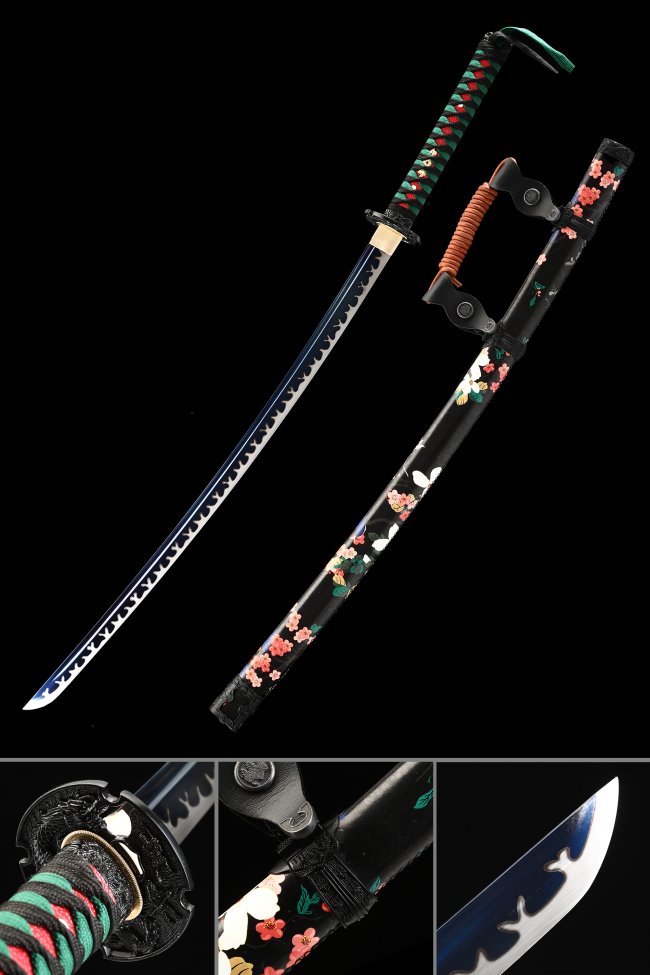
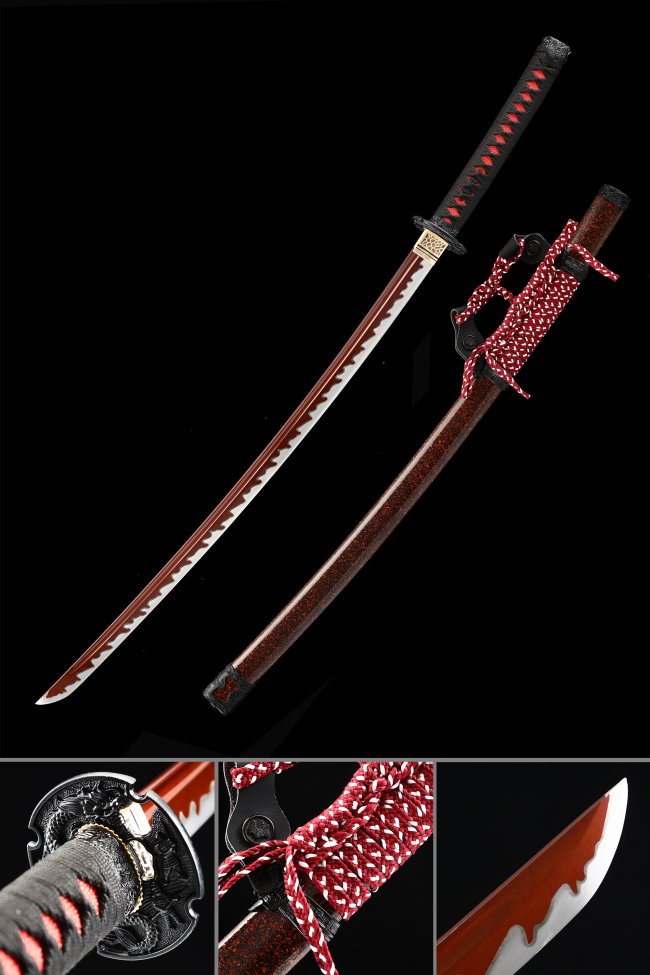
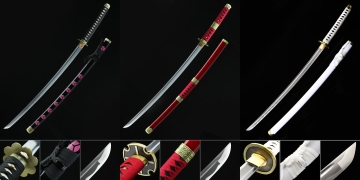
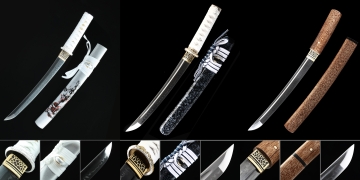
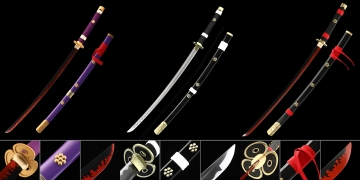
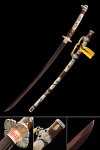
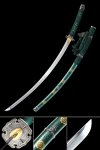
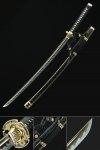
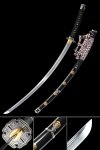
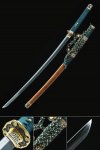
Discover our curated Nodachi collection — oversized Japanese swords renowned for their commanding presence and extraordinary craftsmanship. Each piece is hand-forged from premium steels such as T10, Damascus, and 1095 carbon steel, featuring authentic details like clay-tempered hamon lines, rayskin-wrapped saya, and ornate copper or bronze tsuba. These full-length collectible swords make a striking centerpiece for any display. Every order ships with free shipping and a hassle-free return policy.

Showing 38 Products

Related Collections

Nodachi Tachi Sword46 items


88 Reviews

Nodachi Samurai Sword39 items


83 Reviews

Single Edged Straight Sword46 items


386 Reviews

Custom Samurai Armor53 items


1 Reviews

Frequently Asked Questions

What makes a Nodachi different from a standard katana?
The most immediate difference is overall length. A katana blade typically measures around 24 to 29 inches, whereas a Nodachi blade starts at roughly 36 inches and can exceed 40 inches. That added length changes the forging process significantly: the swordsmith must maintain consistent curvature, carbon distribution, and heat treatment across a much larger billet, which is why historically only the most experienced smiths attempted them. Mounting style also differs — many Nodachi were carried slung across the back or held by an attendant rather than worn at the hip. For collectors, the Nodachi offers a visual impact that smaller swords simply cannot replicate, making it a natural centerpiece in any display arrangement.
Which steel type is best for a collectible Nodachi?
Each steel brings a distinct character. T10 tool steel is a high-carbon alloy with a small addition of tungsten, which improves edge retention and allows for vivid, active hamon lines when clay tempered. Damascus steel is pattern-welded from multiple layers — sometimes exceeding 1,000 folds — producing the signature flowing grain that catches light beautifully along an extended blade. 1095 carbon steel is a straightforward high-carbon option that responds well to traditional heat treatment and develops a clean, classic finish. For pure visual drama on a display piece, Damascus layering is hard to beat; for a bold, natural hamon, T10 is the top choice.
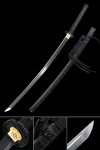
How should I display and store a Nodachi safely?
Because of its length, a Nodachi benefits from a dedicated horizontal wall mount or a tall vertical floor stand that supports the blade at two or more contact points to prevent warping over time. Keep the sword away from direct sunlight and high-humidity areas; ultraviolet exposure can fade lacquer finishes, while moisture promotes surface oxidation on carbon steel. Apply a thin film of choji oil or mineral oil to the blade every four to six weeks using a soft, lint-free cloth, wiping in one direction from spine to edge. If your saya has a lacquered finish, an occasional wipe with a barely damp microfiber cloth will keep it lustrous without damaging the coating.
Are these Nodachi swords full-tang construction?
Yes, the Nodachi swords in this collection feature full-tang construction, meaning the steel extends from the tip of the blade through the entire length of the handle. This is secured with one or more mekugi bamboo pins that pass through both the tang and the tsuka. Full-tang design is the traditional standard for authentic Japanese sword construction and ensures the blade and handle form a single, solid unit — important not only for structural integrity but also for the balanced feel that makes handling and repositioning the sword on its display stand smooth and controlled.
What tsuba designs are available on your Nodachi swords?
The collection includes a wide variety of tsuba styles reflecting classical Japanese decorative arts. You will find copper tsuba featuring peony and chrysanthemum motifs, ornate bronze tsuba with scrollwork relief, and gold-black copper guards with geometric or floral engraving. Each tsuba is cast or hand-finished and then aged or patinated to complement the overall color scheme of the sword — for example, a gold floral tsuba paired with a blue piano lacquer saya, or a silver scroll tsuba set against a dark red blade and cloud-patterned scabbard. These details allow collectors to select a piece that matches both their aesthetic preference and existing display themes.

Customer Reviews