Free Shipping
249.00 USD
ON SALE! 20% OFF
Was: 309.00 USD

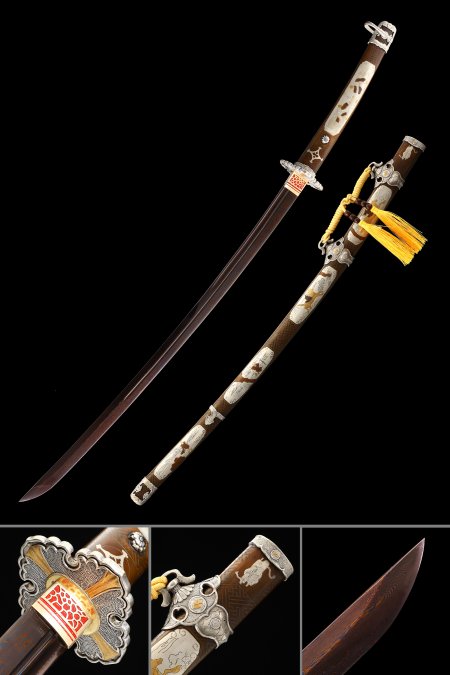
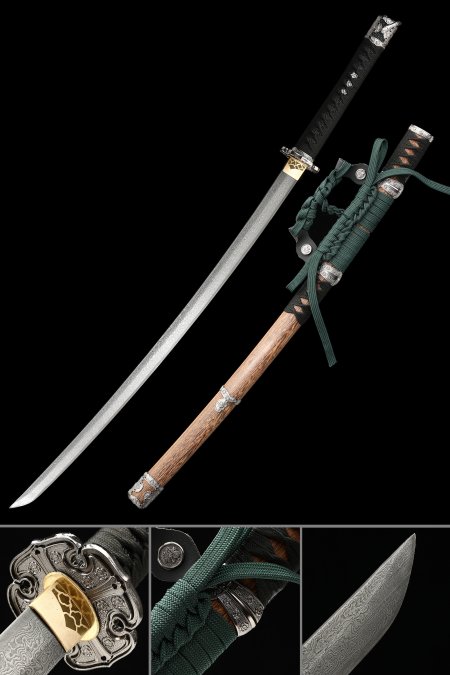
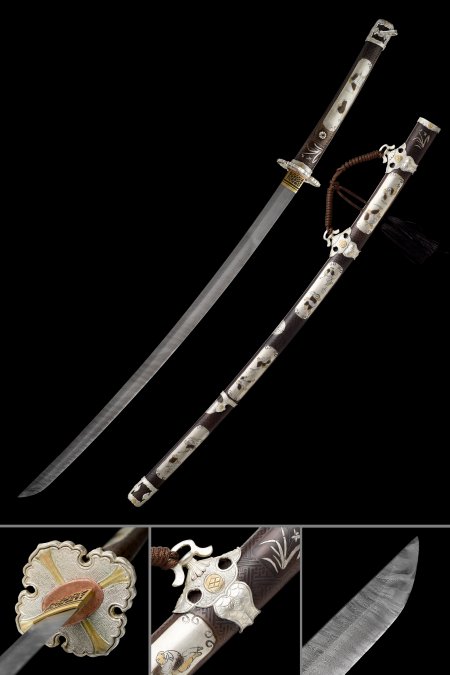
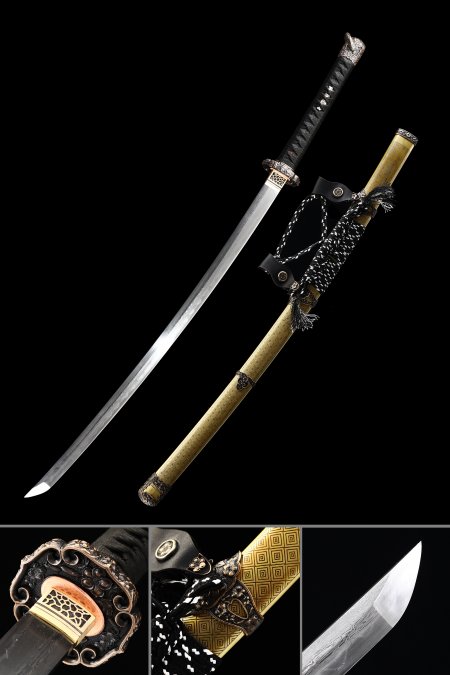
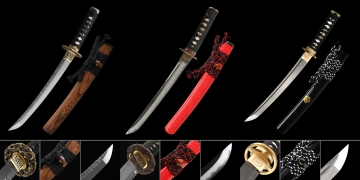
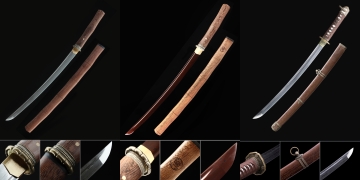
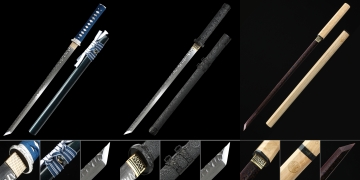
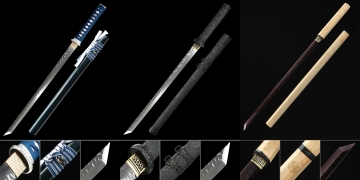
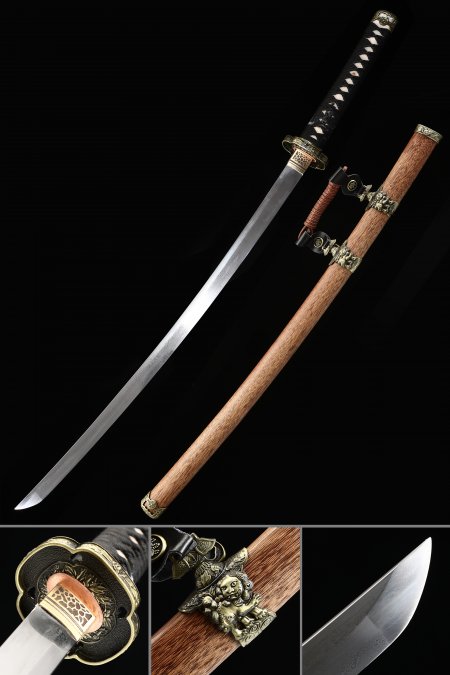
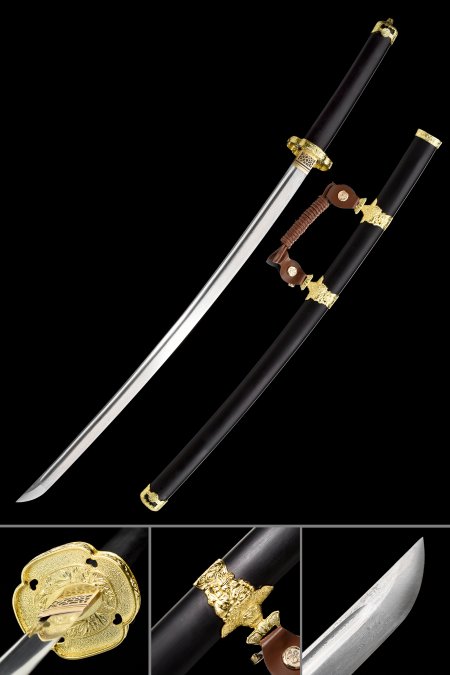
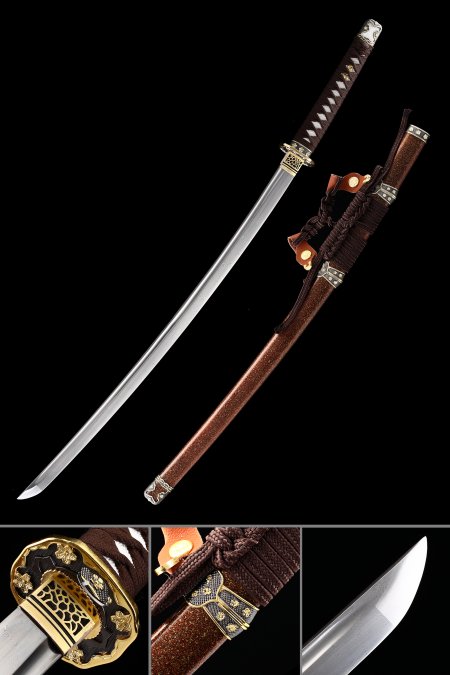
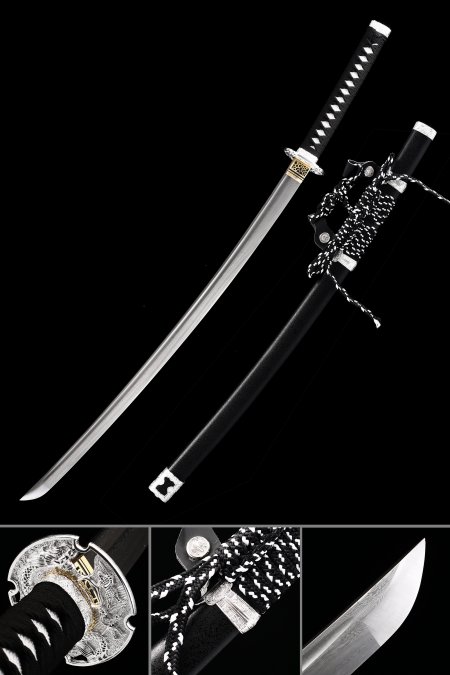
Damascus Steel Tachi Swords bring together centuries of Japanese blade tradition and the mesmerizing layered patterns of hand-forged Damascus steel. Each piece in this collection features a full-tang construction, hand-fitted fittings, and a hand-lacquered saya - crafted for the serious collector who demands authenticity in every detail. Enjoy free shipping on your order, plus a worry-free return policy.
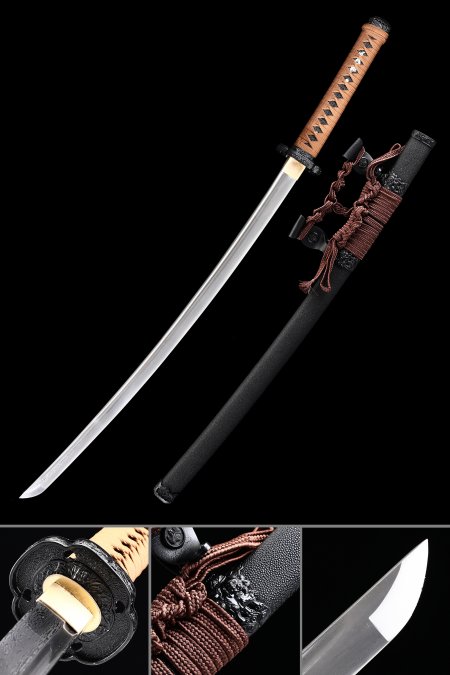
The blade came pretty promptly. Took it out of the box and looks just like the pictures online. Appears well made and of good quality. Blade is very sharp. Cant wait to give to my friend for his birthday.
 |
Damascus Steel Tachi Sword with Natural Hardwood Saya, Gold-Black Copper Tsuba & Black Ito |
Awesome purchase, the spirit of my tachi has returned to me. What's more, mine was forged with a bo-hi, astonshing crafstmanship, without a shadow of a doubt!
 |
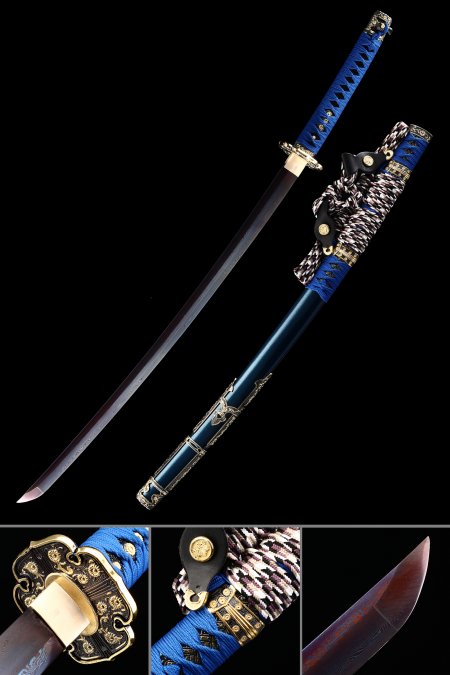
Damascus Steel Tachi Sword with Clay-Tempered Red Blade in Blue Piano Lacquer Saya with Gold Floral Tsuba |
Had a slight tweak to it either from shipping or during the quenching process but very decent edge doesn't affect the cutting performance much hard to notice unless you point out the bend but its $230 so cant compalin to much it functions and holds strong
 |
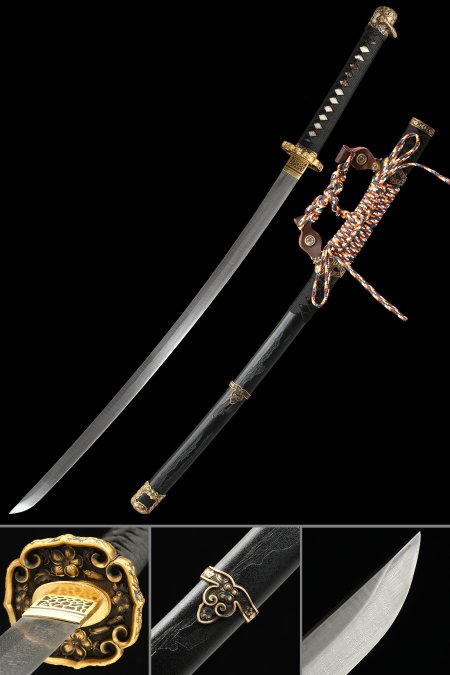
Damascus Steel Katana with Dragon Tsuba - Black Lacquer Saya, Black-White Ito Wrap |
I wanted a relatively cheap display piece I got what I ordered.
|
Damascus Steel Tachi Sword with Clay-Tempered Red Blade in Blue Piano Lacquer Saya with Gold Floral Tsuba |
Great product with very nice steel! Probaly should have gotten a less flashy model but this one is very pretty. Long shipping process with an added shipping request that I flatly refused to pay. Thought that might wreck the deal but it still came in. I will buy matching shorter versions at some point.
|
Damascus Steel Katana with Dragon Tsuba - Black Lacquer Saya, Black-White Ito Wrap |
Extremely great sword Shipping was faster than Expected Don't hesitate to buy one you won't be disappointed now I'm looking forward to buying 1 of high end swords call mom
|
Damascus Steel Tachi Sword with Clay-Tempered Red Blade in Blue Piano Lacquer Saya with Gold Floral Tsuba |
The product is good however it had a strange musty smell. When you put the katana in the case sometimes it doesn't fit properly.
It is not the first time I buy here as you can see from the photo nor will be the last despite the inconvenience.
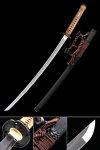 |
Damascus Steel Odachi Sword with Black Leather Saya, Brown Tsuka & Dark Red Sageo |
Love these swords! They came within a week, which is a pretty respectable time frame considering the distance. The swords are absolutely divine! If you love Japanese swords, this is the too go place!
|
Damascus Steel Tachi Sword with Clay-Tempered Red Blade in Blue Piano Lacquer Saya with Gold Floral Tsuba |