Sword Without Guard

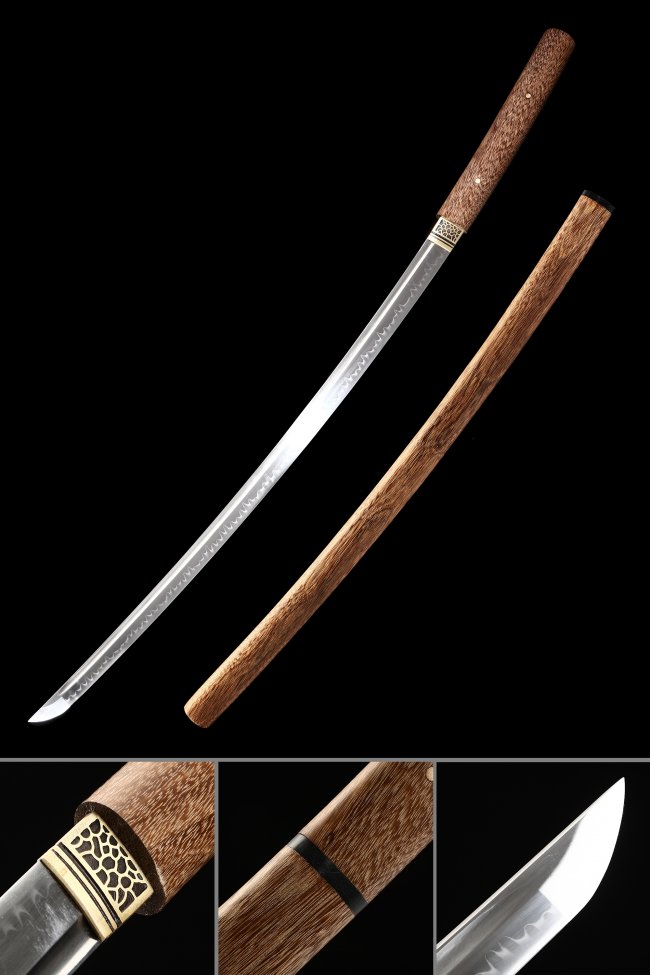
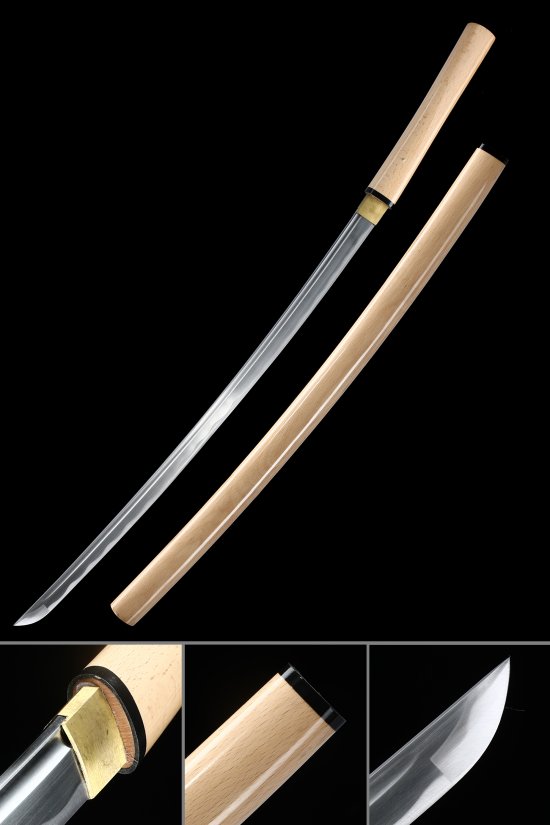
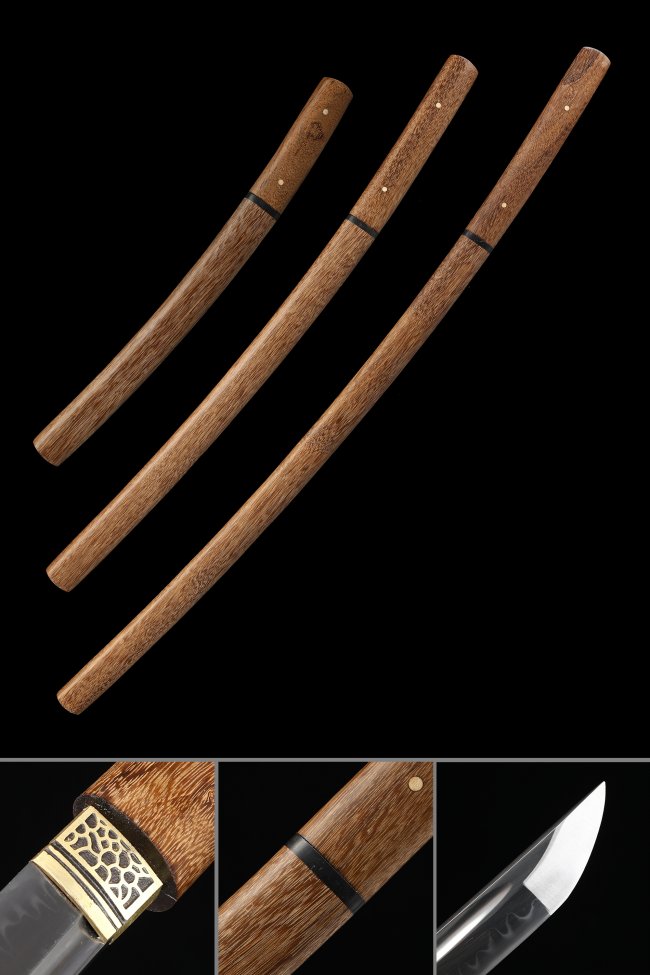
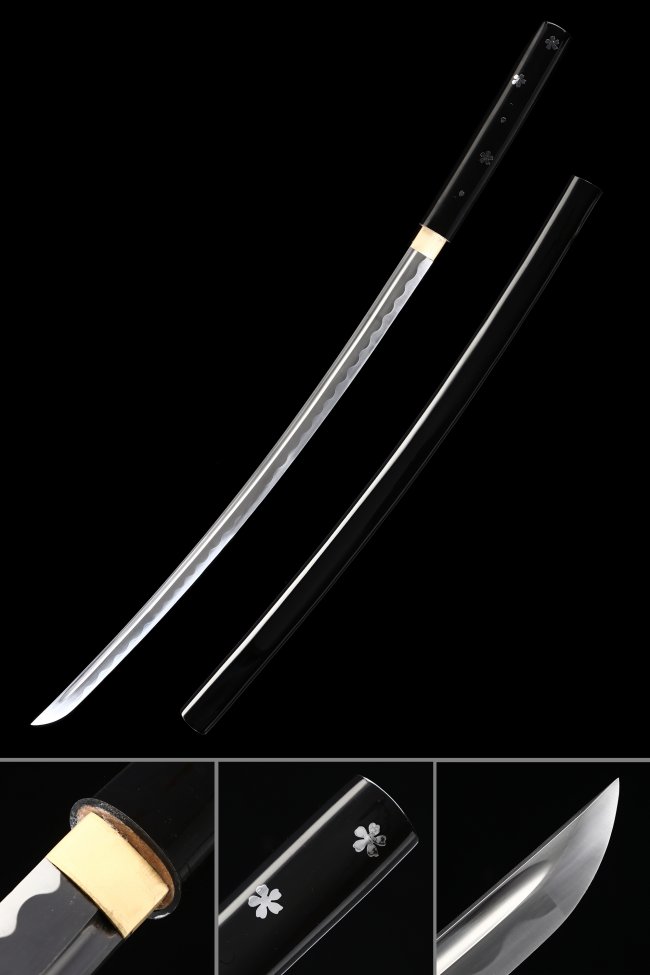
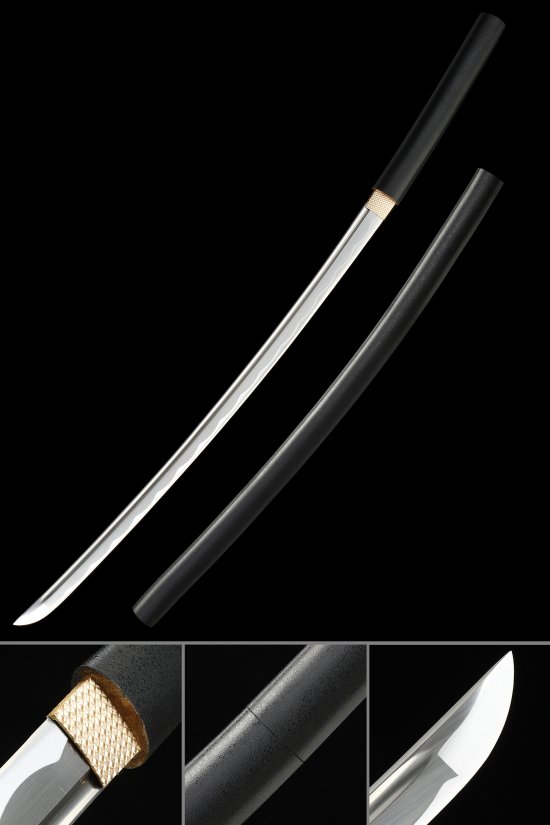
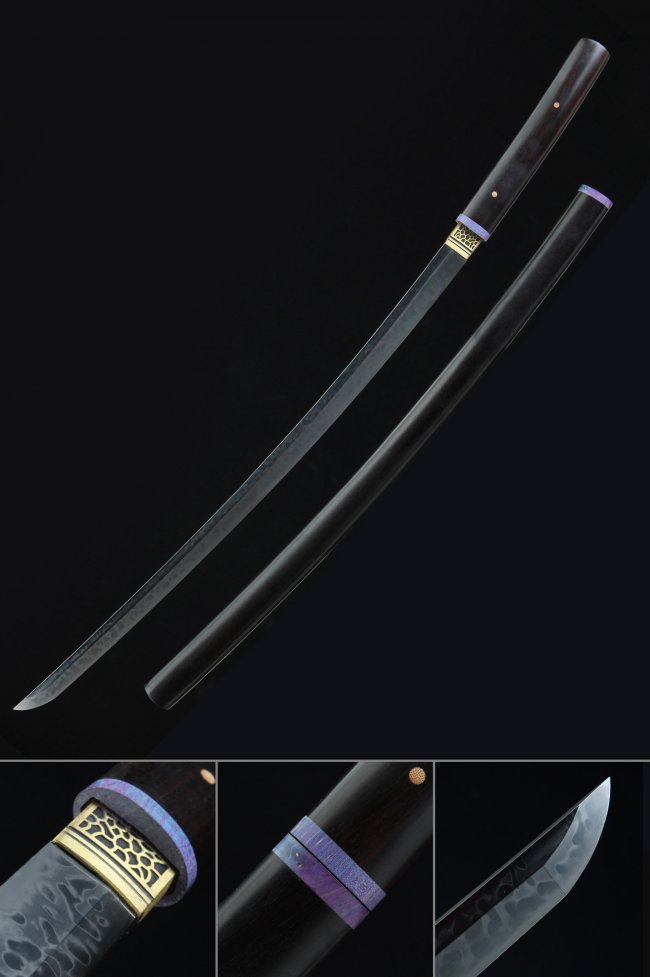
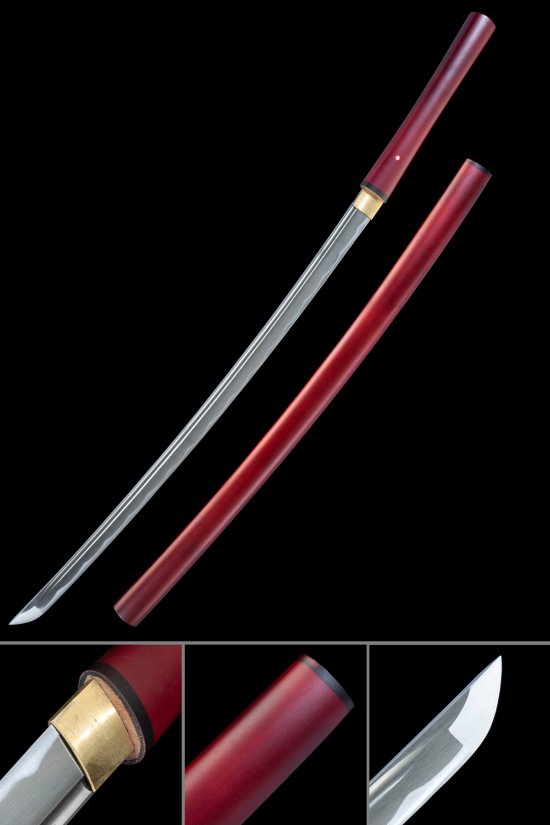
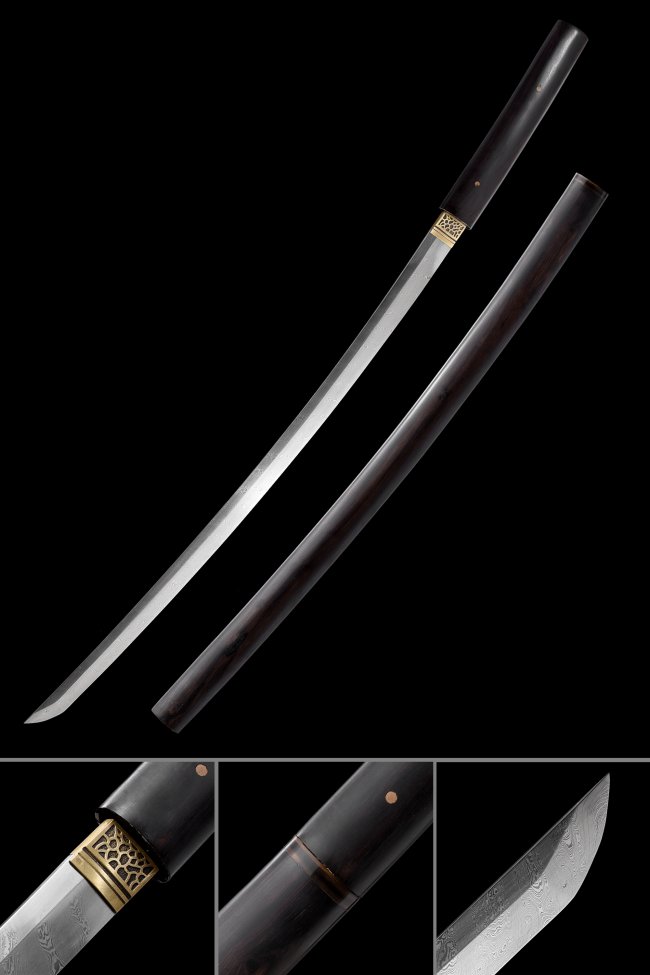
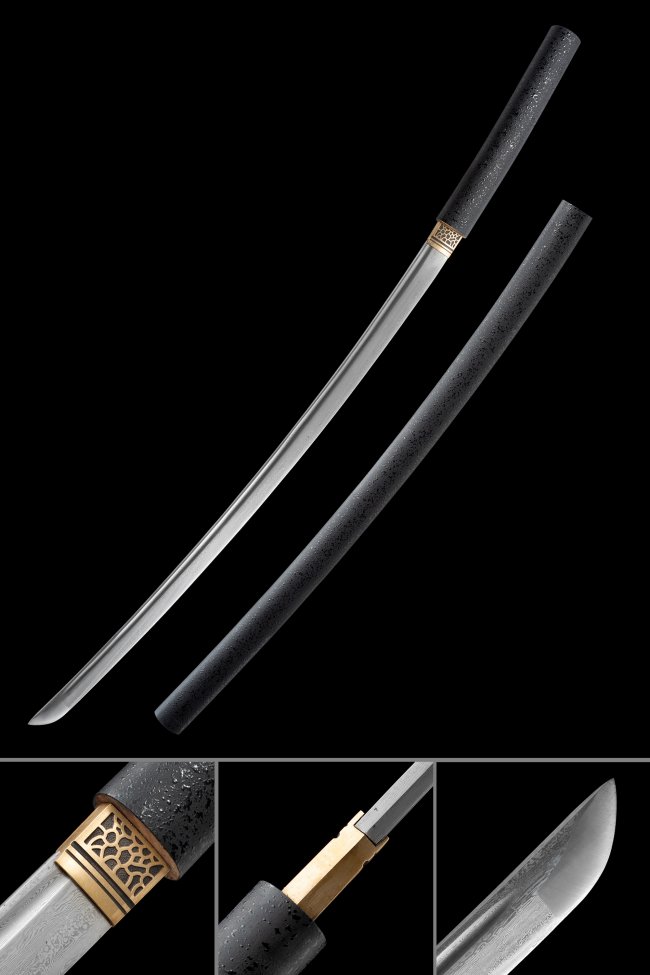
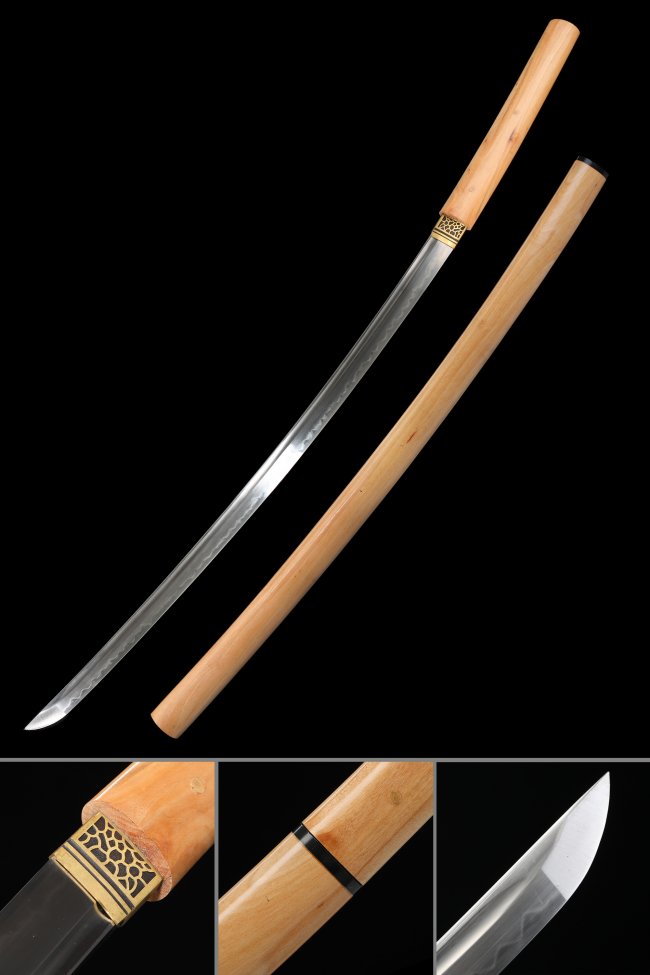
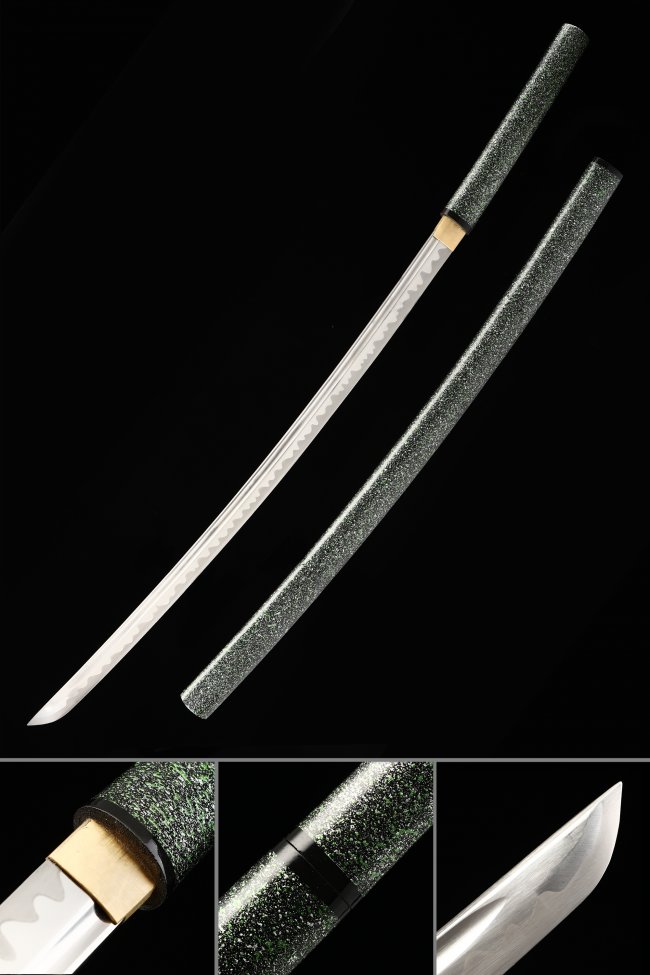
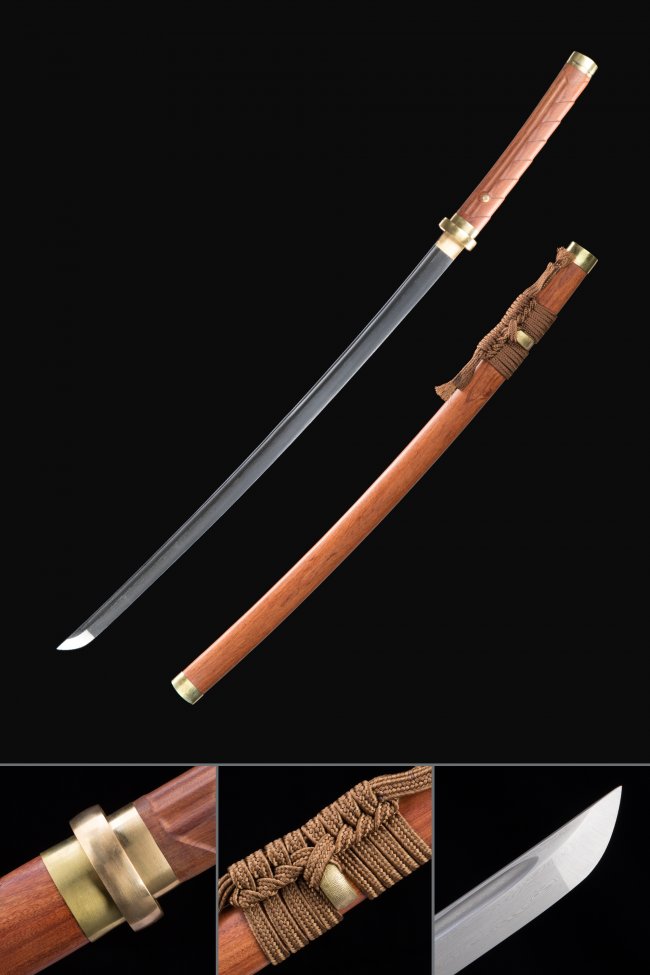
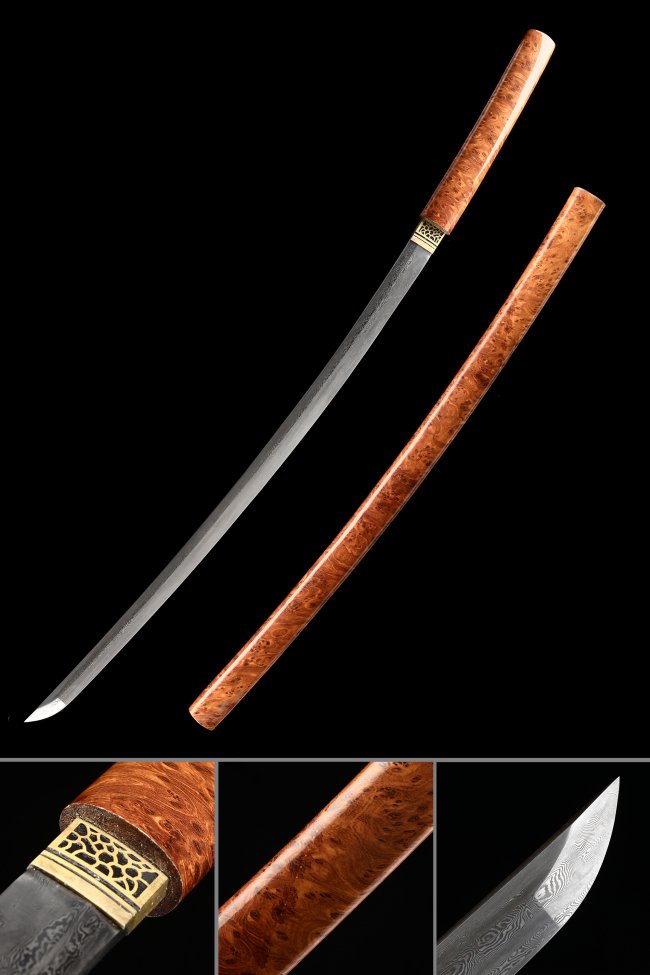
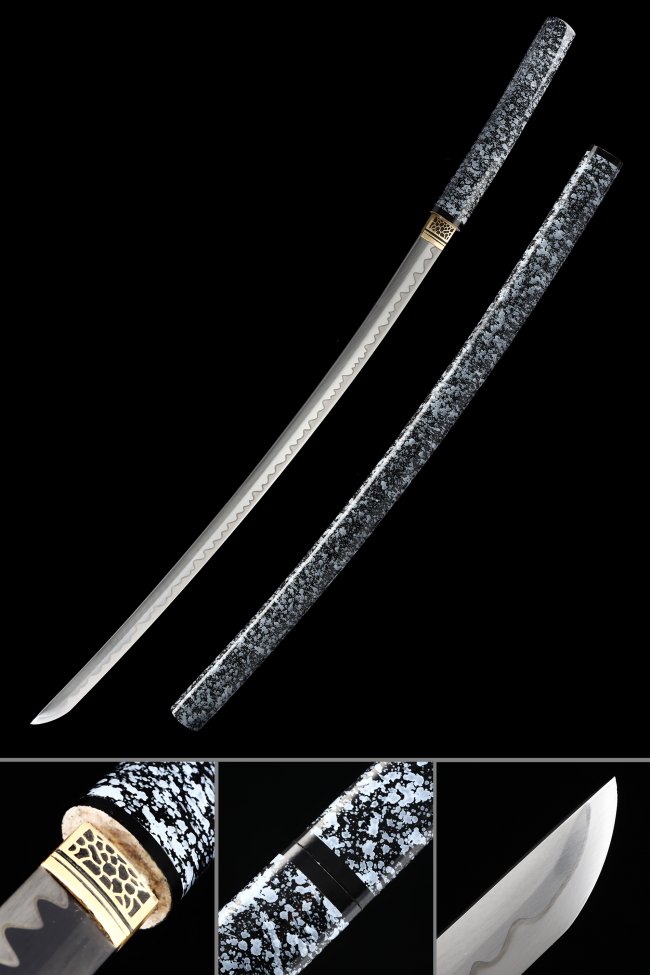
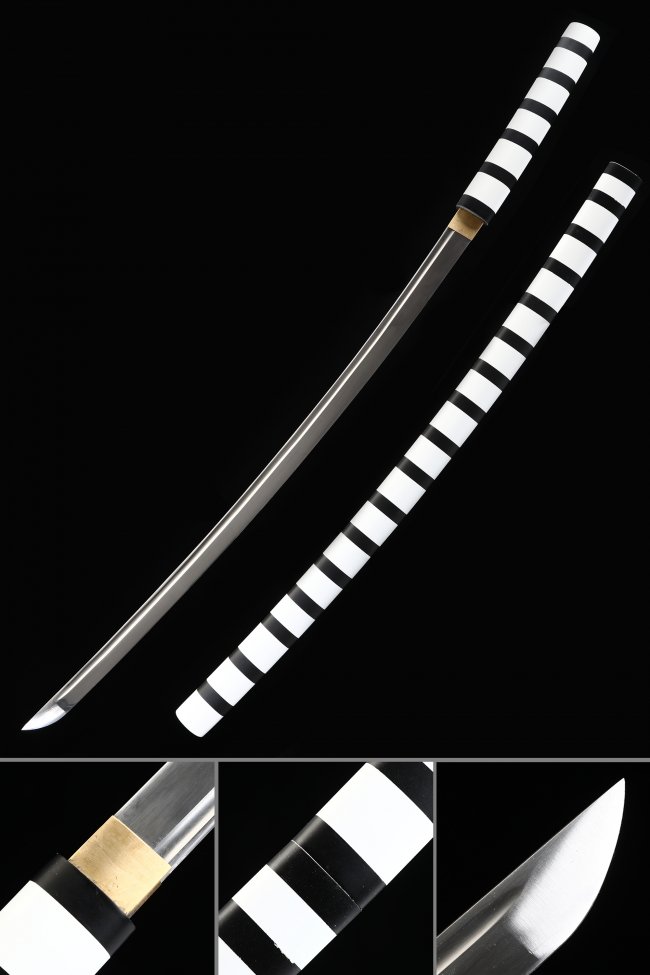
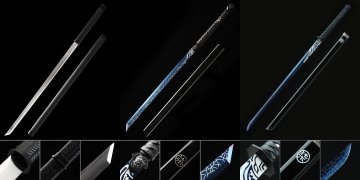
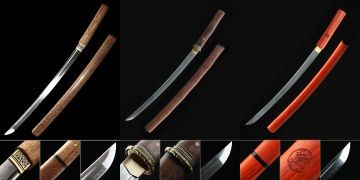
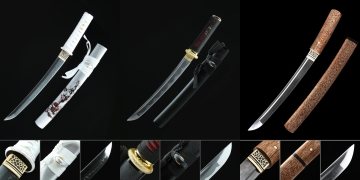
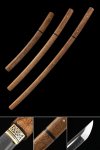
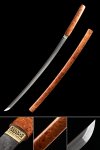
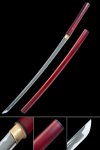
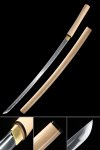
A sword without a guard strips the blade down to its purest visual form - clean lines, uninterrupted geometry, and a silhouette that lets the craftsmanship speak for itself. From clay-tempered T10 steel odachi with authentic hamon to Damascus tachi dressed in piano lacquer saya, every piece in this collection is built on full-tang construction with hand-fitted components selected for both aesthetic harmony and structural integrity. Whether displayed as a centerpiece or studied as a reference of traditional Japanese sword-making, these guardless designs carry lasting appeal for the discerning collector. Enjoy free standard shipping on your order, plus a straightforward return policy so you can collect with confidence.

Showing 30 Products

Related Collections

Antique Tanto82 items


383 Reviews

Antique Ninjato111 items


612 Reviews

Natural Katana102 items


292 Reviews

Aikuchi Tanto120 items


580 Reviews

Frequently Asked Questions

What defines a sword without a guard?
A sword without a guard omits the tsuba - the metal disc that normally sits between the blade and the grip. This configuration can appear across many Japanese sword forms, including ninjato, tachi, odachi, and wakizashi. Without a guard, the blade-to-handle transition is uninterrupted, placing full visual weight on the quality of the steel, the saya finish, and the handle wrap. In traditional Japanese craft, shirasaya mounts are the most recognized guardless format, using a simple wood housing for preservation. Display-oriented pieces in this style often substitute decorative saya lacework and tsuka ito patterns for the ornamentation that would otherwise appear on a tsuba, creating a visually unified collectible.
How does T10 steel differ from 1045 carbon steel in these blades?
T10 tool steel contains a small percentage of tungsten added to its high-carbon composition, which increases wear resistance and allows the blade to hold a refined edge over time. When combined with clay tempering, T10 produces a visible hamon - the undulating temper line that separates the hardened edge from the softer spine. 1045 carbon steel has a lower carbon content, making it more impact-resistant and well-suited for longer or heavier blade formats like odachi and ninjato where flex tolerance matters. For display collectors, T10's hamon activity is often the deciding factor, as each blade's temper line is unique and functions as a kind of visual fingerprint. Both steels are appropriate for serious display collections; the choice depends on whether you prioritize surface artistry or structural robustness.
Are the One Piece sword replicas full-tang construction?
Yes. The Roronoa Zoro replica swords - Wado Ichimonji, Shusui, and Sandai Kitetsu - are all built on full-tang 1045 carbon steel construction. Full tang means the steel runs the complete length of the handle rather than terminating partway through, which is the standard expected of quality display pieces and a key indicator of structural integrity. These replicas are crafted to reflect the iconic visual details of their source designs: white lacquer saya for the Wado Ichimonji, a black blade profile for the Shusui, and a red saya for the Sandai Kitetsu. As collectibles, they satisfy both anime enthusiasts who want accurate screen-faithful details and sword collectors who require proper material standards.
How should I maintain a lacquer saya on a guardless display sword?
Piano lacquer saya - the high-gloss finish seen on several pieces in this collection - is durable but sensitive to impact and prolonged UV exposure. Avoid placing the sword in direct sunlight, which can yellow or fade the lacquer over time. Wipe the saya surface occasionally with a dry microfiber cloth; do not use oil or solvent-based cleaners on lacquer finishes. For the blade itself, apply a light coat of choji oil using a soft cloth every few months to prevent surface oxidation, particularly at the unguarded ricasso area where moisture can accumulate. Store the sword on a horizontal display stand rather than upright, which distributes pressure evenly along the saya and prevents warping of the wooden core beneath the lacquer finish.
What makes a guardless sword a good gift for a collector?
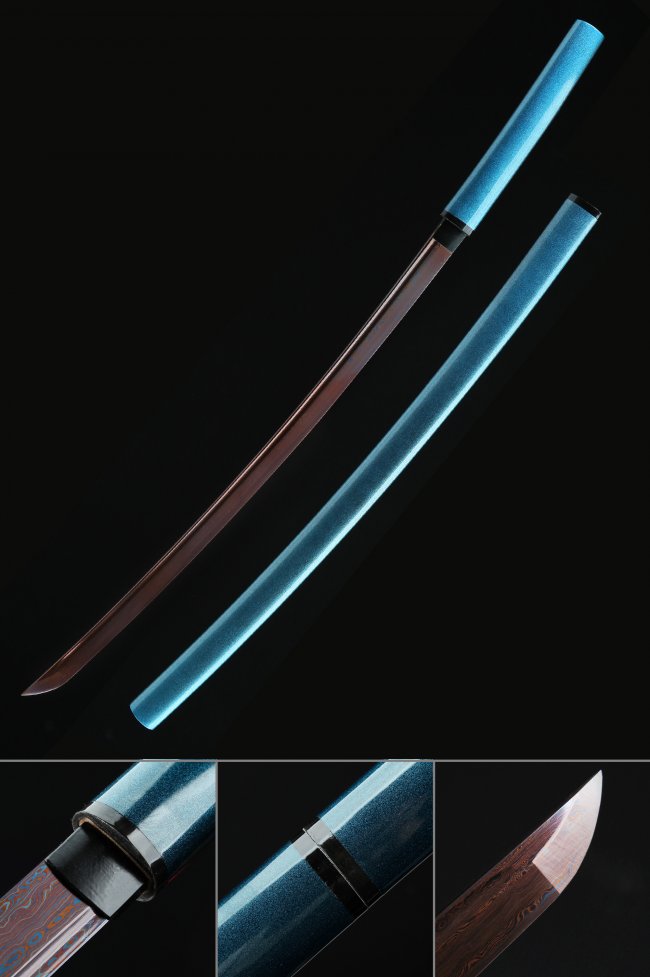
Guardless swords make particularly thoughtful gifts because their visual clarity makes the craftsmanship immediately legible - there is no tsuba to distract from the blade's steel character, the saya's finish, or the ito wrap color. For a recipient who already collects Japanese swords, a guardless piece offers a distinct display profile that contrasts well against conventionally fitted katana. For newer collectors, the simplified design is an approachable entry point that demonstrates the full range of Japanese sword aesthetics without requiring deep prior knowledge. Pieces like the Damascus steel tachi with blue piano lacquer saya or the T10 odachi with real hamon are visually striking enough to serve as standalone display centerpieces, making them reliable choices for gifting without needing to match an existing collection theme.

Customer Reviews