Free Shipping
179.00 USD
ON SALE! 30% OFF
Was: 259.00 USD

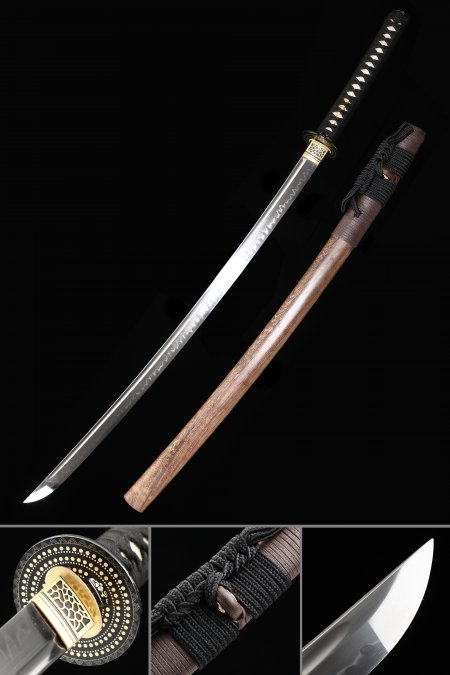
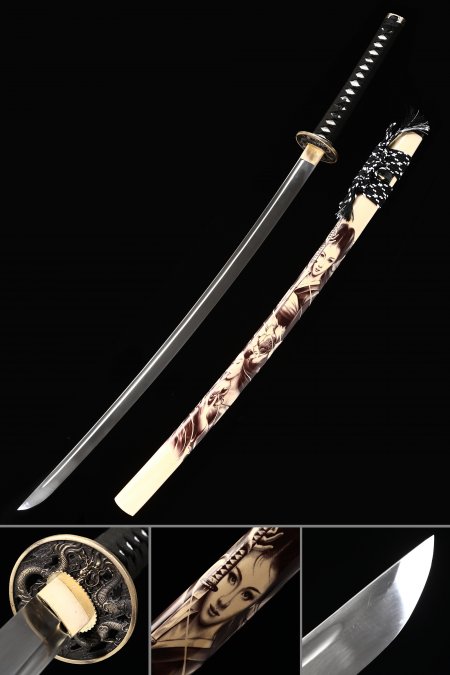
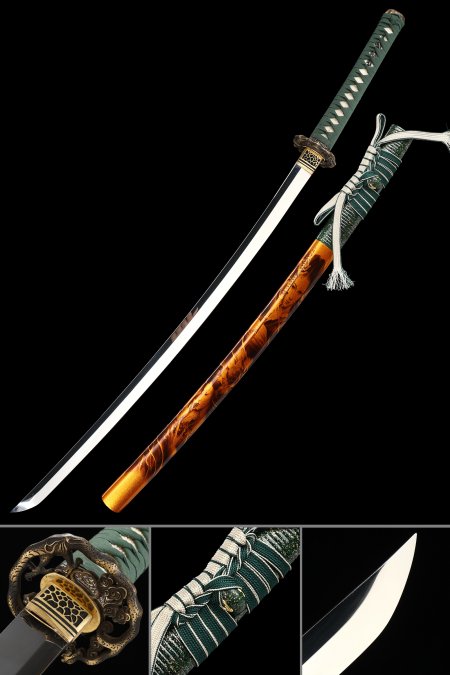
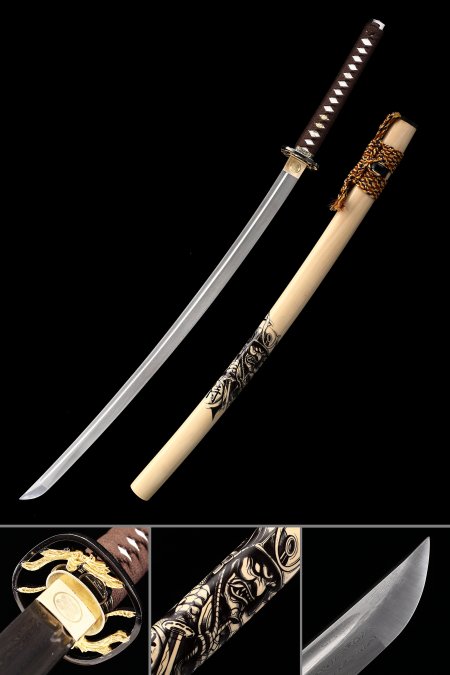
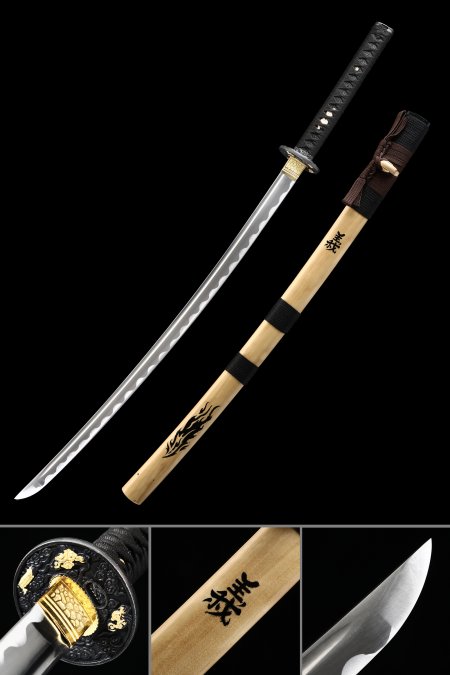
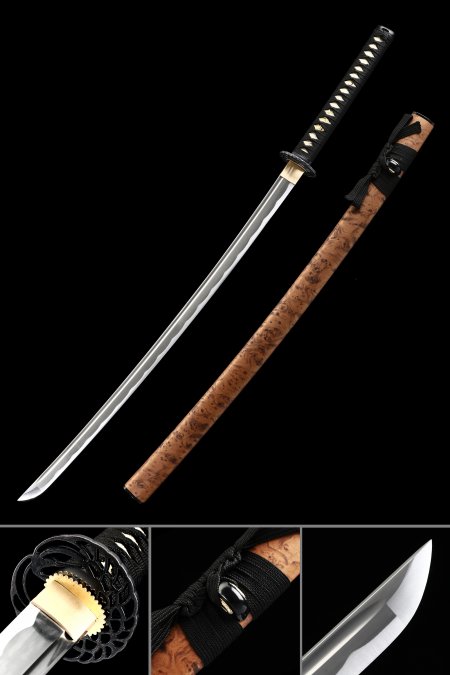
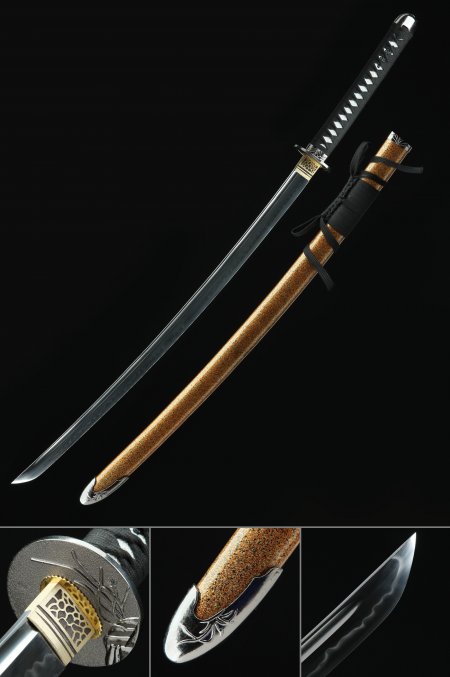
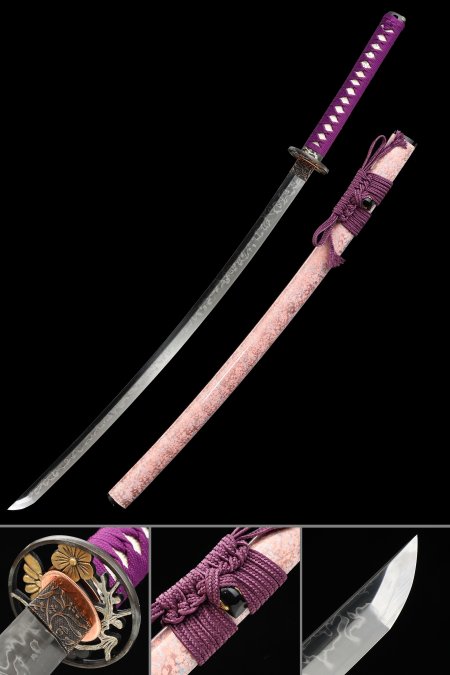
Explore our Natural Katana collection — handcrafted pieces featuring clay-tempered blades, real hamon lines, and genuine hardwood saya finished in their organic grain. Each sword is individually forged and assembled by skilled artisans, making it an exceptional display piece or collector’s gift. Every order ships with free shipping and a hassle-free return policy.
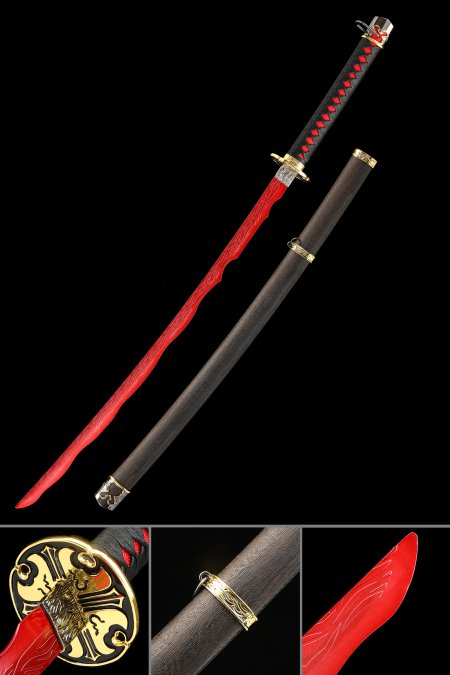
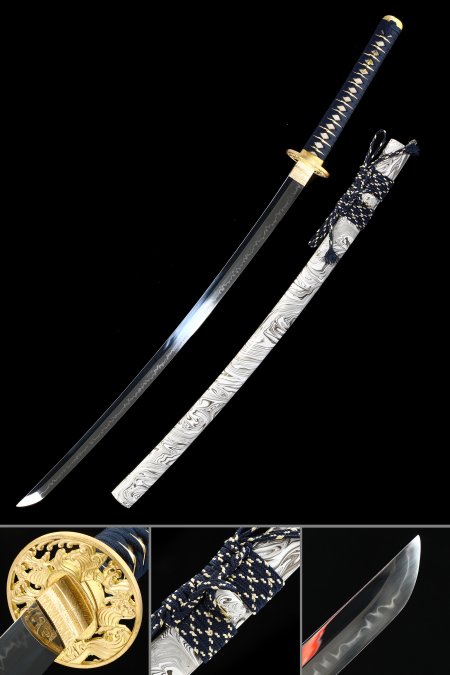
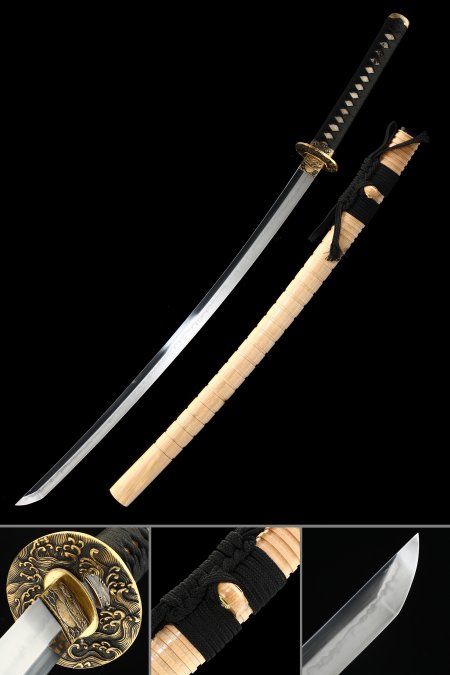
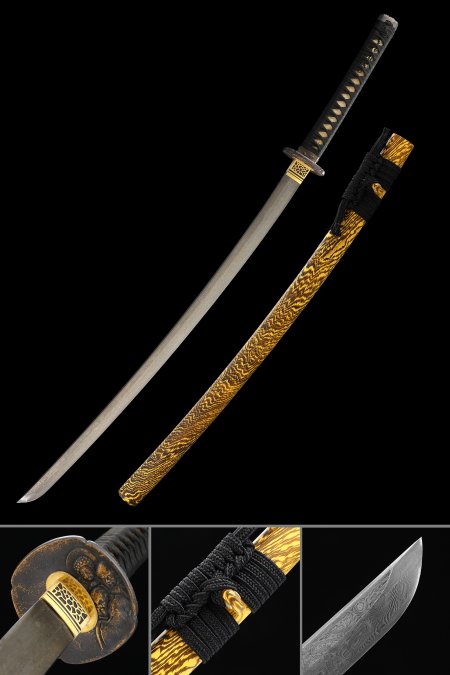
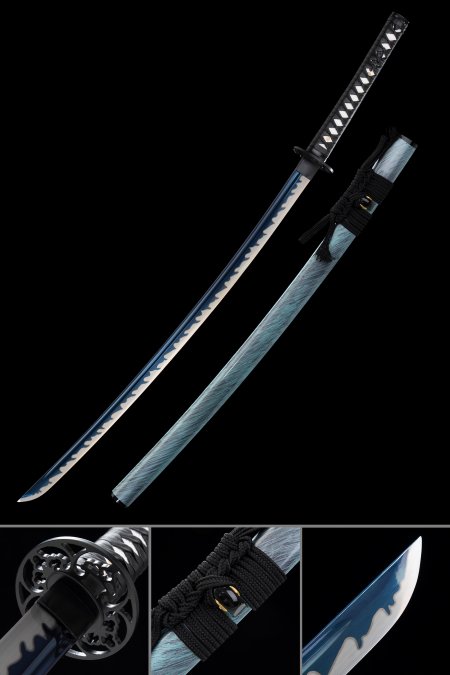
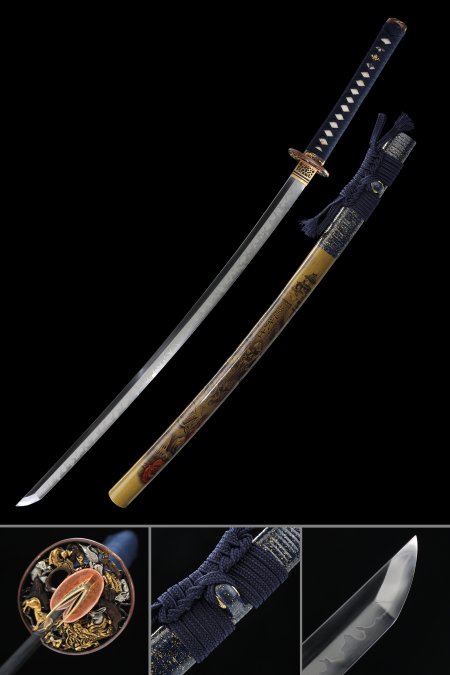
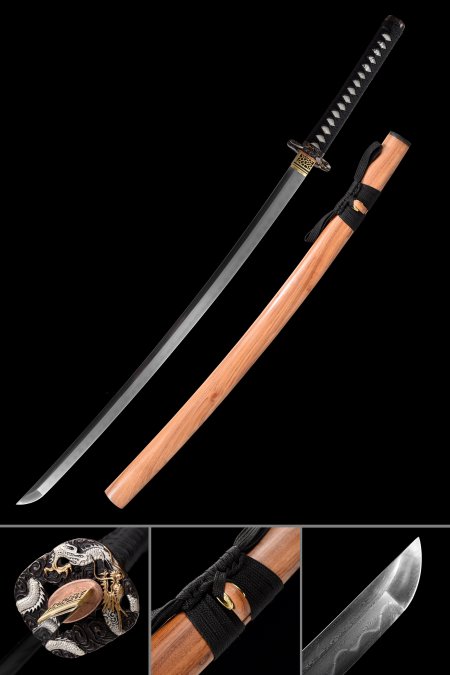
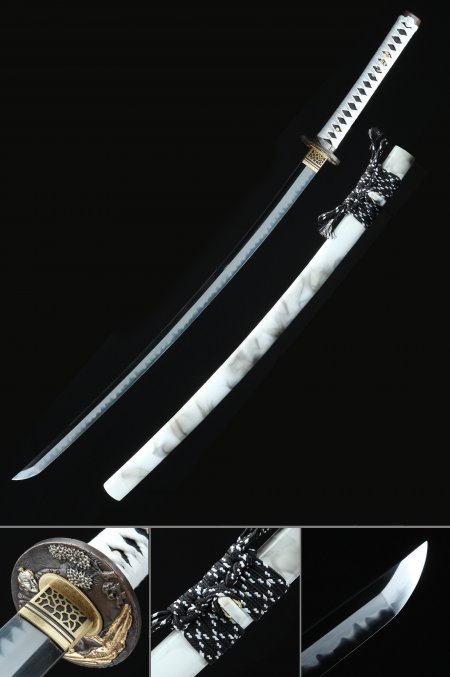
The blade is very beautiful and all of the fittings are tight. My only complaint is the saya, it looks gorgeous but I needed to do some modifications to make it fit tight and it does feel like the saya is a bit under sized for the blade.
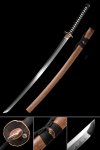 |
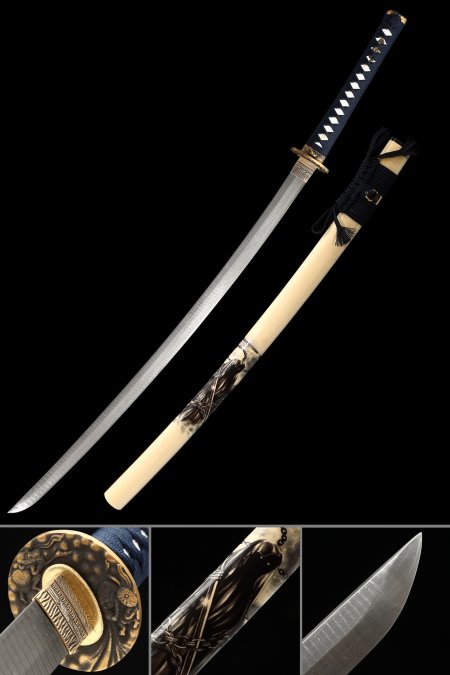
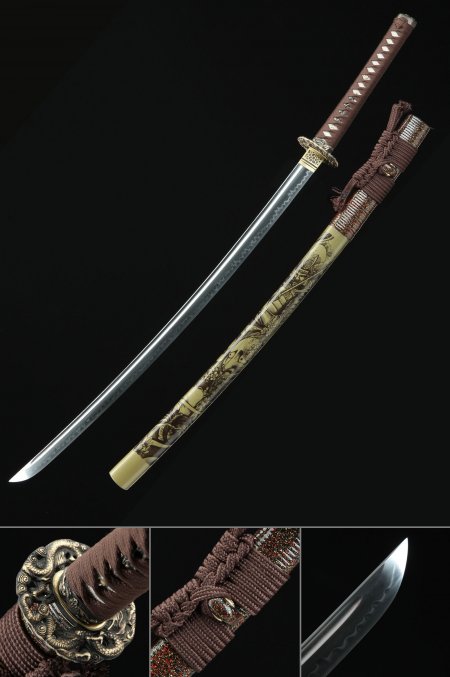
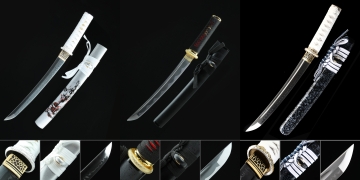
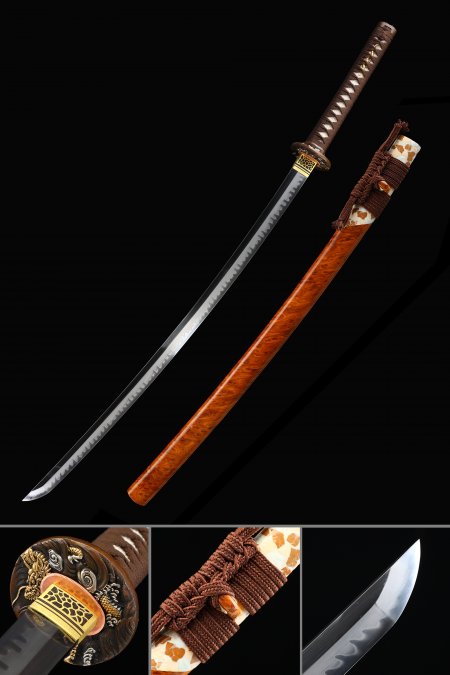
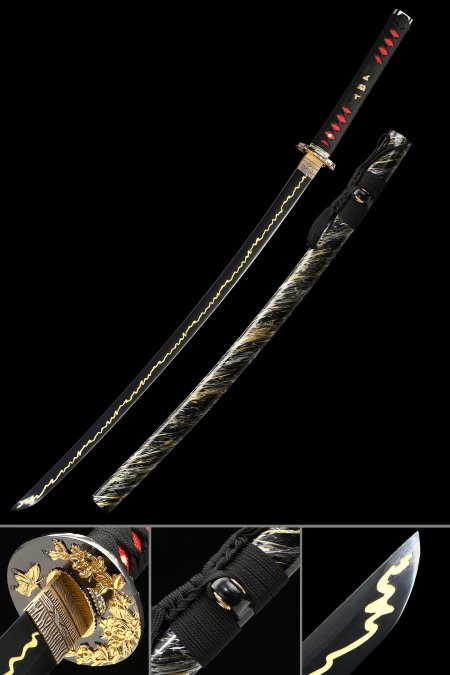
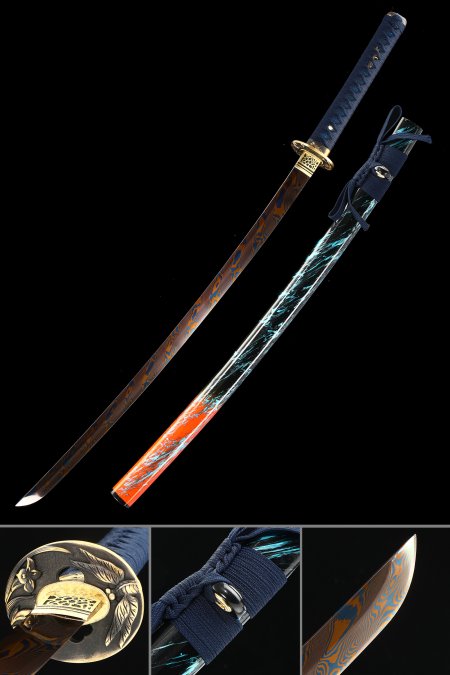
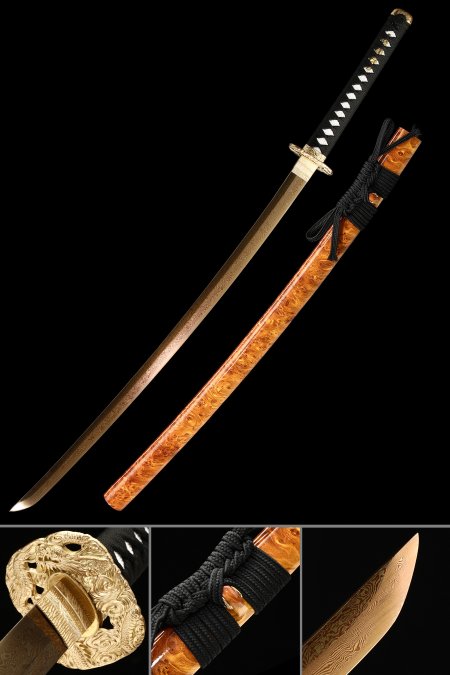
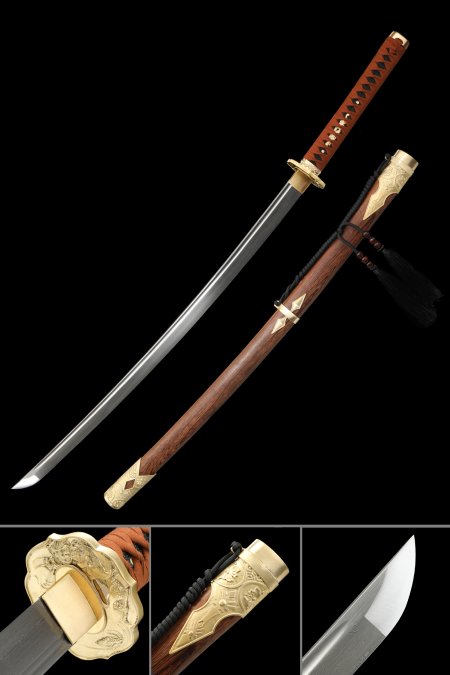
Damascus Steel Katana with Natural Hardwood Saya - Clay Tempered T10 Blade, Real Rayskin, Gold Tsuba |
The two swords are fantastic, truly the best sword I've ever had in hand. They didn't take too long to arrive either, the only problem I have is that one sword is very different to unsheathe and ensheathe. It seems like the cut in the sheathe is off, but otherwise everything is great and would definitely order again.r
r
The first two are the ones I received from "TrueKatana". The topmost sword is the one with the sheathing problem.
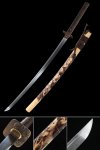 |
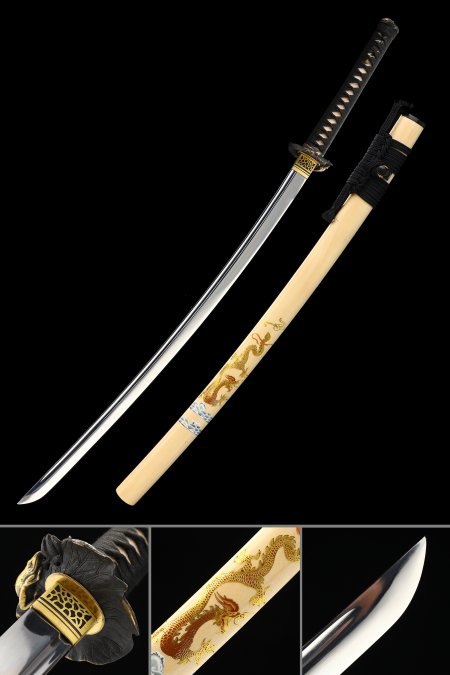
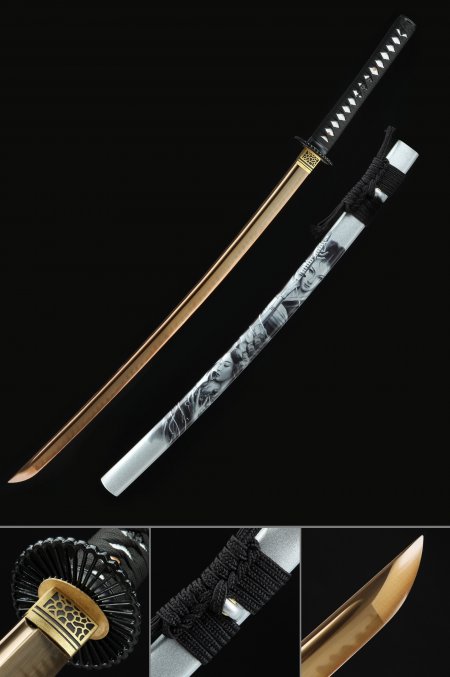
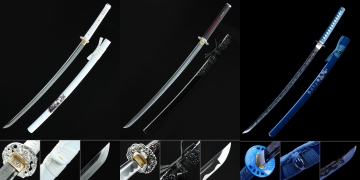
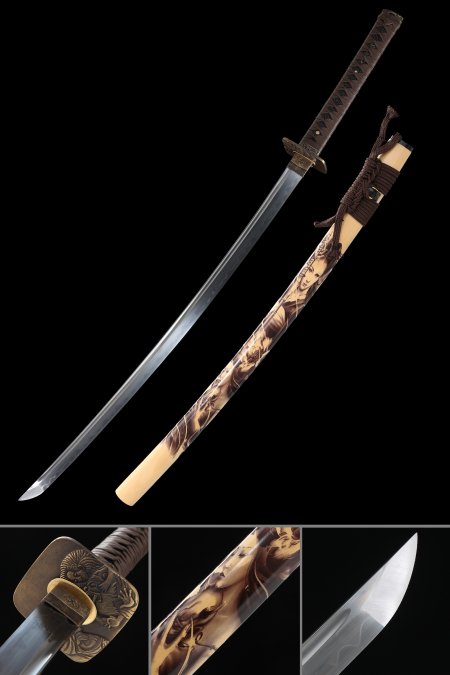
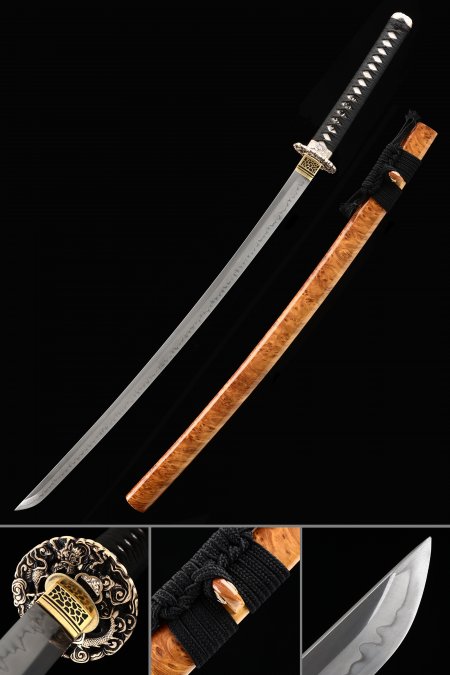
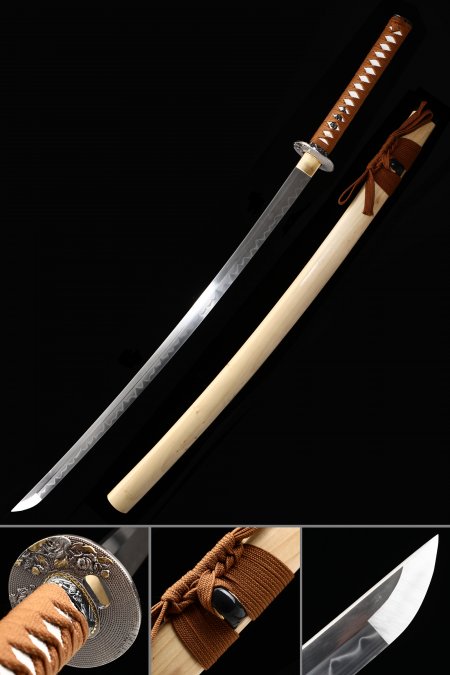
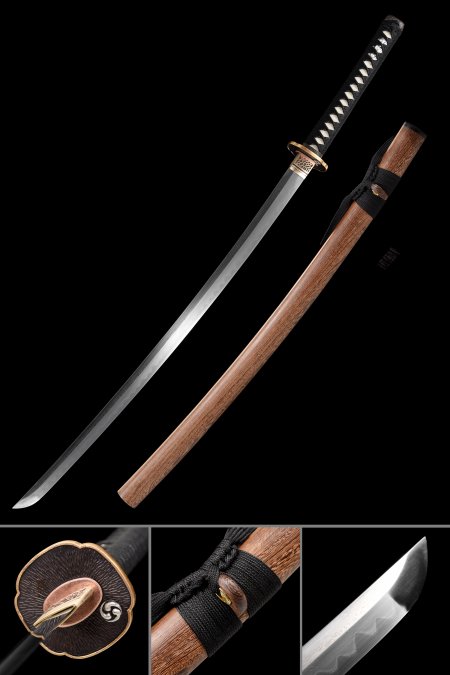
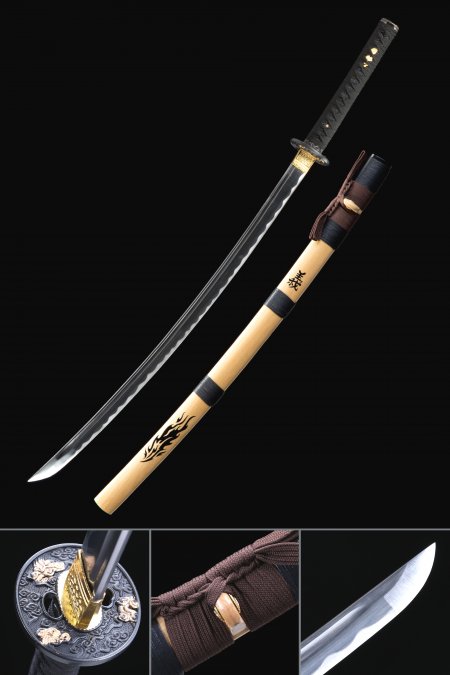
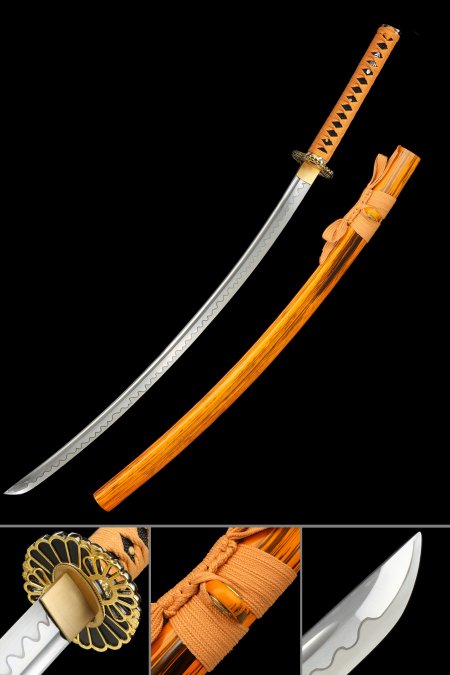
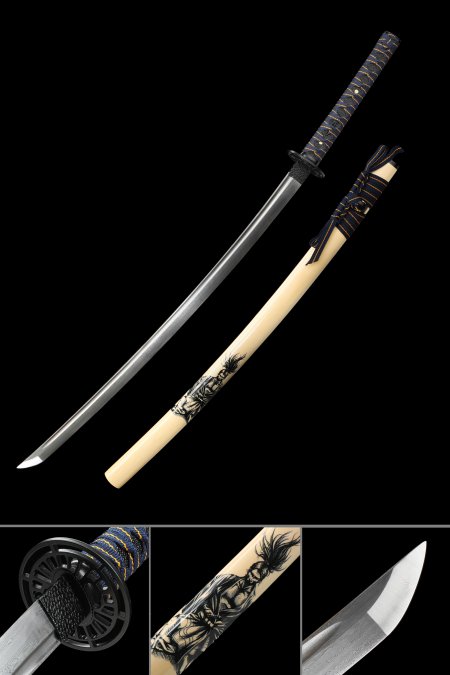
T10 Carbon Steel Katana with Clay Tempered Real Hamon in Hand-Painted Beige Saya with Copper Fittings |
Beautiful blade, and great made handle and sheath! Didn't take too long for shipping and wall holder is so beautiful 😍
|
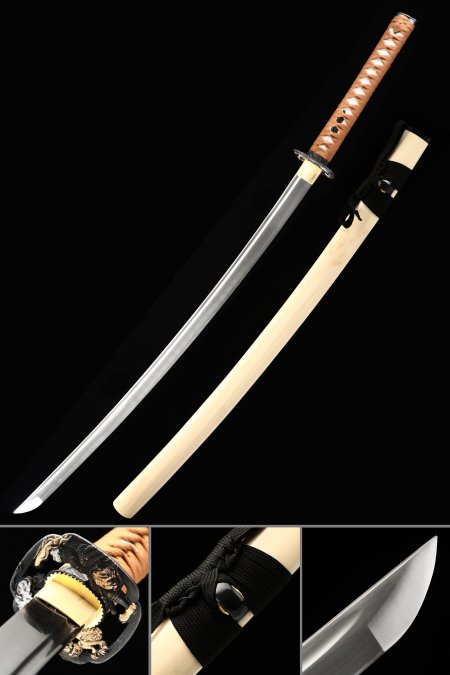
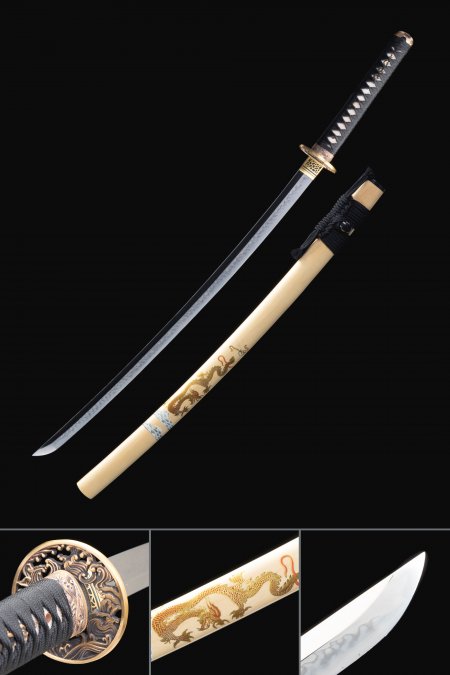
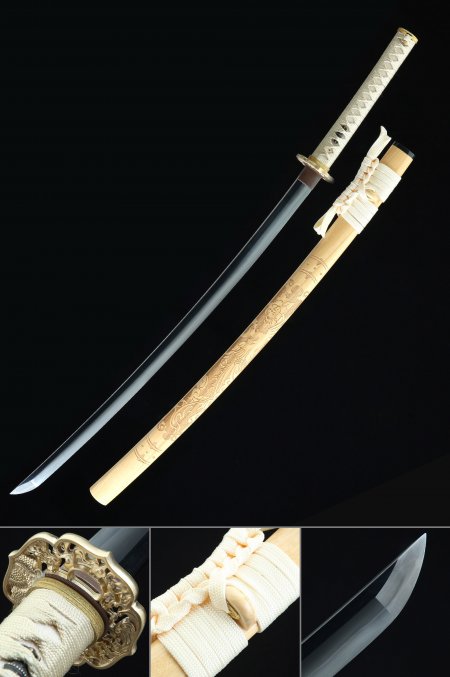
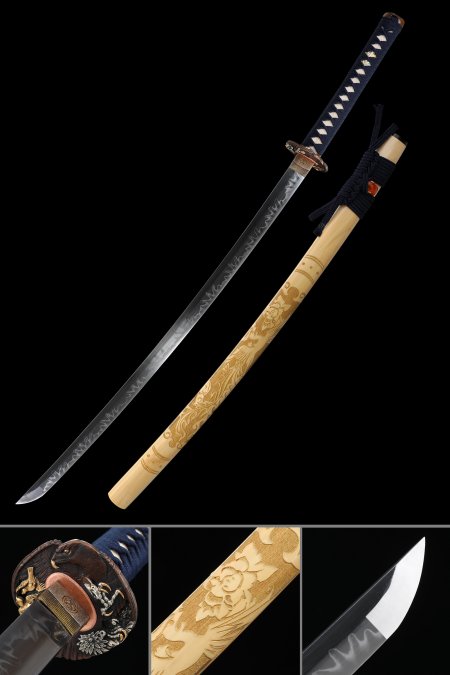
T10 Carbon Steel Katana with Clay Tempered Real Hamon in Hand-Painted Beige Saya with Copper Fittings |
Such a well made sword. The woodin, scabbard and handle go so well together!
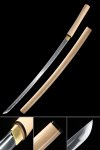 |
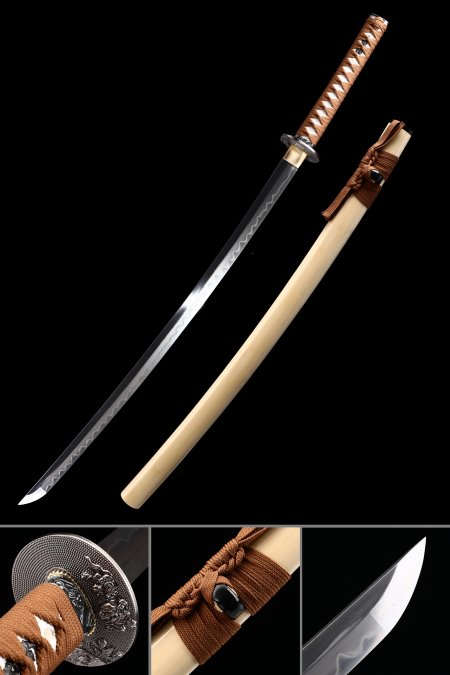
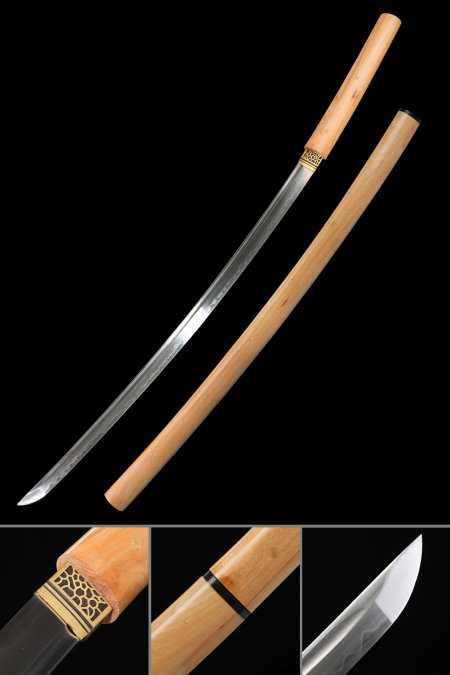
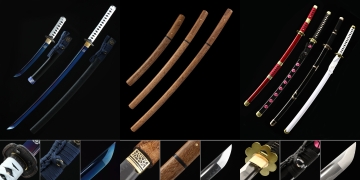
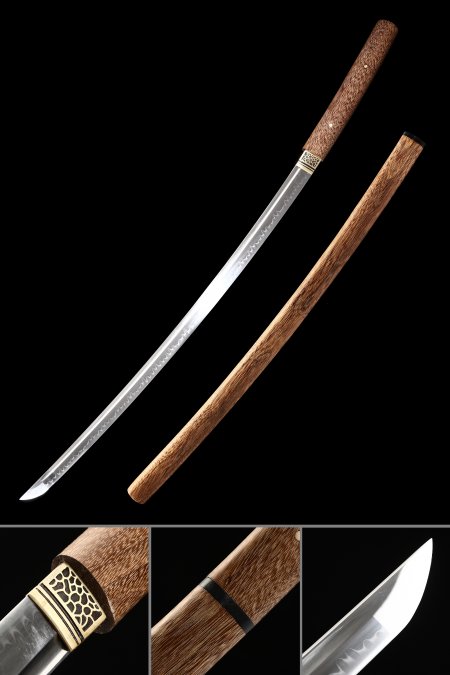
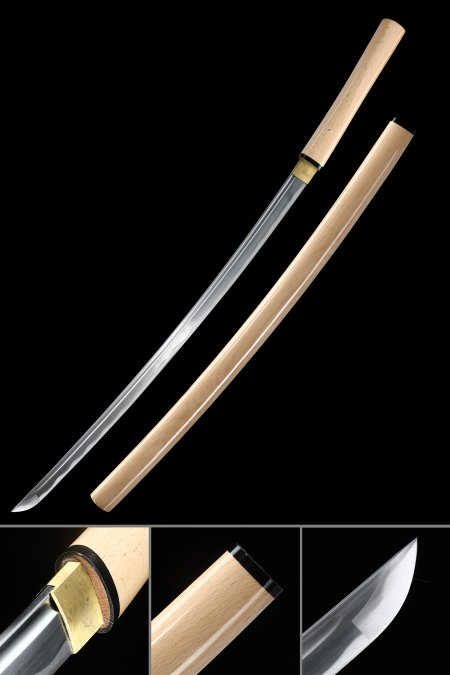
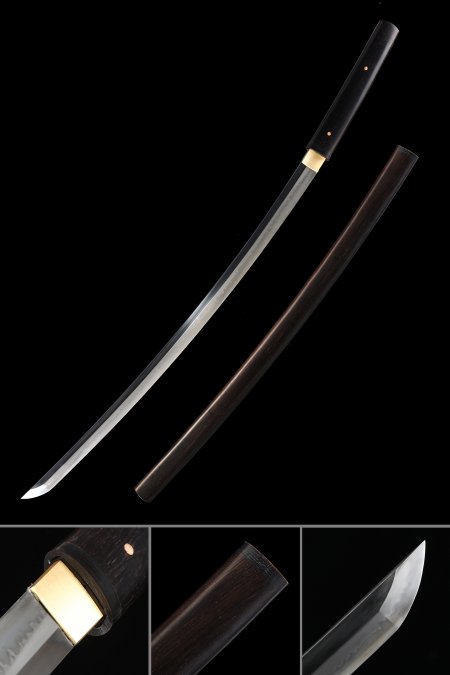
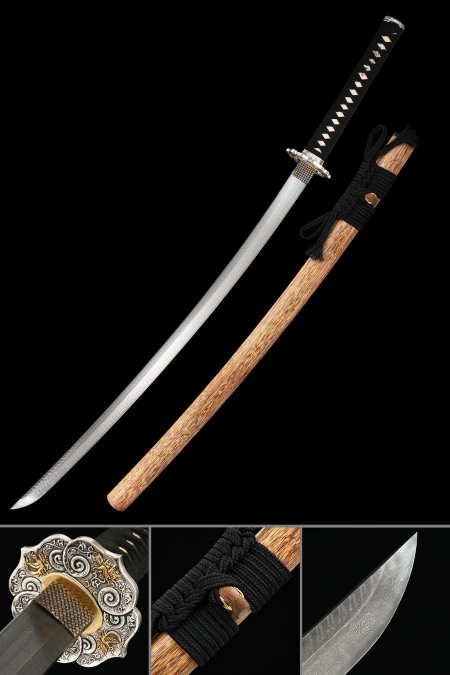
1065 Carbon Steel Shirasaya Katana with Natural Wood Saya - Handmade, Full Tang Blade |
Good evening, r
r
Upon receiving my new katana sword, I was absolutely thrilled at how beautiful it is and it appears to be very well made. It is lightweight and easy to handle! I can’t wait to practice wielding it so that I may become adept and proficient at its use! Thank you very kindly again! I’d also like to add that I will be sharing my appreciation of your craftsmanship with my friends and family, so they are aware of your quality product as well! r
r
Sincerely, Bradley Darin Bluntr
(Prospective Samurai)
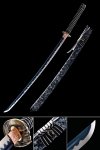 |
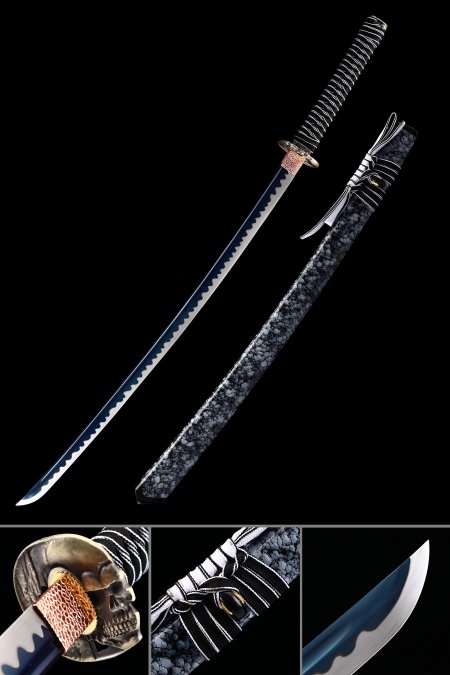
Spring Steel Blue Blade Katana with Skull Copper Tsuba in Marble Stone Saya - Collectible Samurai Sword |
The first one was damaged, but they did replace it.
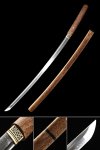 |
T10 Carbon Steel Shirasaya Katana with Clay-Tempered Real Hamon in Natural Wengewood Saya |
The item arrived well packaged and in a timely manner. I am pleased with this item but have made several minor alterations to improve appearance. the price was not too bad. I would buy again from this company if I found an item I liked and was priced right
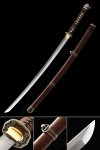 |
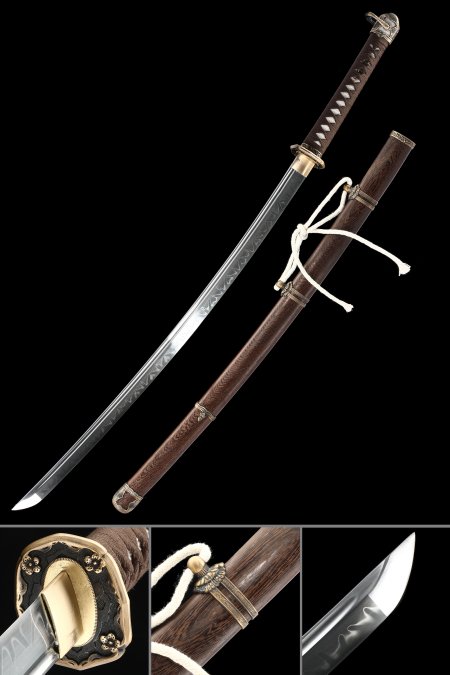
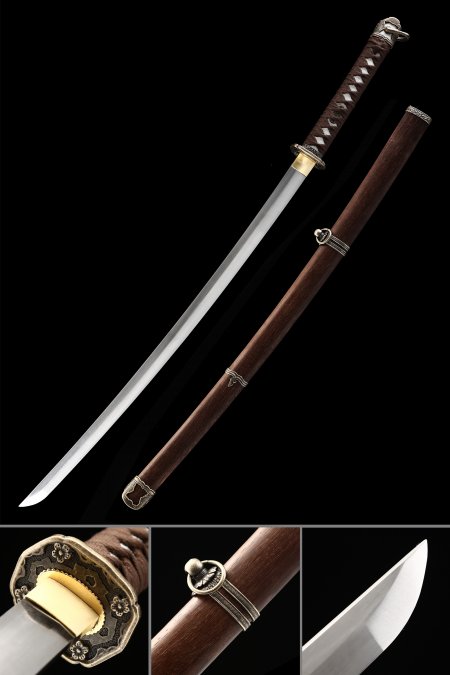
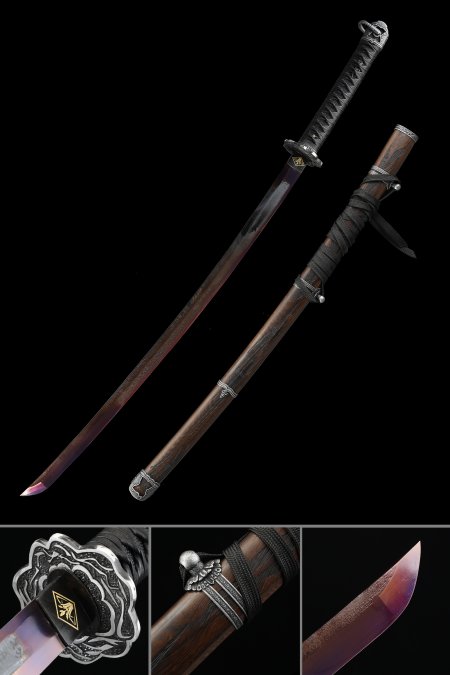
WWII Type 98 Shin Gunto Officer Katana - 1065 Carbon Steel with Brown Rosewood Saya and Alloy Flower Tsuba |
The only recommendation I will make is please upload the physical dimension specs of the swords -- it would help with people who want to make custom stands or mounts. Otherwise these look lovely and are quality pieces I am glad I purchased. r
r
Very much "adult" style of katana, classy, and tasteful for my wall.
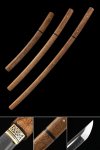 |
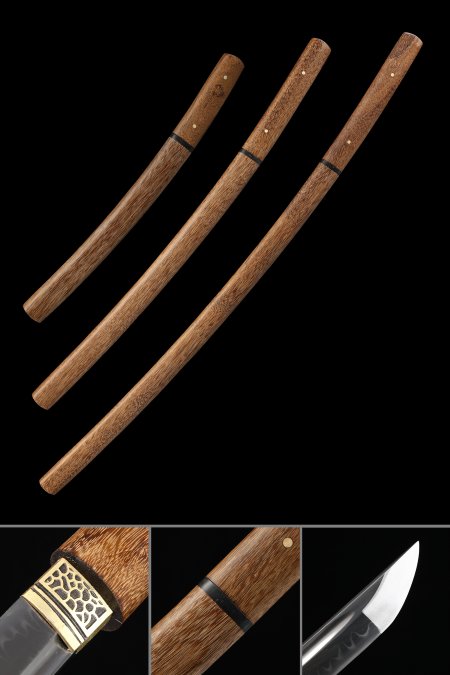
T10 Clay Tempered Daisho Set - Shirasaya Katana Wakizashi Tanto in Rosewood with Real Hamon 3-Piece Collection |