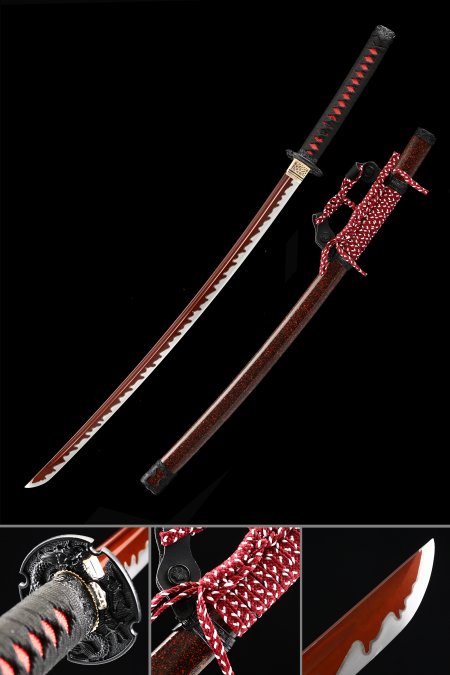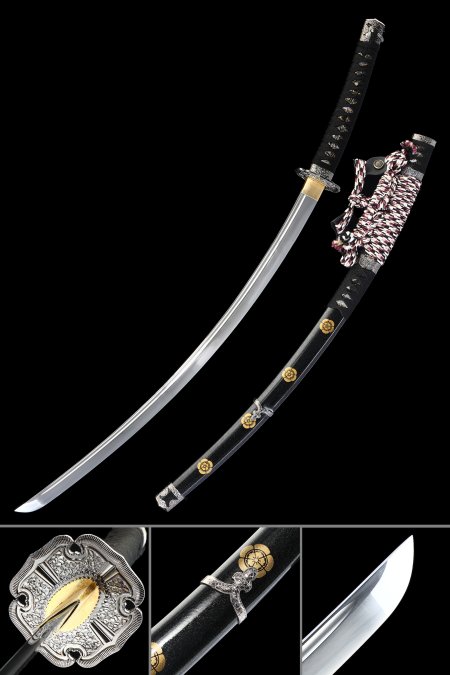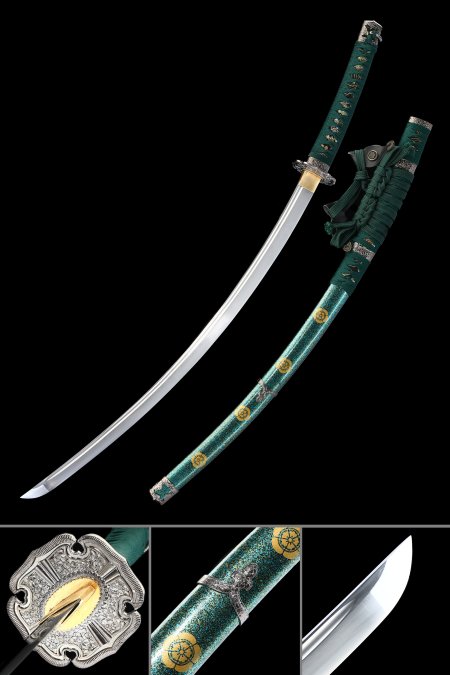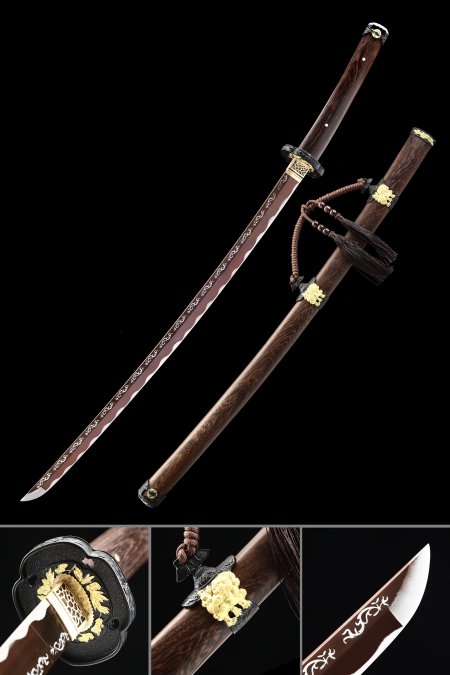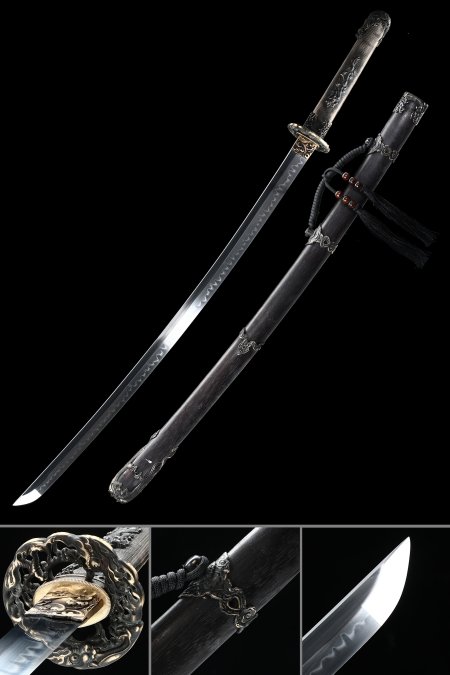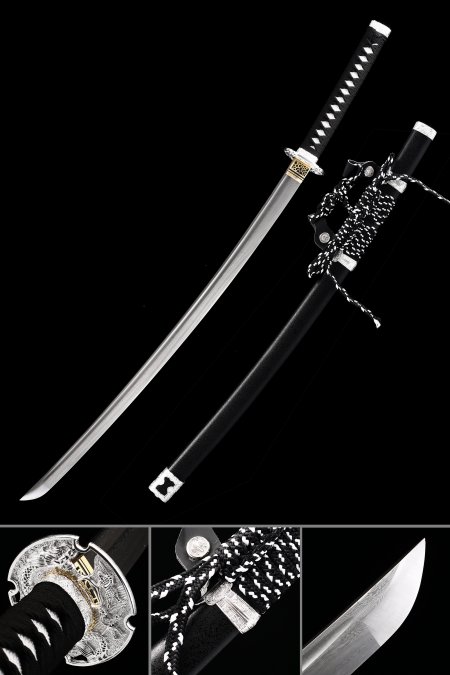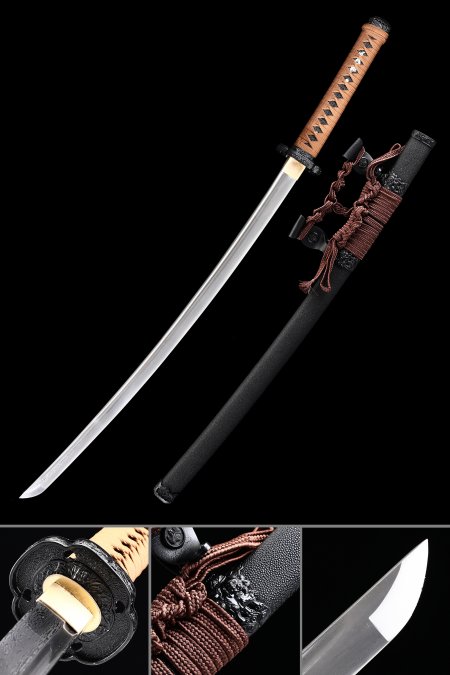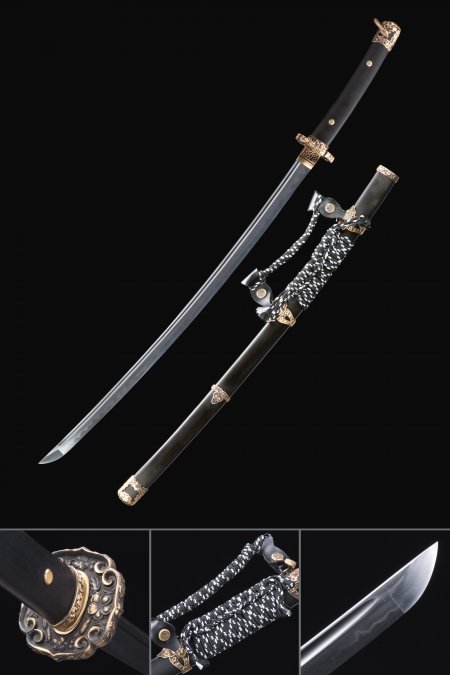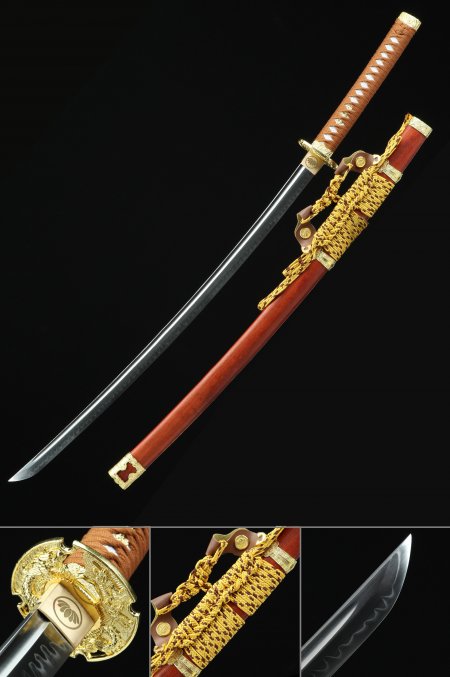
Antique Odachi

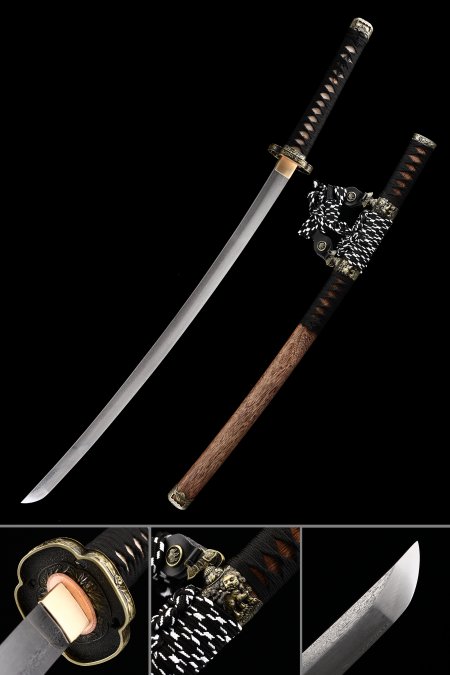
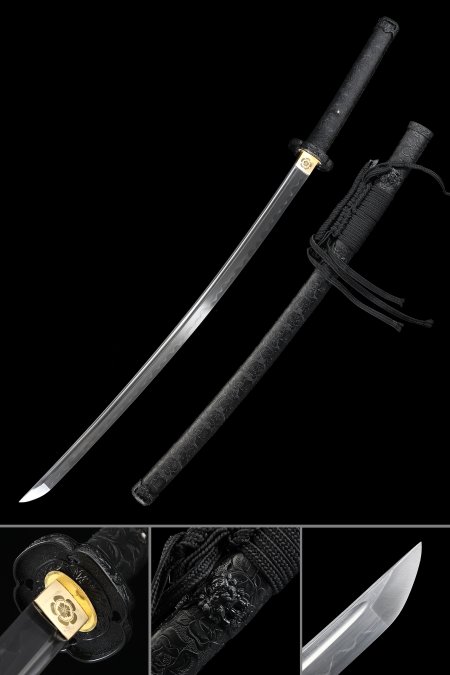
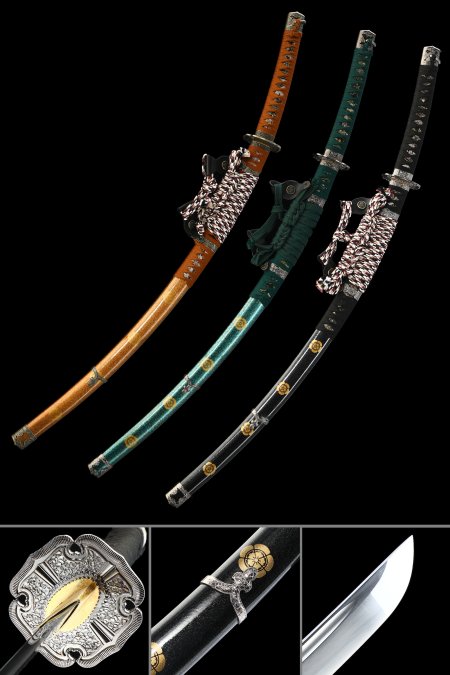
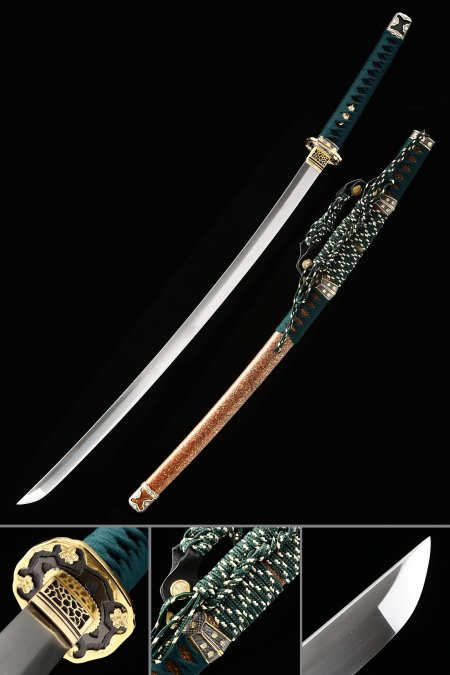
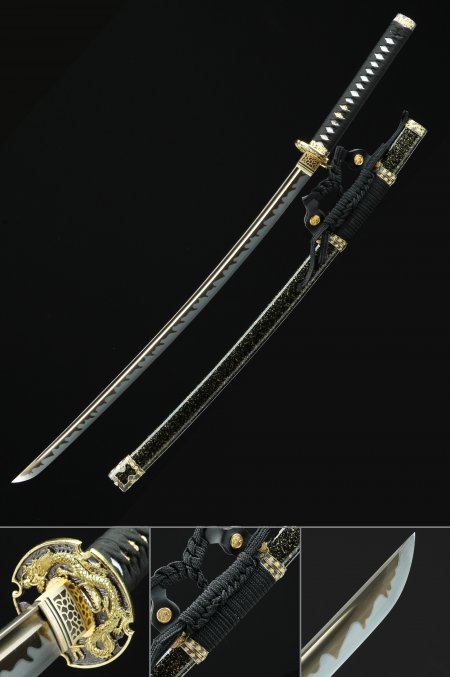
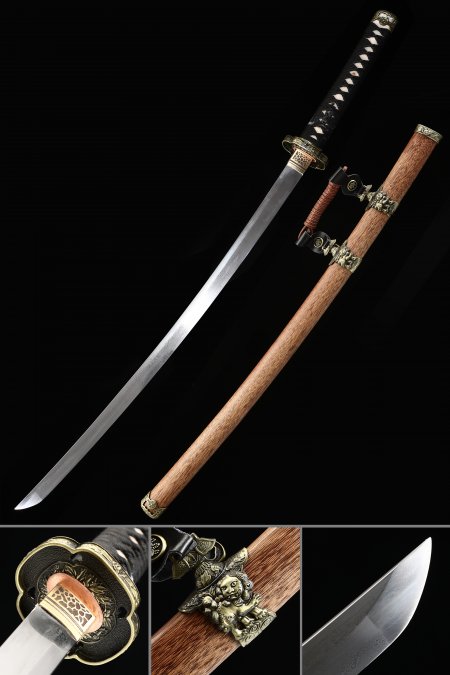
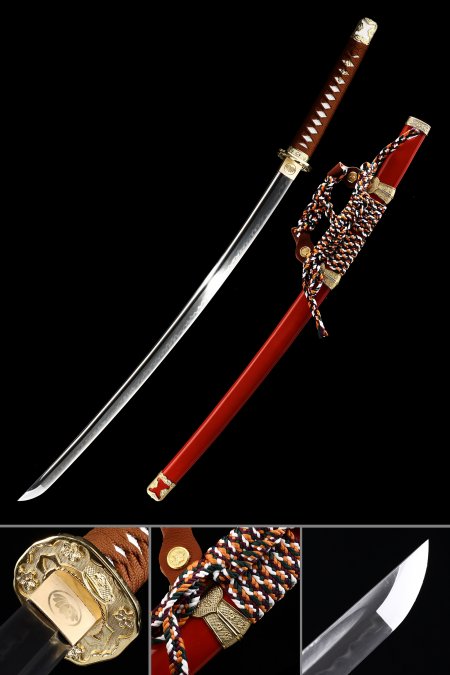
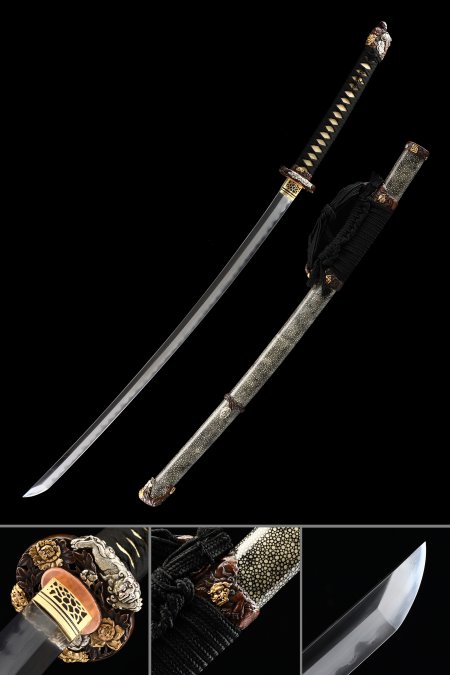
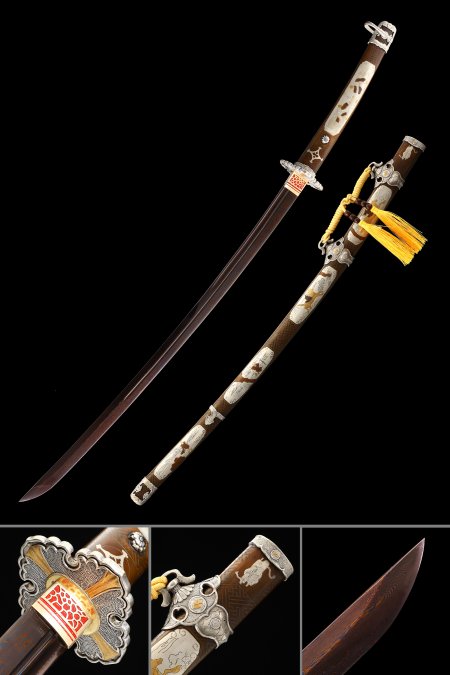
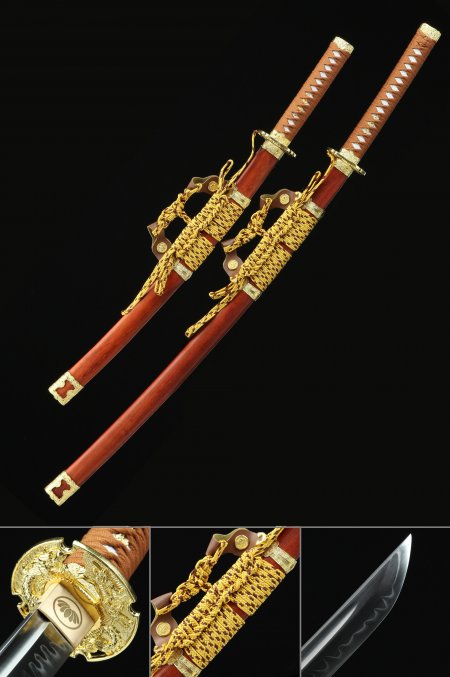
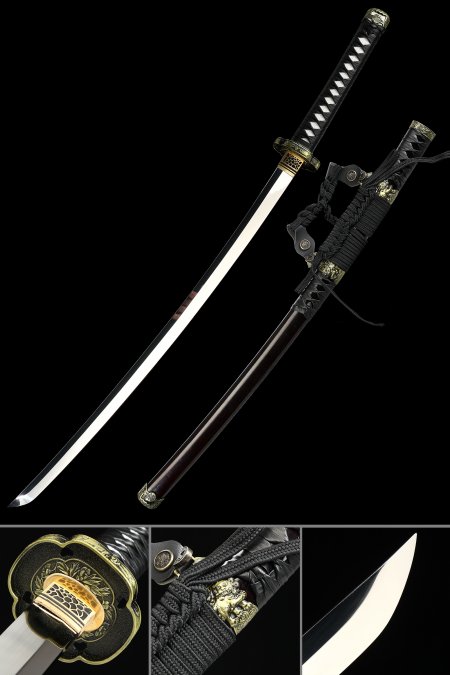
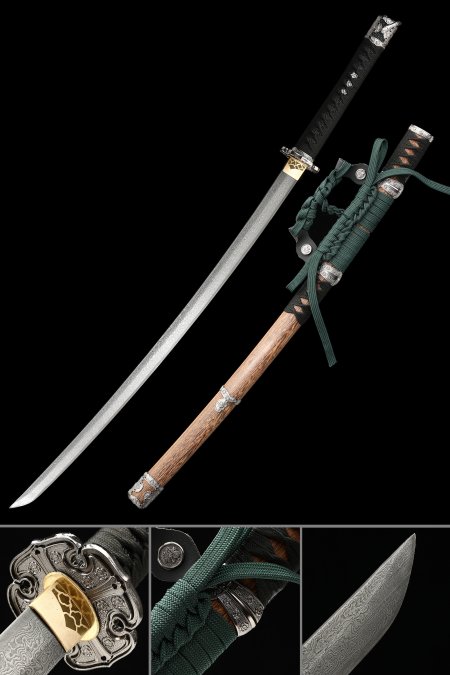
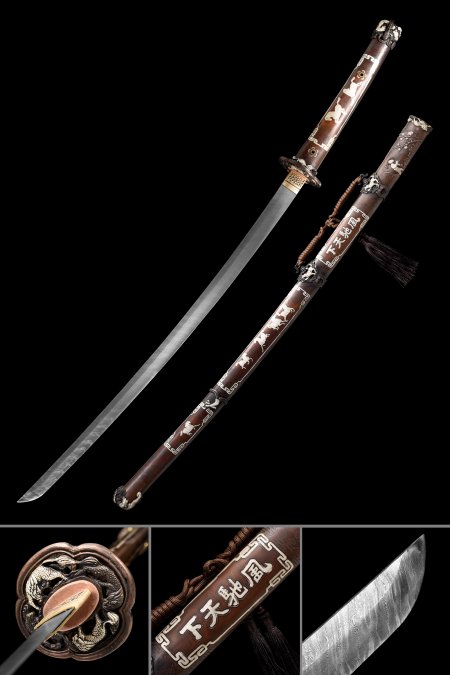
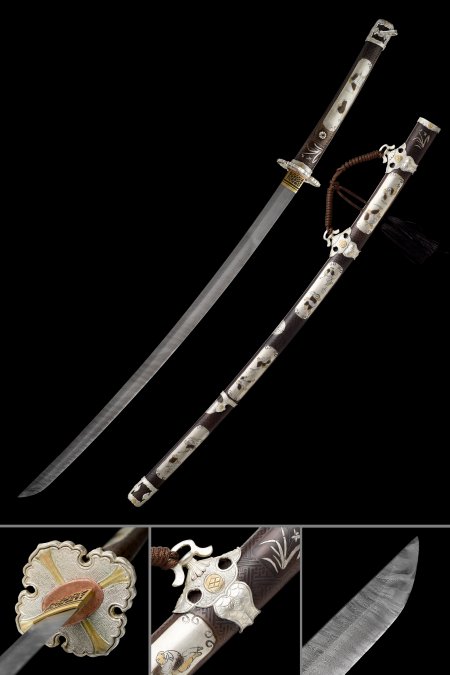
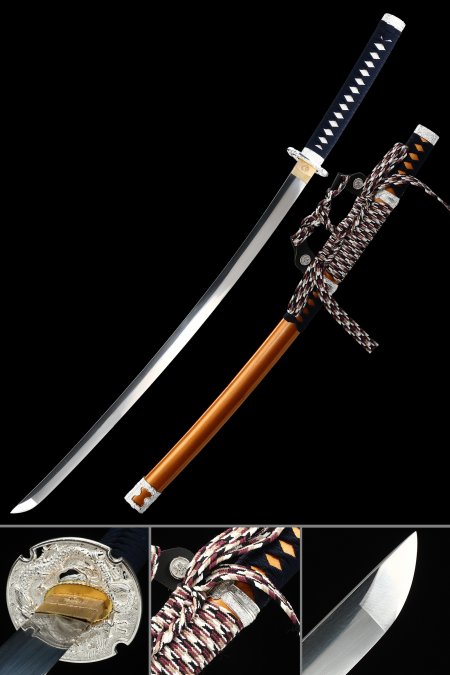
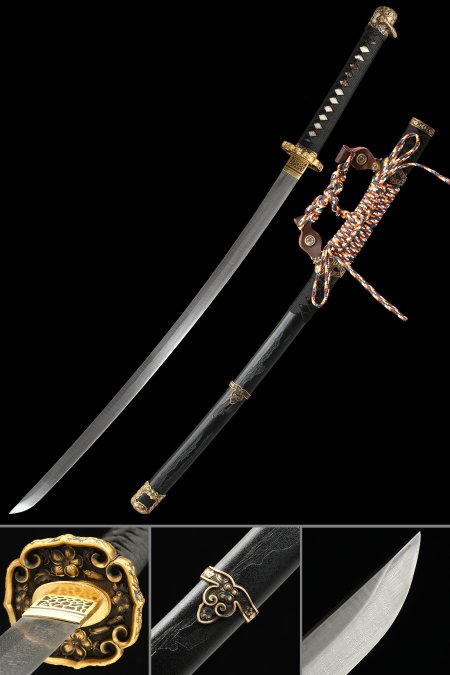
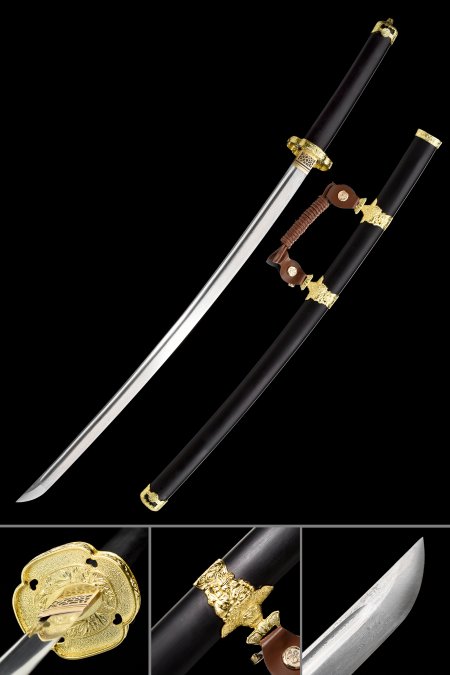
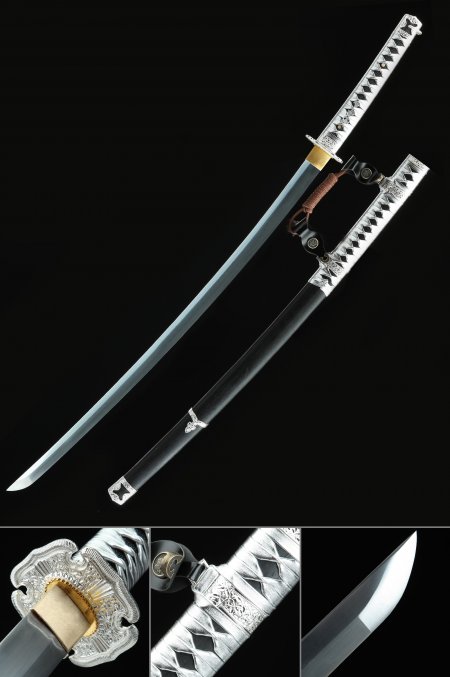
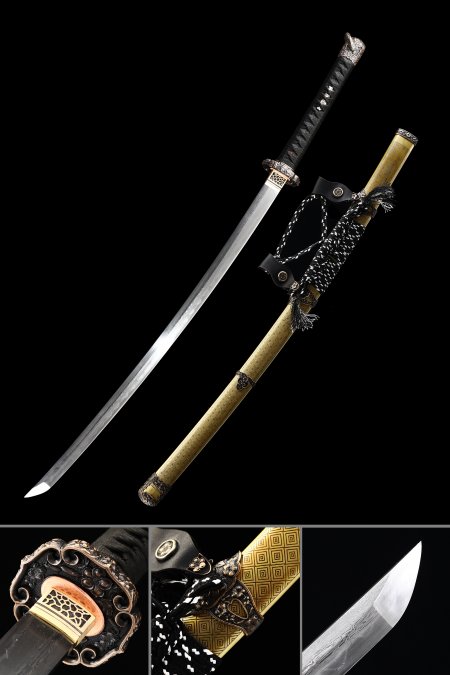
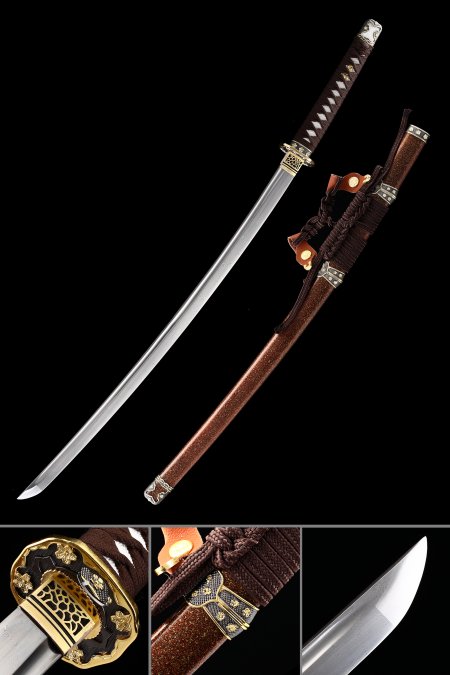
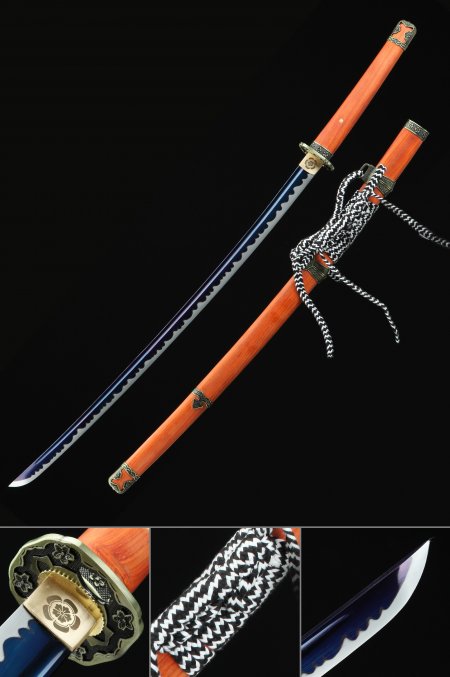
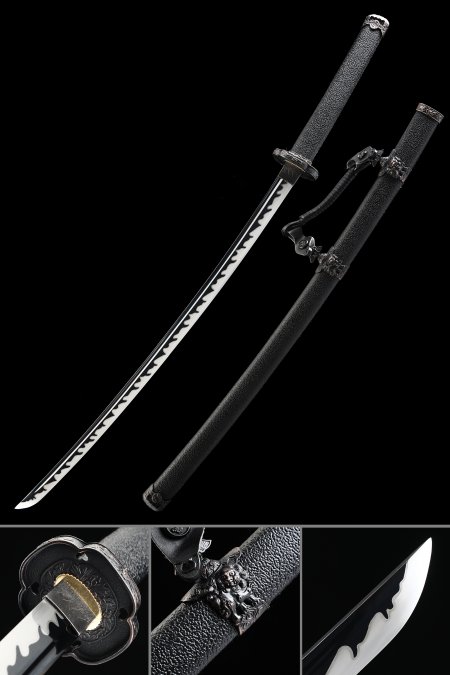
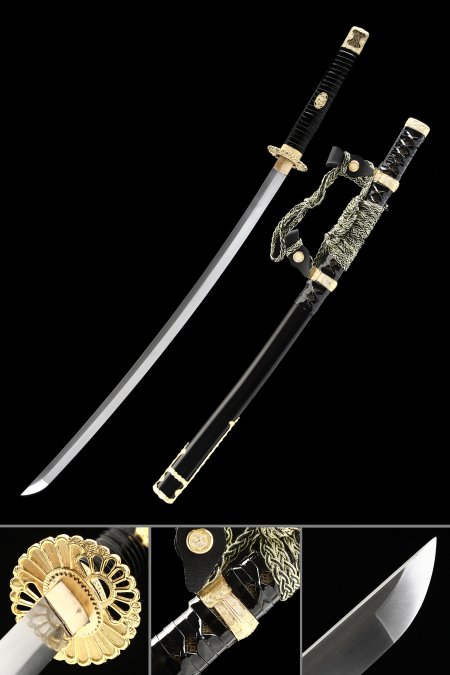
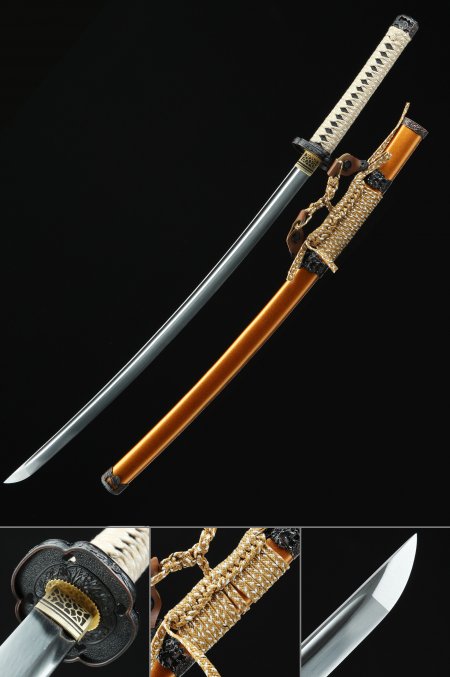
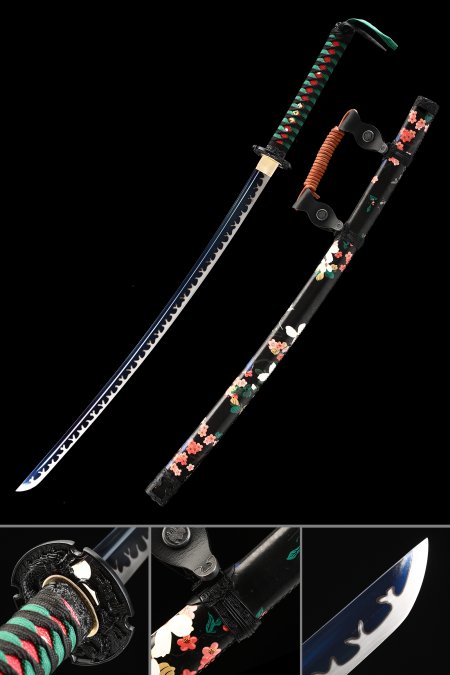
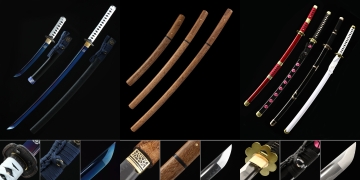
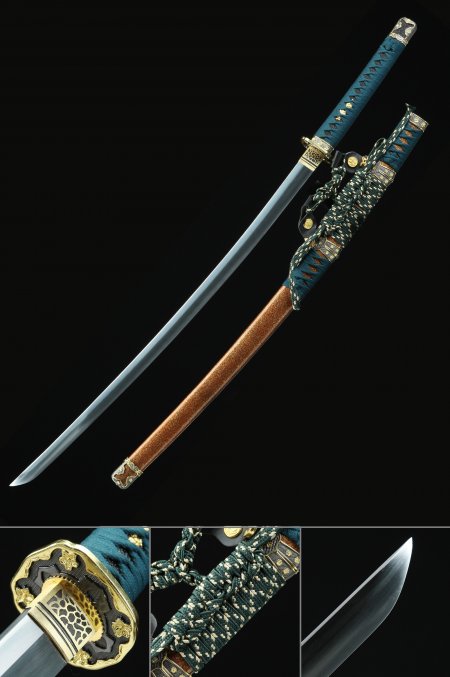
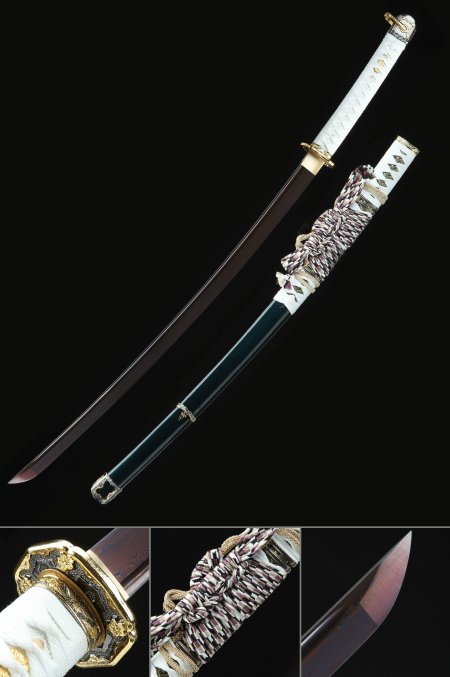
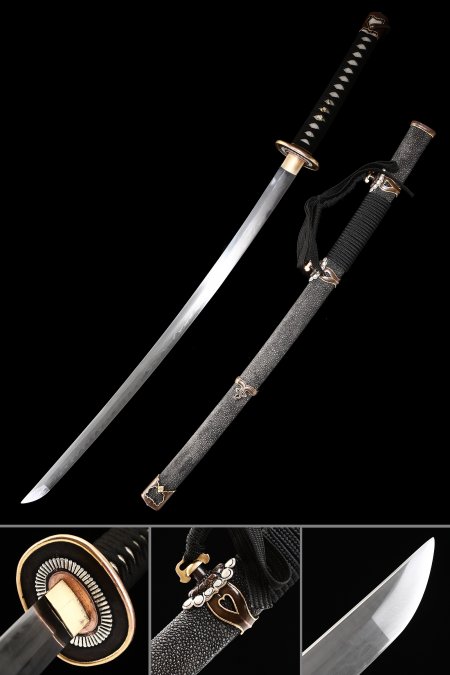
The Antique Odachi celebrates one of Japan's most commanding sword traditions — extraordinary blade length, hand-forged steel, and ornate fittings that reflect centuries of devoted craftsmanship. Each piece in this collection is curated as a display and collectible item, offering serious enthusiasts an authentic connection to samurai heritage. Free shipping is available on all orders, and we stand behind every piece with a hassle-free return policy.
Showing 42 Products

Related Collections

Dragon Katana123 items


851 Reviews

Tanto Knife21 items


124 Reviews

Saber Sword128 items


1627 Reviews

Katana Set6 items


209 Reviews

Frequently Asked Questions

What makes an odachi different from a standard katana?
The most immediate distinction is blade length. A katana typically measures between 60 and 73 centimeters along the cutting edge, while an odachi — historically classified as any blade exceeding three shaku — often reaches 90 centimeters or more. That additional length changes the blade's geometry: the curvature tends to begin lower on the blade, producing a longer, more gradual arc that gives the sword its sweeping silhouette. The nakago (tang) is proportionally longer as well, requiring a two-handed grip with arms extended rather than the compact draw associated with katana. For display purposes, this makes the odachi a far more visually dramatic centerpiece — it commands wall space and commands attention in a way that shorter blades simply do not.
How does clay tempering affect the look of a collectible blade?
Clay tempering — known in Japanese as tsuchioki — is the process of applying a thin coat of refractory clay to the spine and flat of the blade before the final quench, leaving the edge relatively exposed. When the heated blade is plunged into water, the uninsulated edge cools rapidly and transforms into a hard, fine-grained steel structure called martensite, while the clay-protected spine cools slowly and remains softer and tougher. The boundary between these two zones becomes the hamon: a visible temper line whose shape — whether straight, wavy, or irregularly notched — reflects both the clay application pattern and the smith's skill. On a display piece, the hamon is often the single most scrutinized feature, and a well-defined, naturally formed hamon adds significant aesthetic and collector value compared to acid-etched or polished-in simulations.
Is Damascus steel on a tachi odachi purely decorative?
Damascus (or pattern-welded) steel is both structurally functional and visually striking. It is produced by stacking alternating layers of steel with differing carbon content, then folding, twisting, and forge-welding them repeatedly until the layers number in the hundreds. The final acid etch reveals the contrasting grain as a flowing, wood-like pattern across the blade surface. As a collectible, Damascus tachi odachi pieces are prized because the surface pattern is genuinely inherent to the steel — no two blades are identical, and the pattern shifts subtly as light angles change. This makes each piece a one-of-a-kind display artifact rather than a mass-produced reproduction, which is a meaningful distinction for serious collectors.
How should I store and maintain a long odachi display piece?
Odachi blades require slightly more deliberate storage than shorter swords because their length makes them vulnerable to stress if rested improperly. A floor-standing rack or a wall mount rated for blades over 80 centimeters is ideal; the saya should rest at two support points that distribute the weight evenly without pressing on the curvature. For the steel itself, apply a light coat of choji oil — or a modern equivalent like Renaissance Wax — every three to four months using a soft lint-free cloth, wiping from the habaki toward the tip in single strokes. Avoid touching the blade surface with bare hands, as skin oils accelerate surface oxidation. Lacquered saya benefit from stable humidity; wide seasonal swings can cause the wood beneath the lacquer to shift, eventually leading to crazing or delamination of the finish.
What should I look for when choosing an antique-style odachi as a gift?
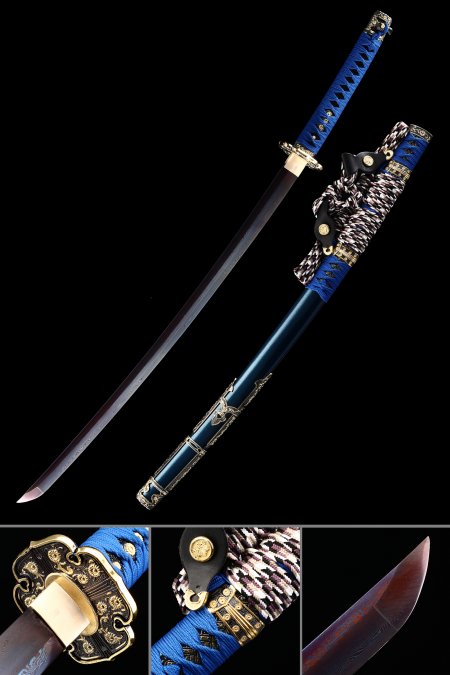
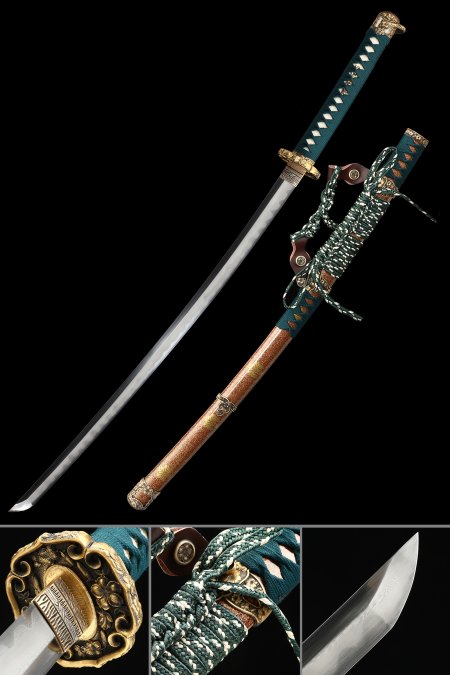
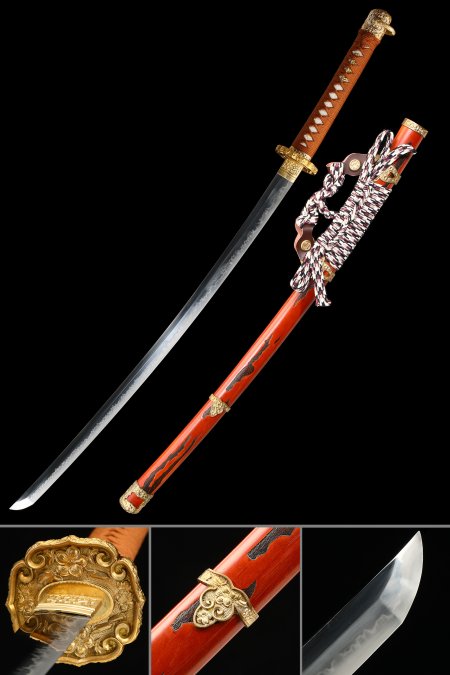
For gifting, three factors guide a strong choice: steel type, saya finish, and overall visual cohesion of the fittings. A Damascus or clay-tempered blade signals craft-consciousness and will resonate with a recipient who appreciates the process behind the object. For display-focused recipients, the saya color and tsuba design matter as much as the blade — a blue piano lacquer saya paired with a gold floral tsuba, for instance, reads as a curated aesthetic statement rather than a generic reproduction. If the recipient already collects Japanese edged pieces, consider how the new odachi will interact with existing display items in terms of scale and finish palette. The blade length alone makes an odachi a statement piece in any room, so it suits collectors who value visual impact alongside historical authenticity.

Customer Reviews