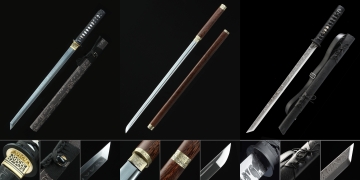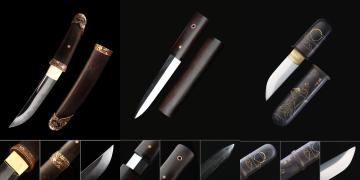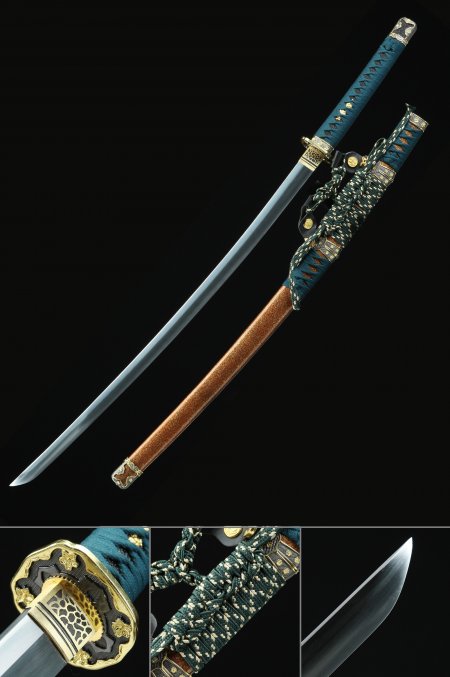
Brown Odachi

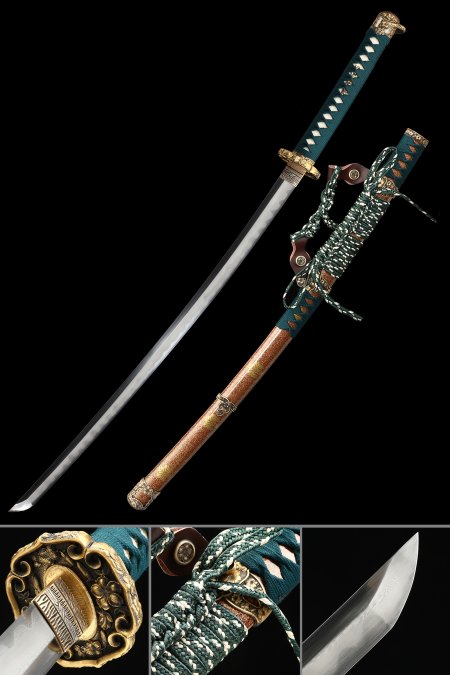
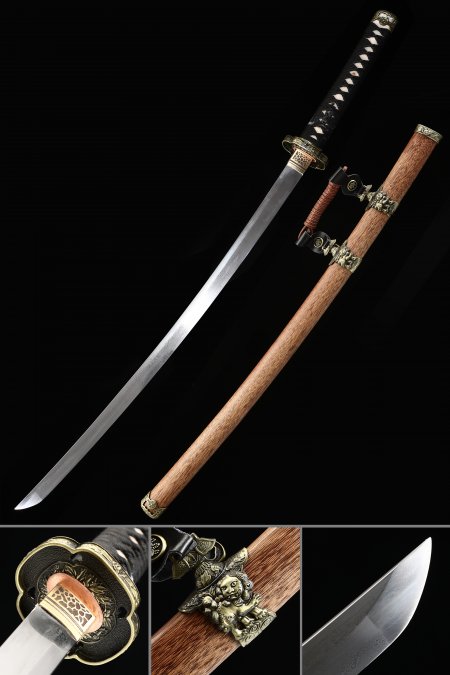
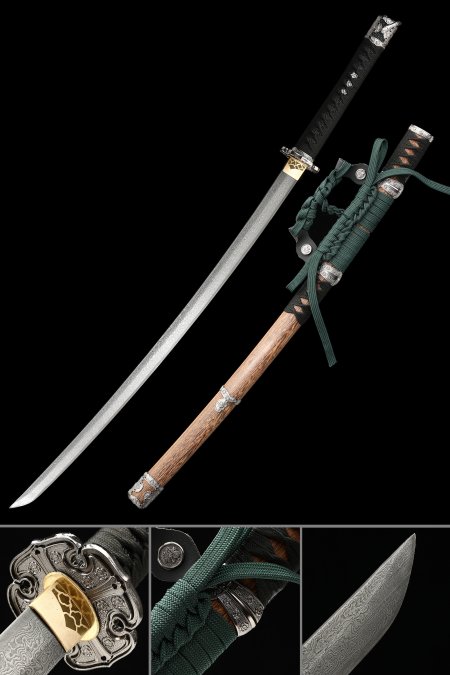
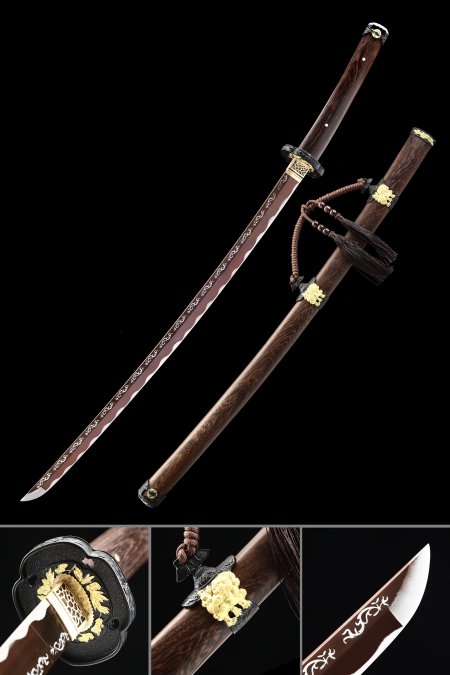
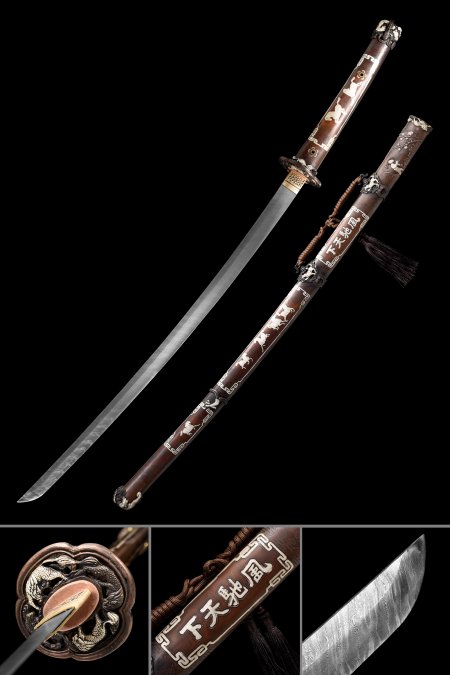
Brown Odachi brings together grand scale and refined craftsmanship, showcasing blades forged from Damascus and high-carbon steel alongside richly grained hardwood saya in warm natural tones. Each piece in this collection is a display-grade collectible, assembled with period-correct koshirae details - from floral tsuba to hand-wrapped ito - that reward close inspection. Enjoy free standard shipping on your order, backed by our hassle-free return policy.
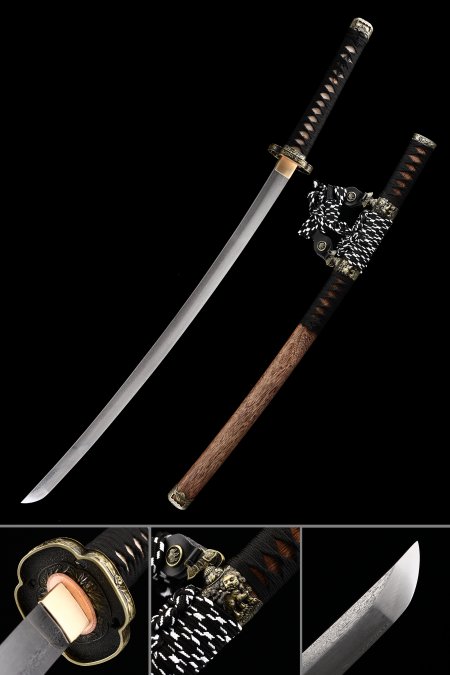
Showing 7 Products

Related Collections

Brown Tanto15 items


43 Reviews

Brown Wakizashi6 items


71 Reviews

Brown Ninjato8 items


34 Reviews

Brown Aikuchi5 items


9 Reviews

Frequently Asked Questions

What makes an odachi different from a regular tachi?
An odachi - sometimes called a nodachi - is defined by its exceptional length, typically exceeding 90 cm of blade compared to the 60-75 cm range of a standard tachi. Historically, this scale was associated with ceremonial presentation, votive offering at shrines, and the display of status rather than practical daily carry. The elongated proportions place unique demands on the swordsmith: maintaining consistent geometry, hamon line, and steel integrity across a longer billet requires significantly more control during the forging and clay tempering stages. For collectors, this translates into a display piece with commanding visual presence - the kind of centerpiece that anchors an entire room arrangement rather than sitting quietly on a shelf.
How does Damascus steel differ from 1095 carbon steel in these odachi?
Damascus steel in these odachi is created by folding and forge-welding multiple layers of steel billet together, producing the characteristic flowing surface grain called hada. The visual appeal is immediate - no two Damascus blades share exactly the same pattern. High-carbon 1095 steel, by contrast, is a single-alloy steel prized for its consistency and its ability to develop a crisp, clearly defined hamon when clay tempered. The hamon - the misty line separating hardened edge from softer spine - is far more legible on 1095 than on Damascus. Collectors who prioritize surface pattern and visual drama often gravitate toward Damascus; those who appreciate traditional Japanese sword aesthetics and the interplay of light along a temper line tend to prefer clay-tempered 1095.
Why do brown hardwood saya matter for display-quality odachi?
The saya is not purely protective - it is an integral part of the sword's visual identity and a direct indicator of koshirae quality. Natural hardwood saya in brown tones, including rosewood and open-grain varieties, offer warmth and material authenticity that lacquered synthetic alternatives cannot replicate. The grain patterns in natural wood interact with ambient light, creating subtle variation across the saya surface that complements rather than competes with polished steel fittings and engraved tsuba. For long-term display, natural hardwood also benefits from simple maintenance: a light wax or oil treatment once or twice a year keeps the grain vibrant and prevents surface checking in low-humidity environments.
How should I store and maintain a collectible odachi long-term?
Long-term storage of a display odachi starts with humidity control. Aim for a stable relative humidity between 45-55%; significant swings in moisture can cause natural hardwood saya to expand and contract, eventually loosening the fit around the blade's habaki. Apply a thin coat of choji oil - a traditional mineral oil blend used for Japanese sword care - to the blade surface every two to three months, wiping away any excess before resheathing. Store the sword horizontally on a purpose-built tachi stand or wall mount rated for its length; improper support along the spine can stress the saya over time. Keep the piece away from direct sunlight, which fades lacquer finishes and can accelerate oxidation along unprotected steel surfaces.
Are Brown Odachi a good gift for Japanese sword enthusiasts?
A brown odachi makes a genuinely distinctive gift for collectors who already own standard-length katana and are ready to expand into larger-format Japanese swords. The warm hardwood saya and coordinated koshirae details - matching ito, sageo, and tsuba finishes - give these pieces a polished, gift-ready presentation that requires no additional accessories. For someone building a themed display around natural earth tones, a brown odachi anchors the arrangement in a way that metallic or lacquered pieces simply cannot. Pairing one with a complementary piece from our Brown Sageo Tanto collection creates a cohesive tachi-tanto display set that reflects genuine historical Japanese sword pairing conventions.

Customer Reviews