FAST SHIP
18 Reviews
Free Shipping
199.00 USD
ON SALE! 15% OFF
Was: $229.00

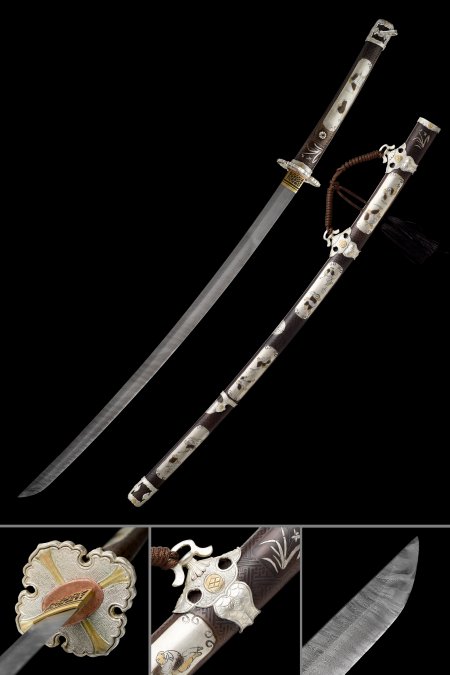
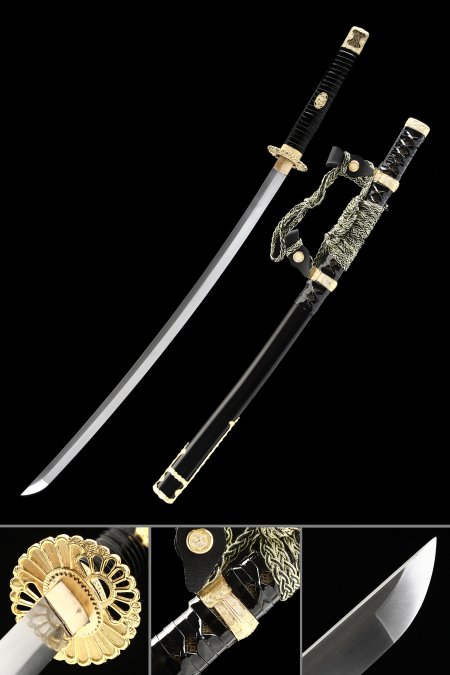
The Japanese odachi is the largest and most imposing sword in the samurai arsenal. With blades exceeding three feet in length and total measurements that often surpass five feet from pommel to tip, these oversized greatswords were forged to dominate open battlefields and to serve as sacred offerings at Shinto shrines. Every odachi in this collection is hand-forged from high-carbon steel using traditional methods, with full-tang construction and properly fitted koshirae that scale up every component to match the massive blade. Whether you are a collector seeking a dramatic centerpiece, a martial artist exploring large-blade handling, or a history enthusiast drawn to the power of feudal Japanese warfare, these swords deliver the authentic presence that only a genuine odachi can provide.
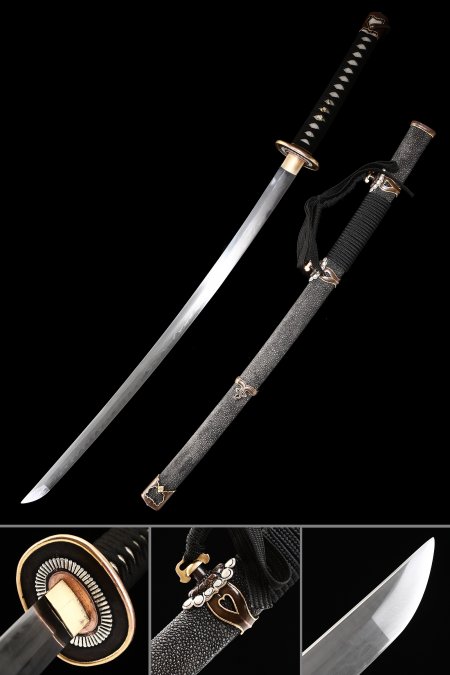
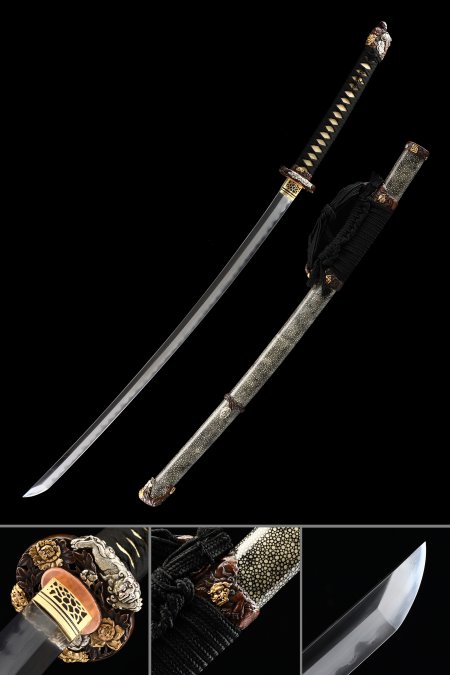
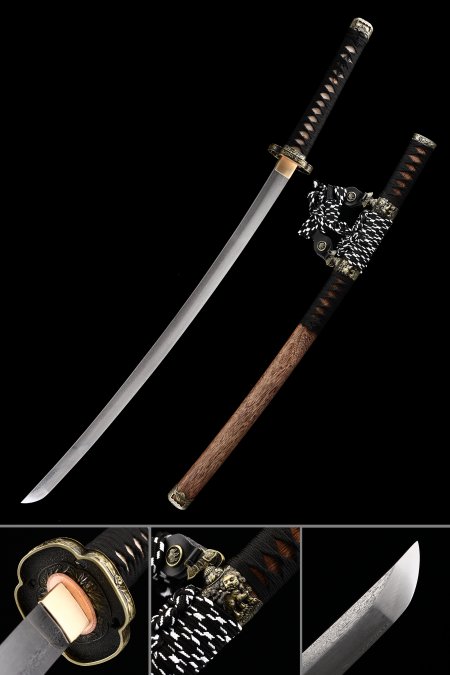
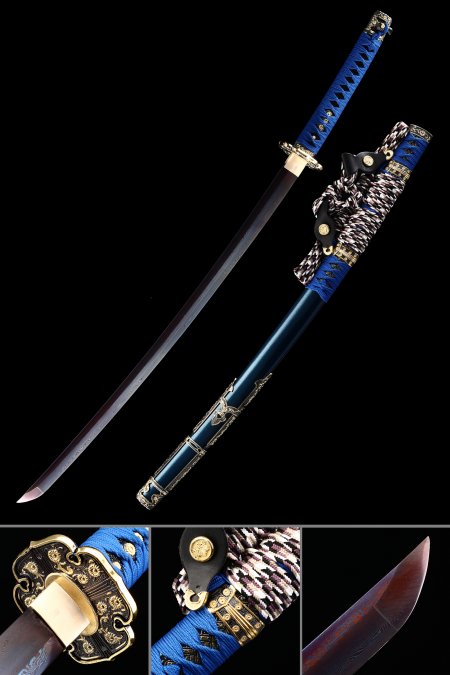
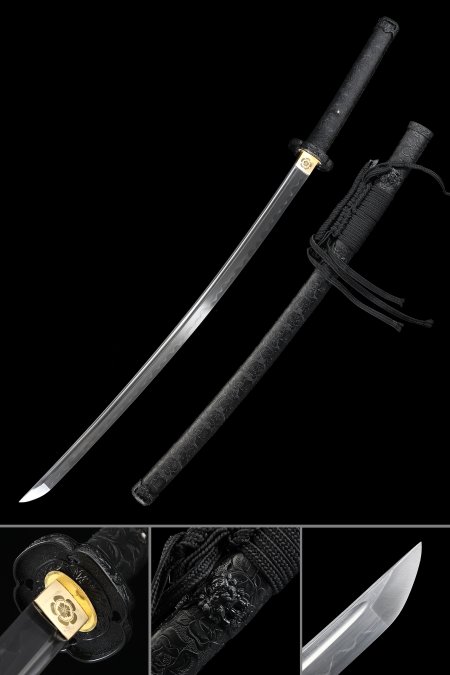
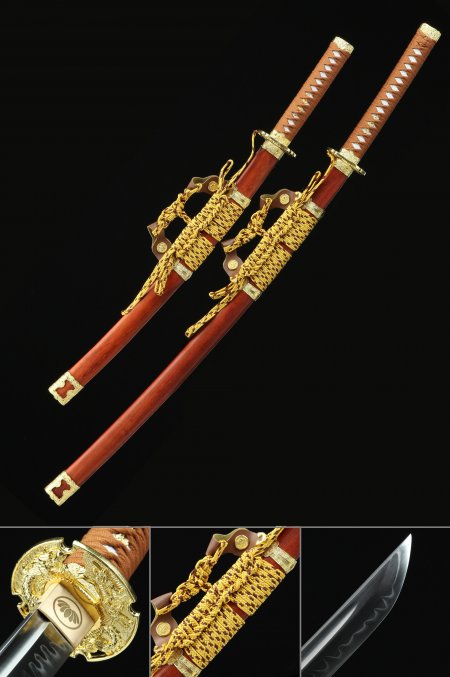
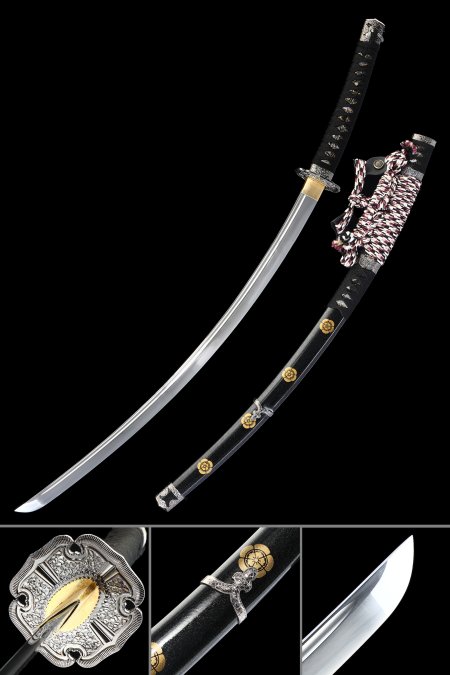
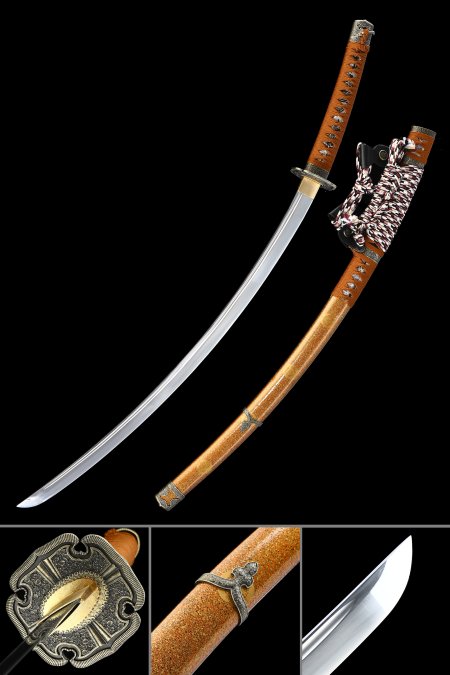
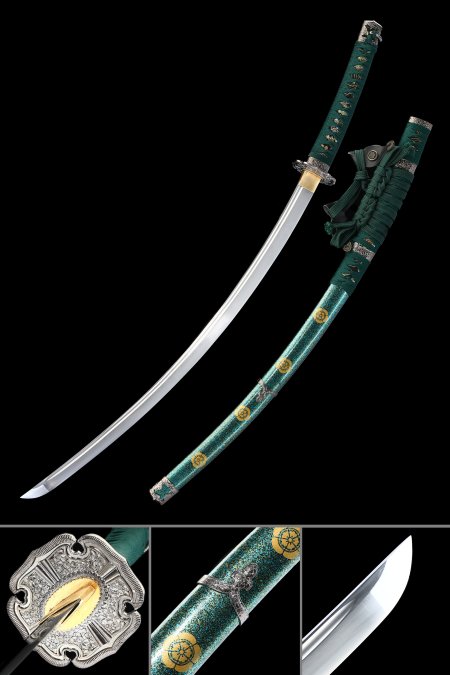
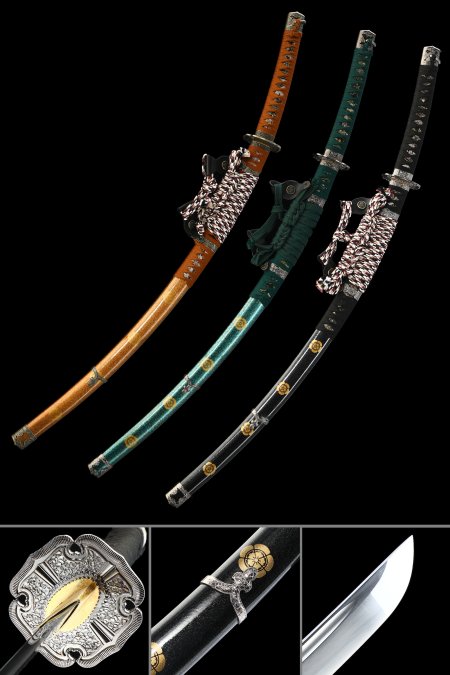
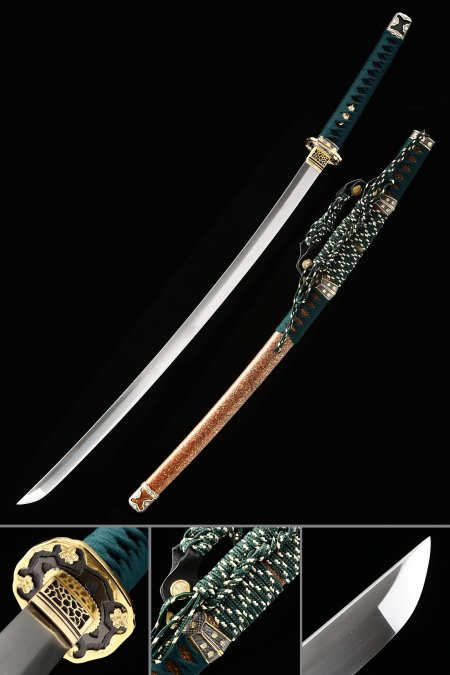
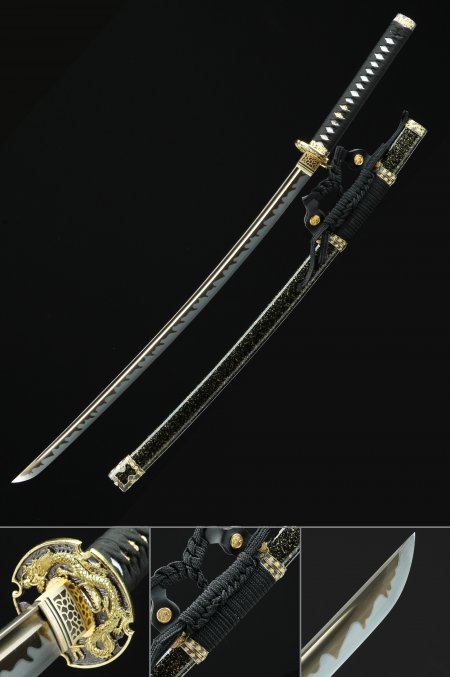
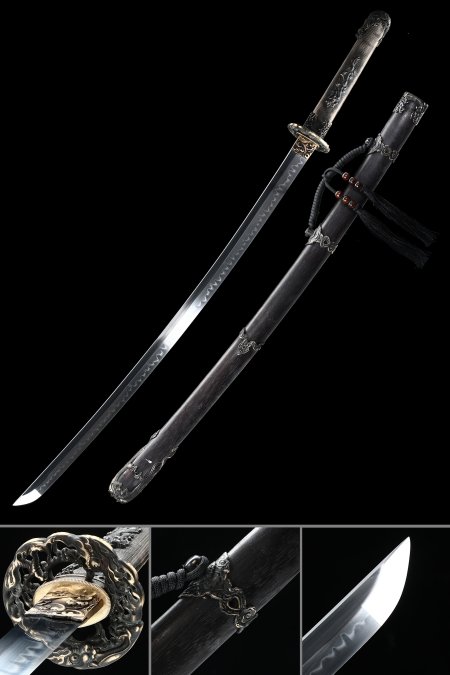
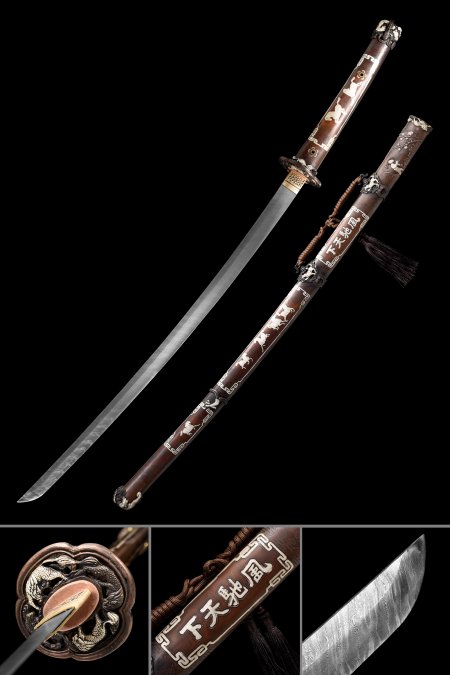
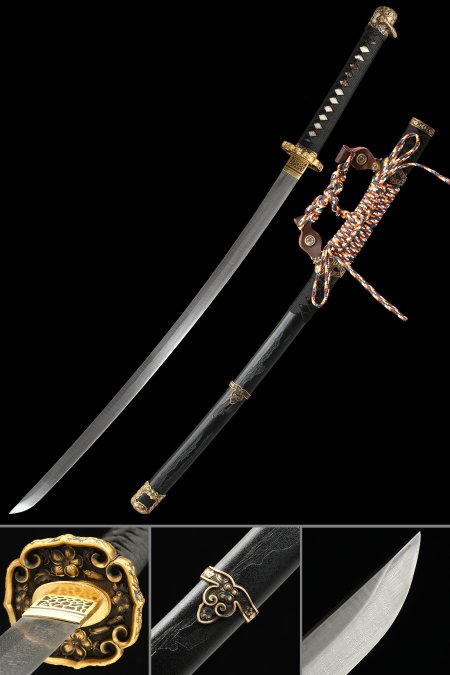
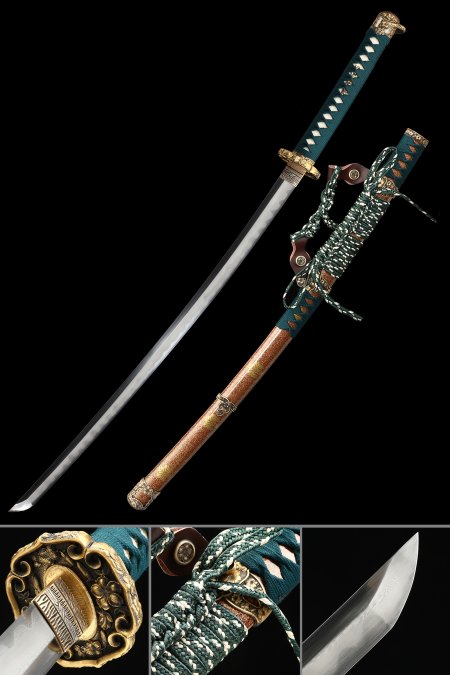
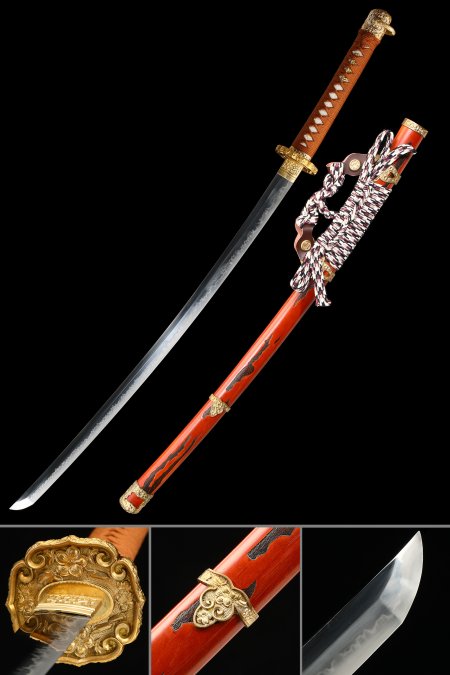
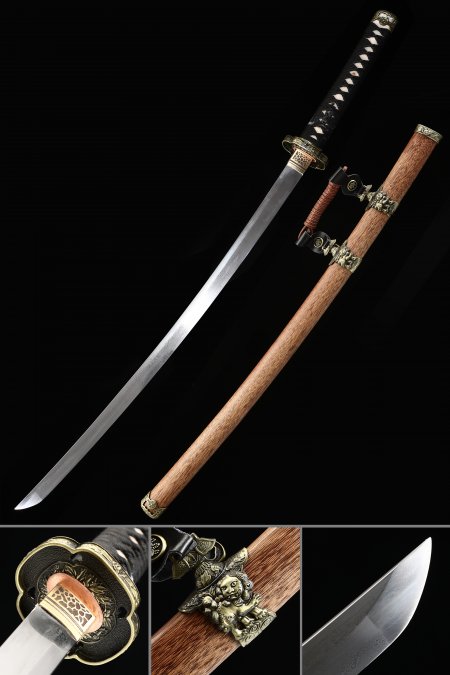
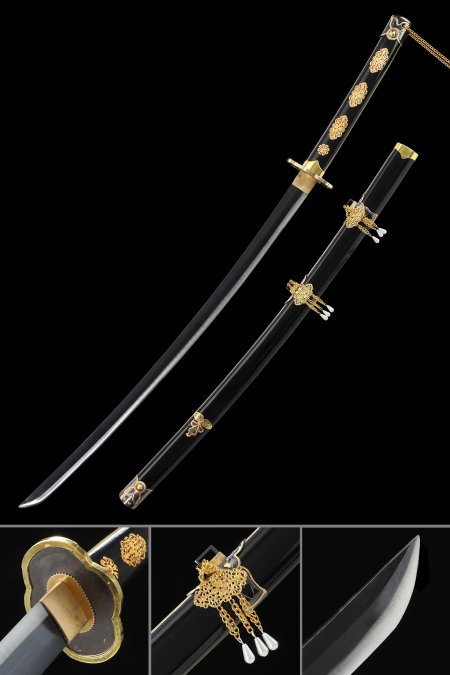
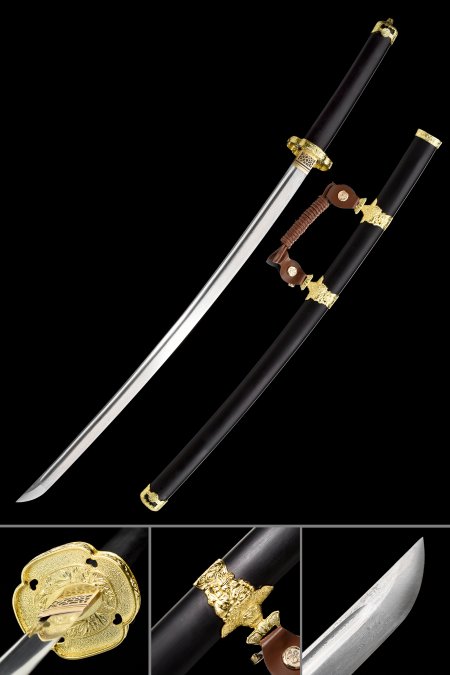
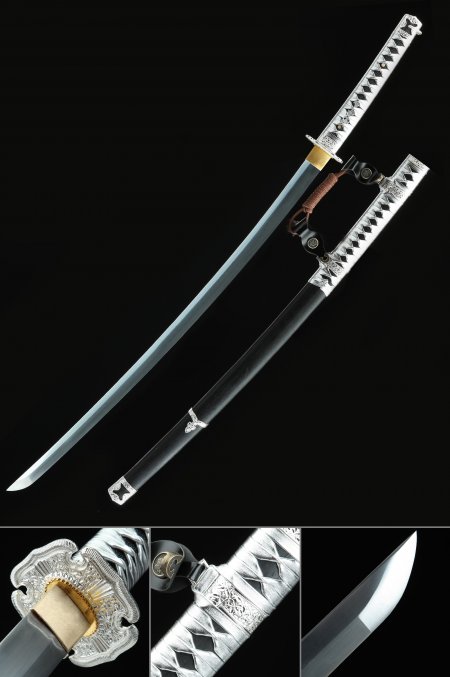
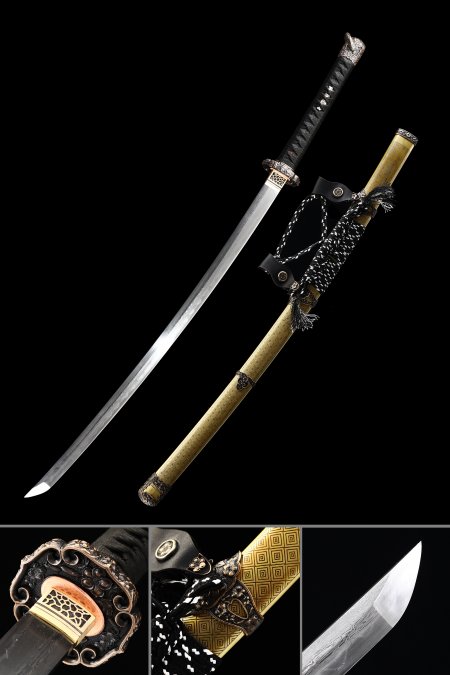
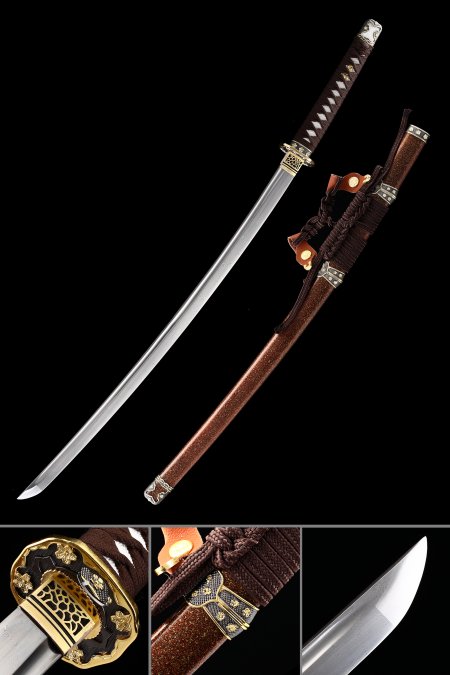
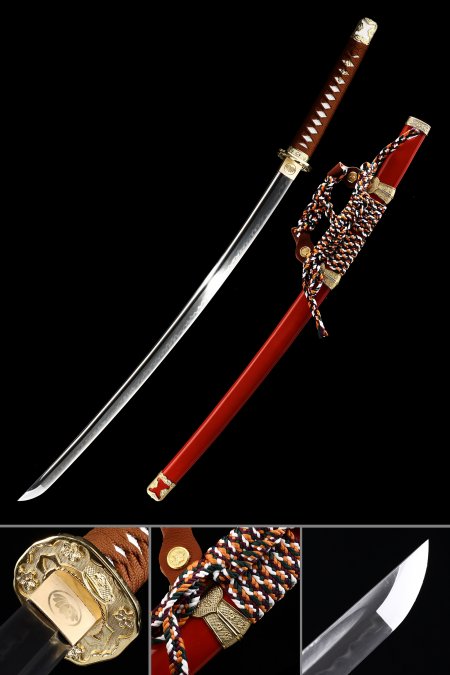
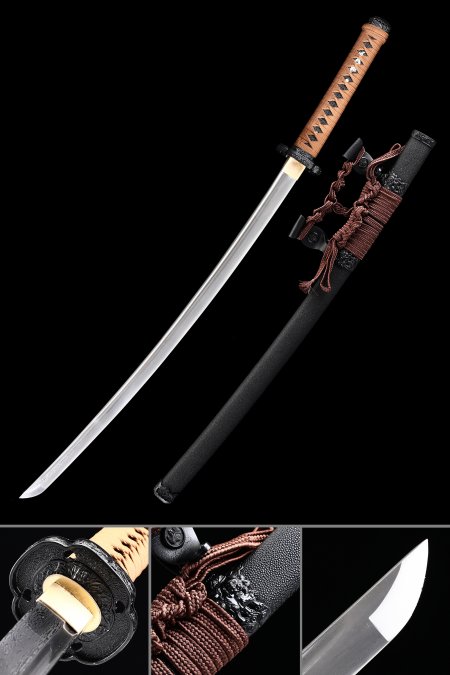
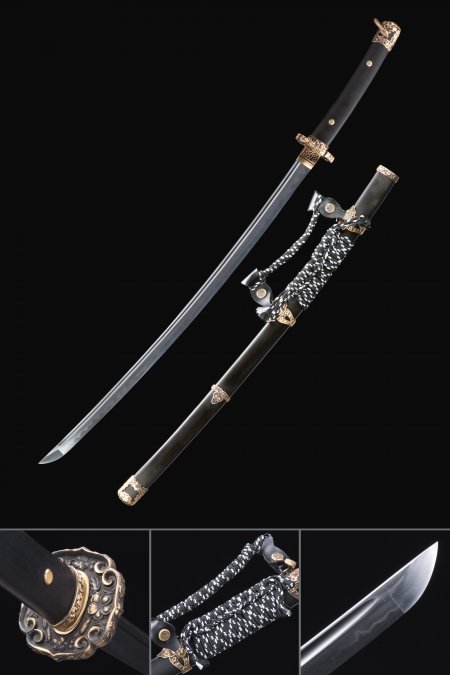
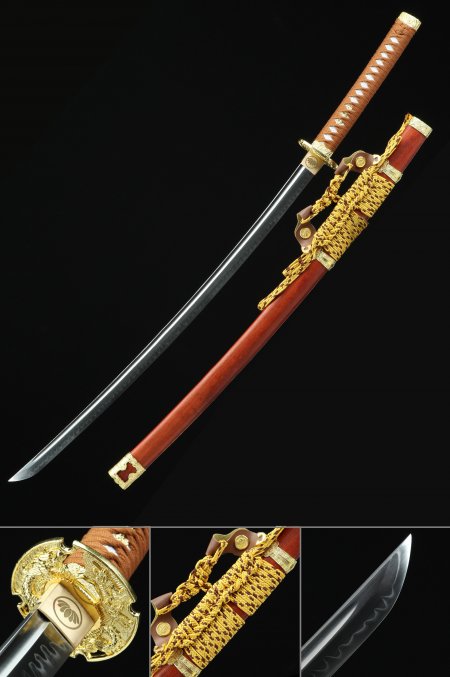
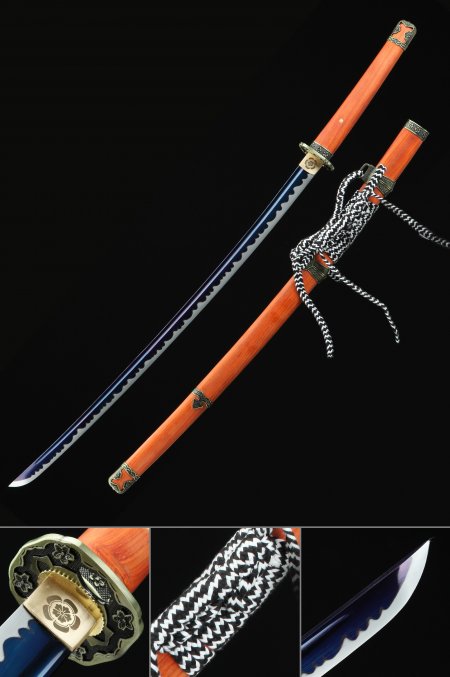
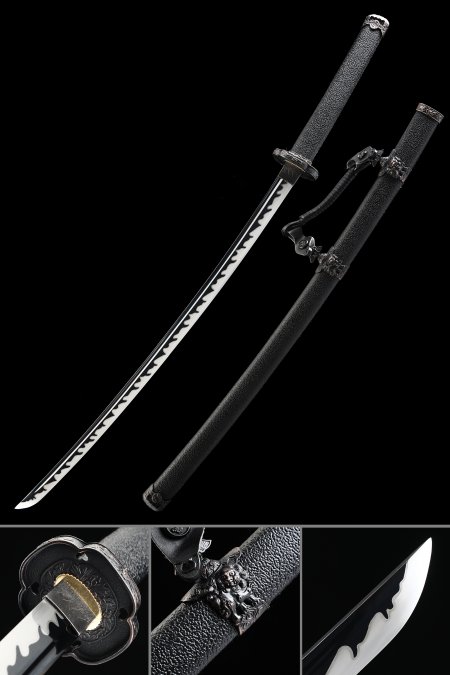
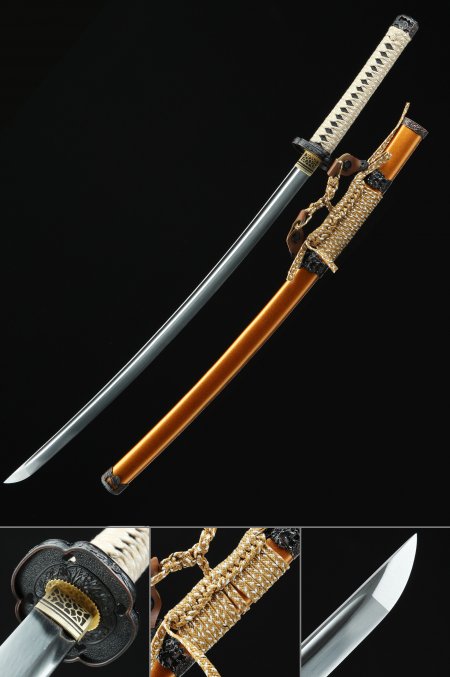
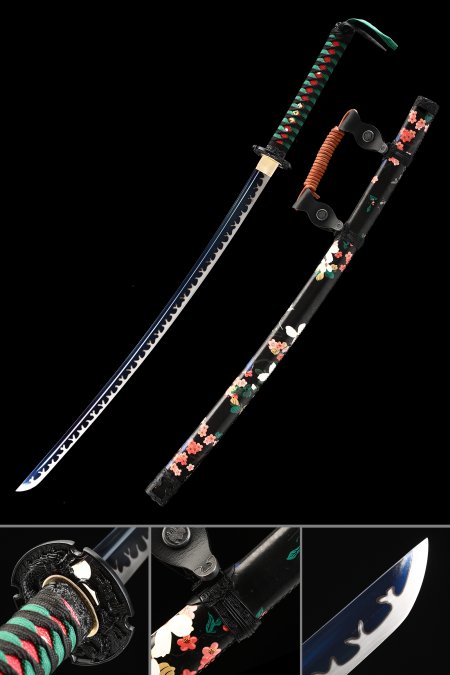
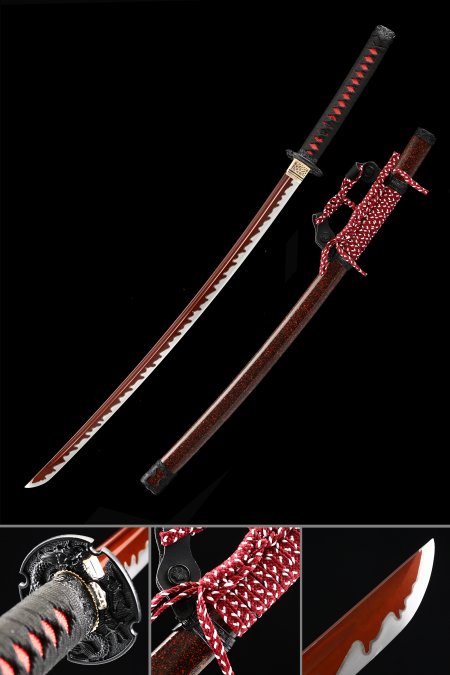
A Japanese odachi is an oversized sword from the tachi family with a blade length exceeding approximately thirty-five inches, making it significantly larger than the standard katana or tachi that most people associate with samurai warriors. The word odachi combines the characters for "great" and "tachi," directly identifying it as a large version of the tachi, the curved, single-edged sword that was the primary weapon of mounted samurai before the katana rose to prominence. The odachi was developed during the late Kamakura and Nanboku-chō periods, roughly from the late 1200s through the late 1300s, as a battlefield weapon designed to give foot soldiers reach advantage against cavalry and to deliver powerful sweeping cuts across wide areas in formation combat.
What makes the odachi distinctive beyond its size is the combination of battlefield engineering and spiritual significance that it embodies. On the martial side, the odachi was a serious military weapon that required specialized training and considerable physical strength to use effectively. The Japanese Nodachi Sword, which is essentially another name for the same category of oversized sword, shares this martial heritage. On the spiritual side, many of the finest surviving odachi were forged as votive offerings to Shinto shrines, where they served as demonstrations of the swordsmith's mastery and as prayers for divine favor in battle. Some of these temple odachi are so large that they were never intended for actual combat and exist purely as works of sacred art. This dual identity as both a weapon of war and an object of devotion gives the odachi a depth of cultural meaning that few other samurai swords can match. Today, the odachi appeals to collectors who want a sword that makes a visual statement while carrying genuine historical and cultural weight behind its impressive dimensions. Its rarity in modern collections compared to the more common katana and wakizashi adds to its appeal, as an odachi instantly sets any sword display apart from the ordinary and signals a depth of collecting interest that goes well beyond the basics of Japanese blade craft and into the specialized territory of oversized battlefield weapons.
The minimum blade length that qualifies a Japanese sword as an odachi is approximately three shaku, which translates to roughly thirty-five to thirty-six inches. In practice, most functional odachi have blade lengths between thirty-six and forty-five inches, with the handle adding another fourteen to eighteen inches for total lengths commonly ranging from fifty to sixty-three inches. To put that in perspective, a standard katana has a total length of roughly forty to forty-four inches, so even the shortest odachi is noticeably longer than the longest katana. The blade width is also proportionally greater, typically measuring between one and a quarter and one and a half inches at the widest point near the base, compared to about one inch on a katana.
Historical and ceremonial odachi could be even larger. Some of the most famous surviving examples, particularly those forged as shrine offerings during the Nanboku-chō period, have blade lengths exceeding sixty inches, with total lengths approaching seven feet. These exceptional pieces were made to demonstrate the swordsmith's ability to forge, heat-treat, and polish a blade of extraordinary length without flaws, and they were dedicated to temples rather than carried into battle. A Full Tang Odachi Sword designed for handling and display typically falls in the more practical thirty-six to forty-five-inch blade range, which is still dramatically large compared to any standard Japanese sword. The weight of an odachi varies with blade length and steel thickness, generally falling between three and five pounds for functional examples. When selecting an odachi, consider both the blade length and the overall mounted length to ensure the sword fits your display space and, if you plan to handle it, that the weight and balance are within your comfortable range. The tachi category from which the odachi descends offers shorter alternatives for buyers who want the traditional curved tachi aesthetic without the extreme dimensions. Understanding these measurements before purchasing ensures that you select an odachi that fits both your physical capabilities and your available display space, as even a few inches of additional blade length can make a noticeable difference in handling characteristics and room requirements.
The terms odachi and nodachi are used almost interchangeably in modern sword collecting, and many sellers, historians, and martial artists treat them as synonyms for the same category of oversized Japanese sword. However, there are subtle historical and linguistic distinctions between the two terms that some scholars and collectors consider significant. Odachi, meaning "great tachi," emphasizes the sword's relationship to the tachi family and its lineage as a scaled-up version of the traditional curved cavalry sword. The term positions the sword within the formal hierarchy of Japanese blade classifications that traces from the short tanto through the medium-length wakizashi and standard-length tachi up to the oversized odachi at the top of the scale.
Nodachi, meaning "field sword" or "wild sword," emphasizes the weapon's battlefield function rather than its place in a classification system. The term suggests a practical implement designed for open-field combat, which aligns with the historical use of oversized swords by infantry soldiers against cavalry and massed formations. Some scholars argue that nodachi originally referred to any large sword used in the field, regardless of whether it met the formal three-shaku minimum for odachi classification, while others maintain that the terms are simply regional or temporal variations of the same concept. The Japanese sword classification system has evolved over centuries, and the boundaries between categories were not always as rigid as modern collectors might prefer. For practical purchasing purposes, both terms describe the same type of sword: a Japanese blade with a length significantly exceeding that of a standard katana, designed for two-handed use with large sweeping techniques. The naginata, which is a polearm rather than a sword, filled a similar anti-cavalry role on the battlefield but differs fundamentally in its construction with a blade mounted on a long wooden shaft rather than a sword handle. Regardless of which term you use when shopping, what matters most is the blade length, the steel quality, and the construction method, as these are the factors that determine the actual quality and authenticity of the sword you receive. Both terms appear in product listings, and either one will lead you to the same category of impressive oversized Japanese swords.
Steel selection is especially critical for an odachi because the extreme blade length amplifies the effects of material properties. Forces that a twenty-eight-inch katana blade absorbs easily become much more significant when applied to a blade that is forty inches or longer. For this reason, the minimum recommended steel for a functional odachi that will be handled or used for any cutting is 1060 carbon steel. The 1045 grade, while adequate for a display-only piece, does not have sufficient carbon content to maintain the spring temper needed in a long blade, and an odachi in 1045 that is swung aggressively may take a permanent bend.
The ideal steel choices for a functional odachi are 1095 carbon steel and T10 tool steel. Both offer the high hardness needed for edge retention and the molecular structure to maintain a long blade's straightness under stress. T10 is arguably the best all-around choice because the tungsten content refines the grain, producing a blade that is both very hard at the edge and remarkably resilient along the spine. For odachi, this combination is more important than for any other sword type because the leverage generated by the long blade puts tremendous strain on the tang and the spine during use. Clay Tempered Tachi Swords and odachi in particular benefit from differential hardening because the soft spine absorbs the flexing stress while the hard edge maintains cutting geometry. A T10 Tachi Sword or odachi in T10 with clay tempering represents the premium configuration for anyone who wants a piece that can be safely handled and used for occasional cutting while delivering the visual appeal of a natural hamon line across three or more feet of blade surface. Damascus and folded steel options add visual drama with layered surface patterns, but the performance ultimately depends on the base steel composition and the quality of the heat treatment. When investing in an odachi, prioritizing steel quality and proper heat treatment over cosmetic features ensures that you get a blade that performs as impressively as it looks, which is especially important given the unique stresses that an oversized blade must endure.
Yes, a well-made odachi can be used for tameshigiri cutting practice, but it demands more physical conditioning and technique refinement than cutting with a katana. The additional blade length and weight mean that every swing generates significantly more momentum, which translates to greater cutting power but also greater demand on the practitioner's control. Edge alignment, which is important with any cutting sword, becomes critical with an odachi because even small errors in angle are amplified by the long blade into significant deviations at the point of impact. A cut that would be slightly off-center with a katana might miss the target entirely or deliver a glancing blow with an odachi.
The physical requirements for odachi cutting are substantial. You need strong core muscles and hip rotation to generate the sweeping power that odachi techniques require, along with grip strength sufficient to control a three-to-five-pound blade through its full arc. Starting with lighter targets like single rolled tatami mats or water-filled bottles is advisable before working up to heavier targets like double mats or bamboo. A Red Odachi or any other color variant in 1060 steel or higher with full-tang construction and proper heat treatment is capable of clean cuts through standard tameshigiri targets when wielded with correct technique. The Hand Forged Tachi Sword category shares the same construction quality and is available in standard tachi lengths for practitioners who want to develop their large-sword skills at a more manageable scale before moving up to odachi dimensions. For safety, always practice cutting in an open outdoor area with ample clearance around you, as the long blade sweeps through a much wider arc than a katana and can easily strike objects or bystanders that would be safely out of range during katana practice. Establishing a clear safety perimeter of at least ten feet in all directions around your cutting station is strongly recommended when working with an odachi, and having a spotter or training partner who can watch for hazards while you focus on your cuts adds an extra layer of safety to the session.
The battlefield deployment of the odachi was highly specialized and differed significantly from how samurai used their katana or tachi. The primary tactical role of the odachi was as an anti-cavalry weapon used by foot soldiers positioned at the front of infantry formations. When an opposing cavalry charge approached, odachi-armed soldiers would deliver sweeping horizontal and diagonal cuts aimed at the horses and their riders from a distance that kept the infantry outside the reach of the cavalry's shorter weapons. The length of the odachi blade meant that a foot soldier could strike at a mounted warrior's legs, the horse's flanks, or the rider himself before the cavalry could close to effective sword range.
In infantry-versus-infantry combat, the odachi served as a formation-breaking weapon. A skilled odachi wielder could sweep through a wide arc that forced multiple opponents to retreat simultaneously, creating gaps in enemy lines that could be exploited by soldiers armed with shorter, more maneuverable weapons. The psychological effect of facing an opponent wielding a five-foot sword should not be underestimated either. The sheer visual intimidation of the odachi could break an enemy's resolve before the blade ever made contact. Blue Odachi blades with distinctive colored finishes were not historically accurate for battlefield use, but they represent the modern collector's appreciation for the sword's visual presence. Historical accounts describe odachi being carried to the battlefield by attendants and presented to the warrior just before engagement, since the sword's length made it impractical to march long distances while carrying it drawn. Some accounts also describe Real Tachi Swords and odachi being used in ritual demonstrations before battle, where a skilled warrior would perform impressive cutting displays to inspire his allies and demoralize the enemy. Once close-quarters combat began and the fighting compressed to shorter distances, the odachi wielder would typically switch to a katana or wakizashi for the remainder of the engagement. This tactical flexibility meant that the most effective odachi warriors were not specialists in a single weapon but versatile fighters who could transition between different blades as the battle conditions demanded, making the odachi one component of a broader combat system rather than a standalone solution.
Displaying an odachi at home requires more careful planning than displaying a standard katana because of the sword's exceptional length. A mounted odachi typically measures between fifty and sixty-three inches from end to end, which means you need a minimum of five to five and a half feet of horizontal wall space or floor stand width to accommodate it. The most common display method is a horizontal stand, either a floor-mounted rack or a wall-mounted bracket system. A floor stand places the odachi at a height where visitors can appreciate the blade and fittings at close range, while wall mounting elevates the sword to eye level or above, which emphasizes its dramatic length and creates a striking visual element in the room.
When selecting a location for your odachi display, consider both the physical space and the environmental conditions. The sword should be positioned away from direct sunlight, which can fade lacquer finishes and dry out wooden components over time. Avoid areas near heating vents or in rooms with significant humidity fluctuations, as these conditions can affect the wood of the saya and tsuka and potentially cause the blade to develop moisture-related issues. A Brown Odachi with natural wood tones looks particularly warm and inviting in living rooms and studies, while darker finishes work well in media rooms and dedicated collection spaces. For a more elaborate display, pair your odachi with a standard tachi and a wakizashi or tanto on a tiered stand to create a progression from small to large that showcases the full range of Japanese blade sizes. A Decorative Tachi Sword placed below the odachi on the same stand creates a compelling comparison between the standard and oversized versions of the same sword family. Whatever display method you choose, ensure that the mounting hardware is rated for the weight of the sword, which at three to five pounds is heavier than most wall-mounted decorative items. Using heavy-duty wall anchors and brackets specifically designed for sword display will prevent accidents and keep your odachi securely mounted for years. Periodically check the mounting hardware for any signs of loosening, especially if the wall experiences vibration from nearby doors, foot traffic, or construction activity.
Caring for an odachi follows the same fundamental principles as maintaining any Japanese sword, but the larger size introduces some practical differences in how you handle the cleaning and oiling process. The blade should be cleaned and oiled after every handling session to remove fingerprints and moisture that can cause rust on the carbon steel surface. For a standard katana, this is a quick process that takes a few minutes. For an odachi, the additional blade length means you need more working space and more oil to cover the entire surface. Lay the sword on a padded surface with enough room to work along its full length, and use a soft cotton cloth to wipe the blade clean before applying a thin, even coat of choji oil or food-grade mineral oil.
The Black Saya Odachi and other lacquered scabbard variants should have their saya wiped with a slightly damp cloth to remove dust, then dried immediately. Avoid getting oil on the lacquer surface, as it can leave streaks or soften certain types of lacquer over time. The ito wrapping on the extended handle should be inspected periodically for looseness, as the longer handle experiences more stress during handling than a standard-length tsuka. If you notice the wrapping becoming loose at any point, address it promptly before it unravels further. The Damascus Steel Tachi Sword and odachi blades with layered steel patterns require the same oiling regimen as plain carbon steel blades, but you should take extra care during polishing to avoid aggressive abrasives that could diminish the visibility of the Damascus pattern over time. Store your odachi horizontally with the edge facing upward, and if space permits, use a rack that supports the blade at multiple points along its length to prevent any possibility of the long blade developing a sag from its own weight over extended storage periods. A dedicated maintenance kit with extra-large cleaning cloths and a generous supply of choji oil is a worthwhile investment for odachi owners, as the larger blade surface area means you will use supplies faster than you would with a standard-length sword.
The kodachi occupies the opposite end of the tachi size spectrum from the odachi. While the odachi is the "great tachi" with blades exceeding thirty-five inches, the Kodachi Sword is the "small tachi" with blades typically measuring between twenty-one and twenty-four inches. Both are members of the tachi family, sharing the same fundamental design features of a curved, single-edged blade intended to be worn edge-downward with the cutting edge facing the ground. The tachi family therefore spans an enormous range of sizes, from the compact kodachi through the standard tachi to the massive odachi, all sharing common construction principles and design aesthetics scaled to their respective dimensions.
The relationship between kodachi and odachi is not just one of size but also of tactical complementarity. On the battlefield, warriors sometimes carried both a large and a small weapon to give themselves options at different fighting distances. An odachi provided reach and power at long range, while a kodachi or wakizashi served as a close-quarters backup when the fighting compressed to distances where the long sword became unwieldy. For collectors, owning both a kodachi and an odachi creates a dramatic display contrast that illustrates the full range of the tachi family. The tiny kodachi beside the towering odachi is one of the most visually striking pairings in Japanese sword collecting, and it effectively communicates the versatility and ingenuity of Japanese swordsmiths who could apply the same design principles across such a wide range of scales. The kodachi is also an excellent entry point for collectors interested in the tachi family who may not yet have the display space for a full-sized odachi, as its compact dimensions fit comfortably on a desk or bookshelf while still providing an authentic tachi experience. Together, the kodachi and odachi bookend the tachi family in a way that no other pairing can, representing the full creative and engineering range of Japanese swordsmiths who adapted the same elegant curved-blade design concept to serve purposes ranging from close-quarters personal defense all the way to large-scale open-field infantry warfare against mounted cavalry.
The odachi is one of the most rewarding pieces a sword collector can own, primarily because of its combination of visual impact, historical significance, and relative rarity in modern collections. Most sword collections are dominated by katana and wakizashi, which are beautiful and historically important but also extremely common. An odachi instantly distinguishes your collection by adding a piece that most other collectors do not have. The sheer physical presence of a sword that exceeds five feet in length creates a focal point that draws attention and generates conversation in a way that even the finest katana cannot match simply because of scale. An Antique Tachi Sword carries historical prestige, but an odachi makes an equally strong statement through its dramatic dimensions.
From an investment perspective, odachi occupy a specialized niche in the sword market. Because they require more steel, more labor, and more skill to forge than standard-length swords, they are inherently more limited in production. The forging process for an odachi is considerably more challenging than for a katana because maintaining consistent temperature and working the steel evenly across a blade that exceeds three feet requires expertise that not every swordsmith possesses. This means that high-quality odachi are less common than high-quality katana, which can work in the collector's favor over time. A Full Tang Tachi Sword in standard dimensions is readily available from many makers, but a properly forged full-tang odachi represents a higher level of craftsmanship that commands respect among knowledgeable collectors. For anyone building a comprehensive collection of Japanese swords, the odachi fills a category that cannot be represented by any other piece. It tells a part of the Japanese sword story that katana, wakizashi, tanto, and naginata cannot tell on their own, and it does so with a physical presence that makes every other sword in the room look modest by comparison. Whether your collection focuses on a specific historical period, a particular steel type, or simply the most impressive examples of Japanese blade craft, the odachi earns its place as the crown jewel that anchors the entire display and gives visitors their most memorable moment when they walk into the room.
Really love the level of detail put into the blade.
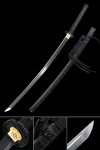 |
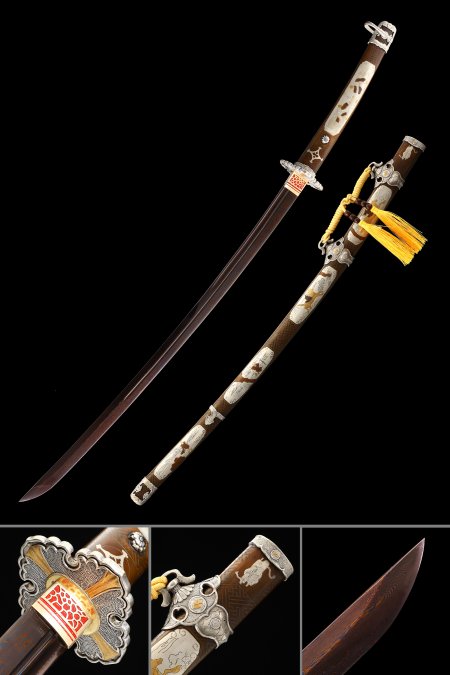
Clay Tempered Tachi Odachi Sword in High Manganese Steel with Real Hamon and Black Floral Saya |
My fiancé was almost in tears when he opened his gift!! He has always wanted a katana and was absolutely speechless at how beautiful it is. r
The delivery was quick and it looked even better in person! Thank you
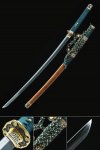 |
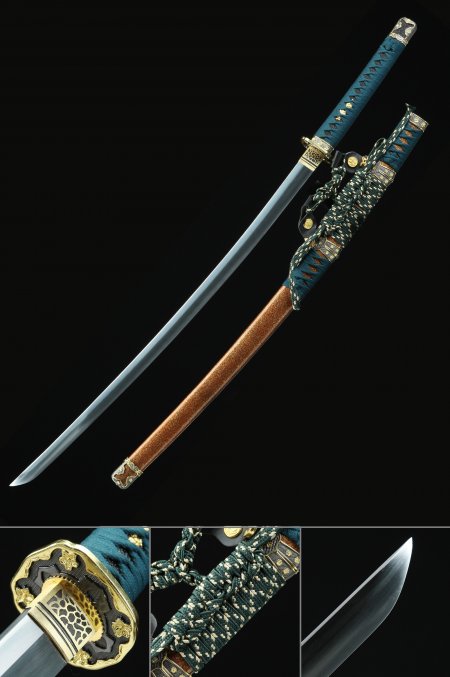
Clay Tempered 1095 Carbon Steel Tachi Sword with Teal Ito Wrap and Bronze-Shimmer Saya in Gold Fittings |
I received my Katana in great condition. Great craftsmanship and packaging. The blade is very sharp and bright. The handle is beautiful and very well wrapped. Now if I can receive my Sword Stand it will be complete.
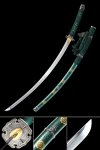 |
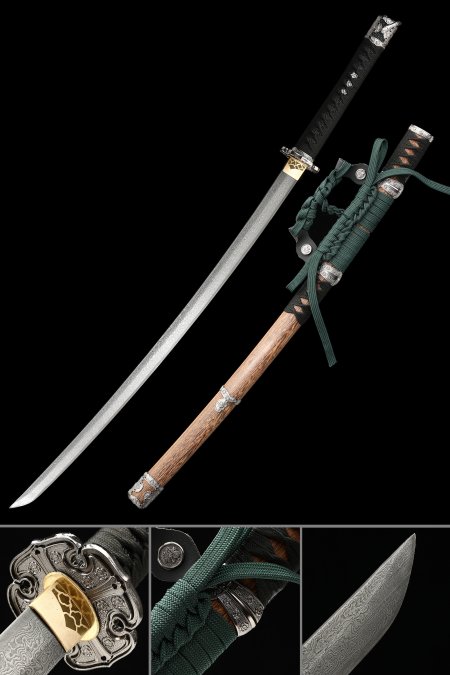
Odachi Sword 1095 Carbon Steel with Teal Lacquer Saya & Green Ito Wrap |
Perfect transaction. Order came in earlier than expected. We;; padded and packaged. Exactly as pictured onsite. I am very happy to have this item.
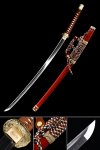 |
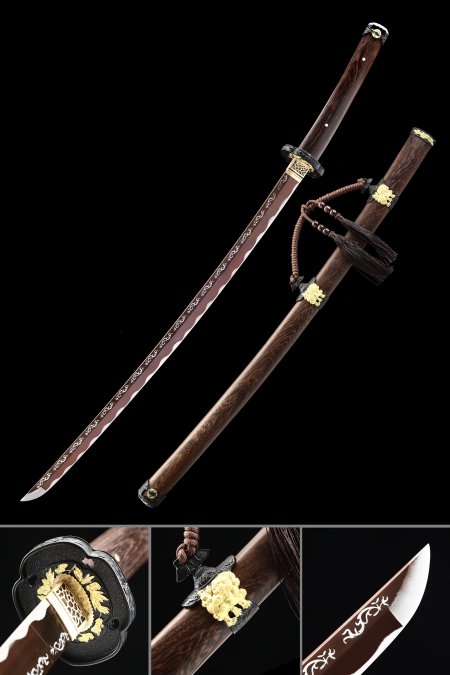
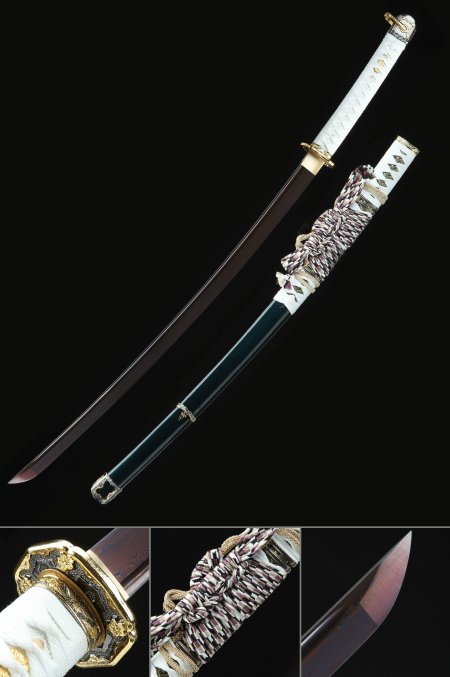
T10 Steel Tachi Odachi with Real Hamon in Red Lacquer Saya - Gold Tsuba, Brown Cord Handle |
O.K. with me. I have one tachi, a katana, one wakizashi, one ninjato and one tanto. Enough, for naginata is already to much. Thank you! Petrica Bunea.
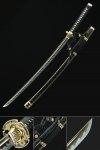 |
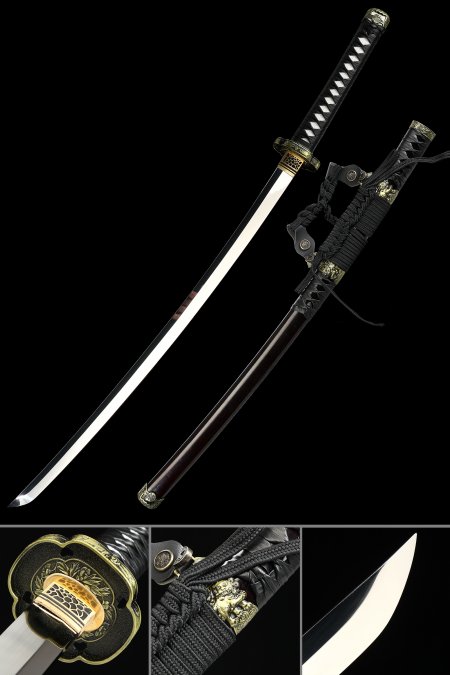
Odachi Sword High Manganese Steel with Dragon Tsuba - Black-Gold Saya, Chrome Blade, 41 IN |
My son loves his new sword. Will be order again. Highly recommend.
|
Clay Tempered 1095 Carbon Steel Tachi Sword with Teal Ito Wrap and Bronze-Shimmer Saya in Gold Fittings |
Product is as advertised! Great craftsmanship, build and design. No flaws detected. AWESOME PRODUCT!! THANK YOU!
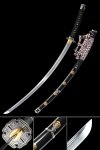 |
1095 Carbon Steel Odachi Sword Full Tang with Black Lacquer Saya and Silver Scroll Tsuba |
Great sword to have in my collection. The weight is well balanced and the blade is sharp. I recommend this sword
|
Odachi Sword 1095 Carbon Steel with Teal Lacquer Saya & Green Ito Wrap |