FAST SHIP
18 Reviews
ON SALE 15% OFF
$199.00$229.00

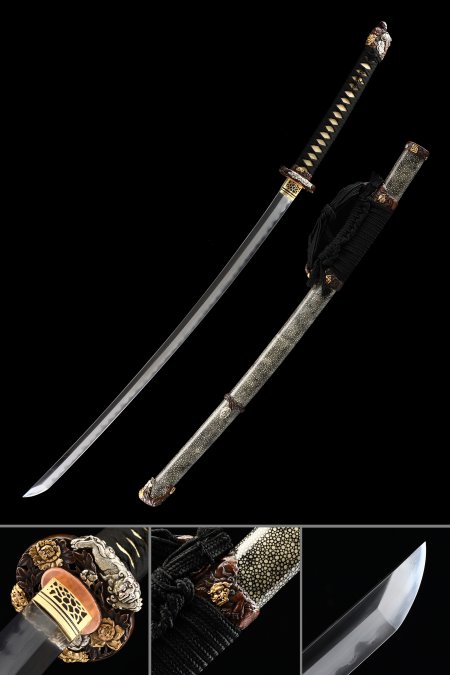
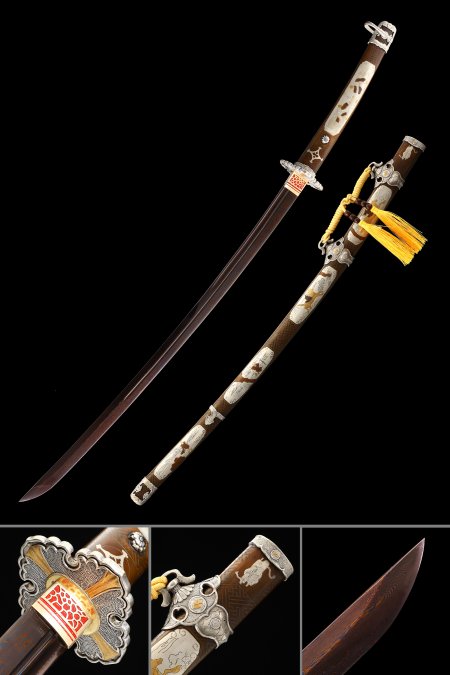
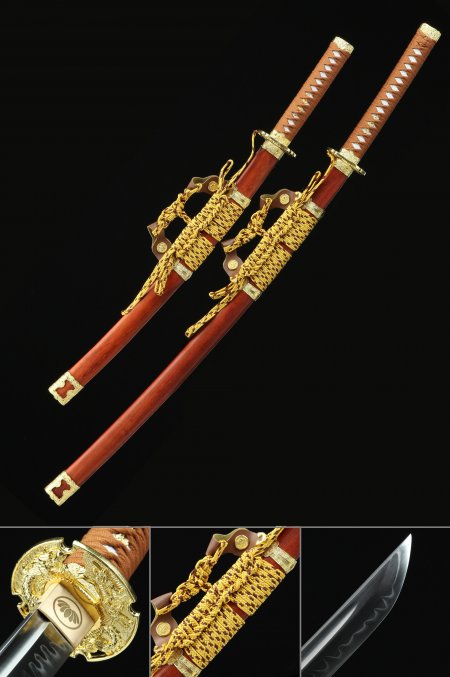
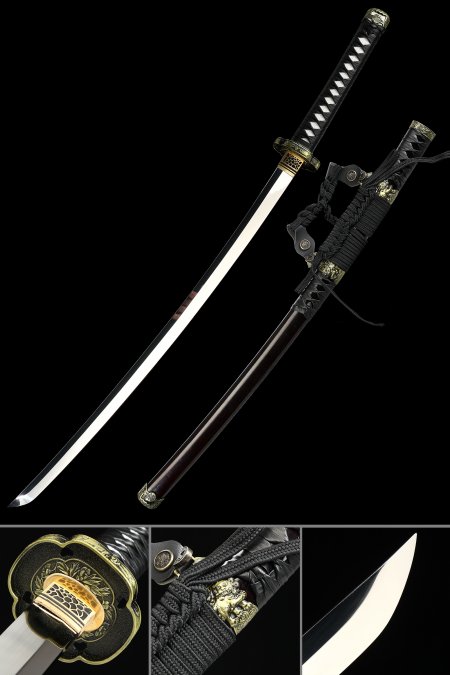
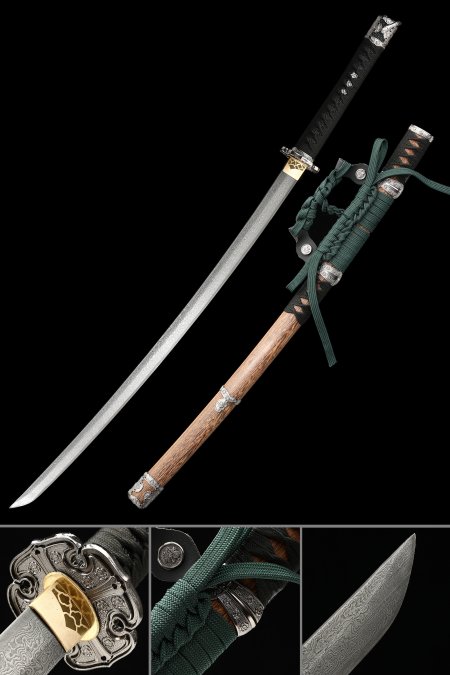
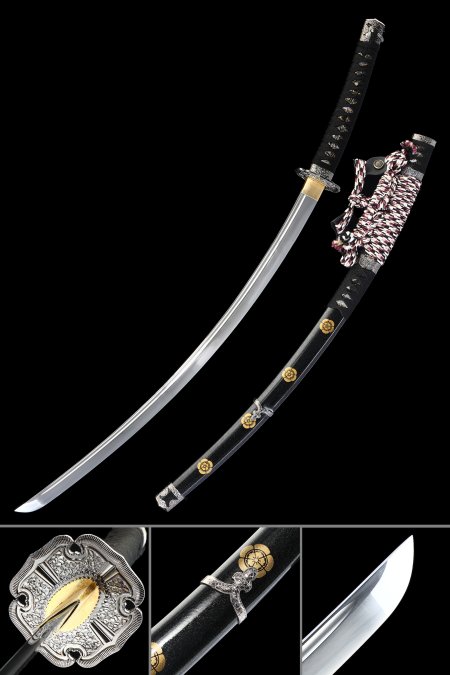
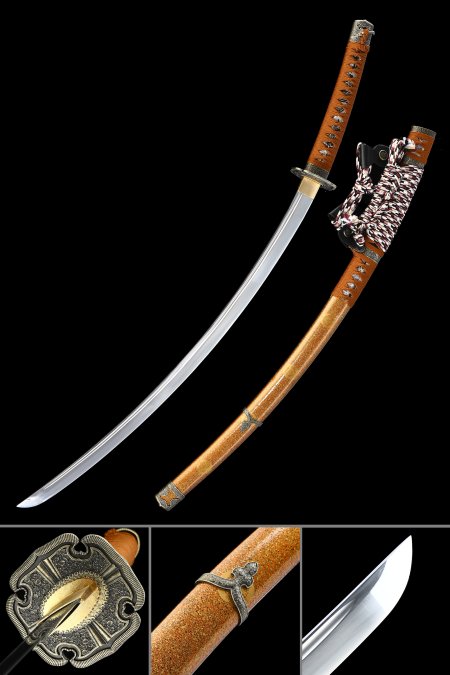
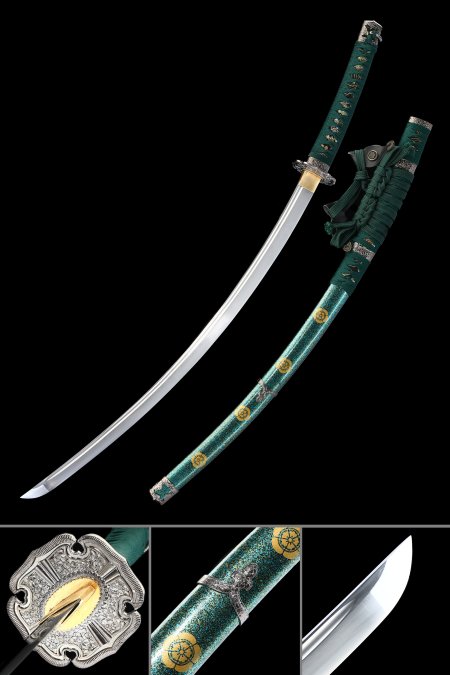
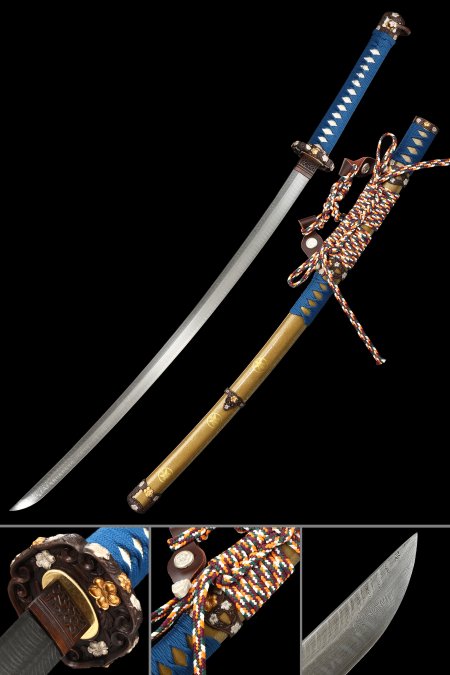
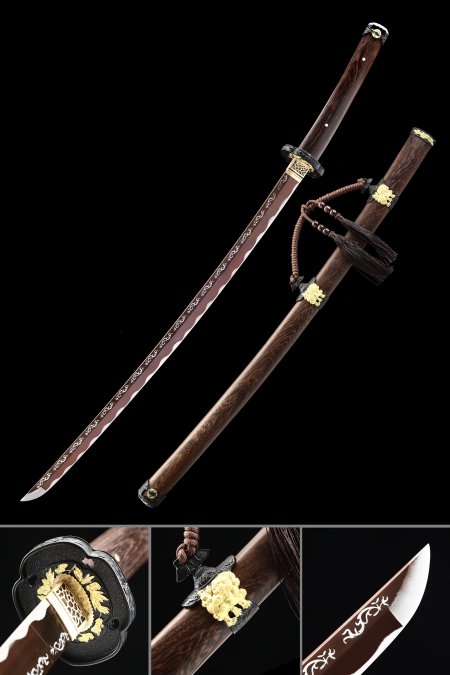
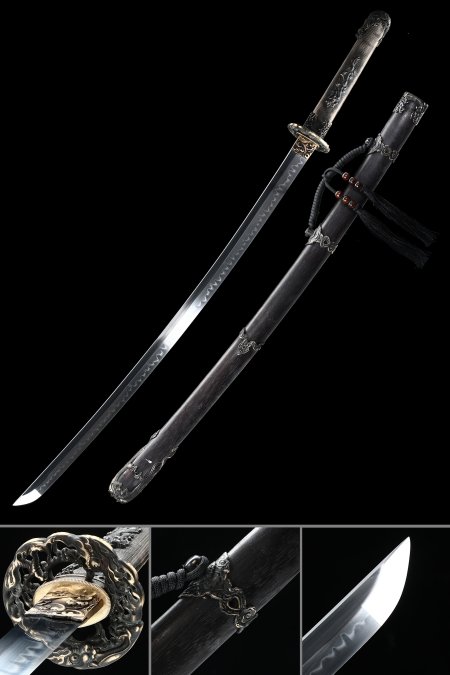
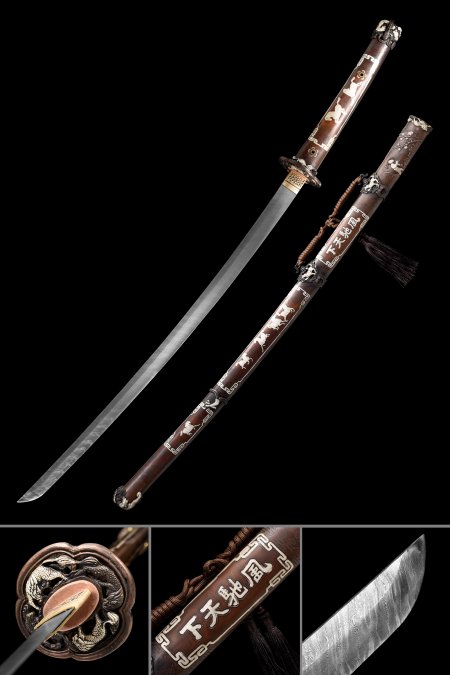
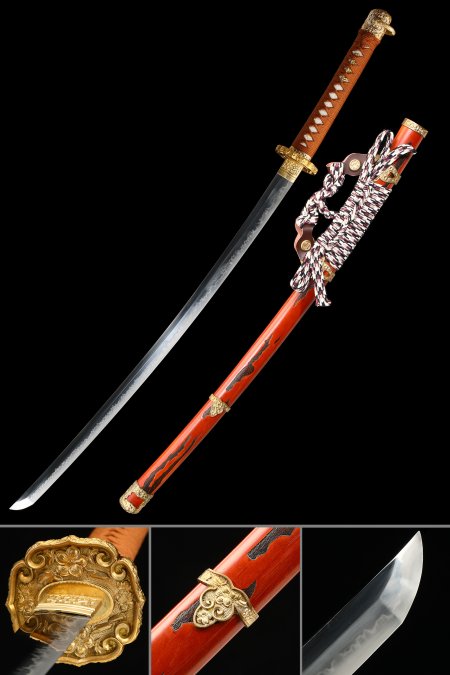
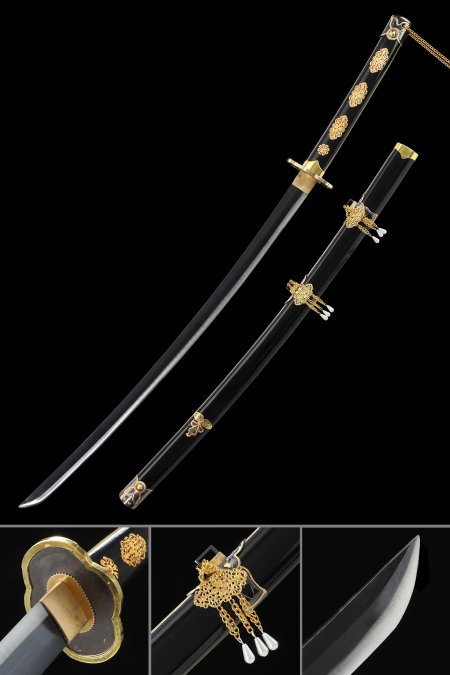
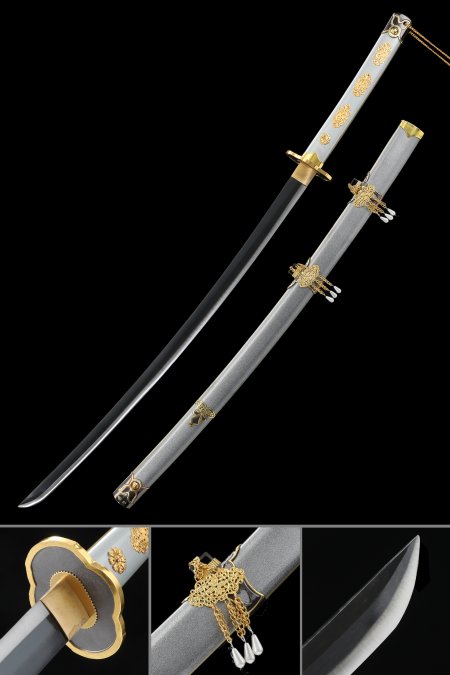
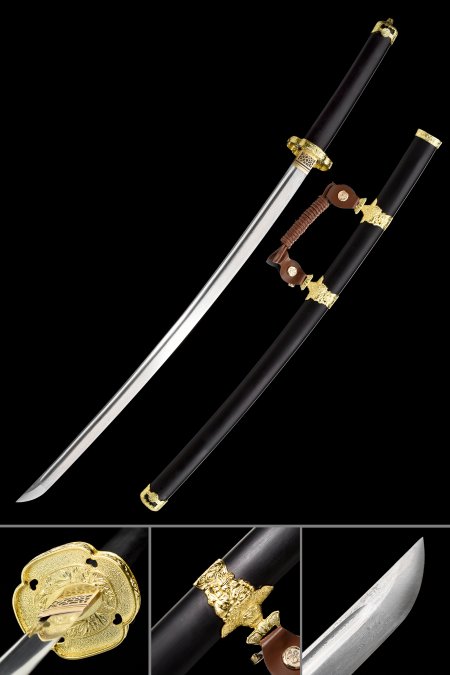
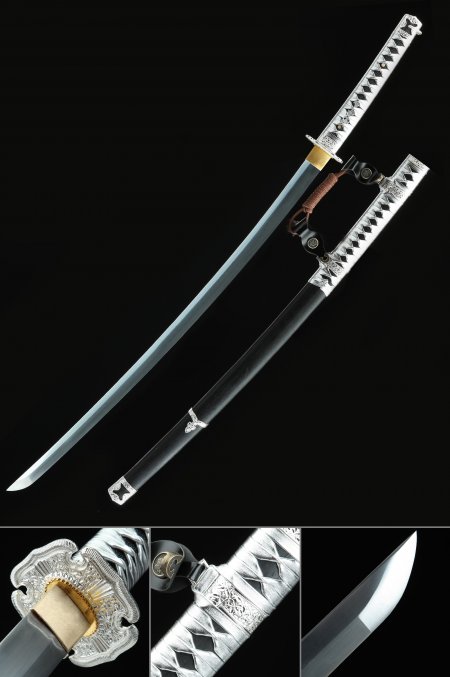
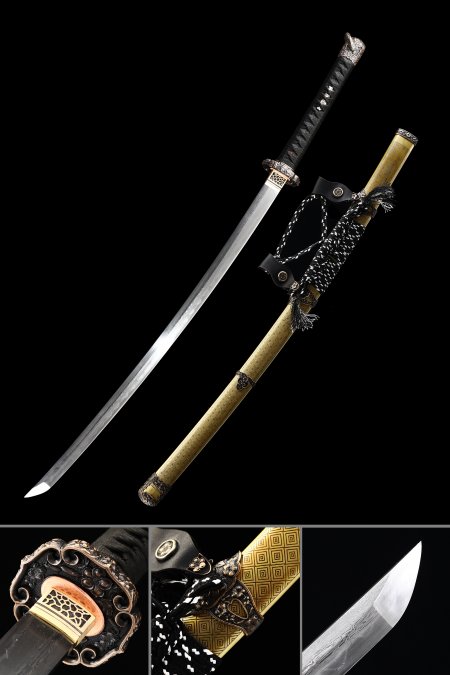
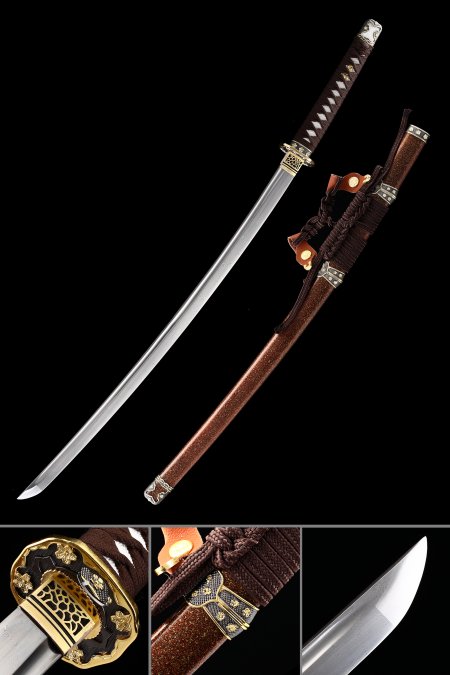
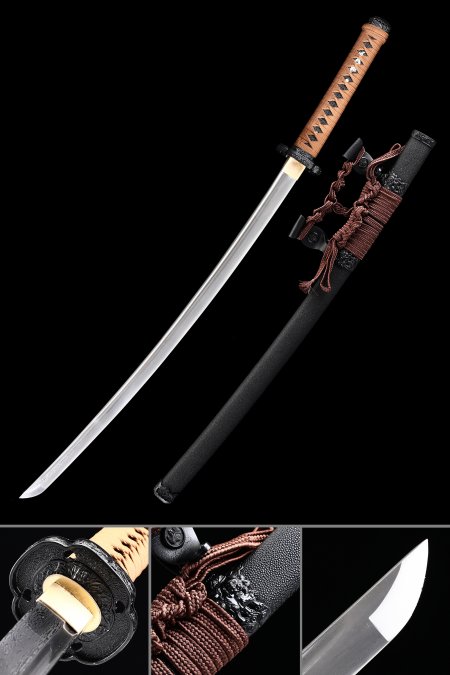
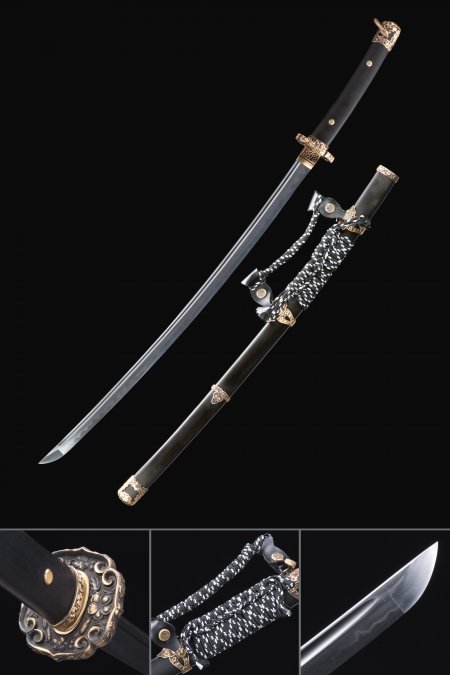
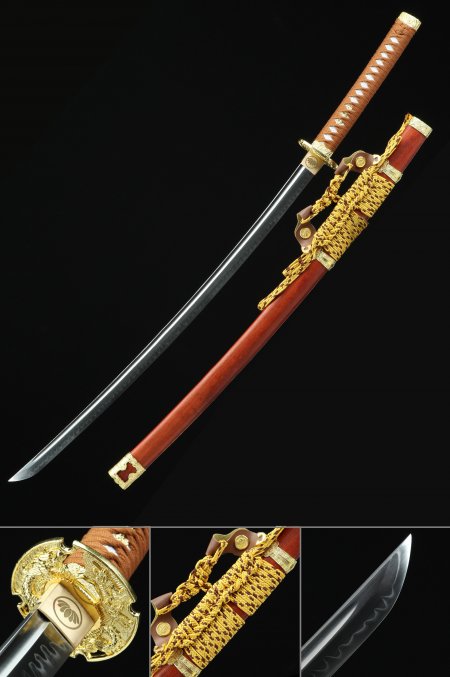
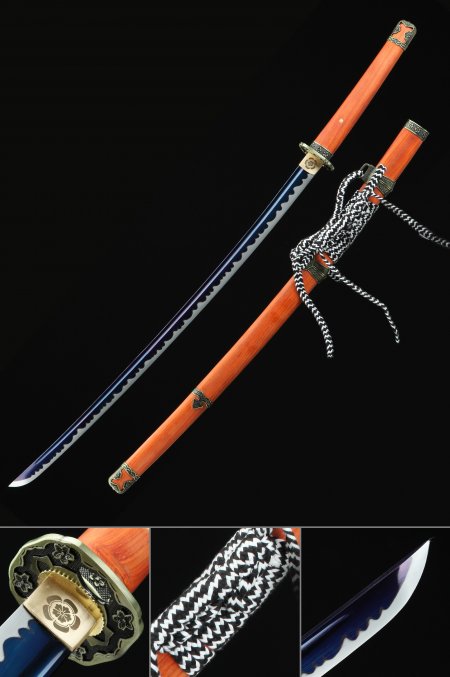
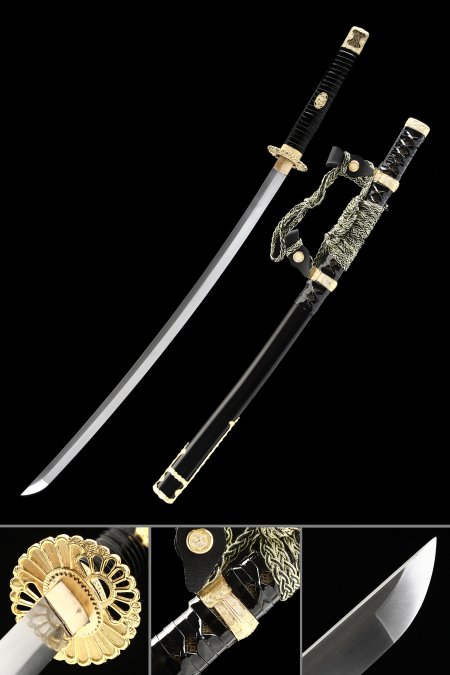
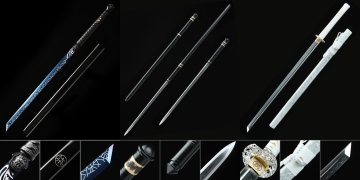
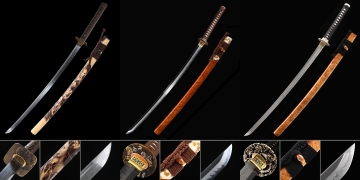
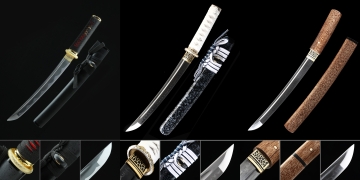
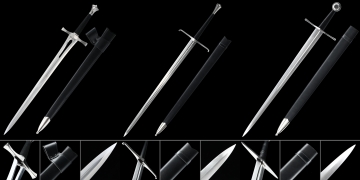
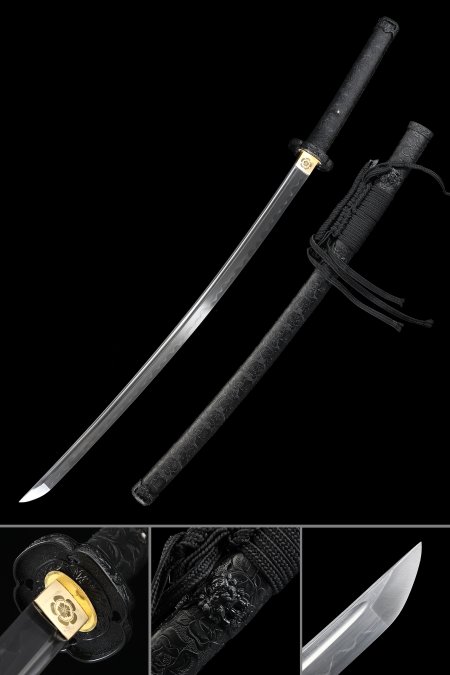
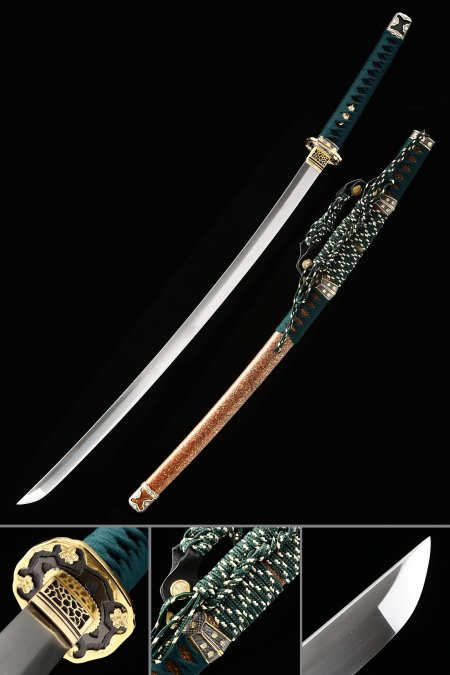
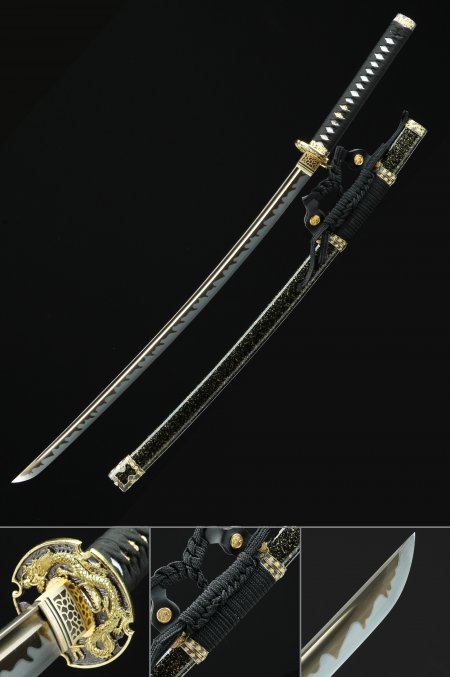
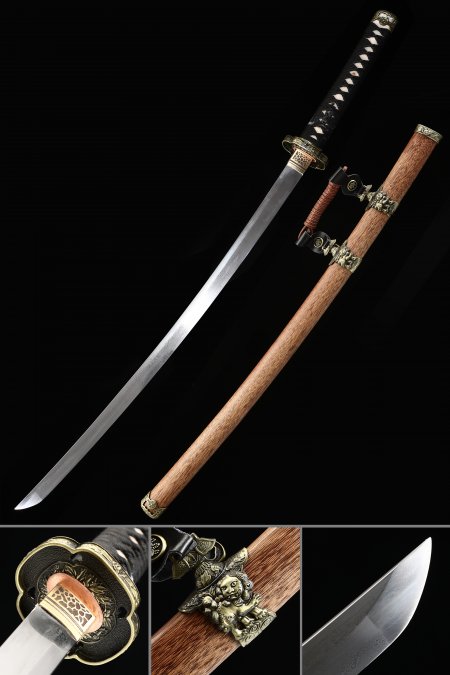
The Antique Tachi Sword represents one of the most distinguished forms of classical Japanese blade artistry — defined by its graceful curvature, elongated profile, and the edge-down suspension style favored by mounted samurai of the Heian and Kamakura periods. Each piece in this collection is crafted from premium materials including Damascus steel, T10 tool steel, and high manganese steel, finished with hand-applied clay tempering that produces an authentic hamon line. Whether displayed in a dedicated sword cabinet or studied as a reference piece, these tachi reward the discerning collector with genuine craftsmanship at every detail. Enjoy free shipping on your order and hassle-free returns with every purchase.
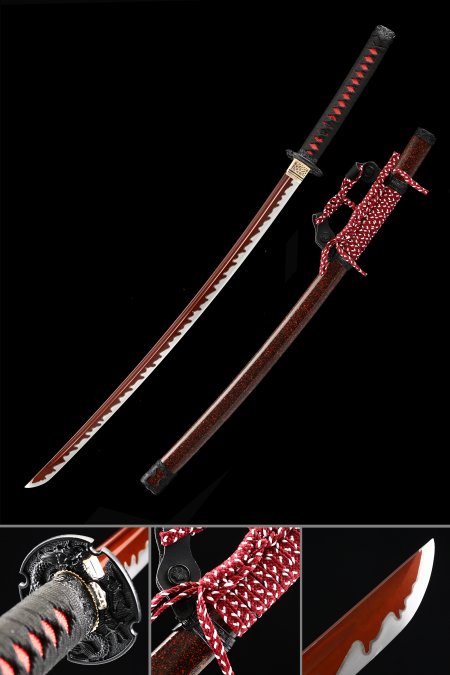
Really love the level of detail put into the blade.
 |
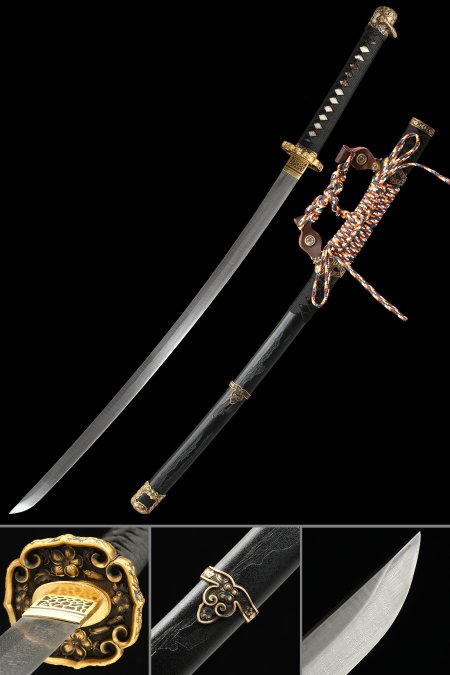
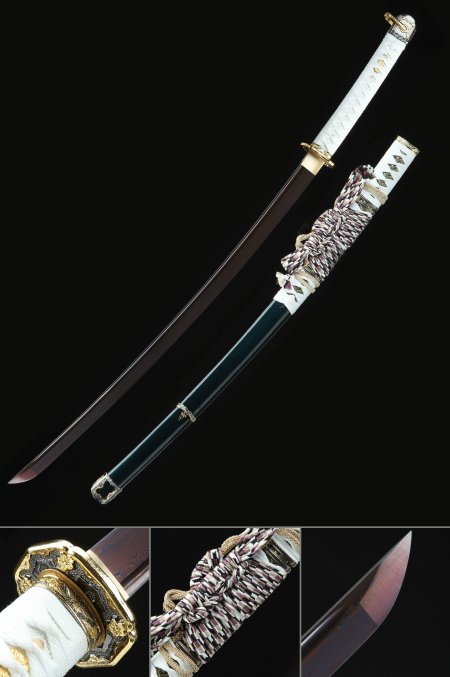
Clay Tempered Tachi Odachi Sword in High Manganese Steel with Real Hamon and Black Floral Saya |
My fiancé was almost in tears when he opened his gift!! He has always wanted a katana and was absolutely speechless at how beautiful it is. r
The delivery was quick and it looked even better in person! Thank you
 |
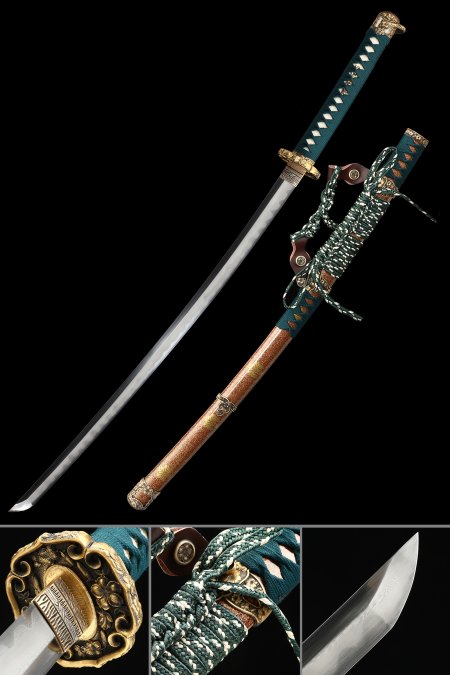
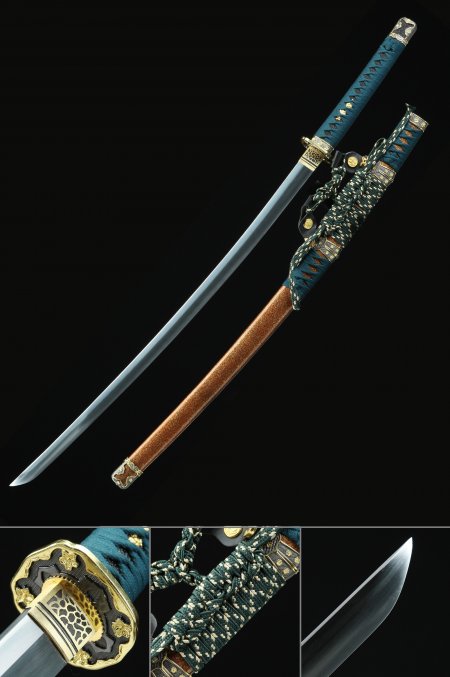
Clay Tempered 1095 Carbon Steel Tachi Sword with Teal Ito Wrap and Bronze-Shimmer Saya in Gold Fittings |
I received my Katana in great condition. Great craftsmanship and packaging. The blade is very sharp and bright. The handle is beautiful and very well wrapped. Now if I can receive my Sword Stand it will be complete.
 |
Odachi Sword 1095 Carbon Steel with Teal Lacquer Saya & Green Ito Wrap |
O.K. with me. I have one tachi, a katana, one wakizashi, one ninjato and one tanto. Enough, for naginata is already to much. Thank you! Petrica Bunea.
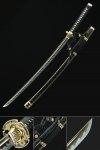 |
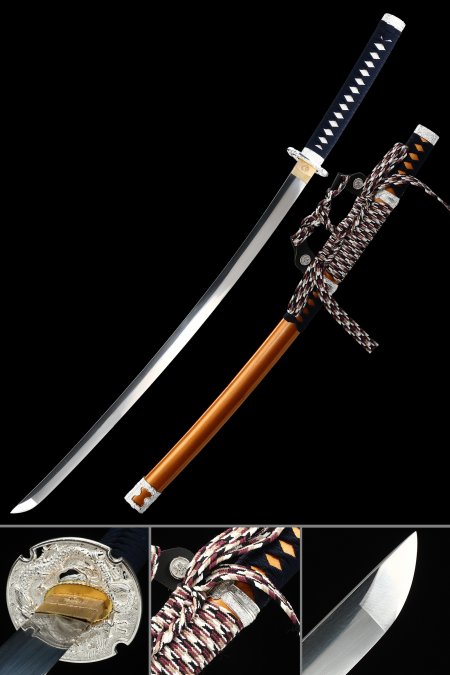
Odachi Sword High Manganese Steel with Dragon Tsuba - Black-Gold Saya, Chrome Blade, 41 IN |
My son loves his new sword. Will be order again. Highly recommend.
|
Clay Tempered 1095 Carbon Steel Tachi Sword with Teal Ito Wrap and Bronze-Shimmer Saya in Gold Fittings |
Product is as advertised! Great craftsmanship, build and design. No flaws detected. AWESOME PRODUCT!! THANK YOU!
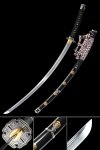 |
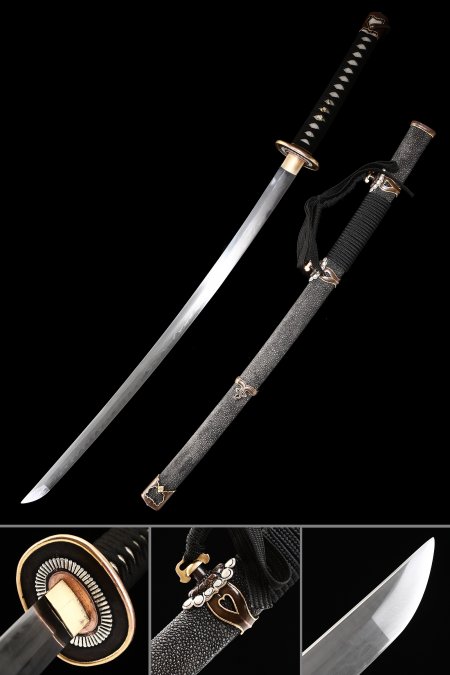
1095 Carbon Steel Odachi Sword Full Tang with Black Lacquer Saya and Silver Scroll Tsuba |
Great sword to have in my collection. The weight is well balanced and the blade is sharp. I recommend this sword
|
Odachi Sword 1095 Carbon Steel with Teal Lacquer Saya & Green Ito Wrap |
The blade came pretty promptly. Took it out of the box and looks just like the pictures online. Appears well made and of good quality. Blade is very sharp. Cant wait to give to my friend for his birthday.
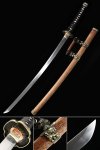 |
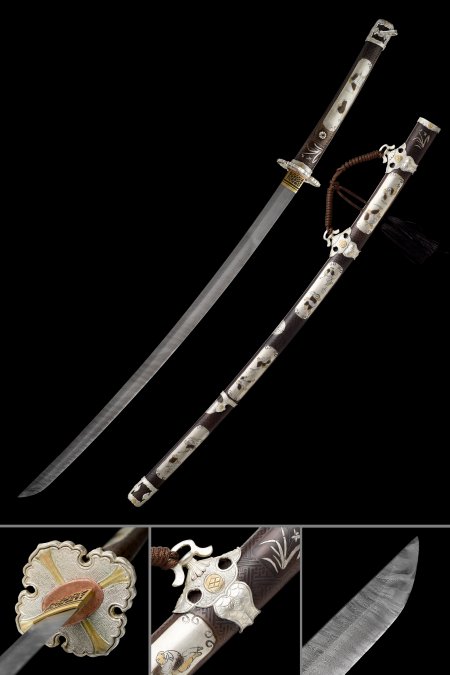
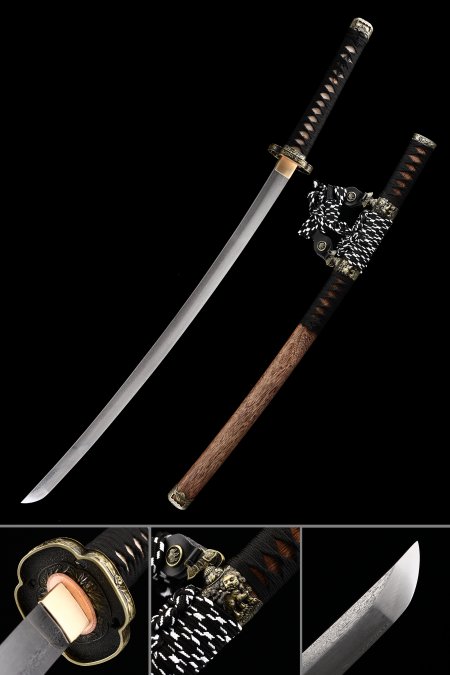
Damascus Steel Tachi Sword with Natural Hardwood Saya, Gold-Black Copper Tsuba & Black Ito |