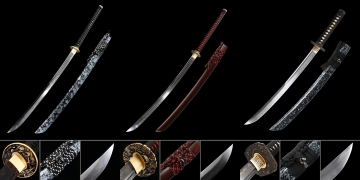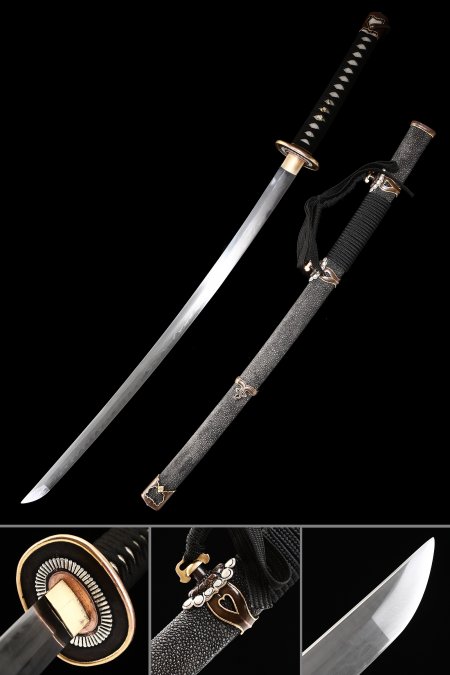
T10 Tachi Sword

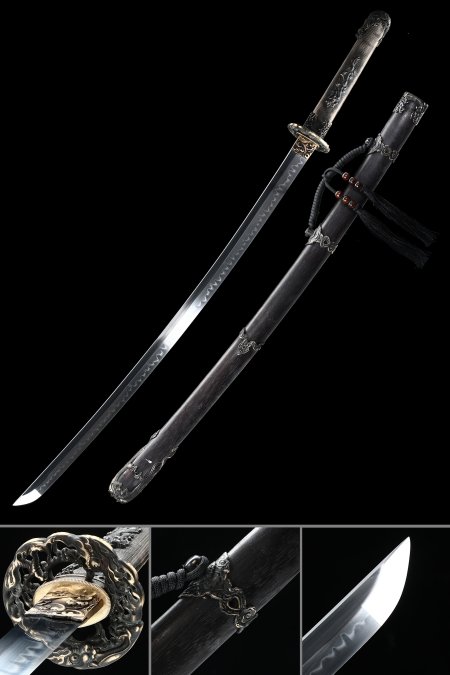
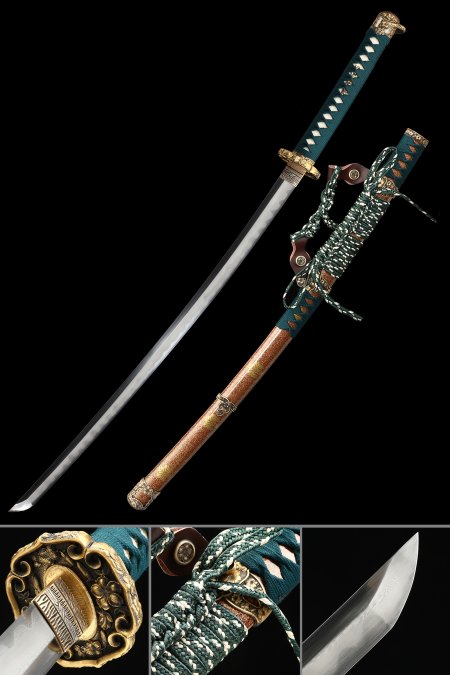
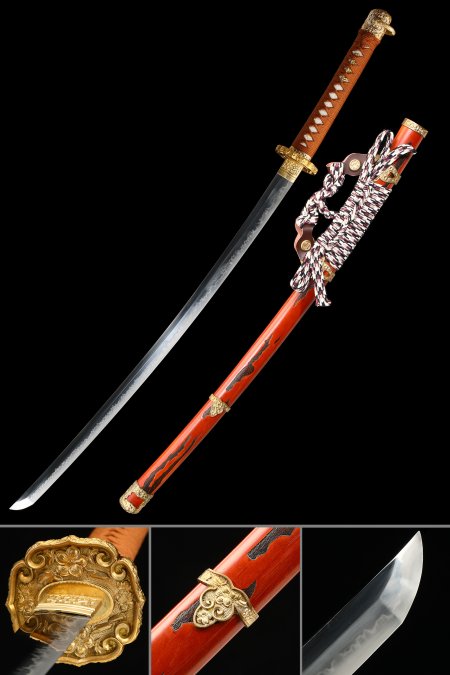
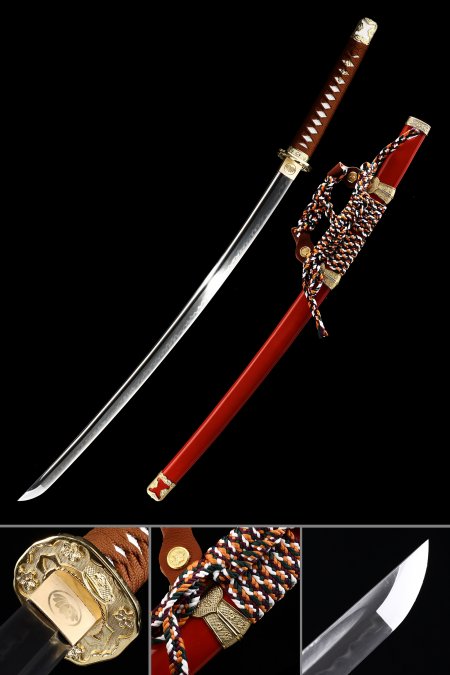
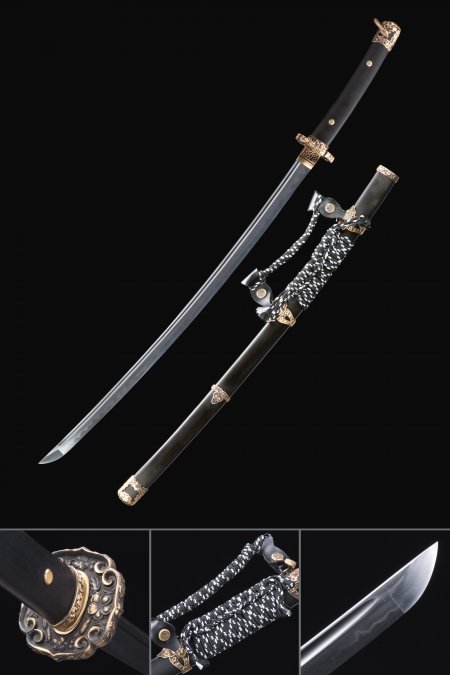
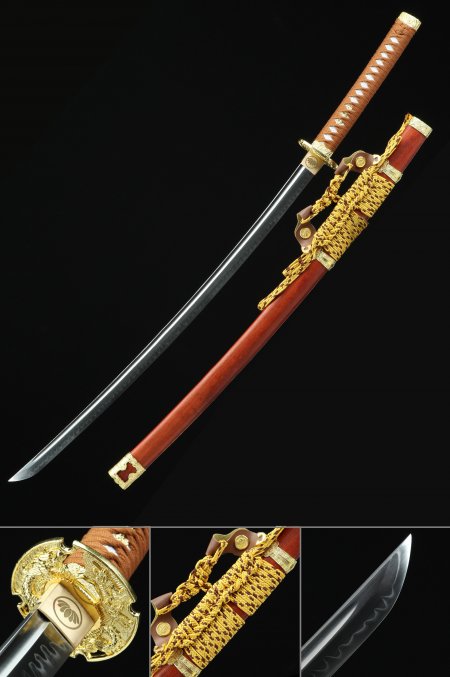
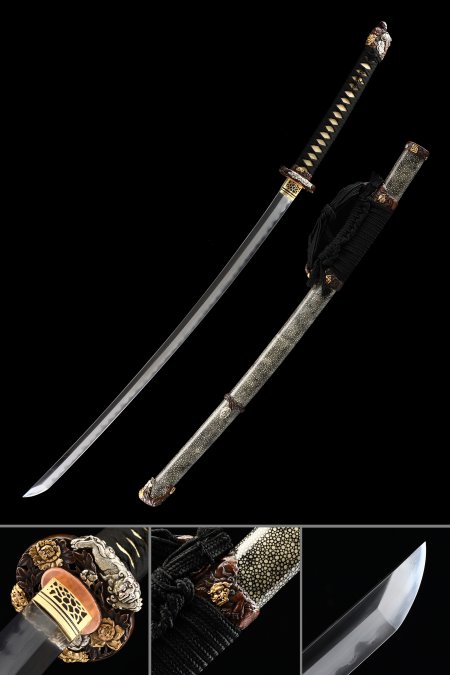
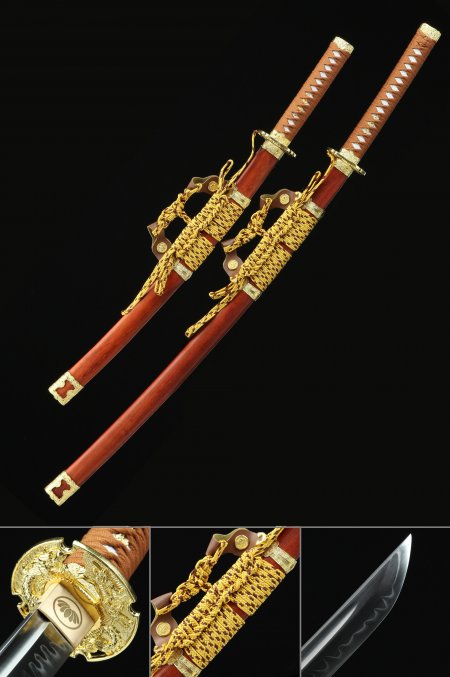
T10 Tachi swords in this collection are hand-forged from high-carbon T10 tool steel and clay tempered to reveal an authentic hamon along the blade. Each piece is assembled with carefully matched koshirae - from lacquered hardwood saya to hand-wrapped ito and ornate copper or gold tsuba - crafted for display and serious collecting. Free standard shipping is included on every order, and we stand behind each piece with a straightforward return policy.
Showing 9 Products

Related Collections

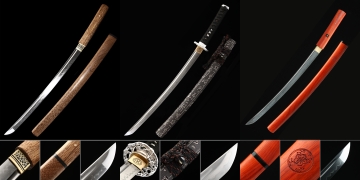
T10 Wakizashi43 items


206 Reviews

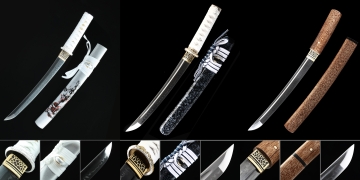
T10 Tanto52 items


207 Reviews

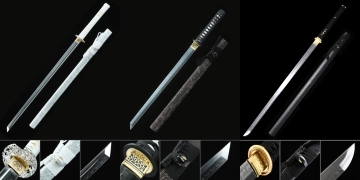
T10 Ninjato19 items


81 Reviews

T10 Steel Naginata4 items


8 Reviews

Frequently Asked Questions

What makes T10 steel a preferred choice for tachi collectors?
T10 tool steel is a high-carbon steel with approximately 0.95-1.05% carbon content, placing it firmly in the range historically associated with quality Japanese-style blade construction. What distinguishes T10 from simpler high-carbon steels is the addition of trace silicon, which refines grain structure and contributes to toughness under stress. For collectors, the practical benefit is that T10 responds exceptionally well to clay tempering - the differential heat treatment process that creates a genuine hamon. Because the steel's grain structure is fine and consistent, the temper line that emerges after quenching tends to be clearly defined and active with visible crystalline detail. This makes T10 tachi blades among the most visually rewarding to examine closely, and a meaningful step above blades where the hamon is simulated through surface treatments rather than actual metallurgical process.
How does a tachi differ from a katana in design and display?
The tachi predates the katana by several centuries and was designed for a different carrying convention: suspended from the belt with the cutting edge oriented downward, rather than thrust through a sash edge-up in the katana style. To accommodate this, tachi blades were forged with a more pronounced curvature (sori) and a longer overall length, typically exceeding 70 cm in nagasa. The signature downward curve means tachi are among the most visually dramatic Japanese swords to display - the arc reads clearly from across a room. For collectors, this distinction matters when choosing display mounts: tachi are traditionally presented horizontally with the edge facing down, the opposite orientation from a katana. Pairing both formats in a display communicates the full arc of Japanese blade history in a way that a single style cannot.
Is the hamon on these tachi blades genuine or artificially applied?
Every tachi in this collection features a hamon produced through actual clay tempering, not acid etching or mechanical grinding. The process involves coating the blade with a clay mixture - applied thicker along the spine and thinner near the edge - before the quench. During rapid cooling, the unprotected edge hardens into martensite while the clay-insulated spine retains a softer, more flexible grain. The boundary between these zones is the hamon. Under good lighting, particularly oblique or raking light, collectors can observe nie (bright, grainy crystalline activity) and nioi (a misty, fine-grained glow) along the temper line - characteristics that are only possible through genuine differential hardening and that no surface treatment can replicate convincingly.
What care does a display tachi need to stay in top condition?
High-carbon T10 steel is not stainless and will oxidize if neglected. For display pieces, the single most important maintenance habit is periodic oiling: a light application of choji oil or mineral oil along the entire blade surface, wiped to a thin even coat, creates a barrier against moisture. The frequency depends on your environment - humid coastal climates may require attention every four to six weeks, while dry inland conditions might allow three months between applications. Always handle the blade with clean cotton gloves or by the spine to avoid transferring skin oils, which are mildly acidic and can leave fingerprint marks that etch into the steel over time. Lacquered saya should be stored away from direct sunlight, which can crack or fade the finish, and the blade should be withdrawn periodically to ensure no moisture is trapped inside the saya against the blade surface.
Are T10 tachi swords a good gift for a serious sword collector?
A T10 tachi with full koshirae - lacquered saya, ornate tsuba, and traditionally wrapped handle - makes a particularly strong gift for a collector who already owns one or more katana and wants to expand into earlier Japanese blade formats. Because the tachi represents a distinct historical period and carrying tradition, it adds genuine diversity to a display rather than duplicating what the collector likely already has. For gift selection, pay attention to the koshirae aesthetic: collectors who lean toward classical Japanese motifs tend to appreciate chrysanthemum or peony tsuba in copper or gilt finishes, while those with bolder display sensibilities often respond well to dragon-motif or high-contrast black-and-gold fittings. Including a companion piece - such as a tanto in matching T10 construction - elevates the gift from a single display item to the beginning of a cohesive collection grouping.

Customer Reviews