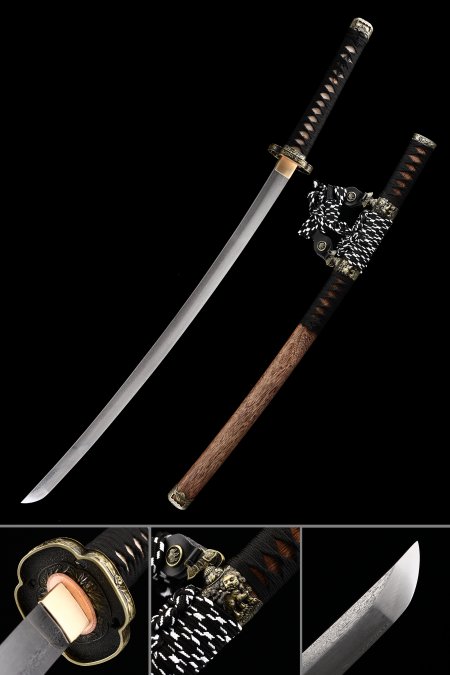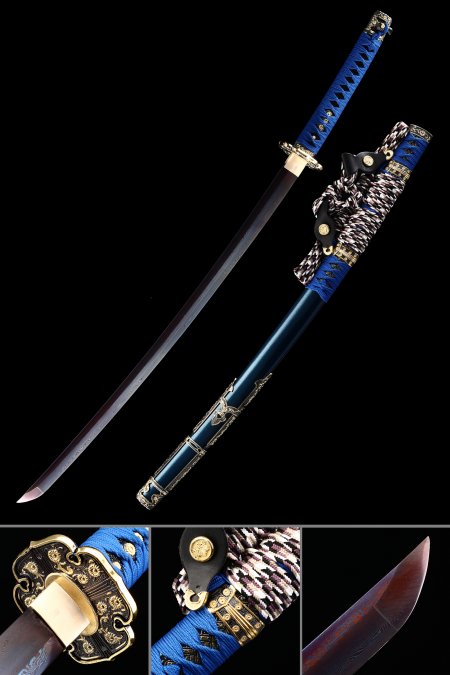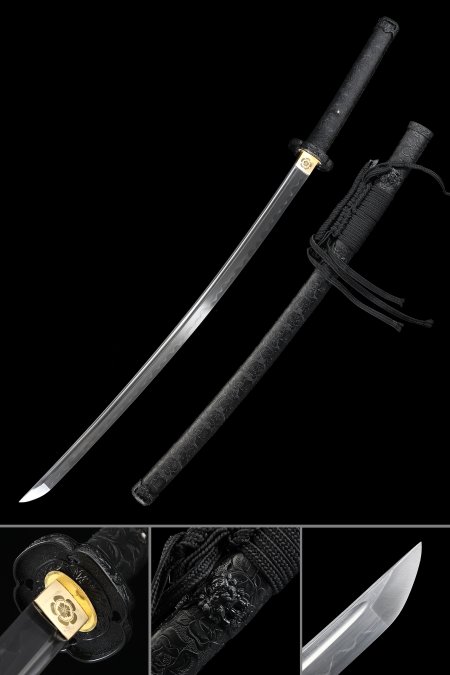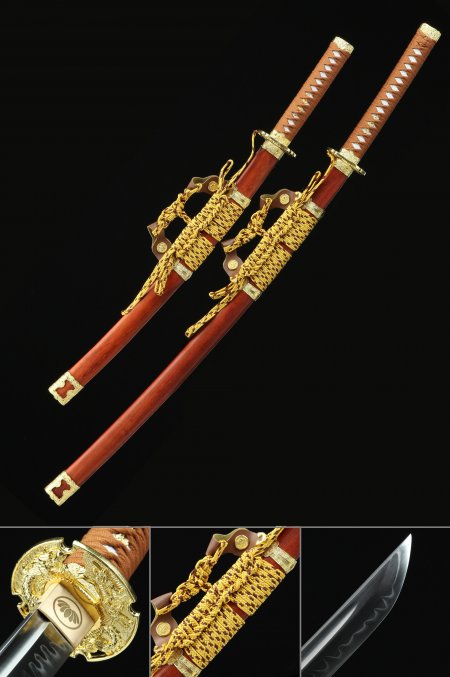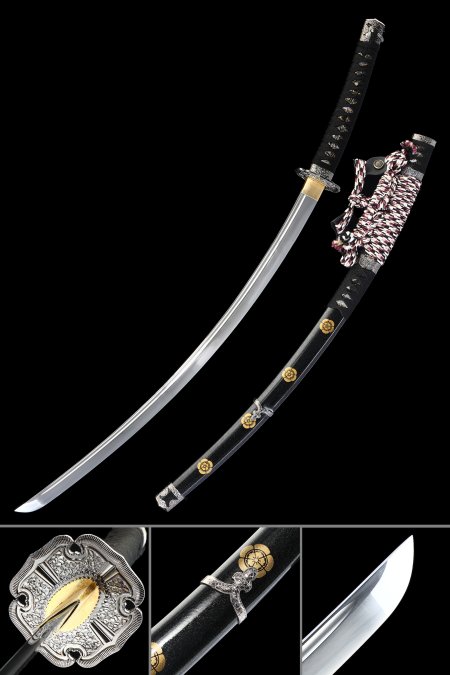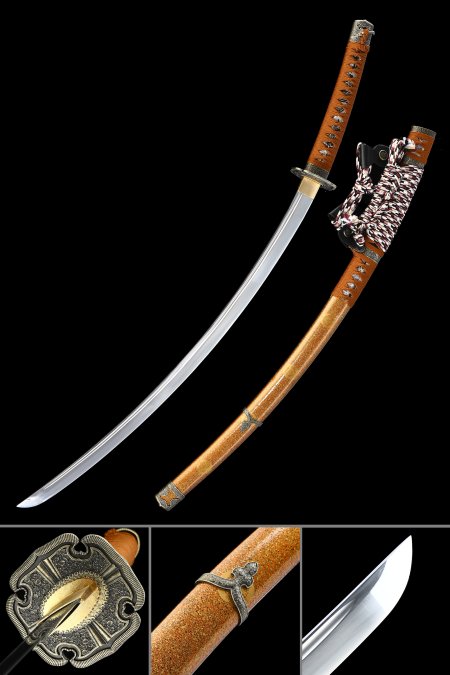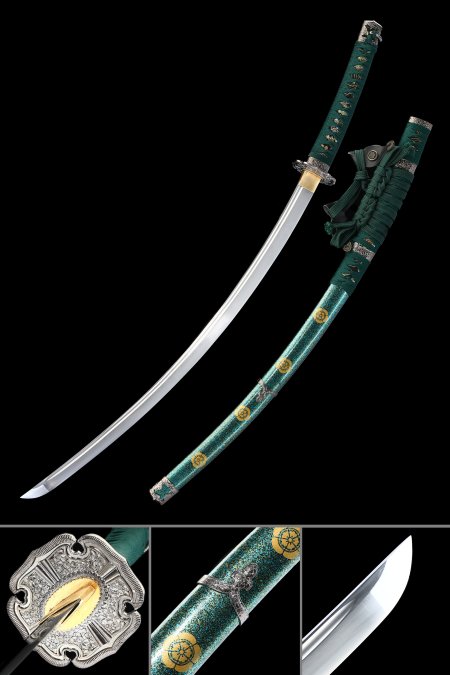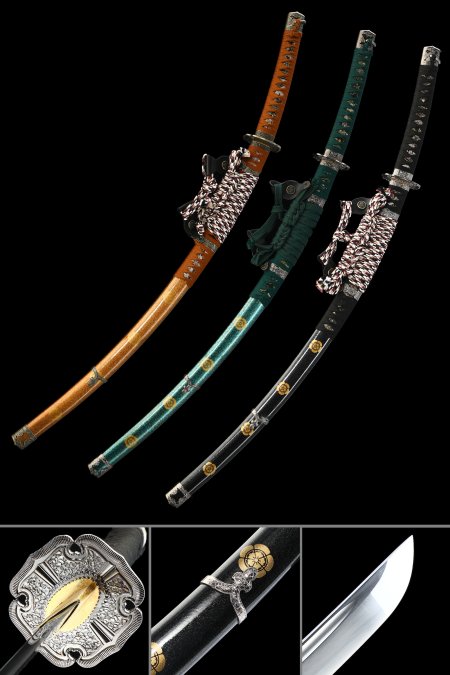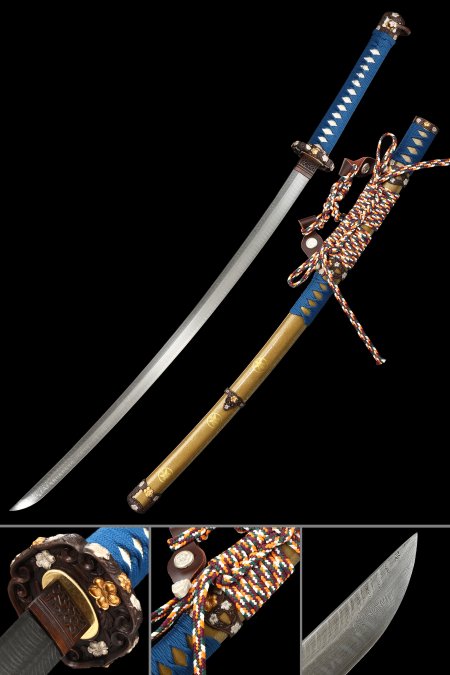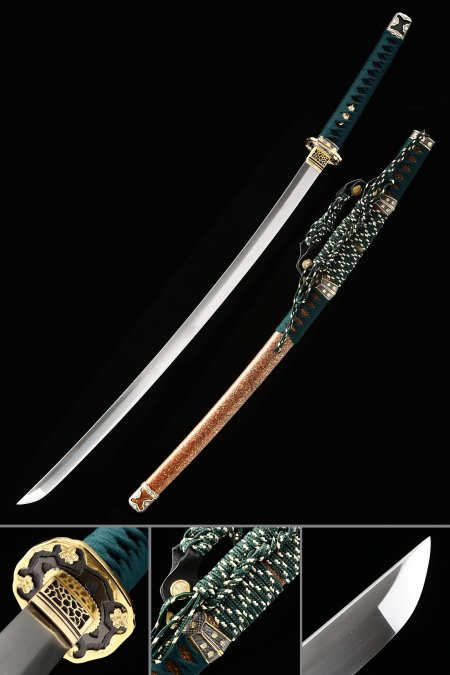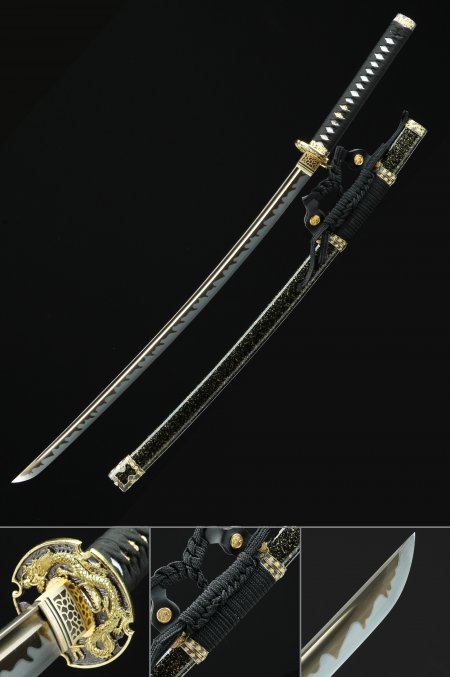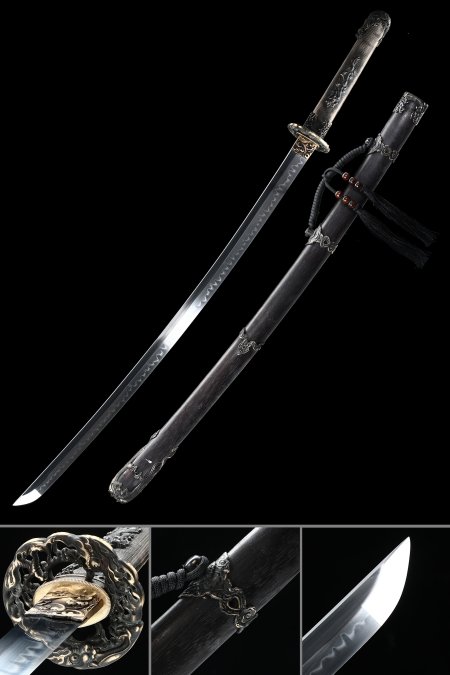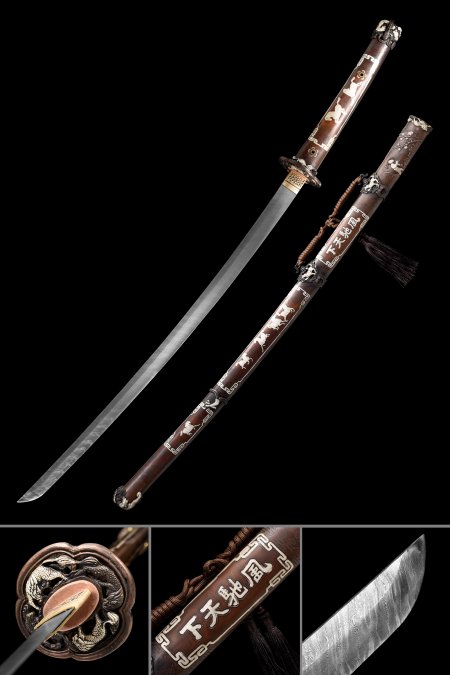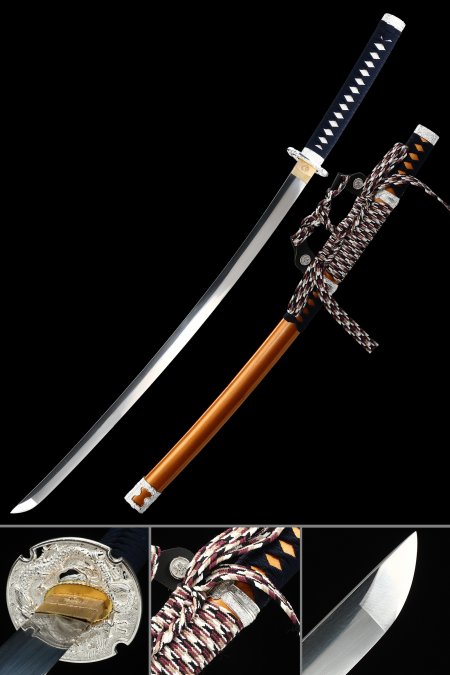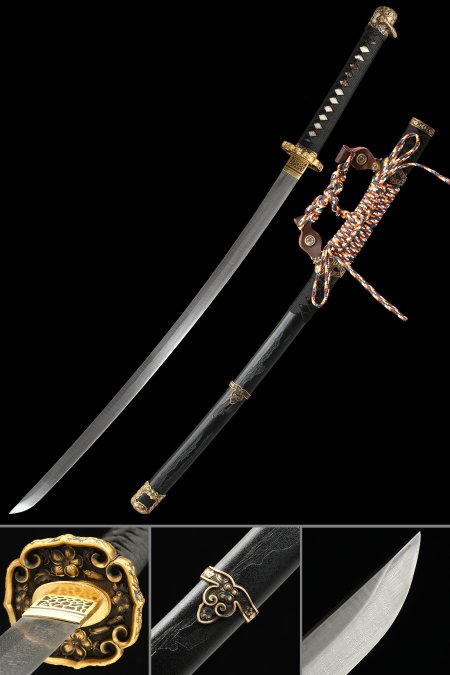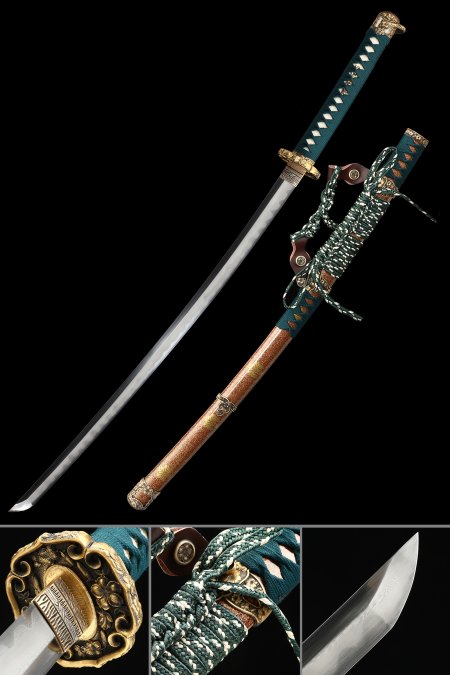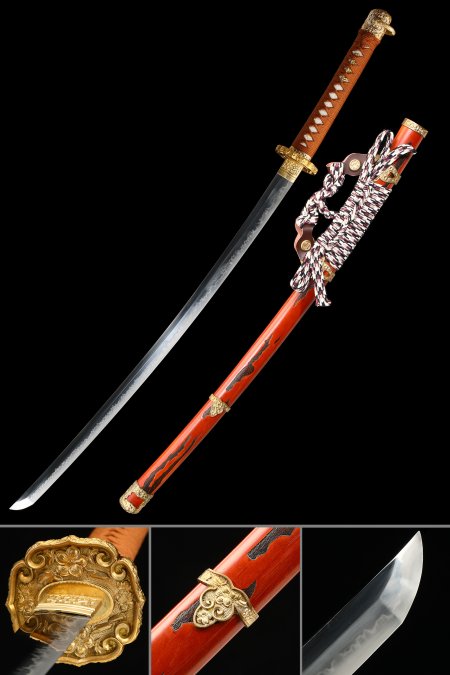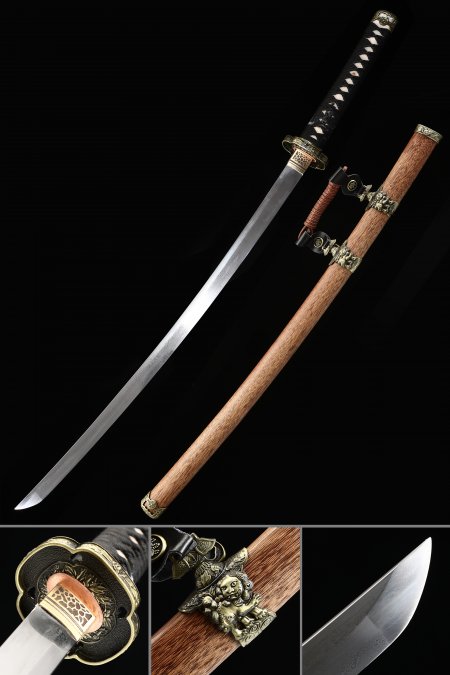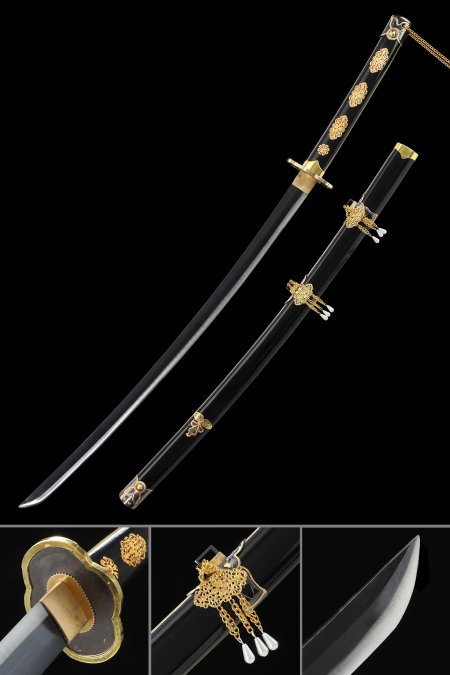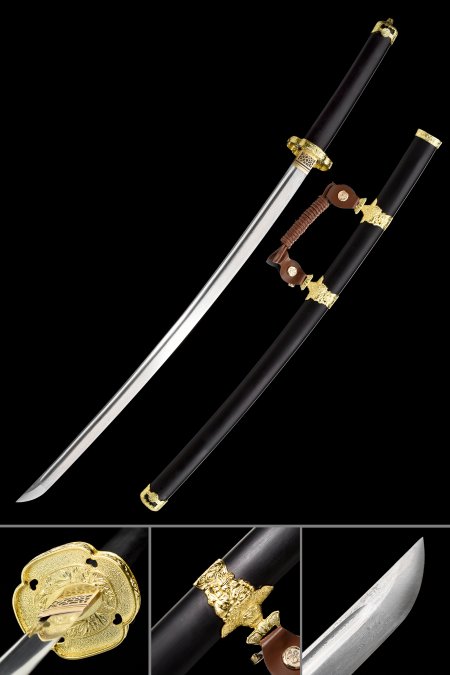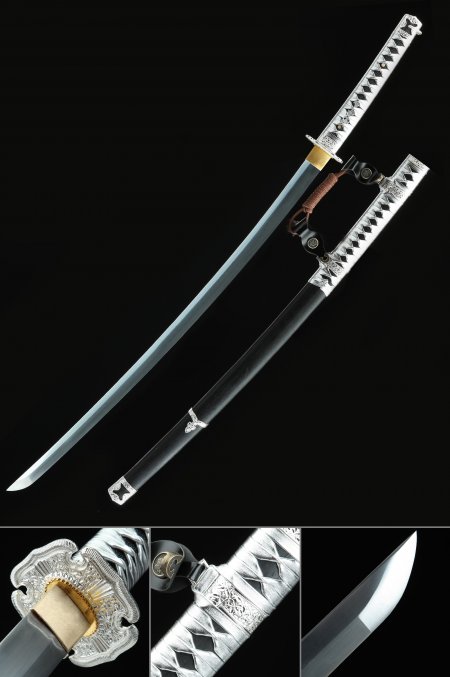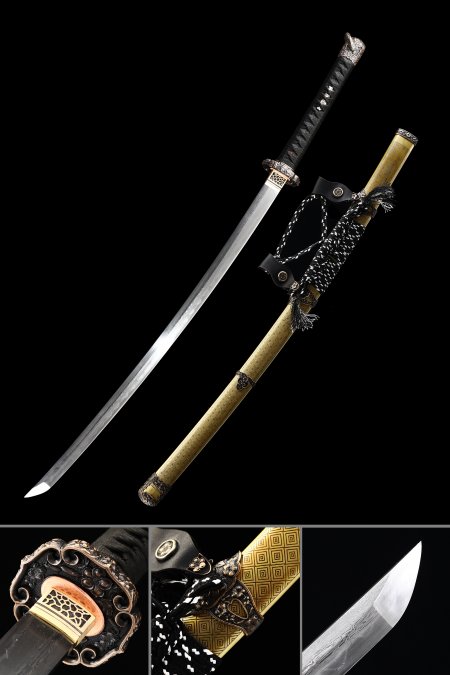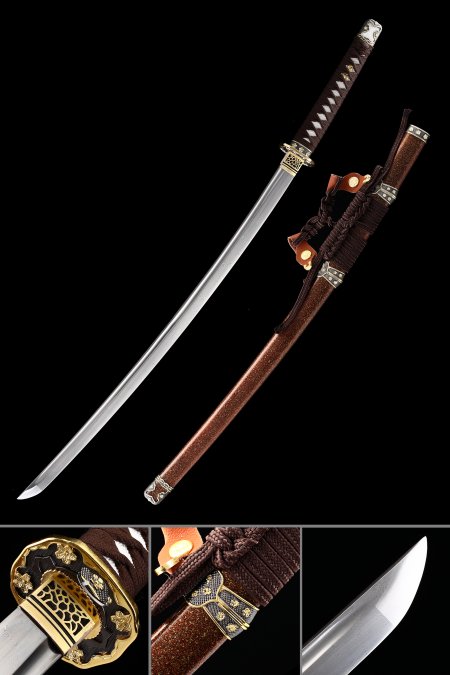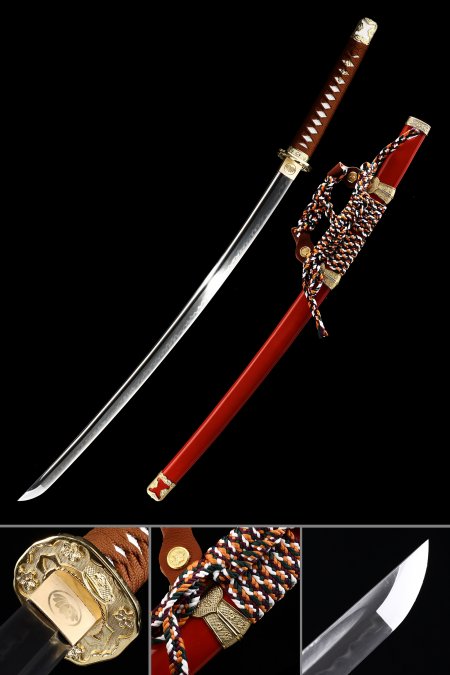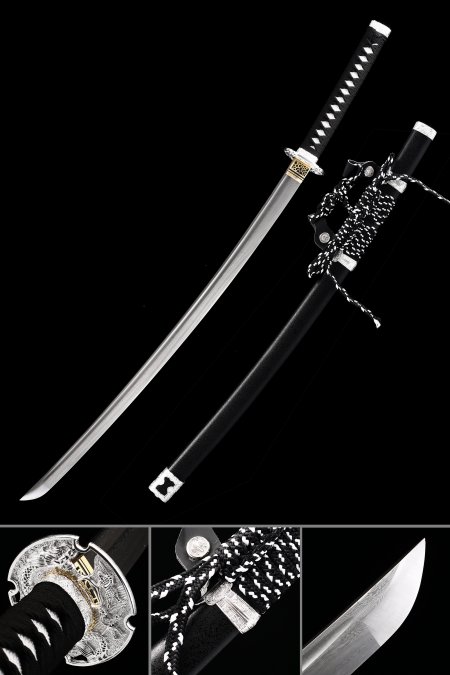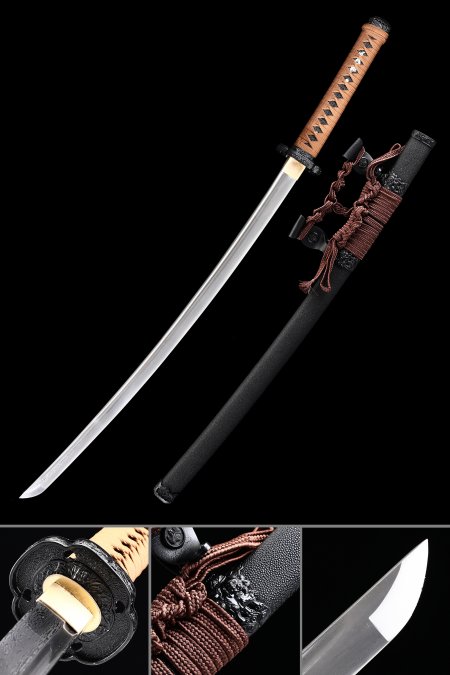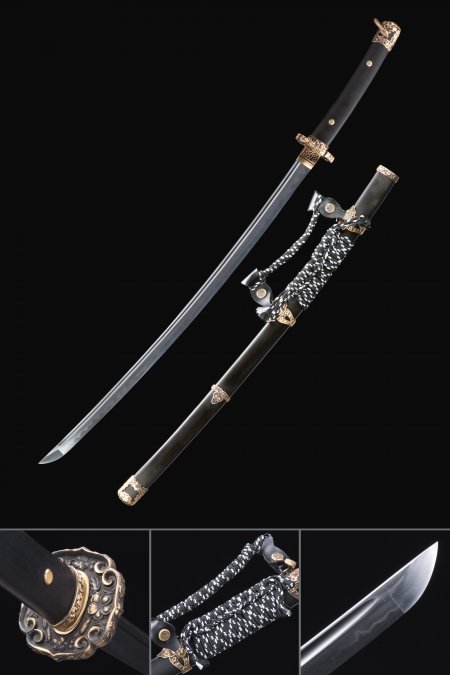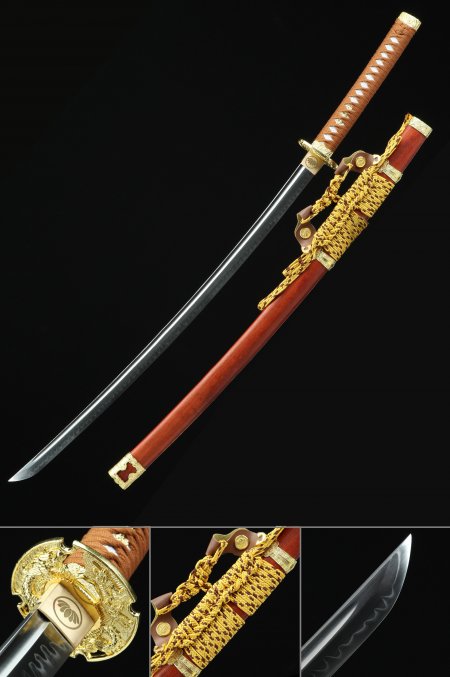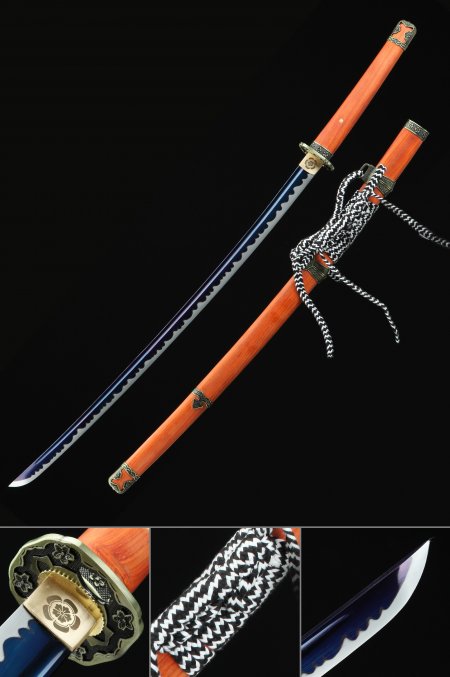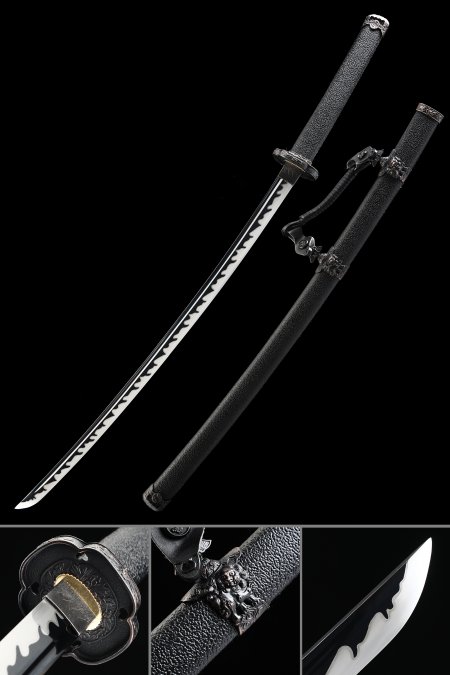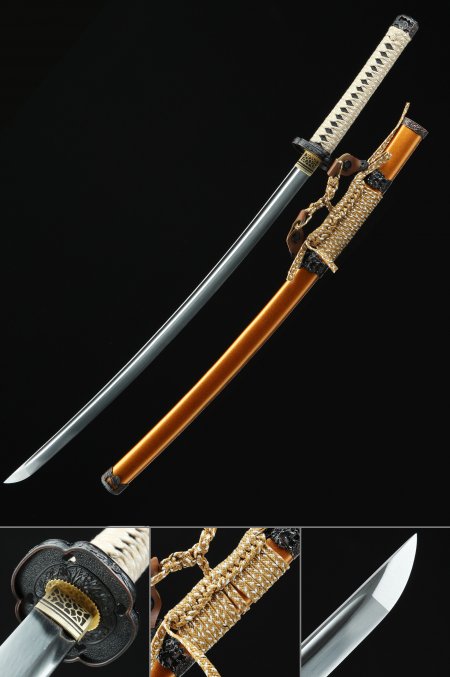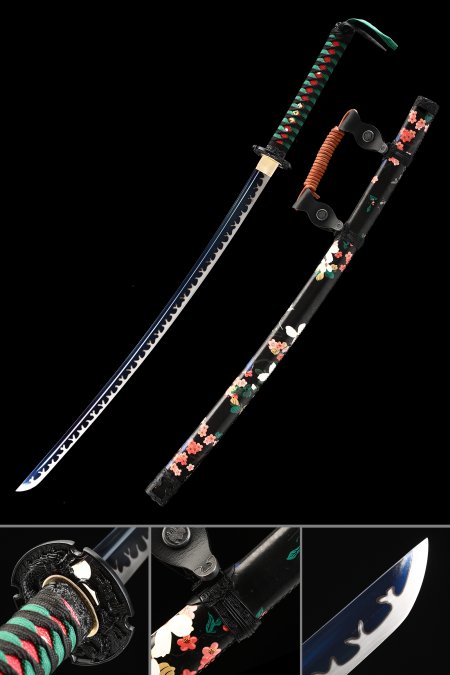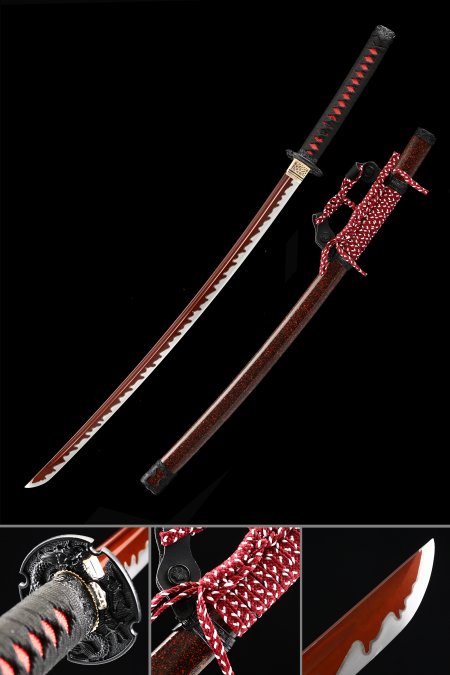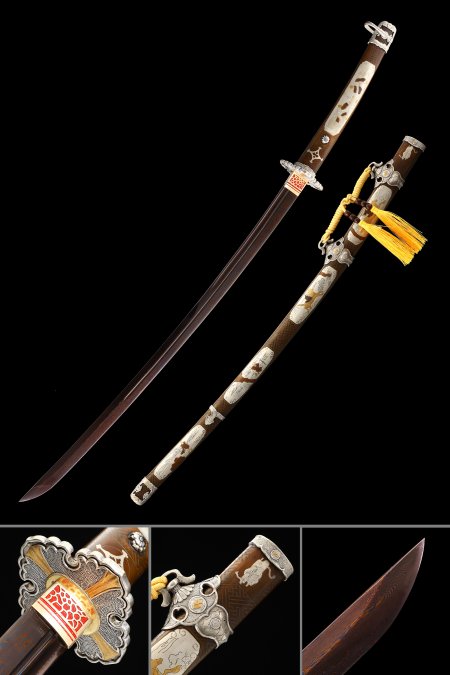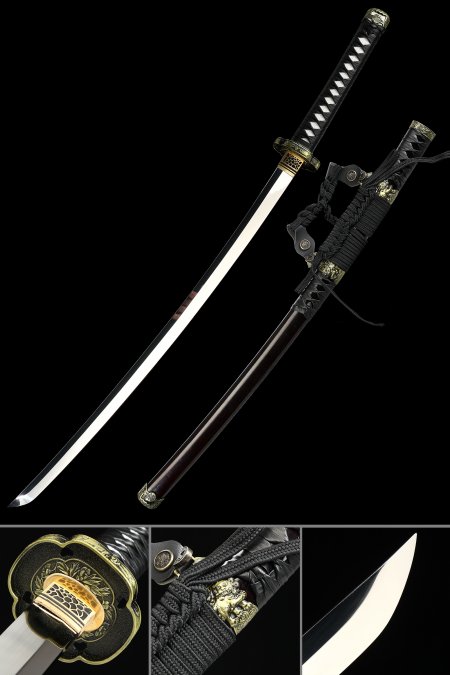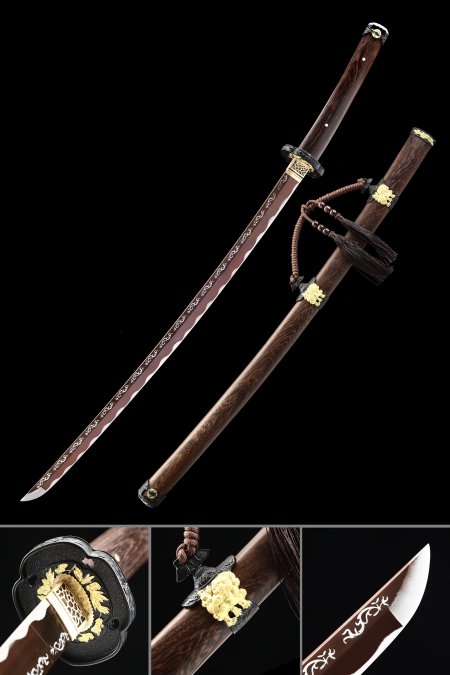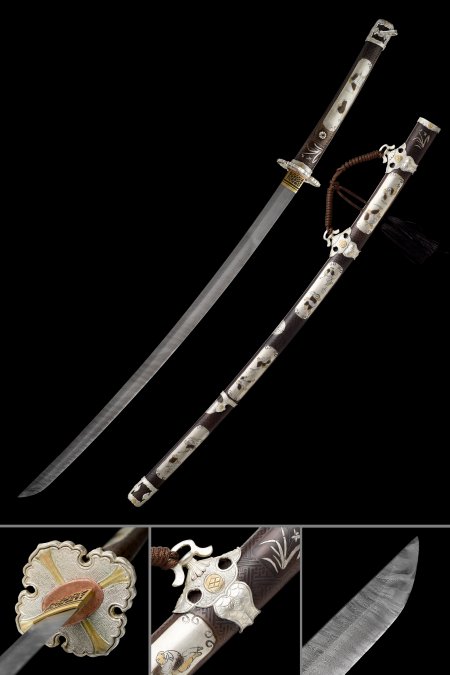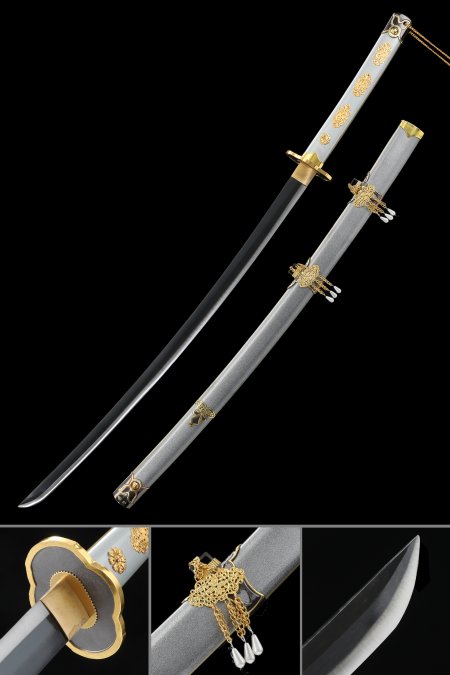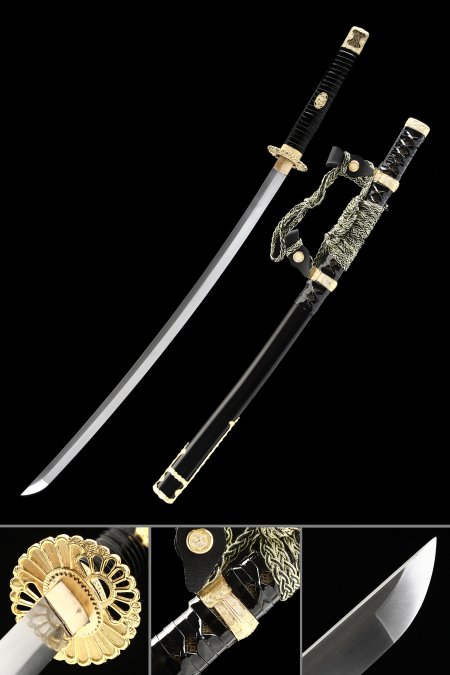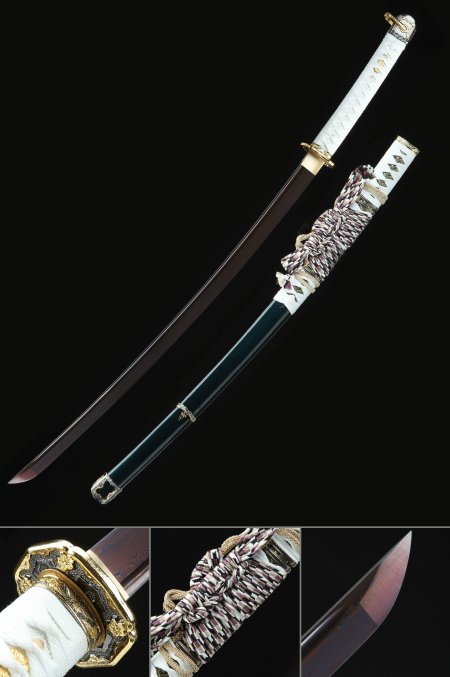
Hand Forged Tachi Sword

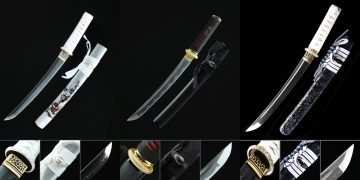
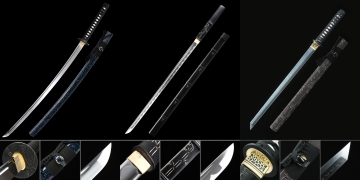
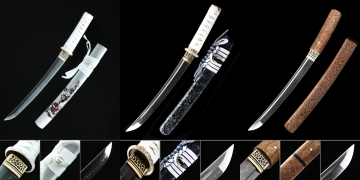
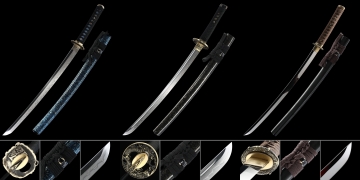
Hand forged tachi swords carry the weight of imperial Japan's sword-making heritage - each blade shaped through traditional forging methods that produce a distinctly elongated, gracefully curved profile unlike any other Japanese sword form. Our collection features genuine hand-forged construction in Damascus steel, T10, 1095 carbon, and high manganese steel, paired with meticulously fitted saya, ornate tsuba, and wrapped tsuka. Every piece arrives ready for display or serious collection. Enjoy free standard shipping on all orders, with hassle-free returns to ensure complete confidence in every purchase.
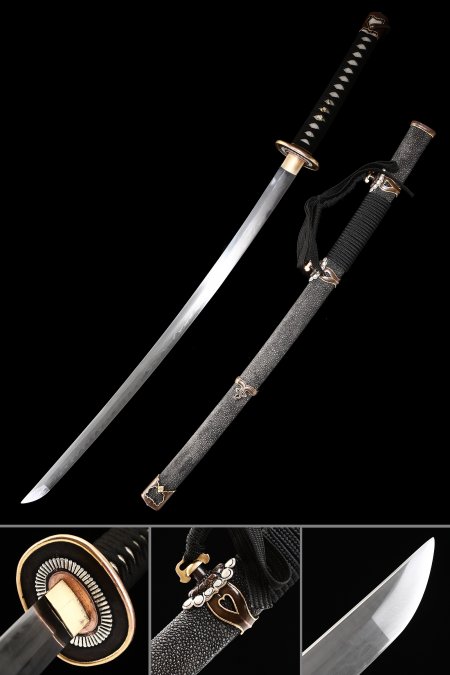
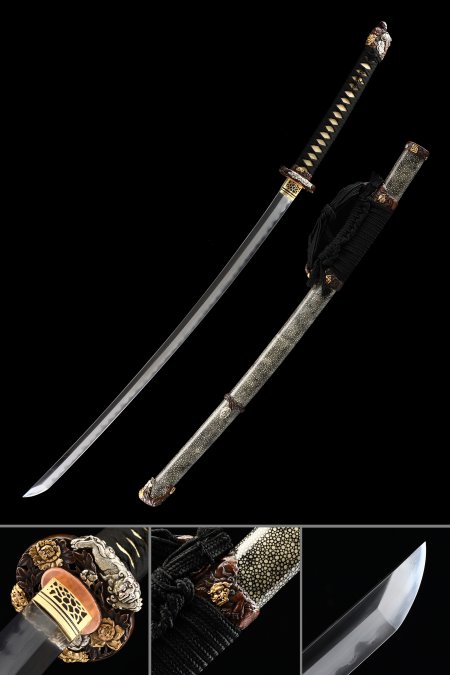
Showing 42 Products

Related Collections

Antique Katana105 items


1268 Reviews

Hand Forged Japanese Katana45 items


27 Reviews

Frequently Asked Questions

How does a tachi differ from a katana in design?
The tachi and katana are closely related but serve distinct historical roles that shaped their design differences. The tachi is typically longer - often exceeding 70 cm in blade length - and features a more pronounced curvature compared to the katana. It was worn edge-down suspended from the belt, a mounting style called tachi-style (tachi-zori), which suited mounted samurai who needed to draw the blade in a wide arc. The katana, by contrast, was worn edge-up through the belt (obi) and favored by infantry for faster close-quarters drawing. Collectors often note that tachi fittings, including the tsuba placement and saya suspension rings (ashi), differ structurally from katana mounts. From a display perspective, the tachi's greater length and deeper curve create a more dramatic visual profile, making it a striking centerpiece in any collection.
What makes Damascus steel tachi blades visually unique?
Damascus steel on a tachi is produced through pattern-welding - layering two or more steel alloys with differing carbon content, then folding and forge-welding them repeatedly. The result is a blade surface marked by flowing, wave-like grain patterns that emerge when the steel is ground and etched. Because the pattern forms organically during the forging process, no two Damascus tachi blades are ever identical. The contrast between light and dark layers depends on the specific alloys used, the number of folds, and the smith's technique. On a tachi's long, curved blade surface, these patterns have more canvas to develop, often producing visually complex compositions that are genuinely impressive under direct light. For collectors, this uniqueness is a core part of the appeal - the Damascus tachi you acquire is, by definition, a singular object.
What is a real hamon and why do collectors value it?
A hamon is the visible boundary line that appears along the blade edge after differential clay tempering - a process where the smith coats the spine with a thicker layer of clay before quenching, causing the edge and spine to cool and harden at different rates. The hardened edge zone (ha) appears as a lighter, misty band, while the softer spine retains a darker tone. The hamon's shape - whether straight (suguha), undulating (notare), or wave-crested (gunome) - is a direct fingerprint of the smith's clay application and quench technique. Collectors distinguish genuine clay-tempered hamon from the acid-etched imitations found on mass-produced blades by examining the transition zone under raking light. A real hamon has depth, subtle activity, and micro-variation along its length. On T10 or 1095 carbon steel tachi blades, a well-formed hamon is considered the primary marker of authentic craft and significantly elevates a piece's display and collection value.
How should I store and maintain a hand forged tachi?
Long-term storage of a hand forged tachi requires controlling two primary threats: moisture and skin oils. After handling, wipe the blade with a clean, lint-free cloth to remove fingerprints, then apply a thin, even coat of traditional choji oil (or a quality mineral oil) using a soft cloth or dedicated uchiko application. This preserves the steel's surface and prevents oxidation. Store the tachi horizontally on a dedicated sword stand or in its saya in a climate-controlled environment - avoid basements or spaces with fluctuating humidity. If storing long-term in the saya, leave a very slight gap at the koiguchi (saya mouth) to allow air circulation and prevent moisture buildup inside the saya. Inspect the blade every one to two months, re-oiling as needed. Lacquered saya should be wiped with a dry cloth only; avoid oil on lacquer surfaces as it can cloud the finish over time.
Is a tachi a good gift for a Japanese history collector?
A hand forged tachi makes an exceptionally considered gift for someone who appreciates Japanese history, samurai culture, or fine metalwork. Unlike a standard katana, the tachi carries a more specific historical narrative - it is associated with the aristocratic warrior culture of the Heian and Kamakura periods, court ceremony, and the early codification of samurai aesthetics. For a collector who already owns katana pieces, a tachi adds historical depth and chronological range to their display. When selecting a tachi as a gift, consider matching the mount aesthetic - saya color, tsuba motif, and ito wrap - to the recipient's existing collection style or interior décor. A tachi presented in its full mounting with a matching stand creates an immediately displayable piece that requires no additional sourcing. It is a gift that communicates genuine knowledge of the recipient's interest rather than a generic gesture.

Customer Reviews