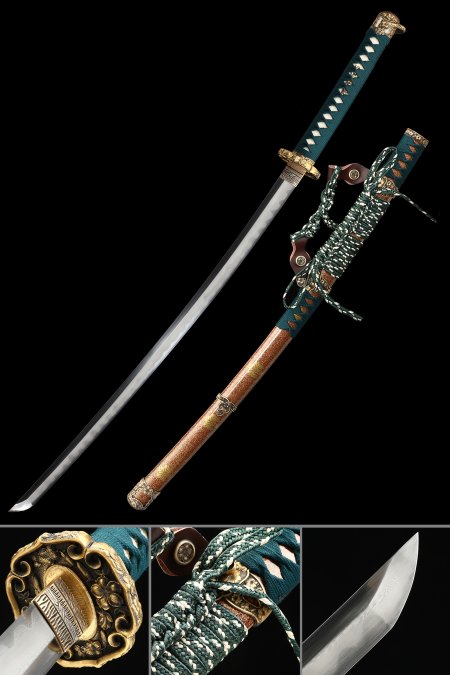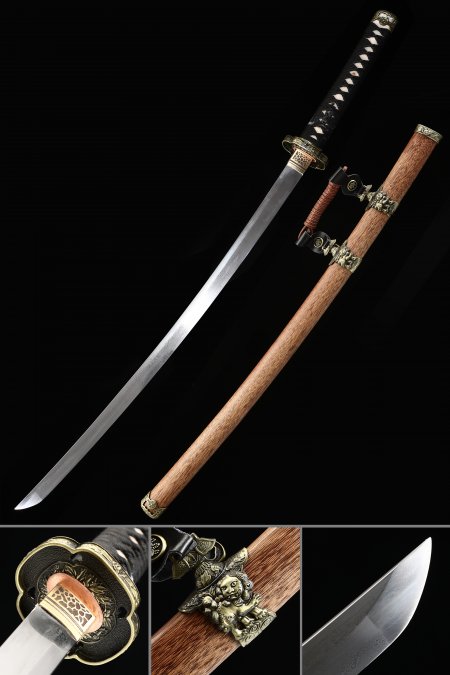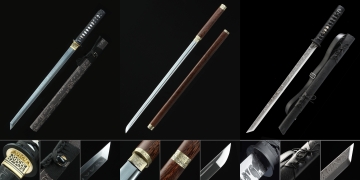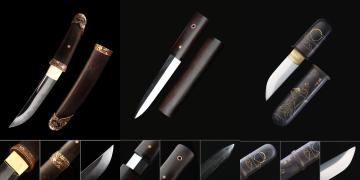
Brown Tachi Swords

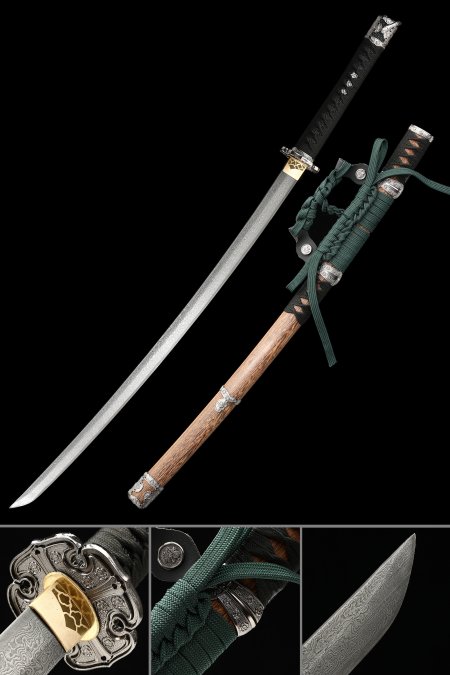
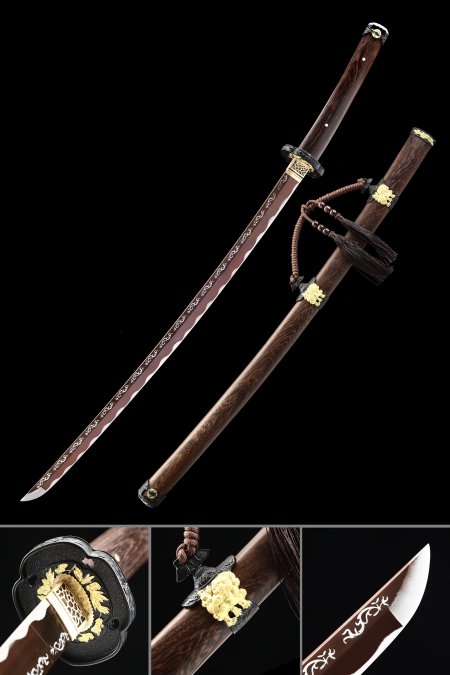
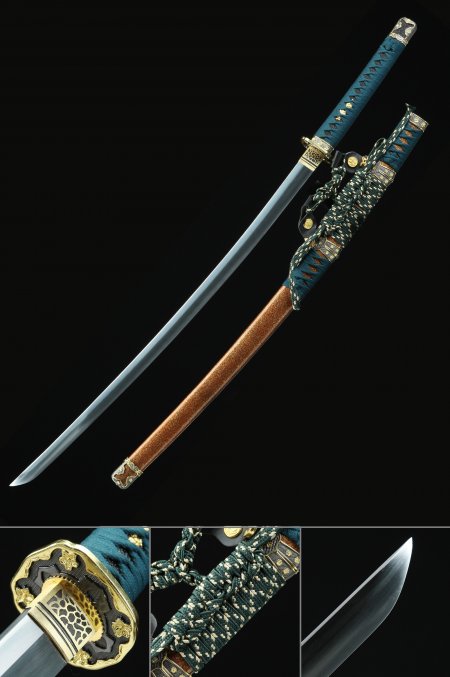
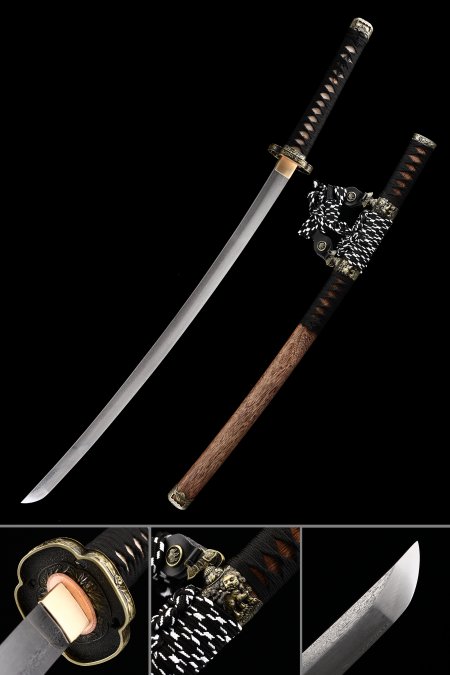
Brown Tachi swords bring together centuries of Japanese sword-making tradition and rich, earthy aesthetics - from hand-forged Damascus and clay-tempered 1095 carbon steel blades to natural hardwood saya finished in warm brown tones. Each piece in this collection is crafted with full-tang construction, period-authentic koshirae fittings, and artisan details such as floral tsuba, vine engravings, and silk ito wraps. Whether you are building a serious display collection or seeking a distinctive gift for a fellow enthusiast, these tachi represent enduring craftsmanship at its finest. Every order ships free with hassle-free returns.
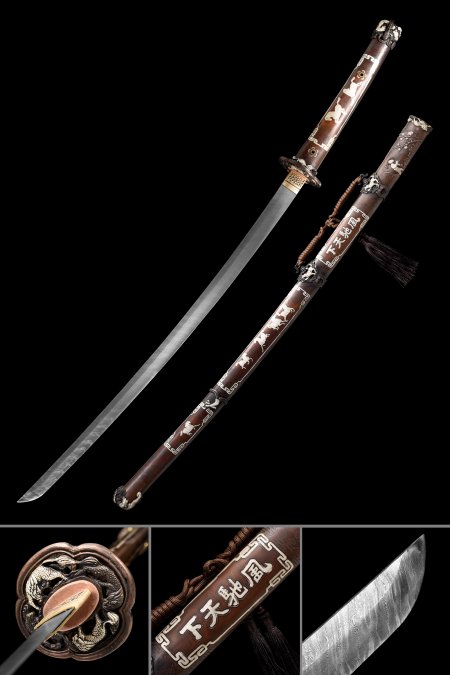
Showing 7 Products

Related Collections

Brown Tanto15 items


43 Reviews

Brown Wakizashi6 items


71 Reviews

Brown Ninjato8 items


34 Reviews

Brown Aikuchi5 items


9 Reviews

Frequently Asked Questions

What steel types are used in brown tachi swords?
Brown tachi swords in this collection are crafted from three primary steel types, each with distinct visual and structural characteristics. Damascus steel is formed by folding and forge-welding multiple steel layers, producing a fluid hada grain pattern that makes every blade visually unique - no two Damascus tachi look exactly alike. Clay-tempered 1095 high-carbon steel undergoes differential hardening: a clay coating is applied before quenching, creating a harder edge and a softer, more flexible spine. This process produces the visible hamon temper line prized by collectors as proof of authentic craft. Manganese steel offers a modern variant with high toughness and resistance to flexing stress, often finished to replicate the polished surface of traditional blades. All three types are found in full-tang configurations within this collection.
How does a tachi differ from a katana in design?
The tachi predates the katana by several centuries and differs in both form and wearing convention. Tachi blades are generally longer - often exceeding 70 cm - and carry a more pronounced curvature, reflecting their origin as a cavalryman's blade designed for sweeping draws. They were traditionally worn suspended from the obi (belt) with the cutting edge facing downward, in contrast to the katana which is thrust through the belt edge-up. This suspension method influenced the geometry of tachi koshirae: the saya, tsuba, and overall proportions are balanced for a downward-hanging orientation. Collectors value tachi for this historical distinction - a properly dressed tachi displayed on a stand communicates a very different lineage than a katana, and the longer, more curved silhouette creates a dramatic visual presence in any display setting.
What does the brown hardwood saya contribute to a tachi?
The saya - the scabbard - is not merely a protective sheath; it is an integral part of a tachi's aesthetic identity. Brown hardwood saya, whether natural rosewood, dark-grain hardwood, or lacquered timber, provide several collector-relevant qualities. The natural wood grain adds organic warmth that balances the cold steel of the blade, creating visual contrast that enhances display appeal. Hardwood construction offers structural rigidity to protect the blade geometry during storage and display. Lacquered or polished surfaces on select saya also act as a moisture barrier, reducing the risk of humidity-related oxidation on the blade inside. For collectors assembling themed displays, the consistent warm-brown tonality of the saya ties together a multi-piece arrangement, providing visual cohesion across differently styled tsuba and ito wrap colors.
How should I store and maintain a display tachi long-term?
Proper long-term care for a display tachi focuses on three priorities: controlling humidity, preventing surface oxidation, and protecting the saya. For the blade, apply a thin coat of choji oil or a neutral mineral oil every two to three months using a soft, lint-free cloth - this creates a protective barrier against moisture and airborne contaminants. Store the tachi horizontally on a dedicated sword stand in a climate-controlled environment, ideally between 40-60% relative humidity. Avoid placing it in direct sunlight or near heating vents, as temperature fluctuations can warp the wooden saya and cause the lacquer or finish to crack. When handling, use cotton gloves or hold the saya rather than the blade - skin oils accelerate surface oxidation on high-carbon steel. For long-term storage, wrapping the saya in a silk or cotton sword bag adds a further layer of protection without trapping moisture.
Are brown tachi swords a suitable gift for a collector?
A brown tachi makes a distinctive and considered gift for anyone with a serious interest in Japanese sword collecting or historical arms aesthetics. Unlike generic decorative items, a hand-forged tachi with detailed koshirae - coordinated tsuba, ito wrap, saya, and sageo - communicates genuine knowledge of the subject on the part of the giver. The brown colorway is particularly versatile: it complements both modern minimalist display environments and traditionally styled spaces with tatami or dark wood furnishings. For gift-giving, look for pieces with complete koshirae documentation and clear material specifications (steel type, fittings material, saya wood species), as these details matter to knowledgeable collectors. A tachi can also serve as an anchor piece around which a recipient builds a broader daisho or themed display collection over time.

Customer Reviews

Cart 0 Items

Your cart is empty