Brown Aikuchi

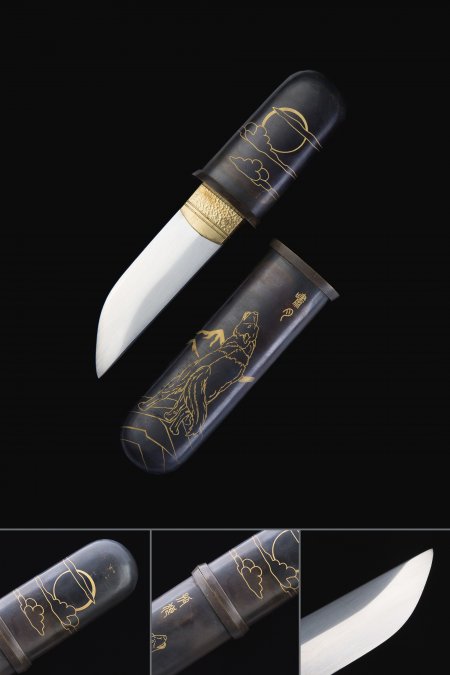
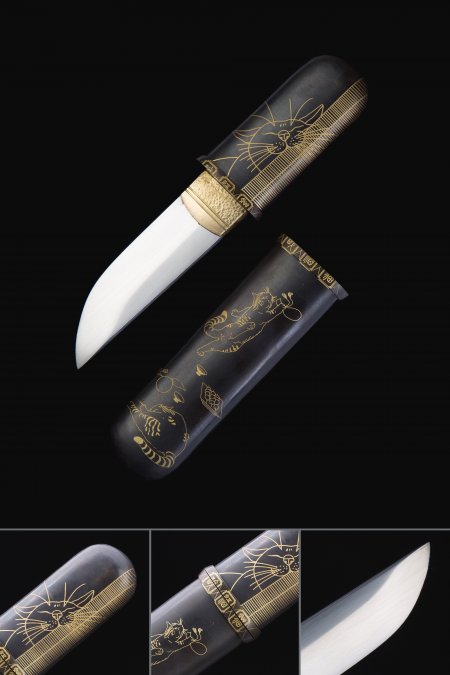
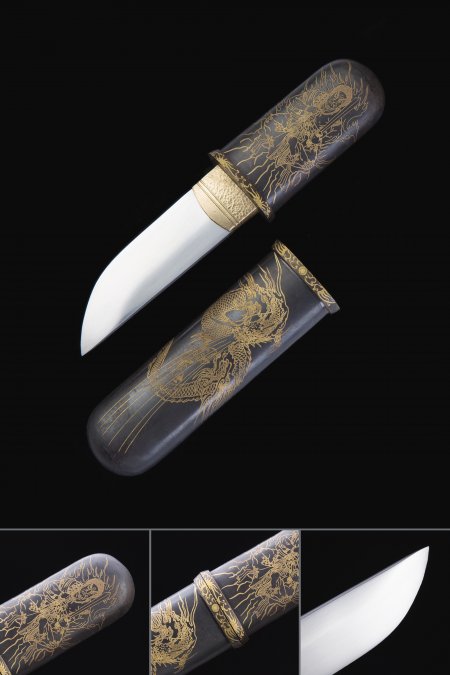
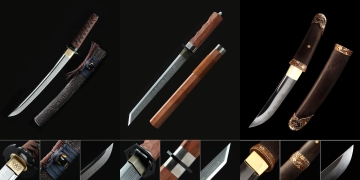
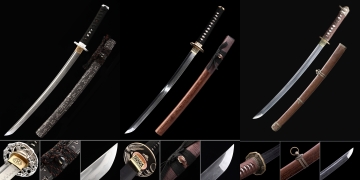
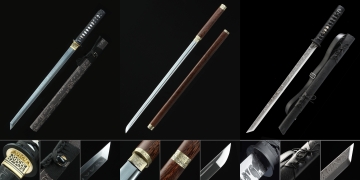
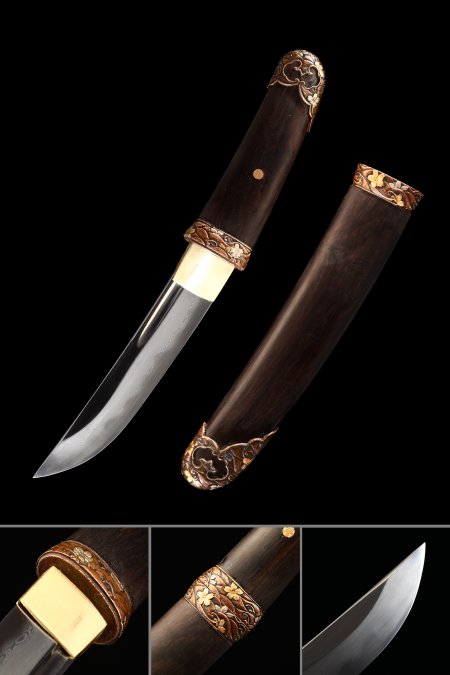
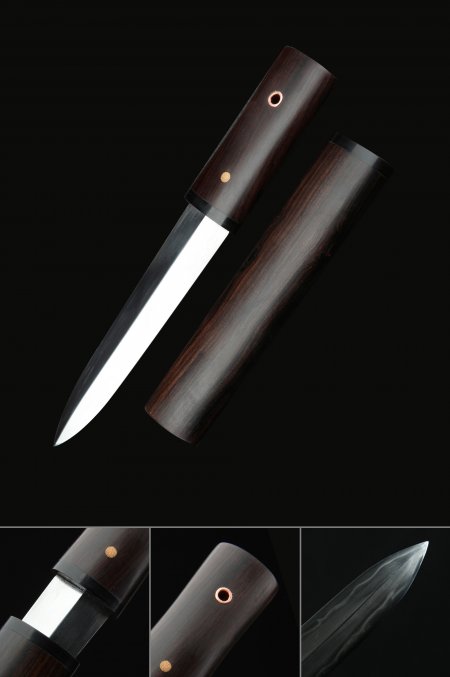
Explore our curated selection of brown aikuchi — guardless Japanese short swords distinguished by warm-toned handles, richly finished saya, and traditional flush-mount fittings. Each piece is hand-forged from premium steels including folded Damascus and T10, offering collectors an authentic expression of classical tanto craftsmanship. Every order ships with free shipping and a hassle-free return policy.
Showing 5 Products

Related Collections

Frequently Asked Questions

What defines an aikuchi compared to a standard tanto?
An aikuchi is a style of Japanese short sword — specifically a tanto mount — that omits the tsuba (hand guard) entirely. Where a typical tanto koshirae features a small round or square guard between handle and scabbard, the aikuchi allows the handle wrapping or wood to meet the koiguchi of the saya directly, creating an unbroken visual line. Historically, this guardless design was favored by Japanese nobility and high-ranking samurai for indoor carry, where a protruding guard could snag on clothing or indicate hostile intent. The clean, flush silhouette makes aikuchi especially appealing to collectors who value minimalist aesthetics and refined joinery.
Why are brown-toned saya and handles popular among collectors?
Brown earth tones evoke natural materials and aged patina, lending an aikuchi a sense of historical authenticity that brighter or lacquered finishes sometimes lack. Materials like sandalwood and dark hardwood develop subtle grain variations over time, meaning each piece becomes more visually interesting as it ages. Brown-toned copper fittings complement these organic hues and resist the high-contrast look that can appear overly modern. For display purposes, warm palettes also pair naturally with wood-and-fabric sword stands and traditional Japanese interior elements, giving collectors greater flexibility in how they stage their pieces.
How does folded Damascus steel differ from T10 in these aikuchi?
Folded Damascus steel is created by layering and forge-welding multiple sheets of steel, then folding the billet repeatedly. This produces the distinctive wavy or woodgrain-like surface pattern visible on the flat of the blade — no two are identical. T10 steel, by contrast, is a single high-carbon tungsten-alloy steel commonly clay-tempered to create a hamon line along the edge. Damascus pieces are prized for their visual complexity and the artisan skill required to forge them, while T10 blades are valued for their hardness, resilience, and the dramatic contrast between the hardened edge and softer spine revealed by differential tempering.
What is the best way to maintain a brown aikuchi on display?
Apply a thin coat of choji oil (clove oil) or refined mineral oil to the blade every four to six weeks using a soft cotton cloth. This prevents oxidation, which high-carbon steels are naturally susceptible to. For sandalwood or hardwood saya, avoid prolonged direct sunlight, which can bleach the wood and dry out natural oils. Store or display the piece in a room with stable humidity — ideally between 40 and 60 percent — to prevent wood cracking or metal corrosion. If copper fittings develop verdigris, a gentle wipe with a dry microfiber cloth restores their warm luster without stripping the natural patina many collectors prefer.
Can these aikuchi be displayed alongside full-length katana?
Absolutely. Aikuchi tanto make excellent companion pieces on a multi-tier sword stand, traditionally occupying the lowest position beneath a katana and wakizashi in a formal daisho-plus-tanto arrangement. Choosing a brown aikuchi to match a brown-themed katana or wakizashi creates a cohesive color story across the display. The guardless profile of the aikuchi also provides visual variety, breaking up the repeated tsuba silhouettes of longer swords and drawing the viewer's eye to the fine joinery at the koiguchi. Many collectors use the tanto tier as a conversation piece precisely because its compact size invites closer examination of engraving, steel grain, and handle craftsmanship.

Customer Reviews