FAST SHIP
38 Reviews
ON SALE 15% OFF
$199.00$239.00

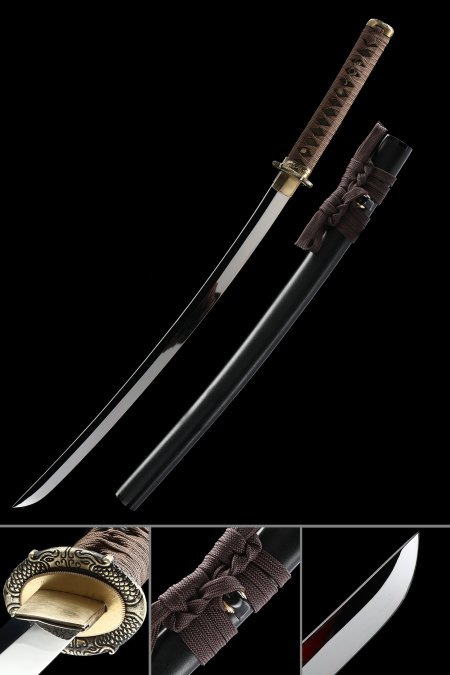
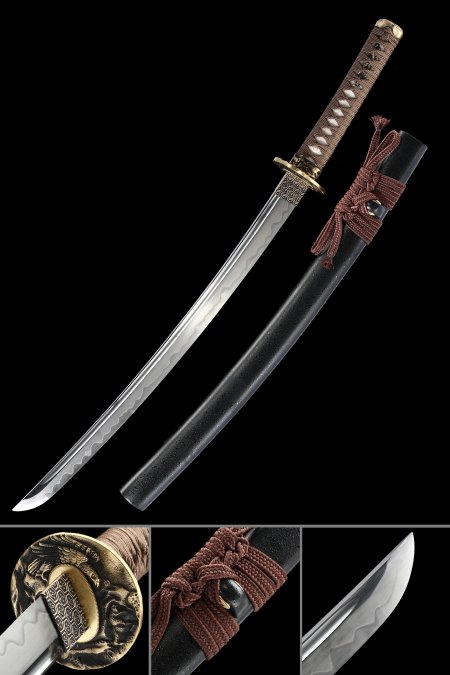
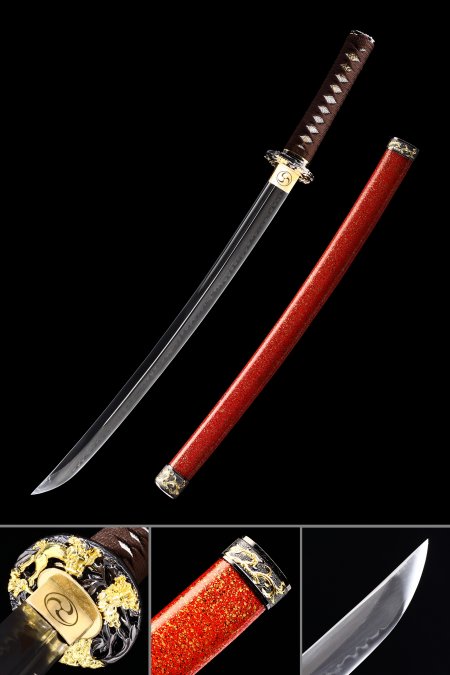
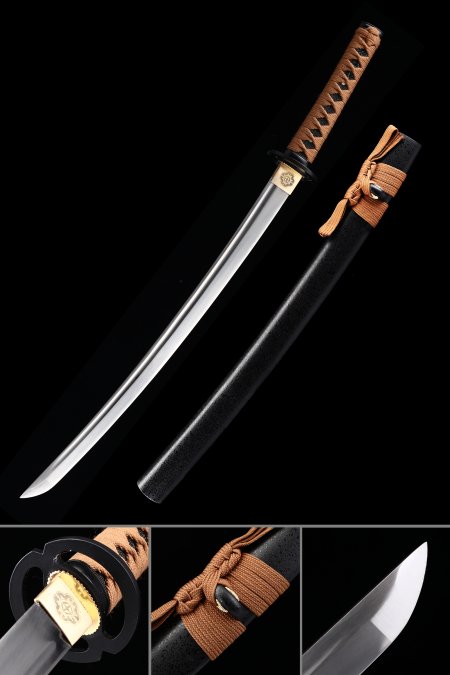
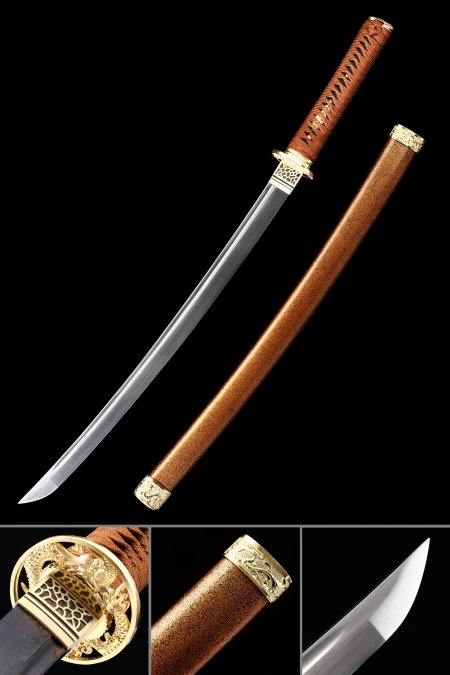
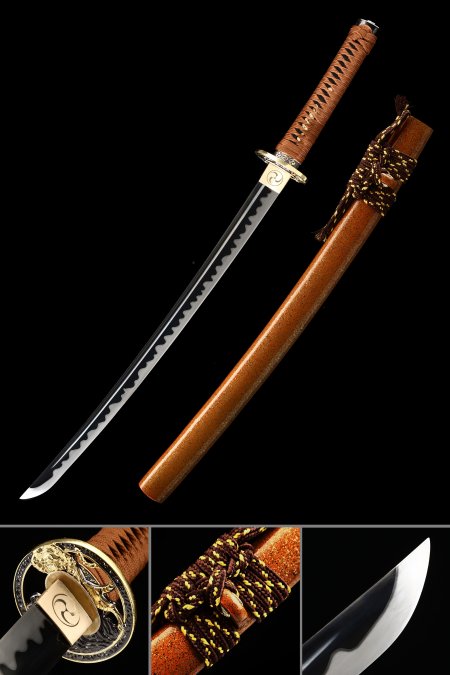
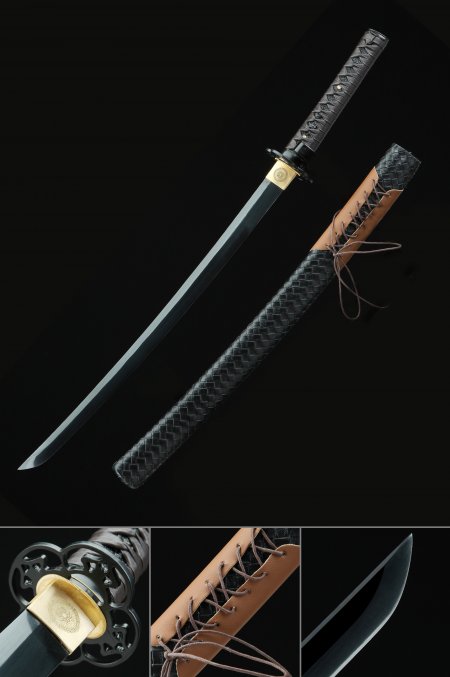
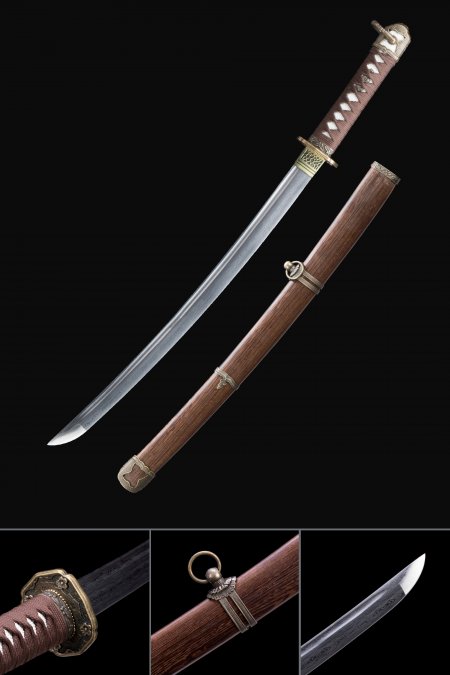
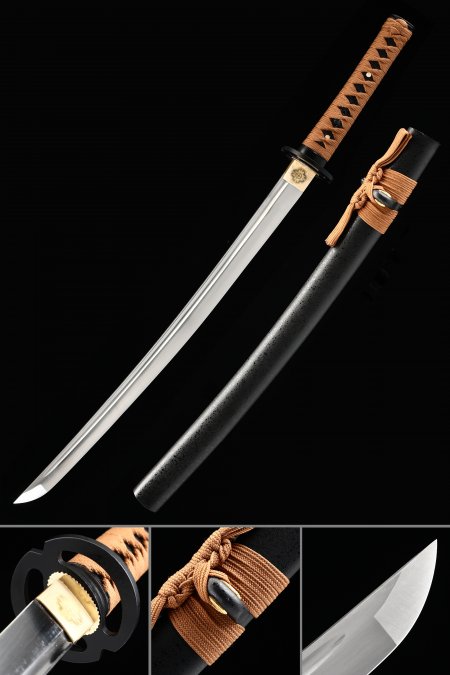
A brown sageo is more than an accent - it anchors the entire aesthetic of a wakizashi, tying together the tsuka wrap, saya finish, and fittings into a cohesive presentation. Every piece in this collection is hand-forged from quality steel, fitted with a full-tang construction, and finished with carefully matched hardware including dragon tsuba, gold alloy fittings, and lacquered saya in complementary tones. Whether displayed on a stand or added to a growing collection, these wakizashi are built to impress. Enjoy free shipping on your order, backed by our hassle-free return policy.
Super cool sword. Feels relatively sturdy. The fittings were a little messy, I had to file off some excess material but the blade is beautiful. I would say it's a pretty sword with good display value and it makes for some fun if you did want to cut softer objects with it. Although they have a long list of don't do's that's come with the blade. All in all I think the sword is well worth the price. The team is friendly and responds quickly. The shipping was quick as well.
 |
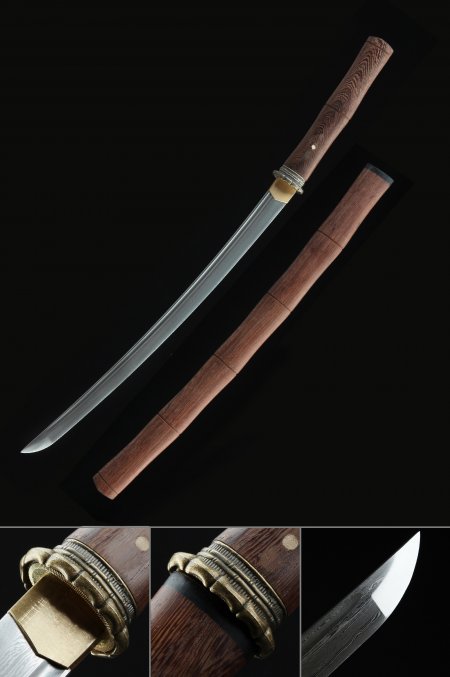
Damascus Steel Wakizashi with Natural Rosewood Saya and Gold Alloy Fittings - Folded Steel Collectible Sword |
It's a beautiful piece, finely crafted and perfect to hang up
|
Damascus Steel Wakizashi with Natural Rosewood Saya and Gold Alloy Fittings - Folded Steel Collectible Sword |
Sword arrived faster than expected. Great delivery time, great blade.
 |
Shin Gunto Type 98 Officer Saber in Damascus Steel with Brown Hardwood Saya and Gold Alloy Fittings |
The item is arrived and is very good. But I did not receive the mail that notified the item was sent. I took the initiative and sent a mail to ask about the status of the order.r
r
I still give it a 5 stars.r
r
Kind regard,r
C.Q.Pham
|
Damascus Steel Wakizashi with Natural Rosewood Saya and Gold Alloy Fittings - Folded Steel Collectible Sword |
Very pleased with the quality of the sword. The blade is top notch, construction of handle/guard and overall piece is better than I expected. Glad that I bought it!
|
Damascus Steel Wakizashi with Natural Rosewood Saya and Gold Alloy Fittings - Folded Steel Collectible Sword |
Shipping was fast, and tracking was very accurate. The Wakizashi is a wonderful looking piece. I will most certainly be ordering another sword from True Katana in there near future!
|
Damascus Steel Wakizashi with Natural Rosewood Saya and Gold Alloy Fittings - Folded Steel Collectible Sword |
The contact email was responsive and helpful. I asked for a short katana, being short. I asked for a not sharp katana, being a beginner, and they complied, although you could still hurt someone with it for sure. The sword is beautiful, wood handle and sheath (sorry have not learned the lingo yet).
|
Damascus Steel Wakizashi with Natural Rosewood Saya and Gold Alloy Fittings - Folded Steel Collectible Sword |
A wonderful experience
The order was correct and delivery quicker than expected
Very good quality sword
|
Shin Gunto Type 98 Officer Saber in Damascus Steel with Brown Hardwood Saya and Gold Alloy Fittings |