FAST SHIP
Free Shipping
199.00 USD
ON SALE! 15% OFF
Was: 239.00 USD

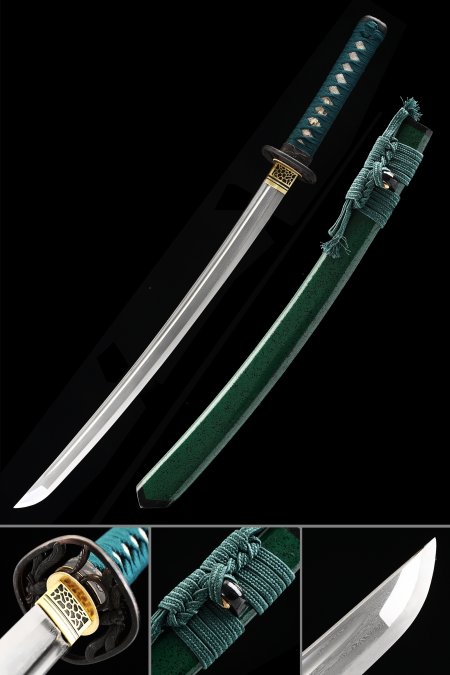
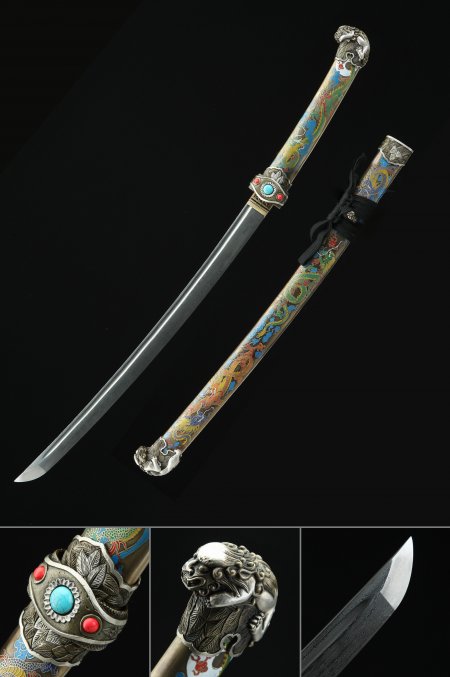
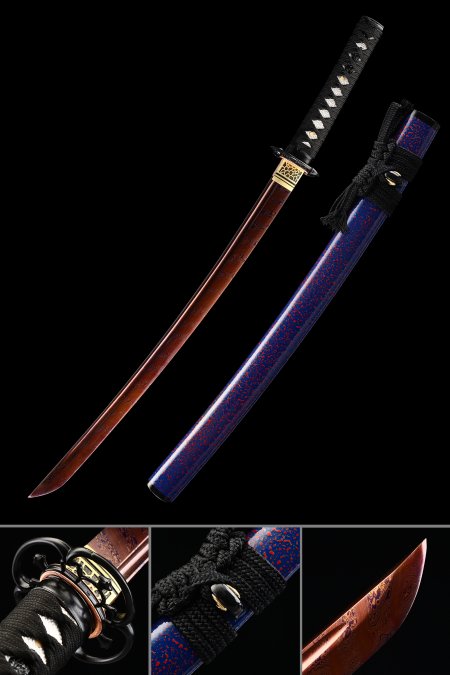
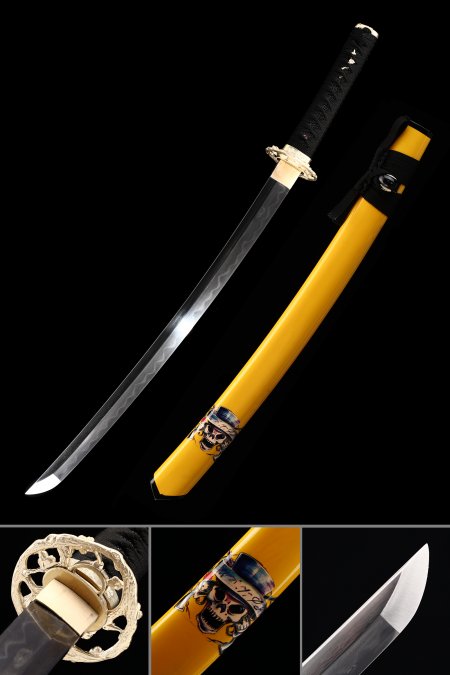
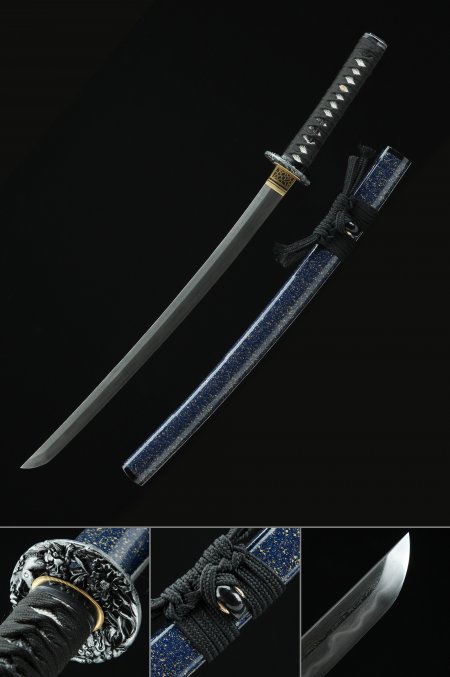
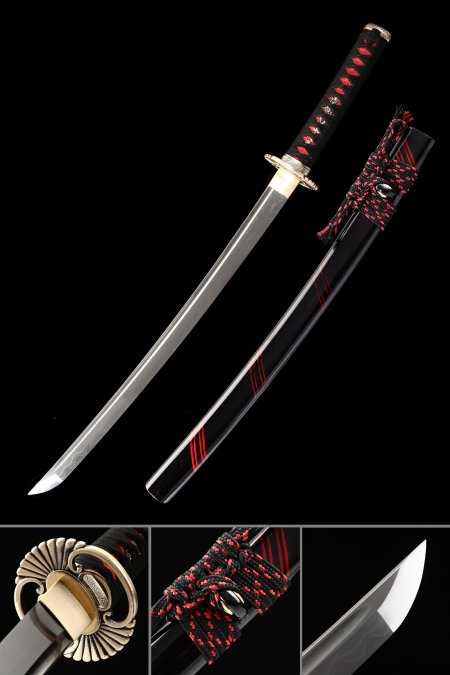
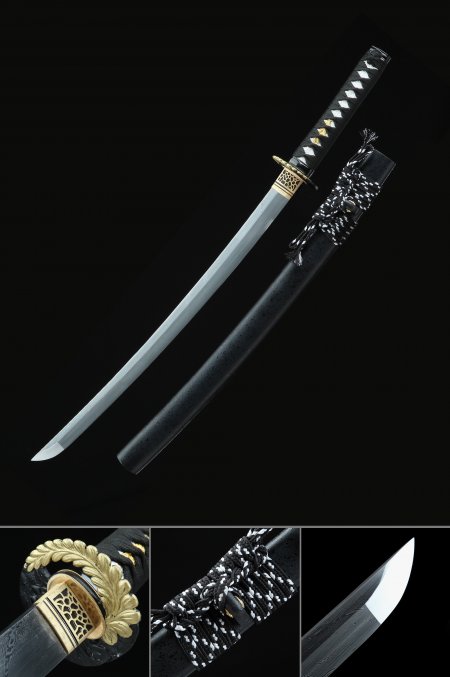
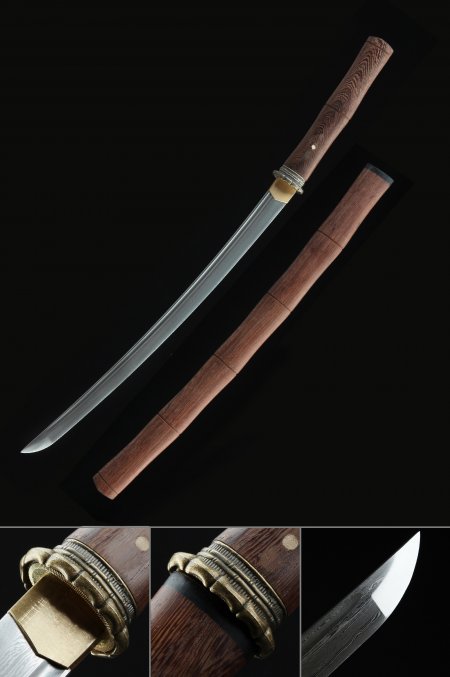
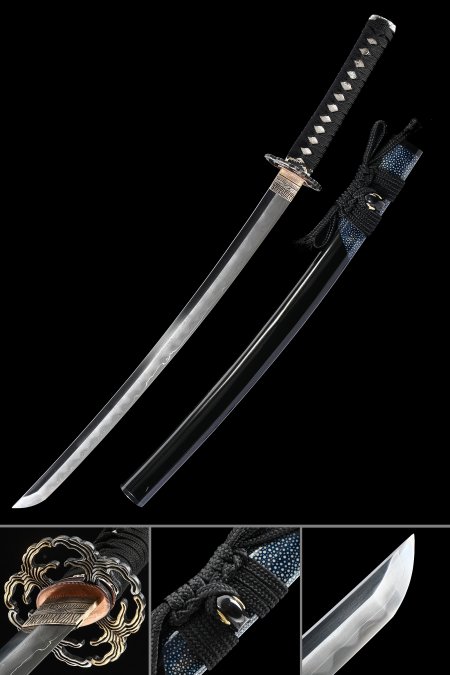
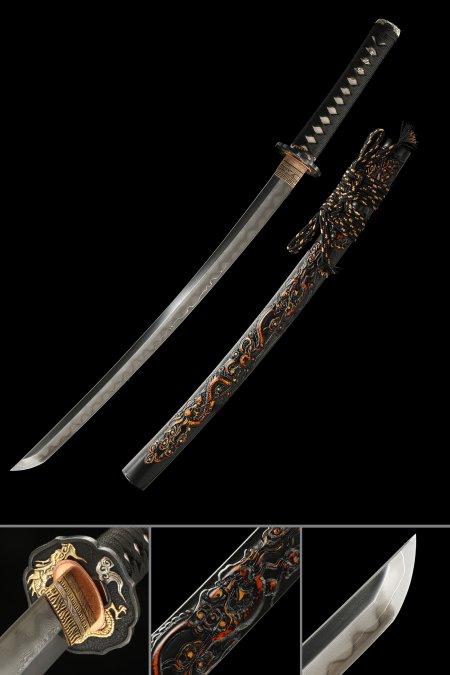
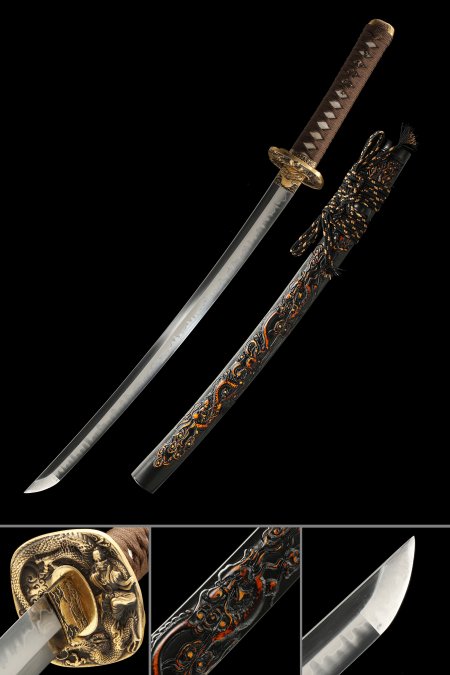
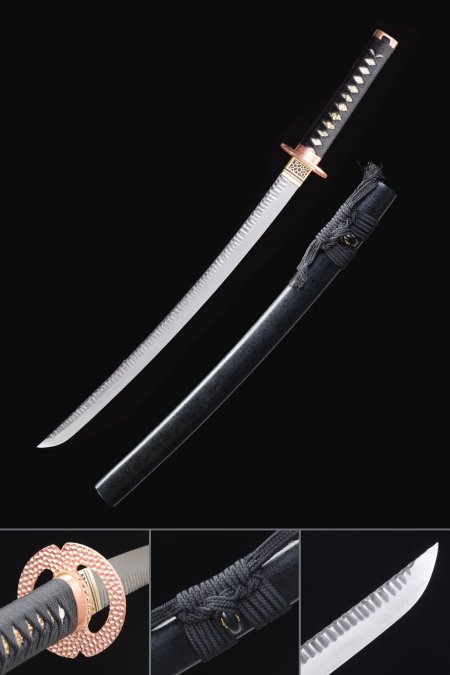
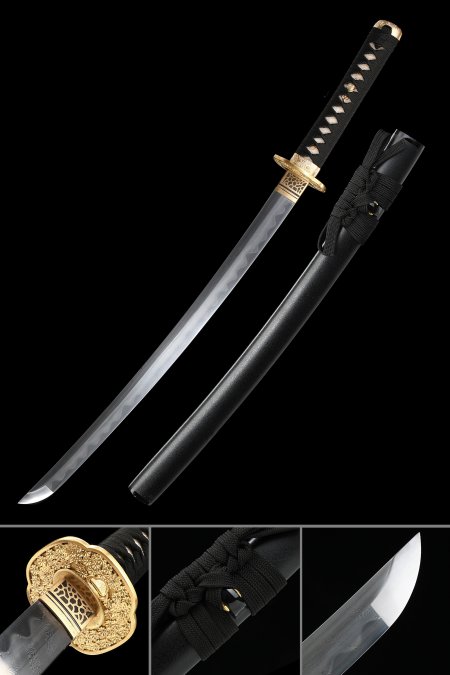
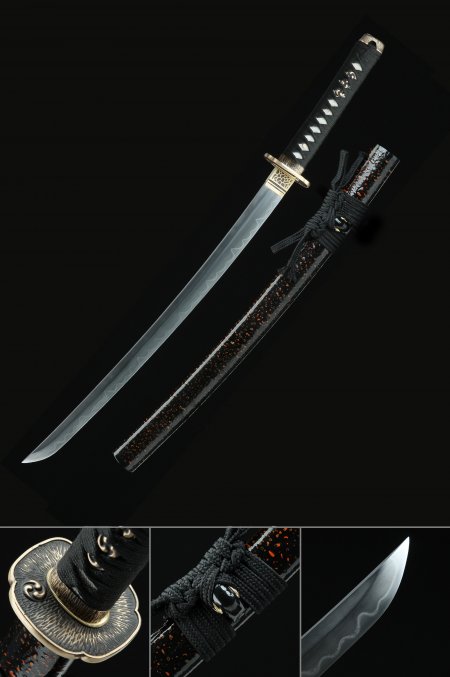
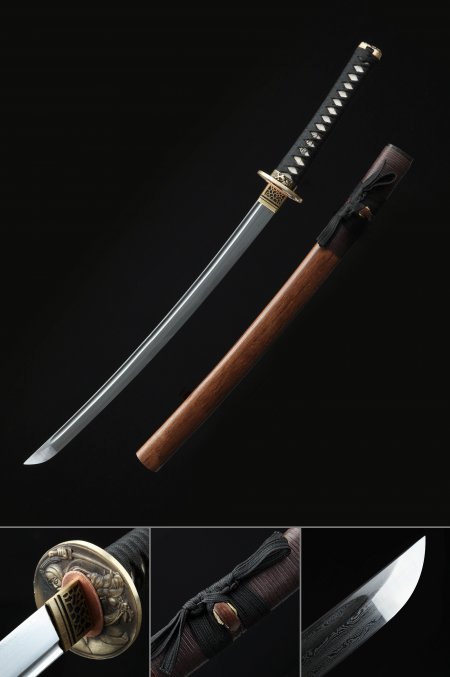
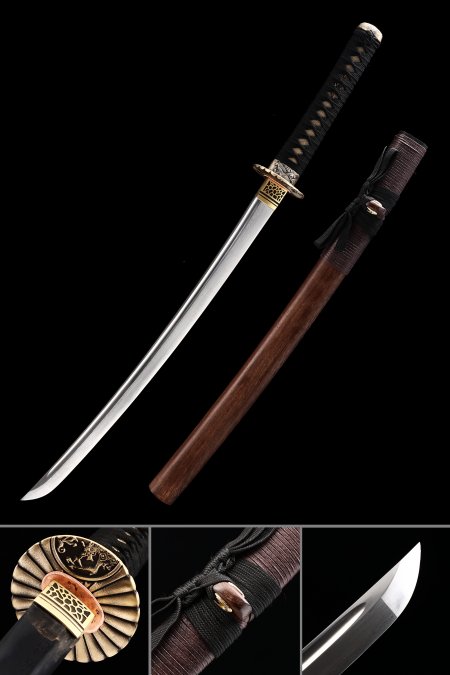
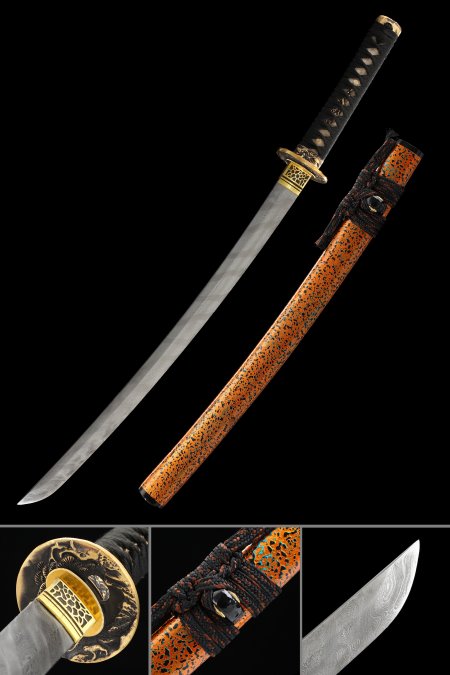
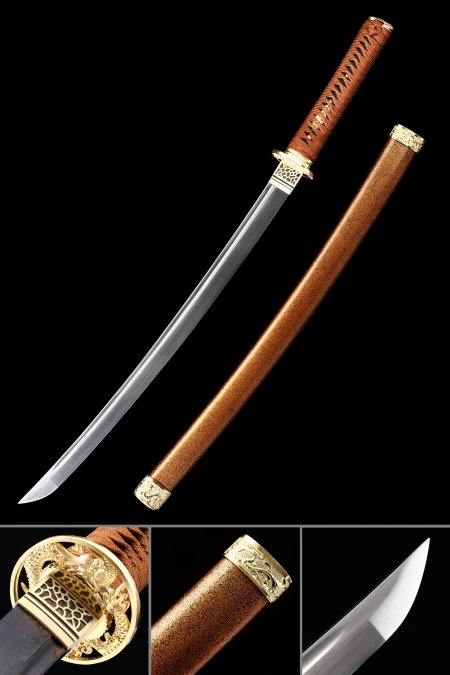
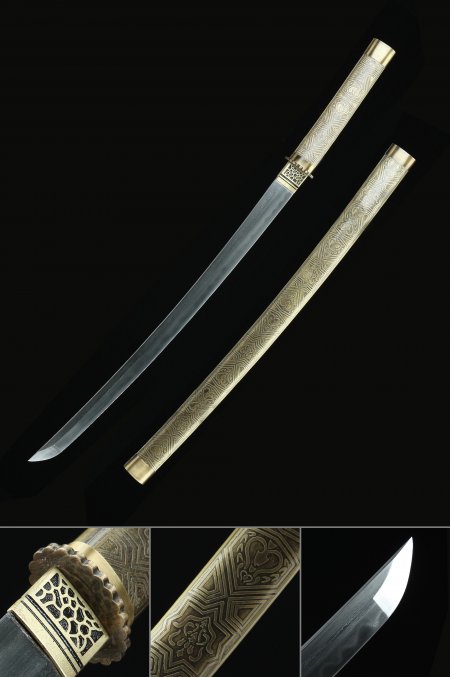
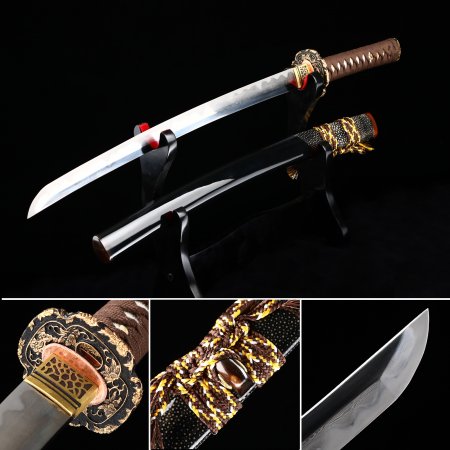
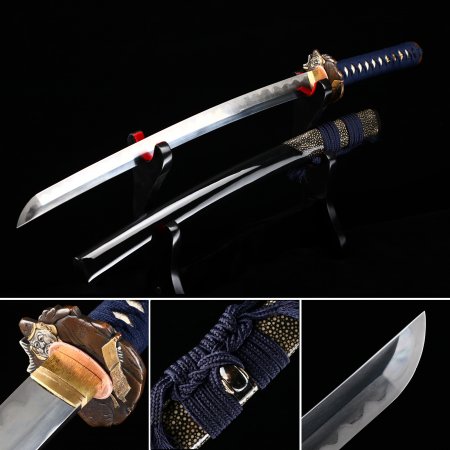
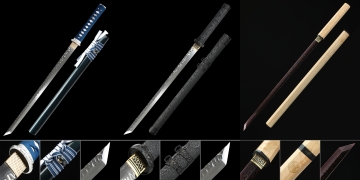
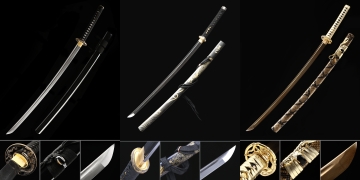
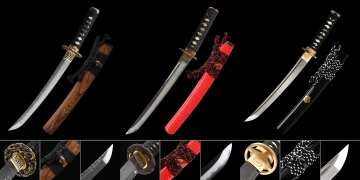
Explore our collection of Pattern Steel Wakizashi — hand-forged companion swords showcasing the mesmerizing layered grain unique to folded Damascus steel. Each piece features traditional Japanese fittings, copper alloy tsuba, and carefully wrapped ito over authentic ray skin. These collectible wakizashi arrive with fitted saya in lacquered or natural hardwood finishes. All orders include free shipping and hassle-free returns.
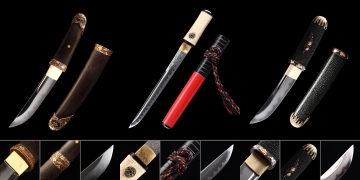
Super cool sword. Feels relatively sturdy. The fittings were a little messy, I had to file off some excess material but the blade is beautiful. I would say it's a pretty sword with good display value and it makes for some fun if you did want to cut softer objects with it. Although they have a long list of don't do's that's come with the blade. All in all I think the sword is well worth the price. The team is friendly and responds quickly. The shipping was quick as well.
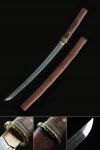 |
Damascus Steel Wakizashi with Natural Rosewood Saya and Gold Alloy Fittings - Folded Steel Collectible Sword |
It's a beautiful piece, finely crafted and perfect to hang up
|
Damascus Steel Wakizashi with Natural Rosewood Saya and Gold Alloy Fittings - Folded Steel Collectible Sword |
I've bought a number of katanas and wakizashis through various sites and so far this has been my favorite. Really high quality look and feel and I definitely would recommend it to anyone in the market.
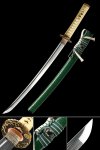 |
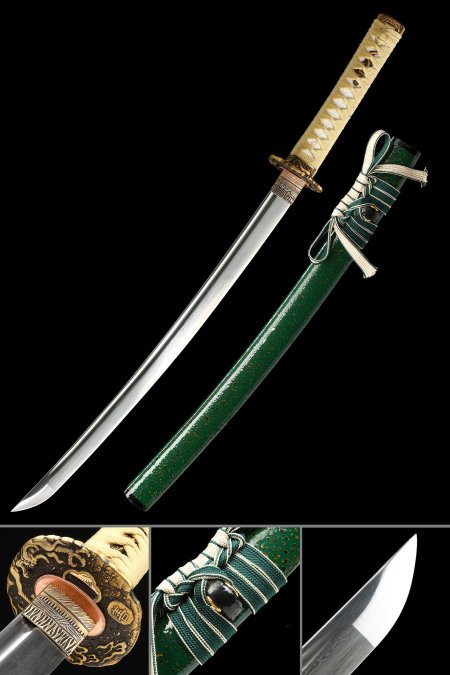
Damascus Steel Wakizashi in Green Lacquer Saya - Dragon Tsuba, Beige Ito, 28.74" Blade |
This is a gift so I did not do anything more than check color and and over all construction. Did not remove plastic wrap. Looks good. Gave 4 stars because you did not send me an e-mail saying it was shipped so it sat at the front door for days because I was gone.
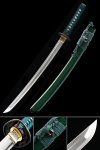 |
Damascus Steel Wakizashi with Green Lacquer Saya - Teal Cord Handle, Copper Tsuba, 20.47" Blade |
The wakizashi that I received was absolutely gorgeous! The blade, handle, scabbard, and every detail was second to none…oh and it’s sharp as heck too, so don’t go fooling around or you’ll be admiring one of these beautiful weapons from the emergency room. This is my second time ordering from TrueKatana and both times it has been a home run! Love it!
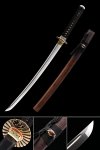 |
Damascus Steel Wakizashi with Rosewood Saya - Dragon Copper Tsuba, Black Ito, 21.25" Blade |
Sword arrived faster than expected. Great delivery time, great blade.
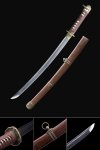 |
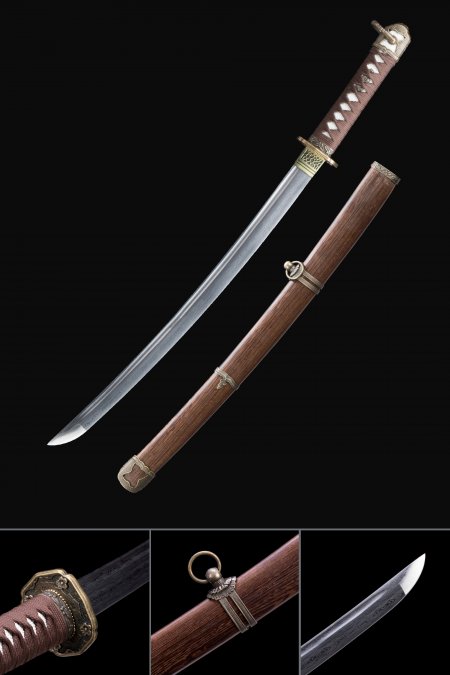
Shin Gunto Type 98 Officer Saber in Damascus Steel with Brown Hardwood Saya and Gold Alloy Fittings |
The item is arrived and is very good. But I did not receive the mail that notified the item was sent. I took the initiative and sent a mail to ask about the status of the order.r
r
I still give it a 5 stars.r
r
Kind regard,r
C.Q.Pham
|
Damascus Steel Wakizashi with Natural Rosewood Saya and Gold Alloy Fittings - Folded Steel Collectible Sword |
Great quality and craftsmanship! Will definitely purchase additional items in the future.
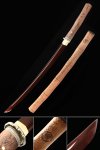 |
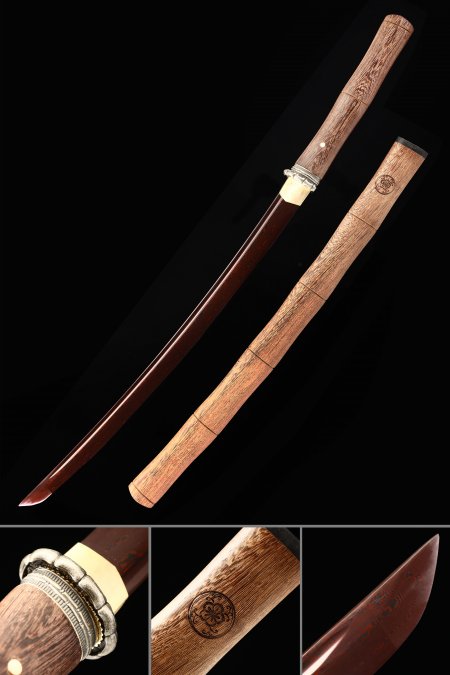
Pattern Steel Wakizashi with Red Blade and Natural Wenge Wood Saya - Full Tang Japanese Short Sword |