Free Shipping
309.00 USD

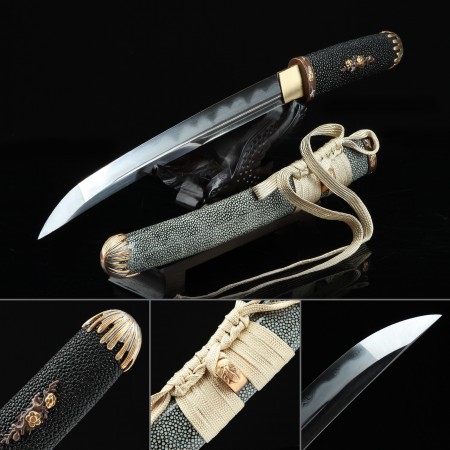
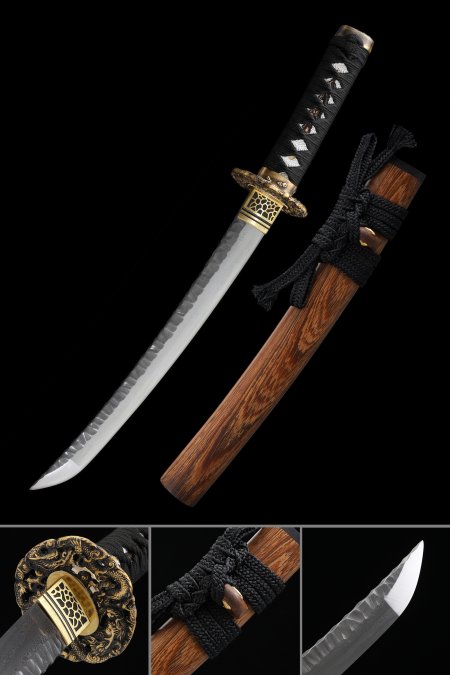
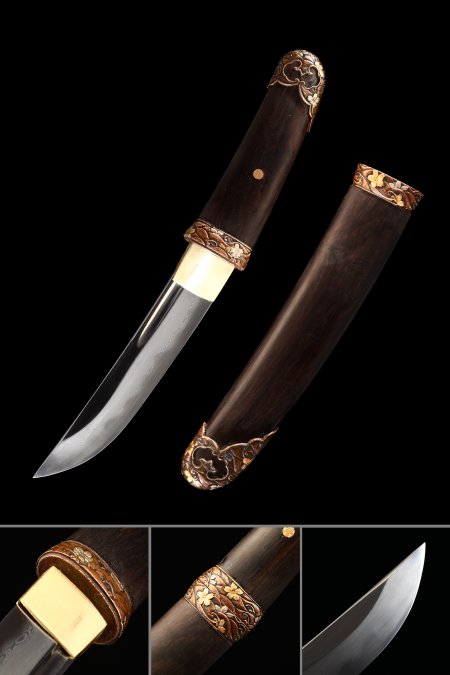
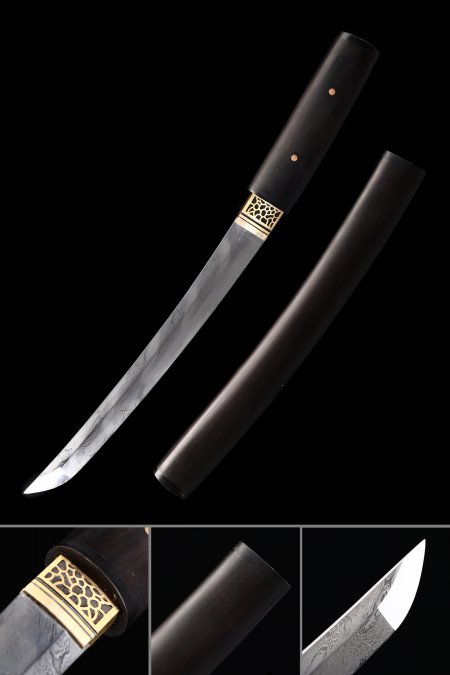
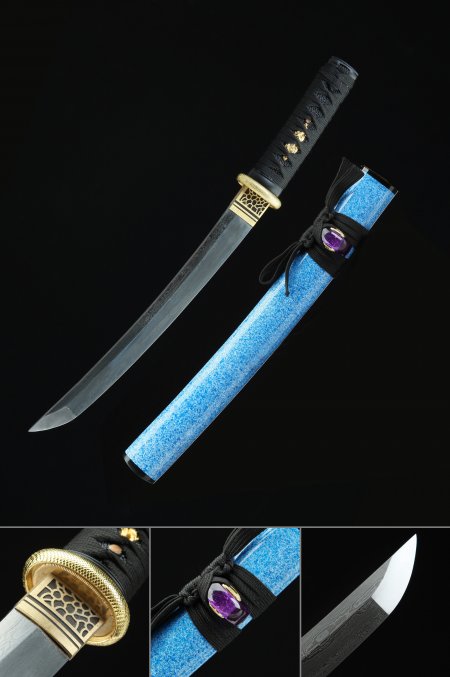
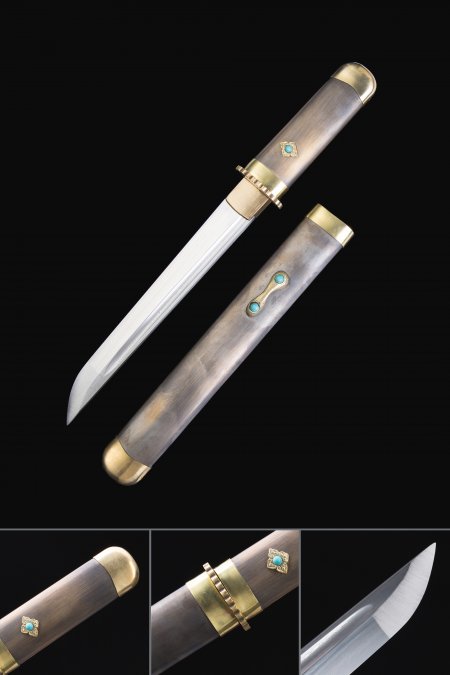
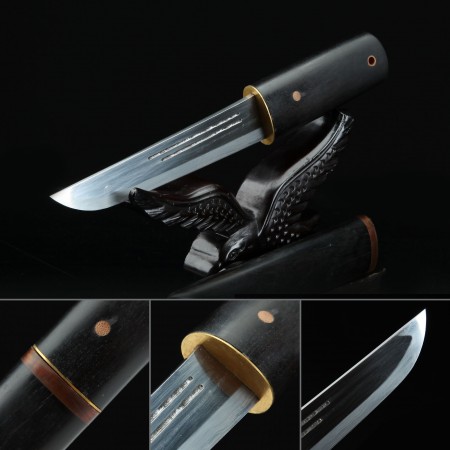
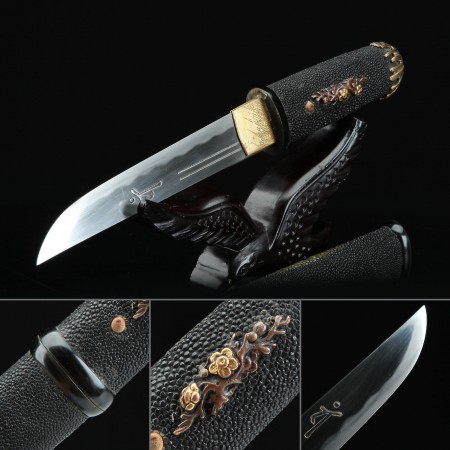
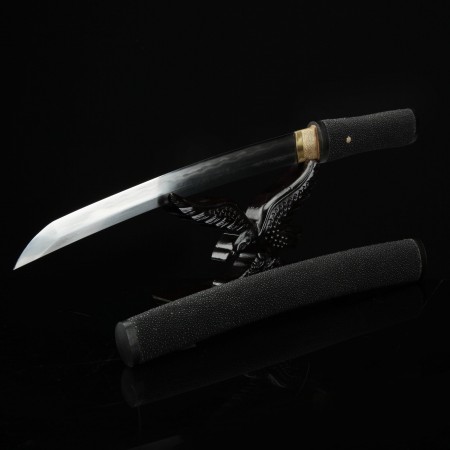
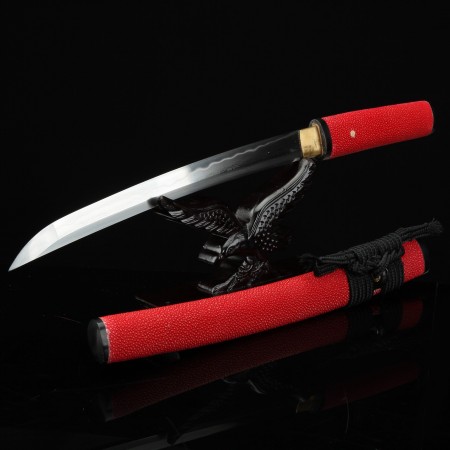
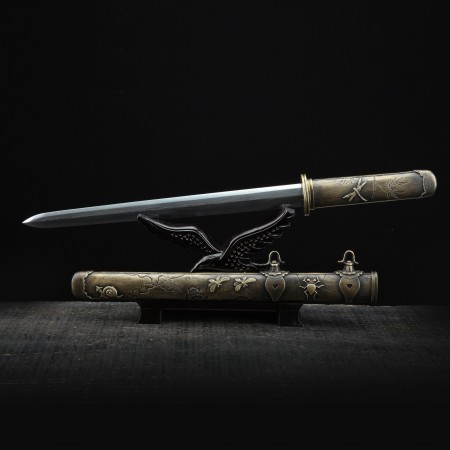
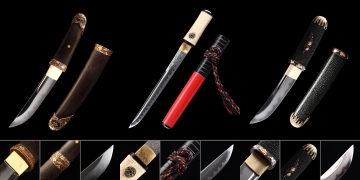
Explore our collection of hand-forged Pattern Steel Tanto blades — each piece showcasing the distinctive layered grain unique to folded Damascus steel. From aikuchi mounts with real rayskin to shirasaya styles in premium hardwood, every tanto is individually crafted for discerning collectors who appreciate traditional Japanese short-sword artistry. Free shipping and free returns on all orders.
What a beautiful blade.r
I am not an expert sword collector, but the blade is beautiful, sharp and makes me smile every time I handle it.
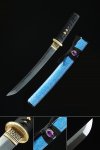 |
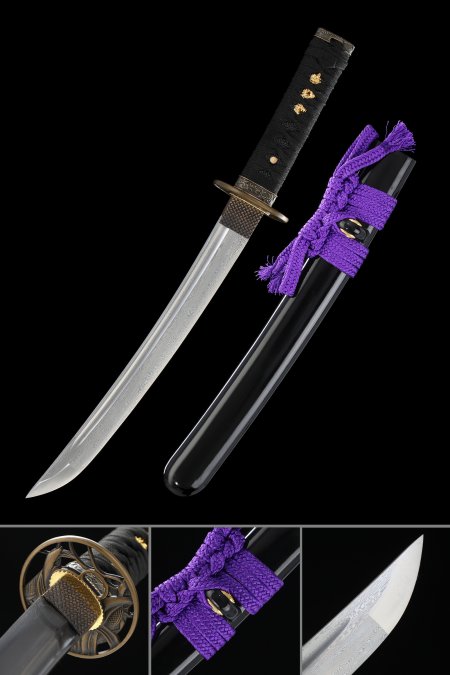
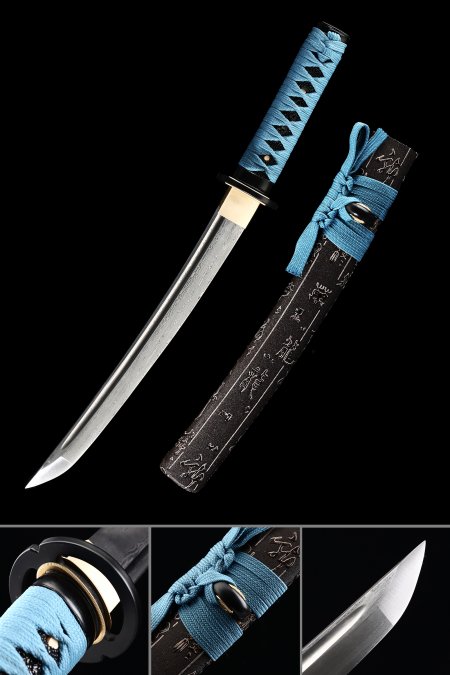
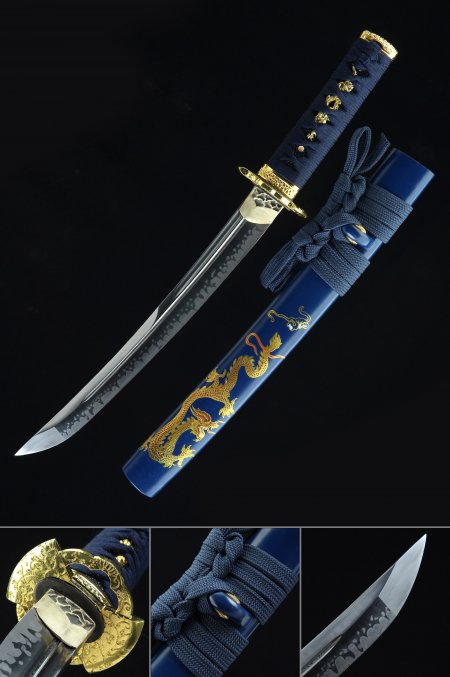
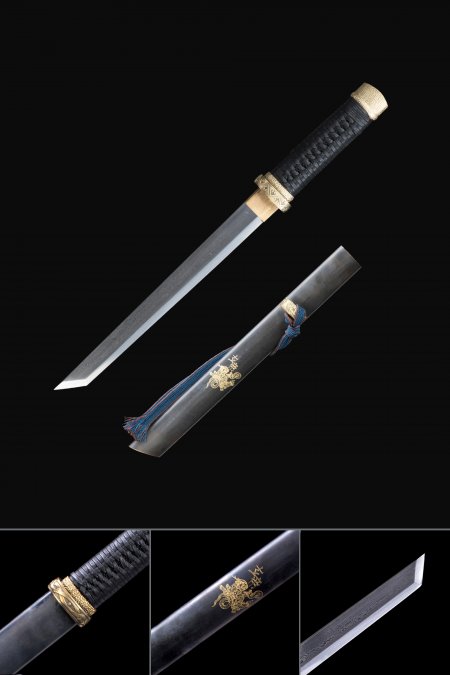
Damascus Steel Tanto with Blue Saya - Gold Alloy Tsuba, Black Cord Handle, Purple Gem Accent |
Love it. It’s a beautiful work of art proud to have it. Great for my collection.
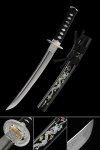 |
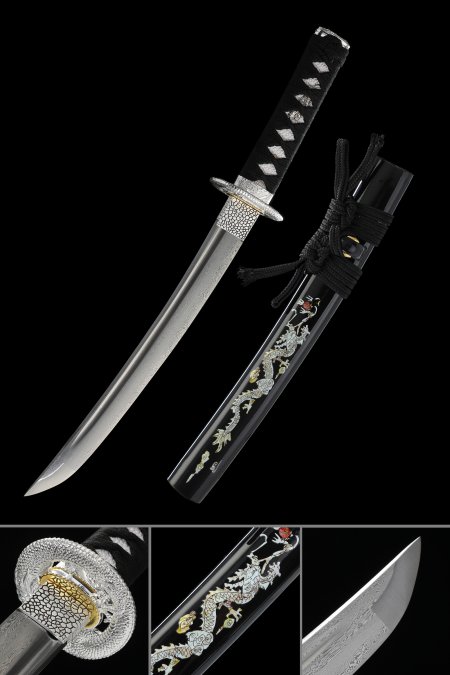
Damascus Steel Tanto with Dragon Hand-Painted Black Saya - Silver Alloy Tsuba, Black Cord |
Excellent service. Arrived in a nice packaging. First class product. r
I would definitely recommend this maker.
 |
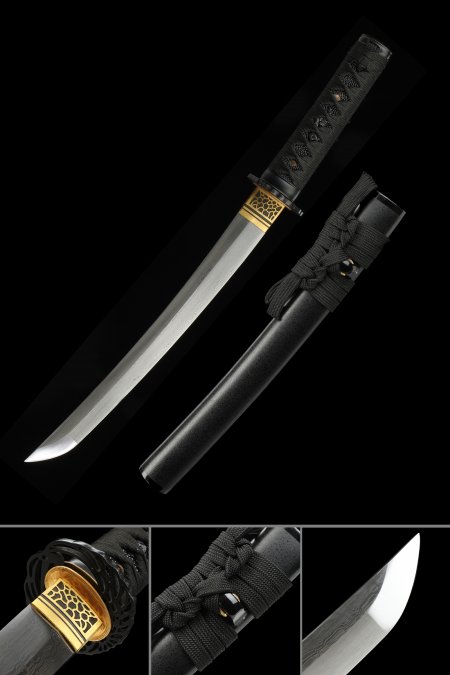
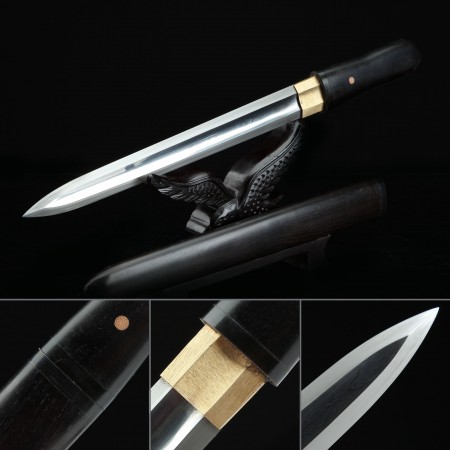
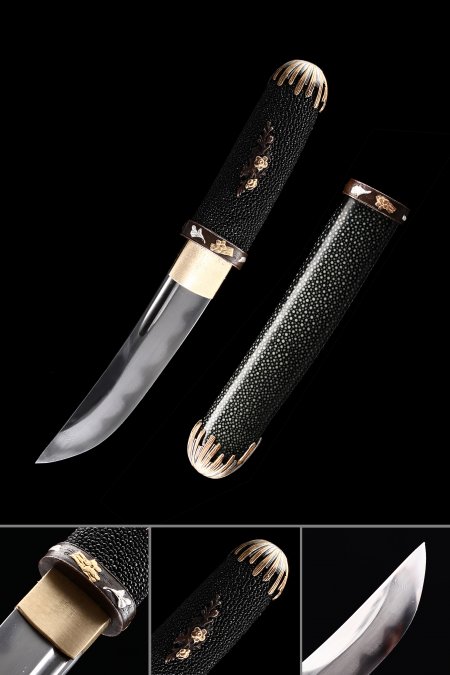
Pattern Steel Tanto with Real Hamon, Black Rayskin Handle & Gray Rayskin Saya - Aikuchi Style |
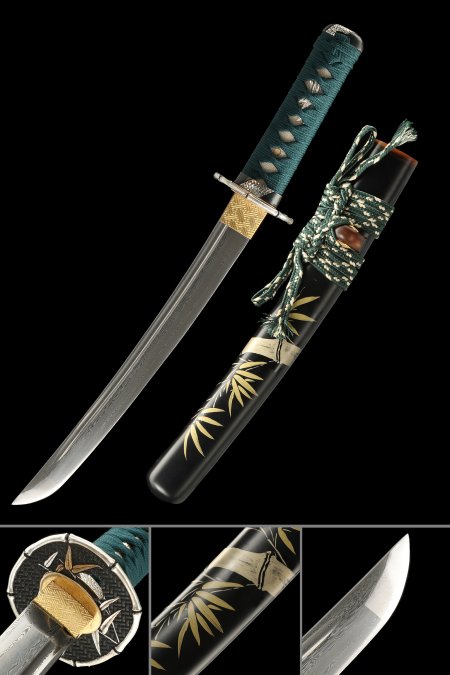
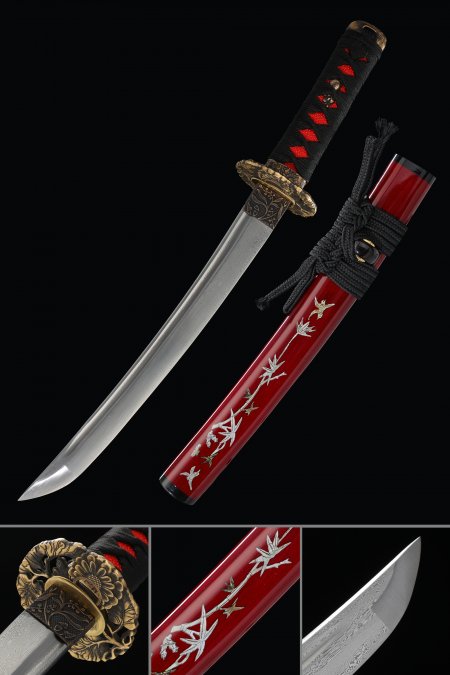
This tanto is top notch you can see the wood grain through the finish it's not painted gorgeous finish pearl bamboo leaves with two leaves being abalone very nice guard nice detail and smooth metal work blade is beautiful authentic ray skin overall five stars
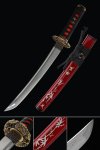 |
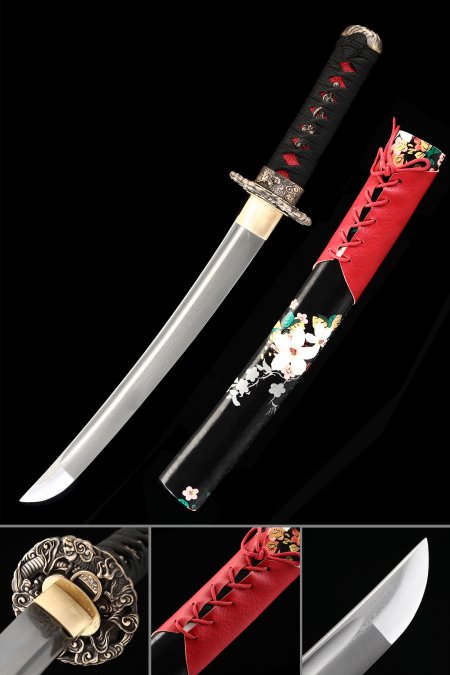
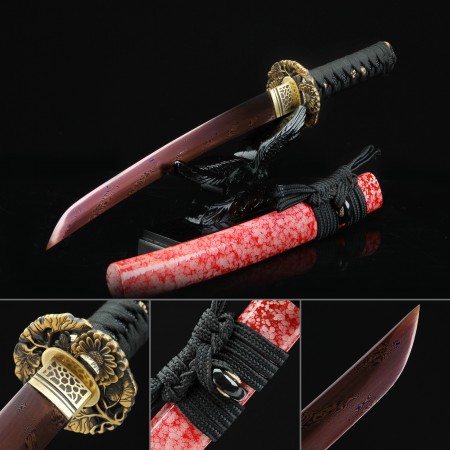
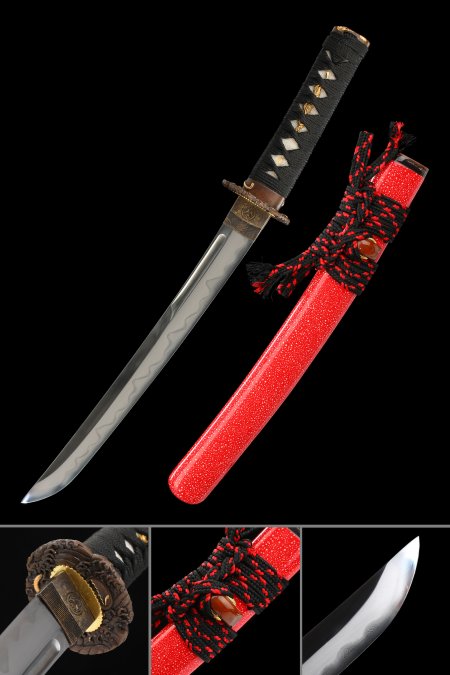
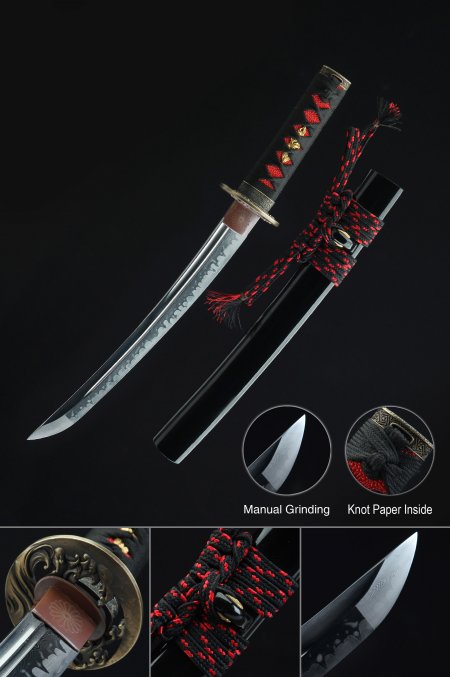
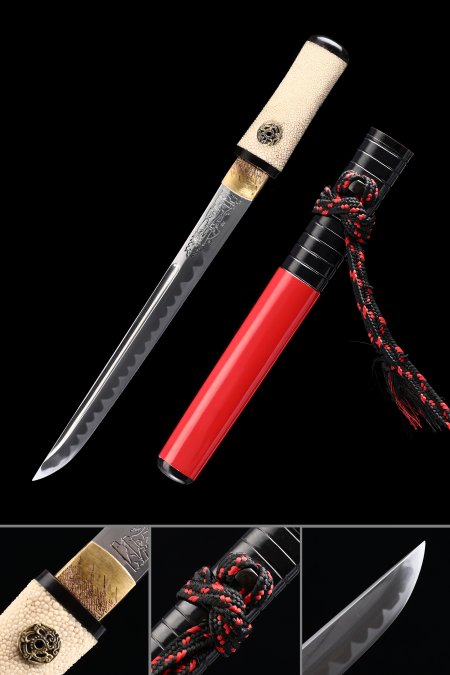
Damascus Steel Tanto in Red Lacquer Saya with Floral Copper Tsuba - Black & Red Cord Wrap |
Купила на подарок для мужа ,поэтому сказать его реакцию пока не могу,все еще впереди. Но могу сказать ,что выглядит в точности,как на фото,для ценителей прекрасного -самое то.Надеюсь,что и качество себя оправдает.Благодарю за быструю доставку и хорошую упаковку
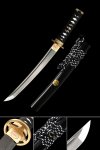 |
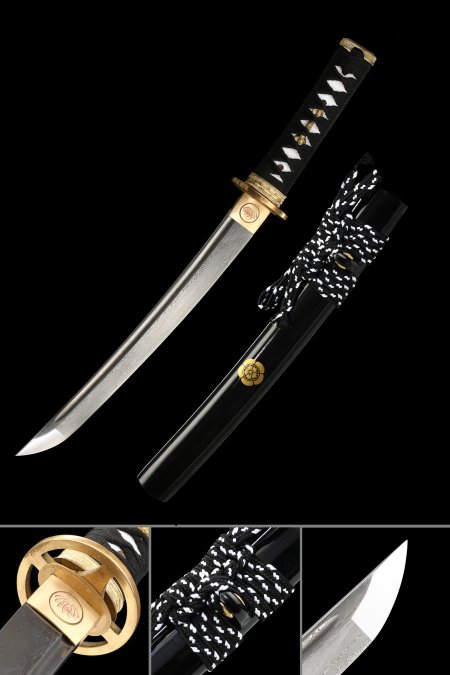
Damascus Steel Tanto with Black-White Cord Handle in Gold Alloy Tsuba - Full Tang Japanese Short Tanto |
Phenomenal craftsmanship!! I’m extremely pleased with my purchase(s)!!! r
r
The customer service is also exceptional, I had a few questions and they were patient and helpful. I’m trying to make space for another item. 🫡
|
Pattern Steel Tanto with Real Hamon, Black Rayskin Handle & Gray Rayskin Saya - Aikuchi Style |
Extremely happy with my first purchase from TrueKatana!!! Absolutely beautiful. Came as pictured. Wish it was a bit sharper but great quality steelwork.
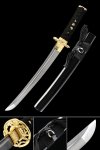 |
T10 Steel Tanto with Gold Dragon Tsuba - Black Saya & Cord Handle, 21-Inch Collectible |
Handmade Japanese Tanto Sword Damascus Steel
Amazing piece to my collection, never had a tatto before , but this one has sparked my frenzy for them , and I shall order all .
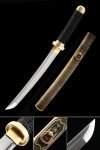 |
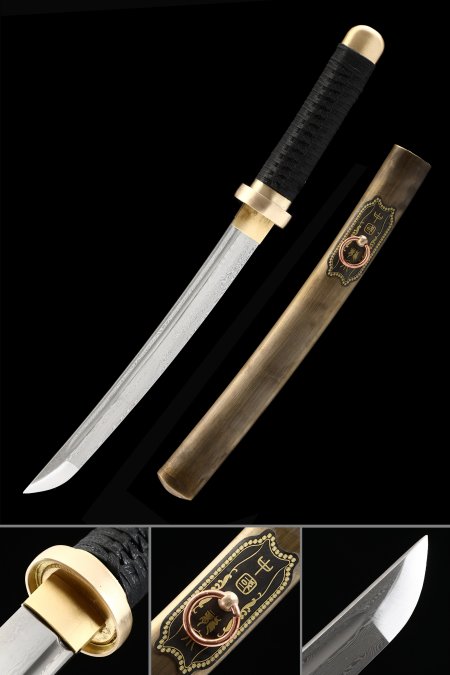
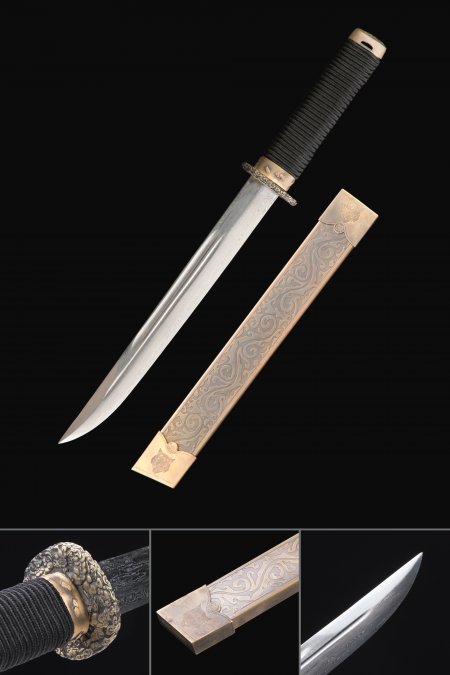
Damascus Steel Tanto with Bronze Saya, Gold Tsuba & Black Cord Handle - Modern Collectible |