Brown Handle Tachi
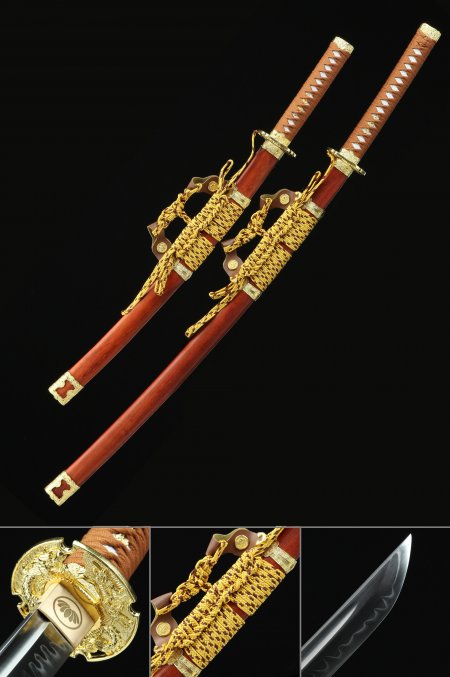
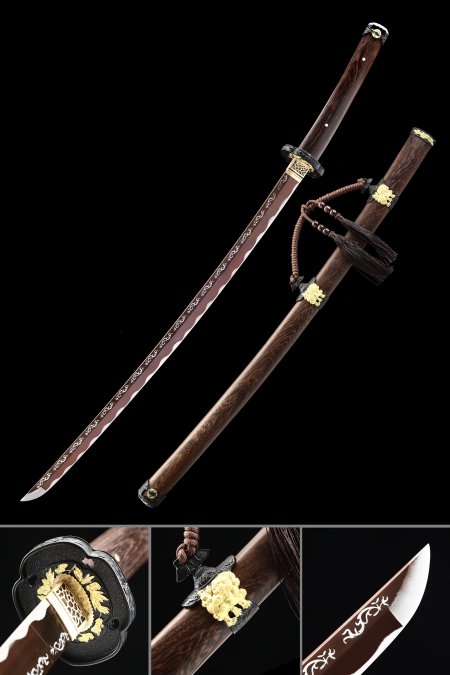
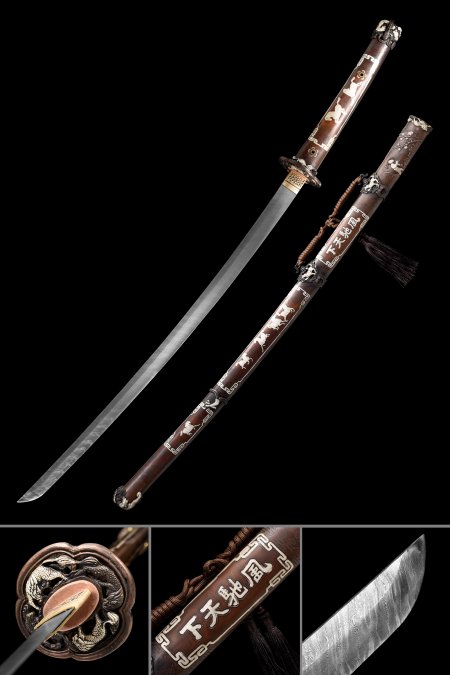
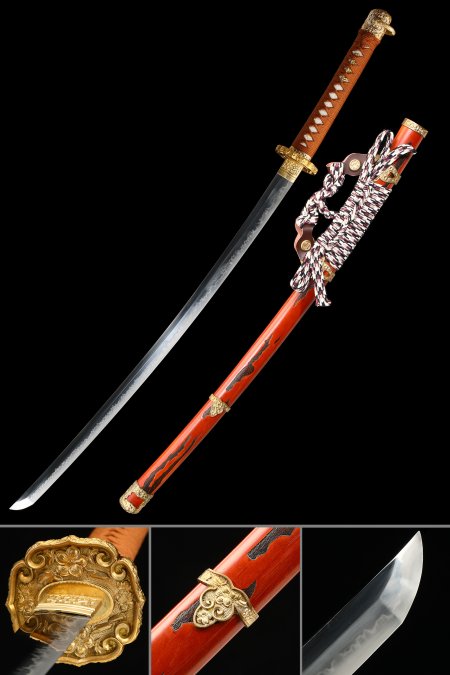
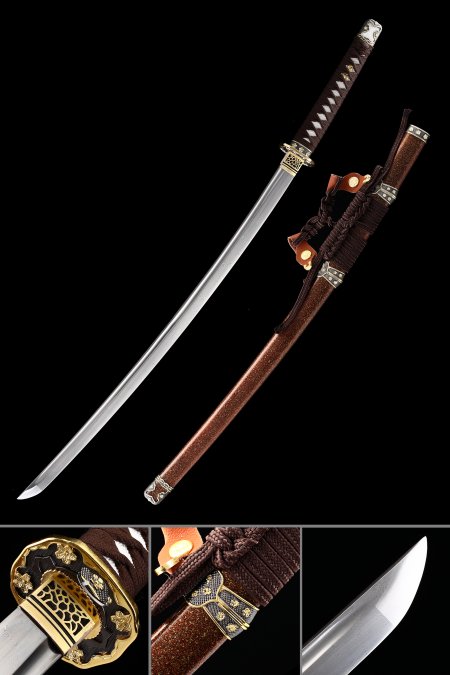
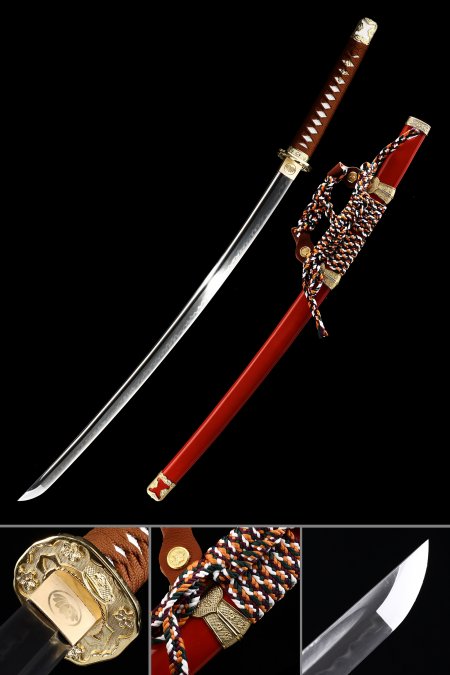
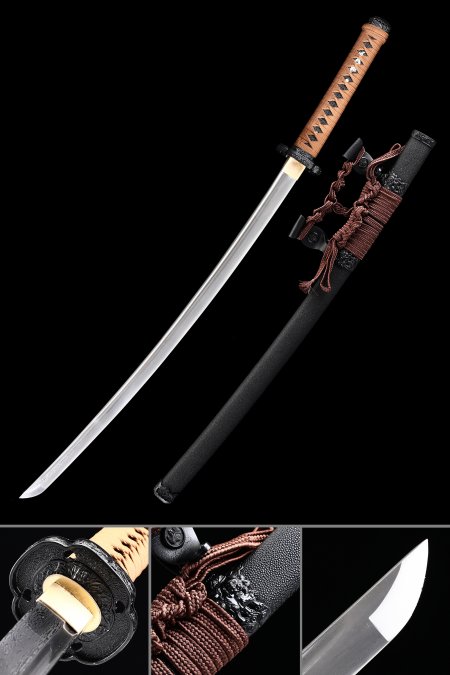
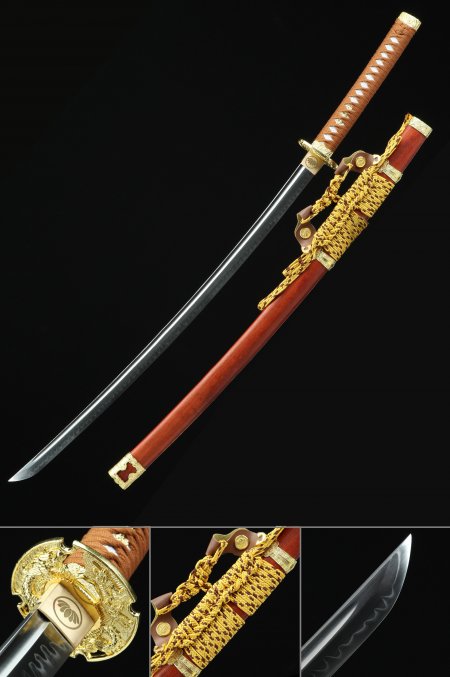
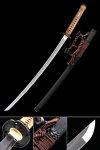
Brown handle tachi swords bring together centuries of Japanese sword-making tradition and refined aesthetic sensibility. Each piece in this collection features hand-wrapped brown ito over authentic ray skin, paired with hand-forged blades in high-carbon or Damascus steel - many displaying genuine hamon activity along the edge. Whether displayed on a stand or stored in a lacquer saya, these tachi reward the discerning collector who values both visual drama and authentic construction. Enjoy free standard shipping on every order, backed by our hassle-free return policy.
Related Collections
Frequently Asked Questions
What makes a tachi different from a katana?
What does brown ito wrapping add to a tachi's value?
How is a real hamon formed on T10 steel tachi?
How should I store and maintain a tachi for long-term display?
Is a Damascus steel tachi a good choice for display collections?
Customer Reviews
Perfect transaction. Order came in earlier than expected. We;; padded and packaged. Exactly as pictured onsite. I am very happy to have this item.
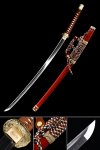 |
T10 Steel Tachi Odachi with Real Hamon in Red Lacquer Saya - Gold Tsuba, Brown Cord Handle |
Great sword company with a lot of options. Outstanding communication if there’s a problem rest assured they will take care of it.
|
T10 Steel Tachi Odachi with Real Hamon in Red Lacquer Saya - Gold Tsuba, Brown Cord Handle |
Everything as stated and expected, great service
|
T10 Steel Tachi Odachi with Real Hamon in Red Lacquer Saya - Gold Tsuba, Brown Cord Handle |
It's a really nice sword, sharp too. Looks great on the wall thank you so much.
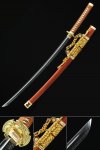 |
T10 Steel Tachi Katana with Real Hamon in Red Lacquer Saya - Gold Chrysanthemum Tsuba, Brown Cord Handle |
I had bought this entertainment center while living in Okinawa back in the early 90s and finally repurposed it as a curio display. The Daisho set matches perfectly with the decor and aside from their beauty, they’re deadly sharp if needed as a weapon.
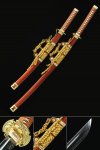 |
T10 Steel Daisho Set Katana & Wakizashi with Dark Red Saya, Gold Tsuba & Brown Ito |
The sword is very cool for the price, however what I do not like about it is the visible hot glue that I can see from when it was put together. Also the rope handle on the sheath has come loose and the pieces that connect the rope to the sheath slide freely on the sheath. The inside of the sheath leaves wood chips on the blade when it is drawn or put back inside. Still I do like the way it looks and I keep it in my room.
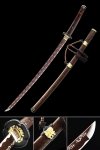 |
Nodachi Sword 1095 Carbon Steel Dark Red Blade with Vine Engraving, Brown Hardwood Saya, Chrysanthemum Tsuba |
The product is good however it had a strange musty smell. When you put the katana in the case sometimes it doesn't fit properly.
It is not the first time I buy here as you can see from the photo nor will be the last despite the inconvenience.
 |
Damascus Steel Odachi Sword with Black Leather Saya, Brown Tsuka & Dark Red Sageo |
Everything about ordering from TRUEKATANA was excellent. The product quality, communications, delivery, and condition received exceeded my expectations. I will be ordering from them again. DeeBee
|
T10 Steel Daisho Set Katana & Wakizashi with Dark Red Saya, Gold Tsuba & Brown Ito |