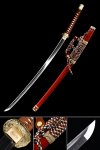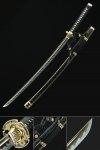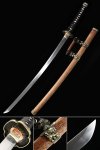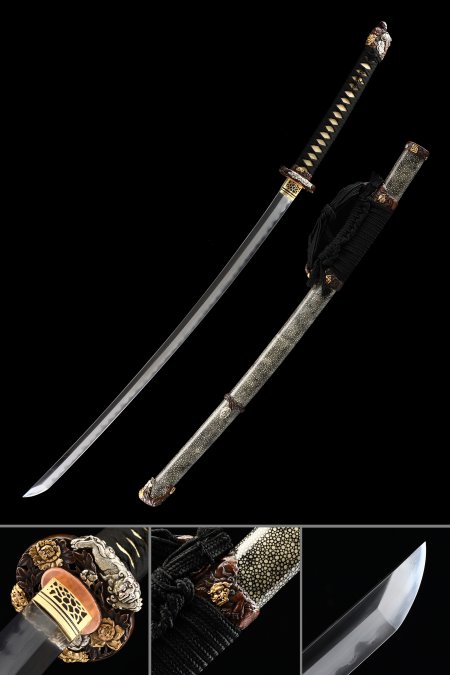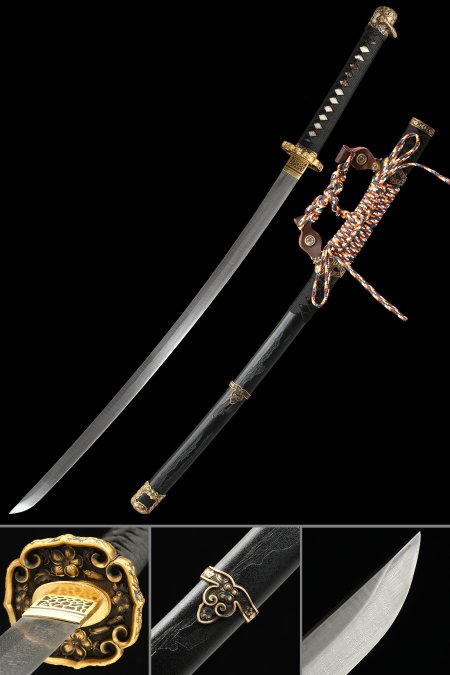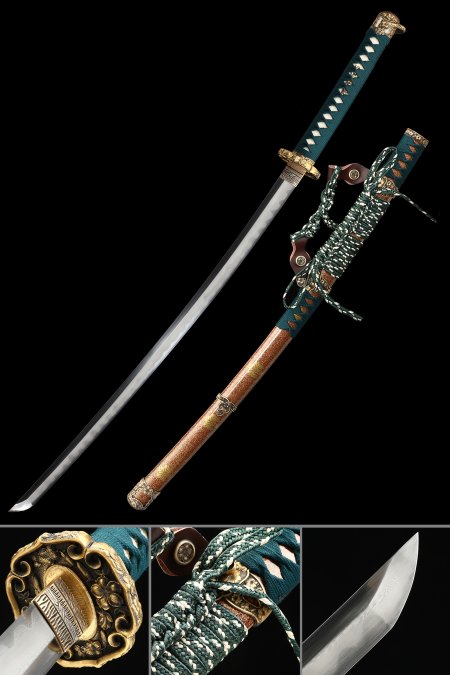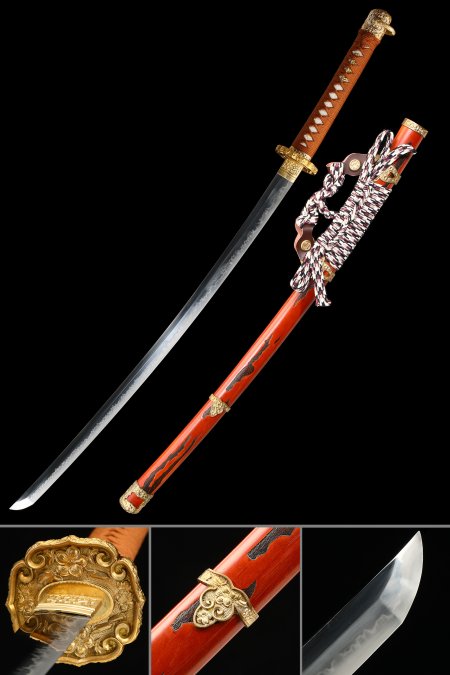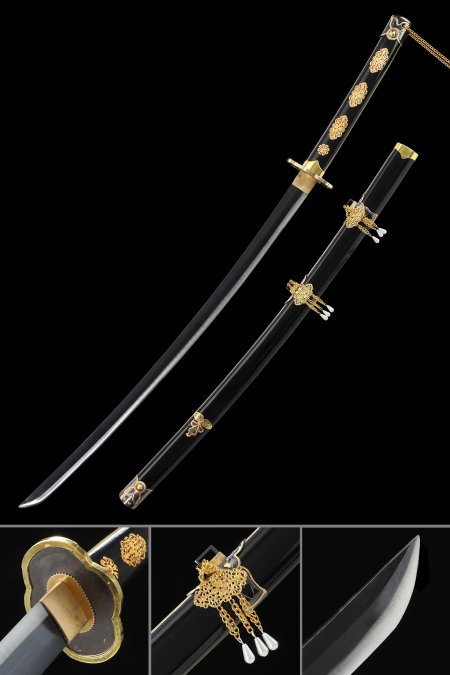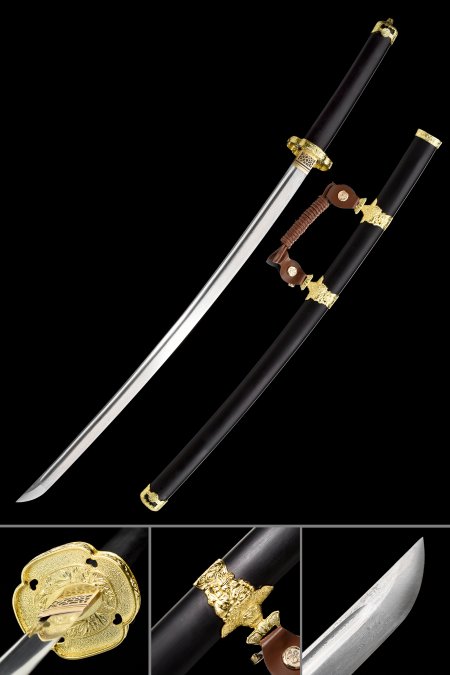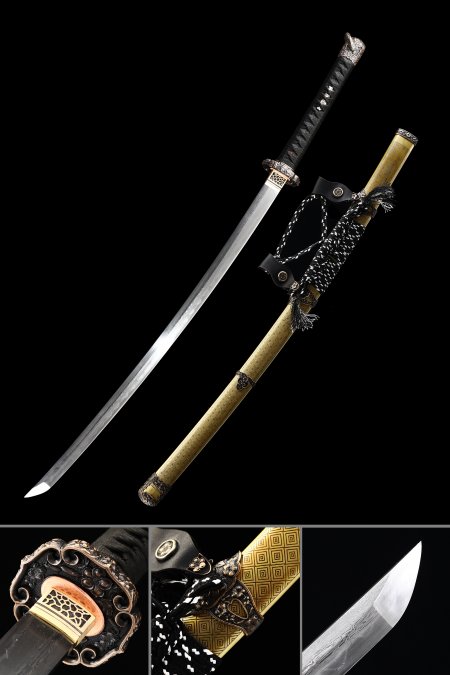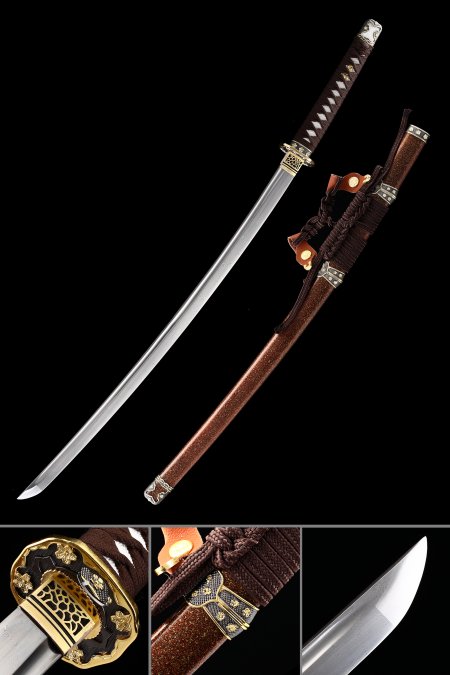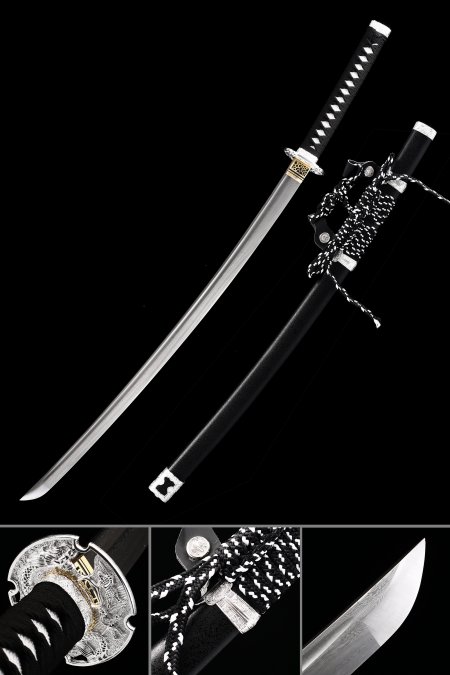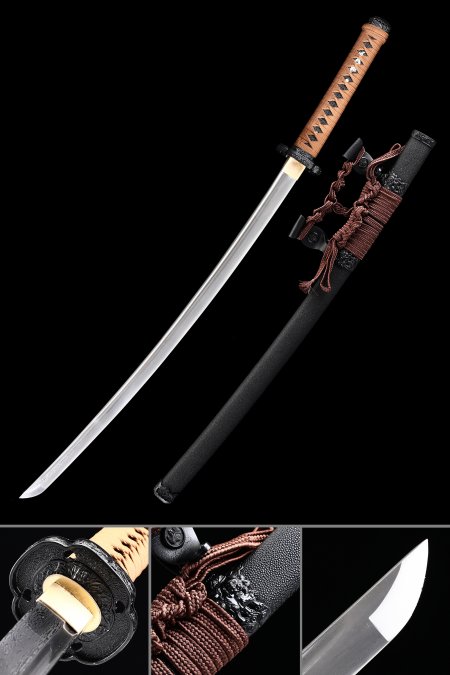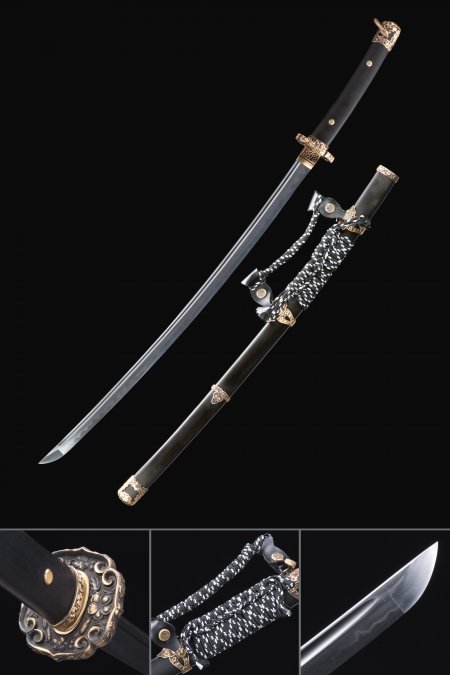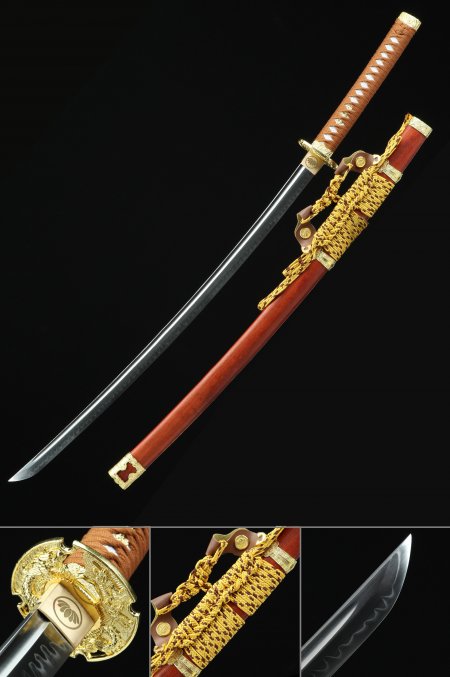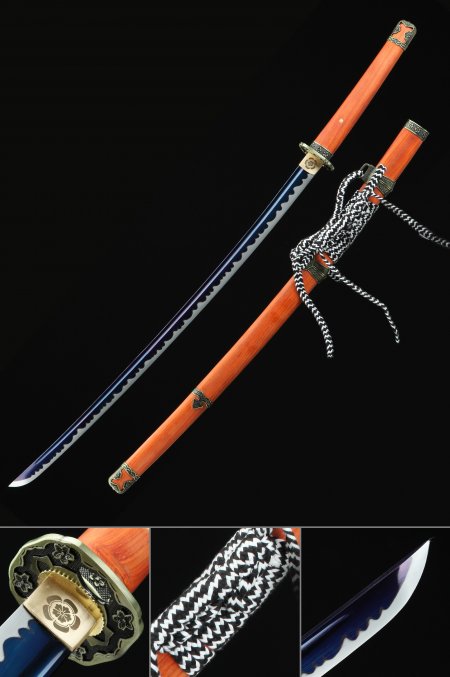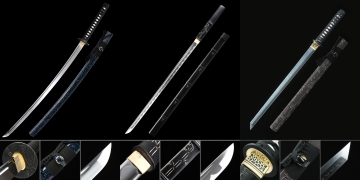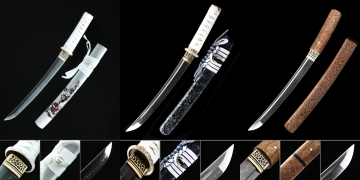
Clay Tempered Tachi Swords

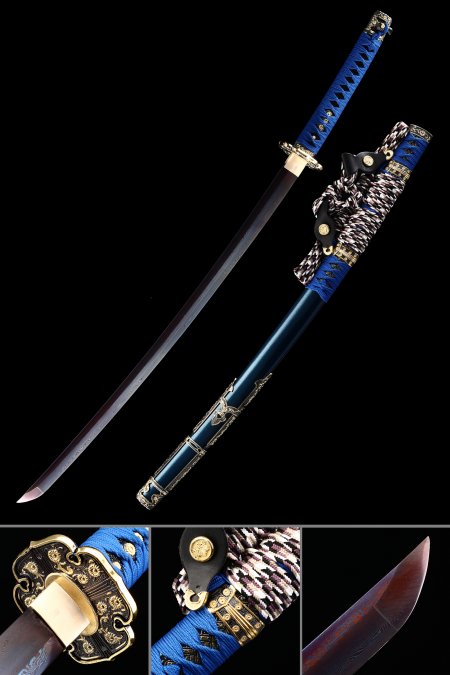
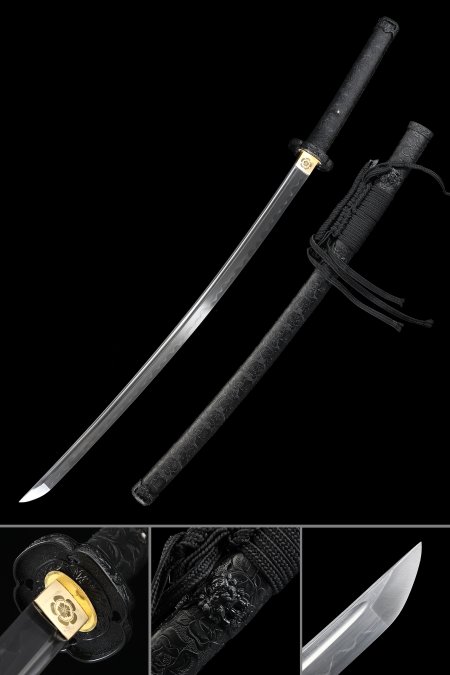
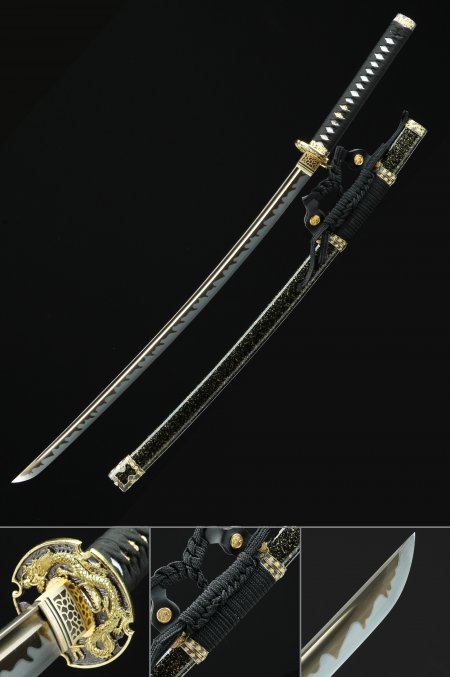
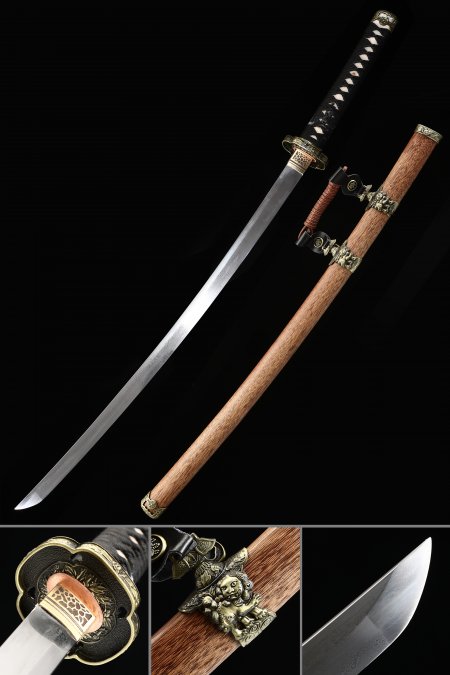
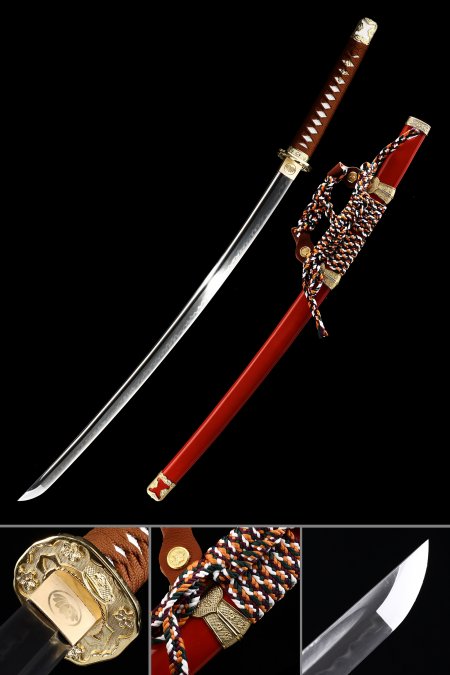
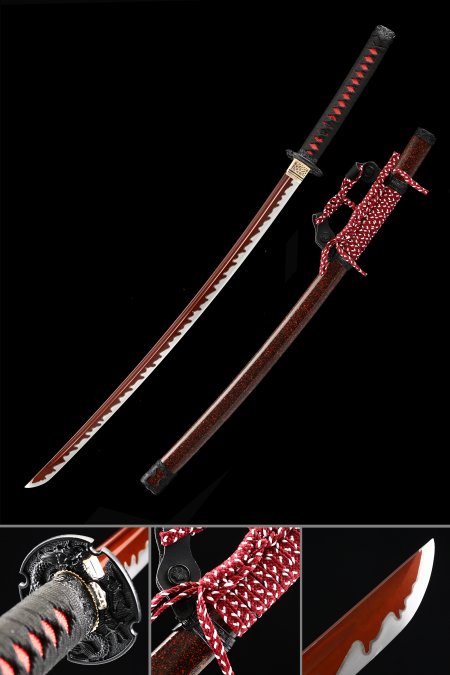
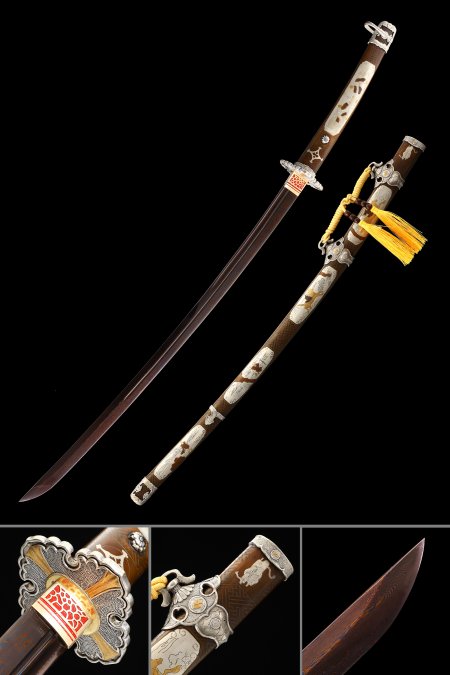
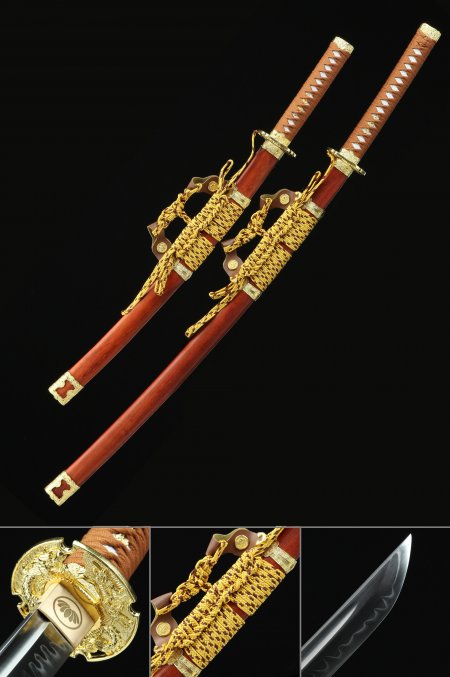
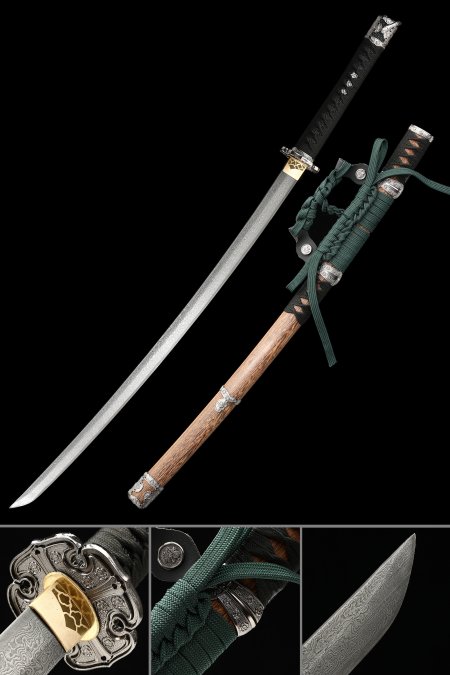
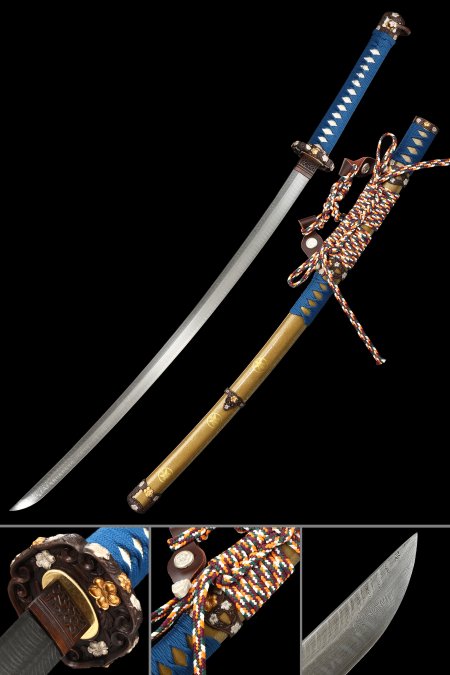
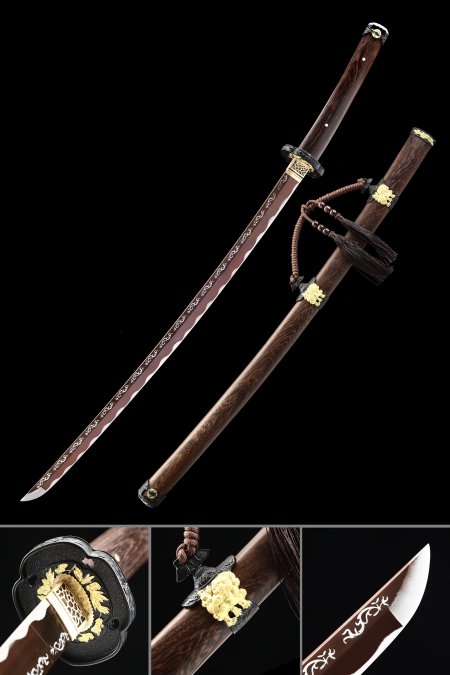
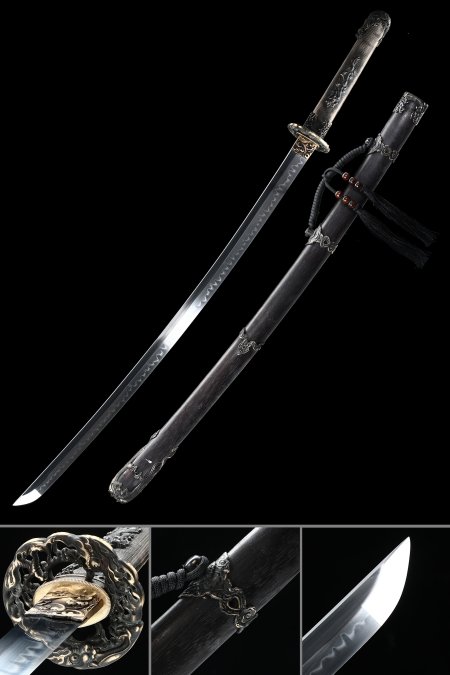
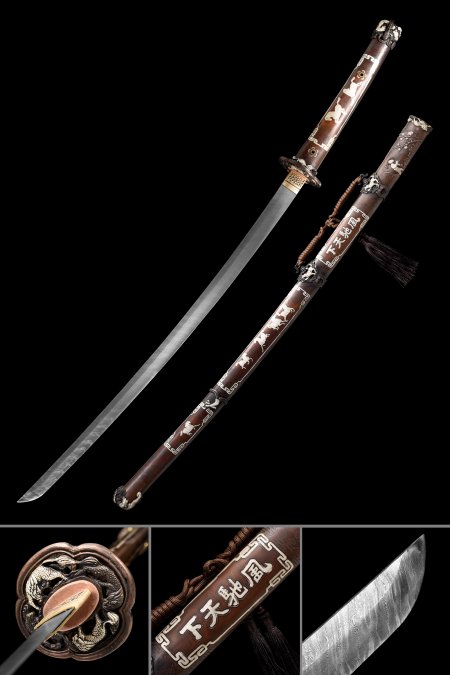
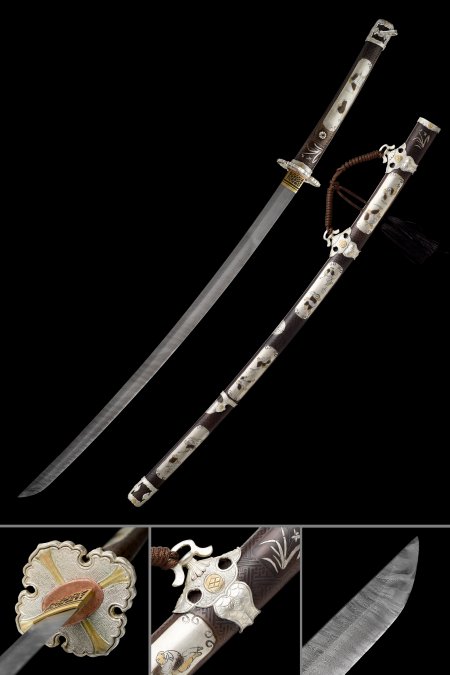
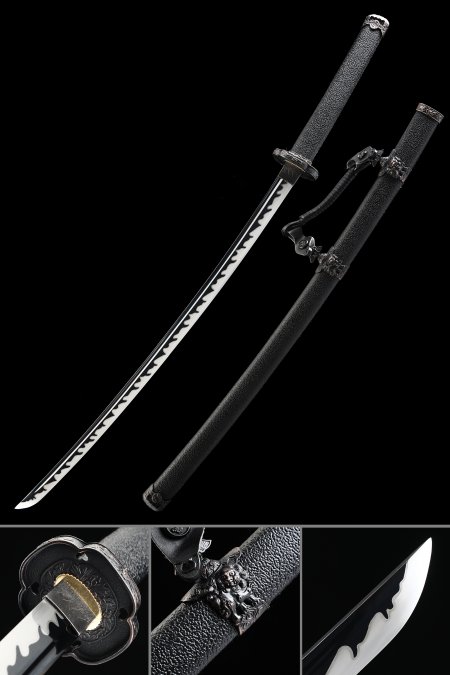
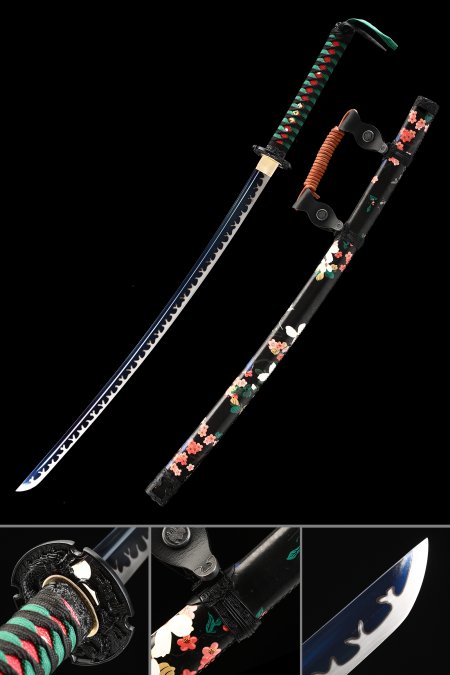
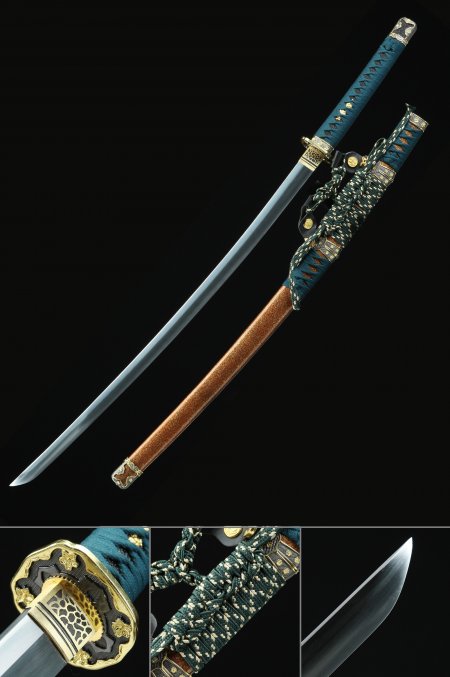
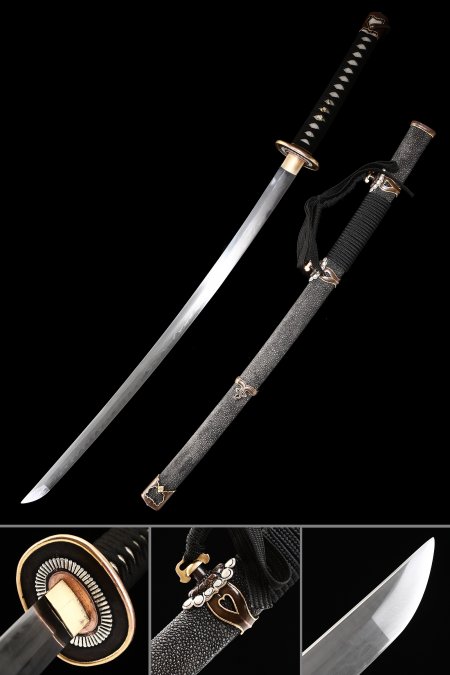
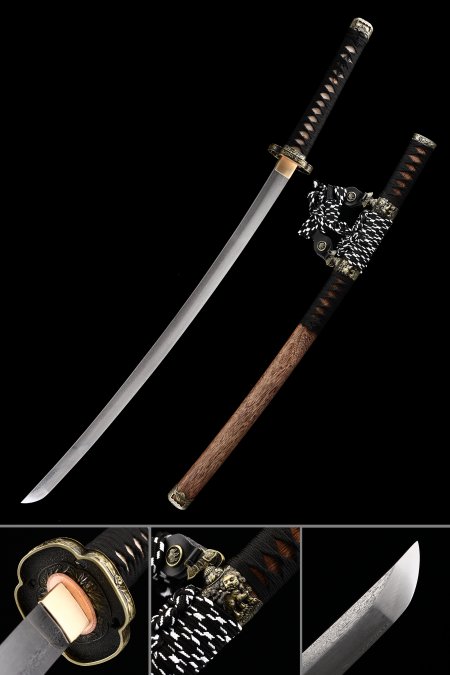
Clay tempered tachi swords represent one of the most revered traditions in Japanese sword craftsmanship - where selective clay application during the hardening process produces a genuine hamon and a blade of striking visual depth. Each piece in this collection is hand-forged from premium steels including T10, 1095 carbon, and Damascus, dressed in meticulously fitted fittings from rayskin-wrapped saya to hand-cast copper tsuba. Whether you're building a serious display collection or seeking an heirloom-quality piece to gift, these tachi and odachi reward a discerning eye. Enjoy free shipping and hassle-free returns on every order.
Showing 32 Products

Related Collections

Japanese Tanto121 items


546 Reviews

Shirasaya Ninjato33 items


185 Reviews

Clay Tempered Naginata9 items


8 Reviews

Clay Tempered Shirasaya51 items


332 Reviews

Frequently Asked Questions

What makes clay tempering different from standard hardening?
Standard hardening quenches the entire blade uniformly, producing consistent hardness throughout but sacrificing the visual and structural contrast that defines traditional Japanese swords. Clay tempering selectively insulates the spine with a refractory clay mixture before quenching, causing the spine to cool slowly and remain tough while the edge hardens rapidly into a martensitic structure. The result is a real hamon - a temper line visible to the naked eye as a mist-like boundary running along the blade. This hamon is not decorative; it is a direct record of the thermal gradient created during hardening. Collectors prize it because it cannot be faked convincingly: an authentic hamon has depth, texture, and nie (crystalline sparkle) that acid-etched imitations lack entirely.
How does T10 steel compare to Damascus for a tachi collectible?
T10 tool steel and Damascus represent two very different aesthetic and metallurgical philosophies. T10 is a high-carbon steel with a small tungsten addition that refines grain size and sharpens hamon definition - the temper line on a T10 tachi tends to be crisp, with vivid nie activity that photographs and displays exceptionally well. Damascus, by contrast, is a forge-welded composite of multiple steel layers whose folding creates flowing grain patterns across the blade flat. On a Damascus tachi, the hamon interacts with the layer pattern to produce a more complex, painterly surface. Neither is objectively superior; T10 rewards collectors focused on temper line clarity, while Damascus suits those who appreciate layered surface artistry as the primary visual statement.
What is an odachi, and how does it differ from a standard tachi?
Both tachi and odachi share the same suspended-edge-down carrying tradition and pronounced curvature, but the odachi - literally 'great sword' - pushes blade length considerably further, typically exceeding 35 inches of blade and sometimes reaching 40 inches or more. Historically, odachi were ceremonial and prestige objects as much as functional blades, owing to the extraordinary skill required to forge and clay temper a blade of that length without warping. For the collector, an odachi creates a dramatically different display presence than a standard tachi: the extended silhouette commands wall space, and the sweeping curve reads powerfully even from across a room. The T10 and Damascus odachi in this collection maintain full clay tempering across their entire length, making the visible hamon proportionally more expansive as a display feature.
How should I store and maintain a clay tempered tachi sword?
Clay tempered high-carbon blades require modest but consistent care to preserve their appearance and the integrity of the hamon. Store the tachi horizontally or at a slight angle in its saya, edge upward in the traditional orientation, in a low-humidity environment - a climate-controlled room or a display case with a silica gel pack works well. Apply a light coat of food-grade camellia oil or mineral oil to the blade every one to three months using a soft, lint-free cloth, wiping from habaki to tip in a single direction. Avoid fingerprints on the polished surface; skin oils accelerate oxidation and can mottle the hamon over time. Never store the blade in a leather-lined case, as leather retains moisture. If the blade develops light surface rust, remove it gently with a uchiko powder ball before re-oiling - never use abrasive compounds.
Is a clay tempered tachi a good display gift for a serious collector?
A clay tempered tachi is one of the more considered gifts you can present to someone with a genuine interest in Japanese sword history or East Asian decorative arts. Unlike mass-produced replicas with stainless steel blades and etched hamon, a hand-forged, clay tempered piece carries traceable craft credentials - the real hamon, the fitted hardwood saya, the hand-cast tsuba - that a knowledgeable recipient will immediately recognize and appreciate. The visual variety available across Damascus, T10, and carbon steel options means you can tailor the gift to the recipient's existing collection aesthetic. For a collector who already displays katana, an odachi adds meaningful scale contrast. A tachi paired with a smaller form from the Clay Tempered Kodachi collection creates a ready-made display pairing that demonstrates the breadth of the clay tempering tradition across blade lengths.

Customer Reviews