FAST SHIP
Free Shipping
199.00 USD
ON SALE! 15% OFF
Was: 229.00 USD

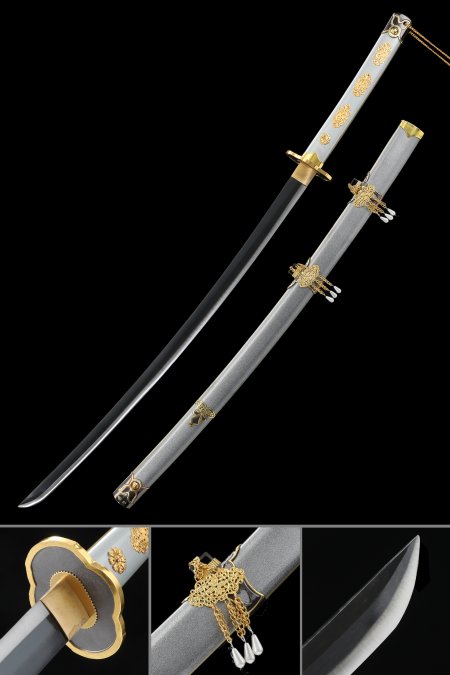
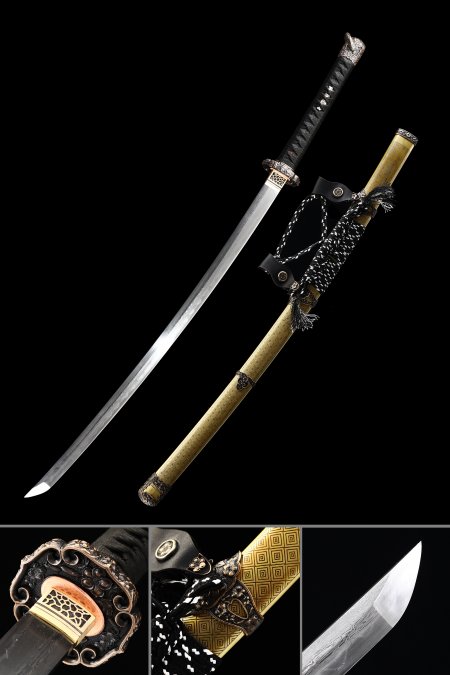
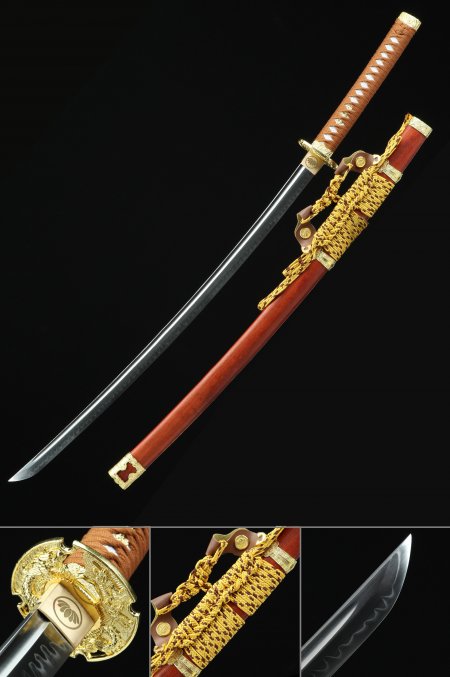
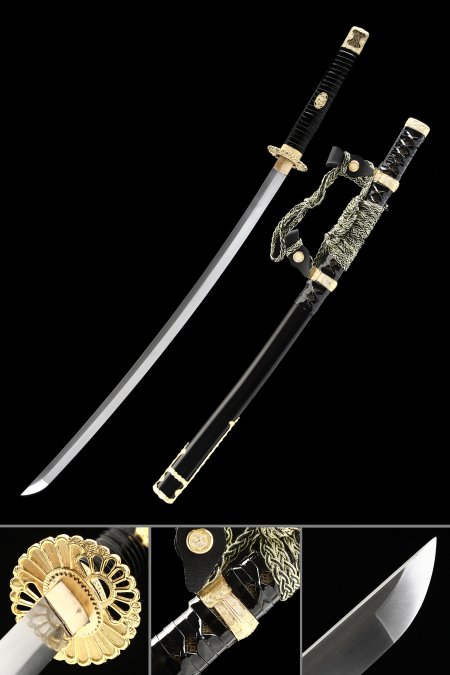
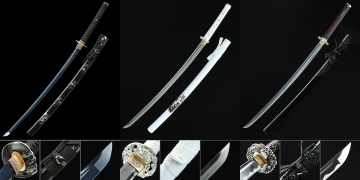
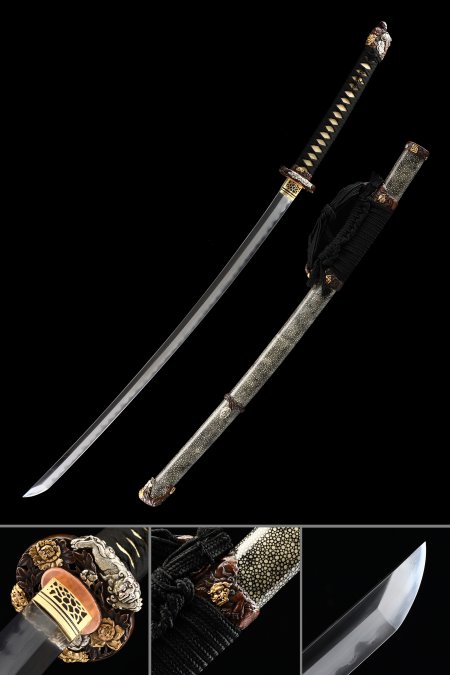
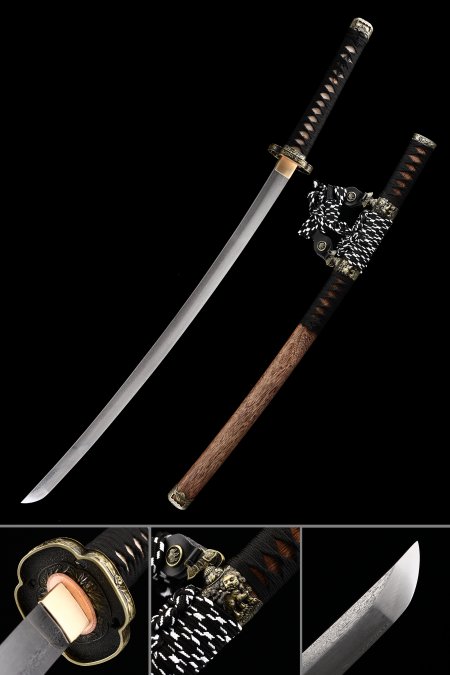
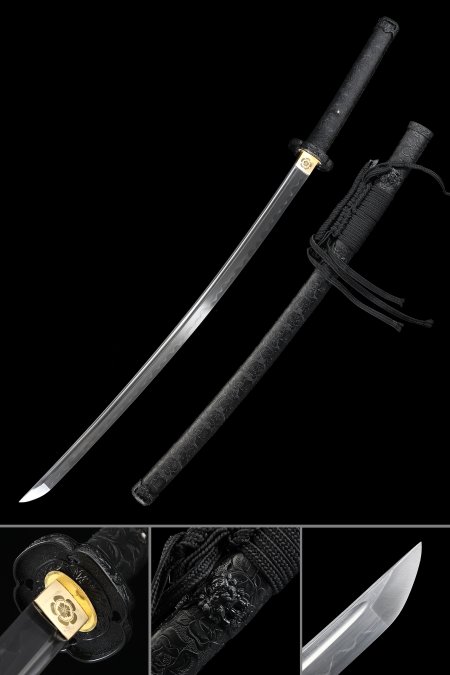
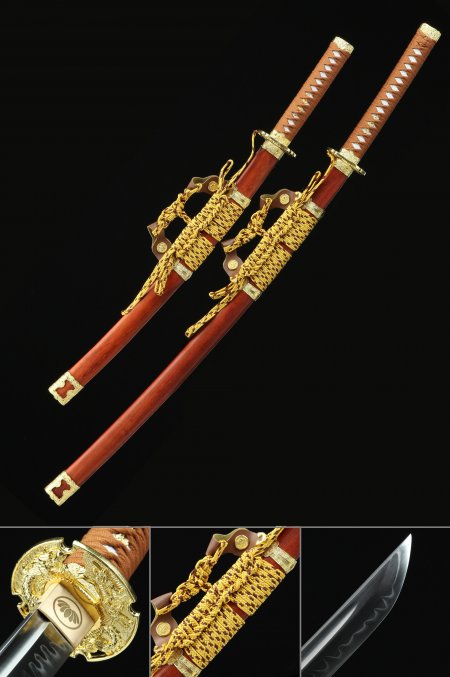
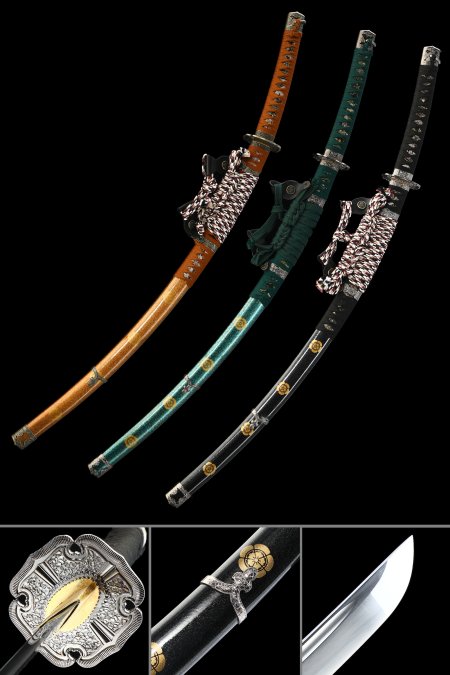
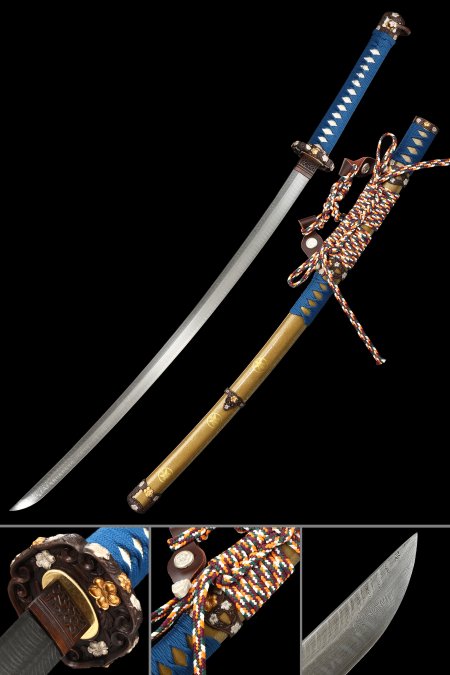
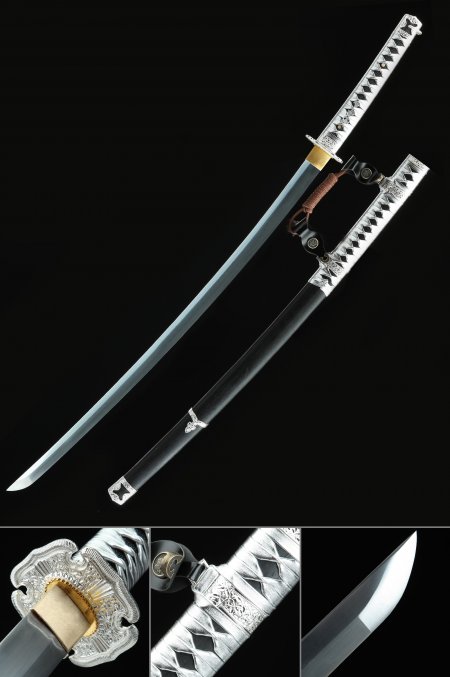
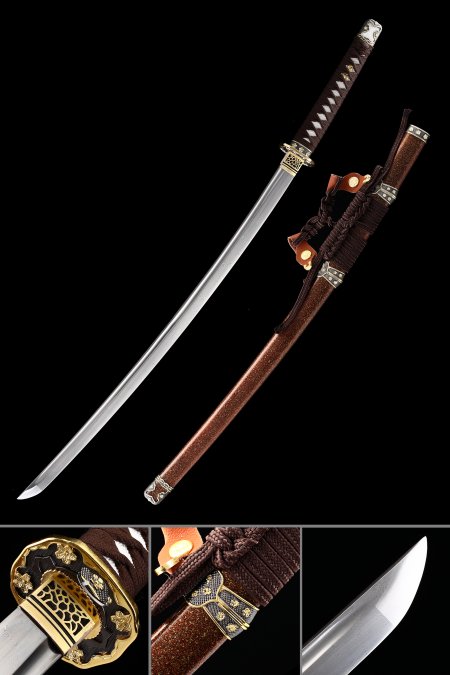
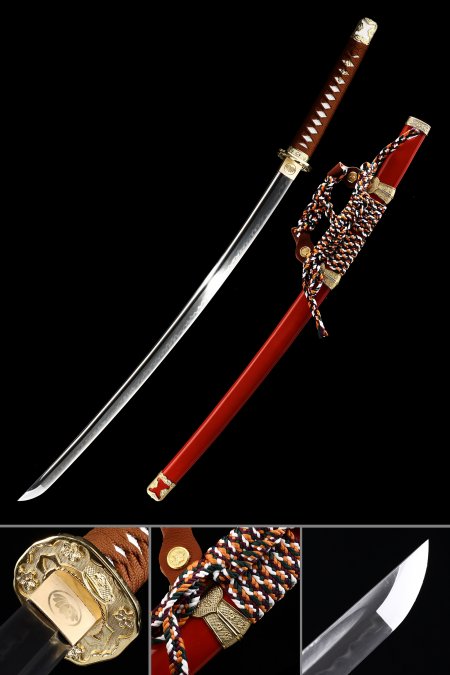
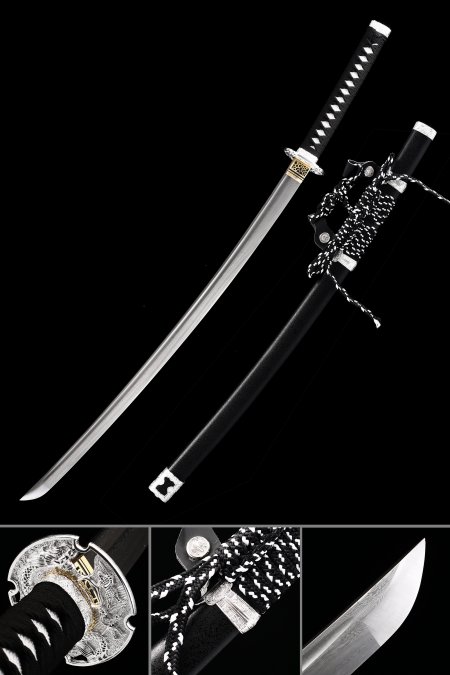
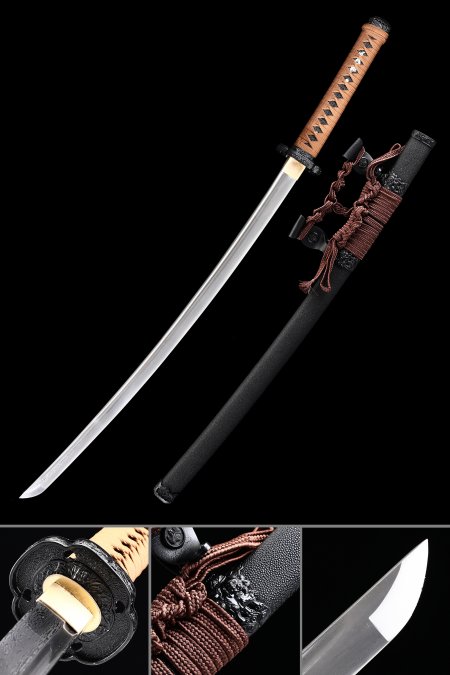
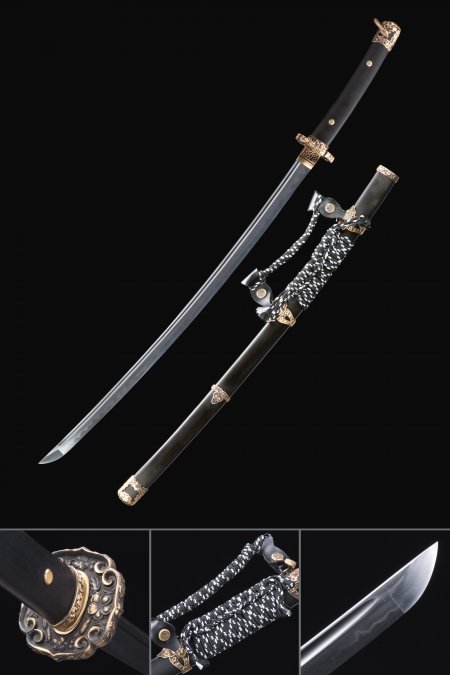
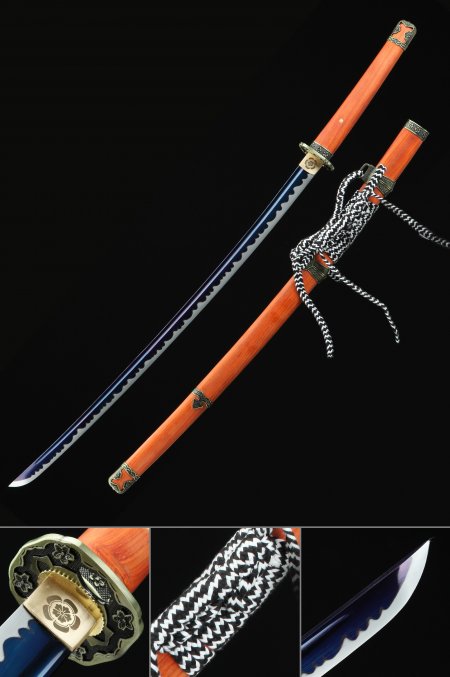
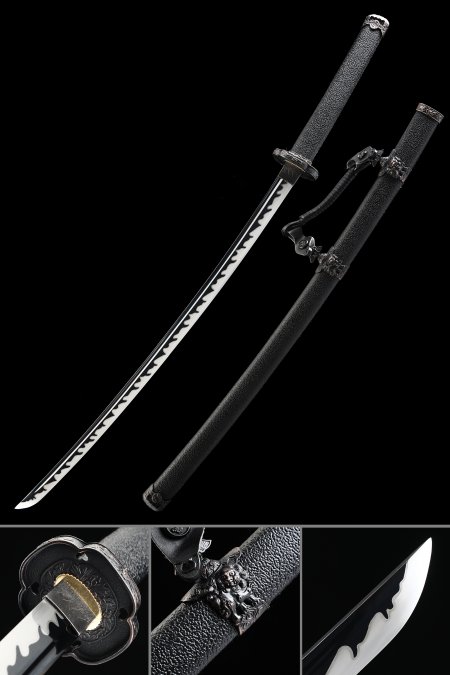
Full tang odachi swords represent the pinnacle of Japanese long-sword craftsmanship - every piece in this collection is built on a continuous steel tang running the full length of the handle, ensuring structural integrity and authentic heft that display collectors truly appreciate. From clay-tempered T10 steel blades with real hamon to richly layered Damascus steel with ornate copper and bronze tsuba, each sword is assembled with hand-fitted rayskin, silk ito, and lacquered saya that reflect centuries of samurai tradition. Enjoy free shipping on your order and a hassle-free return policy, so adding the next centerpiece to your collection is completely risk-free.
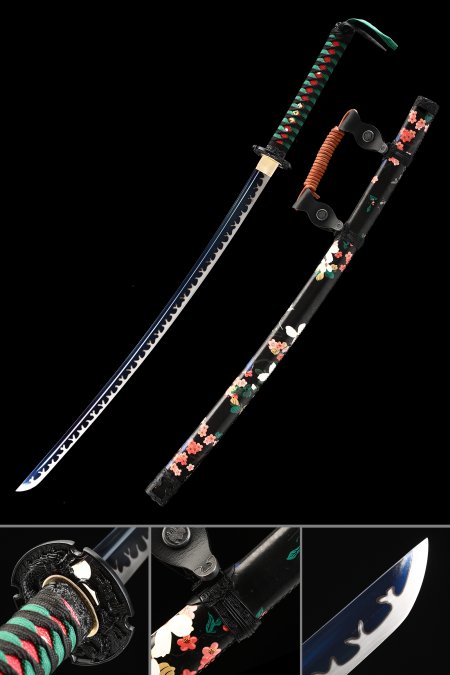
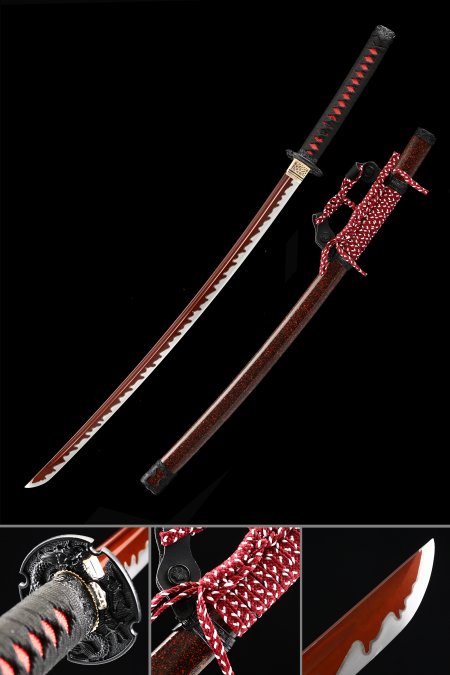
Really love the level of detail put into the blade.
 |
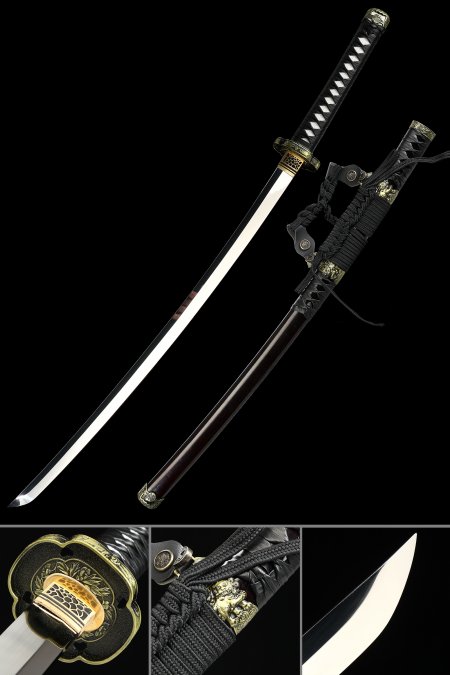
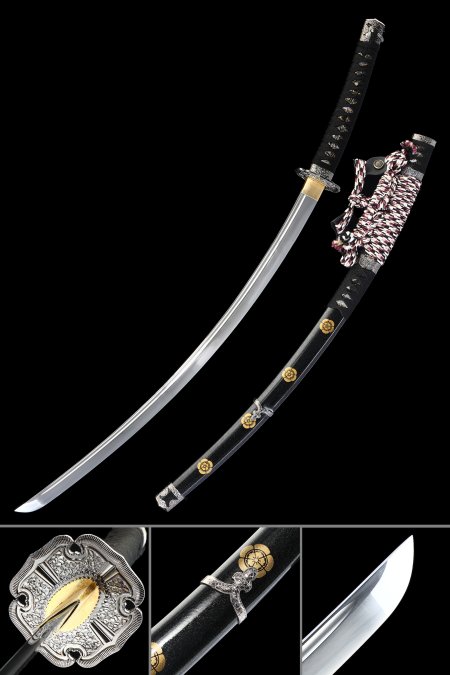
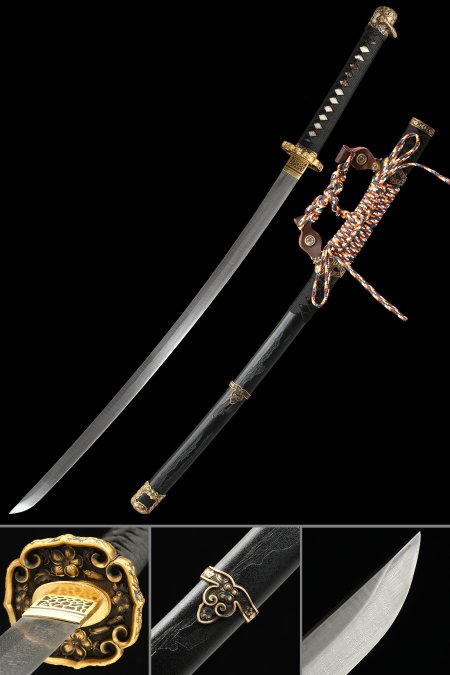
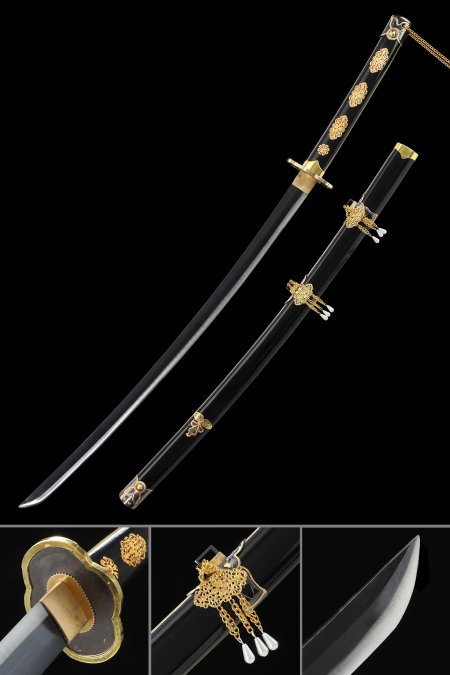
Clay Tempered Tachi Odachi Sword in High Manganese Steel with Real Hamon and Black Floral Saya |
My fiancé was almost in tears when he opened his gift!! He has always wanted a katana and was absolutely speechless at how beautiful it is. r
The delivery was quick and it looked even better in person! Thank you
 |
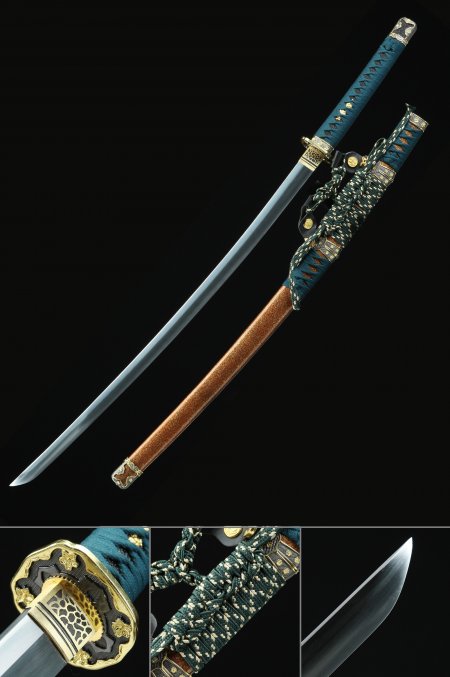
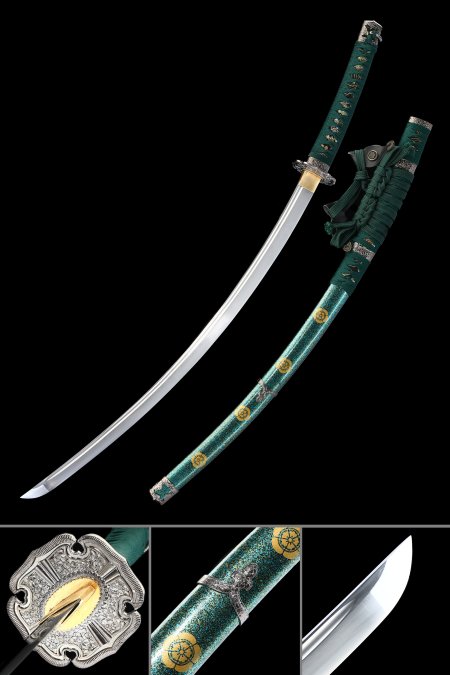
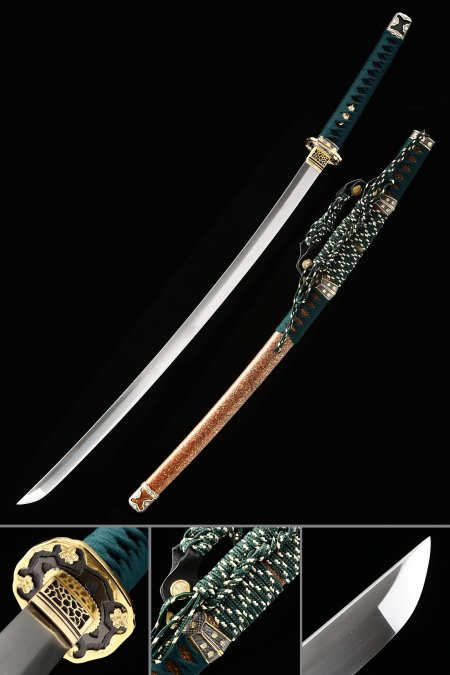
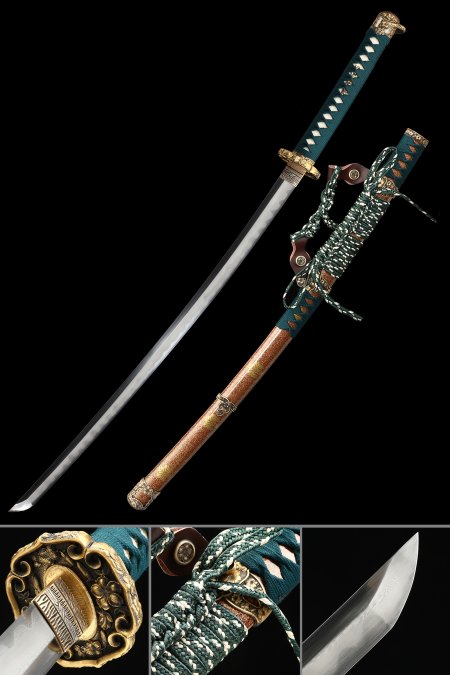
Clay Tempered 1095 Carbon Steel Tachi Sword with Teal Ito Wrap and Bronze-Shimmer Saya in Gold Fittings |
I received my Katana in great condition. Great craftsmanship and packaging. The blade is very sharp and bright. The handle is beautiful and very well wrapped. Now if I can receive my Sword Stand it will be complete.
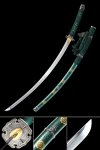 |
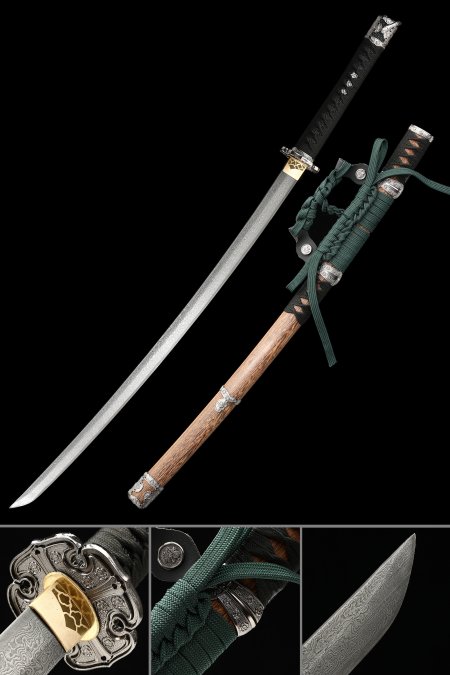
Odachi Sword 1095 Carbon Steel with Teal Lacquer Saya & Green Ito Wrap |
Perfect transaction. Order came in earlier than expected. We;; padded and packaged. Exactly as pictured onsite. I am very happy to have this item.
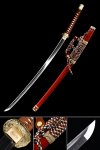 |
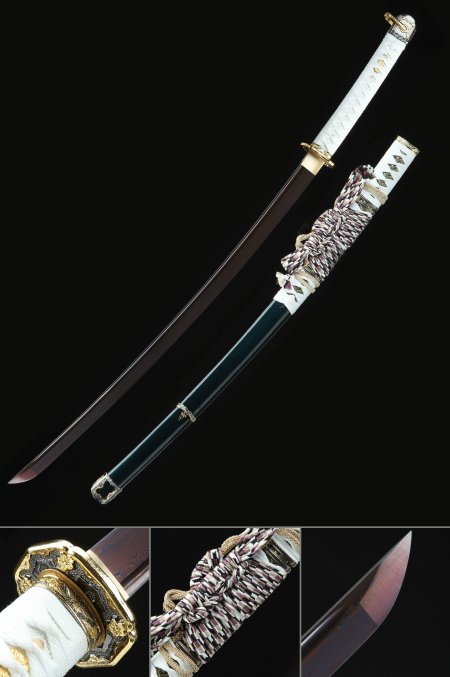
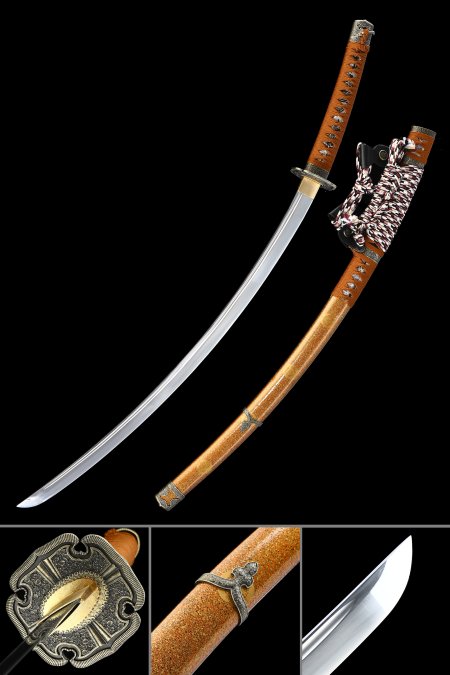
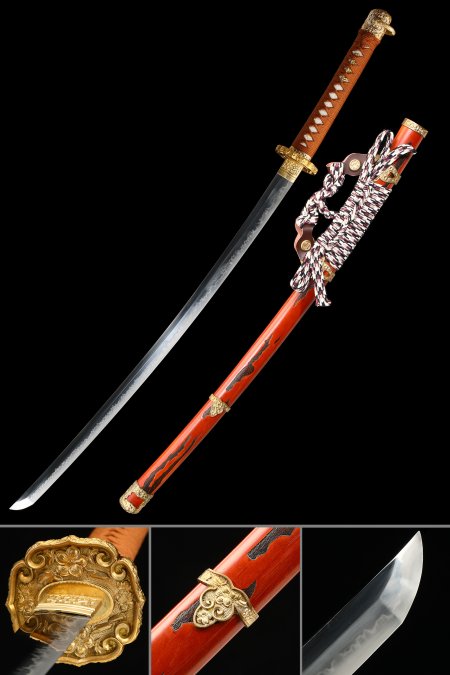
T10 Steel Tachi Odachi with Real Hamon in Red Lacquer Saya - Gold Tsuba, Brown Cord Handle |
O.K. with me. I have one tachi, a katana, one wakizashi, one ninjato and one tanto. Enough, for naginata is already to much. Thank you! Petrica Bunea.
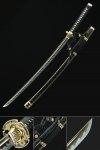 |
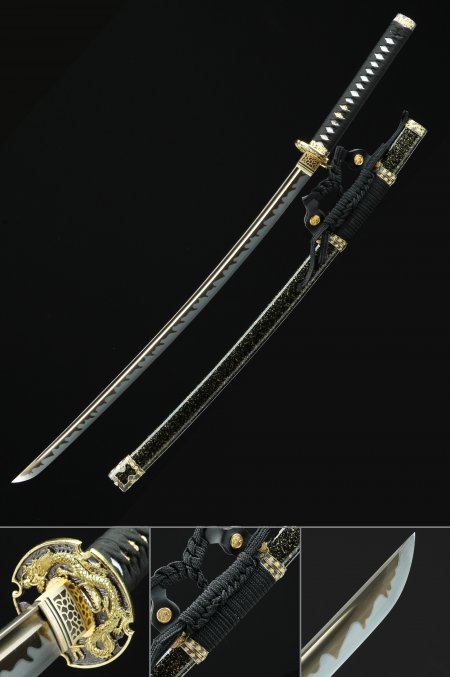
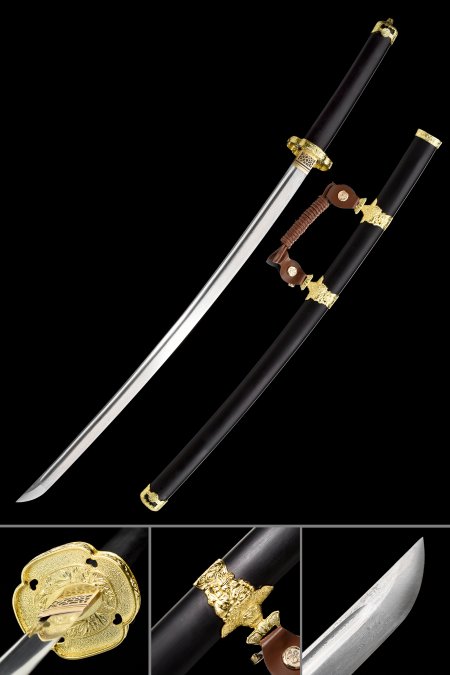
Odachi Sword High Manganese Steel with Dragon Tsuba - Black-Gold Saya, Chrome Blade, 41 IN |
My son loves his new sword. Will be order again. Highly recommend.
|
Clay Tempered 1095 Carbon Steel Tachi Sword with Teal Ito Wrap and Bronze-Shimmer Saya in Gold Fittings |
Product is as advertised! Great craftsmanship, build and design. No flaws detected. AWESOME PRODUCT!! THANK YOU!
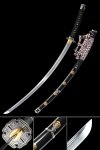 |
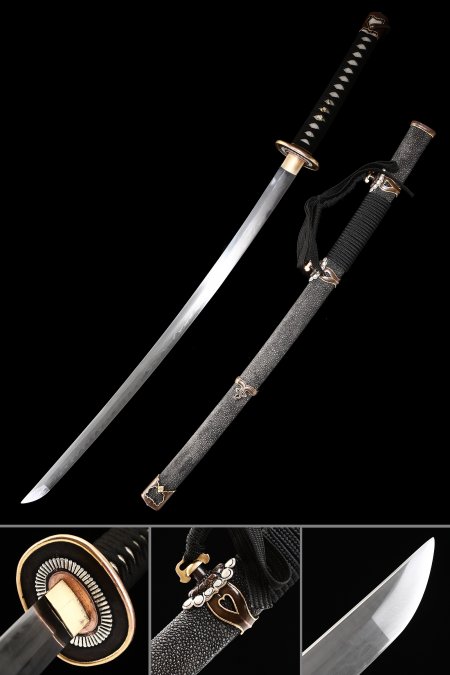
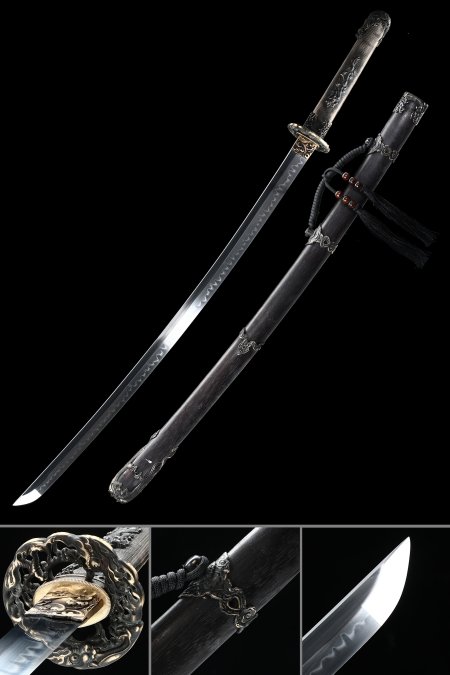
1095 Carbon Steel Odachi Sword Full Tang with Black Lacquer Saya and Silver Scroll Tsuba |
Great sword to have in my collection. The weight is well balanced and the blade is sharp. I recommend this sword
|
Odachi Sword 1095 Carbon Steel with Teal Lacquer Saya & Green Ito Wrap |