Red Ninjato

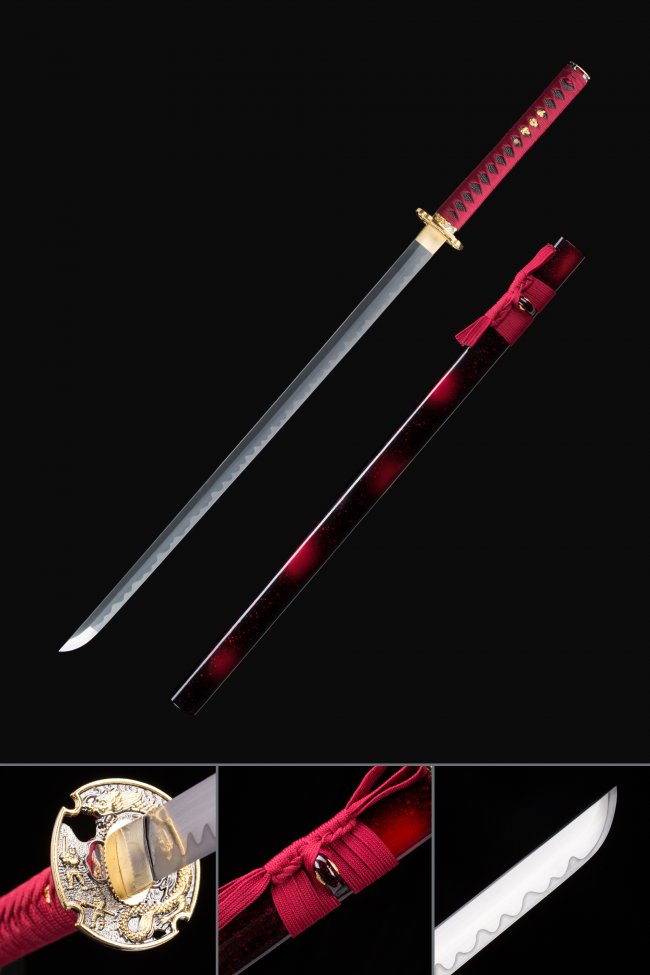
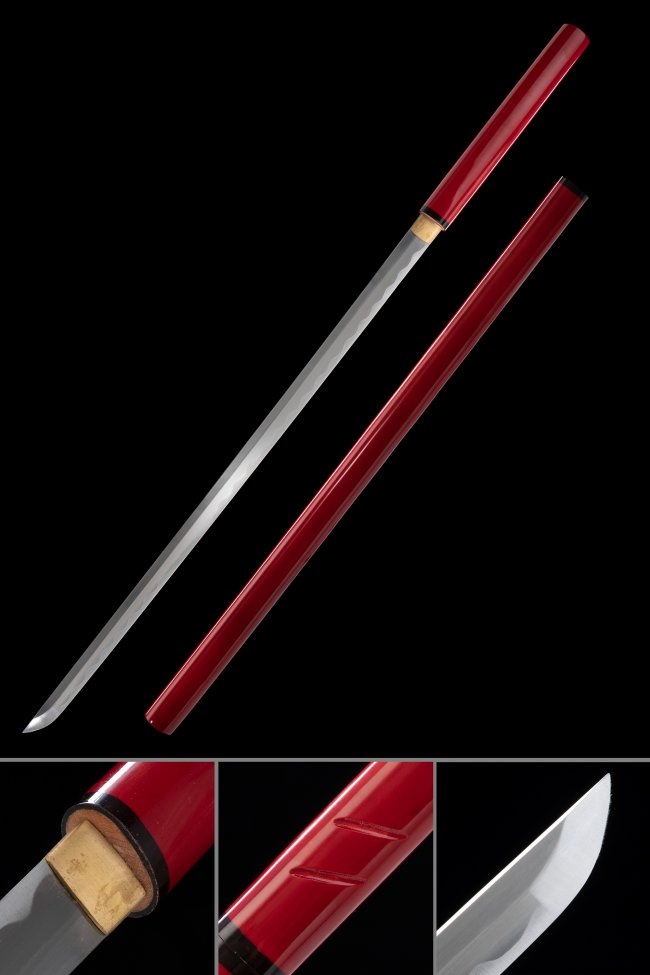
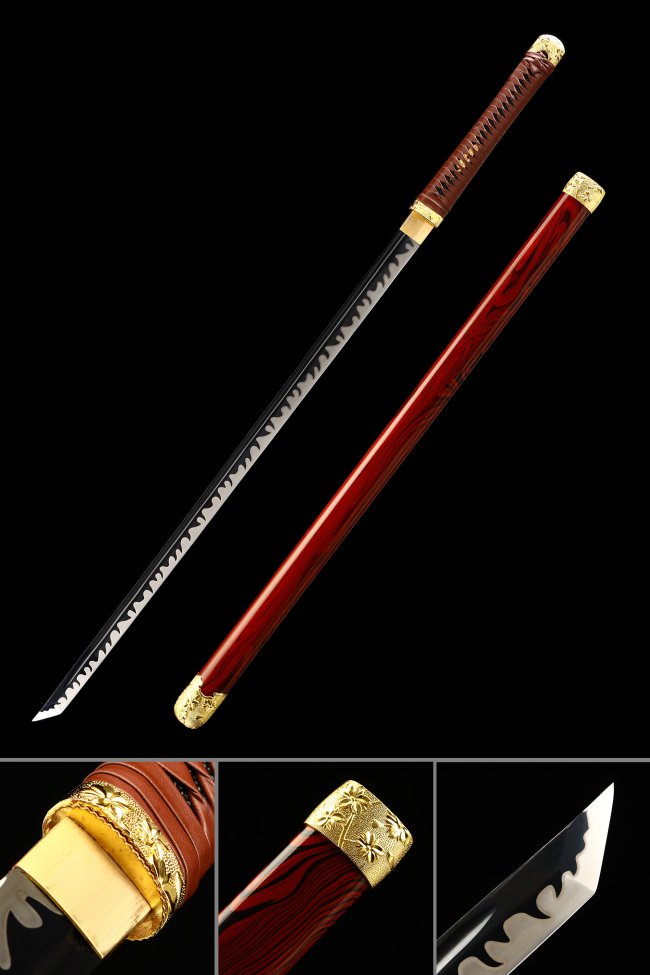
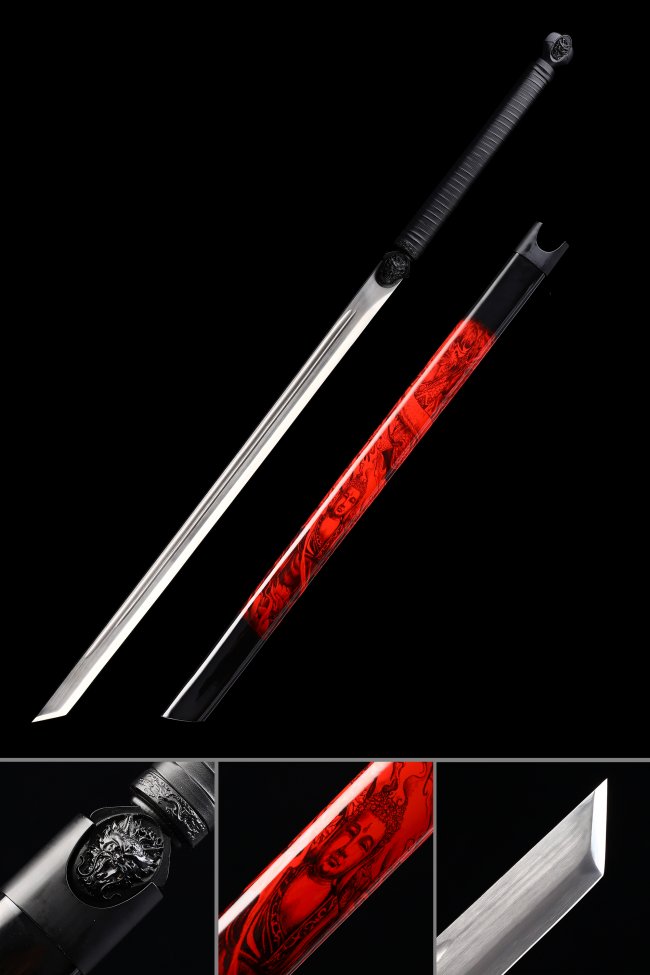
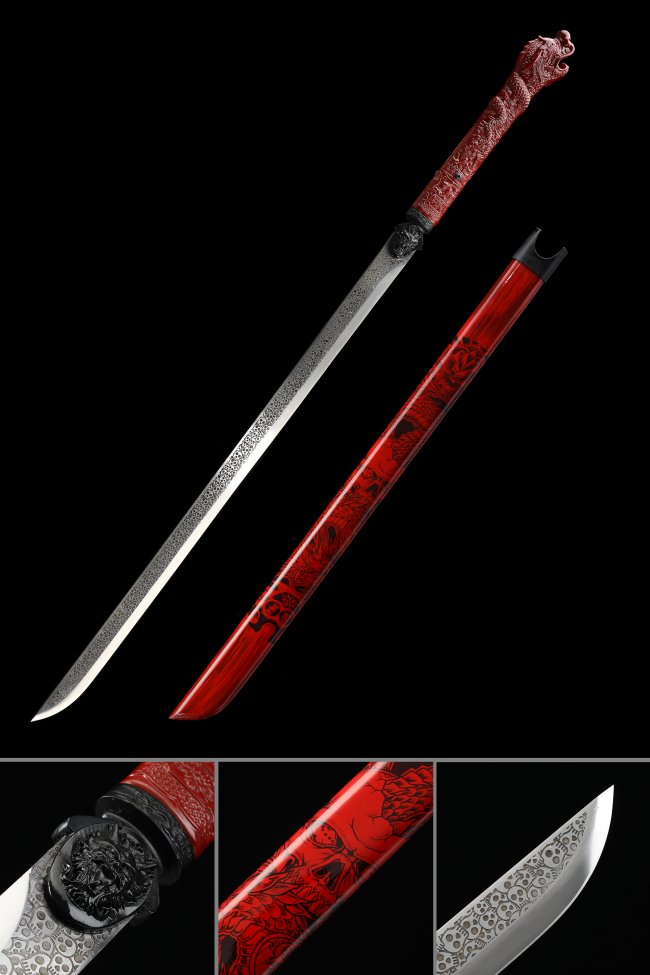
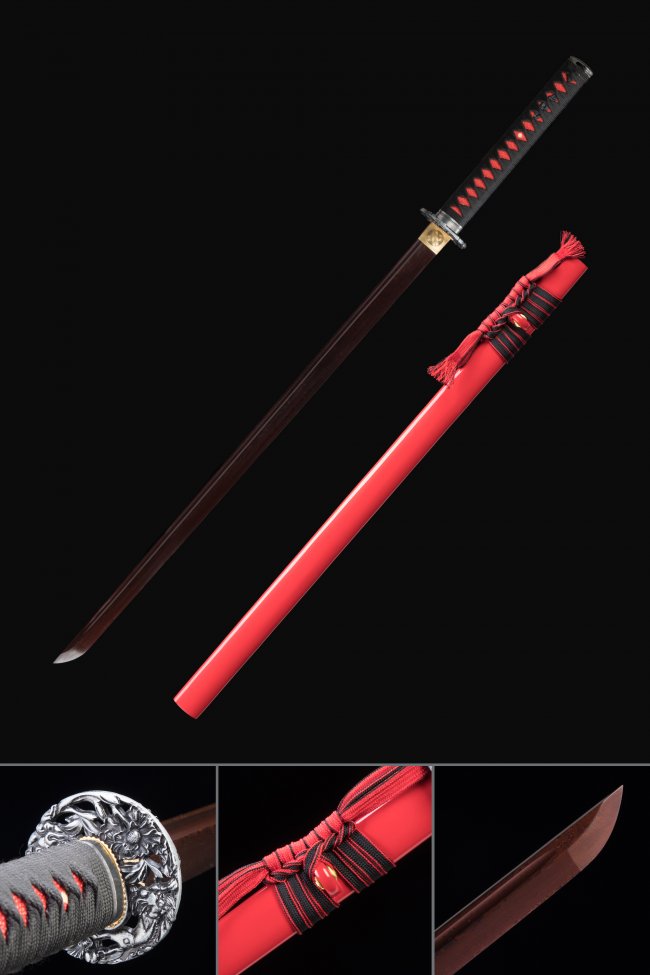
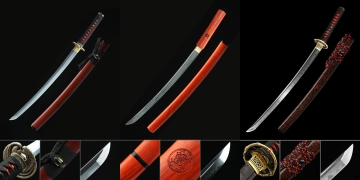
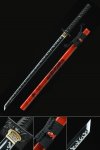
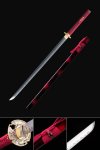
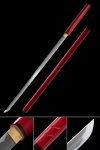
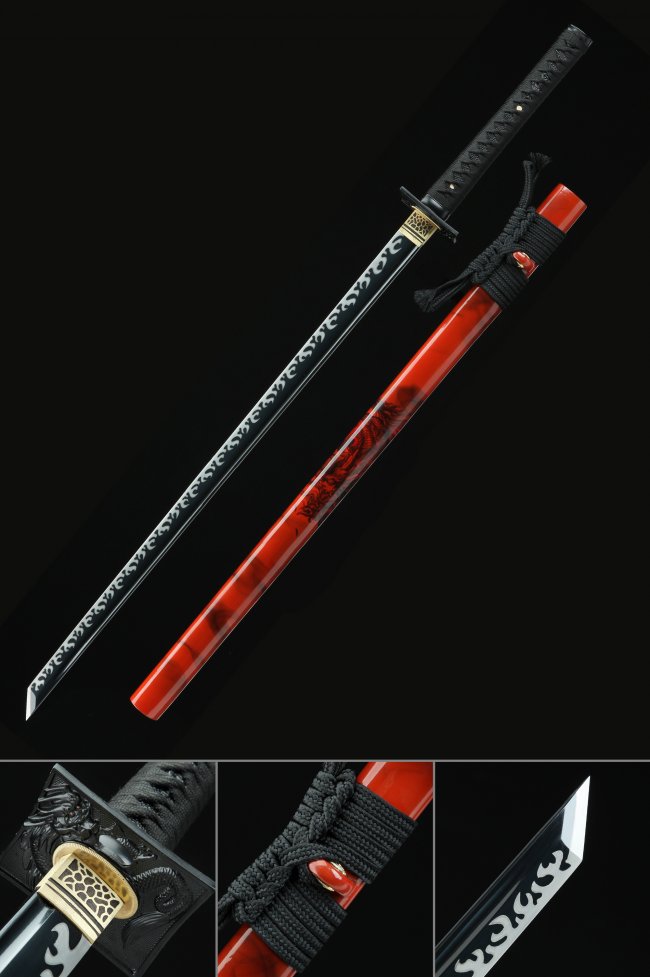
Red ninjato swords in this collection are straight-bladed Japanese collectibles in manganese steel and 1045 carbon steel with red scabbards, red-accented handles, and dragon-motif fittings. Full-tang construction with rosewood and traditionally styled handle materials. A visually striking display collectible in the ninjato tradition. Free shipping and a 30-day return policy are included.

Showing 7 Products

Related Collections

Red Samurai Sword122 items


932 Reviews

Red Handle Katana49 items


594 Reviews

Red Carbon Steel Ninjato7 items


45 Reviews

Frequently Asked Questions

What is the visual difference between a red-blade ninjato and a red-scabbard ninjato?
A red-blade ninjato applies the red color treatment to the blade surface itself, creating a sword where the blade and fittings share a unified red color scheme. A red-scabbard ninjato keeps the blade in its natural steel finish and uses red on the saya and tsuka ito, creating a contrast between the silver or satin blade and the red scabbard and handle elements. The two approaches produce fundamentally different display aesthetics. The red-blade approach creates visual unity - every element from blade to handle is in the same color register. The red-scabbard approach creates contrast - the silver blade reads clearly against the red background when the sword is displayed in its saya, and drawn from the saya the blade reveals itself as a different material from the enclosure. Neither approach is more or less authentic than the other for a collectible ninjato; both have precedent in Japanese decorative sword culture where dramatic color combinations were used in high-quality swords for display and ceremonial purposes.
What is the significance of the dragon motif on ninjato fittings?
The dragon is one of the most prevalent and significant motifs in Japanese sword fitting iconography. In Japanese tradition, the dragon - ryuu - is an auspicious creature associated with water, power, authority, and protection. Unlike the fire-breathing dragons of Western mythology, the Japanese dragon is a benevolent force associated with rain, rivers, and the sea, and it carries strong positive associations with strength and good fortune. On sword fittings, dragon motifs appear on tsuba, fuchi-kashira sets, menuki, and handle carvings. They were popular across the Edo period and continued through the Meiji era, used on both practical and ceremonial swords. Dragon-motif fittings on a ninjato collectible connect the piece to this broader tradition of Japanese decorative sword culture while also contributing a bold visual element that enhances the display presence of the sword. The dragon head handle variant, where the handle itself is carved or shaped to represent a dragon's head, takes this further by making the fitting motif an integral part of the sword's silhouette rather than surface decoration.
What is the difference between the manganese steel and 1045 carbon steel ninjato?
The manganese steel and 1045 carbon steel ninjato in this collection differ in steel composition and the resulting material properties. Manganese steel is an austenitic alloy with high manganese content that provides exceptional toughness and impact resistance. It does not respond to conventional heat treatment hardening in the same way as carbon steel, so it does not produce a traditional hamon, but its toughness makes it highly resistant to deformation under the kind of contact and impact that occurs with regular handling. 1045 carbon steel is a medium-to-high carbon steel that responds to heat treatment - the blade can be hardened through the quenching process and tempered to a useful hardness level. It is harder at the edge than manganese steel but less tough overall - more susceptible to chipping under impact than manganese steel at comparable hardness. For a display collectible that is primarily examined and handled rather than subjected to impact, 1045 carbon steel's edge characteristics and heat treatment response are the more significant properties, while for a sword that sees more active handling, manganese steel's toughness is the practical advantage.
How is rosewood used in ninjato handle construction?
Rosewood appears in the ninjato handles of this collection as the primary handle core material, wrapped with cord ito or used as the visible handle material on swords where the wood grain itself is part of the presentation. Rosewood is a dense, fine-grained tropical hardwood with a characteristic reddish-brown color and a smooth, oily surface that finishes well and resists wear from hand contact. Its density gives it weight and a quality feel in the hand, and its color coordinates naturally with red fittings and saya. In traditional Japanese sword construction, the tsuka core is typically made from hardwood - often magnolia in historical pieces - with the wood shaped to fit the tang precisely before being wrapped with same-gawa ray skin and tsuka ito. In modern production, rosewood is used in place of traditional materials where the wood's visual character is meant to be partially visible through the handle wrapping or where the unwrapped wood surface is itself the finish. Rosewood handles are more susceptible to cracking in very low humidity environments than softer woods, so keeping the sword away from heating vents and extremely dry conditions preserves the handle condition.

Customer Reviews

Mark Bell California, United States

Arrived right on time.r
Blade, saya, hilt. All up to True Katana's standards.r
Of course I've already dinged the saya, because I can't have nice things. r
r
I believe this is my seventh purchase....r
r
No, I'm not addicted at all!r
Of course I am sane and rational. r
r
Seriously though. r
This blades name is Ryuketsu.

High Manganese Steel Katana with Dragon Tsuba - Red Cord Handle & Dark Red Lacquer Saya High Manganese Steel Katana with Dragon Tsuba - Red Cord Handle & Dark Red Lacquer Saya
Lowell Bagley Utah, United States

This is review if Katana Cane,1060 blade,Shipped and arrived very quickly! Katana'sfinished nicely! Handle/ Tsaba was a bit slippery so I covered it in Elk hide,also added a rubber bump pad to bottom to actually use as Cane. You get what you pay for some say! All in all very Happy with it, doing a few more mods though..r
I Have many Edged weapons, and this is good deal for price.r
Will do a couple more reviews when N if I get another/ different steel and build..r
Thanks

Zatoichi Stick Sword 1060 Carbon Steel Blade with Red Piano Lacquer Hardwood Saya - Shirasaya Style Zatoichi Stick Sword 1060 Carbon Steel Blade with Red Piano Lacquer Hardwood Saya - Shirasaya Style