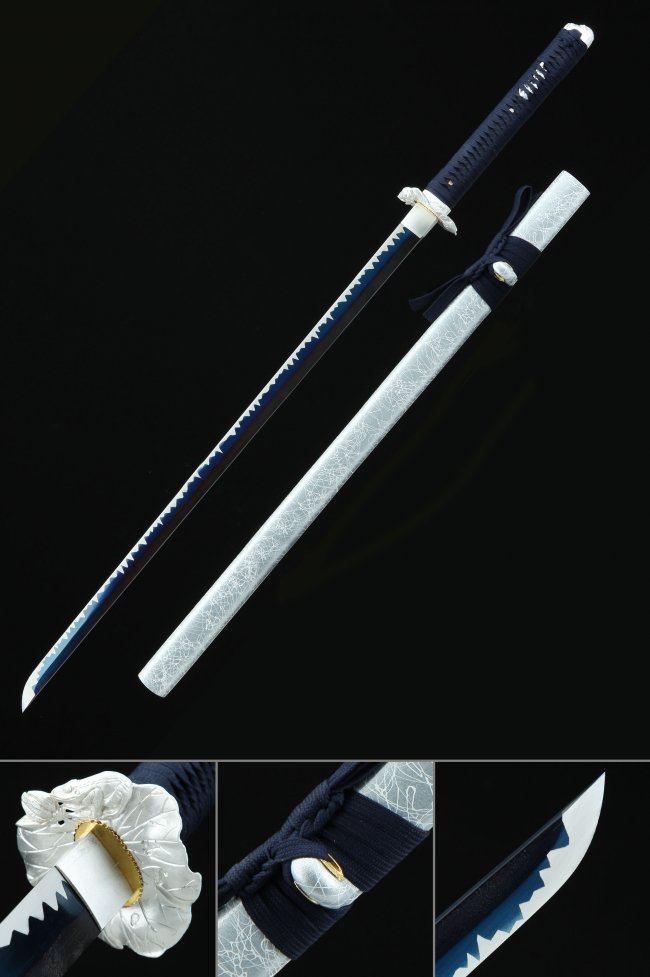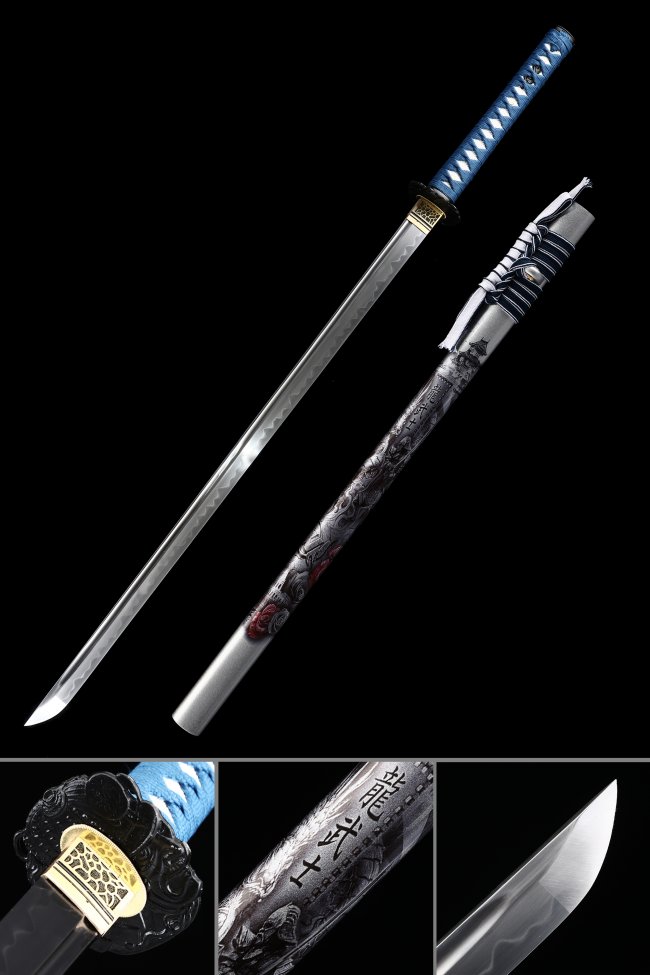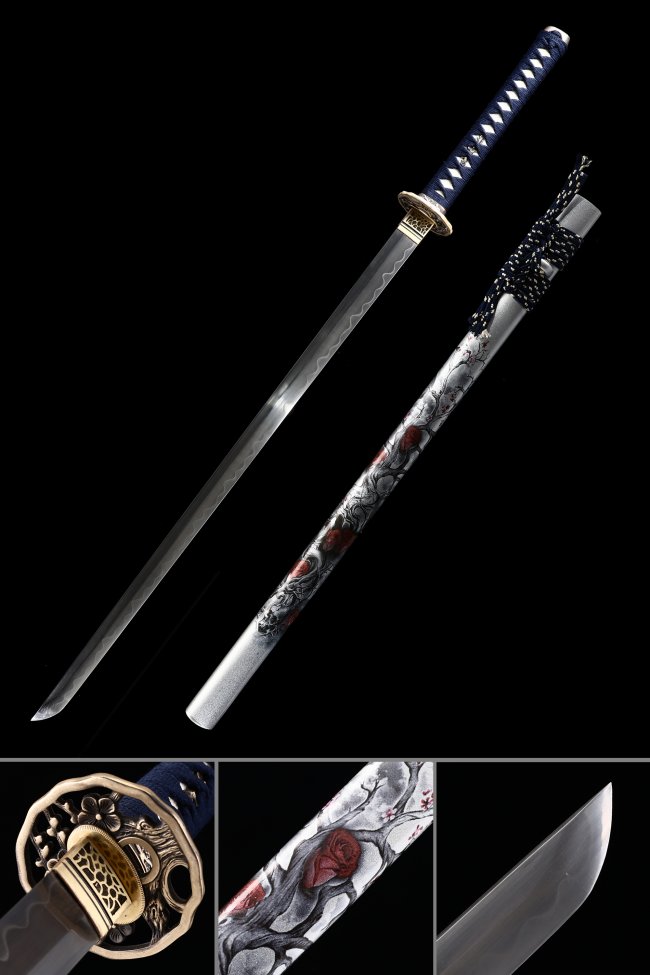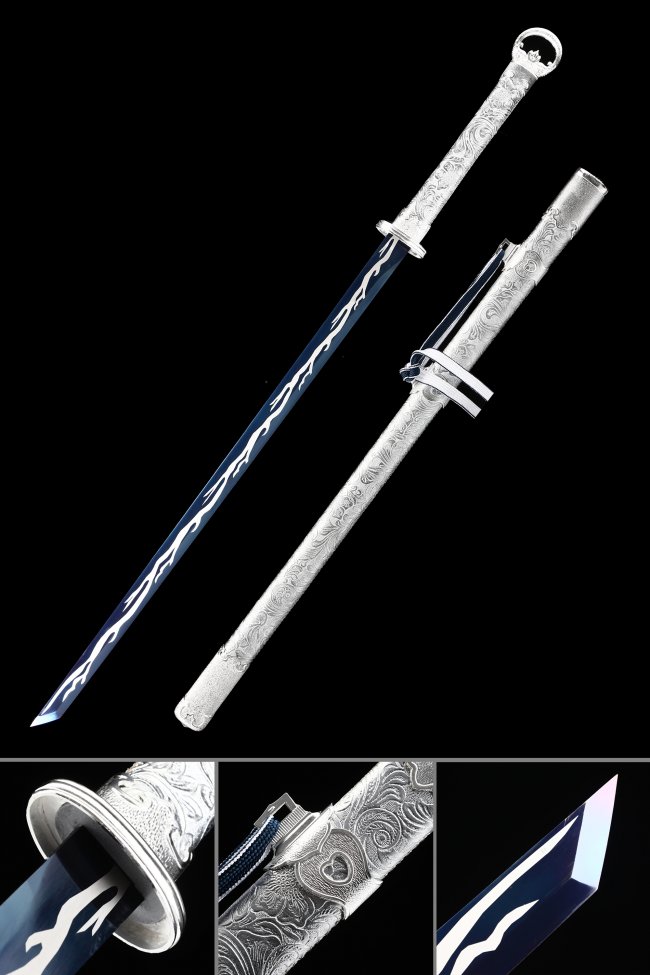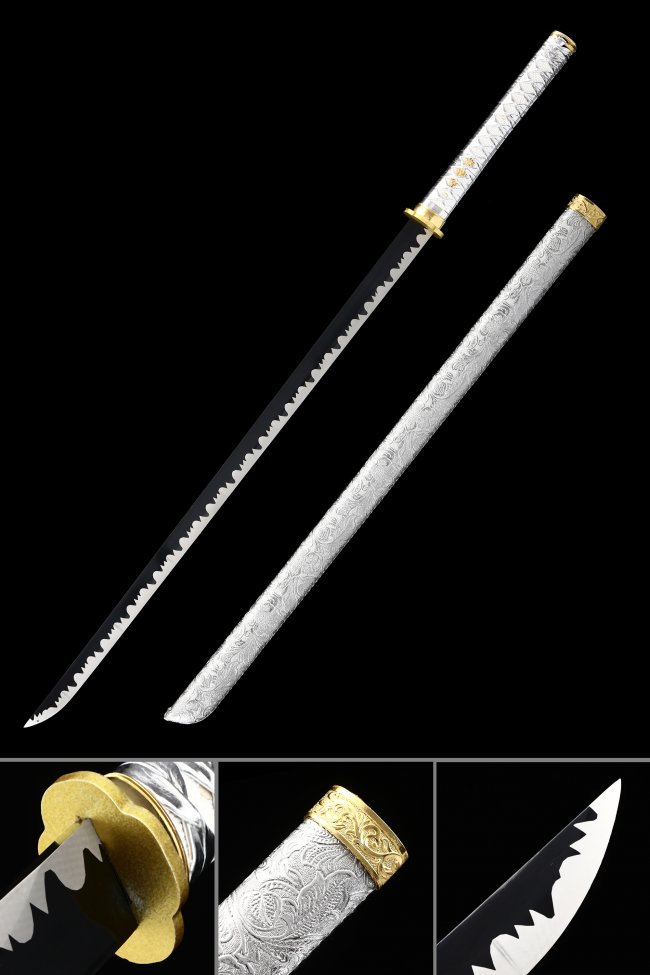
Silver Ninjato

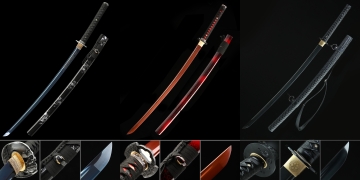
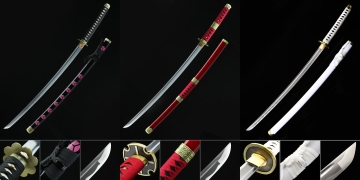
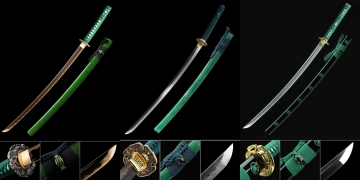
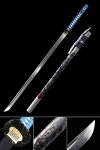
Explore our Silver Ninjato collection — straight-bladed Japanese swords finished in refined silver tones, crafted for collectors who appreciate the distinct silhouette of the shinobi tradition. Each piece features full-tang construction, hand-finished fittings, and striking silver-accented scabbards designed for elegant display. All orders ship with free shipping and hassle-free returns.

Showing 5 Products

Related Collections

Black Tanto61 items


367 Reviews

Black Katana407 items


2456 Reviews

Red Tanto16 items


23 Reviews

Silver Katana9 items


22 Reviews

Frequently Asked Questions

What makes a ninjato different from a katana?
The most immediate difference is blade geometry. A katana features a curved, single-edged blade typically ranging from 60 to 73 cm, engineered for drawing cuts that take advantage of the arc. A ninjato uses a straight or very slightly curved blade, usually shorter, which gives it a completely different visual profile on a display mount. Historically, the straight blade is linked to the shinobi tradition rather than the samurai class, so it carries a distinct cultural narrative. Construction also tends to differ: ninjato fittings are generally more utilitarian in design, with square tsuba being a common hallmark, whereas katana tsuba come in elaborate round or lobed shapes. For collectors, owning both types provides an informative side-by-side comparison of two divergent Japanese sword-making philosophies.
Why is high manganese steel used in these ninjato blades?
High manganese steel offers a practical balance of hardness and affordability that suits collectible-grade swords well. Its carbon content, typically between 0.60% and 0.90%, allows the blade to be heat-treated to a Rockwell hardness in the low-to-mid 50s, which is sufficient to maintain a stable edge profile and resist surface deformation during handling or display. Manganese as an alloying element also improves tensile strength and wear resistance compared to plain carbon steel at the same price tier. For collectors who want a full-tang blade that looks and feels substantial without stepping up to folded tamahagane or T10 tool steel, high manganese is one of the most reliable options on the market.
How should I maintain a silver-finished ninjato on display?
Silver-toned fittings and saya lacquer benefit from light, consistent care. Wipe metal surfaces with a soft microfiber cloth every two to three weeks to prevent fingerprint oils from etching into the finish. For the blade itself, apply a thin coat of choji oil or food-grade mineral oil once a month using a flannel pad, then buff away any excess. Store or display the piece away from direct sunlight and humidity above 55%, as both accelerate tarnish on silver-finished alloys and can warp wooden scabbards over time. If the saya develops minor scuffs, a dab of Renaissance wax restores the sheen without stripping the underlying lacquer layer.
Is a silver saya ninjato suitable as a collector's gift?
Absolutely. A silver-toned ninjato makes a striking presentation piece because its aesthetic is accessible even to recipients who are not deep into Japanese sword collecting. The silver finish reads as refined and modern, so it complements contemporary interiors as easily as traditional ones. Practically speaking, ninjato are compact enough to mount on a standard horizontal sword stand or hang vertically in limited wall space, which removes a common barrier for gift recipients who may not have a dedicated display area. If you are shopping specifically for silver saya options across multiple blade types, the Silver Saya Ninjato selection narrows the focus to matching scabbard finishes.
Can I display a ninjato alongside curved Japanese swords?
Mixed-blade displays are one of the most visually engaging ways to present a Japanese sword collection. Placing a straight ninjato next to a curved katana or wakizashi immediately highlights the design philosophy behind each form and gives viewers an intuitive sense of how blade geometry varied across different martial traditions. To keep proportions balanced, mount the ninjato at the same height as a similarly sized companion piece and use matching or complementary stand materials. Many collectors arrange by theme — grouping all silver-accented pieces together, for example — rather than strictly by blade type, which lets a silver ninjato anchor a cohesive metallic-toned wall arrangement alongside silver-scabbard katana or tanto.

Customer Reviews

Cart 0 Items

Your cart is empty