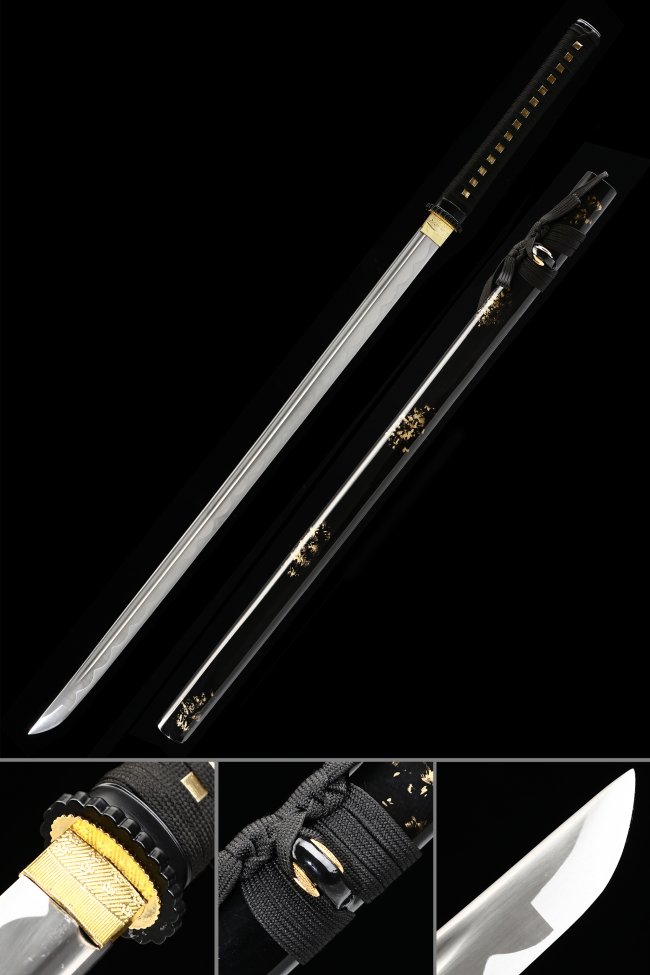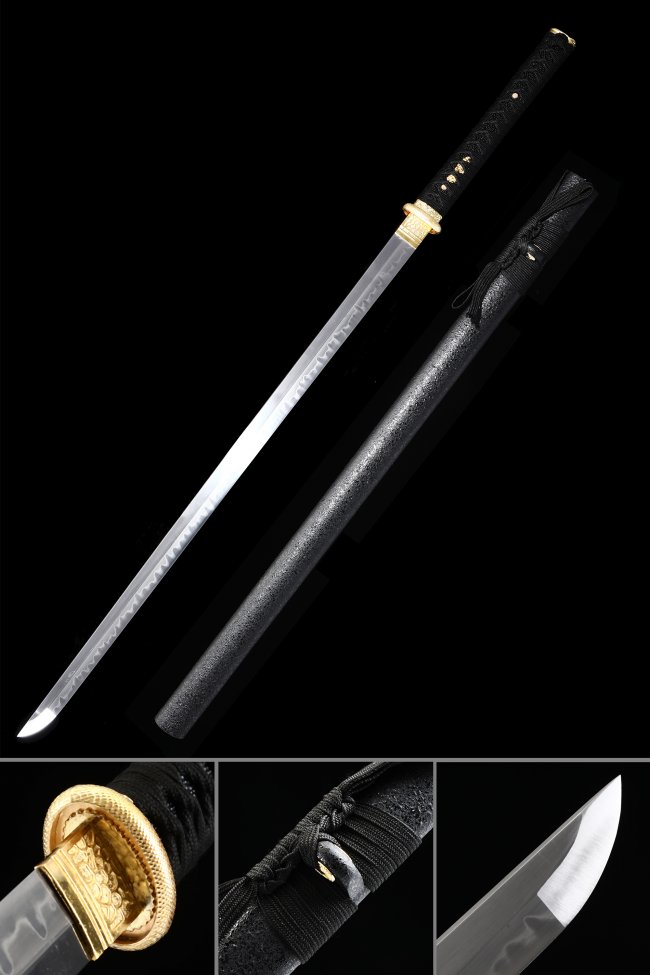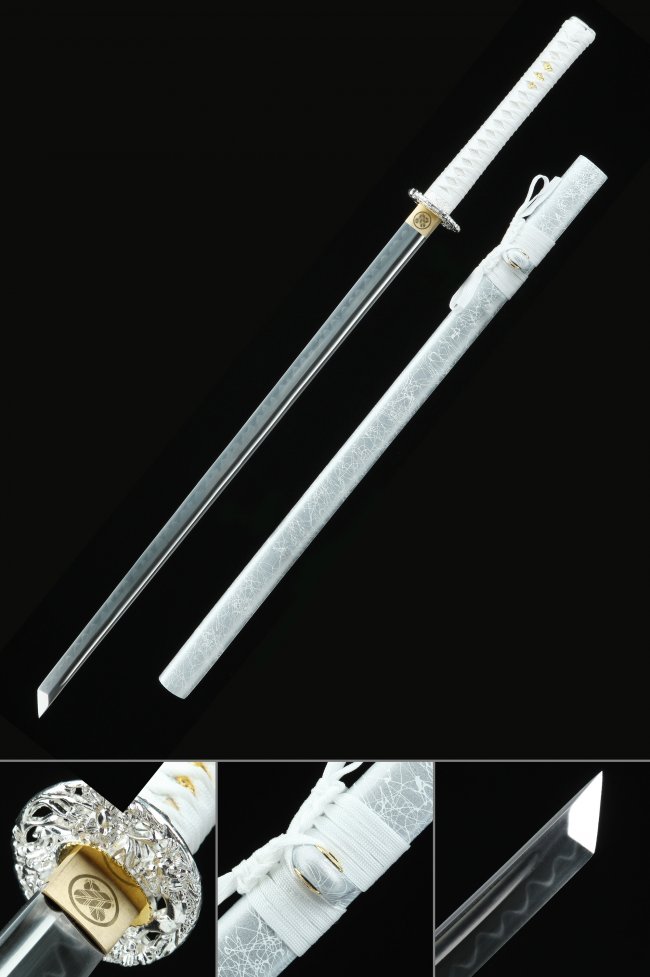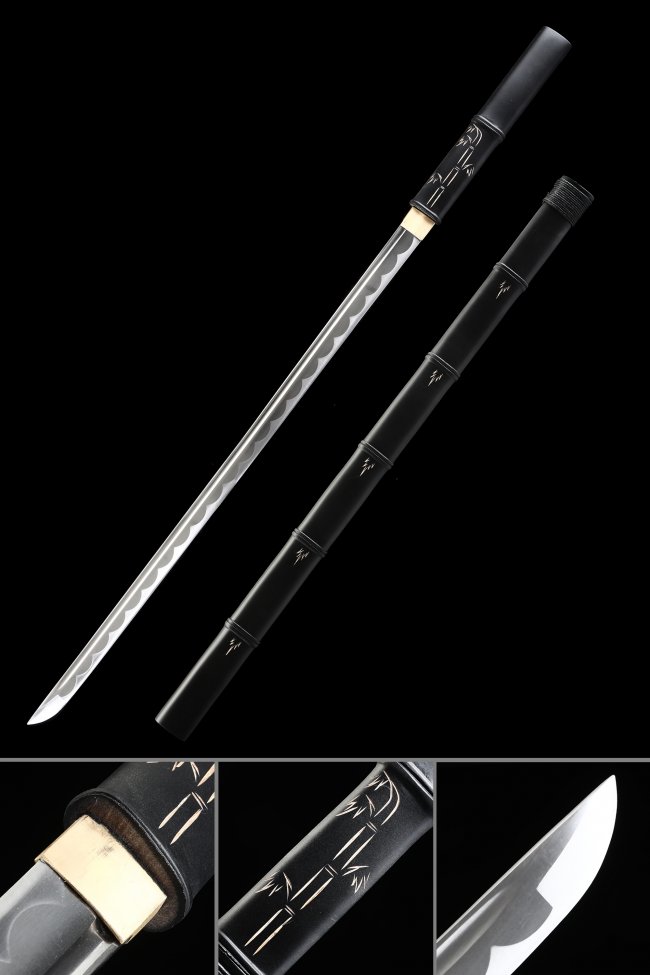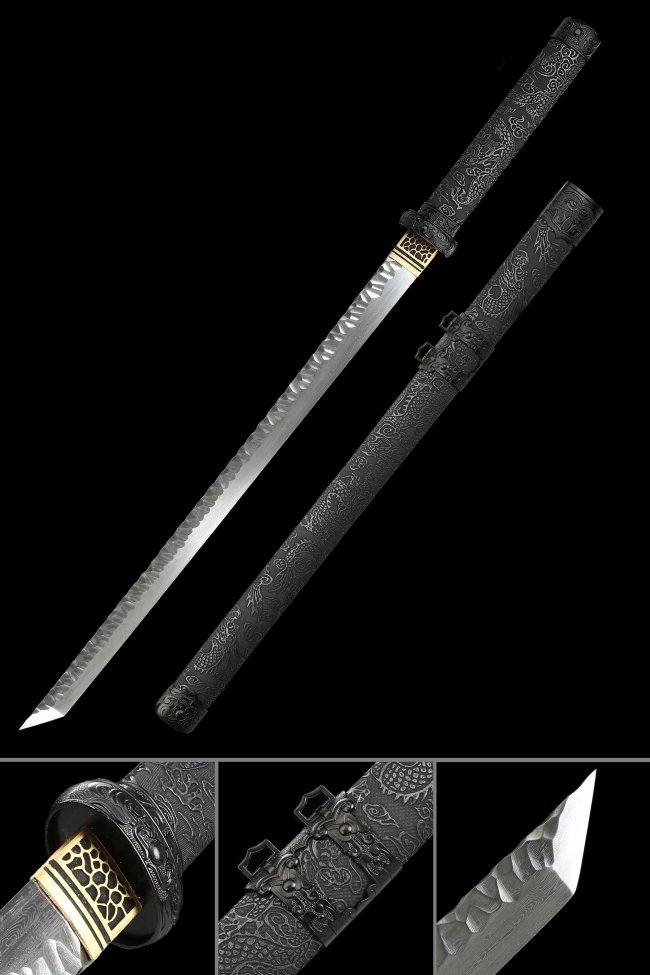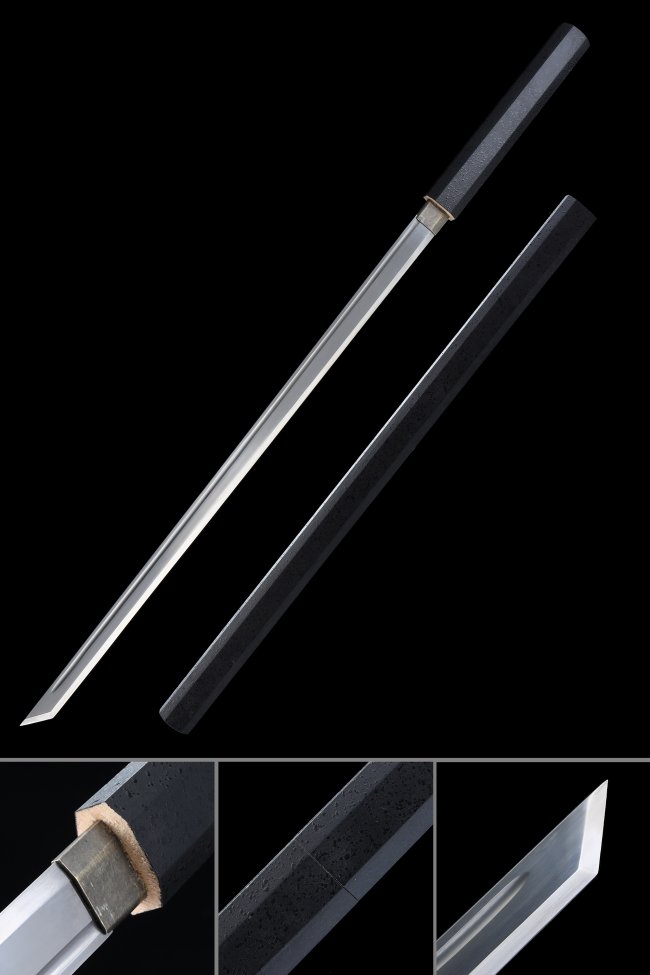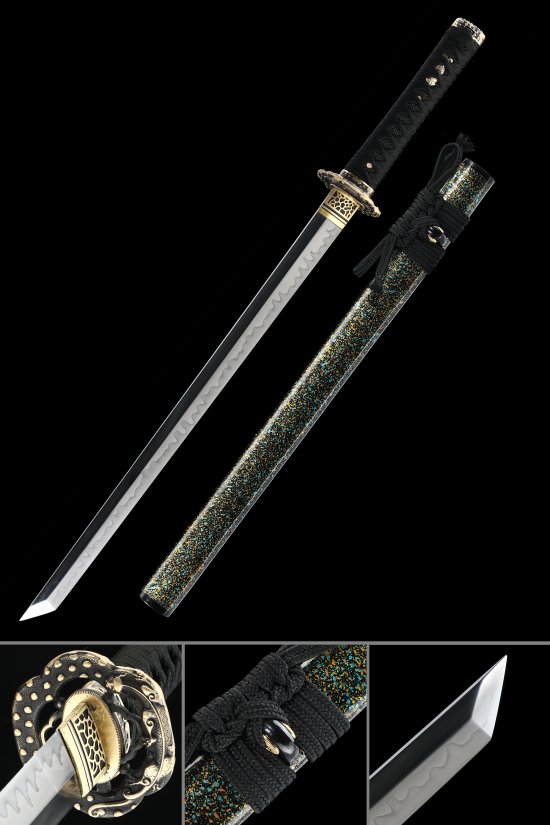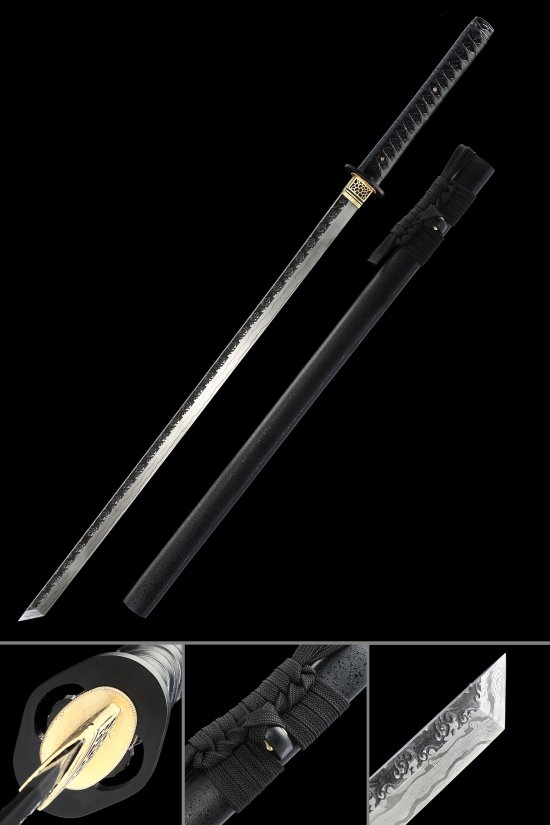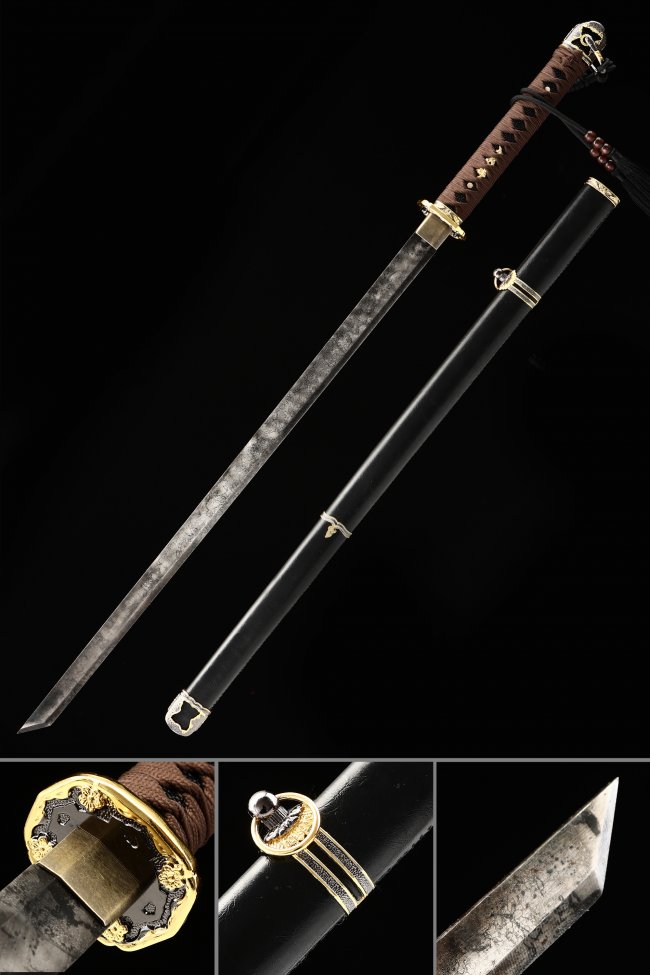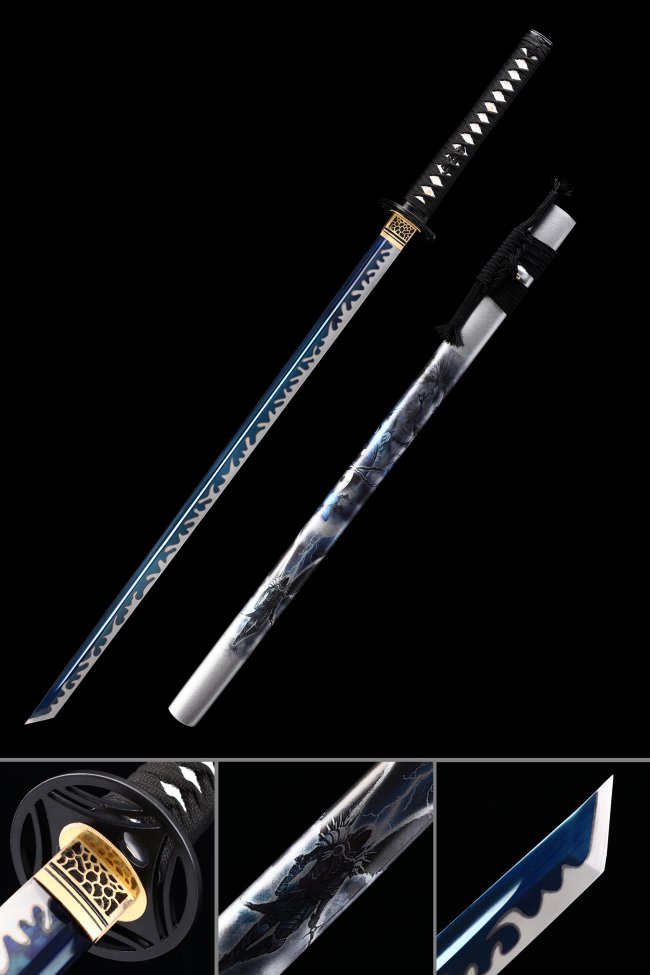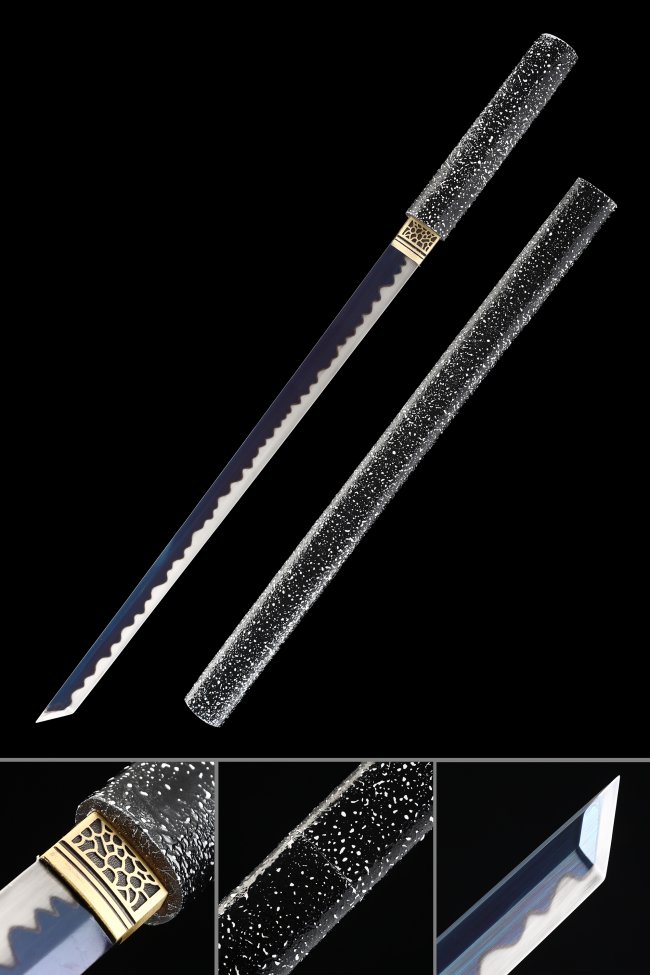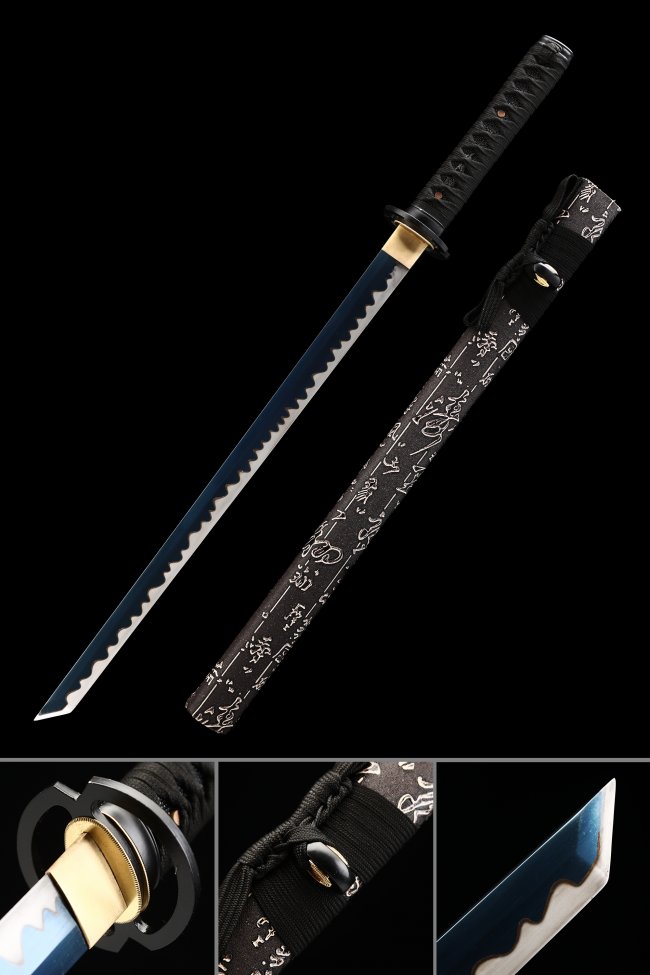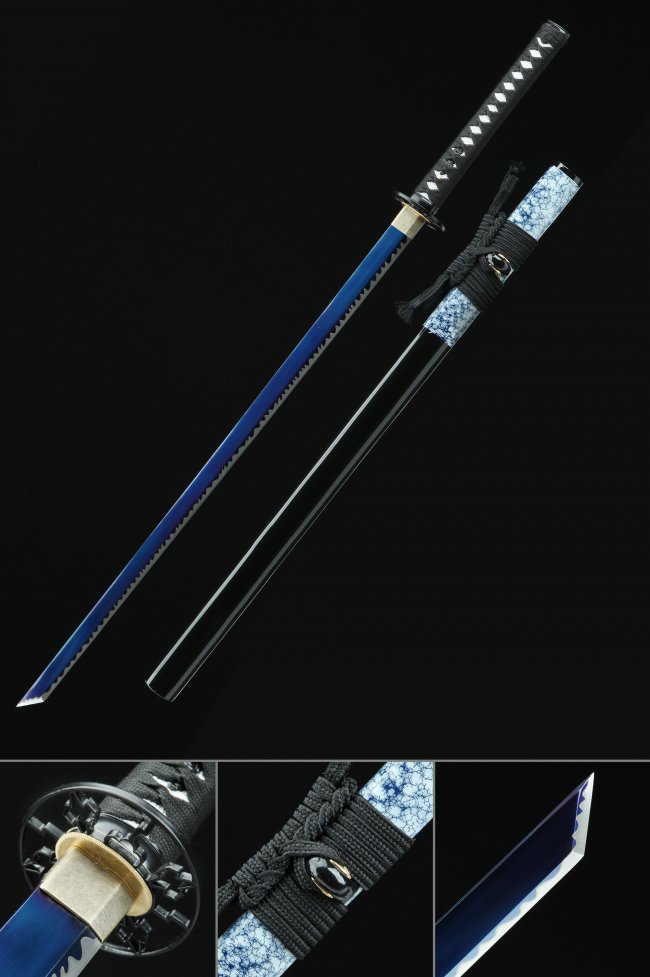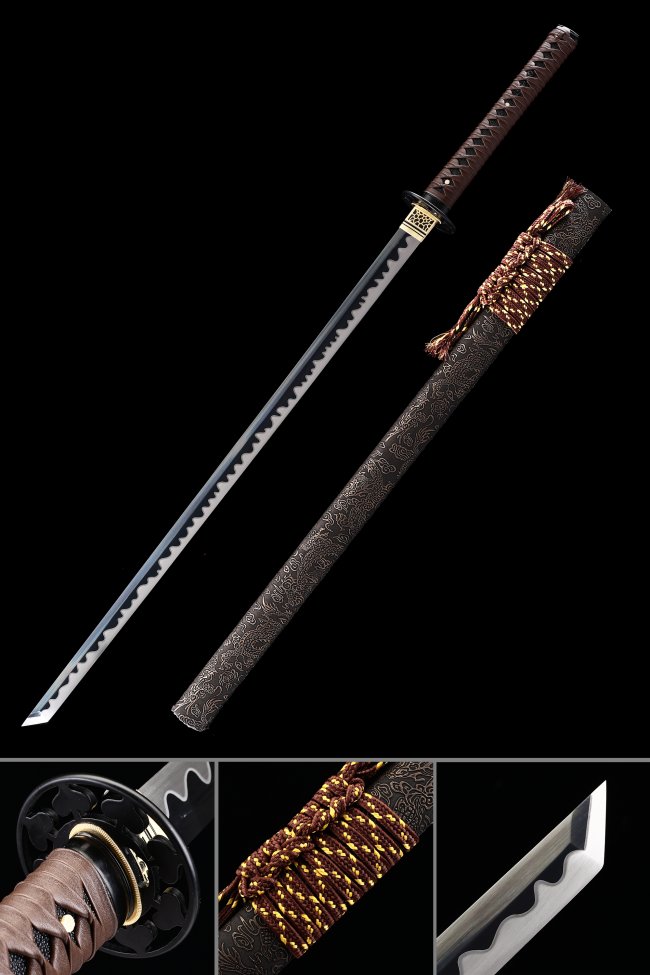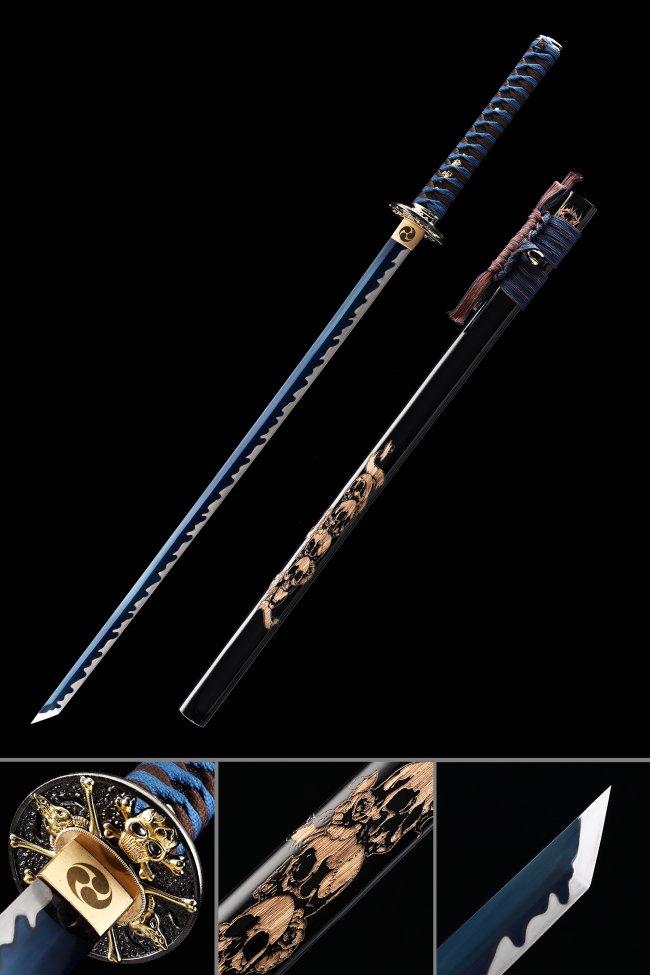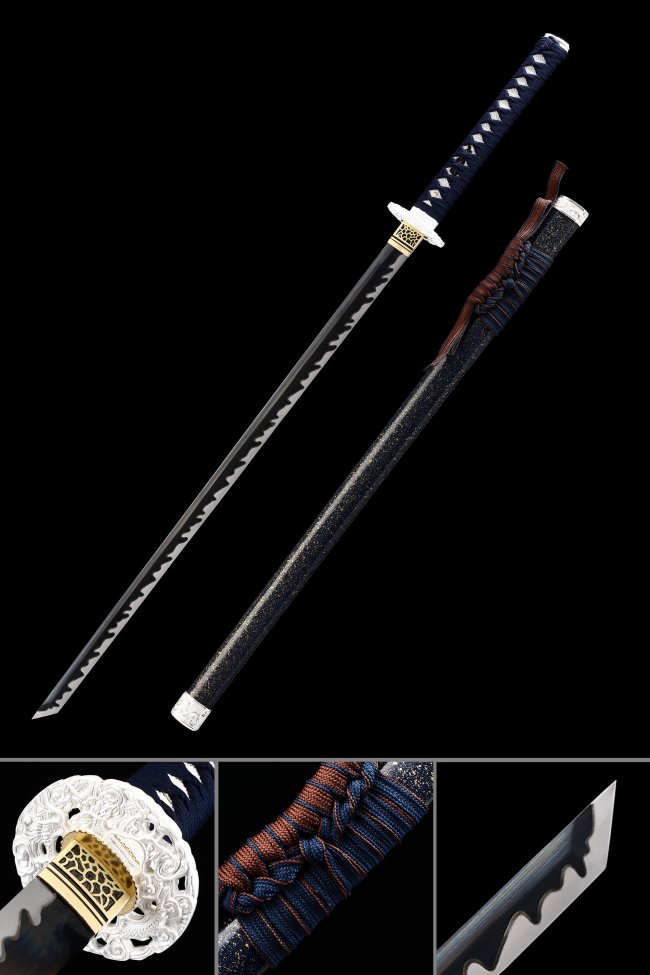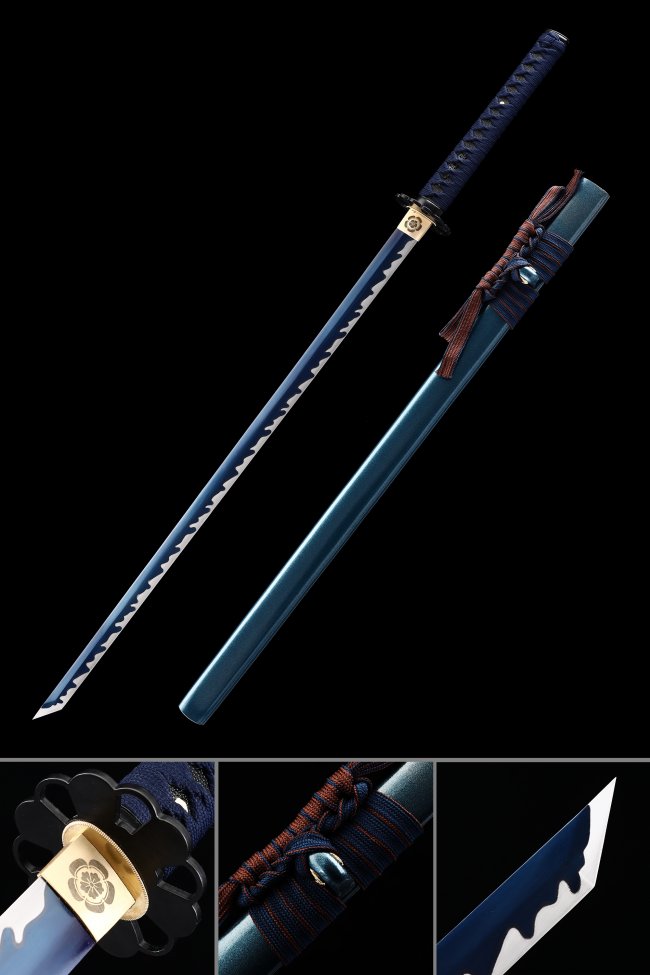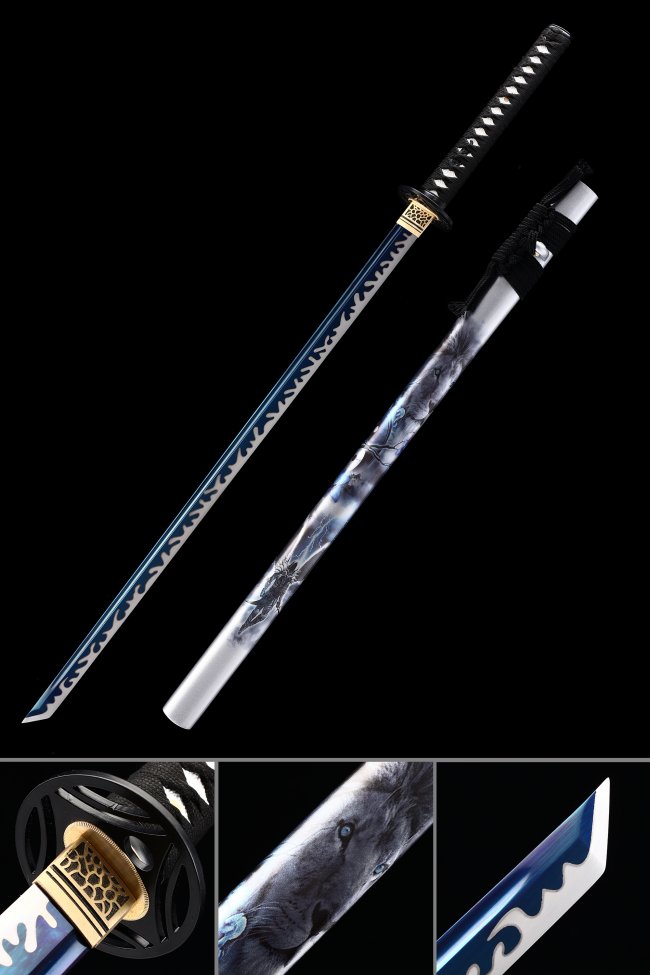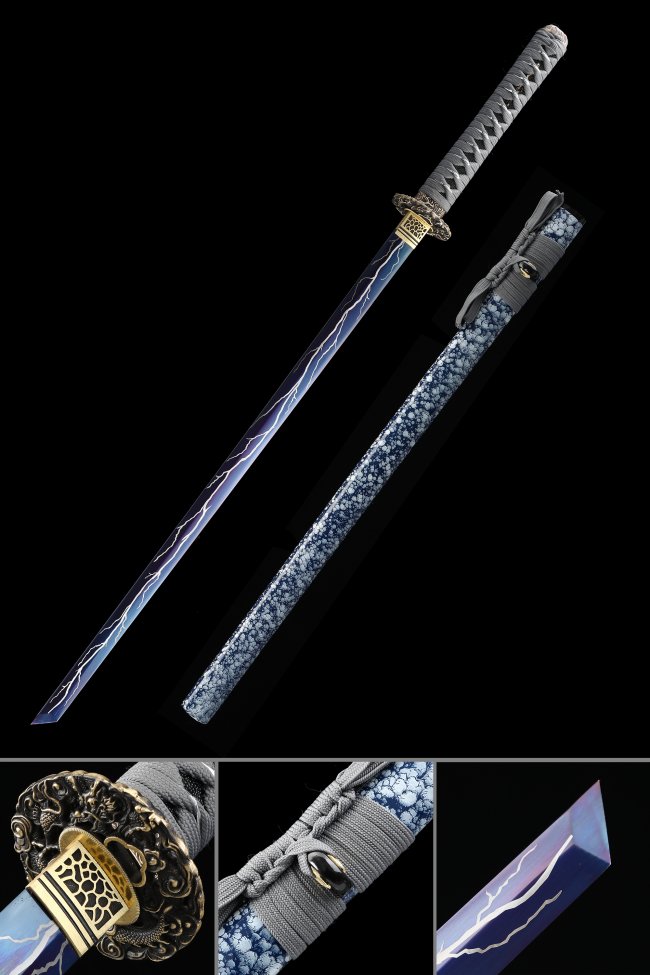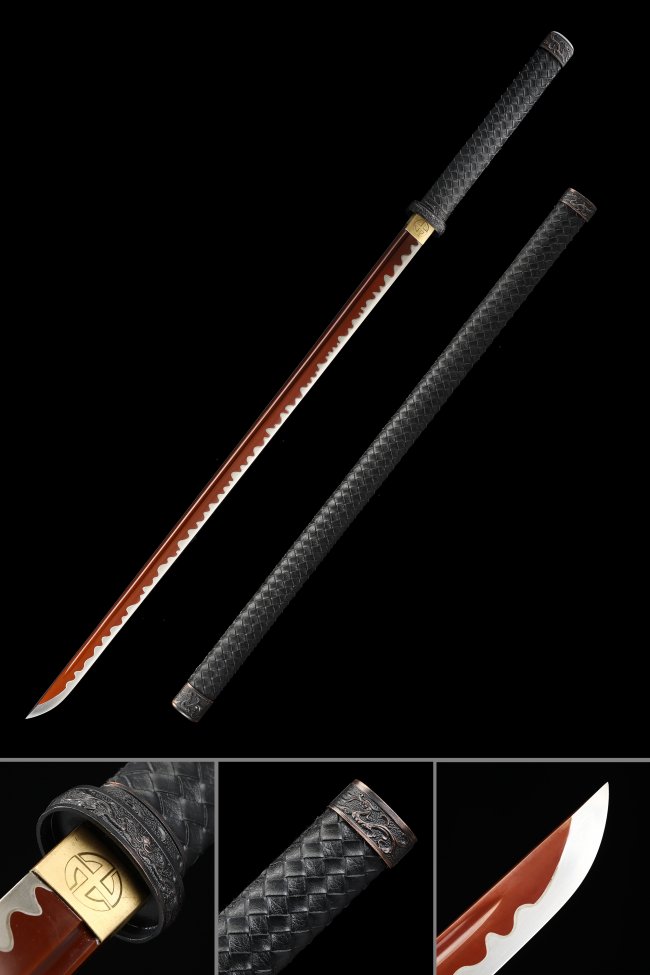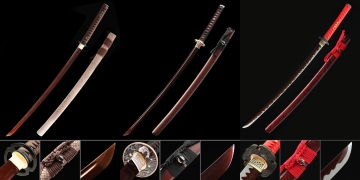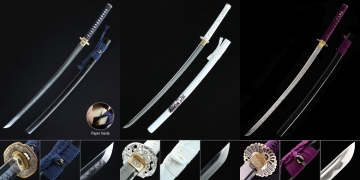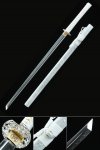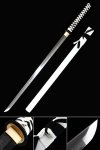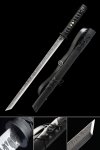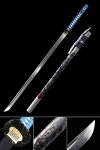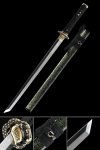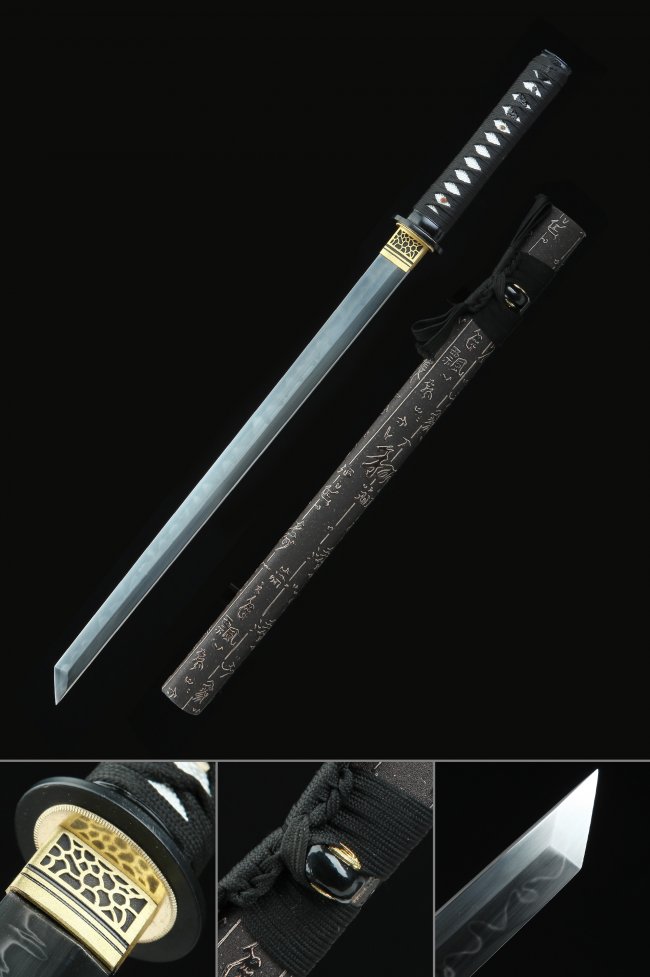
Clay Tempered Ninjato

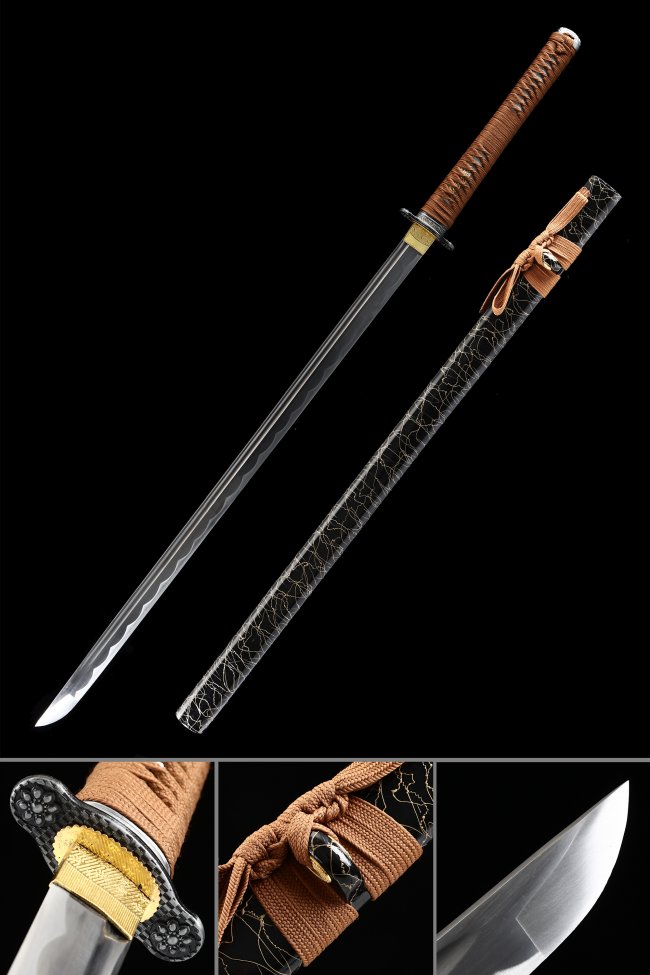
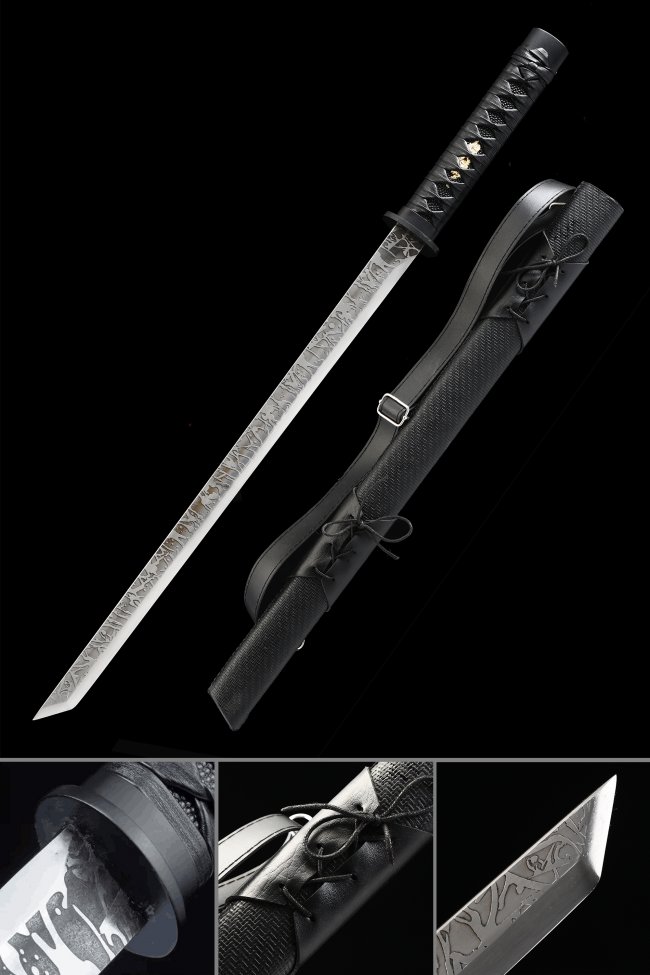
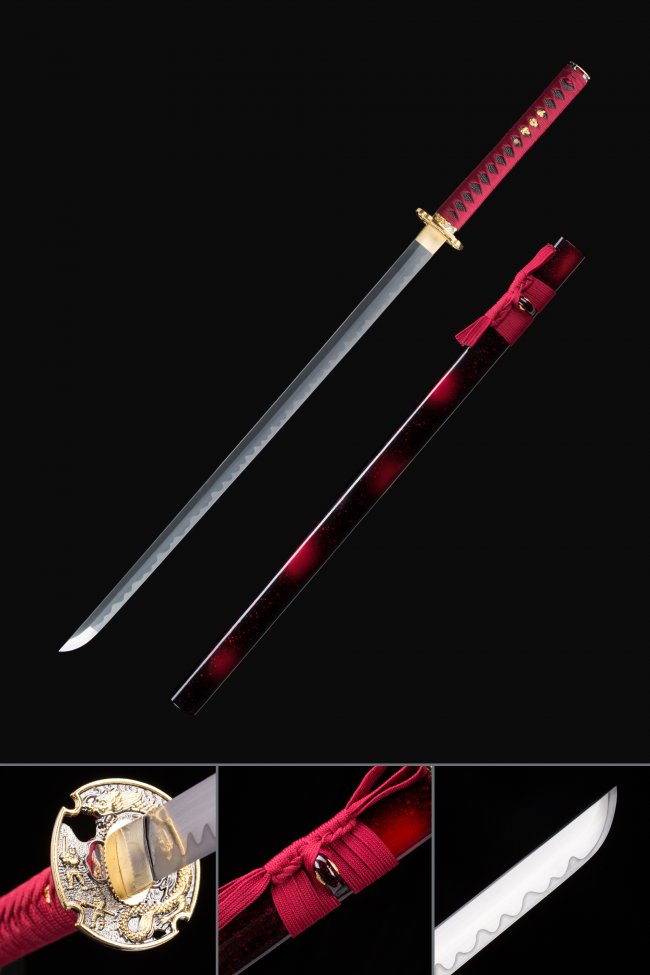
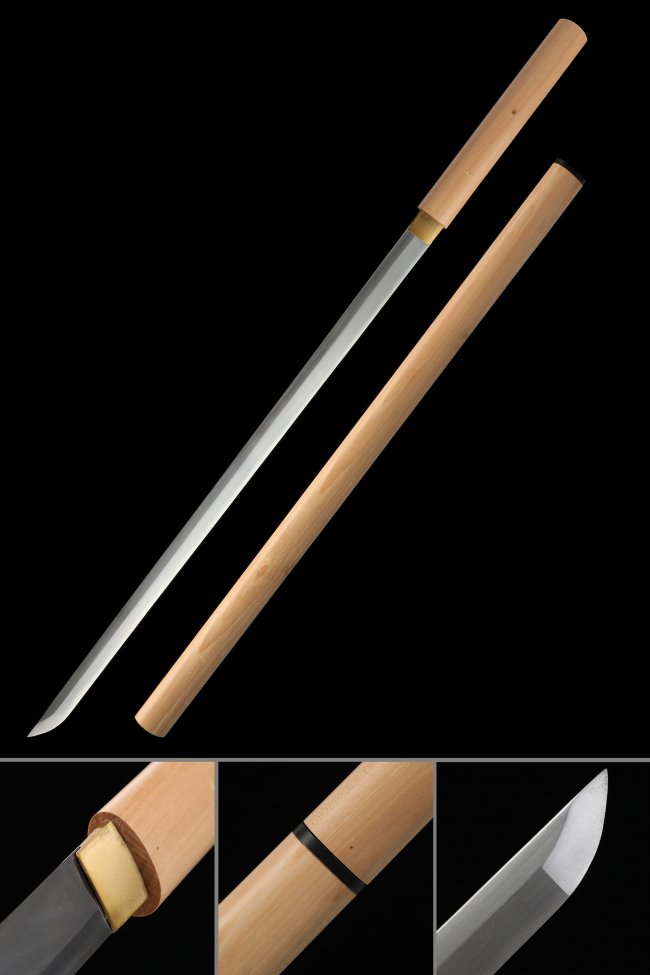
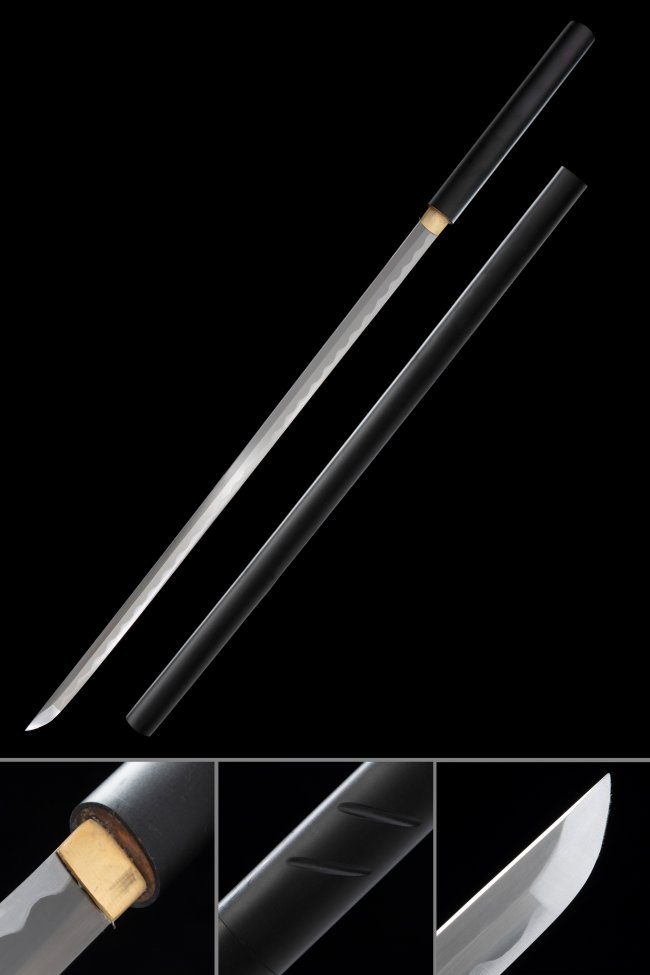
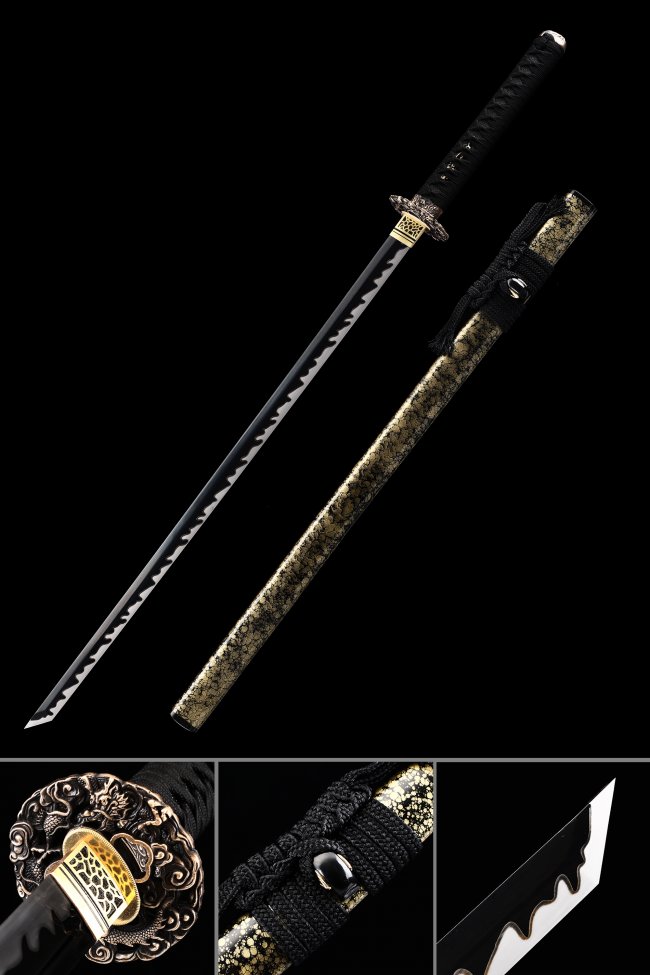
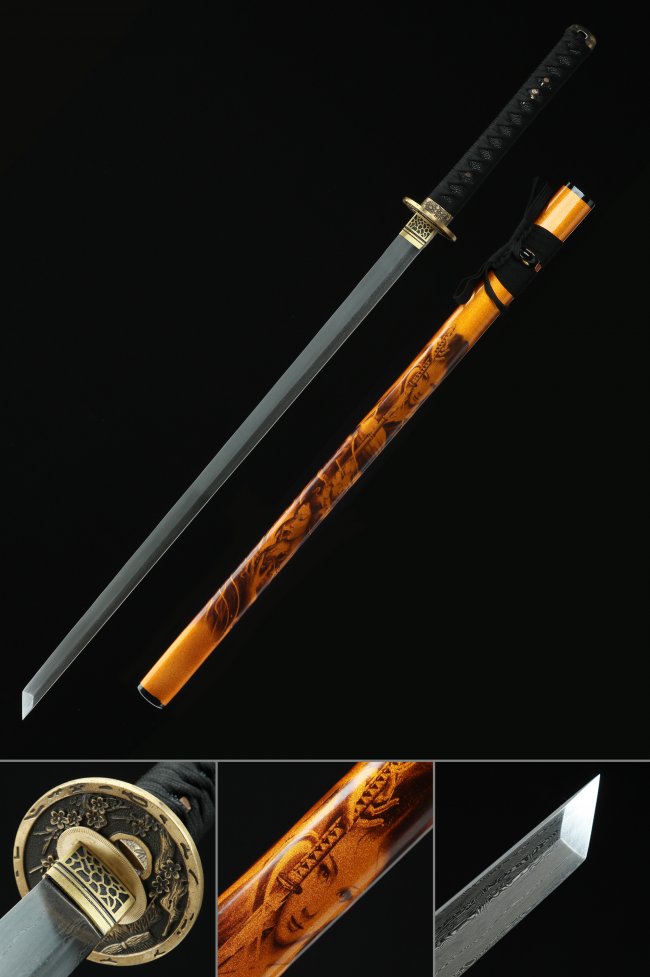
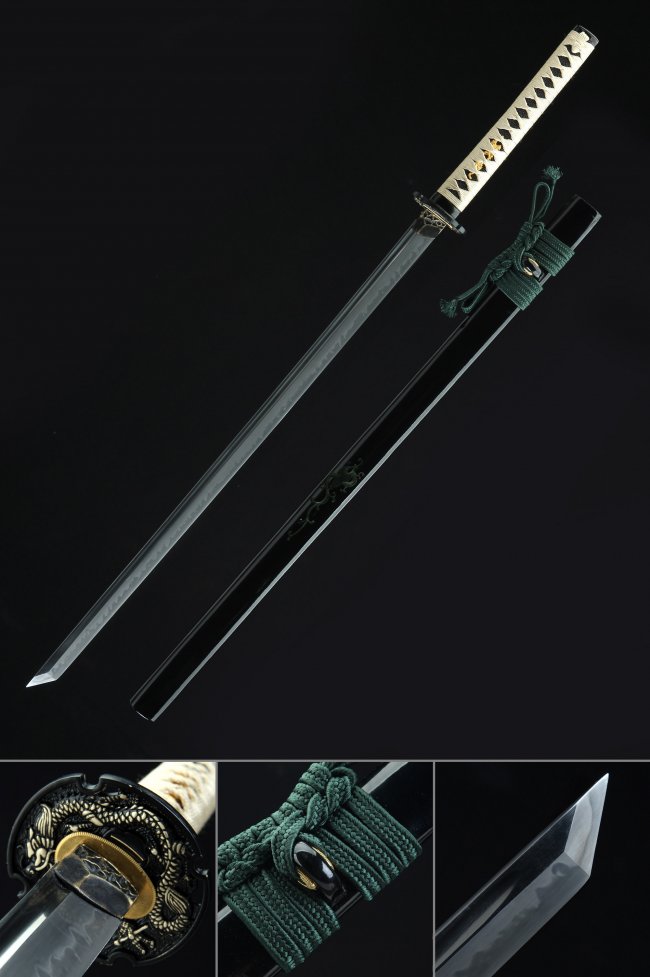
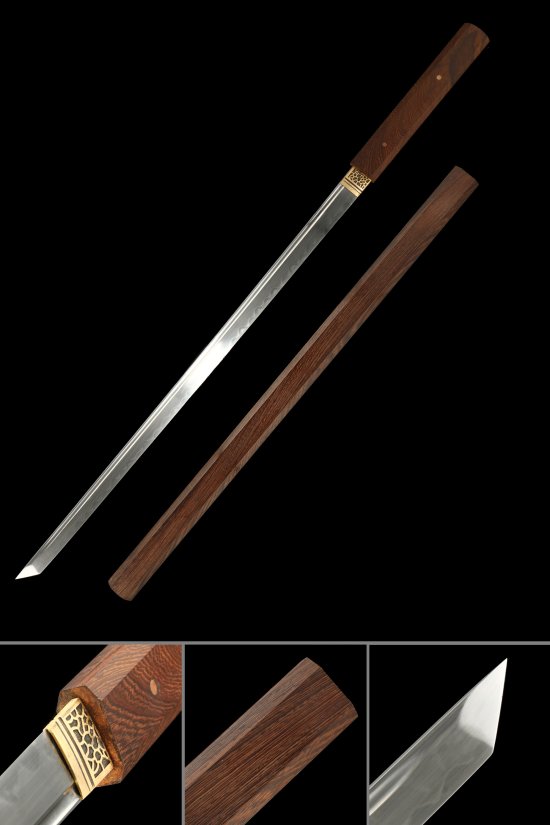
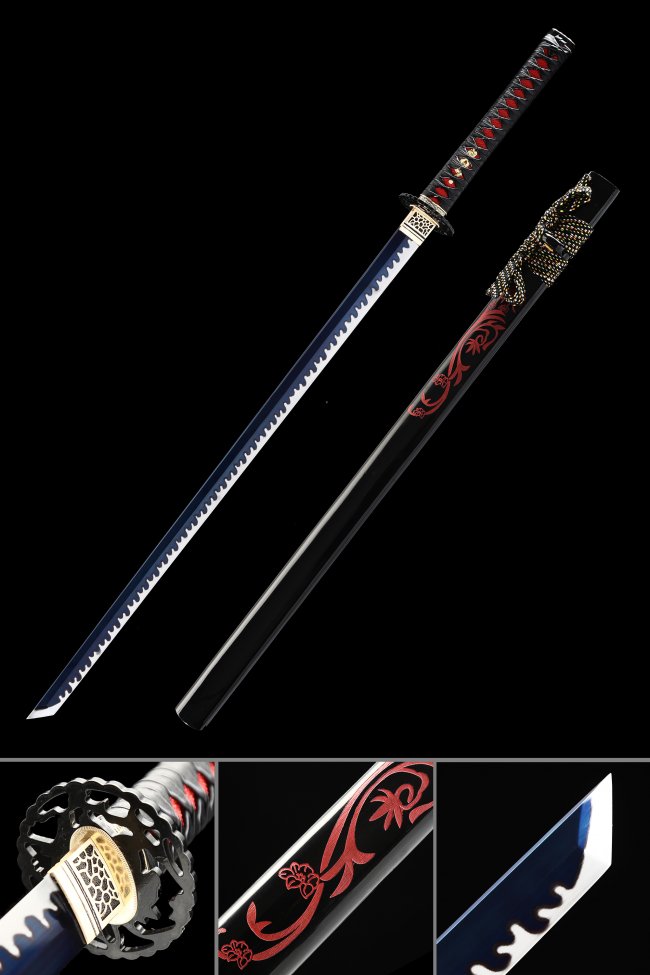
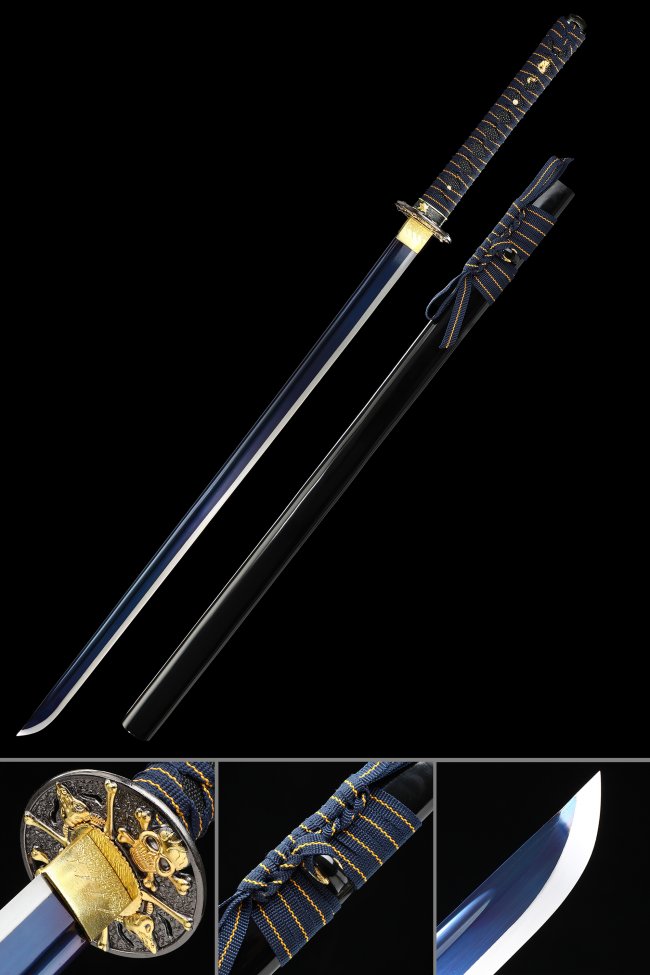
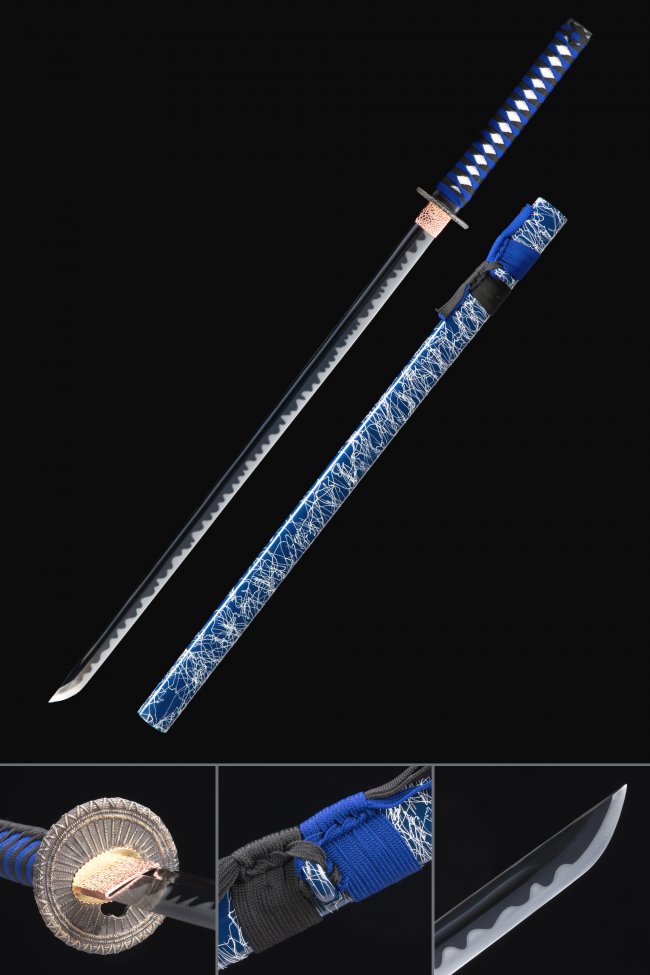
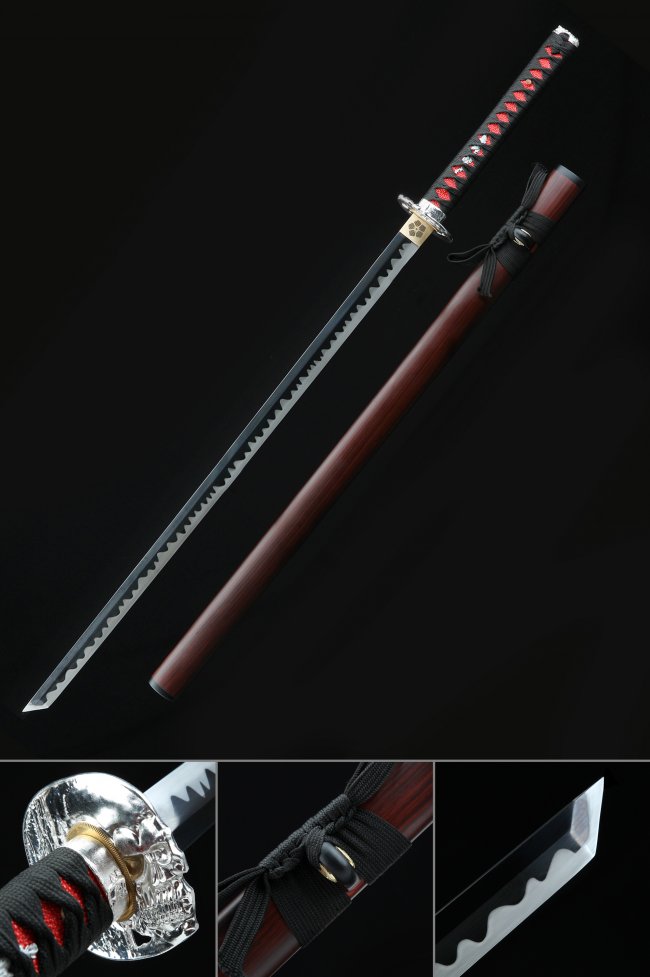
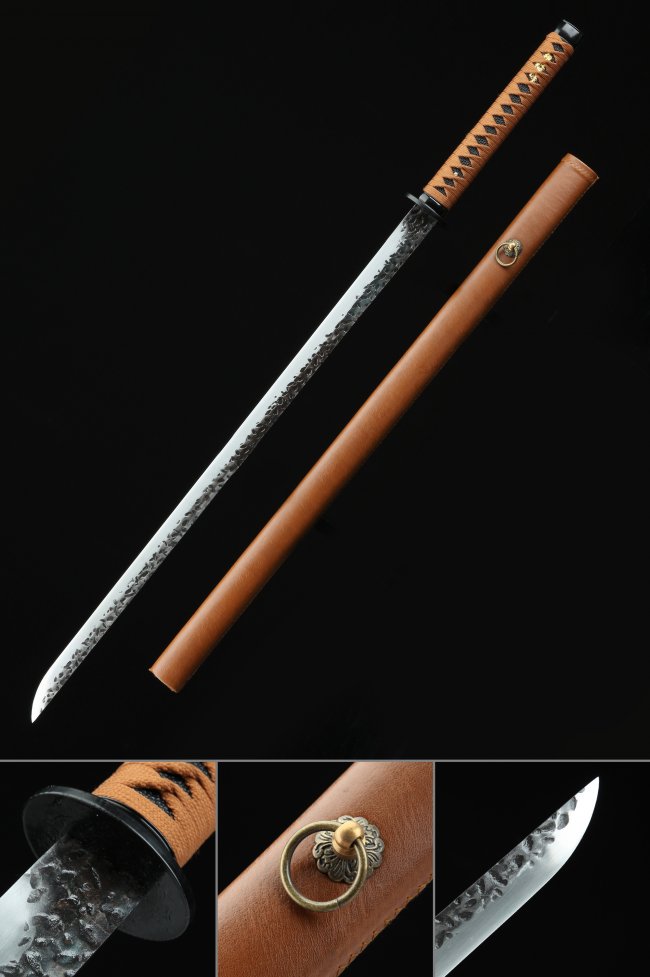
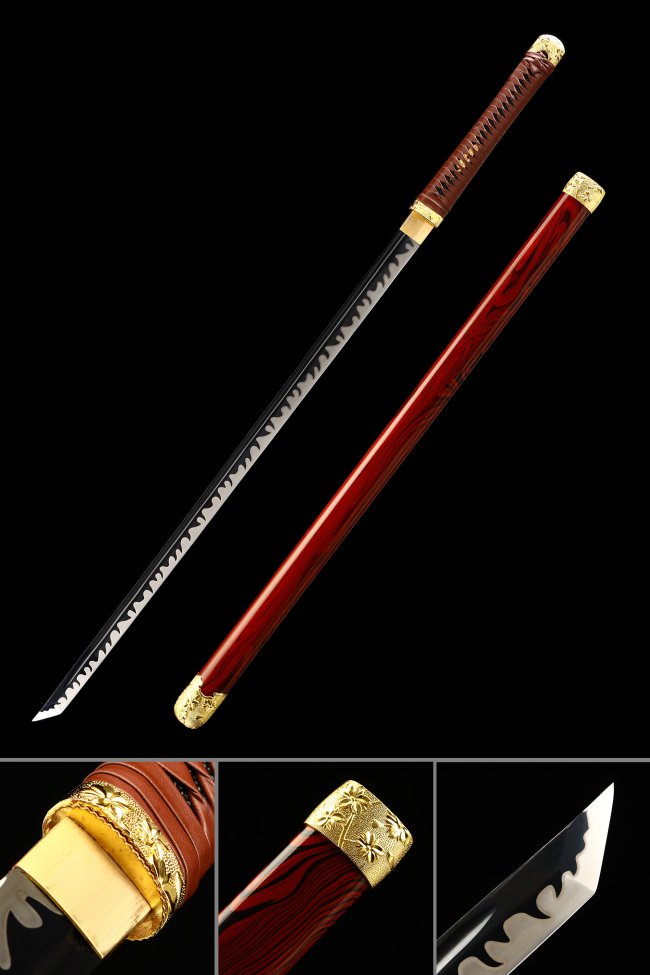
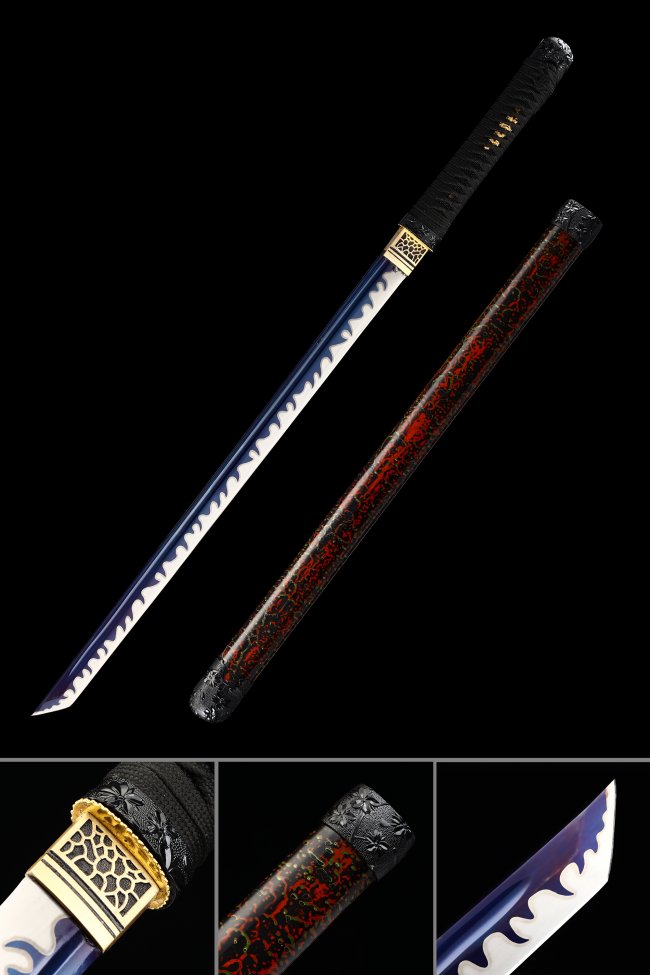
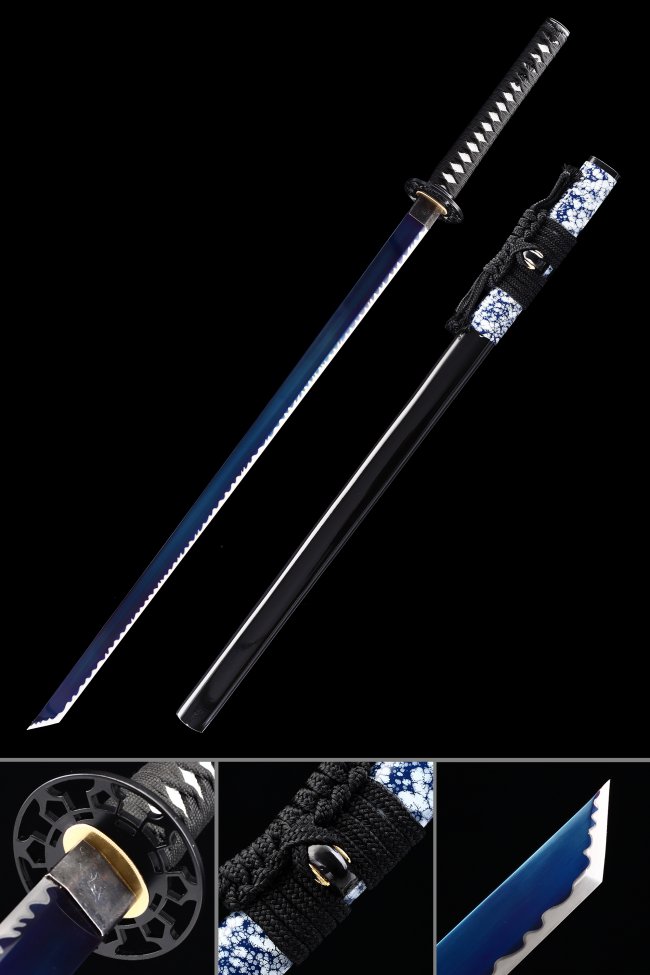
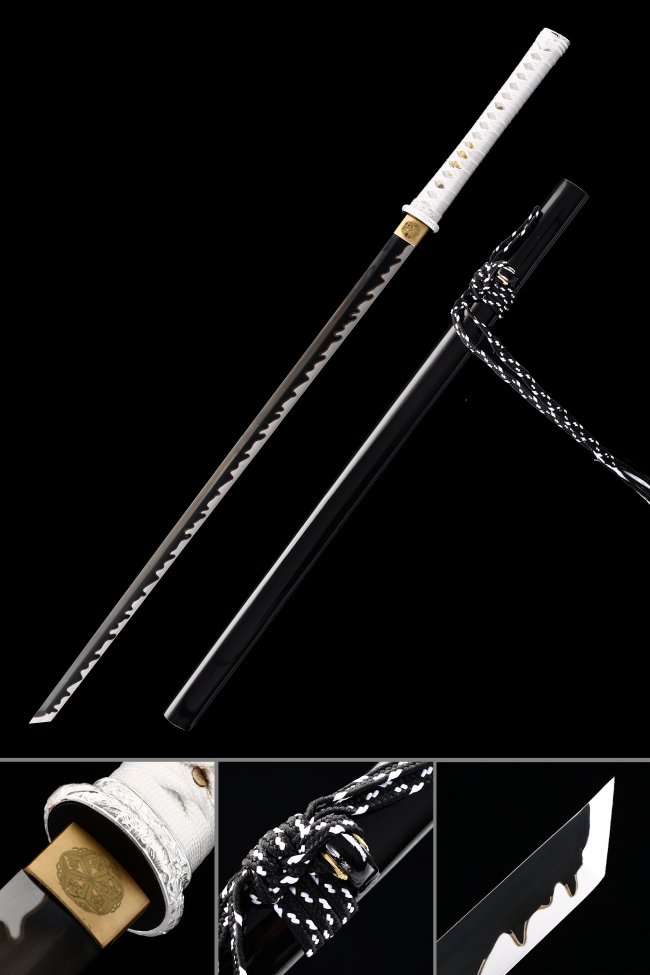
Explore our Clay Tempered Ninjato collection — straight-blade chokuto swords finished through traditional differential hardening to produce a distinctive hamon line along each blade. Crafted from high-carbon steels such as T10 and 1045, every piece features a hardened edge paired with a resilient spine for an authentic balance of rigidity and flexibility. Free shipping and free returns on every order.
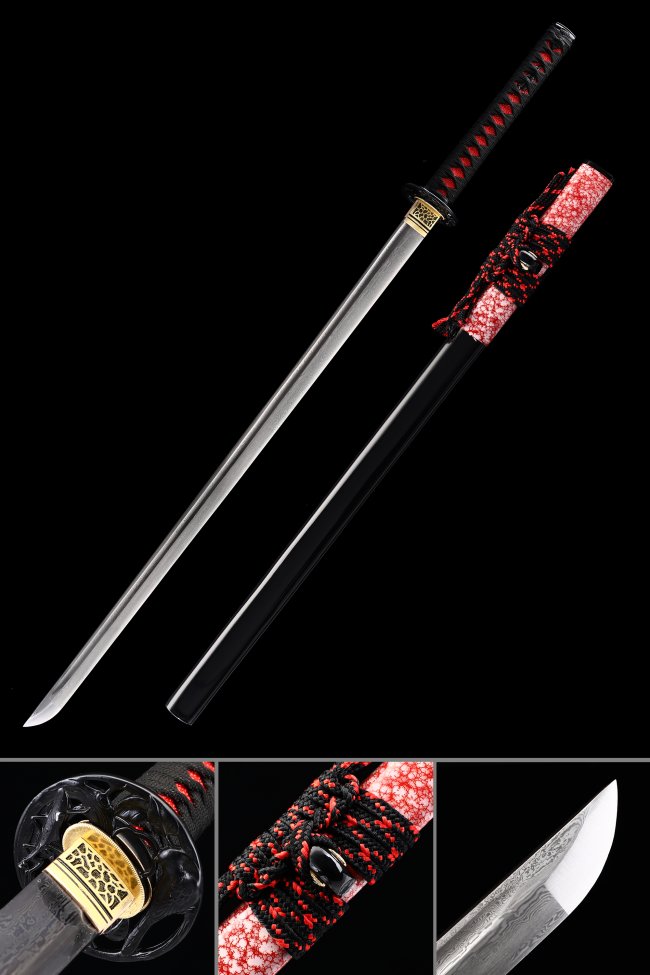
Showing 90 Products

Related Collections

Sharp Katana26 items


30 Reviews

Fixed Tanto109 items


475 Reviews

Cheap Katana96 items


2937 Reviews

handforged katana128 items


1193 Reviews

Frequently Asked Questions

What makes a clay tempered ninjato different from a standard ninjato?
The defining difference is the differential hardening process. A standard ninjato is typically through-hardened, meaning the entire blade reaches a uniform hardness after quenching. A clay tempered ninjato, by contrast, has an insulating layer of clay applied more thickly along the spine before the blade enters the quench. This causes the edge to cool rapidly into hard martensite while the spine cools slowly into softer, more flexible pearlite. The practical outcome is a blade with a harder cutting edge and a spine that can absorb shock without cracking. The aesthetic outcome is the hamon — a visible temper line along the blade that is unique to each individual sword, since the clay application and quench dynamics are never perfectly identical. This combination of structural duality and one-of-a-kind patterning is what elevates a clay tempered ninjato above a uniformly hardened counterpart in collector value.
Which steel is better for a collectible ninjato — T10 or 1045?
Both are excellent, but they serve slightly different collector priorities. T10 is a tungsten-alloyed tool steel with a carbon content around 0.9–1.0%. Its tungsten addition improves wear resistance and allows the steel to develop a bold, high-contrast hamon during clay tempering. After hand polishing, T10 blades tend to show a bright, mirror-like ji (flat) against a frosty white hamon — a look many advanced collectors prize. 1045 carbon steel sits at roughly 0.45% carbon and produces a softer, more subtle temper line. It is more forgiving during heat treatment, which means consistent results and solid structural integrity. For a first clay tempered piece, 1045 offers dependable quality at a friendlier price point, while T10 appeals to collectors chasing dramatic visual contrast and maximum edge hardness.
How should I care for a clay tempered ninjato on display?
Humidity is the primary enemy. Even stainless-adjacent high-carbon steels will develop surface oxidation if left unprotected. Apply a thin coat of choji oil — or food-grade mineral oil as a widely available substitute — along the entire blade every four to six weeks, or more frequently in coastal or tropical climates. Use a soft microfiber cloth or traditional nuguigami (wiping paper) to spread and then lightly buff the oil so it does not pool near the habaki collar. Avoid touching the blade with bare fingers; skin oils contain salts that etch carbon steel surprisingly fast. Store or display the sword in a room with stable humidity between 40–55%. If your display area lacks climate control, consider placing a small silica gel packet inside the saya to absorb excess moisture. Periodic inspection of the tsuka wrapping for looseness and the mekugi pins for snugness will keep the sword in showroom condition for years.
Why does the ninjato have a straight blade instead of a curved one?
The straight chokuto profile of the ninjato distinguishes it from the curved tachi and katana lineages. Historically, Japanese swords were straight before curved blades became dominant during the late Heian period, so the chokuto form actually predates the katana. The ninjato revives that older geometry in a context traditionally associated with shinobi culture: a shorter, straighter blade that fits into tighter spaces and offers a direct, linear draw from the saya. For collectors, the straight silhouette provides a striking visual counterpoint to curved swords in a display arrangement. It also showcases the hamon differently — because the flat runs in a continuous plane without curvature, the temper line reads as a single unbroken ribbon from habaki to kissaki, giving the eye an uninterrupted view of the clay tempering artistry.
Is a clay tempered ninjato a good gift for someone new to sword collecting?
It is one of the most rewarding introductory pieces you can give. A clay tempered ninjato combines several educational talking points in a single collectible: differential hardening, hamon appreciation, full-tang construction, and traditional Japanese fitting terminology like tsuba, tsuka, and saya. Because the blade is straight, it is also easier to store and display in compact living spaces compared to longer, curved swords. When selecting one as a gift, look for models with fully dressed koshirae — wrapped handles, an alloy guard, and a finished scabbard — so the recipient receives a complete, display-ready piece. Including a small bottle of choji oil and a microfiber cloth makes the gift even more thoughtful, as it introduces the new collector to the ritual of blade maintenance from day one.

Customer Reviews