Natural Tanto

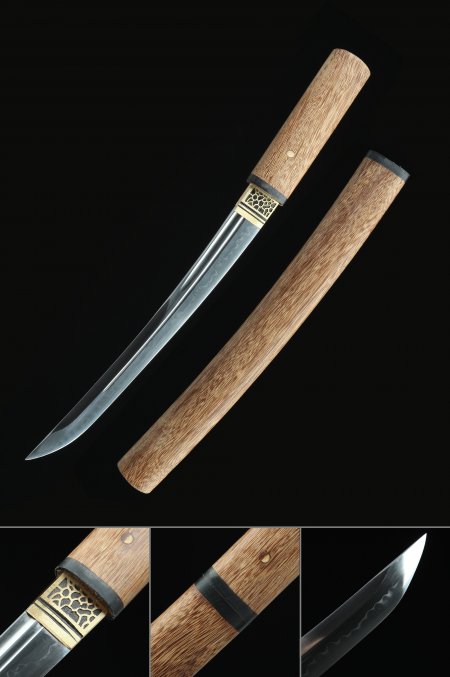
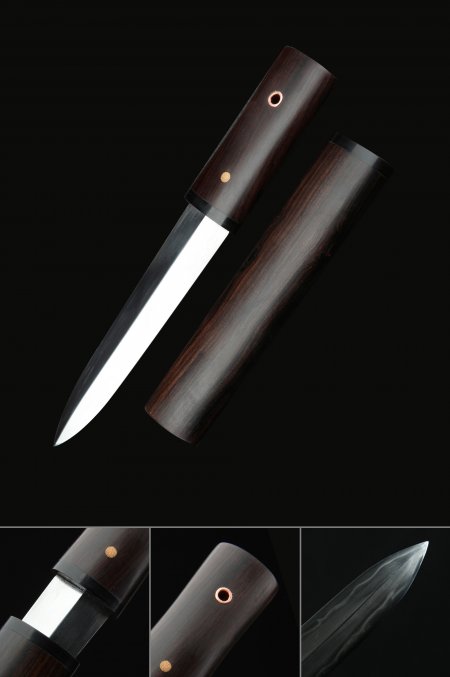
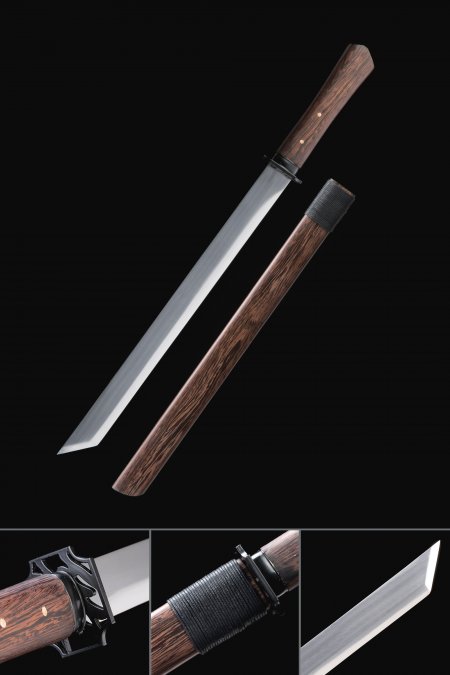
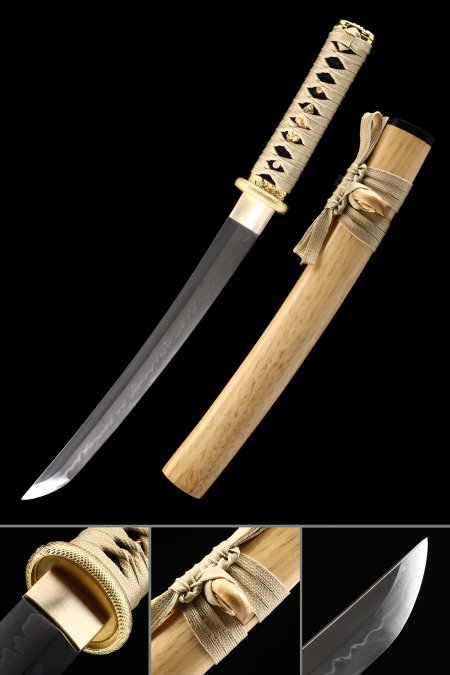
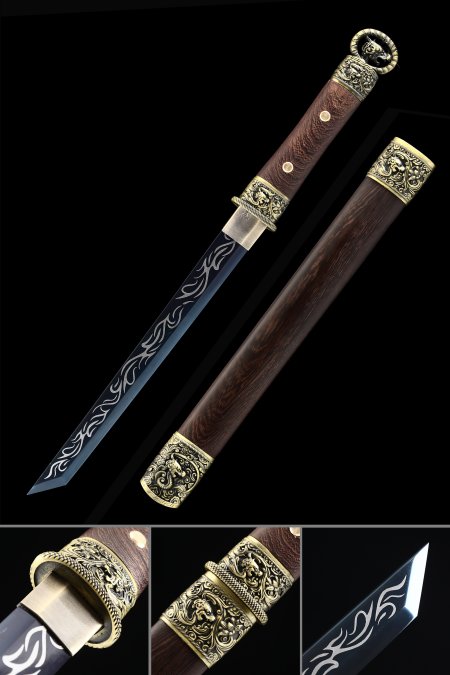
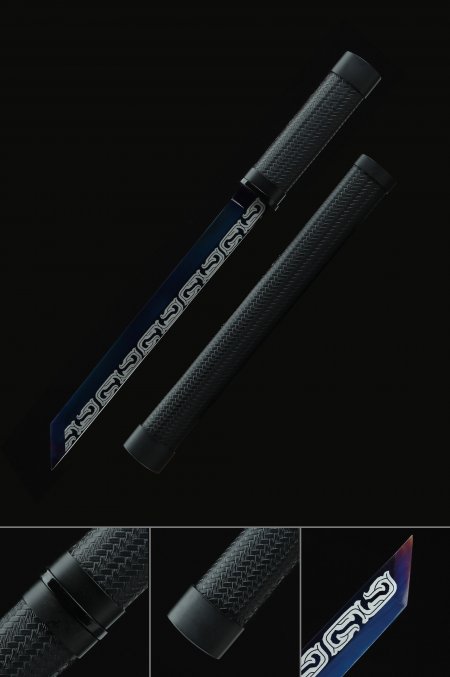
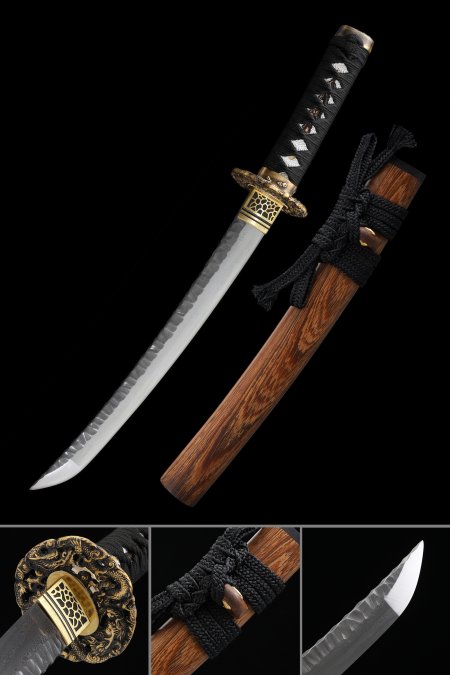
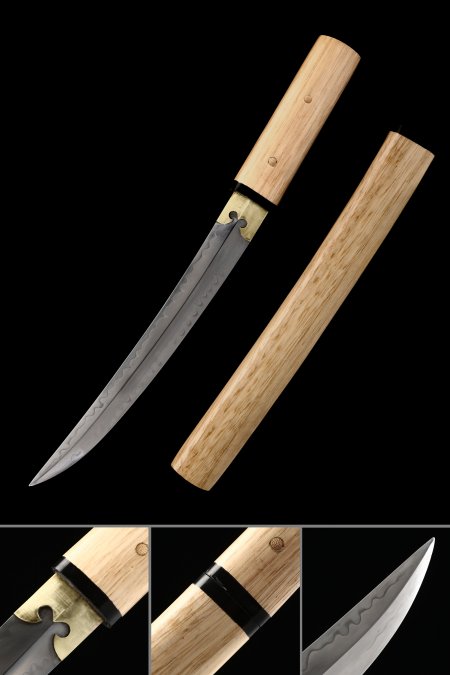
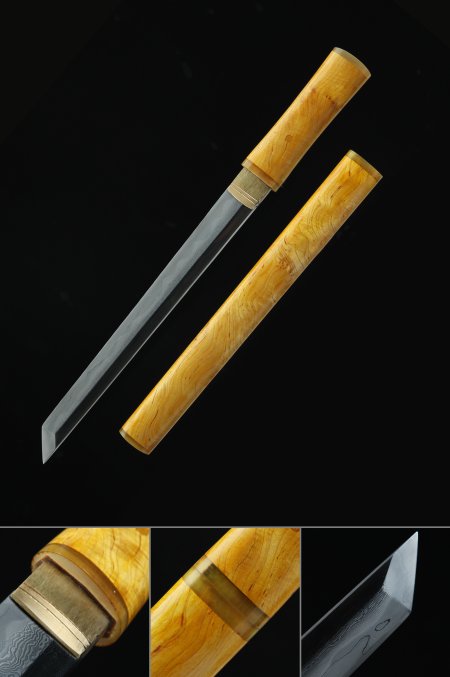
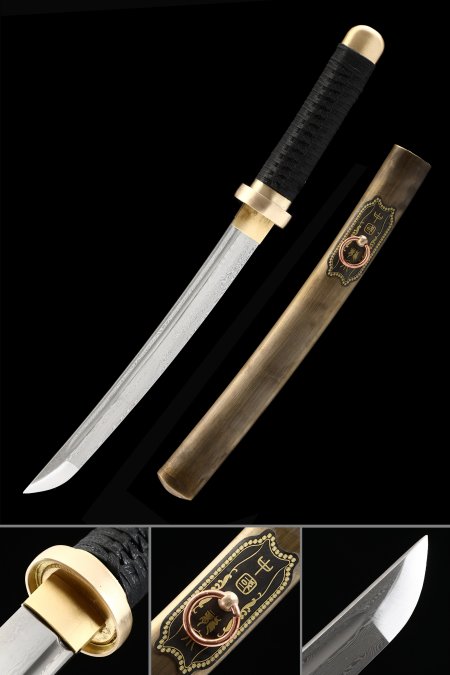
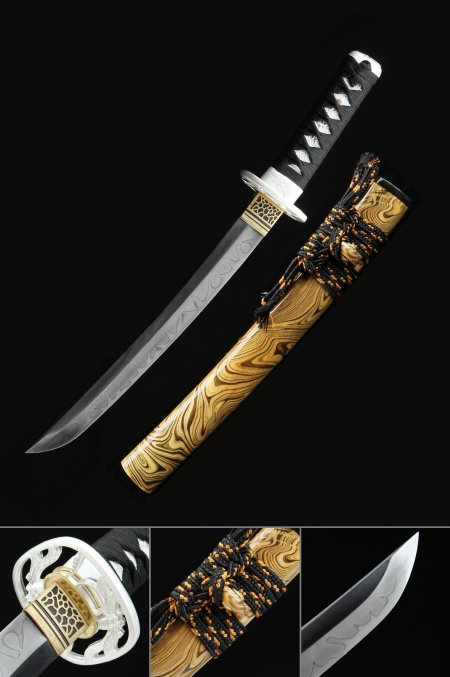
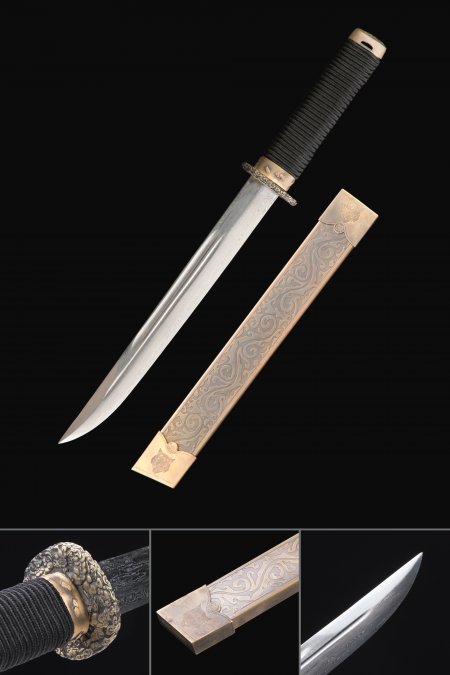
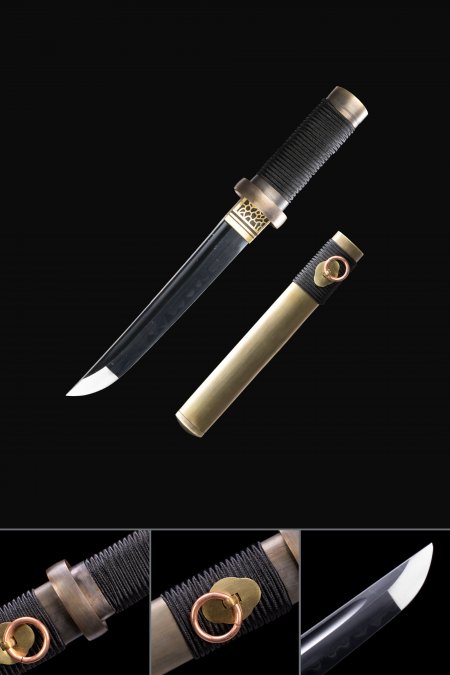
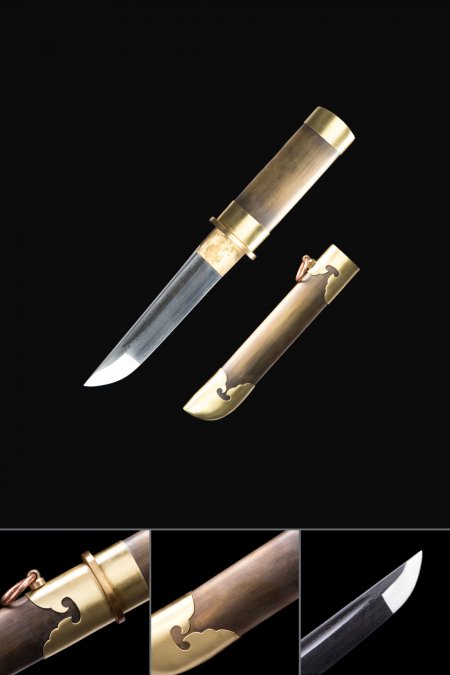
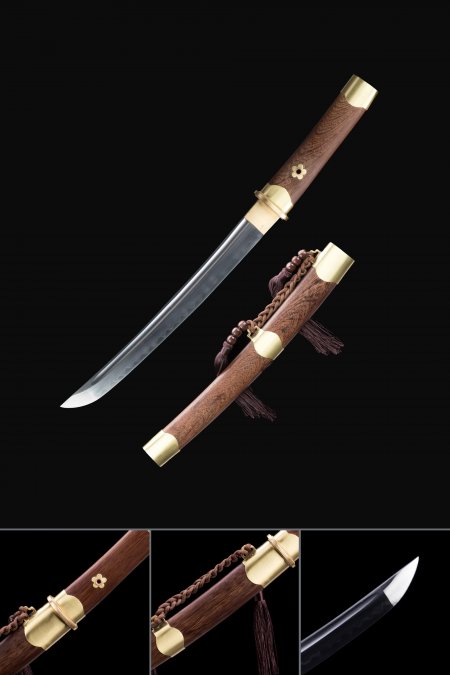
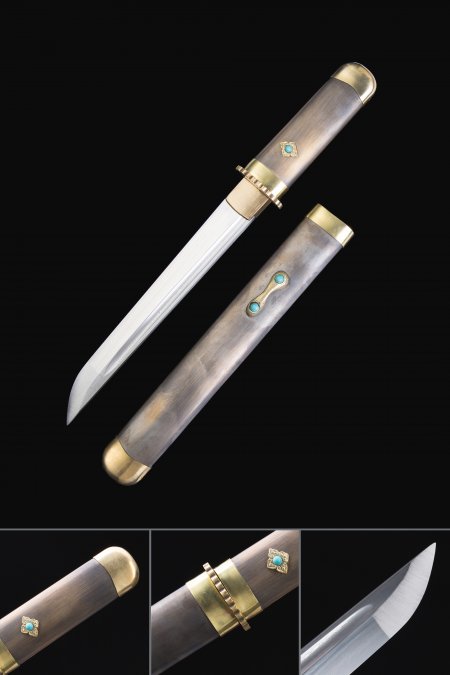
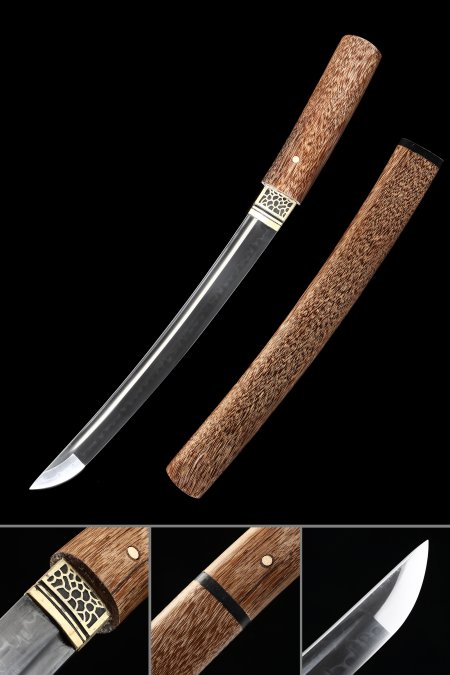
Explore our Natural Tanto collection — hand-forged Japanese short swords crafted from premium steels including T10, 1045 carbon, and folded Damascus. Each piece features authentic clay tempering, real hamon lines, and natural hardwood saya in rosewood, sandalwood, and other select timbers. These collectible tanto showcase traditional Japanese craftsmanship refined for the modern collector. Free shipping and free returns on every order.
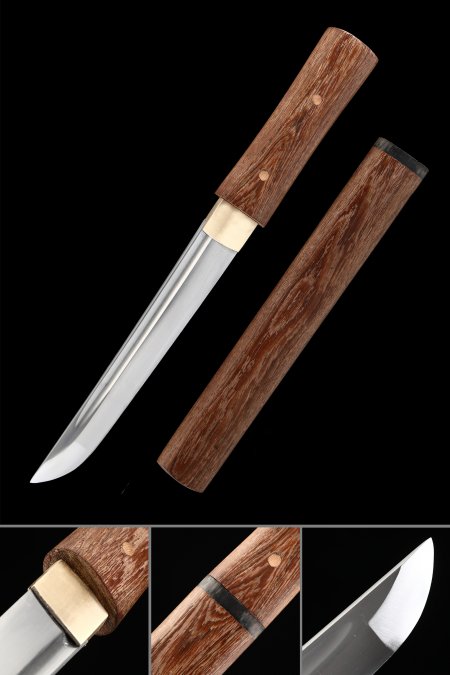
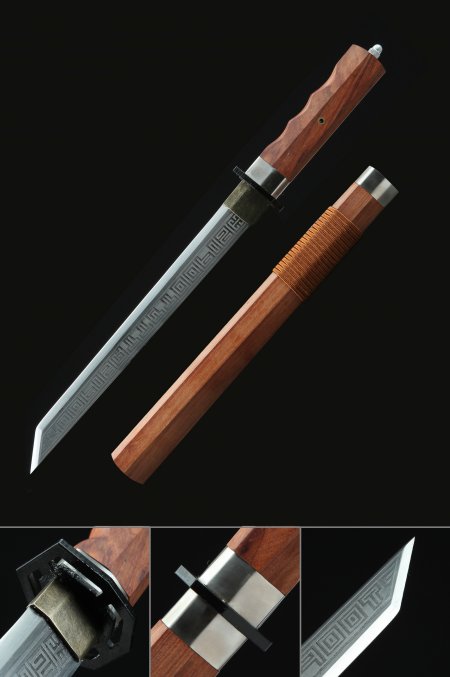
Showing 19 Products

Related Collections

Dragon Katana123 items


851 Reviews

Kodachi Sword34 items


79 Reviews

Saber Sword128 items


1627 Reviews

Katana Set6 items


209 Reviews

Frequently Asked Questions

What makes a natural tanto different from other tanto styles?
A natural tanto is defined primarily by its mounting choices rather than its blade geometry. Where many tanto feature lacquered saya, silk-wrapped tsuka, or heavily decorated fittings, a natural tanto uses unfinished or lightly oiled hardwood for both the scabbard and handle. Woods like rosewood, sandalwood, and other dense-grained timbers are selected specifically for their visual character and durability. This approach draws from the shirasaya tradition — plain wood storage mounts that Japanese swordsmiths historically used to protect blades during long-term keeping. The emphasis falls on the interplay between exposed wood grain and the steel's own surface detail, such as a visible hamon or Damascus fold pattern, creating a collectible that prioritizes material authenticity over decorative embellishment.
How does clay tempering create a real hamon on a tanto blade?
Clay tempering, known as tsuchioki in traditional Japanese practice, involves applying a mixture of clay, ash, and charite in varying thicknesses along the blade before heat treatment. The spine receives a thicker clay coating while the edge is left thinner or exposed. During quenching — rapid cooling in water — the thinly coated edge cools faster and hardens into martensite, while the insulated spine cools slowly into softer pearlite. The visible hamon line marks exactly where this transition occurs. Each blade's hamon is unique because slight variations in clay application, temperature, and quenching speed produce different patterns. This is not etched or cosmetic; it reflects a genuine structural difference within the steel, which is why collectors value a real hamon as proof of authentic differential hardening.
Should I choose T10, 1045, or Damascus steel for a collectible tanto?
Each steel offers a distinct collecting experience. T10 is a high-carbon tool steel with a small tungsten addition that improves edge retention and hardness. When clay tempered, it produces vivid, well-defined hamon lines, making it a favorite among collectors who value visual drama and metallurgical authenticity. 1045 carbon steel is a simpler composition — reliable, full-tang, and more forgiving in humid environments since it has slightly lower carbon content. It is an excellent starting point for new collectors. Folded Damascus steel is produced by repeatedly forge-welding and folding multiple layers, creating a distinctive wavy or wood-grain pattern across the blade surface. Damascus pieces appeal to collectors who prize the layered patterning as an art form in itself. Your choice depends on whether you prioritize hamon aesthetics, low-maintenance display, or layered surface artistry.
How do I maintain a natural hardwood saya and prevent cracking?
Natural hardwood saya require attention to humidity more than anything else. Wood expands and contracts with moisture changes, so avoid storing your tanto near heat sources, in direct sunlight, or in extremely dry rooms where relative humidity drops below 30 percent. A light application of natural wood oil — tung oil or camellia oil works well — once or twice a year keeps the grain from drying out and developing surface cracks. For the blade itself, a thin coat of choji oil or mineral oil prevents oxidation, especially important with high-carbon steels like T10 that are more reactive than stainless alloys. Always ensure the blade is completely dry before sheathing it, as trapped moisture between steel and wood accelerates corrosion on the blade and can cause mildew inside the saya.
What is the difference between aikuchi and hamidashi tanto mountings?
Aikuchi and hamidashi represent two closely related but distinct mounting traditions for Japanese short swords. An aikuchi tanto has no tsuba whatsoever — the handle meets the saya collar directly, creating an uninterrupted line from pommel to scabbard tip. This style was historically associated with court dress and higher-status carry, where a clean, minimal silhouette was preferred. A hamidashi tanto includes a very small, low-profile guard that extends only slightly beyond the handle width. It offers a subtle visual break between handle and blade without the pronounced disc of a standard tsuba. For collectors, the choice often comes down to aesthetic preference: aikuchi suits those who favor absolute minimalism, while hamidashi provides just enough structural definition to frame the blade's transition point.

Customer Reviews