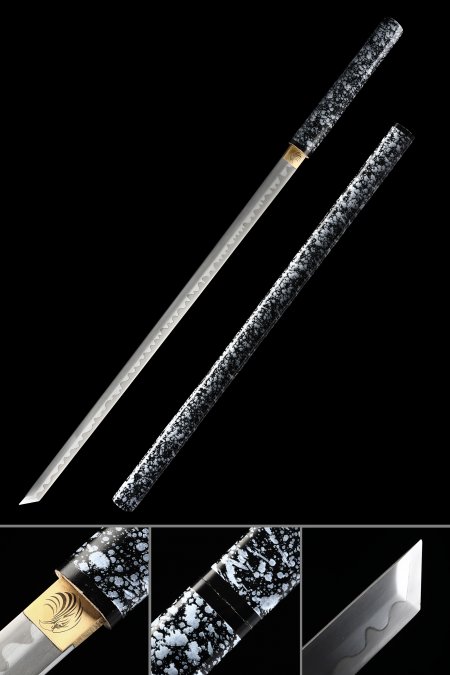
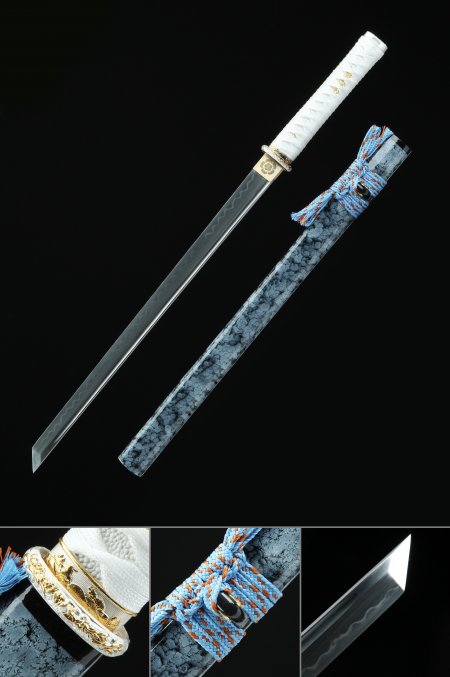
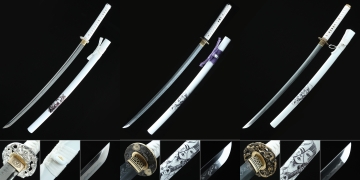
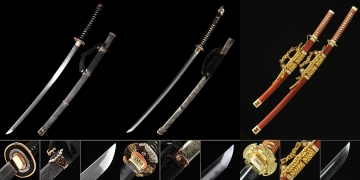
Marble T10 Carbon Steel Ninjato

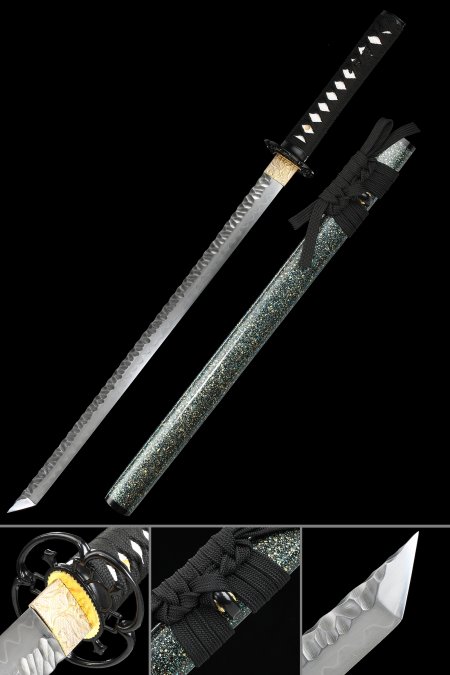
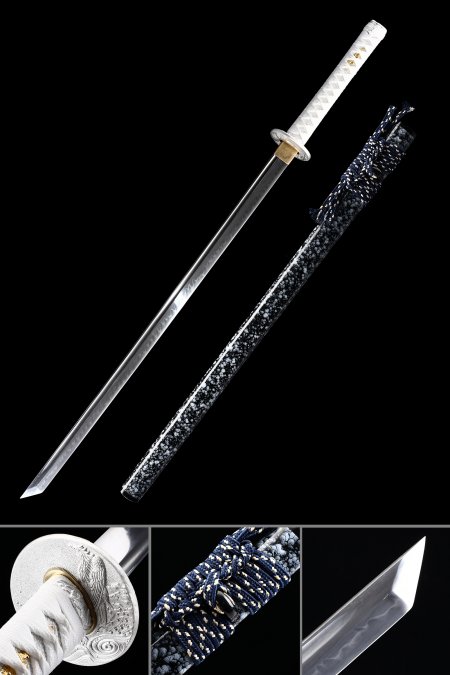
Handcrafted from high-carbon T10 tool steel with a genuine hamon, each Marble T10 Carbon Steel Ninjato in this collection pairs exceptional metallurgical craft with striking marble-pattern saya that make these pieces unmistakable on any display stand. From deep blue swirl to glitter teal, every scabbard is a one-of-a-kind visual statement. Enjoy free standard shipping on your order, plus a hassle-free return policy — because your confidence as a collector matters to us.
Showing 4 Products

Related Collections

T10 Carbon Steel Katana30 items


1 Reviews

1045 Carbon Steel Katana93 items


3337 Reviews

Red Carbon Steel Ninjato7 items


45 Reviews

Frequently Asked Questions

What makes T10 steel a good choice for a collector ninjato?
T10 is a high-carbon tool steel with roughly 1.0% carbon content and a small amount of silicon, which improves its overall toughness compared to simpler high-carbon grades. For collectors, its most valued attribute is the quality of hamon it produces during differential hardening — the temper line is typically well-defined, with visible activity (nie and nioi) that reads clearly under display lighting. T10 also maintains a stable surface over time when properly cared for, making it a practical choice for long-term display. It is not stainless, so periodic light oiling is recommended, but that minor maintenance is standard practice for any carbon steel collector piece and keeps the surface looking its best for years.
How does a ninjato differ from a katana as a collectible?
The most immediate difference is blade geometry. A katana features a pronounced curve (sori) that is central to its aesthetic identity, while a ninjato typically has a straight or very slightly curved blade with a squared or rectangular tsuba rather than the rounded guard common on katana. This gives the ninjato a more geometric, graphic silhouette that appeals to collectors who prefer a bold, unconventional profile. The straight blade also interacts differently with display lighting, showing the hamon along a flat plane rather than a curve, which can make the temper line appear sharper and more linear. From a compositional standpoint, mixing ninjato and katana pieces on a display rack creates visual variety that a single sword style cannot achieve alone.
What is the significance of the marble saya pattern on these pieces?
The marble-pattern saya is the defining aesthetic feature of this collection. Unlike solid lacquered scabbards, the swirling stone-like pattern means no two saya look identical — even within the same color family, the veining and tonal gradations shift depending on viewing angle and lighting. This individuality is valued by collectors who want display pieces that feel genuinely unique rather than production-line uniform. The marble finish also creates deliberate visual contrast with the steel blade: the cool, mineral quality of the scabbard sets off the warm metallic tone of T10 steel and the gold or white metal fittings. Collectors building themed displays often use the marble saya color — deep blue, teal, or black-white — as a design anchor for the surrounding arrangement.
How should I store and maintain a T10 carbon steel ninjato?
T10 steel will oxidize if left unprotected, so a light application of choji oil or a neutral mineral oil every few months is the core of any maintenance routine. Apply oil with a soft, lint-free cloth and wipe away any excess — a thin protective film is all that is needed. Store the sword horizontally on a display stand or in its saya, away from humidity and direct sunlight. Sunlight can fade the tsuka ito over time and may affect the finish of the marble saya. Avoid storing the blade in the saya for extended periods without periodic removal to check for moisture, which can become trapped and encourage surface oxidation. Handling the blade with clean cotton gloves prevents skin oils from contacting the steel and leaving marks that can lead to spotting.
Are these ninjato suitable as gifts for sword collectors?
They make a strong gift choice precisely because the marble saya gives them an immediate visual impact that reads as distinctive and considered rather than generic. The combination of T10 steel construction, hand-forged hamon, full-tang assembly, and ornamental tsuba — such as the gold chrysanthemum or gold phoenix designs — signals to a knowledgeable collector that the piece was built with craft in mind. For someone new to collecting, a ninjato with a marble saya is an accessible entry point: the form is historically interesting, the aesthetic is immediately striking, and the piece displays beautifully with minimal setup. Pairing it with a complementary short-blade piece like a tanto from our T10 Carbon Steel Tanto collection creates a cohesive gift set that works well together on a shared display stand.

Customer Reviews

Tomas Goolmeer Nsw, Australia

Some paint off the scarab and the iron is scratched. The sword is very tight, solid and straight. Fits scarab perfectly. Not 100 perfect build or quality. However it is absolutely straight and solid. Definitely a legit sword and very beautiful. Well worth the money. I absolutely love it. Couldn't expect anything more. Great design and legit handy work. Will buy another.
T10 Carbon Steel Ninjato with Blue Marble Saya, White Tsuka & Gold Chrysanthemum Tsuba T10 Carbon Steel Ninjato with Blue Marble Saya, White Tsuka & Gold Chrysanthemum Tsuba