Free Shipping
609.00 USD
ON SALE! 20% OFF
Was: 759.00 USD

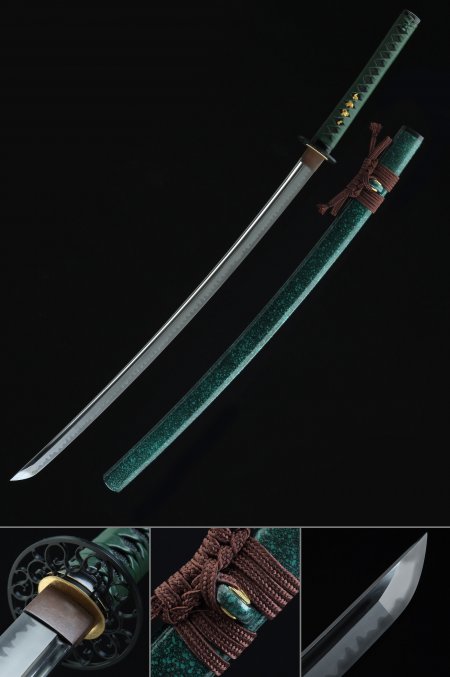
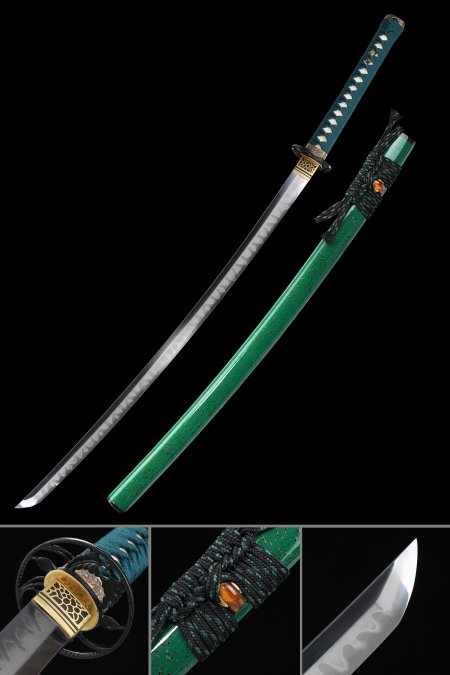
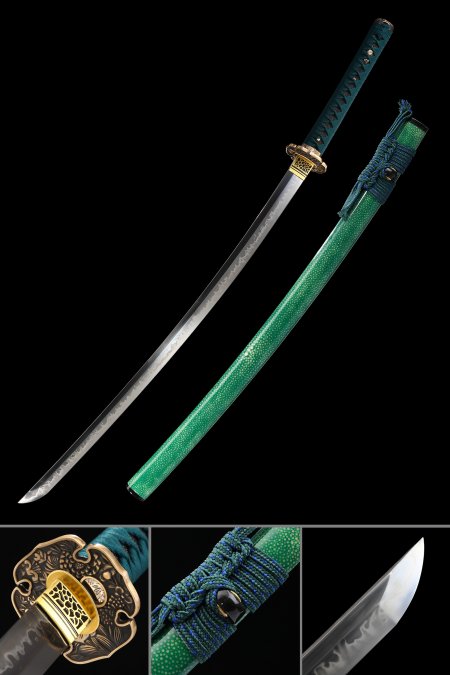
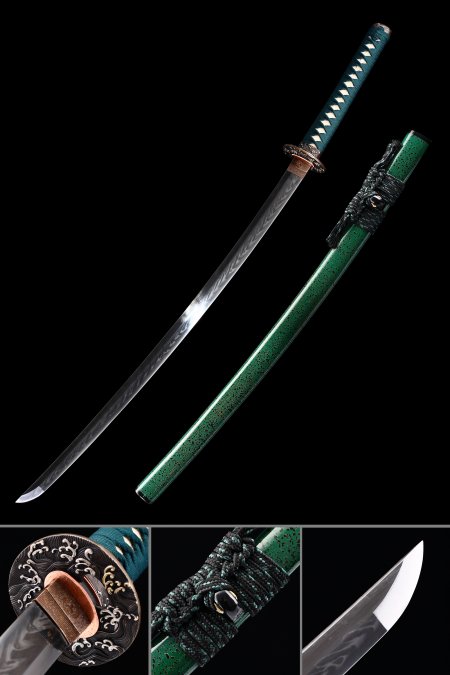
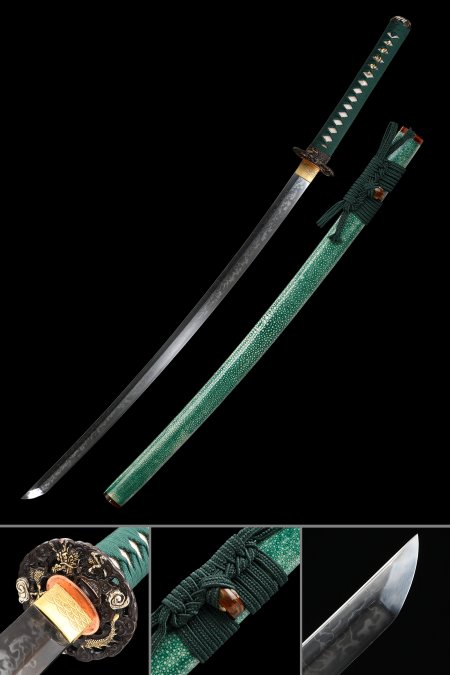
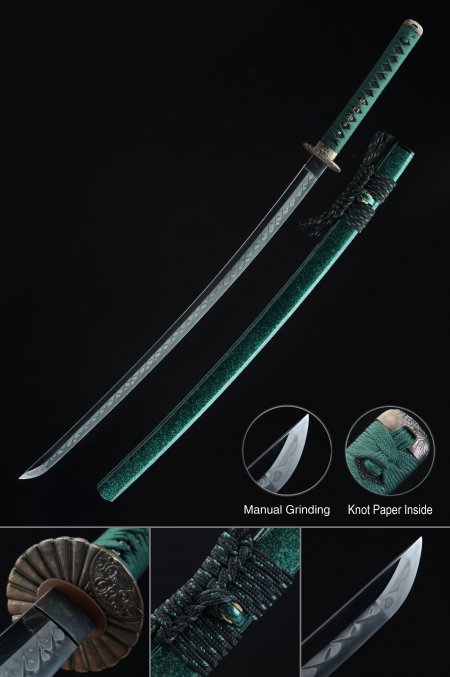
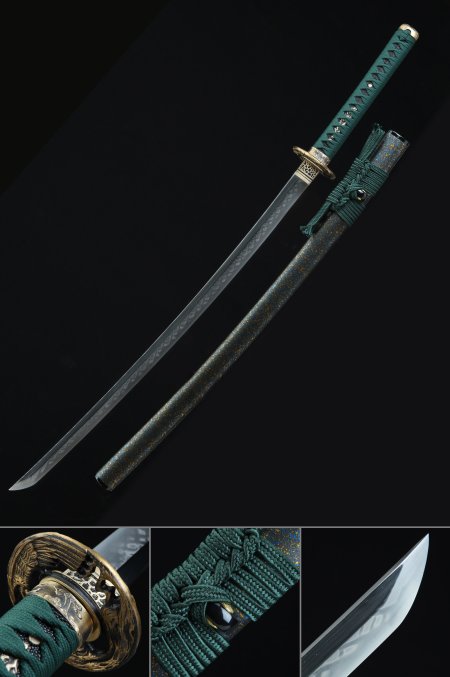
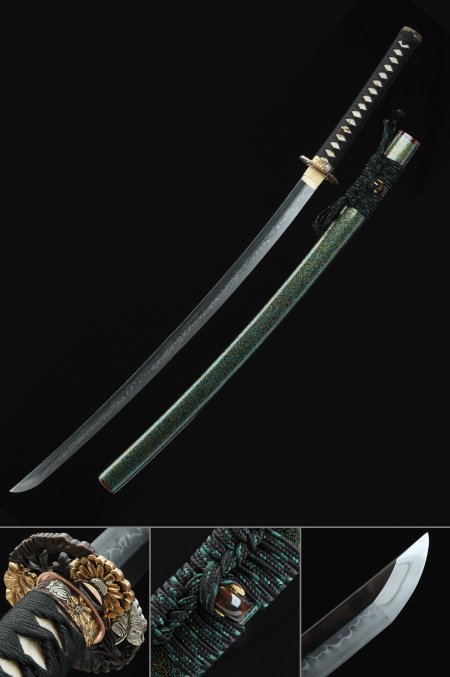
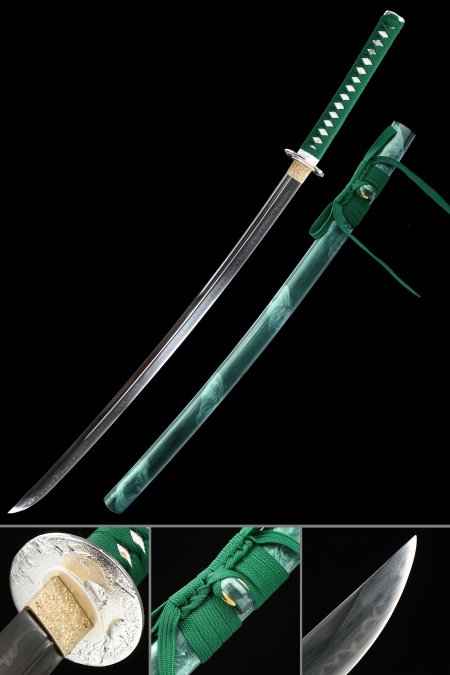
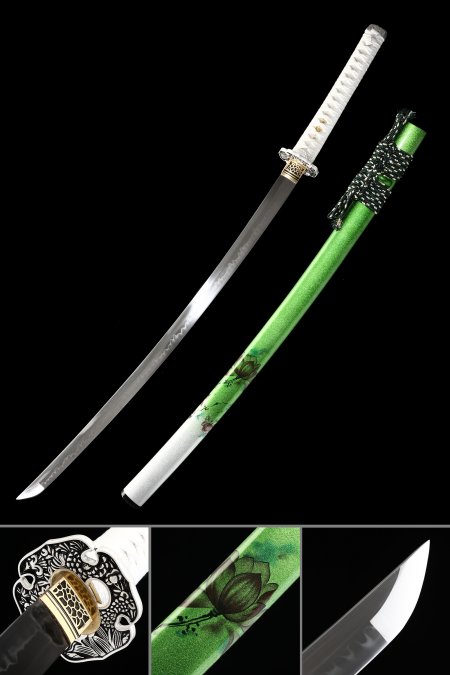
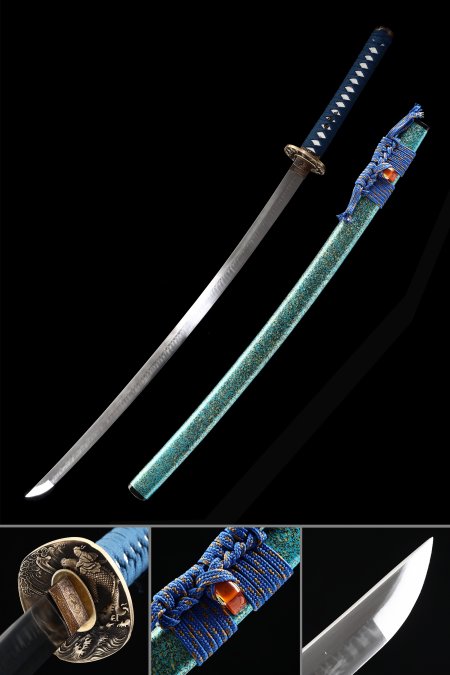
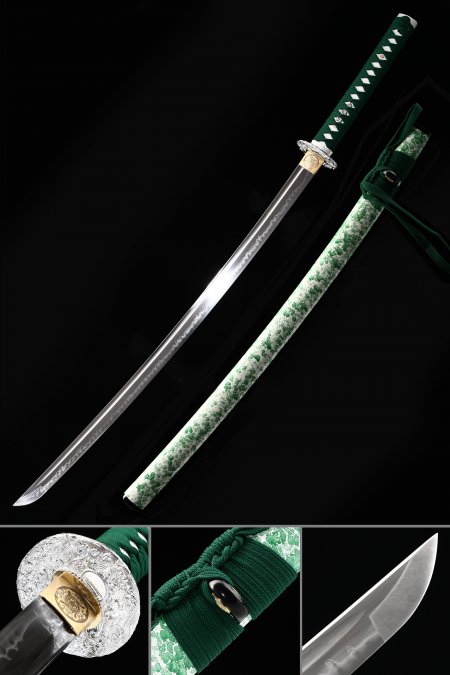
Every Green T10 Carbon Steel Katana in this collection is hand-forged from high-carbon T10 tool steel, clay tempered to develop a genuine hamon, and finished with lacquered saya in rich green tones ranging from emerald to teal. Rayskin-wrapped handles, ornate copper or iron tsuba, and silk-cord ito bring authentic Edo-period aesthetics to each piece. These are serious collector's items crafted for display and appreciation — and every order ships free with hassle-free returns.
It arrived on time! :) But it was poorly made. It has loose parts. I would personally not buy from here again because $200 bucks for a poorly made katana is not it.
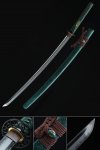 |
T10 Folded Clay Tempered Katana with Dark Green Textured Saya and Openwork Iron Tsuba - Full Tang Collectible |
Amazing quality. The katana arrived fast and in mint condition.
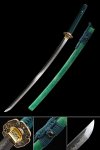 |
Green Katana T10 Folded Clay Tempered Steel with Real Hamon - Rayskin Saya and Copper Floral Tsuba |
This katana is gorgeous. The steel looks amazing. It is super sharp. Top shelf quality at a lower shelf price. Item was as described. It is absolutely perfect. 100% satisfied.
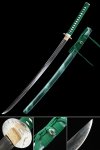 |
T10 Carbon Steel Katana with Green Marbled Saya, Dragon Tsuba & Green Ito Wrap |
This sword came out a lot better than I thought it would the sword is amazing and the hamon is very nice and well made only 1 things as you can see the saya does not match up as perfect as in the pics but is still very nice but overall love it and will be buying again
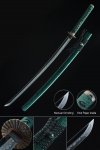 |
T10 Clay Tempered Katana with Real Hamon in Green Saya - Full Tang Collectible Sword with Copper Tsuba |
Sword came in great condition and looked exactly like the picture. It feels great in my hand, but I do have a few pieces of feedback:
-I wish the habaki was a bit wider so that the sword stays more securely in the saya.
-I wish the sword came with a storage box
Other than that, it’s an excellent-looking sword!
|
T10 Folded Clay Tempered Katana with Dark Green Textured Saya and Openwork Iron Tsuba - Full Tang Collectible |
I bought this as a gift for my husband. Let me tell you, best gift ever! He was ecstatic! We are very impressed with the quality of this sword. Shipping was also very fast and secure.
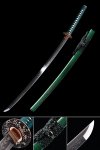 |
T10 Carbon Steel Katana with Dragon Engraving, Green Lacquer Saya & Wave Tsuba |
Sword over all is great quality for the price. Super sharp, beautifully crafted.
However the saya (sheath) is much brighter than it looks on the site, almost like glitter. I was expecting a more forest green.
All in all very satisfied.
|
T10 Clay Tempered Katana with Real Hamon in Green Saya - Full Tang Collectible Sword with Copper Tsuba |
I love the sword it’s awesome and sharp well made
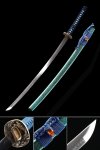 |
T10 Carbon Steel Katana with Teal Lacquer Saya, Koi Tsuba & Dark Blue Ito Wrap |