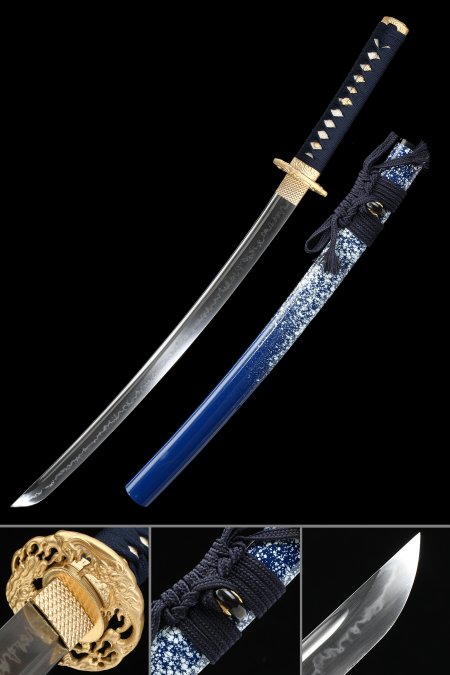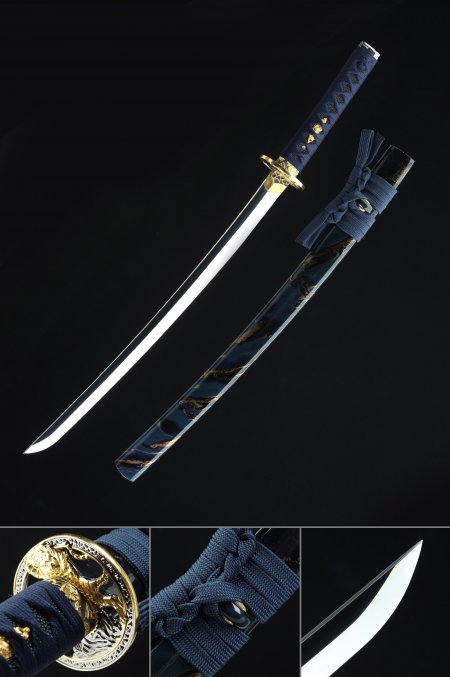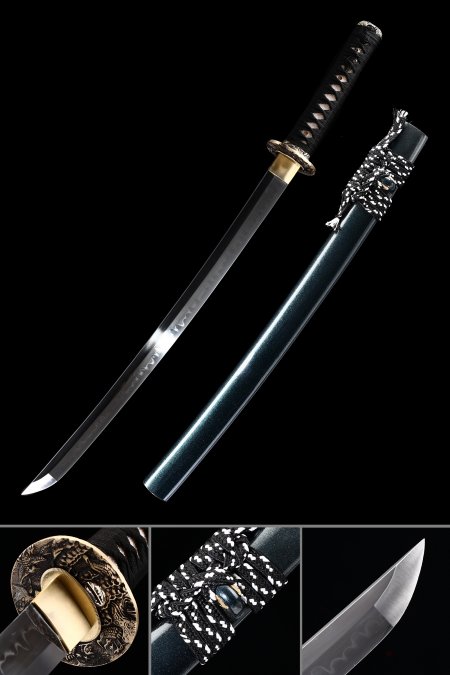
Blue T10 Carbon Steel Wakizashi

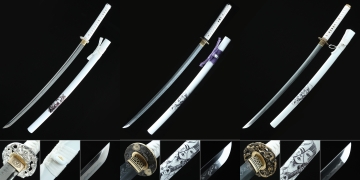
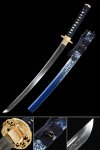
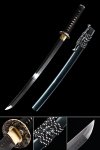
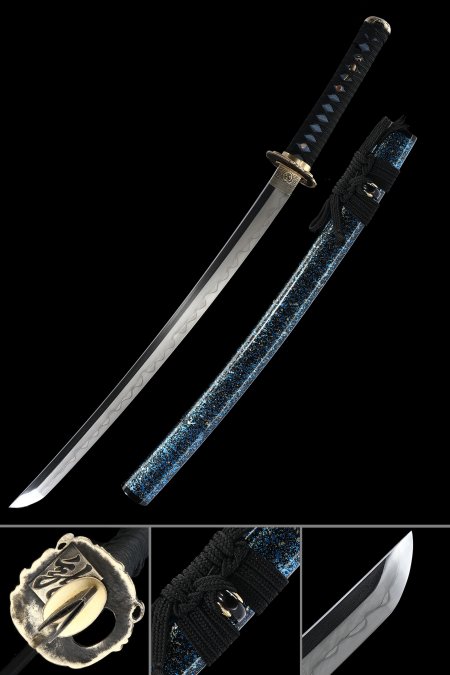
Blue T10 Carbon Steel Wakizashi combines centuries-old Japanese forging tradition with the refined performance of high-carbon T10 tool steel, delivering a blade prized by serious collectors for its clarity of hamon and exceptional edge retention. Each piece in this collection is hand-forged, clay-tempered, and dressed in distinctive blue koshirae - from lacquered saya to hand-wrapped ito - making every sword a gallery-worthy display piece with undeniable craft integrity. Enjoy free standard shipping on your order, and peace of mind with our hassle-free return policy.
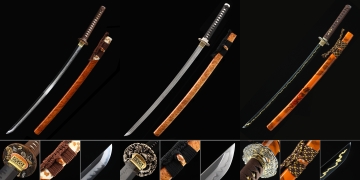
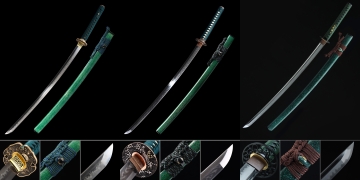
Showing 4 Products

Frequently Asked Questions

What makes T10 steel a preferred choice for wakizashi collectors?
T10 tool steel contains approximately 1.0% carbon along with trace amounts of tungsten, which refines the grain structure and improves wear resistance compared to simpler high-carbon steels like 1060 or 1075. For collectors, the key advantage is how T10 responds to clay tempering: the differential hardening process creates a genuine hamon - the visible temper line that serves as proof of authentic heat treatment rather than mere acid etching. Each hamon is unique to that specific blade's quench, making T10 wakizashi individually distinct in a way mass-produced stainless steel pieces cannot replicate. The combination of a hard edge zone and a resilient spine also means T10 blades hold up well during test cutting, adding a functional dimension that collectors who appreciate both form and performance find highly attractive.
How does a wakizashi differ from a tanto in a collection?
Both the wakizashi and the tanto are shorter Japanese blades, but they differ meaningfully in length, geometry, and historical role. A tanto typically measures under one shaku (roughly 12 inches), features a thicker, more acute point geometry optimized for piercing hard materials, and was often carried as a utility or close-quarters tool. The wakizashi ranges from approximately 12 to 24 inches and is forged with the same curved, single-edge profile as the katana - just scaled proportionally. In the samurai daisho pairing tradition, the wakizashi was the designated companion to the katana and could be worn indoors where the longer blade had to be left at the door. For display collectors, a wakizashi offers more visual presence than a tanto while occupying less display space than a full katana, making it an ideal centerpiece or paired piece in a Japanese sword arrangement.
Is the hamon on these blue T10 wakizashi real or acid-etched?
The hamon on clay-tempered T10 wakizashi in this collection is the result of genuine differential heat treatment, not acid etching. During the forging process, a mixture of clay and ash is applied to the blade's spine before quenching, insulating that area so it cools slowly and remains softer. The exposed edge cools rapidly in the water quench, transforming into hardened martensite. The hamon is the natural boundary between these two steel structures and becomes visible after polishing. An authentic hamon displays nie (fine crystalline particles) and nioi (a misty activity band) that shift in appearance under different lighting - characteristics an etched line cannot replicate. Collectors examining the blade under a raking light source can verify authenticity by observing this depth and movement within the hamon.
How should I store a blue lacquered wakizashi long-term?
Lacquered saya and high-carbon steel blades have slightly different environmental needs, and balancing both is straightforward with a few simple habits. Store the sword horizontally on a padded rack or in a sword bag, keeping it sheathed to protect both the blade and the lacquer finish. Aim for a stable environment with relative humidity between 40% and 60% - too dry and the wooden saya may develop hairline cracks; too humid and the carbon steel inside can oxidize. Apply a thin coat of choji oil or food-grade mineral oil to the blade every three to four months, using a soft lint-free cloth and wiping from habaki to tip in one direction. Avoid storing near direct sunlight, which can fade lacquer color over time. Remove the blade from the saya briefly twice a year to inspect for any moisture buildup at the habaki, which is the most common site of early surface rust on sheathed blades.
Can a Blue T10 wakizashi be paired with a matching katana as a daisho?
Absolutely - building a daisho display is one of the most historically grounded ways to collect Japanese swords, and matching aesthetic elements between the two blades creates a cohesive presentation. When pairing, collectors typically look for alignment in tsuba style, ito color and wrap pattern, saya finish, and overall koshirae theme. Within this collection, the blue lacquer and dragon motif fittings found on several wakizashi translate naturally to full-length katana that share the same design vocabulary. For collectors who prefer a contrasting display that still feels intentional, pairing a blue koshirae wakizashi with a piece from our Black T10 Carbon Steel Wakizashi collection creates a classic dark-and-color contrast that many collectors favor for wall mounting or standing display.

Customer Reviews