FAST SHIP
24 Reviews
ON SALE 20% OFF
$219.00$269.00

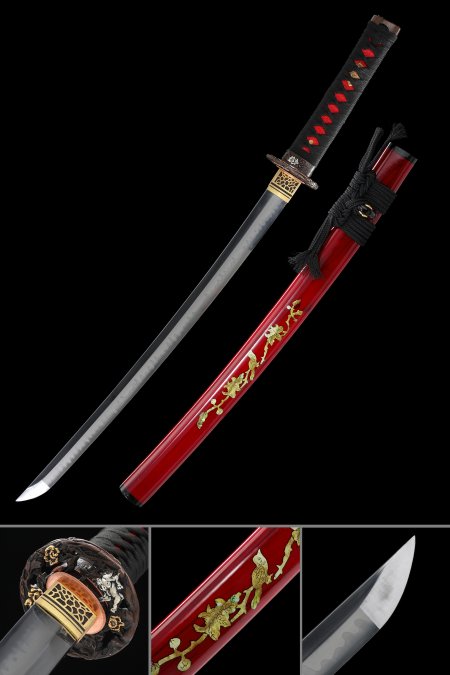
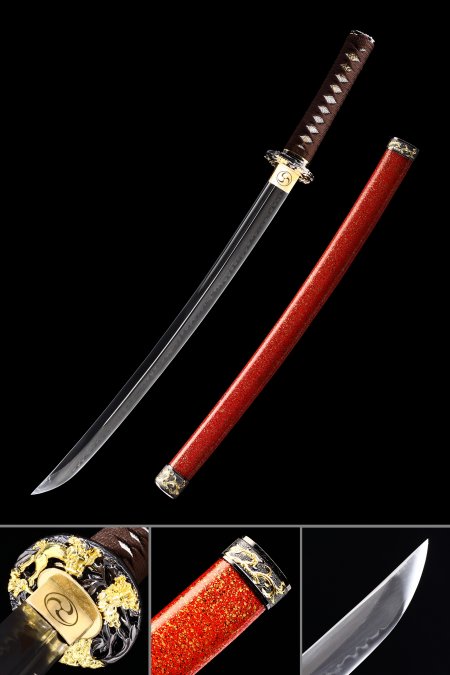
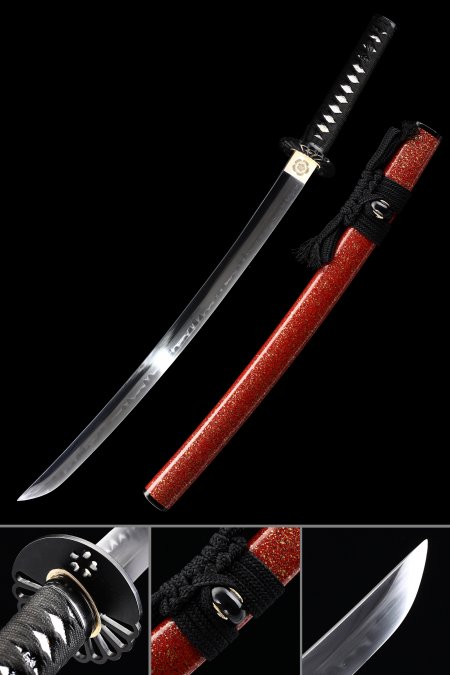
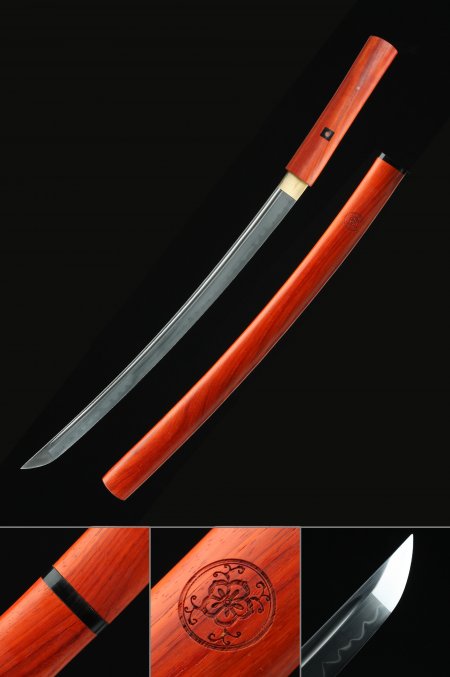
Crafted from high-carbon T10 tool steel and finished in striking red lacquer and hardwood accents, each wakizashi in this collection is individually hand-forged and clay tempered to produce an authentic hamon along the blade. These pieces are built with full-tang construction and genuine rayskin-wrapped handles, making them equally rewarding as display centerpieces or focused test-cutting collectibles. Every order ships free with hassle-free returns, so adding a signature piece to your collection is completely risk-free.
Moc krásný děkuji. Jen by to mělo být ostřejší ahoj
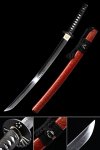 |
T10 Carbon Steel Wakizashi with Real Hamon in Red Lacquer Hardwood Saya - Black Tsuka |
This is the second unit I purchased from TK ....the
sword is very hard to remove from the saya. The brass
fitting, once it goes into the saya, it becomes almost
imposible to remove without using a screwdriver and excert some torque to it.
Can you send me a UPS label to return and have it replaced..???
Thanks
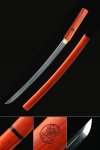 |
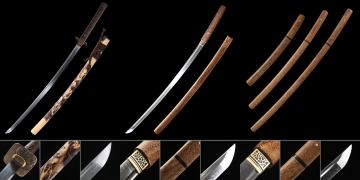
T10 Steel Clay Tempered Shirasaya Wakizashi with Real Hamon in Rosewood Saya - Red Hardwood Handle |
Beautiful red wood finish. Smooth from the handle of the wakizashi through to saya with tight alignment and a nice crisp lock closure. Well designed and looks great.
|
T10 Steel Clay Tempered Shirasaya Wakizashi with Real Hamon in Rosewood Saya - Red Hardwood Handle |
Professional in every way , communication, shipping. Customer service. Products as shown. High quality items .
|
T10 Steel Clay Tempered Shirasaya Wakizashi with Real Hamon in Rosewood Saya - Red Hardwood Handle |
I got it on sale but some issues may indicate why it was on sale.
Cons:
Blade was bent and wavy ( not straight)
the grinds were a little heavy on some places showing little hot spots.
The Hamon was very prominent in photos but very faint in person.
Pros:
Blade is very sharp and although faint, the Hamon looks much better than a fake hamon.
Woodworking (and wood) vas very nice
Fitting was very nice and tight (handle ,and sword to sheath)
Overall it's ok for the "sale" price, but as is I would not pay full price again for the same piece that I recieved.
I am reviewing only 1 piece and this does not reflect True Katana's Overall product .
Thanks
|
T10 Steel Clay Tempered Shirasaya Wakizashi with Real Hamon in Rosewood Saya - Red Hardwood Handle |
Great Condition and it Shipped to My House Really Quick.
|
T10 Carbon Steel Wakizashi with Real Hamon in Red Lacquer Hardwood Saya - Black Tsuka |
The product arrived and looks even more awesome than the catalogue photos.
Well made by people that know what they're doing !
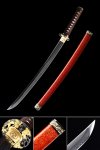 |
T10 Carbon Steel Wakizashi with Real Hamon - Red Lacquer Saya, Dragon Tsuba, Brown Tsuka |
A very sharp and well-made wakizashi, especially for the money. The blade has been well-sharpened and cuts paper easily. The saya is attractive, not just your usual one-color paint. The habaki is fancier than the usual plain brass saya and continues the theme of the flower like the tsuba. Customer service went out of their way to ensure that I was pleased with my purchase.
|
T10 Carbon Steel Wakizashi with Real Hamon in Red Lacquer Hardwood Saya - Black Tsuka |